




Exploring Nepal’s Most Fascinating Culture: The Kiranti People and Traditions
31 October 2025
By admin
Nepal is a country that has more than 125 ethnic groups that peacefully coexist and is known for its rich and diverse culture. Each group has its own unique religion, culture, language, and beliefs. From these diverse and multiple cultures and groups, Kiranti is one of them.
The Kiranti, or Kirant, people are one of Nepal’s oldest ethnic groups, encompassing several distinct communities, primarily the Rai, Limbu (Yakthung), Yakkha, and Sunuwar, who are believed to have settled in the Himalayan region (like Limbuwan, Khambuwan, and Walmuwan). They’re descended from ancient Himalayan warriors and nature worshippers from the ancient Himalayas who created a powerful kingdom long before Nepal as we know it now.
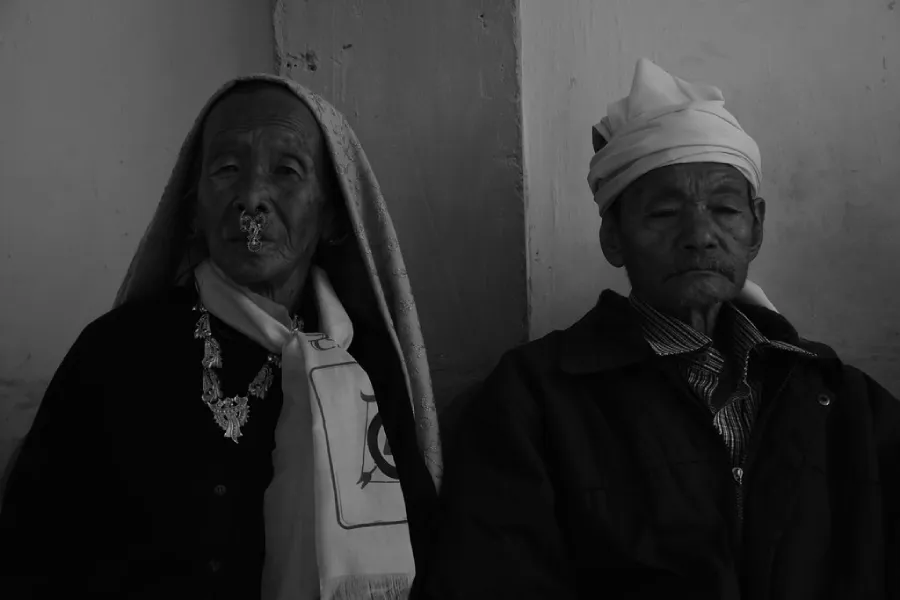
The Kiranti civilization flourished with the establishment of the Kirant Dynasty in the Kathmandu Valley, where their fabulous leader ruled for centuries. Living closely with nature and mountains— hunting, farming in high altitude hills, and enjoying the changing of the seasons has led to the development of their distinctive way of life. Their profound reverence for the land that supports them is apparent in every aspect of their culture.
History of Kiranti People
The Kiranti people are believed to have migrated into the Himalayas near Mount Everest thousands of years ago, long before written history began in Nepal. They settled in the lush eastern hills—places rich in timbers, gutters, and wildlife—where they lived as professional hunters, farmers, and soldiers. Their name, “Kirant,” is said to relate to mountain residents or people of the mounds.
The Kirant history takes place during the Kirant dynasty, the first known era of the Kathmandu Valley, where Kiranti history is mostly expressed. This period started around 800 BCE–300 CE with the well-known first Kirant king, “Yalambar,” known for his wisdom, courage, leadership, and warrior skills. The valley was ruled for 1,225 years by 29 Kiranti kings, according to literal accounts similar to the Gopalraj Vamsavali, leaving a powerful legacy that influenced Nepal’s history and culture for centuries.
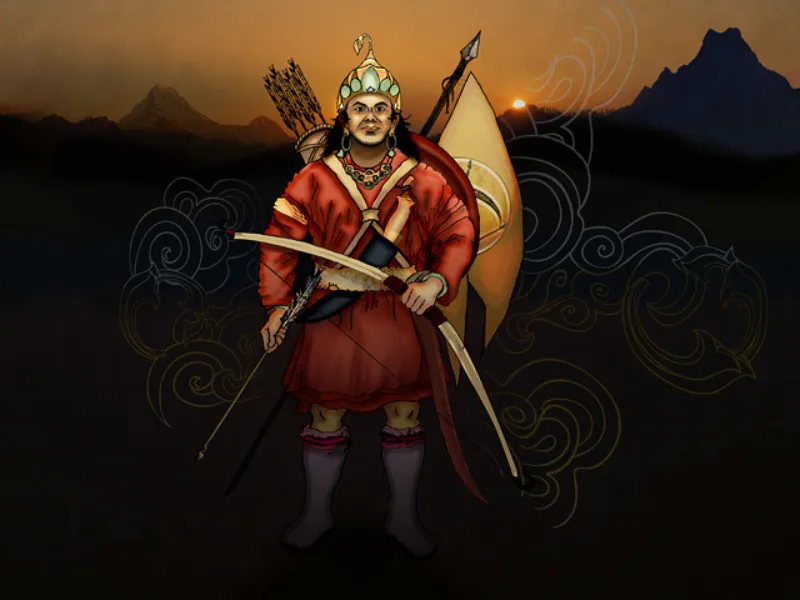
During their rule, the Kirantis made significant contributions in several areas:
Economy and Trade
The Kirant king exchanged salt, wool, grains, and tools in their expansive trade with Tibet and India. In addition to fostering knowledge and artistic exchange between the country.
Agriculture and Irrigation
In hilly areas, they created terraced husbandry and irrigation systems to increase crop yields while conserving and preserving their spiritual ties to the land and rivers.
Religious Harmony and Spiritual Life
Along with esteeming other recently arising religious traditions in the valley, the Kirant is engaged in worshiping nature, respecting mountains, rivers, timbers, and ancestors.
Kirati People Language
Most of the Kiranti people speak “Kiranti” language which is the part of Sino-Tibetan language family. These language are one of the oldest language which have been preserved and maintained by their ancestors over thousand of years. While Bantawa, Chamling, Limbu, Kulung, Thulung, Nachhiring and numerous other Kiranti communities have their own mother languages, they all have roots in the ancient Kirant civilization.
Historically oral lore, chants, and readings known as Mundhum have been used to save the Kiranti languages. Language is a sacred pillar of their identity because these spoken traditions contain knowledge about their history, culture, and the relationship between humans and nature.
Culture and Traditional Dress of Kirati People
The Kirantis follow an ancient spiritual system called Mundhum, an oral book that preserves their rituals, myths, and artistic knowledge. Passed down by preachers known as Nakchhong, Mundhum attendants daily life, social conduct, and ceremonies. It emphasizes harmony with nature, worshipping Paruhang (Sky God) and Sumnima (Earth Mother), representing the balance between humans and the natural world.
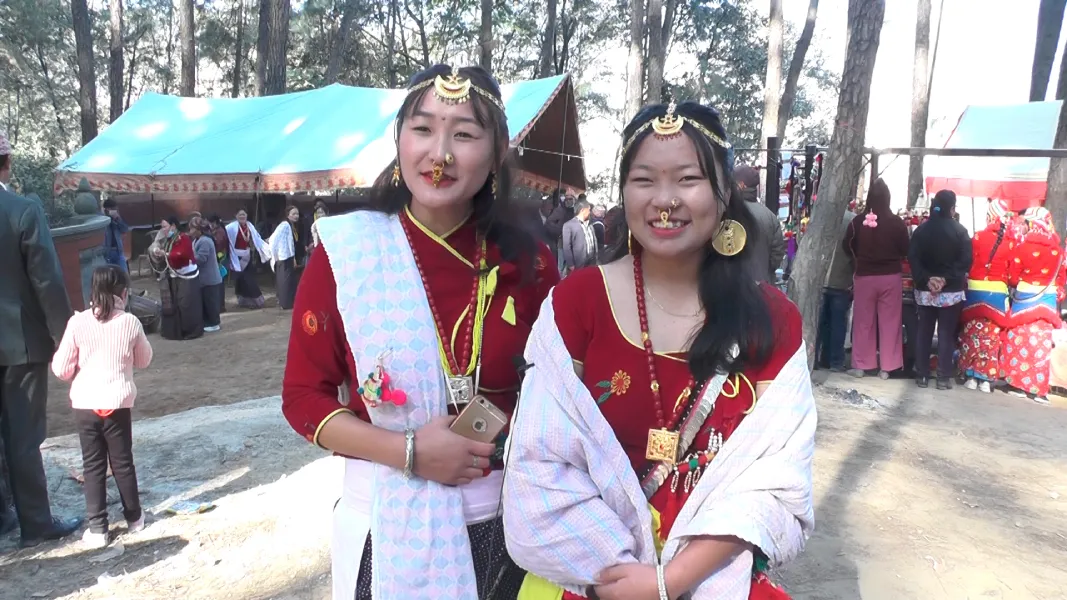
Kiranti clothing and their natural surroundings are nearly linked. Generally made of cotton or hair, their dress is handwoven and stretched with straightforward yet symbolic designs.
- Men generally pair tight Suruwal pants with a traditional shirt or a Daura-style tunic. In certain societies, wearing a khukuri around the waist represents bravery and courage.
- Women dress in wrap-around styles like Phariya or Gunyu and accessorize them with handmade crafted jewelry, such as large earrings, necklaces and bangles. These decorations stand for wealth, safety, and the natural world.
Kirantis wear their stylish clothes for fests like Sakela/Sakewa and Chasok Tangnam, which are various, proud, and representative of their ancient heritage and love for the land.
Festival Celebrated by Kirati People
Kiranti festivals are crucial for strengthening the community, ancestral remembrance and representing respect for nature.
Major Festivals of Kirati People
Ubhauli
When: It is celebrated around April or May which is the beginning of the farming season.
Importance: Ubhauli means “going upwards.” This festival represents the upward migration of birds or people to advance higher hills in order to start farming.
Purpose: It is a time to pray for a good harvest of crops and to recognize Mother Nature for protection from natural disasters.
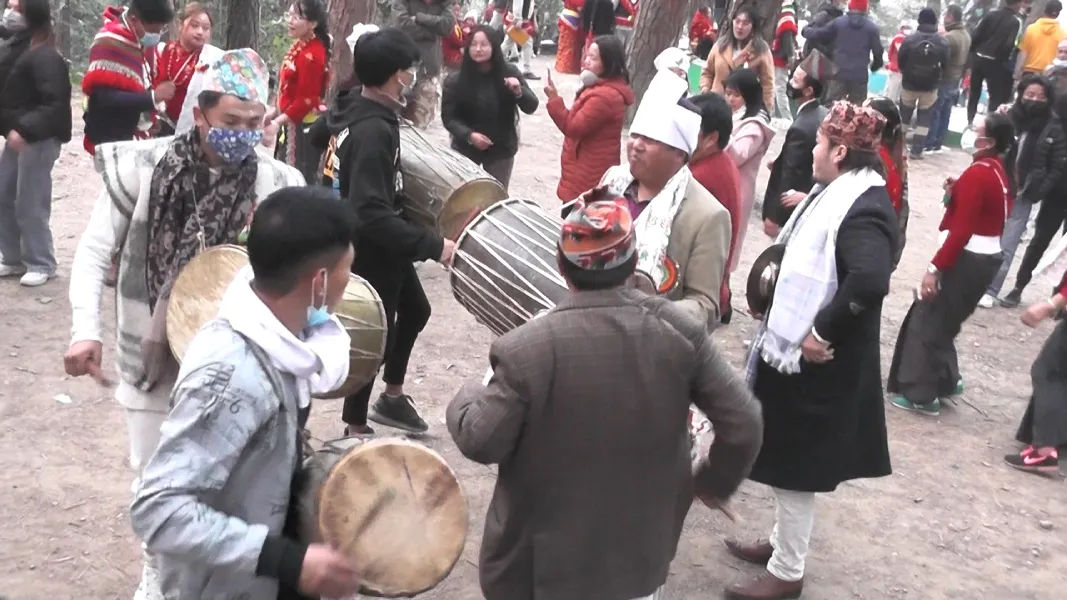
Udhauli
When: It is celebrated around November or December when it is the time of harvest.
Importance: Udhauli means “going downwards.” This festival represents winter migration from hills to warmer lowlands.
Purpose: The purpose of this festival is to express gratitude towards Mother Nature for the successful harvest.
During these festivals, a group of communities gather for Sakela, a lively group dance that honors ancestral spirits, expresses gratefulness, and tells stories, bringing communities together.
Dhan Naach
When: Dhan Naach is celebrated particularly around November through January, when rice crops are gathered and stored.
Importance: It is also known as Paddy Dance, it honors the cultivation of rice, which provided the limbu community with the food and livelihood. This dance represent gratefulness, harmony and prosperity.
Purpose: The purpose of Dhan Naach is to thank the land, ancestors ad nature for the success of crops. As people dance in circles, representing harmony in life and society and it also improves ties within the community.
Sakela Dance
Sakela is a social and spiritual expression that goes further than a simple dance. With canes, flutes, and chants, dancers move in metrical circles while holding hands. Every movement preserves Kiranti culture across generations by symbolizing agriculture, nature, or ancestors’ tales.
Traditional Lifestyle and Food
The lifestyle of Kiranti people are straightforward, simple, sustainable and cooperative. The eastern mid-hills of Nepal, which are mostly encircled by rivers, forests, mountains, and farms are home to the Kiranti people. Their everyday activities center on:
- Farming on hillside
- Herding animals (cows, buffalo, yaks and goats)
- Using forest resources for fire, food, and medicine
They also make their houses using natural objects like stone, wood and mud which help them keep warm during winter and cool in summer. Hunting, fishing, and farming are each done with thanksgiving rituals because Kiranti traditions respect the spirits of the natural world. Their culture is among the foremost illustrations of sustainable living in Nepal because of their profound respect for the Nature.
Food plays an important cultural role among the Kirant people which is much varied than it look at first sight. Every food has its own unique taste and making process.
Staple Grains and Porridges
Although Dal-Bhat-Tarkari (rice, lentils, and curry) is generally Nepal’s chief diet, the Kiranti diet primarily consists of grains that grow well in the country’s hilly terrain.
Dhindo: A thick, porridge-like dish made by continuously stirring buckwheat (Phapar) or millet (Kodo) flour into boiling water until it thickens. It’s generally consumed with curry or dal and forms the main calorie foundation of a mess.
Millet (Kodo) and Buckwheat (Phapar): Alcoholic drinks, flatbreads (roti), and dhindo are all made with them.
Chamre: It is generally served as a side dish to meat curries on special occasions; this rice dish is often made by frying rice with ghee and seasoning.
Unique Fermented Delicacies
Kiranti people relies heavily on the soil to save food during spare seasons and produce the strong, unique flavors for which the food is famed.
Kinema (Fermented Soybean): A sticky, strong, ammoniacal product that resembles Japanese natto is produced by stirring boiled and smoothly crushed soybeans for a number of days. It’s generally served with rice or dhindo after being cooked into a scrumptious, rich curry or haze (Kinema-jhol).
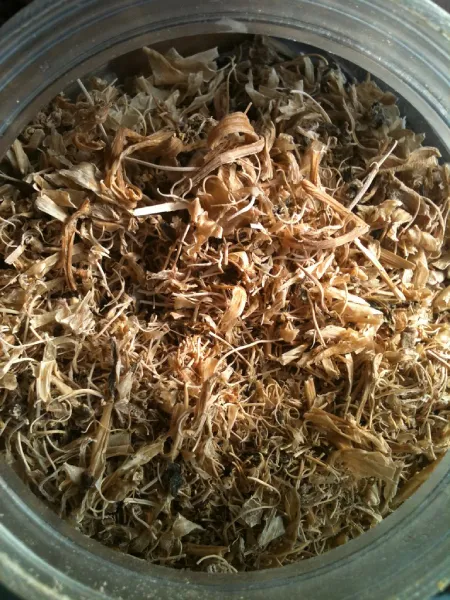
Gundruk (Fermented Leafy Greens): Crushed, tightly packed, and fermented for many days, wilted cauliflower, mustard, or radish leaves are also sun- dried.
Wild Foods, Meat, and Delights
Numerous people eat pork, which are constantly prepared with all of the beast’s corridor, including the blood.
Pork with Lichen: An edible wild lichen collected from trees is used to make the traditional pork curry (faksa). The addition and processing of the lichen gives it a distinct, earthy, and kindly bitter flavor. It is made for fests like Chasok Tangnam; this dish is largely regarded, particularly by the Limbu community.
Wachipa: Rice, diced funk meat, and a special component—the greasepaint of burnt funk feather tips—combine to make this dish, which is substantially consumed by the Limbu people. It’s prized for its strong bitter flavor and is allowed to have remedial benefits.
Traditional Beverages
Tongba (Millet Beer): The most recognizable drink, particularly among the Limbu people. It’s prepared from fermented millet (kodo) and served warm in a tongba, which is a spherical bamboo vessel.
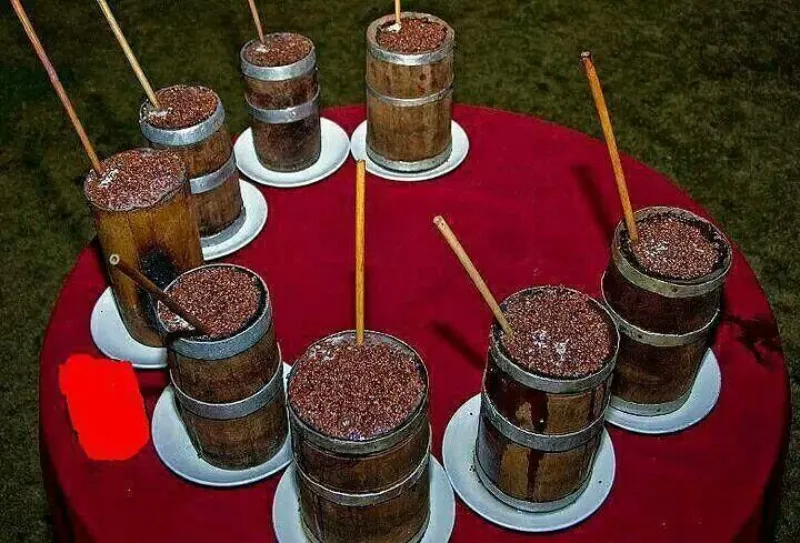
Raksi( Distilled Spirit) is the original word for traditional, home made distilled alcohol, which is constantly made from rice or millet. It’s a potent, transparent liquor that’s served at rituals and fests.
Modern Identity, Challenges & Cultural Revival of Kirati People
At the moment, the Kirant community stands proudly as one of Nepal’s oldest ethnic groups, continuing to cover their ancient heritage while conforming to a fast changing world despite the pressures of modernization. The Kiranti people hold a strong sense of artistic pride and they’re no longer simply peasants in the eastern hills; numerous of them now live in cities, pursue advanced education overseas, or work abroad. The Kiranti identity is still grounded on ancestral customs, the Mundhum spirituality, and a profound reverence for the natural world in spite of these changes.
Challenges in the Modern Era
Despite their tenacity, Kiranti communities deal with a number of challenges:
- Language Loss: As youngish generations start speaking English or Nepali more constantly, numerous Kiranti dialects are in peril of fading.
- Migration and Urbanization: Rituals, carnivals, and oral knowledge are more delicate to exercise inclusively when people leave their ancestral townlets.
- Cultural Dilution: People may become less interested in traditional culture, folk music, and religious solemnities as a result of exposure to other modern societies.
- Documentation Gaps: Mundhum and other oral traditions are at threat of fading because they’re in danger of doing so.
Cultural Revival & Resilience
Kiranti communities have responded to the challenges by starting strong cultural revival efforts.
- Language Preservation: Kiranti languages are tutored in schools and by NGOs, and books, apps, and websites are being created.
- Festival renewals: Even among urban Kirantis, there is a growing number of people celebrating Sakela (Ubhauli and Udhauli) and Chasok Tangnam.
- Youth Engagement: To save intergenerational durability, youthful Kirantis are learning traditional songs, dances, and rituals.
- Cultural Tourism: By showcasing Kiranti townlets, foods, and carnivals, touring routes in eastern Nepal support original livelihoods and raise awareness.
Conclusion
The Kiranti people represent one of Nepal’s oldest and most vibrant cultural individualities. Every aspect of Kiranti culture, including their language, clothing, and carnivals, as well as their long-term rule and spiritual customs, shows a close connection to nature, their community, and their history.
The Kirantis have proven remarkably flexible in the face of modernization, communal migration, and language loss. They’re laboriously conserving their heritage while conforming to ultramodern life through carnivals, education, and artistic reanimation.
Eventually, the story of the Kiranti people is a living witness to the strength of tradition and the power of artistic pride. By recognizing their history and embracing the future, the Kirantis continue to inspire both Nepal and the wider world, ensuring that their rich heritage endures for generations to come.
