Pikey Peak to Everest Base Camp Trek
78 reviews in Tripadvisor
Trip Duration
20 Days
Destination
NepalMax. Altitude
5,545 m.Trip Difficulty
ModerateGroup Size
1-12
Transportation
Bus , Flight
Accommodation
Hotel/TeahouseActivity
Trekking
Meals
All Inclusive
Start / End
Kathmandu
Region
Everest
Best Season
Spring & AutumnUS$ 1380
Need Help? Talk to Expert
+977 9764792172Trip Overview
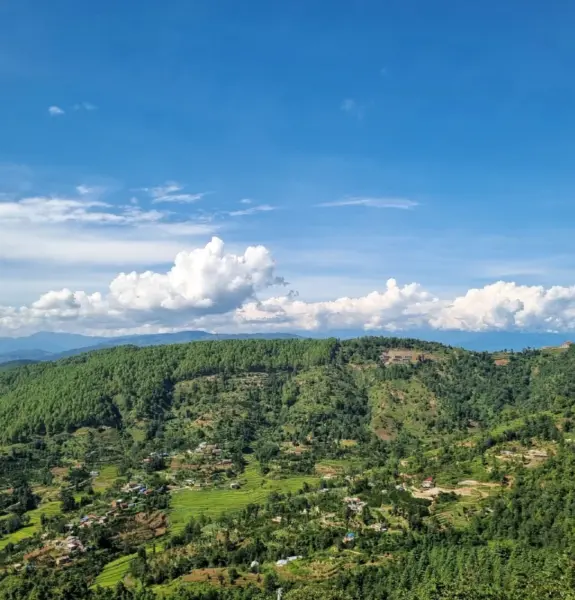
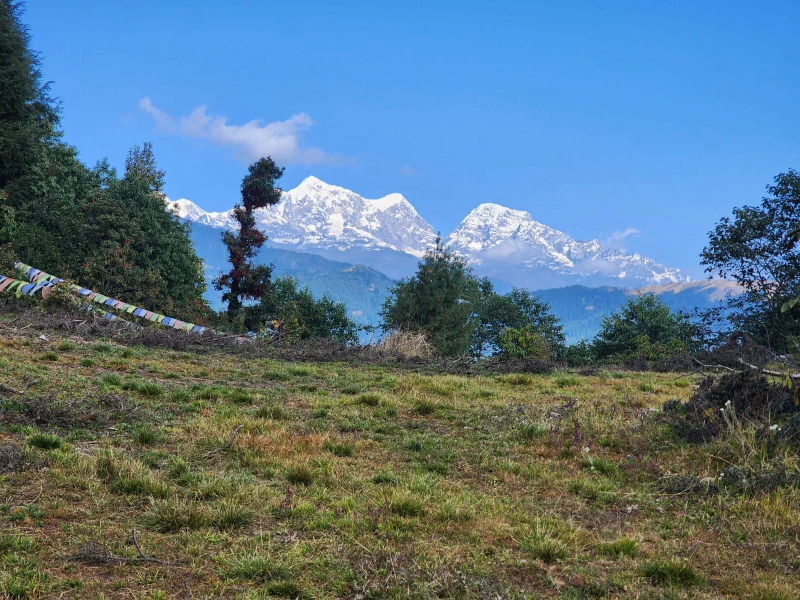
The Pikey Peak to Everest Base Camp Trek is one of those journeys that gives you a completely new perspective on the Everest region, and it’s very beautiful. You begin in the incredibly peaceful hills of the Solu region rather than jumping straight into the busy main trails. Travelling from this area is a lot more peaceful, passing through authentic Sherpa Village, lush green forest, ancient monasteries, and prayer flags.
Walking along expansive ridges with extensive vistas of the mountains feels more authentic and being at a higher height adds to this sense of serenity. Before the intensity increases when one enters into higher Himalayan regions, most trekkers I know will appreciate the time spent earlier to their journey when beginning their trek at lower elevations.
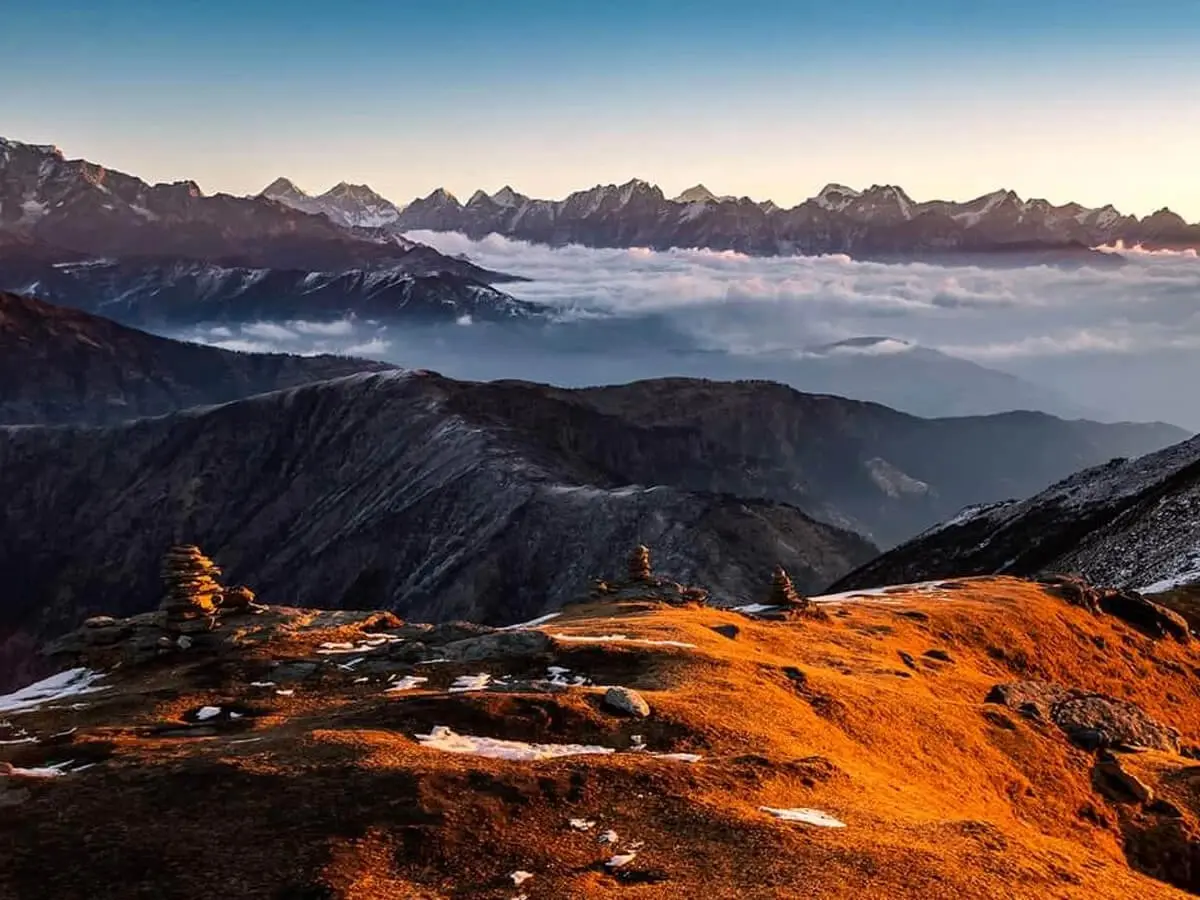
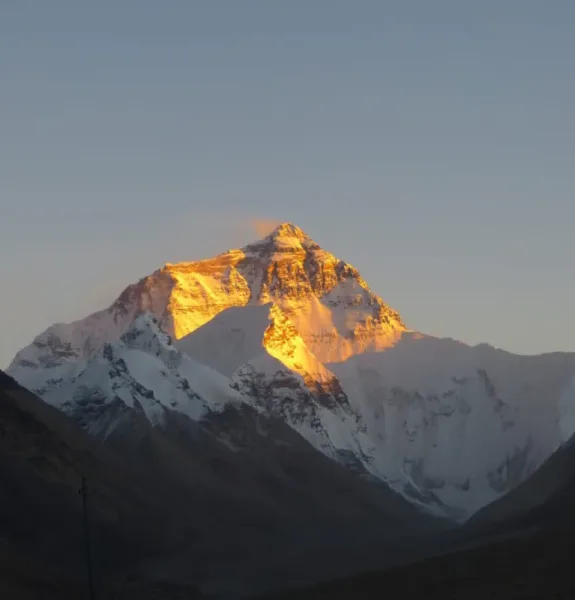
The most amazing thing about the entire trek has to be arriving at Pikey Peak. This mountain is very, very well known for its sunrises and that’s not a fluke either. If you have a nice clear morning, the horizon is completely filled with these massive mountains and some of them as far away as Mt. Everest. Watching the first rays of light hit the mountains is something you will remember forever, it is like the whole range begins to be illuminated. After that, the trail continues north, eventually connecting with the classic route to Mt. Everest in the Khumbu region.
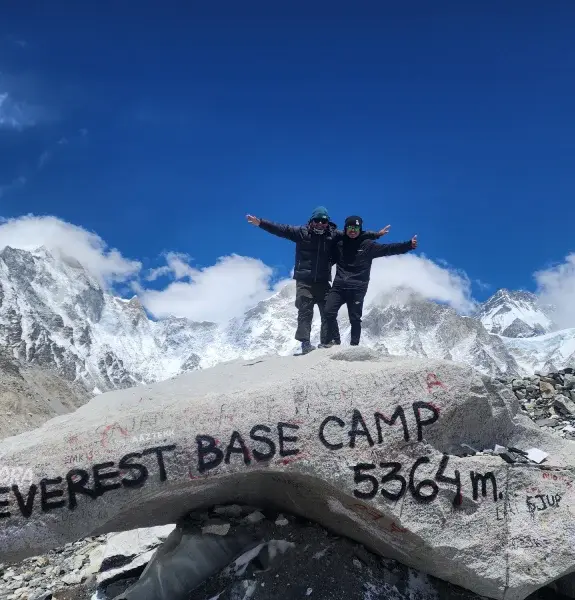
In general, the Pikey Peak to Everest Base Camp trek normally takes anywhere from about 18 to 20 days depending on personal pacing and the number of days you need to acclimatize (which is super important). After driving from Kathmandu down into the lower regions, you have a number of days of trekking through forests and valleys, until you reach the high-altitude trekking regions. The high point of your trek will be Everest Base Camp at an altitude of 5,364 meters. However, most people also make the trek to Kala Patthar, an additional 191 meters in elevation at 5,545 meters to get the best view of Mt. Everest.
What makes this route particularly special is that you get the best of both worlds- the quieter, more remote part of the mountain and the historic path to the highest mountain in the world.
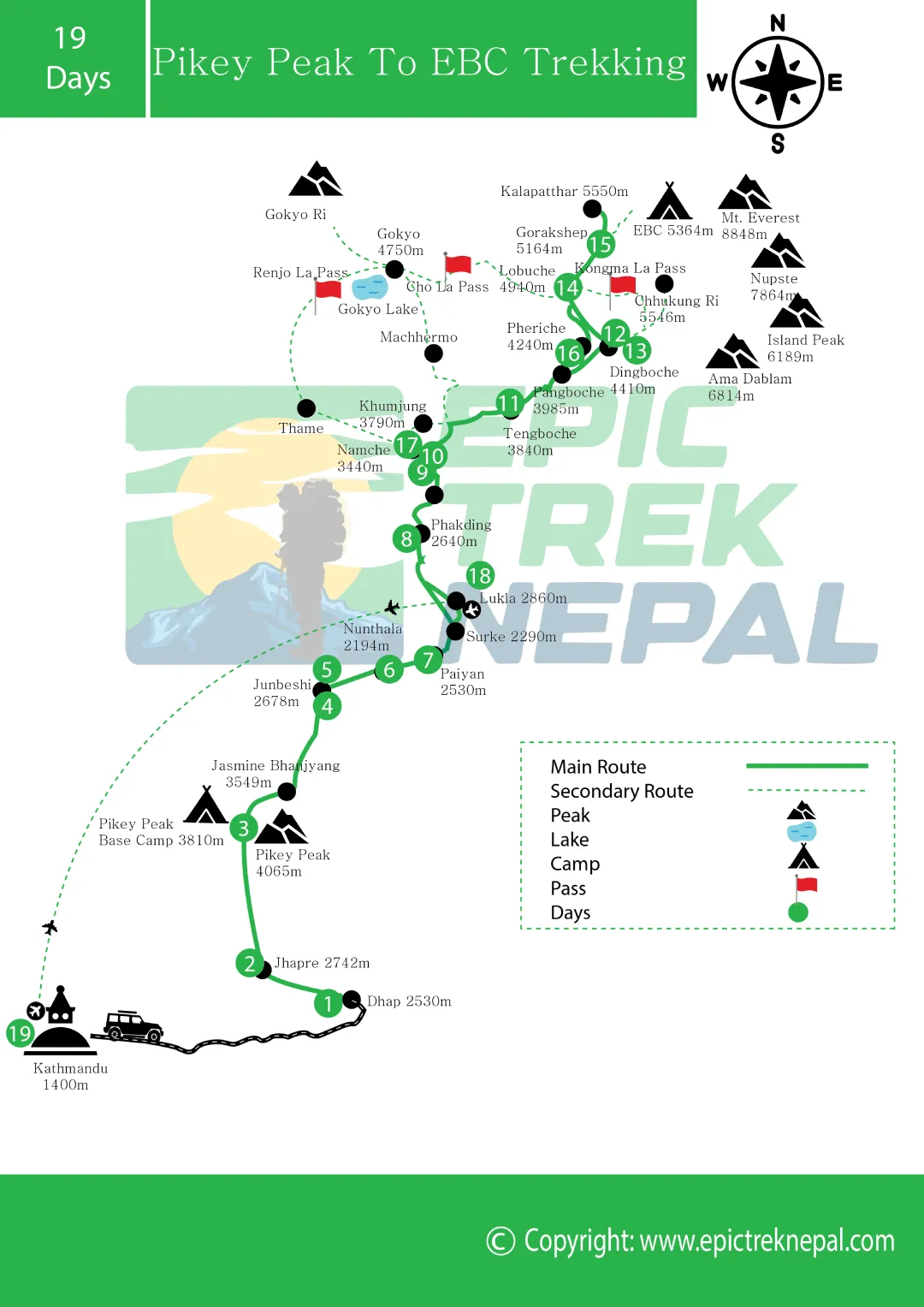
Pikey Peak to Everest Base Camp Trek Route
The Pikey Peak to Everest Base Camp Trek Itinerary follows a well-structured route, which starts from Dhap all the way to the foot of Mount Everest.
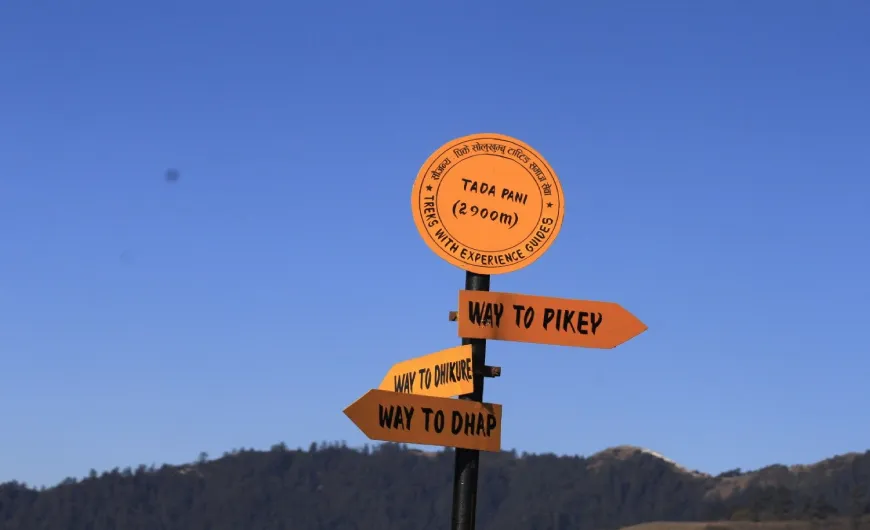
First of all, you start off in Kathmandu, and then day 2 involves driving by private vehicle until you reach Dhap. From there your trek officially begins. On your trek, you pass through the villages of Jhapre and slowly move up toward Pikey Base Camp. In day 5 will see you finally experiencing one of the most spectacular sunrises in the world from the summit of this mountain. Trust me when I say that those views are truly breathtaking.
After your arrival at Junbesi, everything will start opening up. As the trail takes you to Nunthala, Takshindu, Paiya, and Phakding, you are gradually being introduced to the well-known Everest trekking trail. And before you can realize what’s happening, Day 10 will see you in Namche Bazaar, bustling and busy, full of energy, the actual heart of the Khumbu area.
Namche is the official starting point of your Everest Base Camp Trek which lead to usual places like Tengboche, Dingboche and Lobuche, where the altitude and mountain grow bigger as you move on. Then, in day 16 you will finally reach the Everest Base Camp and on the 17 days, you will see another stunning sunrise view from the top of the Kala Patthar.
Your return back journey takes you through Namche, ending your trek in Lukla, which marks the end of your adventure. On the next day, you will catch a flight back to Kathmandu.
Who can Choose Pikey Peak to Everest Base Camp Trek?
The Pikey Peak to Everest Base Camp Trek is suitable for trekkers with a moderate to good physical and mental fitness. The problem in this trek is long days with long walking hours in high altitude, because of that trekkers must be prepared physically and mentally before choosing this Pikey Peak to Everest Base Camp View Trek.
On average, you have to walk around 6 to 7 hours daily in rough terrain. The terrain is quiet challenging for most part of the trek. Also, the altitude continues to increase as you move forward towards the Khumbu region.
It is true that age does not matter here. People in their 50s or 60s have no problems completing this trek. What does matter, is your commitment and efforts towards preparation like consistent hikes, exercises, and strength training a few months before the trip.
That said, this trek is not for everyone. Those experience trekkers who are looking for more challenge and scenic view, will absolutely love Pikey peak to Everest Base Camp Trek. From easy path to slowly transforming into difficult and rough terrain with the combination of natural beauty and cultural immersion, this trek is just perfect combo.
Highlights of Pikey Peak to Everest Base Camp Trek
- Unique Two-in-One Trek: You get to hike two different trails: one is Pikey Peak with its beautiful peace and the other is a traditional Everest base camp route.
- Less Crowded Route: The trek along Pikey Peak has far fewer trekkers than the standard Everest Base Camp Trail; as such you will enjoy a far greater level of solitude and tranquillity.
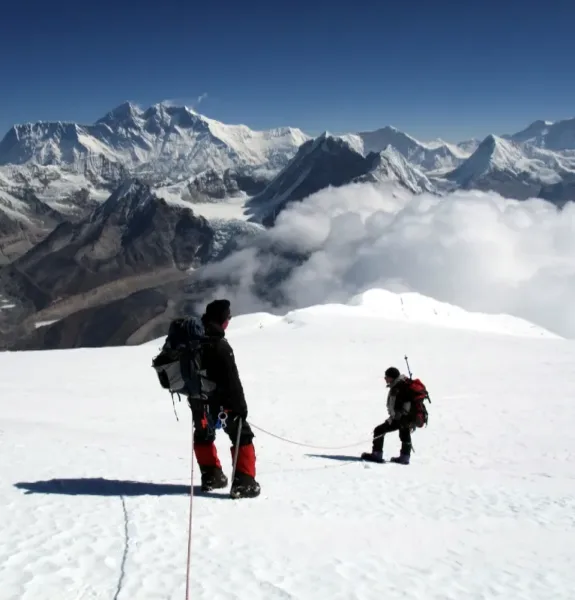
- Breathtaking Panoramas: Enjoy stunning panoramic views of Mount Everest, Makalu & Lhotse along with all the other peaks of the Sherpani Mountains during your sunrise hike at Pikey Peak.
- Real Sherpa Villages: Experience real Sherpa culture & village life in places like Junbesi, Pangboche and Namche Bazzar.
- Cultural Immersion: You will visit ancient Buddhist monasteries plus experience the local way of life by walking past mani walls, chortens and colourful prayer flags.
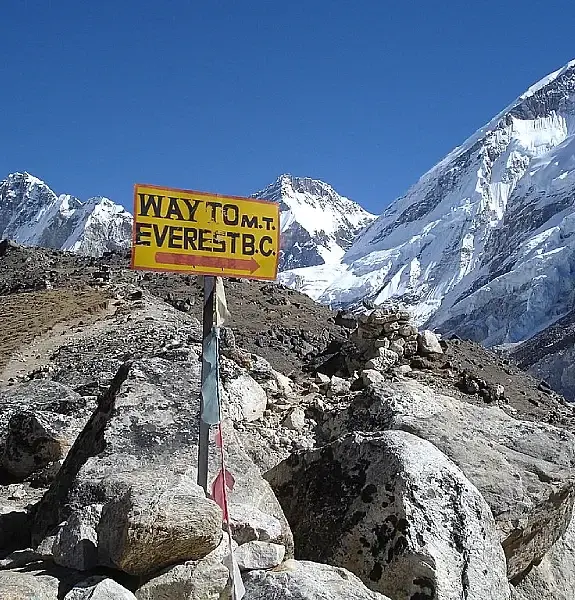
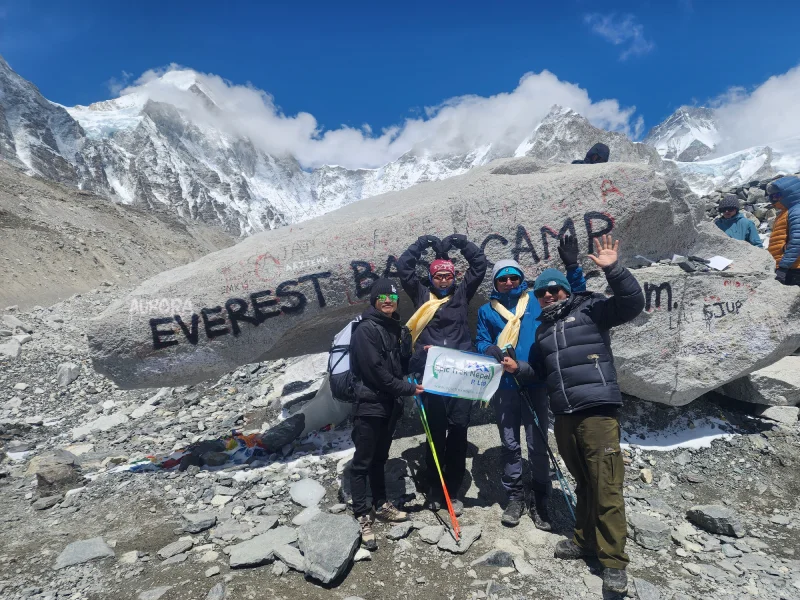
- Everest Base Camp Experience: You will stand at the foot of the world’s highest mountain while gazing at the magnificence of the Khumbu Glacier.
- Kala Patthar Sunrise: You will see Mount Everest, as well as its surrounding mountain peaks at 5,545 m from Kala Patthar. This is the most photographed place on the map.
Photo Gallery & Video Gallery
Pikey Peak to Everest Base Camp Trek - Distance, Duration, and Altitude
| Trekking Route | Distance (Kilometers) | Duration (Hours) | Altitude (Meters) |
|---|---|---|---|
| Dhap to Jhapre | 12 KM | 5 to 6 hours Trek | 2742 m. |
| Jhapre to Pikey Peak Base Camp | 10 KM | 5 to 6 hours Trek | 3810 m. |
| Pikey Peak Sunrise & Junbesi | 12 KM | Pikey Peak Sunrise & Junbesi | 2712 m. |
| Junbesi to Nunthala | 11 KM | 5 to 6 hours Trek | 2850 m. |
| Takshindu to Paiya | 12 KM | 5 to 6 hours Trek | 2780 m. |
| Paiya to Phakding | 10 KM | 4 to 5 hours Trek | 2610 m. |
| Phakding to Namche Bazaar | 10 KM | 5 to 6 hours Trek | 3440 m. |
| Namche to Tengboche | 8 KM | 5 to 6 hours Trek | 3867 m. |
| Tengboche to Dingboche | 9 KM | 5 to 6 hours Trek | 4360 m. |
| Dingboche to Lobuche | 9 KM | 5 to 6 hours Trek | 4940 m. |
| Everest Base Camp | 12 KM | 7 to 8 hours Trek | 5364 m. |
| Kala Patthar and Pangboche | 15 KM | 7 to 8 hours Trek | 5545 m. |
| Pangboche to Namche Bazaar | 12 KM | Pangboche to Namche Bazaar | 3440 m. |
| Namche to Lukla | 19 KM | 6 to 7 hours Trek | 2860 m. |
Itinerary of Pikey Peak to Everest Base Camp Trek
Day 1: Arrival in Kathmandu
When you arrive at Tribhuvan International Airport, we will transfer you to your accommodation in Kathmandu. Consider taking a little time today to get over the long plane ride and recover from jet-lag. If you feel like moving around a little, you might explore the Thamel area, it really is an amazing place to explore with many small restaurants, shops, and absorb lots of energy from the people working there. Your guide will normally meet with you today, brief you about your trip, check your equipment for correctness, and answer any other questions you might have. Essentially, today is a day for rest before beginning your adventure in Nepal!
Activity: Arrival
Max. Altitude: 1400m./4,593ft.
Meal: Dinner
Accommodation: 3 Star Hotel
Day 2: Kathmandu to Dhap
The journey from Kathmandu to Dhap takes 7 to 8 hours by car, including stops along the way. During this time, we will drive on narrow, winding mountain roads through terraced farms and several small towns by rivers. Throughout our journey, we will see how dramatically the terrain changes from the busy center of Kathmandu to the remote rural hills. We finally arrive at our destination of Dhap, a small village where our trekking adventure actually begins! While there are some bumpy sections along the way, we will enjoy beautiful views of the lush green valleys.
Activity: Drive
Max. Altitude: 2530m./8,301ft.
Meal: Breakfast, Lunch, Dinner
Accommodation: Tea house
Day 3: Dhap to Jhapre
Today we begin our trek. This section of the trek is approximate 5 to 6 hours walking through forest areas/farmland. The first part of the trek is uphill then turns into relatively flat allowing a nice rolling flat trail towards Jhapre. You will also see the local housing and terraced fields that are cultivated, listen for birds as they may also be sighted. The trail is clearly marked, but typically very quiet, thus providing a nice calming surface to walk on. The area of Jhapre is nice, with simple tea houses that serve hot food.
Activity: 5 to 6 hours Trek
Max. Altitude: 2742m./8,996ft.
Meal: Breakfast, Lunch, Dinner
Accommodation: Tea house
Day 4: Jhapre to Pikey Peak Base Camp
Today will present a larger incline, moving toward Pikey Peak Base Camp. The trekking will be through the pine and rhododendron forests, with ridges opening frequently providing early views of the major peaks. The trekking path is generally rocky but relatively easy to follow. Reaching Base Camp is rewarding and very well-timed for the sunrise the following morning. The accommodations at Base Camp are relatively simple, however the view of the valleys is spectacular!.
Activity: 5 to 6 hours Trek
Max. Altitude: 3810m./12,500ft.
Meal: Breakfast, Lunch, Dinner
Accommodation: Tea house
Day 5: Pikey Peak Sunrise & Junbesi
Today is an early start as we rise before dawn to view the rising sun on Pikey Peak. The moment that the light reaches across the Himalayas, including Everest in the distance, will be an unforgettable memory. Once we have enjoyed this moment, we make our way down the mountain towards the Sherpa village of Junbesi. This village has many traditional buildings that are adorned with colorful prayer flags and makes for a beautiful place to overnight and gives visitors a real feel for life in the mountains. The descent from Pikey to Junbesi involves walking through beautiful forests and farms.
Activity: 6 to 7 hours Trek
Max. Altitude: 2712m./8,898ft.
Meal: Breakfast, Lunch, Dinner
Accommodation: Tea house
Day 6: Acclimatization Day in Junbesi
Today is one of the most important days for your body to adjust to the altitude. Instead of spending a long time hiking, we will generally go on short hikes, such as hitting some local viewpoints or visiting the Thupten Choling Monastery, which is one of the largest monasteries in the area. The other great thing to do if you are out wandering about the village is to see how life is in the mountain region of Nepal. We will take our time here so that we will prepare our bodies for going even higher up in elevation in the near future.
Max. Altitude: 2712m./8,898ft.
Meal: Breakfast, Lunch, Dinner
Accommodation: Tea house
Day 7: Junbesi to Nunthala
Today, we continue our trek through the Solu region as we pass many more villages and terraces as we continue to make our way to Nunthala. As we make our way (moderately) toward Nunthala, you will see that the house architecture and even the culture change a little from when we were near Junbesi. Because this hike is relatively flat and has only a few rolling hills, it will give you time for your body to adjust to the altitude. While you are in Nunthala, you will find it to be a tiny village inhabited primarily by farmers who possess a great deal of hospitality and serve food that is simple but good.
Activity: 5 to 6 hours Trek
Max. Altitude: 2850m./9,350ft.
Meal: Breakfast, Lunch, Dinner
Accommodation: Tea house
Day 8: Takshindu to Paiya
We will climb to Takshindu La Pass from Takshindu (2,730m). The view from the top is stunning as you can see miles of hills and peaks. The trail can be a bit rugged and rocky underfoot, so be careful as you are moving, but the scenery will be worth the effort. As you descend to Paiya you will pass mani walls and small streams. Paiya is a very small village, and it will be a good place to spend the night before you continue onward to the busier section of the Khumbu Region.
Activity: 5 to 6 hours Trek
Max. Altitude: 2780m./9,121ft.
Meal: Breakfast, Lunch, Dinner
Accommodation: Tea house
Day 9: Paiya to Phakding
Today we will descend to meet the main Everest Trail at Phakding (2,600m) from Paiya. The trail will be through woods and along the river, the trail is generally in good condition, but if there has been rain recently it could be muddy. Phakding is a bit of a hub so the tea houses will be larger than in many of the previous places you have stayed. You will see many more trekkers and lodges as you start making your way into the Khumbu Region. The sound of the Dudh Koshi River flowing right next to the trail will be very peaceful.
Activity: 4 to 5 hours Trek
Max. Altitude: 2610m./8,563ft.
Meal: Breakfast, Lunch, Dinner
Accommodation: Tea house
Day 10: Phakding to Namche Bazaar
Prepare yourself for a long, steep scramble up to the “Sherpa Capital,” Namche Bazaar. You will be walking uphill through pine forests and across a series of those iconic suspension bridges that hang high above the rivers. Although the trek will be challenging, it will be very rewarding once you arrive in Namche. Namche is a busy little town that has numerous hotels, cafes and an exciting local market. It is an excellent place to rest and acclimatize and to see Everest up close.
Activity: 5 to 6 hours Trek
Max. Altitude: 3440m./11,286ft.
Meal: Breakfast, Lunch, Dinner
Accommodation: Tea house
Day 11: Acclimatization Day in Namche
In Namche, a rest day is very important for you to acclimatize to the elevation. While today is primarily going to be a rest day, we will take an easy acclimatization hike to the Everest View Hotel, or over to Khumjung Village. The views of Everest, Ama Dablam, and the other surrounding peaks are phenomenal! Afterward, we will return to Namche, where you will have plenty of time to relax and check out the local market.
Activity: Acclimatization and Short hike
Max. Altitude: 3440m./11,286ft.
Meal: Breakfast, Lunch, Dinner
Accommodation: Tea house
Day 12: Namche to Tengboche
Your trek today will be moderate but very scenic as you trek to the famous Tengboche Monastery. You can expect to walk through many rhododendron trees, pass through many pine trees and cross several streams before reaching your destination. The Tengboche Monastery is located on the edge of a ridge that overlooks Ama Dablam and Everest- both of which are breathtaking views. The tranquility of being at this location on the same day as the peace and serenity created by the sound of the monk’s chant and the presence of the various prayer flags will provide an enjoyable way to finish your evening at the Tengboche Monastery.
Activity: 5 to 6 hours Trek
Max. Altitude: 3867m./12,687ft.
Meal: Breakfast, Lunch, Dinner
Accommodation: Tea House
Day 13: Tengboche to Dingboche
We will leave the trees behind, as the trail continues into the high alpine region. The trail will be exposed to sunlight and as we climb in elevation, you will certainly notice the thinning of the air. We will pass by many different yak pastures as well as small villages with stone houses, on our journey to Dingboche. Dingboche is a small village, with very humble lodges. It is the perfect place to rest and prepare your body for even greater elevations. The views of Island Peak and Lhotse are downright spectacular.
Activity: 5 to 6 hours Trek
Max. Altitude: 4360m./14,304ft.
Meal: Breakfast, Lunch, Dinner
Accommodation: Tea House
Day 14: Acclimatization Day in Dingboche
One more acclimatization day is needed before continuing up higher again. Usually, an acclimatization hike will be from Dingboche up to Nangkartshang Hill (spectacular views of Makalu, Lhotse and Ama Dablam). The best and most common way to adjust to altitude is with these small hikes and to stay active. The other part of the day is spent resting in preparation for the coming thin air.
Activity: Acclimatization
Max. Altitude: 4360m./14,304ft.
Meal: Breakfast, Lunch, Dinner
Accommodation: Tea house
Day 15: Dingboche to Lobuche
Today will be a more difficult day, as we will be hiking to the foot of the Khumbu Glacier. The trail will be very rocky, so be sure to be careful where you step. You will also see many memorials to those who have died while trying to reach the summit, it is very emotional. Lobuche is a very small, remote village, with very basic accommodations for sleeping. Our main purpose for staying here is to prepare ourselves for the final part of our trip, which will be to walk to Base Camp. The mountain scenery is also very awe-inspiring.
Activity: 5 to 6 hours Trek
Max. Altitude: 4940m./16,207ft.
Meal: Breakfast, Lunch, Dinner
Accommodation: Tea House
Day 16: Everest Base Camp
Today is a huge milestone for all of us! We will be walking to Everest Base Camp today (EBC). The trail from Lobuche leads us across the rocks of the Khumbu Glacier moraine, which can be uneven and jagged and even a bit of a scramble, but the experience of standing at the base of the tallest mountain in the world is something we will never forget. After taking a bunch of pictures and enjoying the incredible views, we will make our way down to Gorakshep for bed. The lodges at Gorakshep are quite basic, but once you crawl into bed, we are sure that you will be too tired to care!
Activity: 7 to 8 hours Trek
Max. Altitude: 5364m./17,598ft.
Meal: Breakfast, Lunch, Dinner
Accommodation: Tea House
Day 17: Kala Patthar and Pangboche
Today’s adventure begins early, even before the sun comes up, when we hike up to the highest point of our trip-Kala Patthar. This will be one of the steepest, coldest, and toughest hikes, but the 360-degree views of both Everest and Lhotse at sunrise will make it worth it! We’re now going to walk back down a long series of steep declines through Dingboche to reach Pangboche. Even though we will have a ton of downhill walking, the countryside will once again be stunning as we pass through old monasteries and yak farms!
Activity: 7 to 8 hours Trek
Max. Altitude: 5545m./18,192ft.
Meal: Breakfast, Lunch, Dinner
Accommodation: Tea House
Day 18: Pangboche to Namche Bazaar
The day will consist of a long walk where we will be mostly descending back toward Namche. We will cross a number of suspension bridges and go back through the familiar forest. Getting to Namche is cool because you have one more shot at a coffee, shopping for souvenirs, and the market vibe.
Activity: 5 to 6 hours Trek
Max. Altitude: 3440m./11,286ft.
Meal: Breakfast, Lunch, Dinner
Accommodation: Tea House
Day 19: Namche to Lukla
Last day of trekking! We are back at Lukla following the Dudh Koshi river. There are a couple short climbs and a lot more easy downhill areas as we go through the last few villages. There tends to be a bit of a party after doing this trek because people who have done it and want to eat some great food and have a drink while waiting for the flight back to Kathmandu.
Activity: 6 to 7 hours Trek
Max. Altitude: 2860m./9,383ft.
Meal: Breakfast, Lunch, Dinner
Accommodation: Tea house
Day 20: Fly into Kathmandu
We will take a quick 45 min flight to get back to the airport in Kathmandu. The flight is quite the experience, the views from above of the same mountains and valleys you just walked through are truly unbelievable. Once we land, you’ll be taken back to your hotel, where you can have a hot shower, get some rest, and reflect on everything you just accomplished. In the evening, the company will host a farewell dinner to celebrate the successful completion of your Pikey Peak to Ebc Trek.
Activity: 45 min Flight
Max. Altitude: 1400m./4,593ft.
Meal: Breakfast, Lunch, Dinner
Accommodation: 3 Star Hotel
Day 21: Departure!
Depending on your flight schedule, we will take you to Tribhuvan International Airport for your journey home. Your trek officially ends here and you will go home with a backpack full of memories including sunrises over the mountains and amazing hospitality from all of the local people you met along the way!
Meal: Breakfast
Includes/Excludes
What is included?
- Permits and Fees: All necessary permits for the Pikey Peak to Everest Base Camp Trek, such as the TIMS (Trekkers’ Information Management System) card, Khumbu Pasang Lhamu Rural Municipality and Sagarmatha National Park permits.
- Accommodation: Accommodation throughout the trek, typically in teahouses or lodges. This usually includes accommodation in Kathmandu before and after the trek in 3-star hotel on BB plan. (twin sharing basis)
- Meals: Most packages will include three meals a day (breakfast, lunch, and dinner) during the trek and also includes two times hot beverage (in breakfast and lunch) and seasonal fruits after dinner.
- Transportation: Ground transportation from Kathmandu to the trailhead (usually Dhap) and back from Lukla in a Flight.
- Guide: You are provided with a guide who speaks English and is experienced in trekking. This includes their salary, insurance, equipment, food, and accommodation. For a single trekker, a guide himself will carry up to 10 kg from their weight.
- First Aid Kit: A basic first aid kit.
- Trekking Map: A map of the trekking route.
- Equipment: Duffle Bag, Sleeping Bag (if necessary)
- Pick up drop-off: airport pick-up and drop-off by private vehicle.
What is not included?
- International Flights: International airfare to and from Nepal is not included.
- Travel Insurance: Travel insurance that covers emergency rescue and evacuation is not included, and you’ll be expected to have your own.
- Personal Expenses: Expenses for extra meals, drinks, snacks, charging devices, hot showers, Wi-Fi, and other personal costs are not included.
- Nepal Visa Fees: Entry visa fees for Nepal.
- Additional Accommodation and Meals: If you choose to extend your stay in Nepal, the cost of additional accommodation and at kathmandu meals will not be included.
- Rescue and Evacuation: Any costs related to emergency evacuation or rescues are not covered.
- Trekking Gear: Personal trekking equipment, such as hiking boots, down jackets, trekking poles, and other gear are not included.
- Tips: Tips for guides and porters are not included and are left to your discretion.
- Porter service: Porter is not available in package, but it can be arranged on request at an extra cost, where one porter carries up to 25 kg (shared between two trekkers) to reduce your load and make the trek more comfortable.
Add-ons and Option
Make your trek in the Himalayas more enjoyable by adding an additional experience to your trek through one of our specially created trek add-ons at Epic Trek Nepal. We understand that every trekker has different expectation and wants to explore differently. With years of experience, our team offers a upgraded option that helps trekkers to enjoy the mountains with greater ease and convenience.
Per Porter ($240)
Travel light and trek without having to worry about carrying a heavy backpack. Our skilled porters will help you carry a maximum weight of 25 kg of your luggage which can be shared between two trekkers.
Private Tourist Vehicle from Kathmandu to Dhap ($200)
The standard package uses shared tourist vehicle transportation but those who want more comfortable and flexible travel experience, Epic Trek Nepal provides a private vehicle option. This facility is perfect for couples, family, and a small number of individuals who would like to have a more comfortable and convenient travel experience with flexible departure times and more traveling space. Opting for a private vehicle upgradation option will cost extra money to your package according to the size of the group and destination point.
Lukla to Kathmandu Helicopter Flight Per Person ($300)
Finish your trek in style with an easy helicopter flight from Lukla to Kathmandu. Save yourself from the stress of domestic flights and enjoy the last look at the beautiful scenery around Mount Everest.
Extra Accommodation in Kathmandu at USD 40
We “Epic Trek Nepal” provides 2 free day of accommodation in Kathmandu before and after the trek. If you wish to extend your stay, additional accommodation can be arranged at USD 40 per night in a twin sharing bed. This package include a comfortable 3 Star Hotel with a breakfast.
How to Add-on to your Trek
Step 1: Choose your preferred trekking departure dates.
Step 2: Select the number of travelers
Step 3: Click on “Book Now” or “Reserve Your Trip”
Step 4: Add your preferred optional upgrades and services
Step 5: Complete your booking and payment process
With these carefully designed add-ons, Epic Trek Nepal gives you the flexibility to create a more comfortable, memorable, and personalized Himalayan adventure tailored to your trekking goals.
Fixed Departure Dates
Departure
14 Jun 2026Duration
18 DaysAvailability
AvailablePrice
US$ 1400Departure
15 Jun 2026Duration
18 DaysAvailability
AvailablePrice
US$ 1400Departure
16 Jun 2026Duration
18 DaysAvailability
AvailablePrice
US$ 1400Departure
17 Jun 2026Duration
18 DaysAvailability
AvailablePrice
US$ 1400Departure
18 Jun 2026Duration
18 DaysAvailability
AvailablePrice
US$ 1400Departure
19 Jun 2026Duration
18 DaysAvailability
AvailablePrice
US$ 1400Departure
20 Jun 2026Duration
18 DaysAvailability
AvailablePrice
US$ 1400Departure
21 Jun 2026Duration
18 DaysAvailability
AvailablePrice
US$ 1400Departure
22 Jun 2026Duration
18 DaysAvailability
AvailablePrice
US$ 1400Departure
23 Jun 2026Duration
18 DaysAvailability
AvailablePrice
US$ 1400Departure
24 Jun 2026Duration
18 DaysAvailability
AvailablePrice
US$ 1400Departure
25 Jun 2026Duration
18 DaysAvailability
AvailablePrice
US$ 1400Departure
26 Jun 2026Duration
18 DaysAvailability
AvailablePrice
US$ 1400Departure
27 Jun 2026Duration
18 DaysAvailability
AvailablePrice
US$ 1400Departure
28 Jun 2026Duration
18 DaysAvailability
AvailablePrice
US$ 1400Departure
29 Jun 2026Duration
18 DaysAvailability
AvailablePrice
US$ 1400Departure
30 Jun 2026Duration
18 DaysAvailability
AvailablePrice
US$ 1400Departure
01 Jul 2026Duration
18 DaysAvailability
AvailablePrice
US$ 1400Departure
02 Jul 2026Duration
18 DaysAvailability
AvailablePrice
US$ 1400Departure
03 Jul 2026Duration
18 DaysAvailability
AvailablePrice
US$ 1400Departure
04 Jul 2026Duration
18 DaysAvailability
AvailablePrice
US$ 1400Departure
05 Jul 2026Duration
18 DaysAvailability
AvailablePrice
US$ 1400Departure
06 Jul 2026Duration
18 DaysAvailability
AvailablePrice
US$ 1400Departure
07 Jul 2026Duration
18 DaysAvailability
AvailablePrice
US$ 1400Departure
08 Jul 2026Duration
18 DaysAvailability
AvailablePrice
US$ 1400Departure
09 Jul 2026Duration
18 DaysAvailability
AvailablePrice
US$ 1400Departure
10 Jul 2026Duration
18 DaysAvailability
AvailablePrice
US$ 1400Departure
11 Jul 2026Duration
18 DaysAvailability
AvailablePrice
US$ 1400Departure
12 Jul 2026Duration
18 DaysAvailability
AvailablePrice
US$ 1400Departure
13 Jul 2026Duration
18 DaysAvailability
AvailablePrice
US$ 1400Departure
14 Jul 2026Duration
18 DaysAvailability
AvailablePrice
US$ 1400Departure
15 Jul 2026Duration
18 DaysAvailability
AvailablePrice
US$ 1400Departure
16 Jul 2026Duration
18 DaysAvailability
AvailablePrice
US$ 1400Departure
17 Jul 2026Duration
18 DaysAvailability
AvailablePrice
US$ 1400Departure
18 Jul 2026Duration
18 DaysAvailability
AvailablePrice
US$ 1400Departure
19 Jul 2026Duration
18 DaysAvailability
AvailablePrice
US$ 1400Departure
20 Jul 2026Duration
18 DaysAvailability
AvailablePrice
US$ 1400Departure
21 Jul 2026Duration
18 DaysAvailability
AvailablePrice
US$ 1400Departure
22 Jul 2026Duration
18 DaysAvailability
AvailablePrice
US$ 1400Departure
23 Jul 2026Duration
18 DaysAvailability
AvailablePrice
US$ 1400Departure
24 Jul 2026Duration
18 DaysAvailability
AvailablePrice
US$ 1400Departure
25 Jul 2026Duration
18 DaysAvailability
AvailablePrice
US$ 1400Departure
26 Jul 2026Duration
18 DaysAvailability
AvailablePrice
US$ 1400Departure
27 Jul 2026Duration
18 DaysAvailability
AvailablePrice
US$ 1400Departure
28 Jul 2026Duration
18 DaysAvailability
AvailablePrice
US$ 1400Departure
29 Jul 2026Duration
18 DaysAvailability
AvailablePrice
US$ 1400Departure
30 Jul 2026Duration
18 DaysAvailability
AvailablePrice
US$ 1400Departure
31 Jul 2026Duration
18 DaysAvailability
AvailablePrice
US$ 1400Departure
01 Aug 2026Duration
18 DaysAvailability
AvailablePrice
US$ 1400Departure
02 Aug 2026Duration
18 DaysAvailability
AvailablePrice
US$ 1400Departure
03 Aug 2026Duration
18 DaysAvailability
AvailablePrice
US$ 1400Departure
04 Aug 2026Duration
18 DaysAvailability
AvailablePrice
US$ 1400Departure
05 Aug 2026Duration
18 DaysAvailability
AvailablePrice
US$ 1400Departure
06 Aug 2026Duration
18 DaysAvailability
AvailablePrice
US$ 1400Departure
07 Aug 2026Duration
18 DaysAvailability
AvailablePrice
US$ 1400Departure
08 Aug 2026Duration
18 DaysAvailability
AvailablePrice
US$ 1400Departure
09 Aug 2026Duration
18 DaysAvailability
AvailablePrice
US$ 1400Departure
10 Aug 2026Duration
18 DaysAvailability
AvailablePrice
US$ 1400Departure
11 Aug 2026Duration
18 DaysAvailability
AvailablePrice
US$ 1400Departure
12 Aug 2026Duration
18 DaysAvailability
AvailablePrice
US$ 1400Departure
13 Aug 2026Duration
18 DaysAvailability
AvailablePrice
US$ 1400Departure
14 Aug 2026Duration
18 DaysAvailability
AvailablePrice
US$ 1400Departure
15 Aug 2026Duration
18 DaysAvailability
AvailablePrice
US$ 1400Departure
16 Aug 2026Duration
18 DaysAvailability
AvailablePrice
US$ 1400Departure
17 Aug 2026Duration
18 DaysAvailability
AvailablePrice
US$ 1400Departure
18 Aug 2026Duration
18 DaysAvailability
AvailablePrice
US$ 1400Departure
19 Aug 2026Duration
18 DaysAvailability
AvailablePrice
US$ 1400Departure
20 Aug 2026Duration
18 DaysAvailability
AvailablePrice
US$ 1400Departure
21 Aug 2026Duration
18 DaysAvailability
AvailablePrice
US$ 1400Departure
22 Aug 2026Duration
18 DaysAvailability
AvailablePrice
US$ 1400Departure
23 Aug 2026Duration
18 DaysAvailability
AvailablePrice
US$ 1400Departure
24 Aug 2026Duration
18 DaysAvailability
AvailablePrice
US$ 1400Departure
25 Aug 2026Duration
18 DaysAvailability
AvailablePrice
US$ 1400Departure
26 Aug 2026Duration
18 DaysAvailability
AvailablePrice
US$ 1400Departure
27 Aug 2026Duration
18 DaysAvailability
AvailablePrice
US$ 1400Departure
28 Aug 2026Duration
18 DaysAvailability
AvailablePrice
US$ 1400Departure
29 Aug 2026Duration
18 DaysAvailability
AvailablePrice
US$ 1400Departure
30 Aug 2026Duration
18 DaysAvailability
AvailablePrice
US$ 1400Departure
31 Aug 2026Duration
18 DaysAvailability
AvailablePrice
US$ 1400Departure
01 Sep 2026Duration
18 DaysAvailability
AvailablePrice
US$ 1400Departure
02 Sep 2026Duration
18 DaysAvailability
AvailablePrice
US$ 1400Departure
03 Sep 2026Duration
18 DaysAvailability
AvailablePrice
US$ 1400Departure
04 Sep 2026Duration
18 DaysAvailability
AvailablePrice
US$ 1400Departure
05 Sep 2026Duration
18 DaysAvailability
AvailablePrice
US$ 1400Departure
06 Sep 2026Duration
18 DaysAvailability
AvailablePrice
US$ 1400Departure
07 Sep 2026Duration
18 DaysAvailability
AvailablePrice
US$ 1400Departure
08 Sep 2026Duration
18 DaysAvailability
AvailablePrice
US$ 1400Departure
09 Sep 2026Duration
18 DaysAvailability
AvailablePrice
US$ 1400Departure
10 Sep 2026Duration
18 DaysAvailability
AvailablePrice
US$ 1400Departure
11 Sep 2026Duration
18 DaysAvailability
AvailablePrice
US$ 1400Departure
12 Sep 2026Duration
18 DaysAvailability
AvailablePrice
US$ 1400Departure
13 Sep 2026Duration
18 DaysAvailability
AvailablePrice
US$ 1400Departure
14 Sep 2026Duration
18 DaysAvailability
AvailablePrice
US$ 1400Departure
15 Sep 2026Duration
18 DaysAvailability
AvailablePrice
US$ 1400Departure
16 Sep 2026Duration
18 DaysAvailability
AvailablePrice
US$ 1400Departure
17 Sep 2026Duration
18 DaysAvailability
AvailablePrice
US$ 1400Departure
18 Sep 2026Duration
18 DaysAvailability
AvailablePrice
US$ 1400Departure
19 Sep 2026Duration
18 DaysAvailability
AvailablePrice
US$ 1400Departure
20 Sep 2026Duration
18 DaysAvailability
AvailablePrice
US$ 1400Departure
21 Sep 2026Duration
18 DaysAvailability
AvailablePrice
US$ 1400Departure
22 Sep 2026Duration
18 DaysAvailability
AvailablePrice
US$ 1400Departure
23 Sep 2026Duration
18 DaysAvailability
AvailablePrice
US$ 1400Departure
24 Sep 2026Duration
18 DaysAvailability
AvailablePrice
US$ 1400Departure
25 Sep 2026Duration
18 DaysAvailability
AvailablePrice
US$ 1400Departure
26 Sep 2026Duration
18 DaysAvailability
AvailablePrice
US$ 1400Departure
27 Sep 2026Duration
18 DaysAvailability
AvailablePrice
US$ 1400Departure
28 Sep 2026Duration
18 DaysAvailability
AvailablePrice
US$ 1400Departure
29 Sep 2026Duration
18 DaysAvailability
AvailablePrice
US$ 1400Departure
30 Sep 2026Duration
18 DaysAvailability
AvailablePrice
US$ 1400Departure
01 Oct 2026Duration
18 DaysAvailability
AvailablePrice
US$ 1400Departure
02 Oct 2026Duration
18 DaysAvailability
AvailablePrice
US$ 1400Departure
03 Oct 2026Duration
18 DaysAvailability
AvailablePrice
US$ 1400Departure
04 Oct 2026Duration
18 DaysAvailability
AvailablePrice
US$ 1400Departure
05 Oct 2026Duration
18 DaysAvailability
AvailablePrice
US$ 1400Departure
06 Oct 2026Duration
18 DaysAvailability
AvailablePrice
US$ 1400Departure
07 Oct 2026Duration
18 DaysAvailability
AvailablePrice
US$ 1400Departure
08 Oct 2026Duration
18 DaysAvailability
AvailablePrice
US$ 1400Departure
09 Oct 2026Duration
18 DaysAvailability
AvailablePrice
US$ 1400Departure
10 Oct 2026Duration
18 DaysAvailability
AvailablePrice
US$ 1400Departure
11 Oct 2026Duration
18 DaysAvailability
AvailablePrice
US$ 1400Departure
12 Oct 2026Duration
18 DaysAvailability
AvailablePrice
US$ 1400Departure
13 Oct 2026Duration
18 DaysAvailability
AvailablePrice
US$ 1400Departure
14 Oct 2026Duration
18 DaysAvailability
AvailablePrice
US$ 1400Departure
15 Oct 2026Duration
18 DaysAvailability
AvailablePrice
US$ 1400Departure
16 Oct 2026Duration
18 DaysAvailability
AvailablePrice
US$ 1400Departure
17 Oct 2026Duration
18 DaysAvailability
AvailablePrice
US$ 1400Departure
18 Oct 2026Duration
18 DaysAvailability
AvailablePrice
US$ 1400Departure
19 Oct 2026Duration
18 DaysAvailability
AvailablePrice
US$ 1400Departure
20 Oct 2026Duration
18 DaysAvailability
AvailablePrice
US$ 1400Departure
21 Oct 2026Duration
18 DaysAvailability
AvailablePrice
US$ 1400Departure
22 Oct 2026Duration
18 DaysAvailability
AvailablePrice
US$ 1400Departure
23 Oct 2026Duration
18 DaysAvailability
AvailablePrice
US$ 1400Departure
24 Oct 2026Duration
18 DaysAvailability
AvailablePrice
US$ 1400Departure
25 Oct 2026Duration
18 DaysAvailability
AvailablePrice
US$ 1400Departure
26 Oct 2026Duration
18 DaysAvailability
AvailablePrice
US$ 1400Departure
27 Oct 2026Duration
18 DaysAvailability
AvailablePrice
US$ 1400Departure
28 Oct 2026Duration
18 DaysAvailability
AvailablePrice
US$ 1400Departure
29 Oct 2026Duration
18 DaysAvailability
AvailablePrice
US$ 1400Departure
30 Oct 2026Duration
18 DaysAvailability
AvailablePrice
US$ 1400Departure
31 Oct 2026Duration
18 DaysAvailability
AvailablePrice
US$ 1400Departure
01 Nov 2026Duration
18 DaysAvailability
AvailablePrice
US$ 1400Departure
02 Nov 2026Duration
18 DaysAvailability
AvailablePrice
US$ 1400Departure
03 Nov 2026Duration
18 DaysAvailability
AvailablePrice
US$ 1400Departure
04 Nov 2026Duration
18 DaysAvailability
AvailablePrice
US$ 1400Departure
05 Nov 2026Duration
18 DaysAvailability
AvailablePrice
US$ 1400Departure
06 Nov 2026Duration
18 DaysAvailability
AvailablePrice
US$ 1400Departure
07 Nov 2026Duration
18 DaysAvailability
AvailablePrice
US$ 1400Departure
08 Nov 2026Duration
18 DaysAvailability
AvailablePrice
US$ 1400Departure
09 Nov 2026Duration
18 DaysAvailability
AvailablePrice
US$ 1400Departure
10 Nov 2026Duration
18 DaysAvailability
AvailablePrice
US$ 1400Departure
11 Nov 2026Duration
18 DaysAvailability
AvailablePrice
US$ 1400Departure
12 Nov 2026Duration
18 DaysAvailability
AvailablePrice
US$ 1400Departure
13 Nov 2026Duration
18 DaysAvailability
AvailablePrice
US$ 1400Departure
14 Nov 2026Duration
18 DaysAvailability
AvailablePrice
US$ 1400Departure
15 Nov 2026Duration
18 DaysAvailability
AvailablePrice
US$ 1400Departure
16 Nov 2026Duration
18 DaysAvailability
AvailablePrice
US$ 1400Departure
17 Nov 2026Duration
18 DaysAvailability
AvailablePrice
US$ 1400Departure
18 Nov 2026Duration
18 DaysAvailability
AvailablePrice
US$ 1400Departure
19 Nov 2026Duration
18 DaysAvailability
AvailablePrice
US$ 1400Departure
20 Nov 2026Duration
18 DaysAvailability
AvailablePrice
US$ 1400Departure
21 Nov 2026Duration
18 DaysAvailability
AvailablePrice
US$ 1400Departure
22 Nov 2026Duration
18 DaysAvailability
AvailablePrice
US$ 1400Departure
23 Nov 2026Duration
18 DaysAvailability
AvailablePrice
US$ 1400Departure
24 Nov 2026Duration
18 DaysAvailability
AvailablePrice
US$ 1400Departure
25 Nov 2026Duration
18 DaysAvailability
AvailablePrice
US$ 1400Departure
26 Nov 2026Duration
18 DaysAvailability
AvailablePrice
US$ 1400Departure
27 Nov 2026Duration
18 DaysAvailability
AvailablePrice
US$ 1400Departure
28 Nov 2026Duration
18 DaysAvailability
AvailablePrice
US$ 1400Departure
29 Nov 2026Duration
18 DaysAvailability
AvailablePrice
US$ 1400Departure
30 Nov 2026Duration
18 DaysAvailability
AvailablePrice
US$ 1400Trip Map of Pikey Peak to Everest Base Camp Trek
Trip Information
Trek Difficulty
The Pikey Peak to Everest Base Camp Trek is typically classified as a moderate to difficult trek. There is no rope work involved, but there will be significant demands on your endurance and mental toughness to continue walking for many consecutive days over varied terrain, such as hills, large forests, and rocky mountain trails. While some areas will provide gentle terrain, numerous long climbs will deplete your energy for many days, especially as you travel at higher elevations where the air is very thin.
The initial few days are quite easy. The trails from Dhap to Pikey peak involves easy paths, forest ridgelines, and small villages. The elevation gain on this section isn’t too steep to exhaust your body, and therefore you will definitely enjoy these early days. But then again, these days will serve only as warm-ups.
You will typically spend between 5 and 7 hours a day walking, occasionally you may spend longer than that, but the length of each day depends on how far apart the villages are from one another. There are a lot of uphill and downhill sections on the Pikey Peak to Everest Base Camp Trek, and once you reach the high-altitude areas of the Everest Region, you may notice yourself moving much slower and therefore, most trekkers take breaks more frequently than they expected.
Altitude is undoubtedly the largest factor to contend with on this expedition. You will be progressively ascending from the Solu area to the Everest Base Camp (5,364m) and then continuing to hike to Kala Patthar (5,545m), which provides arguably the most spectacular view of the mountains.
At these high altitudes it is critical that your body can acclimatize itself properly. The day you spend at villages like Junbesi, Namche, and Dingboche are not option, and you should not skip it if you want to complete this Pikey Peak to Everest Base Camp trek without any regret.
Cultural Experience along the way
Another aspect of the Pikey Peak to Everest Base Camp Trek is the experience of seeing the people and getting to know their cultures, ways of life, and homes. From the quietest of small towns located in the Solu area to the most densely populated areas found near Mount Everest (Khumbu), this track provides an ideal record of the Sherpa people. They are known for their strength, courage, kindness, and hospitality.
As you hike from one location to another, you will find Sherpa people working in the fields, carrying supplies up steep slopes, and greeting you with a friendly “namaste.” You will find numerous small stone and wooden homes wrapped with prayer flags that reflect how spirituality and everyday living co-exist.
Along this Pikey Peak to Everest Base Camp View trek are many Buddhist monasteries as well as numerous world-renowned Buddhist prayer sites such as Mani walls and Gompas, where we can see the spiritual aspect of the mountains. Prayer flags, which are traditionally displayed at all these locations, fly freely and are meant to carry blessings over the mountains and you may see monks sitting quietly with their scriptures or performing other religious rituals. Even small actions such walking by sacred areas or entering a monastery for a moment or two are enough to provide you with the experience of the sacred.
You can also find additional communities, such as the Tamang and the Rai people, as you go further down the trail. You may run into many children running around, being curious and playful, along the way. The elders in the community may even share their mountain life stories with you, if you stop long enough to listen. Staying at the family-run tea houses is a highlight as well because it allows you to experience their typical day-to-day activities.
Whether you are enjoying a warm meal, sharing stories with other trekkers, or warming your hands by the fire after a long day on the trail, these are the experiences that will be engraved in your memory forever. The Pikey Peak to Everest Base Camp trek not only takes you through incredible scenery but also gives you a glimpse into the ever-present culture of these people that has existed for generations.
Preparation For the Pikey Peak to Everest Base Camp
Proper preparation is key for successful trek. To successfully complete Pikey Peak to Everest Base Camp Trek, trekkers need to begin preparing at least 2 to 3 months before the planned date of the trek.
The first step is to get in good shape with basic physical fitness. Trekkers need to focus on cardiovascular training like running, cycling, stair climbing, or swimming which prepares your body for what it is about come on the journey ahead. Aim for at least 3 to 4 times a week.
Strength training should not be ignored. The lower body, especially the legs and core muscle are used extensively during descents and rough terrain. Go for hiking with a backpack up to 8 to 10 kg. It will prepare your body better than going to the gym because it can help train for actual Pikey Peak to Everest Base Camp trek with actual walking.
Mental preparation is another crucial part to consider. You need to be aware that there will be days when you may feel weak because of the weather, tiredness, or elevation problems. Even in this condition you need to walk, and you need to prepare for this and knowing beforehand how to handle with these conditions can help you keep yourself from getting panicked mid journey.
Properly preparing your gears is equally important. Purchase durable trekking boots, moisture wicking shirts, high-quality sleeping bags, and sturdy trekking poles. Low-quality equipment fails at higher elevations, therefore, investing in durable gear is essential to a successful Pikey Peak to Everest Base Camp trek.
Don’t forget about gear. It is what that protects your body from the cold. Make sure to purchase durable trekking boots (used one), high-quality sleeping bag, and stable trekking poles. Low-quality gear will only make the Pikey Peak to Everest Base Camp Trek Itinerary difficult.
Mobile Network, Internet and Charging Facilities
Staying connected on the Pikey Peak to Everest Base Camp trek is possible, but you will need understand and set realistic expectation before you leave.
There are two options to stay connected during trek: Ncell and NTC. These 2 are the main network provider in Nepal that offers good network in Kathmandu and first section of trek, but once you in higher and more isolated part around Solu, the network completely disappears.
The wifi is available in most tea houses which you can get in around $1 to $3. Don’t assume that it will work just like in Kathmandu. You will be in high altitude which makes the internet speed low because of their satellite-based connection. Don’t expect to watch video or make video calls without frustration.
For charging your devices, it cost around $1 to $3. All teahouses have charging facilities, but the electricity is very inconsistency the higher you go. Because of that most of the tea houses use solar panels. If you can, it is better to bring a power bank that can charge your device 2 to 3 times.
Accommodation and Meal on the Pikey Peak to Everest Base Camp Trek
The Pikey Peak to Everest base camp trek features such a good variety of tea houses that have a true feel for living in the mountains. The tea houses around Pikey Peak are generally small and owned by local families. The rooms typically have very basic furnishings, with very few extra things such as blankets or heating options. Some of the tea houses have a shared bathroom, while at others you may need to use the outhouse. Be sure to take a travel towel with you and your own toiletries.
Even though they are basic, these tea houses are very homey in atmosphere, and the owners will go out of their way to make sure you feel comfortable. After hiking through the quiet forests all day to trek up to the base of the Everest, the most enjoyable way to experience the mountains is in a small, cozy tea house.
Heading north into the Khumbu region and approaching Everest Base camp, levels of development increase. In larger towns like Namche Bazaar and one of the tea houses, tea houses in general tend to have more rooms, so you might have your own, and sometimes you can even get a hot shower if you are willing to pay for it. People tend together around the little wood stove in the dining area of the tea houses, so dining there is the best way to socialize with other trekkers.
Once you get above Dingboche/Gorak Shep, things once again become basic due to the altitude, your room may be cramped and have little or no water. You really begin to realize you are on the edge of the world there!
The food served in tea houses is hearty, home-cooked, and designed to provide you with lots of energy. You will find a wide variety of dishes available to you in the lower elevations near Pikey Peak, including dal bhat (rice and lentils), momos (dumplings), vegetable curry, and all types of noodles or fried rice. The breakfast options are typically porridge, egg, or pancakes with large cups of tea or coffee to drink with it.
One of the things I loved most about the entire Pikey peak to Everest Base Camp View trek experience was communal dining. No matter how great the lodge is, you will be at the same table with other trekkers from all over the country sharing stories and sharing a hot meal together.
While the accommodations are basic, the warmth of the people plus the incredible views of the mountains right outside the window is something that is going to leave you with memories forever. Experience the thrill of an adventure and an authentic Himalayan lifestyle that only comes from staying in the valley instead of an expensive hotel in a city.
Permits and Documentation
If you are going to do the Pikey Peak to Everest Base Camp Trek, before hitting the trail you have to complete some important paperwork. The first order of business is to get your Sagarmatha National Park Permit (SNP). The SNP is required for the entire trek as it crosses through the Sagarmatha National Park, it is also home of Everest and all the other giant peaks. Again, the SNP fee goes toward the wildlife and conservation of the National Park, yay!
A Khumbu Pasang Lhamu Rural Municipality/KPLRM Permit is another important permit that you will need as you trek in the Khumbu region of Nepal, this permit helps develop the area by supporting repairs to schools and trail maintenance, etc. You can get your KPLRM permit in Kathmandu or at local offices in Lukla. You must keep your KPLRM and SNP permits accessible inside your backpack as there are many checkpoints located on the trail and officers will ask to see the permits.
If the service is provided by the Epic Trek Nepal, we will handle the paperwork and provide licensed guides for you to ensure safety and will arrange for you to receive both your SNP and KPLRM permits in advance, which makes your trip much less complicated and ensures that these documents are official. Furthermore, having your permits will help support the local communities and retain the beauty of the mountains.
Travel Insurance
Purchasing a Travel insurance is not a choice, it is absolutely essential for the Pikey Peak to Everest Base Camp Trek. This trek goes above 5,550 meter above which involves many risks and there are chances of having an accident, medical emergency and altitude sickness. You simply cannot trek without insurance support.
You travel insurance must cover helicopter evacuation at least 6,000 meters. A rescue operation in the Khumbu region could cost anywhere between USD 3,000 to 5,000 or even more. In addition to evacuation, make sure your insurance policy cover trip cancellation, loss or theft of equipment’s, and emergency medical treatment.
Before buying an insurance, take your time to read all the terms and condition because some travel insurance company doesn’t cover high altitude trek at all. Insurance company like World Nomads and IMG Global are known to provide insurance services to trekkers in the Himalayas. Select a package that suit your trekking route and altitude level.
After purchasing, share your insurance detail with trekking agency and guide to make thing smooth and efficient.
Health and Safety
During the Pikey Peak to Everest Base Camp trek, the most important thing you need to protect is your health. The high altitude, physical stress, and rough terrain make you to pay close attention to both your health and safety right from the start of the trek.
Acute Mountain Sickness, which is known as AMS, is the leading cause for health issues during the trek. It occurs after you cross 3,000 meter and its symptoms are headache, dizziness, nausea and fatigue. If you experience any of these symptoms, stop the trek and rest for a while. Even after resting, the symptoms don’t go away, descent immediately.
Hydration is very important during the trek. Even if you don’t feel like drinking water, you have to hydrate yourself (at least 3-to-4-liter) time to time. Also avoid drinking alcohol during the entire time on the trek. It doesn’t hydrate your body; it does exact opposite of hydrating and increases the symptoms of AMS.
Maintaining food hygiene should not be overlooked. Eat only freshly made hot food at teahouses. Avoid eating raw vegetable, fruit without peeling, and drinking tap water. Diseases can spread through contaminated water and can cause diarrhea who are not careful enough.
The Pikey Peak to Everest Base Camp Trek passes through some of the remotest area where medical facilities are very limited. There is no proper hospital until you reach Kathmandu. If anything, happen during the Pikey peak to Everest Base Camp Itinerary, the only option is Helicopter evacuation. That is why protecting your health and safety is so important.
Frequently Asked Questions
It’s mostly a moderate-to-difficult trek, you do not have to be super fit, but you also need to walk and shouldn’t mind gradually getting higher in altitude. This will give you some easy-going slightly inclined walking sections, but the steeper climbs around Pikey Peak, which is the lowest point on this whole trail, and then again at a higher elevation in Khumbu will make your overall trek more difficult.
The best times to do this trek are definitely during the spring (March – May) and the fall (September – November). The spring season is awesome, because the rhododendrons will be blooming and the weather will be nice and mild. The fall season offers absolutely beautiful, clear sky conditions and superb views of the mountains. Winter trekking is doable as long as you are not bothered by cold temperatures and the monsoon season can be quite challenging, as the trails will be slippery and there will be a lot of cloudy conditions due to the frequent rain.
Yes, absolutely! As long as you’re in fairly good physical shape and don’t mind walking multiple hours each day throughout the journey, you can do it!
The majority of your accommodation will be tea houses or community-run lodges along the route to your trekking destination. The accommodations themselves are very simple, but they will be great and warm!
In most tea houses you will be provided with adequate meals every day of your stay breakfast, lunch and dinner. While at a tea house, you can expect mainly dal bhat types of meals: (rice, lentils) but there will also be a few varieties of noodles, soups and momos, (steamed dumplings) and assorted types of rice dishes.
You will couple of appropriate permits (i.e. TIMS Card and Sagarmatha N.P. Permit) so you won’t have to worry about it as these permits will be checked throughout the trek separately at different checkpoints on the route.
We strongly recommend hiring a guide, mainly because of safety purposes and navigating the route. Also getting a porter really makes a big difference, as it helps your back from physical stress during the long walk days.
Yes, you will definitely benefit from taking Diamox as it prevents altitude sickness. It would be wise to consult your doctor first, who will determine the appropriate dosage for you.
The distance covered each walking day is estimated at 10 to 16 kilometers. The time needed to finish the distance varies between 5 to 7 hours, depending on the difficulty of the terrain and your walking pace.
Not initially, because the Solu area is actually much quieter than the usual EBC Trekking route. But after the point when you start taking the official EBC Trekking route from Phakding, there will be more people.
Yes! If you are fit, then you can plan to include the Gokyo Lakes trek then you need an additional 4-5 days. But believe me, it will all be worth it for those incredible views of the majestic peaks.
Trip Reviews
US$ 1380
Need Help? Talk to Expert
+977 9764792172