Nar Phu Valley Trek – 12 Day Epic Remote Trek
75 reviews in Tripadvisor
Trip Duration
12 DaysDestination
NepalMax. Altitude
5,306 m.Trip Difficulty
ModerateGroup Size
1-12Transportation
Tourist VehicleAccommodation
Hotel/TeahouseActivity
Trekking/HikingMeals
All inclusiveStart / End
KathmanduRegion
Annapurna RegionBest Season
Spring, AutumnUS$ 880
Need Help? Talk to Expert
+977 9764792172Trip Overview
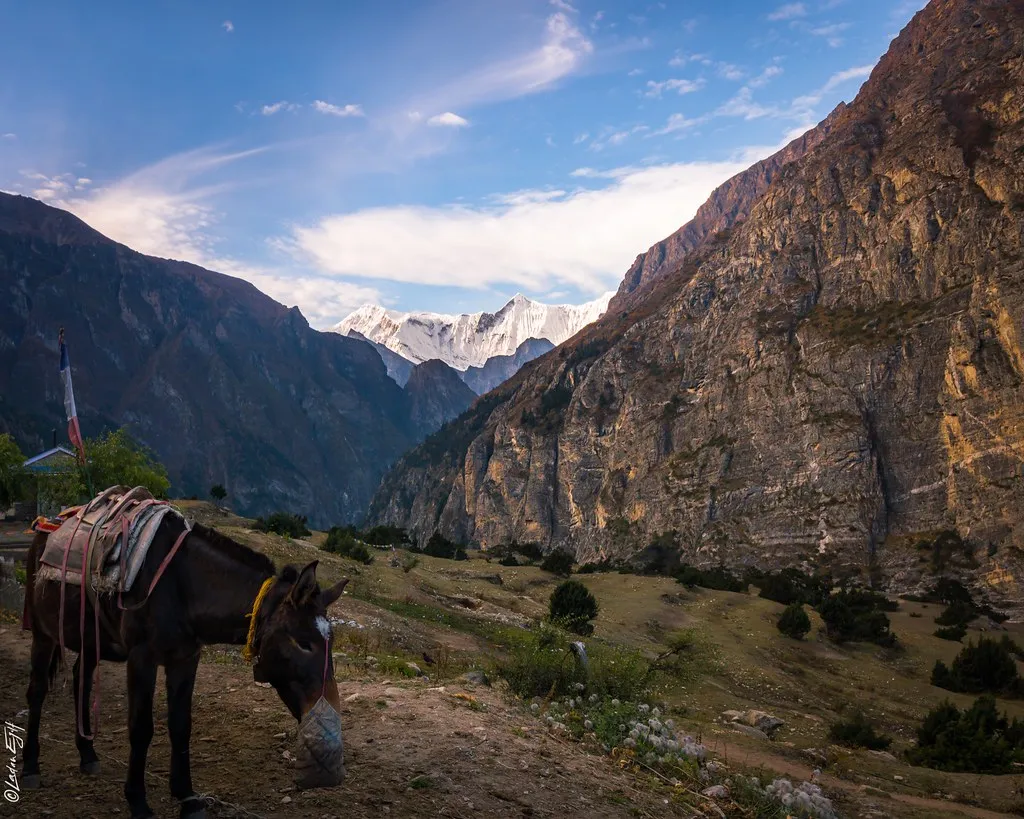
Nestled in the remote folds of Nepal’s northern Himalayas, the Nar Phu Valley sits between elevations of 2,600m to 5,306m. Nar Phu Valley Trek offers the escape into the nature and culture untouched by the modern tourism. Located between the most travelled Annapurna and Manaslu region, this is the valley of rich Tibetan traditions, ancient Buddhist monasteries and the rugged wilderness of the Himalayas.
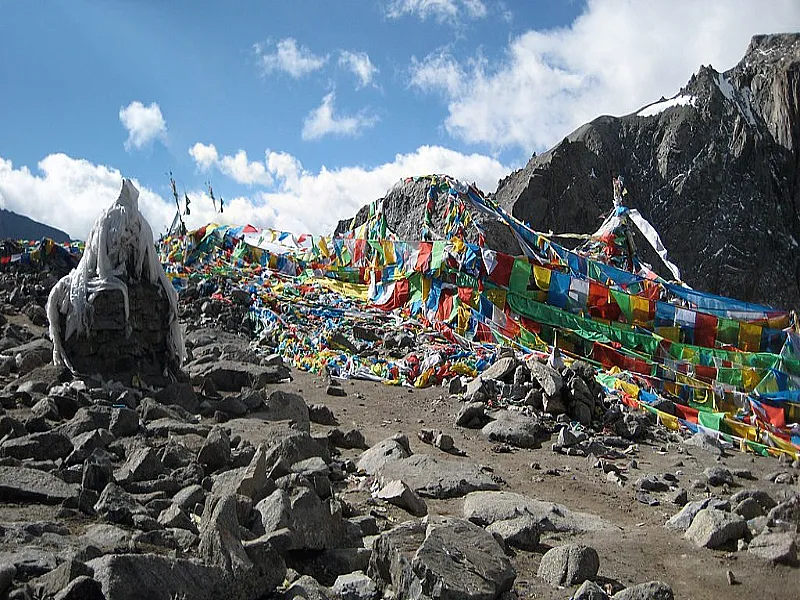
What I believe is most exciting about these two treks is the fact that the local community of the Nar and Phu valleys still lives according to the culture influenced by Tibet. As this area is quite isolated, the way of life of these locals has been preserved almost entirely along with culture and language. Monasteries, dating back to the ancient times and decorated with prayer flags will welcome you all along the journey. People will be doing everyday tasks with such sincerity and simplicity that the experience of the Nar Phu Valley Trek itinerary will definitely be unforgettable.
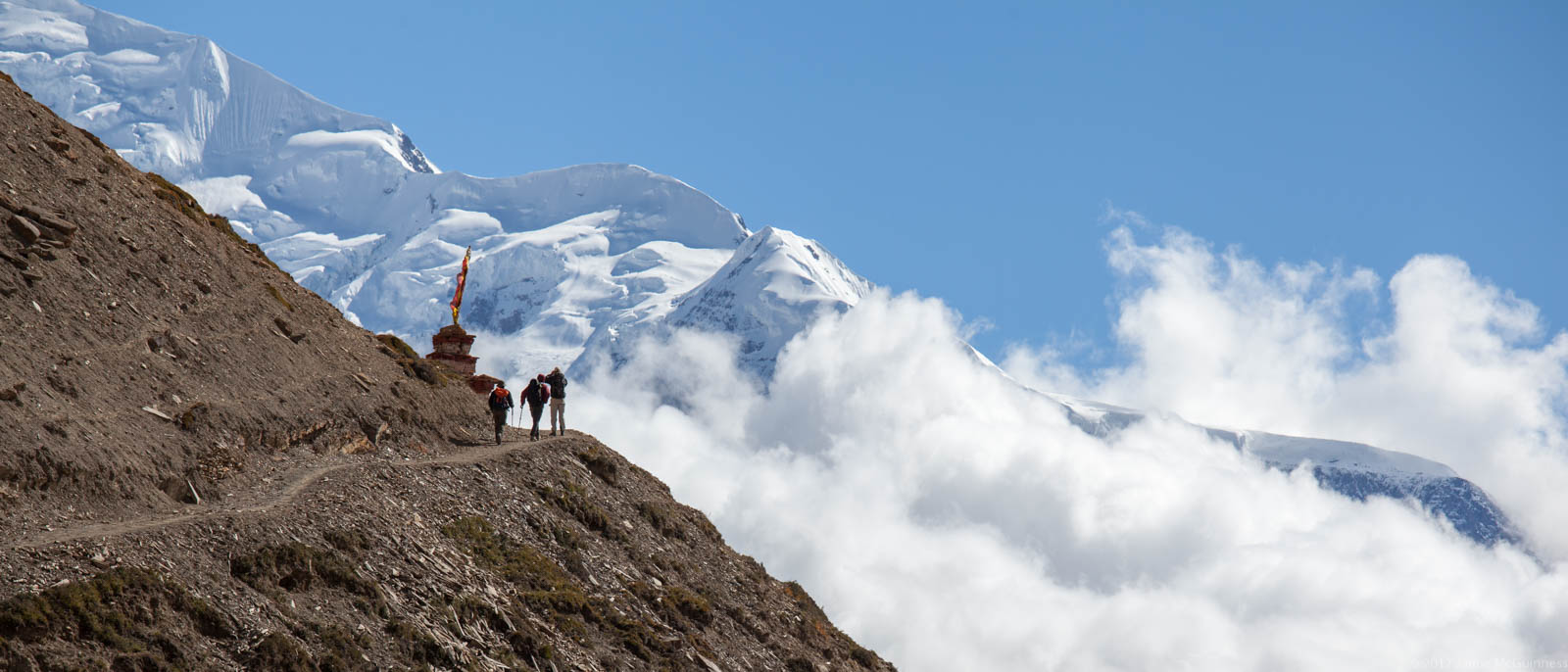
Moreover, the trip takes some of its path from the Annapurna Circuit, which is also quite exciting. The difficulty will definitely be crossing the Kang La Pass, which is very high up there and provides amazing scenery from the top of the Annapurna range.
For those travelers who prefer an alternative route to the Nepal trails, Nar Phu Valley View Trek is highly recommended since it can become a true discovery trip for a person interested in cultural heritage and untouched nature.
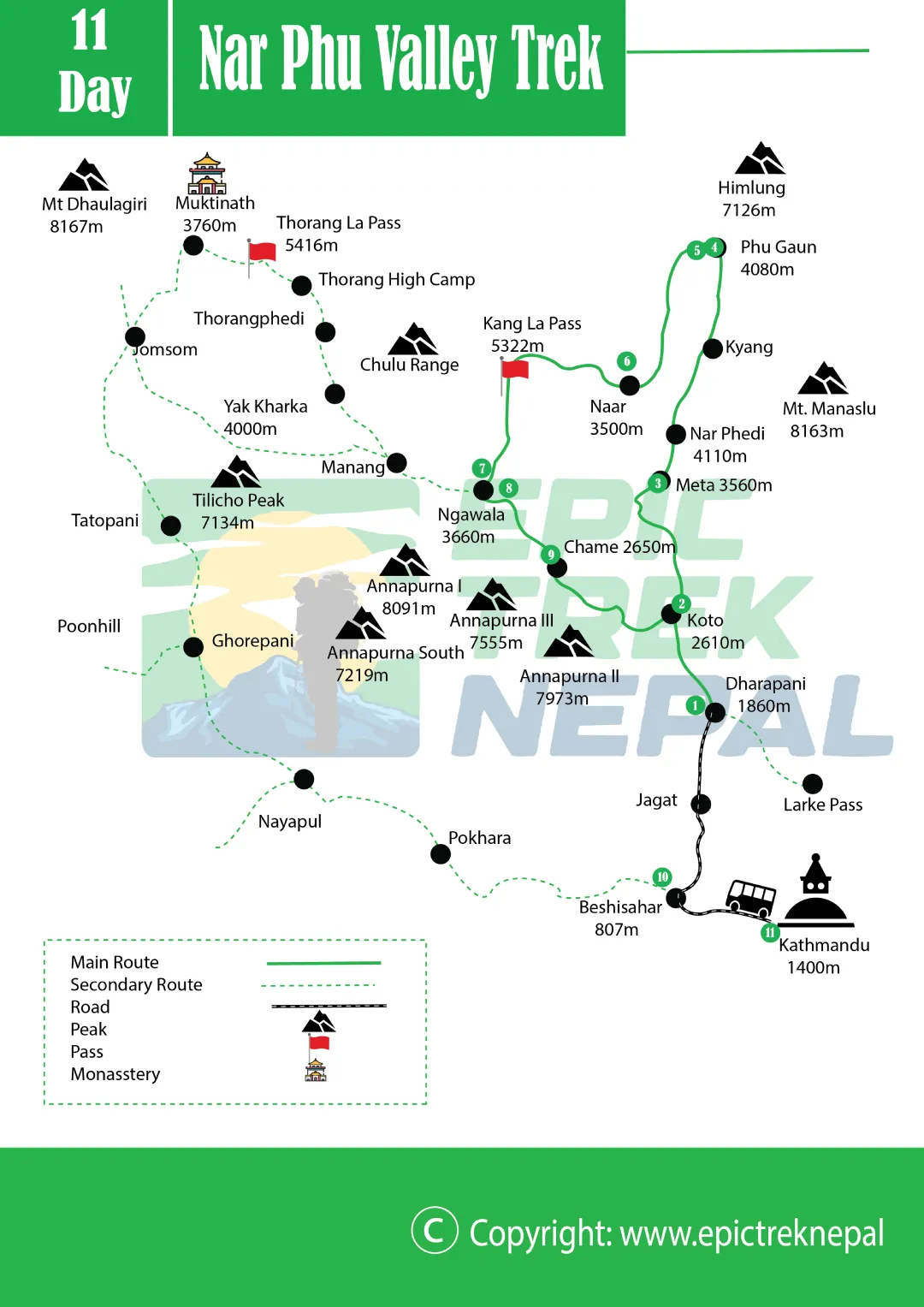
Nar Phu Valley Trek Route
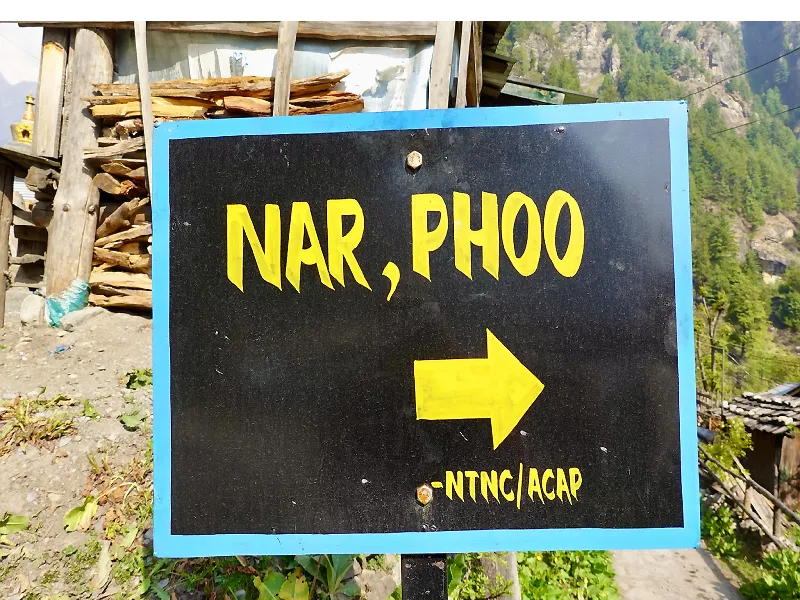
The first section of the Nar Phu Valley Trek begins with quite a lengthy vehicle ride from Kathmandu to Tal, after which you will be greeted by the actual trekking route. Leaving from Tal, you need to follow the Marsyangdi Valley and gradually climb up to Koto, the border point leading to the restricted zone of Nar Phu Valley. Having departed from the popular Annapurna trekking route, you find yourself in an extremely quiet and isolated area while heading towards Meta, and then Kyang.
The route will take you even deeper into the valley before reaching Phu Village – probably the most isolated place on the whole trek. After resting there for a day and acclimatizing, the trekking path goes down to Nar Phedi, and then up again to Nar Village. The last part of the Nar Phu Valley Trek Itinerary route features extremely vivid landscapes and unforgettable cultural impressions.
After departing from Nar, one needs to cross the tough Kang La Pass before descending into Ngawal where the Annapurna Circuit is picked up. Then the trip will continue by following the path through Manang, Yak Kharka, and Thorong Phedi before traversing the renowned Thorong La Pass. After this, the trek ends at Muktinath, followed by a journey by road to reach Pokhara and finally return to Kathmandu.
Cultural Experience
This Nar Phu Valley Trek is one of the most cultural and unique places in Nepal. You can experience not just beautiful and stunning scenes but also a rich culture and preserved tradition that is mostly influenced by Tibetan Buddhist religion.
You can see old houses built with stones, prayer walls, and monasteries that are century old. The people of Nar Phu Valley are known for their friendly nature and warm hospitality towards the tourist. People here live by farming, weaving, and herding yak which plays a crucial role in their life.
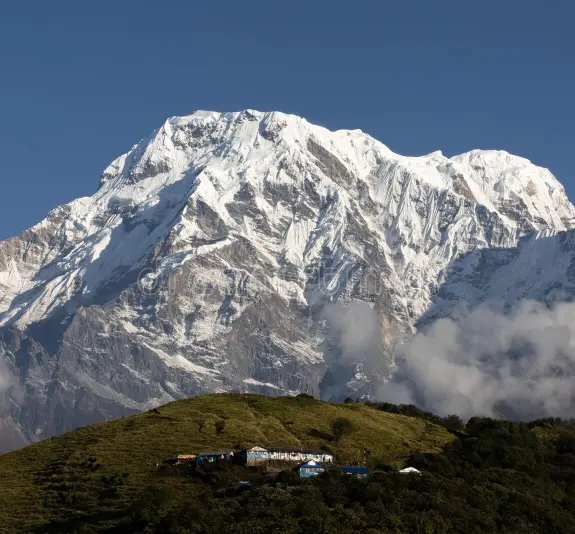
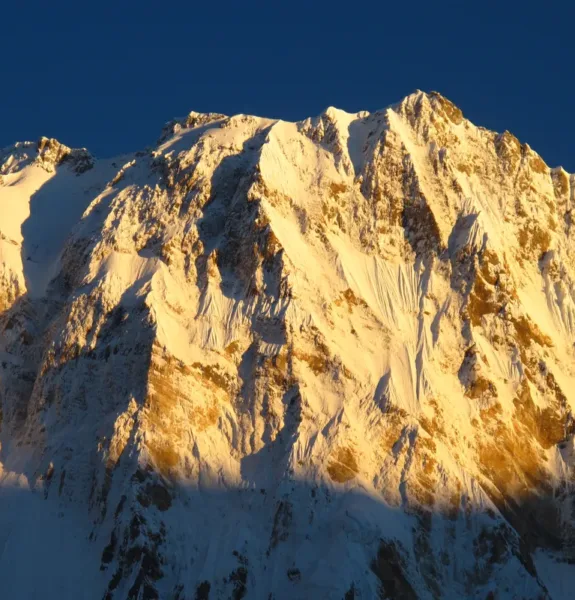
The main highlight and adventerous part of this Nar Phu Valley Trek is crossing the Kang La Pass (5,240), a challenging route where you can witness the panoramic views stretch across Annapurna II, Gangapurna, and Tilicho Peak. Then Nagwal (3,660), a more developed village with lodges and terraced fields to Chame (2,670) at lower altitudes having lush landscapes and warm hospitality.
Who can join the Nar Phu Valley Trek
It is perfect for adventurers who want to find an off-the-beaten path and much more isolated experience in the Himalayas. The trek is suitable for both those who are experienced but looking for a new experience and beginners who have prepared well. In case you have done any trekking in the past, you will be able to adapt easily. But even beginners who train well can undertake the trek as per the itinerary that we provide.
In addition, the Nar Phu Valley View trek will fit well tourists interested in cultural aspects and remote places. Indeed, you walk around those villages where things are done differently from how they are in modern society. As a result, your journey acquires meaning which goes beyond viewing some scenic spots.
The Nar Phu Valley View trek can also be recommended for photographers, nature lovers, or adventurers. In fact, there are few places in the world where you could see such a combination of high passes, valleys, and ancient settlements.
One thing that should be considered by potential trekkers is that this journey may not be suited for everyone. If you are interested in luxury and accessibility, the Nar Phu Valley trek is certainly not what you need.
Highlights of Nar Phu Valley Trek – 12 Day Epic Remote Trek
- Off-the-Beaten-Path Adventure – Truly an off-the-beaten-path adventure
- Ancient Tibetan Culture – Preserved Tibetan culture in undisturbed form
- Kang La Pass (5,306m) – Crossing one of the High-altitude pass with panoramic views of Annapurna II (7,937m), Gangapurna (7,455m)
- Ancient Buddhist Monasteries – Traditional Gompas and ancient mani walls
- Remote Himalayan Villages – Raw ancient villages with authentic mountain life
Photo Gallery & Video Gallery
Nar Phu Valley Trek – 12 Day Epic Remote Trek - Distance, Duration, and Altitude
| Trekking Route | Distance (Kilometers) | Duration (Hours) | Altitude (Meters) |
|---|---|---|---|
| Koto to Meta | 14 KM | 6 to 7 hours | 3560 m. |
| Meta to Phu Gaon | 16 KM | 7 hours | 4080 m. |
| Phu Gaon to Nar Phedi | 20 KM | 8 to 9 hours | 4110 m. |
| Nar Phedi to Ngawal via Kang La Pass | 14 KM | 7 to 8 hours | 5320 m. |
| Ngawal to Chame | 22 KM | 8 hours | 2670 m. |
Itinerary of Nar Phu Valley Trek – 12 Day Epic Remote Trek
Day 1: Arrival in Kathmandu
Upon your arrival, our representative will be available to greet you and take you to your designated hotel. Take a rest from your long flight journey and explore local streets in the evening.
Activity: 35 minutes drive
Max. Altitude: 1324m./4,344ft. (Kathmandu)
Accommodation: 3 Star Hotel
Day 2: Kathmandu Sightseeing and Trek Preparation
Morning after breakfast, visit the cultural sites of Kathmandu that are also listed as UNESCO World Heritage sites such as Pashupatinath Temple, Boudhanath, Swayambhunath (Monkey Temple), Kathmandu Durbar Square and other heritage sites. Confirm your permits and gear and do final shopping to be fully prepared. In the evening, meet your guide for trek briefing.
Activity: Sightseeing
Max. Altitude: 1400m./4,593ft. (Kathmandu)
Meal: Breakfast
Accommodation: 3 Star Hotel
Day 3: Drive from Kathmandu to Tal
You begin your journey by going for a long yet beautiful drive from Kathmandu to Tal. As you proceed on the journey, the highways become winding, leading to various rivers and valleys with diverse scenery along the way. During your drive, you will pass through several terraced hills and small towns as well as enter the beautiful Marsyangdi Valley. However, note that you will experience some bumpy and rocky sections along the way; it only makes your journey even more adventurous!
Tal is an amazing village located near the beautiful wide river valley. You will have the privilege of enjoying some breathtaking falls as well as cliffs and stone houses. It is a peaceful area, and that is the reason why you can rest here for the night.
Activity: 8-9 hours drive
Max. Altitude: 2600m./8,530ft. (Tal)
Meal: Breakfast, Lunch, Dinner
Accommodation: Teahouse
Day 4: Trek from Tal To Koto
The trek begins from today as you leave Tal and hike up the Marsyangdi River. This day consists of treks through forests, hanging bridges (always an exciting experience), and through several quaint villages. The climb would be gradual in nature and you will enjoy stunning vistas of falls and cliffs as you hike along the trail.
The town of Koto marks the start of your trekking journey into the restricted area of Nar Phu Valley. From the moment you arrive, it’s very clear that Koto is quite different from the bustling Annapurna Circuit trails.
Activity: 6 to 7 hours Trek
Max. Altitude: 2650m./8,694ft. (Koto)
Meal: Breakfast, Lunch, Dinner
Accommodation: Tea house
Day 5: Trek Koto to Meta
From Koto, you will be following the Nar Khola – crossing the suspension bridge, you will enter the restricted Nar Phu region. Passing through pine forest, rocky trail and suspension bridge, you will gain a total of 960 meters of altitude when you finally reach Meta.
Meta is located at a relatively high altitude, where you can admire beautiful landscapes featuring amazing mountain views. In meta the air becomes cooler and the views are more dramatic. This part of the journey has more of an adventurous feel because you get to explore the areas that have never had any tourists before.
Activity: 6-7 hours
Max. Altitude: 3560m./11,680ft. (Meta )
Meal: Breakfast, Lunch, Dinner
Accommodation: Teahouse
Day 6: Trek Meta to Kyang
The journey from Meta to Kyang is slightly shorter, yet just as impressive and scenic. The landscape changes quite drastically as you move into the open terrain, with far fewer trees, but stunning mountain views on both sides of the trail. As you hike uphill, you will begin to feel the effects of the thinning atmosphere due to the increasing elevation.
The village of Kyang is nothing but a small settlement with a couple of simple lodges. The area offers a very calm and relaxing environment ideal for recovering from the fatigue of the trekking expedition.
Activity: 4 hours
Max. Altitude: 3820m./12,533ft. (Kyang)
Meal: Breakfast, Lunch, Dinner
Accommodation: Teahouse
Day 7: Trek from Kyang to Phu
In today’s trek, you will explore even further into the mysterious valley by passing through some chortens dating back centuries, stone walls, and these huge cliffs. You really get the sense that the influence of Tibetan culture becomes more pronounced as we near Phu village.
Phu can arguably be described as one of the most secluded villages on the entire trail. Phu features its typical houses and monasteries with magnificent views of the surrounding mountains. It truly gives the feeling that you have traveled in time.
Activity: 5 hours Trek
Max. Altitude: 4250m./13,944ft. ( Phu)
Meal: Breakfast, Lunch, Dinner
Accommodation: Teahouse
Day 8: Acclimatization day in Phu
Today is dedicated to getting used to the elevation. You have the option to walk around the area’s monasteries, meet local residents, or even take a short trek to a vantage point. The snowy mountain peaks visible from all sides are amazing to behold.
Acclimatization is an integral part of completing the Nar Phu Valley Trek Itinerary. Regular, yet moderate exercise is extremely beneficial for your body in adapting to the elevation.
Max. Altitude: 4250m./13,944ft. (Phu)
Meal: Breakfast, Lunch, Dinner
Accommodation: Teahouse
Day 9: Trek from Phu to Nar Phedi
Here you will be retracing your footsteps for a certain stretch of the walk before taking another route through Nar Phedi. The downward direction is always much simpler, but the terrain remains challenging nonetheless. Expect to see some monasteries and even small hamlets along the way.
Nar Phedi is such a tranquil little settlement that also happens to have a monastery lodge in it. Here you will have another chance to connect with some spirituality as part of your Nar Phu Valley View Trek experience.
Activity: 6 hours
Max. Altitude: 4250m./13,944ft. (Nar Phedi)
Meal: Breakfast, Lunch, Dinner
Accommodation: Teahouse
Day 10: Trek from Phedi to Nar
This day’s trail will lead you to the village of Nar. You will be treated to some stunning views of the mountains that surround the trail. This route does not entail long hiking, although the high altitude might make it a bit more challenging.
As already mentioned, the view of the mountains from Nar village is simply breathtaking. Besides, the way of life in Nar is very traditional, and you can learn much about the culture on this segment of your trip.
Max. Altitude: 4110m./13,484ft. (Nar)
Meal: Breakfast, Lunch, Dinner
Accommodation: Teahouse
Day 11: Acclimatization day at Nar
Yet another day to acclimate yourself to the climate before the main pass. Hike up toward Kang La Pass, get a bit more breathtaking scenery, and return to Nar.
The day is very important within the Nar Phu Valley Trek Itinerary as it will significantly reduce the possibility of getting altitude sickness and boost your confidence for tomorrow’s difficult ascent.
Max. Altitude: 4500m./14,764ft. ( Nar)
Meal: Breakfast, Lunch, Dinner
Accommodation: Teahouse
Day 12: Trek from Nar to Ngwal crossing Kang La Pass
This might be one of the toughest days, yet certainly the most rewarding journey of your life! You will pass through the Kang La Pass, and the view of the entire Annapurna range once you reach its peak is simply out of this world! This section of your trekking journey involves a tough climb; therefore, it is important that you maintain a moderate pace.
As soon as you make your way across, you will descend towards Ngawal and rejoin the Annapurna Circuit.
Activity: 9 hours
Max. Altitude: 5320m./17,454ft. (Ngwal)
Meal: Breakfast, Lunch, Dinner
Accommodation: Tea house
Day 13: Trek from Ngawal to Manang
The trek from Ngawal to Manang is not as difficult as many believe because it involves walking across broad valleys with stunning mountain views and an entirely different kind of landscape compared to what you have encountered just a couple of days ago.
Manang itself is another well-known destination where the trekking conditions improve significantly; there are bakers, shops, and even nice lodges that provide a lot of comfort. This marks the transition to Annapurna Trek proper.
Activity: 4 hours
Max. Altitude: 3600m./11,811ft. (Manang)
Meal: Breakfast, Lunch
Accommodation: Tea house
Day 14: Trek from Manang to Yak Kharka
You’ll be trekking through an alpine area with very little vegetation today, as you start ascending from Manang. Watch out for some yaks grazing near the path.
Yak Kharka is just a simple village where the shepherds tend their cattle. It’s going to make a good rest stop for you while you continue your Nar Phu Valley Trek.
Activity: 5 hours
Max. Altitude: 4110m./13,484ft. (Yak Kharka)
Meal: Breakfast, Lunch, Dinner
Accommodation: Tea house
Day 15: Trek from Yak kharka to Thorong Phedi
The trek today will be short but challenging. It heads towards Thorong Phedi that serves as the base camp to the pass. At this point, altitude becomes very difficult, and therefore it is best to walk slowly.
Lodging at Thorong Phedi is fairly simple as the place is just the preparation zone for tomorrow’s big adventure. This time round on our Nar Phu Valley View Trek, hydration and sleep are important.
Activity: 4 hours
Max. Altitude: 4600m./15,092ft. (Thorong Phedi)
Meal: Breakfast, Lunch, Dinner
Accommodation: Tea house
Day 16: Trek to Muktinath via Thorong La Pass
Today is going to be the hardest of the trek. You will wake up extra early and then begin your walk towards the Thorong La Pass. This trek is quite tough; however, once you make it to the top, the views from there will be incredible.
Once you have completed the pass, you will walk further towards the destination where you can visit the temple of Muktinath, which holds immense importance among both Hindu and Buddhist people.
Activity: 9 hours
Max. Altitude: 5416m./17,769ft. (Muktinath)
Meal: Breakfast, Lunch, Dinner
Accommodation: Tea house
Day 17: Drive from Muktinath to Pokhara
With the completion of the trekking section, you will travel by car from Muktinath towards Pokhara via Jomsom, where the terrain will turn green again and the desolate desert surroundings will give way to lush vegetation.
Pokhara is an oasis for rest and relaxation; the stunning lakes and the opportunity to recuperate from all the walking is an ideal ending for the Nar Phu Valley View Trek.
Activity: 6 hours Drive
Max. Altitude: 822m./2,697ft. (Pokhara)
Meal: Breakfast, Lunch, Dinner
Accommodation: 3 Star hotel
Day 18: Drive from Pokhara to Kathmandu
Your trekking adventure concludes with an interesting drive to Kathmandu. This part involves traveling through rivers and hills in small towns that offer ample opportunity for contemplation on the entire trekking experience.
Arriving in Kathmandu marks the completion of the Nar Phu Valley Trek Itinerary. Your visit to these secluded valleys and high passes will certainly make you remember your trip for a long time to come.
Activity: 6 hours Drive
Max. Altitude: 1400m./4,593ft.
Meal: Breakfast, Lunch, Dinner
Accommodation: 3 Star Hotel
This trek requires special permits as it passes through restricted areas. Please consult with authorized trekking agencies for current permit requirements and regulations.
Includes/Excludes
What is included?
- Permits and Fees: All necessary permits for the Annapurna Circuit Trek, including the Annapurna Conservation Area Permit (ACAP) and the TIMS (Trekkers’ Information Management System) card.
- Accommodation: Accommodation during the trek, usually in teahouses or lodges. This typically includes accommodations in Kathmandu and Pokhara before and after the trek in 3 star hotel on BB plan. (twin sharing basis)
- Meals: Most packages will include three meals a day (breakfast, lunch, and dinner) during the trek.also includes two times hot beverage (in breakfast and lunch) and seasonal fruits after dinner.
- Transportation: Ground transportation from Kathmandu to the trailhead (usually Besisahar) and from the end point of the trek back to Kathmandu.
- Guide and Porters: Services of an experienced English-speaking trekking guide and porters to carry luggage. This includes their salary, insurance, equipment, food, and accommodation.
- First Aid Kit: A basic first aid kit.
- Trekking Map: A map of the trekking route.
- Equipment: Duffle Bag, Sleeping Bag (if necessary)
- Pick up drop-off : Airport pick up and drop-off by private vehicle.
What is not included?
- International Flights: International airfare to and from Nepal is not included.
- Travel Insurance: Travel insurance that covers emergency rescue and evacuation is not included, and you’ll be expected to have your own.
- Personal Expenses: Expenses for extra meals, drinks, snacks, charging devices, hot showers, Wi-Fi, and other personal costs are not included.
- Nepal Visa Fees: Entry visa fees for Nepal.
- Additional Accommodation and Meals: If you choose to extend your stay in Nepal, the cost of additional accommodation and meals will not be included.
- Rescue and Evacuation: Any costs related to emergency evacuation or rescues are not covered.
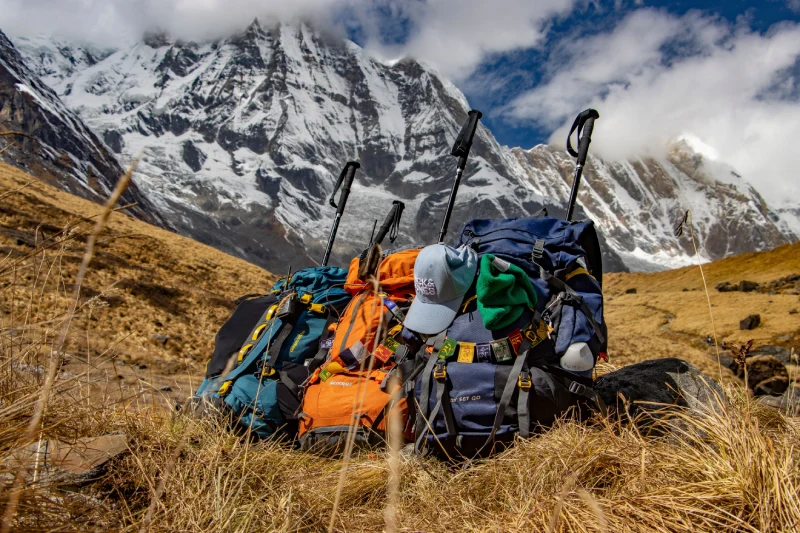
- Trekking Gear: Personal trekking equipment, such as hiking boots, down jackets, trekking poles, and other gear are not included.
- Tips: Tips for guides and porters are not included and are left to your discretion
Trip Map of Nar Phu Valley Trek – 12 Day Epic Remote Trek
Trip Information
Trek Difficulty Level
This trek to Nar Phu Valley will be moderately challenging, where you need a steep ascents for long days particularly over Kang La Pass. Due to being situated in high altitude, it demands good physical fitness and proper acclimatization to attempt Nar Phu Valley Trek safely and successfully. Despite these challenges, the Nar Phu Valley trek rewards with awe-inspiring views, an intimate look into Tibetan Buddhist culture, and a rare, off-the-beaten-path trekking experience that fosters deep connection with both the land and its people.
Without doubt, the toughest sections will be the passage of Kang La Pass and Thorong La Pass. Passing such high-altitude passes requires considerable endurance and mental fortitude. Moreover, weather changes may occur rapidly, which makes the trek even more challenging. However, it should be noted that the Nar Phu Valley Trek Itinerary features acclimatization days, and this is an important aspect for adaptation purposes and reducing the risk of altitude sickness.
But regardless of this challenge, you do not necessarily require any climbing expertise here. As long as you pace yourself well and have the perfect guide by your side, you should be able to complete the trek perfectly. It is one of the most worthwhile treks that you will come across due to its incredible natural and cultural richness.
Preparation for the Nar Phu Valley Trek
Proper preparation is indeed the key factor separating an enjoyable vacation from a horrible experience. It would make sense to undertake some fitness training at least a month before departure. Your training should focus on cardio such as running, hiking, or even cycling. Engaging in strength training for your core muscles and leg muscles will be incredibly helpful throughout your continuous trekking.
Psychological preparation cannot be overlooked. The areas that this trail covers can be very remote, thus requiring adequate psychological preparation. You should remain adaptable and flexible since many factors such as weather and even the day’s schedule may change.
It is important to ensure proper packing for all types of weather. The lower parts of this trekking trail can be quite hot while the high passes may be extremely cold. Pack good trekking boots, warm clothes, and other trekking items. Proper organization and adhering to a well-planned itinerary will make your journey easier.
Every aspect of this trekking will be quite easy if you are psychologically and physically ready beforehand.
Language and Communication
If you plan to take a Nar Phu Valley trek, prepare to encounter a combination of Nepali languages and Tibetan dialects that heavily influence the local culture. In low-altitude regions such as Jagat, Koto, and Manang, most residents are able to speak basic English. Furthermore, guides and lodge owners tend to have an excellent command of both written and spoken languages, making everyday communication fairly easy.
However, once you reach Nar and Phu settlements, the linguistic landscape changes considerably. English is rarely spoken here, with the locals relying mainly on their indigenous tongue. From my personal experience, it only adds a unique cultural dimension to your overall journey. Gestures and body language, coupled with patience and a friendly attitude, go a long way here.
A guide is undoubtedly one of the best ways to navigate the Nar Phu Valley trek itinerary. Their ability to translate languages and customs, explain local traditions and negotiate prices at the tea house will make life much easier for you. Overall, your Nar Phu Valley View Trek is bound to be even more exciting if you engage with the locals.
Mobile network, internet and charging facilities
The connectivity in the Nar Phu Valley Trek is limited, especially when you reach the more distant regions. As soon as you get closer to the region, you may be able to access the NTC or Ncell network in certain areas like Koto or other places of Manang. But, as soon as you approach Nar and Phu valleys, it stops working completely.
Internet access is minimal and unreliable. A few tea houses provide internet services through their Wi-Fi connection on an additional charge, but the speed is terribly low. You shouldn’t expect yourself to be online much along the trekking route.
With regards to charging stations, most lodges provide such services, but the facility will be charged from you. Also, since most electricity here is provided via solar sources, it may be unreliable. Thus, you should prepare your own power source by taking a power bank with you.
While you follow the itinerary of the Nar Phu Valley Trek, try considering it an opportunity to detach from the virtual world. The Nar Phu Valley View Trek will help you get away from all the distractions in the city.
Extending the trip and taking side trails
The best thing about this hike is its possibilities for extension. Once you pass through Kang La Pass, you enter the territory of the Annapurna region, and most trekkers decide either to go to Tilicho Lake or finish the whole Annapurna circuit as they are now here.
It’s also worth mentioning that even small side trips near Phu and Nar villages give a unique touch to the expedition. They involve visiting ancient monasteries, discovering some secluded valleys, and going higher for the amazing panoramas.
The Nar Phu Valley Trek Itinerary can be modified according to your needs and preferences. Sometimes, trekkers choose the way to Mustang as the alternative option of this adventure. To tell the truth, the Nar Phu Valley View Trek becomes even more impressive when one leaves the official trail at least once during the journey.
Cultural Festivals on the trail
Nar Phu Valley Trek is a great opportunity to witness several breathtaking festivals that take place in this area of the Himalayas. The population of these two valleys is strongly influenced by Tibetan Buddhism, which makes festivals celebrated here quite impressive.
First and foremost comes the festival of Lhosar – the Tibetan New Year. As far as the whole festival goes, the entire villages come alive with music, dancing, and all kinds of rituals and traditions. Monasteries organize grand celebrations, while at the same time villagers put on their best festive dresses and enjoy this unique celebration.
Sometimes, you may happen to catch a glimpse of various smaller festivals organized by the locals, where monks conduct ritual dances and offer prayers. It’s simply an interesting and exciting way of seeing their everyday life and belief system. By incorporating such dates in your Nar Phu Valley Trek Itinerary, you make your visit all the more memorable. In other words, the Nar Phu Valley View Trek is not just about visiting the mountains, but also witnessing the vibrant culture that thrives here.
Don’t on this trip
During the time that you are on the Nar Phu Valley Trek, it’s important to respect the local culture and environment. Take permission before clicking any pictures of the locals, their monasteries, or the ritual practices performed by them because these things hold great religious significance to them.
Another important thing is that you should not rush during the trek. If you walk too quickly at high altitudes, you risk getting altitude sickness. You should just let the guide show you around on the planned Nar Phu Valley Trek itinerary.
And please, no littering along the trails. Take care of your garbage and dispose of it properly. Plastic waste can damage these delicate mountain ecosystems.
Try not to raise your voice or behave inappropriately within the villages and the monasteries. It is best to dress in a simple manner and adhere to the local traditions. This Nar Phu Valley View Trek passes through extremely traditional regions and it is essential to be respectful there.
Required Permits for Narphu Valley Trek:
The route to Nar Phu Valley lies in the Annapurna region of Nepal. Therefore, an Annapurna Conservation Area requires permit for the entrance. Additionally, this is the restricted area which requires special permit. As well every trekker must be registered with the Tourist Service Centre to track their journey for safety reason, which requires a TIMS Card. Most importantly, to explore this area minimum of 2 peoples are required, along with mandatory licensed guides. So, we recommend choose the reputable company in Nepal for hassle-free permit processing.
Here are the details:
1. Nar Phu Special Permit (Restricted Area Permit)
This is a special permit required for entering the restricted Nar Phu region. It cannot be obtained individually and must be arranged through licensed trekking agencies.
Cost: (Varies by season):
September to November: USD 100 per person for first week + USD 15 per day for additional days
December to August: USD 75 per person for first week + USD 15 per day for additional days
2. Annapurna Conservation Area Permit (ACAP)
It’s the entry permit for Annapurna Conservation Area which is issued by Tourist Service Center Kathmandu. It can also be obtained on the trail, but at double the price.
Cost: NPR: 3,000 per person
3. TIMS Card (Trekkers Information Management System)
It is the mandatory card for the trekkers in Nepal. It ensures trekkers are registered and tracked for their safety. It is issued by Nepal Tourism Board.
Cost: NPR 2,000 per person
For the paper work and seamless journey to the Nar Phu, choose Epic Trek Nepal. We take the responsibility and ensure of everything on your trek – whether it’s a paper work and documentation or accommodation and meals. You can track our records, and the guides of ours are excellent at navigating routes. Mostly, we provide the local guides of similar places. Do book your trek for Nar Phu Valley with Epic Trek Nepal and make your trip awesome.
Health and Safety
Safety comes as the very first priority while on the Nar Phu Valley Trek. The acclimatization process will prove crucial in avoiding any altitude sickness. In order not to put your life at risk, it will be essential to climb gradually and allow your body time enough to acclimate.
It will also be necessary to remain well-hydrated throughout the trekking period. One should attempt to drink as much water as possible, striving to reach a target of three liters per day. Being at a high elevation and unaware of one’s own perspiration rate, a person may get dehydrated without realizing it.
To protect yourself against the elements, one will have to come prepared. It will be essential to dress in layers, thus allowing for better thermal regulation during the trekking process.
Most of all, recognize your own limitations and just go by how your body feels. When you begin to feel very ill or extremely tired, do not hesitate to add another day of rest or even backtrack if you have to. Better safe than sorry.
Finally, it is best to carry your emergency contacts close to you and inform your family or friends about your plans prior to embarking on your journey. Always plan for contingencies as you walk through these breathtaking scenes.
It is always wise to plan for unforeseen circumstances while trekking through stunning landscapes.
Travel Insurance
Travel insurance is absolutely necessary for the Nar Phu Valley Trek because you will visit extremely remote and high-altitude places where medical services are not available at all. In case of an emergency and evacuation by helicopter, you may have to pay a huge amount of money if you do not have travel insurance.
While choosing your travel insurance plan, you just need to ensure that you get trekking coverage above 5000 meters, emergency evacuation coverage, and other important aspects. It always helps to go through those terms and conditions carefully so that nothing gets missed when you travel.
I would recommend that you carry both print and digital copies of your travel insurance policy documents and share them with your trekking agency before beginning the journey. It simply saves your time and energy in any emergency situation. Travel insurance simply takes away your worries, allowing you to enjoy your Nar Phu Valley View Trek peacefully.
Frequently Asked Questions
Epic Trek Nepal pricing:
- 2-4 person: $925 per person
- 5-6 person: 880 per person
- Group over 7: $800 per person
Includes all permits, accommodation, meals, guide, porter, and ground transportation (no flights required).
We offer a 12 day itinerary designed for gradual acclimatization, cultural immersion in Nar and Phu villages, and buffer days for weather conditions.
We recommend trekking during Autumn (September to November) and Spring (March to May) when the weather is stable, and mountain views are at their best.
This trek is moderate to challenging due to high altitude, rugged trails, and remote location. We advise trekkers to have good physical fitness and rely on our expert guides for safe navigation.
The trek begins from Besisahar or Chame. We arrange transportation to trailheads like Dharapani or Koto, then guide you through the remote valleys of Nar and Phu.
Epic Trek Nepal handles all necessary permits including:
Restricted Area Permit (RAP) for Nar Phu – NPR 5,000 (~USD 45)
Annapurna Conservation Area Permit (ACAP) – NPR 3,000 (~USD 25)
TIMS Card – NPR 2,000 (~USD 15–20)
You’ll stay in basic teahouses and lodges with simple rooms, shared bathrooms, and warm meals. Facilities are rustic, reflecting the remote and untouched nature of the valley.
Safety is our priority. We provide experienced local guides familiar with the terrain and weather, ensuring your trek is secure and enjoyable.
Pack warm clothing, sturdy hiking boots, trekking poles, sleeping bag, sun protection, and basic first aid. Our team will provide a detailed packing list tailored to the season.
Yes, altitude sickness can affect trekkers due to high passes and elevations above 4,000 meters. Our itinerary includes gradual acclimatization and we monitor your health closely.
Trip Reviews
US$ 880
Need Help? Talk to Expert
+977 9764792172