How difficult is the Lobuche East Peak Climb?
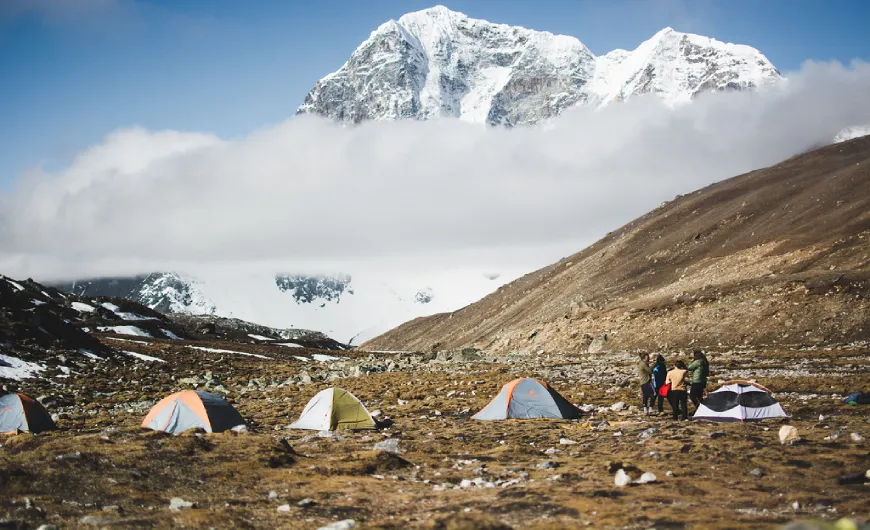
The Lobuche East Peak Climb is moderately difficult to very challenging. Even the trekking portion up to Everest Base Camp requires a fair amount of physical fitness and therefore cannot be called easy. While it is not necessarily a technical climb, it certainly does require physical fitness with strong mental strength.
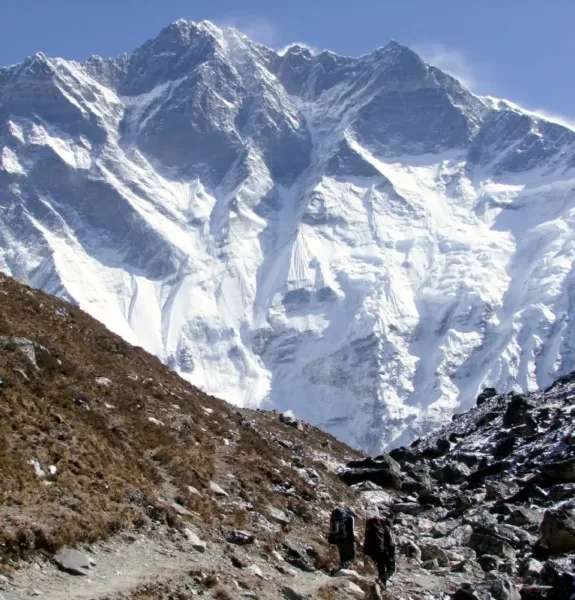
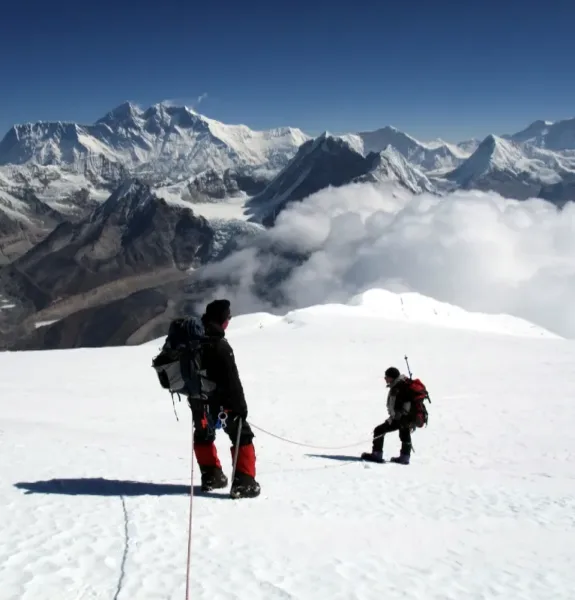
You will keep gaining altitude after altitude and there will be days where you need to walk for about six to seven hours and sometimes even more. Then, the climbing part which introduces a new payer of difficulty on top of that. This will include climbing over steep rock, crossing ice ridges and fixed rope near the summit.
On the day of summit, weather can change quickly, and this is simply how it works on the mountains. Windy weather, low temperatures and high altitude all add to the physical challenges faced by climbers during the ascent.
During the trek altitude sickness will become a serious problem for anyone as the altitude goes over 5,000 meter and that cannot be ignored. However, with proper acclimatization the chances of attitude sickness reduce significantly, which is why we added them in the itinerary.
Best Season to go Lobuche East Peak Climbing
Spring (March to May)
This season is ideal for Lobuche Peak climbing as trekkers pass through the forest filled with colorful rhododendron and enjoy stable weather for trekking. At this time, the temperature ranges from 5°C to -10°C, yet it can drop to -15 during summit. The trails are excellent; the snow conditions are ideas – not too icy or soft – so it is the great time for first-time climbers because of milder conditions.
Autumn (September to November)
This is a perfect season for those seeking cultural experience with adventure. This is the festival season in Nepal, when Dashain & Tihar are celebrated. You will also get the clearest Himalayan views. As the temperature ranges from 4°C to 12°C, the sharp contours of mountains are clearly visible at that time. Summit success rates are high during this period due to reliable weather conditions.
Winter (December to February)
Winter is a snowy season when temperature at this time ranges from (-5°C to -20°C) yet can go below –25°C on summit day. During this season the shorter days, harsh cold, high winds, and heavy snow make climbing risky. Many tea houses are closed due to off-season of trekking that route and extreme cold can causes difficulty along the way. Still, climbing is possible for enthusiast with proper planning and experienced guides.
Monsoon Season (June to August)
This is not a recommended season for peak climbing as rainfall, cloudy views, and landslides make trails slippery and dangerous. Flight delays and cancellations to Lukla are common at this time, so better to visit other places during this season for the best experience.
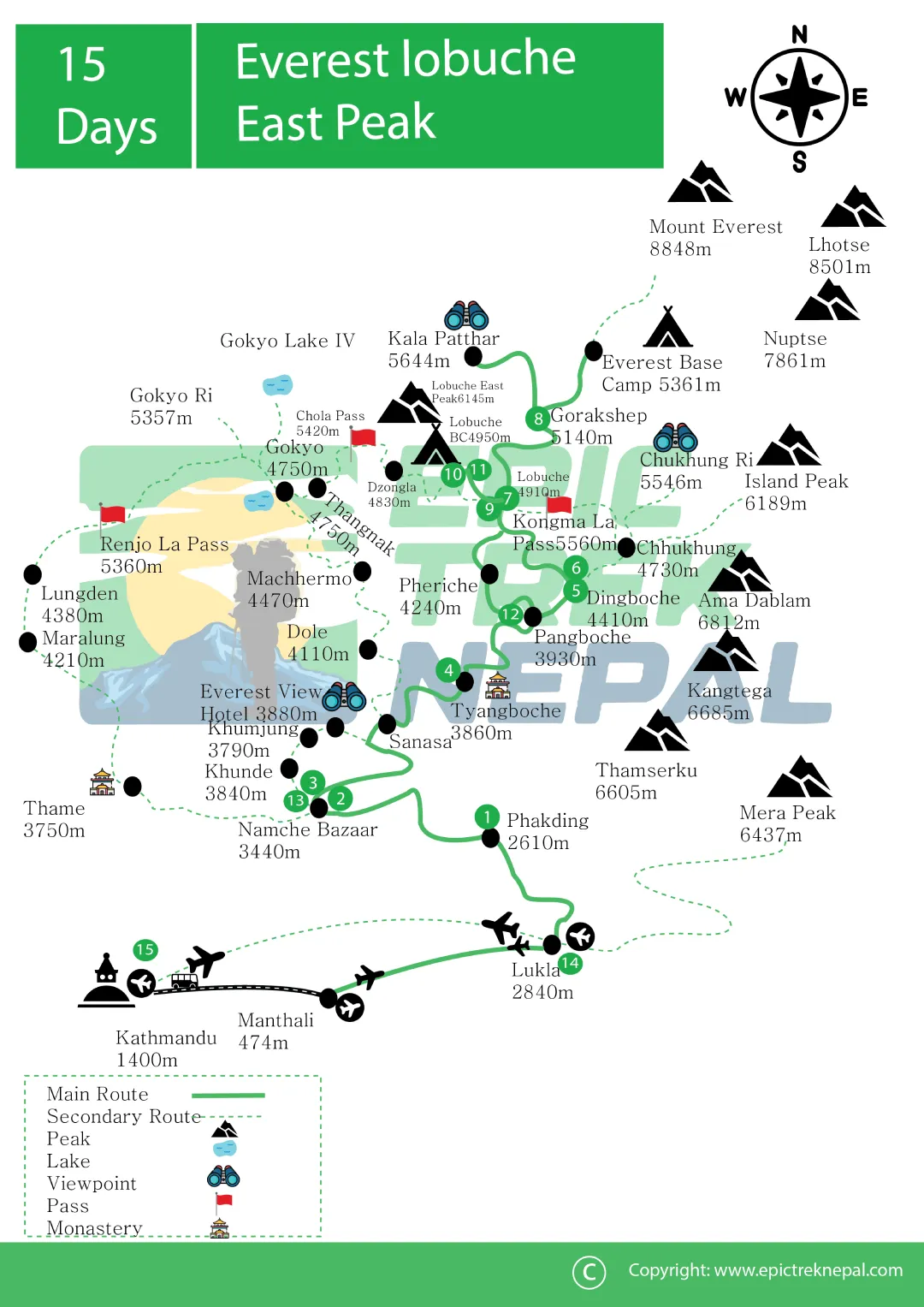
This is the hybrid trek: mix the mountain climbing with trekking. Duration of 18 days, it starts and ends in Kathmandu, taking you through the complete Everest region experience. Especially designed for fit trekkers, those aiming for their first Himalayan summit as preparation for bigger expeditions.
Preparation for the Lobuche East Peak Climbing
Being well prepared really helps when doing this climbing trek. Try starting your training two to three months before your departure and you will see how useful this will be for you.
Cardio is the most important you need to focus first. Running, cycling, swimming, cycling and stair climbing greatly helps in building that endurance for long walking days. Also, strength training like targeting legs and core muscle is crucial as you have to hike while carrying a backpack.
The mental preparation is just important as the physical training. Early morning, exhausting starts and fatigue will be part of your everyday trek and to move forward even in that condition that requires a strong will and mental strength.
Although your guide will give you lesion for using crampons and ropes, try learning basic rope technique before trek or putting on crampons before the trek. It will make it easier during the trek to understand easily.
Don’t forget about the logistic part either. Sort out everything from purchasing a travel insurance that cover high altitude trekking and emergency evacuation to arranging permits for the trekking is very essential.
Also get yourself a general physical examination prior to departure, especially if you are older than 40 or you have some health problems.
Cultural Festival on the Trail
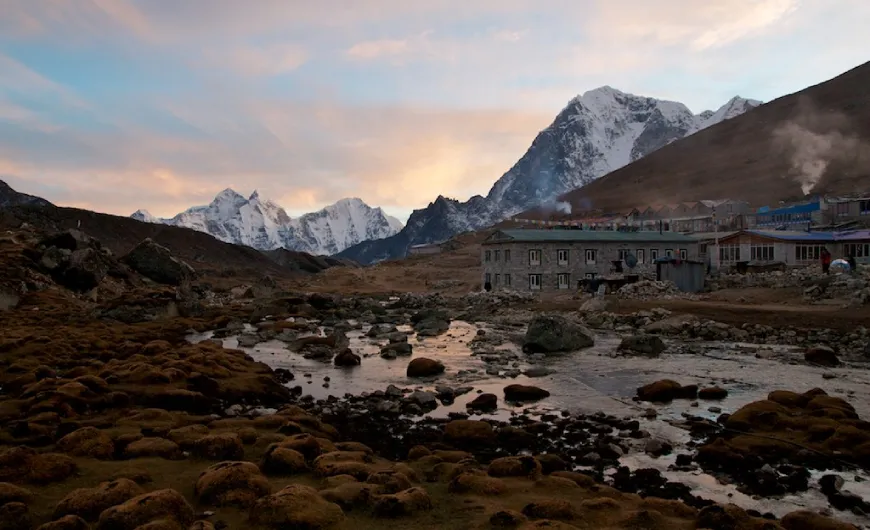
In the Khumbu region, there is such unique Sherpa Culture and Buddhish that co-exist together which is also a main factor that attract trekkers here. Going through the Khumbu region gives an opportunity to see and experience the local festivals live and not just learn about them from the internet.
One of the most famous festivals in this area is Mani Rumdi, which is held by monks in Tengboche Monastery, where they celebrate the victory of Buddhism over the evil spirit. It usually takes place in autumn, in October or November. You should try visit if you have an opportunity to be here during this trek while climbing Mount Lobuche East Peak.
The Lhosar, Sherpa New Year is another significant festival that should not be overlooked. During this time local will decorate their houses, eat local foods, and dance in traditional songs which is a great importance for all locals.
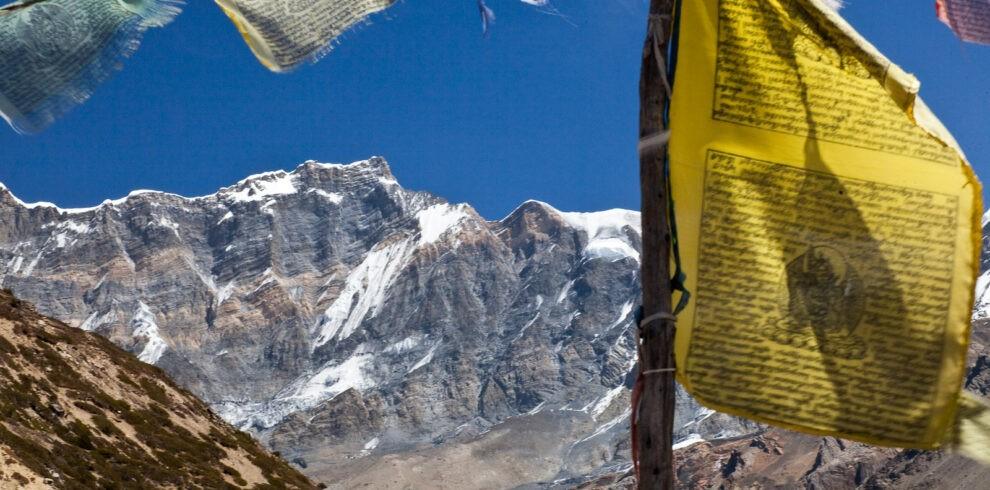
Even when there is not any festival you will find prayer flags, mani walls and chortens along the trail. This is because of deep religious beliefs that influence daily lives of Sherpa in Khumbu village through the year.
Required Permits for Lobuche East Peak Climbing
Lobuche East Peak Climbing requires several permits, as it involves both trekking through the Everest Region and summiting a designated climbing peak. Here are the Permits required for Lobuche Peak Climbing:
Lobuche East Peak Climbing Permit
- Specifically required for climbing Lobuche East.
- It cost $70 – $250 per person as per season.
Sagarmatha National Park Entry Permit
- Required for entering Sagarmatha National Park, where Lobuche is located.
- It costs NPR 3,000 per person.
Khumbu Pasang Lhamu Rural Municipality Entry Permit
- This is the replacement for TIMS Card in the Everest region.
- It cost NPR. 3000 per person.
If you have planned to trek with Epic Trek Nepal, your trekking operator in Himalayan, then we will handle all the permits and paperwork for you and provide guides, porters and accommodation that is necessary during the trek.
Required Gears for Lobuche East Peak Climbing
Proper gear is essential for a safe and successful Lobuche East Peak climb. In those mountain regions, layering system works perfectly. And ensure you are comfortable with your gears. Here’s what you’ll need:
Bags
- Daypack (35–45L with rain cover)
- Duffel bag (~80L for porter to carry)
- Small packing cubes or dry bags for organization
Clothing: Layering System
Base Layers (Moisture-wicking):
- 3 thermal tops (synthetic or merino wool)
- 3 thermal bottoms
Mid Layers (Insulation):
- 1 fleece jacket or light down jacket
- 1 softshell jacket
Outer Layers (Wind/Waterproof):
- Waterproof hard shell jacket (with hood)
- Waterproof trousers/pants
Summit Layer:
- Expedition down jacket (heavy, rated to -20°C)
- Insulated pants (for summit day)
Other Clothing:
- 3–4 moisture-wicking t-shirts
- 2–3 trekking pants
- 1 pair of thermal trekking gloves
- 1 pair of insulated mittens (for summit)
- 1 warm beanie or wool hat
- 1 buff/neck gaiter
- Sun hat/cap
Footwear
- Trekking boots (broken-in, waterproof)
- Mountaineering boots (double insulated)
- Camp shoes/slippers for teahouse comfort
- 4–5 pairs of trekking socks
- 1 pair of high-altitude mountaineering socks
Climbing Equipment for Lobuche East Peak Climbing (rent them)
- Climbing harness
- Crampons (compatible with your boots)
- Ice axe
- Helmet
- Carabiners (locking + non-locking)
- Ascender (Jumar)
- Belay device (ATC or Figure 8)
- Climbing rope (provided by guide)
- Climbing sling/safety leash
Personal Gear & Essentials
- Headlamp with extra batteries
- UV-protection sunglasses (Category 4 for summit day)
- Sunscreen (SPF 50+)
- Lip balm with SPF
- Personal toiletries (toothbrush, toothpaste, biodegradable soap, etc.)
- Quick-dry towel
- Wet wipes and hand sanitizer
- Reusable water bottles (2 x 1L) or hydration bladder
- Water purification tablets
- Personal first aid kit (blisters, altitude meds, etc.)
- Diamox (consult your doctor)
- Personal snacks (nuts, protein bars, energy gels)
- Trekking poles (highly recommended)
- Sleeping bag (rated to -20°C or lower)
- Sleeping bag liner (optional for extra warmth)
Optional but Useful
- Power bank
- Solar charger
- Altimeter/watch
- Climbing Snacks
It is important to invest in high-quality gear and ensure that everything fits properly and is in good condition. Additionally, consult with experienced climbers or a professional guide to ensure you have all the necessary gear and receive proper training on how to use it effectively and safely.
Don’t do on This Trek
Don’t skip acclimatization day even when you feel like you can continue without it. Altitude sickness may catch you by surprise and that is why those acclimatization days are included for your safety throughout the Lobuche East Peak Climbing Itinerary.
Don’t walk faster on high altitude. Moving slowly and steadily will ensure much better acclimatization increasing your chance for successful summit.
Don’t pack unnecessary item since the porter have a weight limit that they can carry. Therefore, you should try to avoid packing things that are not necessary and which can be left in Kathmandu.
Do not leave the designated route by yourself as the route can be confusing and the weather at the peak can become worse really quickly.
Do not forget to drink enough water every day despite the low temperature. It will help you stay hydrated and avoid many problems connected to the altitude sickness.
Do not climb the technical part of the mountain without following your guide’s recommendations. Guide job is to ensure your safety during the climb, and you have to follow what he is saying.
Travel Insurance
Travel Insurance cannot be considered as an option for this Lobuche East Peak Climb with Everest base camp, it must be taken seriously. Climbing at high altitude involves uncertain dangers, so you need to have backup support to fully enjoy the trek.
The most crucial thing in the insurance package is an emergency helicopter evacuation because this is extremely costly when done without proper insurance covering this type of emergency.
In addition, it would be better to get covered for medical treatment, trip cancellations, and loss of luggage to provide yourself with additional security for your entire journey.
Before purchasing make sure it covers trekking and mountaineering at the height of 6,000 meter. Regular travel insurance doesn’t include coverage for peak, so you have to purchase one that cover it.
It’s a warning for you, never go for this climb without proper insurance coverage. This is a small cost that will bring you a lot of peace of mind while following the Lobuche East Peak Climbing Itinerary.
Health and Safety Measures
Your health and safety during the trek always come first. You need to track your health condition every second while trekker to Everest Base Camp or climbing Lobuche peak.
As it was mentioned earlier, altitude sickness becomes the major problem from the point of view of health. Its symptoms are headache, nausea, dizziness, and exhaustion, and they usually occur starting from 4,000-meter height.
Acclimatization days are the effective solution against this problem and drinking enough water and keeping the stable walking speed will be helpful as well.
It is also important to consider weather pattern, particularly while summiting. The weather will be monitored properly, and adjustments will take place if necessary.
The guide will carry a first aid kit as well as oxygen supply for any emergency situation. And if the case becomes even worse, helicopter evacuation take place to take trekkers back to safety.





 Share
Share