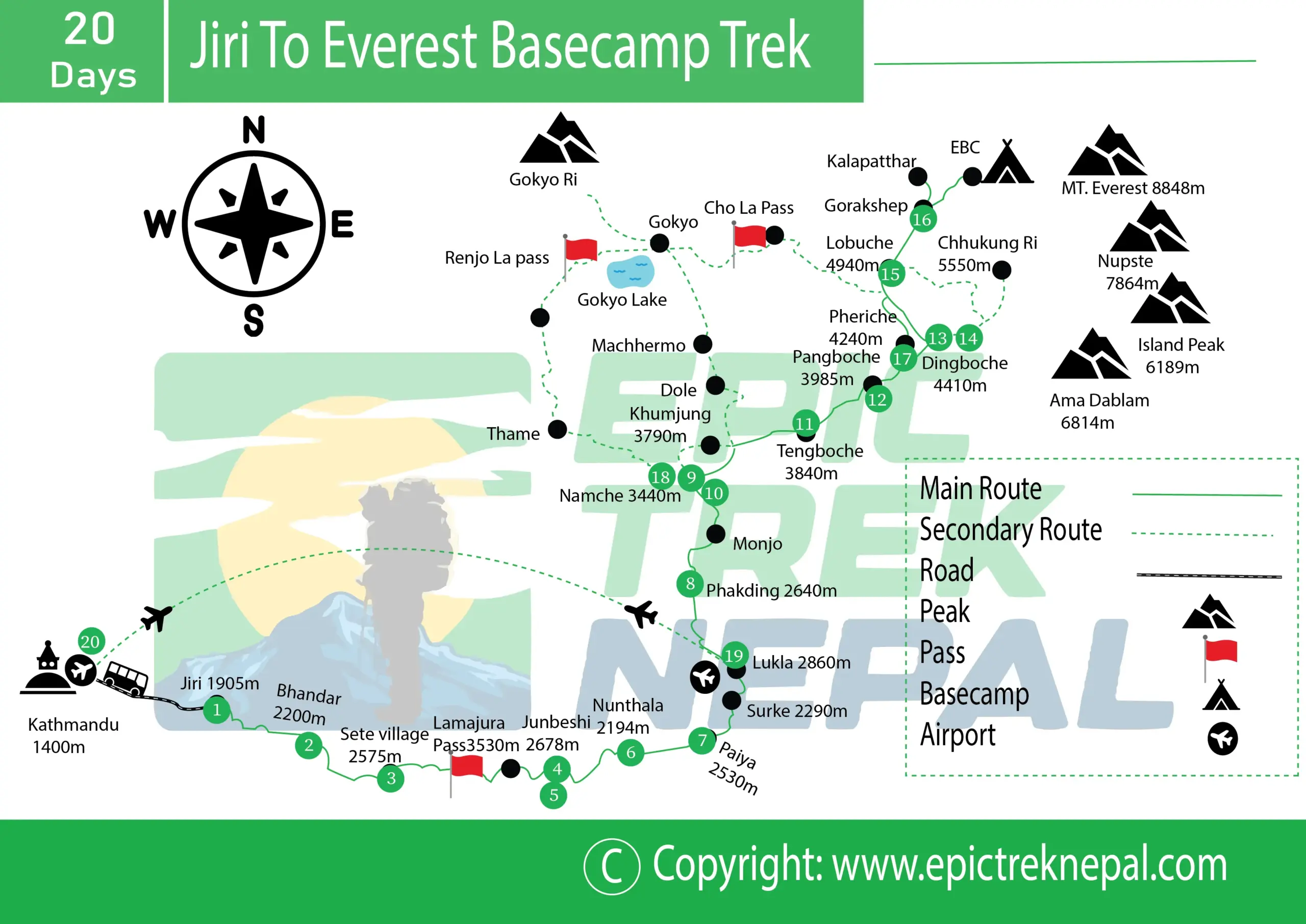
Trek Difficulty
The Jiri to Everest Base Camp trekking route is not an easy walk. It takes a long route, which can be quite energetically draining and requires great patience as well. The initial stages of the trekking route involve a number of ups and downs that are even steeper than those found in the later phases of the Everest region trekking route- definitely not for the beginners.
This trek is recommended for those who can walk long hours a day. You will need to walk for 6 to 8 hours a day or sometimes more. This Jiri to Everest Base Camp Trek is suitable for those who find peace on quiet trails. Basic lodges are available along the Jiri side, the food options are limited, and the facilities are fewer compared to the more commonly followed Lukla trail.
Altitude is the real factor that hits your body after Namche Bazaar. From there, the real trek begins following the usual Everest Base Camp route with increasing difficulty in each altitude gain. The more you get higher the thinner the air gets and colder the temperature becomes.
To avoid that, there are acclimatization days added to Jiri to Everest Base Camp Trek Itinerary that you must not skip. It allows your body to slowly and naturally adjust to low oxygen altitude which lowers your risk of altitude sickness during the trek.
Overall, if you are a trekker who enjoys the experience as much as the destination, the trek to EBC from Jiri is definitely a rewarding adventure for you. However, if you prefer a flight to Lukla, you may find it more convenient and less stressful.
Preparation for the Jiri to Everest Base Camp Trek
Physical preparation is highly important when it comes to Jiri to Everest Base Camp View Trek. At least spare two months focusing on cardiovascular training, leg strength and building endurance for long walks.
It better to train with a heavy backpack as well since it will help prepare your body for the challenge ahead of you. You can try hiking on local trails and hills close to home.
Mental preparation is equally important as well. Jiri to Everest Base Camp Trek Itinerary has many days of consistent walking which mean you need to have a high patience and calmness to complete this trek successfully without panicking in the middle of the trek.
Bring high-quality clothes as the weather can change without any signs. Make sure that you bring stable trekking poles and your used trekking boots because new shoes can easily give you blisters which is the last thing you would want on this long trek.
The knowledge of the altitude sickness is also important. Knowing its symptoms, and when you should take some time to recover or when you need to descend to a lower elevation is very helpful.
And purchasing a travel insurance with an emergency evacuation plan is a must for the Jiri to Everest Base Camp trek because some parts of the route lack immediate access to healthcare services.
Language and Communication
Nepali is the official language that is spoken all around Nepal, but for communication during the Jiri to Everest Base Camp trek, it is not as difficult as you assume. While in Jiri and other lower villages, English is not spoken widely because fewer trekkers travel through this area than the Khumbu area. But people here would still help all trekkers that needs help even though they don’t fully understand what foreigners are saying.
Once trekker enters the main part of Khumbu region – Namche Bazaar, Tengboche and Dingboche, everything will become more comfortable. Teahouse owners, shop assistants and other staff members of lodges have quite a good knowledge of English because they work with foreign travelers on a daily basis.
If you are solo trekker and decide not to hire a guide, you should consider carrying a basic guide in the form of a book or application that will translate from English to Nepali. The Google Translate application can be used in most cases, but you should not rely heavily on it since in some areas like from Jiri to Phakding there might be no internet coverage at all.
The thing is that language problems aren’t really a big issue out there. The people who live in that area, even in remote places far from Everest Base Camp, are quite used to seeing tourists, and they will do anything to help you out.
Mobile Network, Internet and Charging Facilities
Connectivity is quite different depending on where you are on the Jiri to Everest Base Camp Trek. Do not expect to have similar connectivity all the way along the trekking path.
When you are on Kathmandu, make sure to buy local sim card: Ncell or NTC. Both of these works better in the area around Jiri and the lower village allowing for phone calls and data connectivity. Further up to areas like Sete, Junbesi, and Nunthala, the connectivity will be slow and unreliable.
The Internet situation is basically the same. At teahouses in the Jiri region, there are no Wi-Fi services or very poor-quality ones are available. On the other hand, Wi-Fi in the Khumbu region is quite common at teahouses, used only for texting and updating your family members than watching movies.
Regarding charging of electrical devices, it is almost similar in both regions. You can charge your devices paying from $1 to $3 per device, but the price increases depending on high you are. If you can bring a power bank because there might be significant problem during the Jiri villages.
Culture and Local life Along the Way
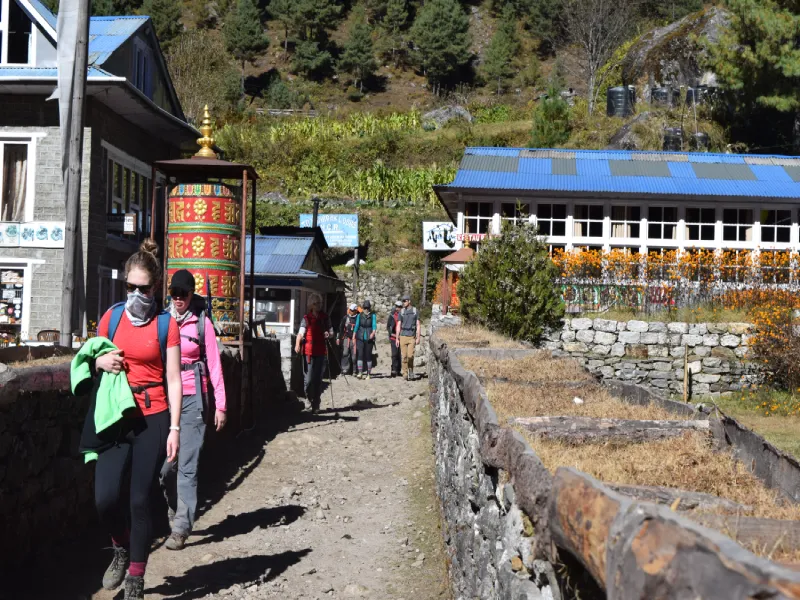
The Jiri to Everest Base Camp Trek is one of the most unique things because it is not just about trekking but an opportunity to experience the traditional cultures and learn their ways of life. When you head down from Jiri, you will encounter villages of the Rai and Tamang communities. Here, the lifestyle is quite traditional. The locals will be busy doing farming work or carrying goods back from the markets on their backs while portraying a friendly gesture by smiling or saying “namaste” to the trekking teams. Few foreigners visit these areas. Therefore, meeting the locals feels natural.
Tea houses on the Jiri route are very simple and run by local families. Rooms are small, walls are thin, and heating can be a luxury, but the atmosphere is cozy. In the evenings, you can sit around the kitchen, sharing tales with the owner of the lodge or watching him as he cooks dinner. The type of food served at the tea house is also simple yet filling. You will be able to taste “dal bhat“, local vegetables, and simple soups. The meals served are usually fresh and the taste becomes even better after a long trek. These are the moments that are remembered even after completing the Jiri to Everest Base Camp trek itinerary.
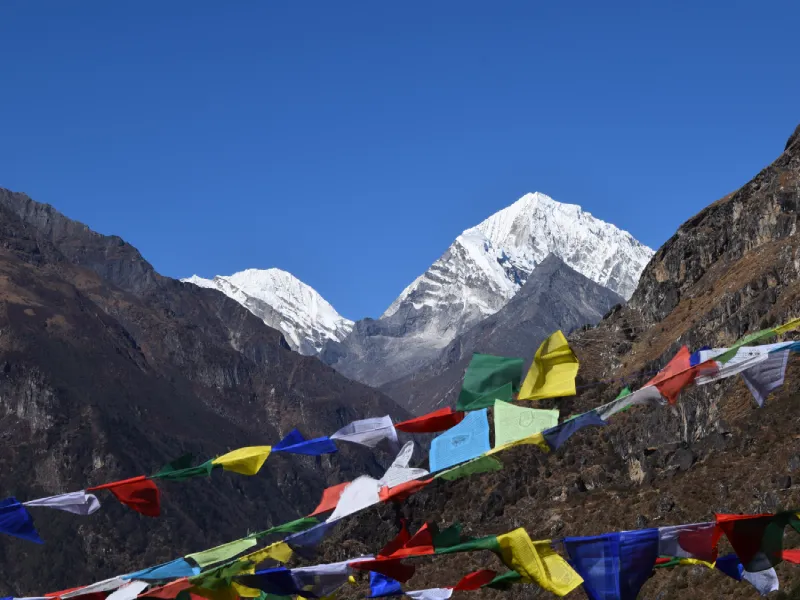
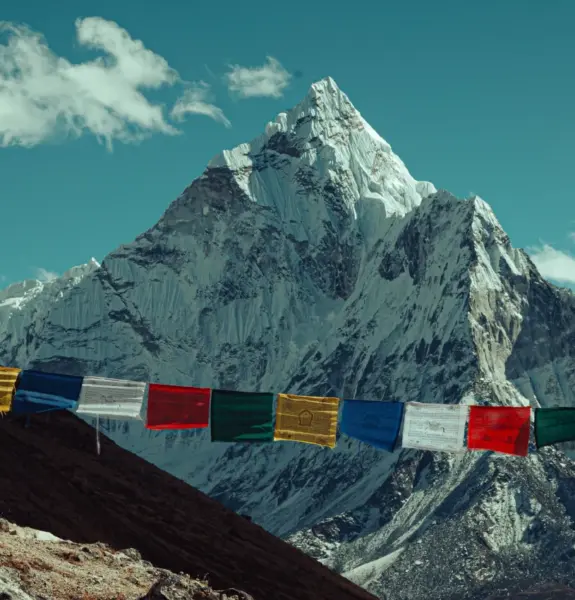
As you ascend further and come into the Khumbu area, there is a slow transformation in culture to Sherpas. You will find mani walls, prayer flags, monasteries, and a rich Buddhist culture all around. The life here is deeply connected with nature and mountain ranges. Even though this area has already become familiar with treks, the hospitality of local people is still warm and genuine. Hiking through these villages will help you learn about the people who live in the Everest region.
Highlight Along the Jiri to Everest Base Camp trek
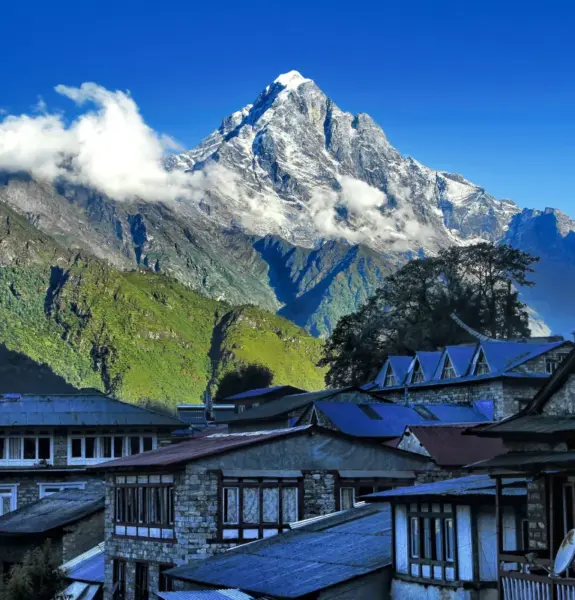
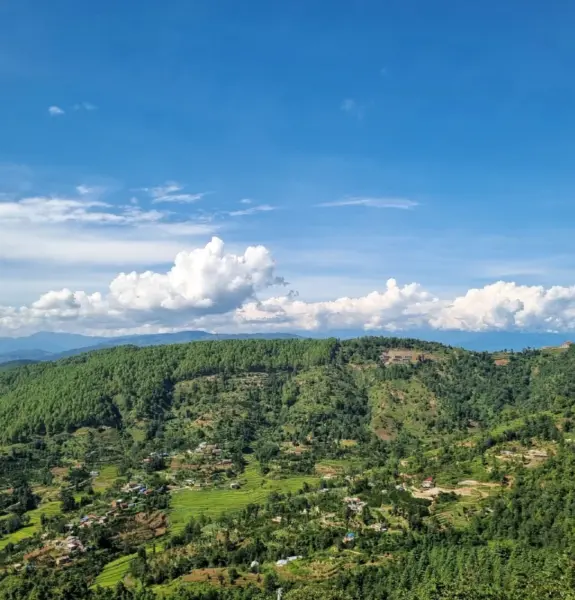
There are moments all along the Jiri to Everest Base Camp trek where things just build up slowly into a big experience. Some of the first moments are from Jiri itself, where you get to walk among green hills and farmed land, with villages along the way where life moves at its own pace and few trekkers are encountered.
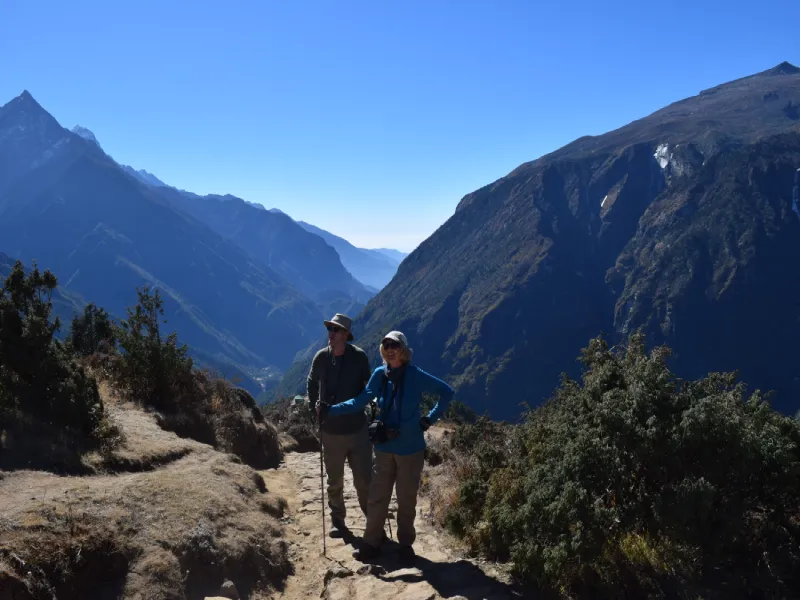
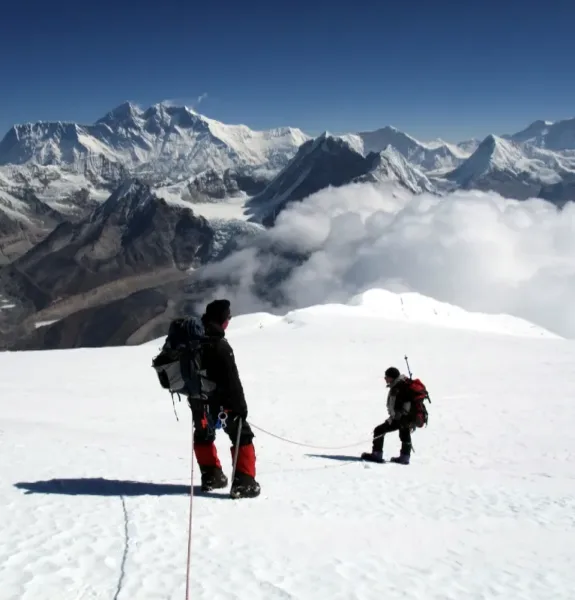
Another special highlight is the landscape that changes as you walk. This Jiri to Everest Base Camp view trek begins in warm and dense forests and ends in more alpine environments. It feels as if you experience different days. Sometimes you can walk through your rhododendron forests in the morning, and the next day you are walking on top of the mountain ranges with views.
Reaching the foot of Lukla can also be a big deal for many trekking groups. Many trekkers arrive by plane, but getting in on foot gives trekkers a great sense of success. At this point, they join the regular Everest trekking route, which brings more life and energy into the trek.
A walk through Namche Bazaar is another experience. After walking in quiet villages for several days, the busy and colorful atmosphere of Namche Bazaar is quite a contrast and refreshing change. Further along the trekking route, there are peaceful spots such as the Tengboche Monastery, where there is absolute silence and a deep sense of spirituality.
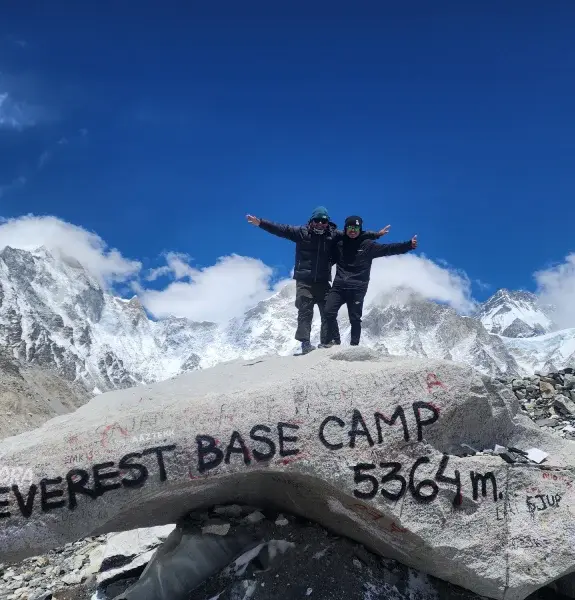
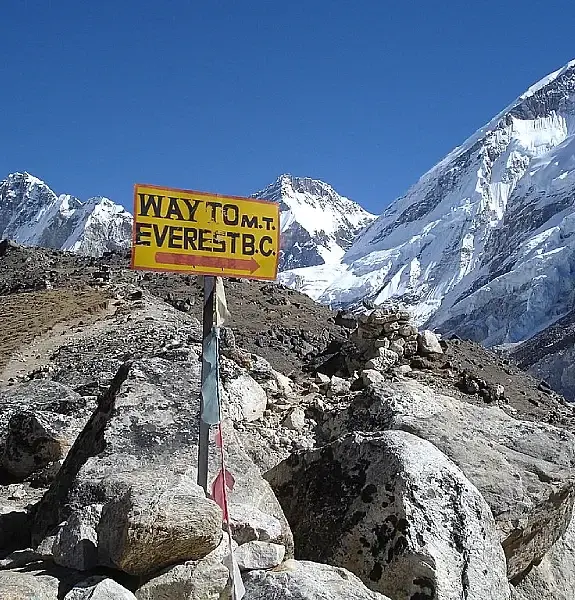
Of course, the main highlight, in my opinion, is being at the Everest Base Camp itself. Getting there after such a long trek from Jiri is really satisfying. And finally, my personal highlight was this early morning climb to Kala Patthar, where I saw Everest and other snow-capped ranges literally turning bright golden in the rising sun. That is a moment that stays with you long after the Jiri to Everest Base Camp trek ends.
Required Permits and Entry Fees
For the Jiri to Everest Base Camp Trek, permits play a crucial role. You will need a couple of permits to legally trek through the trekking areas. Getting a permit is simple and easy, nothing confusing or stressful. Here are the permits required for the Jiri to Everest Base Camp Trek.
- Khumbu Pasang Lhamu Rural Municipality Permit: This permit is usually checked once you have entered the Everest region, around Lukla or Monjo. The fees for this permit go to the local area and help with the maintenance of trails and other community services. It usually takes around $30 USD per person.
- Sagarmatha National Park Entry Permit: This permit is required to enter into the area of the National Park. This permit helps protect the mountain, wildlife, and environment around Everest. It’s usually checked at the Monjo checkpoint. The cost is around $20 USD per person.
Most of the trekking companies, like Epic Trek Nepal, are able to provide you with these documents before the trek as a service or at the start of the trek itself. This way, you won’t have to bother with any paperwork, and you will be able to start your trek to Everest with no worries!
Guide and Porter Support – Why It Matters on This Trek
Having a guide and porter is not only a big plus, but it is also a absolute necessity for a safe and more meaningful adventure during the Jiri to Everest Base Camp Trek. It may be a bit challenging to navigate your own way from Jiri to Everest, particularly when you are in the low hills and winding paths that come from the forests, across rushing rivers, and over tough terrains. A guide will not only show you the way but will also protect you from the dangers of getting lost along the way, revealing to you the aspects of the area and its villages that often go undiscovered by foreign tourists.
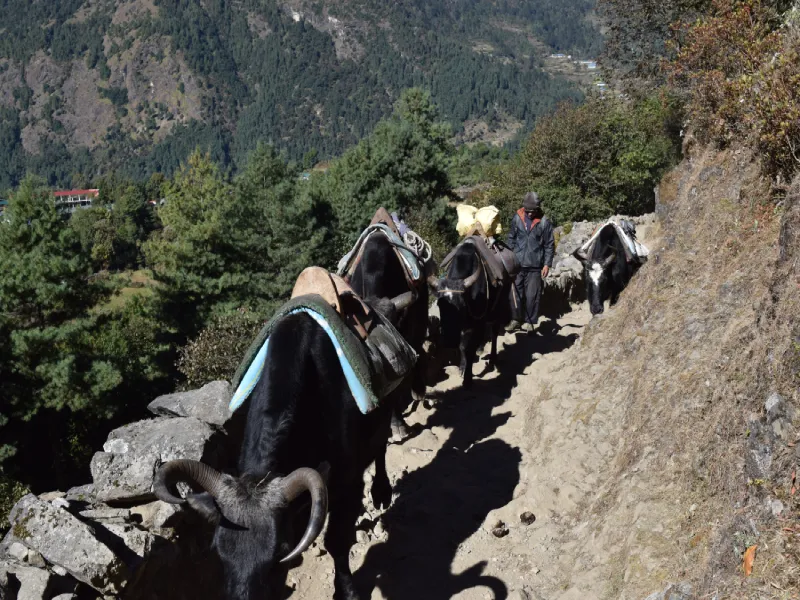
Porters are also essential. The weight of the backpacks along with the days and altitude makes trekking tiring, and having a porter not only minimizes this burden but allows them to enjoy the experience without worries of carrying the backpacks. Hiring local porters also offers great opportunities for contributing to the communities through which the trails are found, as these people get a nice option to receive decent money in return for their services.
Combined, guides and porters turn what could be a rather difficult trek into a much safer, easier, and far more human experience. They free you up to enjoy the walk, take pictures, speak with locals, and-most of all-actually take in the atmosphere of the mountain, instead of using your time to organize yourselves and your luggage. On a Jiri to Everest Base Camp trek, guides and porters not only help but also make your experience memorable in a good way.
Don’t Do on Trip
Don’t ignore acclimatization day. Many trekkers feel acclimatization like a waste of time, especially after spending weeks through the hills of Jiri for adapting to high altitude, but it does not matter whether you are physically fit or not. Missing out on the acclimatization simply mean playing with altitude sickness.
Don’t litter on the trekking paths. Both of paths of Jiri and Khumbu have been facing the problem of garbage pollution due to years of trekker littering path. So, make sure to carry all garbage and throw them in garbage area.
Don’t touch or mess with religious places. Mani stones, prayer flags, stupas, and monasteries are considered sacred by Sherpa people and messing with these might cause a problem for you. It is also necessary to move clockwise near stupas and mani walls to respect the culture of the people.
Don’t drink untreated or unclean water, whether from taps or stream. The water can contain bacteria that can cause stomach problem, so drink it after boiling or filtering it and also carry some purification table for any emergencies.
Do not ignore weather. The weather can suddenly change from beautiful sunny days to snow and cold conditions very quickly. So, always pack up rain gears, warm clothes and sunscreen, no matter how good the weather is in the morning.
Travel Insurance
When trekking through high altitude and remote area, one thing you should never forget is the travel insurance. It’s okay to forget some equipment but not the travel insurance.
Due to its remoteness, medical healthcare is very limited and if anything, serious happens, the only option is helicopter evacuation and without travel insurance the cost of it very expensive. When purchasing the insurance, ensure that it cover high altitude trekking more than 6000 meters.
The emergency helicopter evacuation is certainly the most important thing to consider. Such evacuations are not cheap at all and cost you $5,000-$10,000 for it, or even more than that, which is why I recommend you purchase a travel insurance for Jiri to Everet Base Camp.
Apart from the evacuation, your insurance policy must cover medical treatment and hospitalization, canceled or postponed trips, and lost property.
Health and Safety on Jiri to Everest Base Camp Trek
The health of your body will actually determine how well you do on this entire journey, as just a few factors will determine if you can manage to reach base camp safety or need an early evacuation.
While in the beginning, in Jiri, Bhandra and Junbesi, you will focus mostly on improving stamina as altitude is not much of a problem at such low levels, once you to Namche Bazaar, altitude sickness known as AMS might give you problem. Its symptoms include headache, nausea, dizziness, fatigue, insomnia – these are some of the symptoms that occur over 3,000 meters.
For staying hydrated, drink at least 3 to 4 liters of water per day when you ascend to higher elevation. It will help prevent altitude sickness and fatigue as well. And make sure to avoid the consumption of alcohol after Namche Bazaar or it will just increase the risk of altitude sickness
It’s also important to eat to freshly prepared meals at teahouses. There are plenty of option but the main source of energy during the trek is the Dal Bhat which is a traditional Nepalese dish made of rice and Lentis. It’s very nutritious, safe and always served unlimitedly.
With such a long walk, the risk of blisters, sunburn, diarrhea, problems with breathing and other issues are quite high. So, prepare a small first aid kit, which should include blister patches, antiseptic ointment, hydration tablets, diarrhea medication, and some good sunblock lotion.
The most important thing above all else is to follow your guide’s advice, go at your own pace and leave your ego behind at home. The mountain won’t go anywhere!





 Share
Share