Trek Difficulty
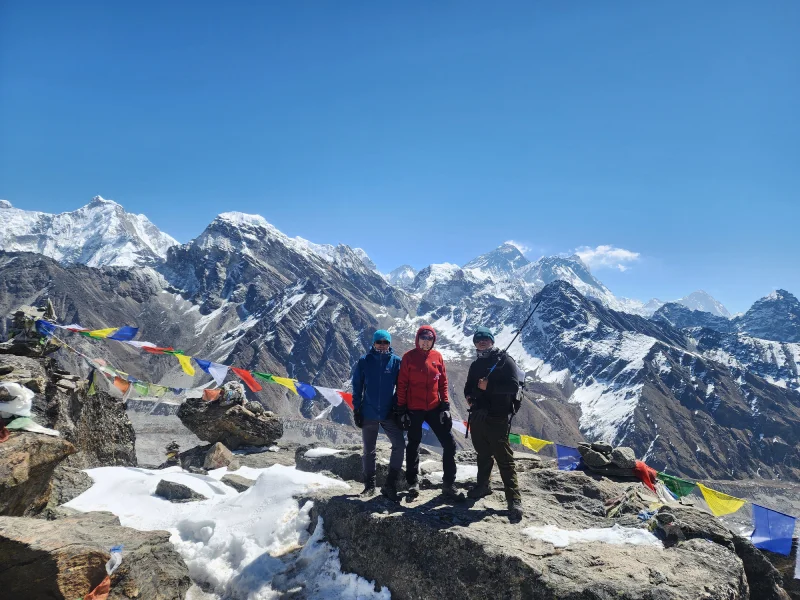
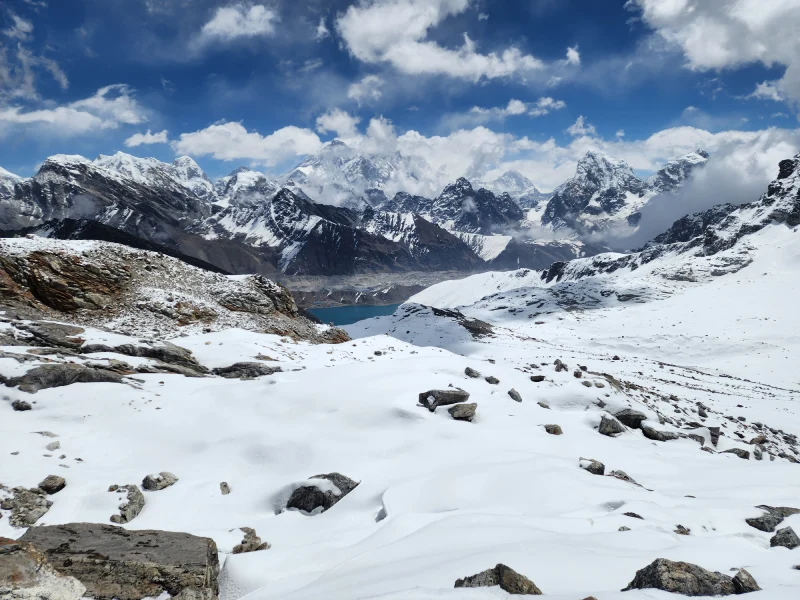
The Renjo La Pass trek is considered a moderately difficult to difficult trek. It’s certainly not a walk in the park or anything like that, but at the same time, it’s something that tons of people are able to complete as long as they have got the right mindset and a bit of experience under their belt. The biggest challenge that you’re going to face is the altitude, as the pass sits high up at an impressive 5,360 meters. This means that you can expect to walk a bit slower and get a bit winded as you make your way through the trek.
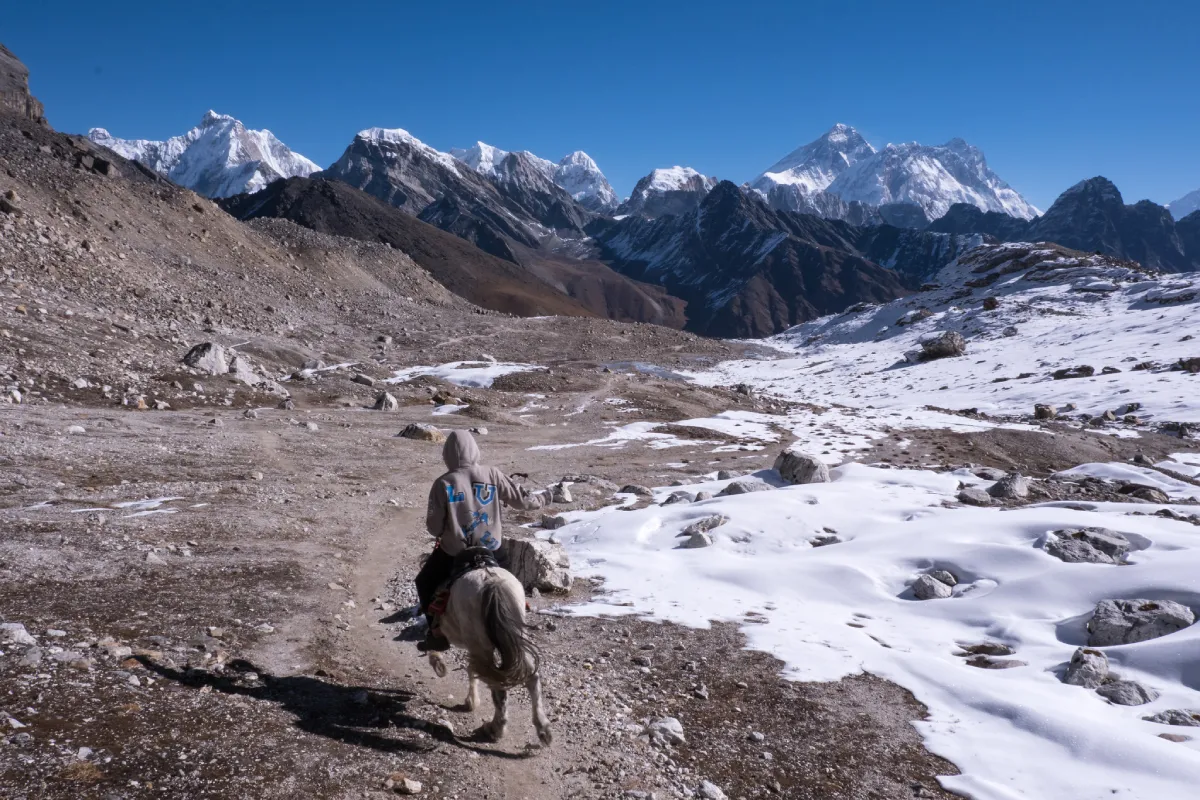
On a daily basis, you’re talking about 5 to 7 hours of actual trekking time, depending on how fast the group is moving and what the trail is like. Some days are pretty short and relaxing, but other days, particularly the day you’re actually crossing Renjo La Pass Trek can be pretty long and pretty hard on the legs. The trails are a mix of everything: you’re climbing, you’re on rocks, you’re at high altitude where the weather can change in an instant, so you gotta be ready for anything.
While it is true that being physically fit helps, let’s be honest, you do not need to be a professional athlete or mountain climbing expert to accomplish this feat. In fact, we see first-time trekkers complete the entire loop every single year. What it comes down to is just taking it slow, letting the body adjust to the thinner altitude, and just drinking a lot more water than you think you should.
Being prepared also goes a long way. Just doing a little hiking or cardiovascular exercise before the trek, bringing the right equipment, and ensuring that your itinerary has enough acclimatization days built in can make a huge difference. If you have a good plan in place and pace your itinerary well, the Renjo La Pass Trek isn’t just something that can be done; it can be done in a highly rewarding way that you will enjoy.
Preparation for the Renjo La Pass Trek
Good preparation plays a very important role when it comes to the Renjo La Pass Trek. Ideally, it would be best if you begin preparing yourself physically around 8-12 weeks before your journey begins to ensure that you are prepared for the challenge ahead.
Firstly, it is very important to concentrate on increasing your cardio endurance. Exercises such as running, biking, swimming, or even using a stair climber would work perfectly here. Also, do not forget that you should also engage in some leg and core muscle training to strengthen the body for the upcoming climbs and descents.
Additionally, it would help if you tried hiking while carrying an extra load. Weekend hikes in the hills are much more beneficial than simple exercises in the gym.
When it comes to nutrition, all you need is to eat healthy and stay hydrated in your trek. Also, try to keep away from drinking alcohol and smoking, as these habits might affect the process of acclimatization in high altitudes.
As for the gear, make sure you’ve got layered clothes, a good sleeping bag, proper trekking shoes, poles, and first aid kits, which cannot be forgotten either, especially in case you are going to take Diamox for altitude sickness.
Lastly, you should not underestimate mental preparations either, as they will play an important role during the Renjo La Pass View Trek when your mind needs to be in the right condition.
Cultural Experience in Renjo La Pass Trek
The Renjo La Pass Trek is not just about crossing mountain passes and enjoying in the glory of the massive Himalayas. Although, it is absolutely breathtaking. It’s also a true journey into the heart of the Sherpa people in the Khumbu. As you go from one village to the next, you really start to see how people live up here in the clouds. They’ve been living among these mountains for generations, and the way they do things, the way they speak, is just so connected to the mountains and the Buddhism.
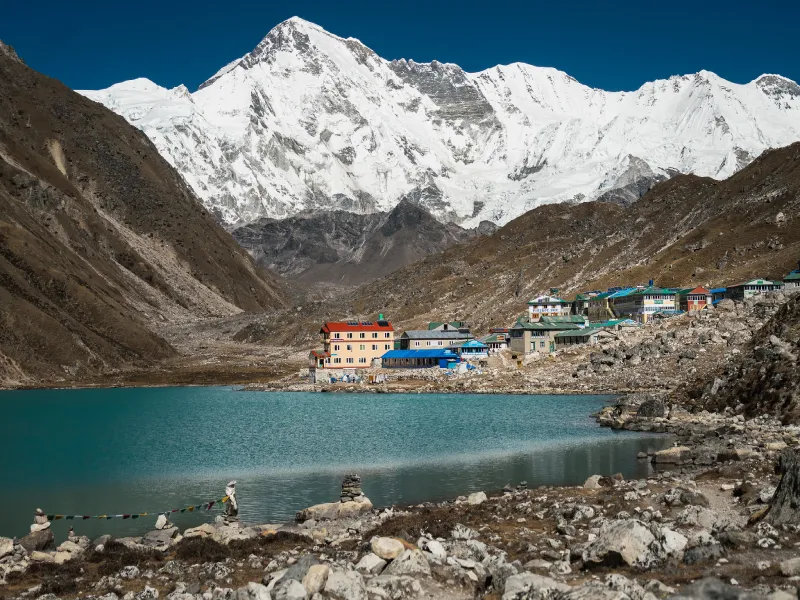
Walking along the trail, you will pass through areas like Namche Bazaar, Dole, Machhermo, and those little settlements around Gokyo. These villages have stone buildings, prayer flags flying high, and little monasteries that highlight the spiritual aspects of the region. You will see people spinning prayer wheels as you trek or monks moving from one monastery to another. These things may seem insignificant at first, but they give you a much better feel for the history of the region.
Another very special aspect of the entire trek is that you get to stay in the local tea houses. Most of the tea houses are run by Sherpa families, and they’re just very friendly people. It’s just great to sit there and have a simple chat with them in the evenings around the fire. Along the way, you get to see yaks carrying their loads, people working on their small fields, and children making their long walk to school along those mountain paths. It’s experiences like these that just give you a true idea of what life is like at high altitude, and for many trekkers, that’s just as impressive as the mountains.
Language & Communication
The official language spoken in Nepal is Nepali, but there is nothing much that can be said about language barriers during the Renjo La Pass trek. English is widely spoken among almost all the main treks in the Everest Region.
Both teahouse management and guides can comfortably communicate using English. Most trekkers do not have any trouble finding their way around, ordering their meals, and asking about the trails conditions in English.
But then again, knowing a couple of Nepali phrases is also something that really warms things up. Simple phrases such as “Namaste” (hello), “Dhanyabad” (thank you), and “Ramro” (good/nice) can do wonders with the local communities. Another fun fact about Nepal is that the Sherpa community has its own dialect, and they really appreciate it when visitors put in the effort to learn their culture.
When you hire a local guide, which is strongly recommended on this trek, communication is further streamlined. From negotiating at the teahouses to updating trails and discussing the weather – everything is taken care of by your guide.
It is advised to get a phrasebook for Nepal or even just to download a language app before embarking on this journey.
Mobile Network, Internet & Charging Facilities
Being connected while trekking the Renjo La Pass Trek is not impossible, but you may need to set some reasonable expectations first.
- Mobile Network – There are two telecom companies active in Nepal: Ncell and Nepal Telecom. While Ncell usually provides good coverage in the areas popular with tourists, the signal deteriorates completely in the isolated regions. It would be wise not to rely on mobile phones for navigation when walking through such locations. Namche Bazaar, Gokyo and other big villages have decent network signals; however, they fade away towards the pass area.
- Internet Connection – Internet service is available mostly in teahouses and guesthouses in the shape of a WiFi connection. While Namche Bazaar is the place with the most stable network, higher up, it becomes slow and unpredictable with constant disruptions. In the higher regions, internet is available only via satellite connection, which is expensive. So, most tourists choose to buy a SIM card in Kathmandu with pre-paid data packages.
- Electricity Charges – Almost all teahouses offer electricity charges for their customers, but you will have to pay some small charges for the usage of the outlet. In lodges at higher elevations, solar and micro hydroelectricity systems operate. Make sure that you bring along a good capacity battery because of the lack of electric charging facilities. The battery discharge rate is significantly increased by the extreme cold weather conditions.
Required Permits for Renjo La Pass Trek
Before you actually begin your Renjo La Pass Trek journey, there are a couple of really important things that you need to sort out to ensure that everything is legal and that you are trekking safely. This is because these documents will be checked at various points along the trail, so it’s a good idea to have them ready to go before your journey begins
First of all, there is the Sagarmatha National Park Entry Permit. Well, basically, the trekking trail passes through this national park. So, it is a must for any foreign trekker to have this permit. You can obtain this permit from the Epic Trek Nepal. But, trust me, it is not too difficult to obtain the permit in Lukla even before the trekking journey starts. The reason for the permit is to make sure that the environment is protected as well as to make sure that all people have a chance to trek through this environment.
The second one that you will need to acquire will be the Khumbu Pasang Lhamu Rural Municipality Permit. This one will be required if you are planning to trek through the villages in the Khumbu region that are not exactly within the boundaries of the national park. By acquiring these two permits, your trekking will be done within the law, and most importantly, will be helping the local communities that you will be passing through during your journey. If the service is provided by the Epic Trek Nepal, we will handle the paperwork and provide licensed guides for you to ensure safety.
Travel Insurance
The purchase of travel insurance is mandatory for the Renjo La Pass Trek. Traveling at such altitudes is very risky, so it is crucial to have the right cover to save yourself from any complications. Travel insurance needs to cover treks above 5,500 meters. Most travel insurances do not cover high-altitude trek, thus it is vital to check the fine prints and opt for one that covers your trek.
Your policy must also include travel cancellation, medical expenses, loss or delay of luggage, and travel disruption. Weather delays at Lukla airport are very frequent, and you will not have to worry about any losses with a cancellation policy.
The most crucial aspect that you should consider while purchasing the insurance package is helicopter evacuation. Helicopter evacuation will be required if you develop altitude sickness or get injured in the course of the trek above the level of Gokyo. The cost of helicopter evacuation in Nepal ranges from USD 3,000 to USD 8,000.
Always carry your insurance documents in printed and digital form during your trekking journey. Provide your emergency contact number to your guide before starting the trek. Good insurance gives you peace of mind during the Renjo La Pass Trek.
Don’ts on This Trip
Here some of the things that you should not do at all while trekking on Renjo La Pass Trek.
- Don’t litter. Pollution of the environment has reached alarming levels due to the careless behavior of tourists in the Himalayas. Always carry a reusable bag and make sure that you take back everything you brought to the mountains.
- Don’t forget to acclimatize. This is the number one mistake that almost all of the trekkers commit while trekking. If you wish to remain healthy, give your body enough time to acclimatize.
- Don’t ignore local traditions. While visiting monasteries, stupas, mani walls and other sacred places, always remember that you should walk clockwise. Before entering any such place, take off your shoes. Also, always ask for permission before taking photos of locals.
- Don’t take the weather lightly. The weather on the mountains can shift unexpectedly without any forewarning. Always bring rain wear, warm clothing, and sunscreen irrespective of how fine and clear the day might look in the morning.
- Don’t drink unfiltered water. Tap water and even the water from streams is contaminated with bacteria and parasites. Always opt for purified water using purification tablets or a filtered bottle of water.
- Don’t ignore bodily sensations. Headache, nausea, dizziness, and lack of appetite could all be symptoms of altitude sickness. Never ignore such symptoms but rather descend immediately.
Health and Safety on Renjo La Pass Trek
Both your health and safety should not be taken lightly in such an environment due to various factors that range from the altitude itself through the remote trails to the unpredictable climatic conditions.
The most dangerous threat here is altitude sickness. Acute Mountain Sickness, or AMS, has nothing to do with your physical abilities, it can affect anybody. Look for symptoms such as headache, nausea, dizziness, and fatigue. Should your condition worsen, you need to go down right away. This is not a joke: altitude sickness may be deadly when underestimated.
Remember: always “climb high, sleep low.” There are days of rest included in the itinerary for reasons and, of course, make sure to drink 3–4 liters of water daily.
Pack a basic first aid kit with blister treatments, a couple of painkillers and medication that will help you overcome AMS. You can take Diamox (Acetazolamide) to alleviate AMS, but be sure to talk to your doctor to discuss the exact dosage you should take.
In addition, pay close attention to frostbite and hypothermia after crossing 4,000 meters and be extra careful in the nighttime hours, since this is when you’re most likely to get frostbitten toes and fingers.
Don’t forget about food and water precautions. Always eat only hot food at tea houses and purify any water that you drink. Diarrhea will pretty much ruin your adventure, since it becomes quite hard to walk when you’re at 5,000 meters. Hiking with a licensed guide will make you much safer while doing the Renjo La Pass View Trek.
Trip Extension and Side Trails
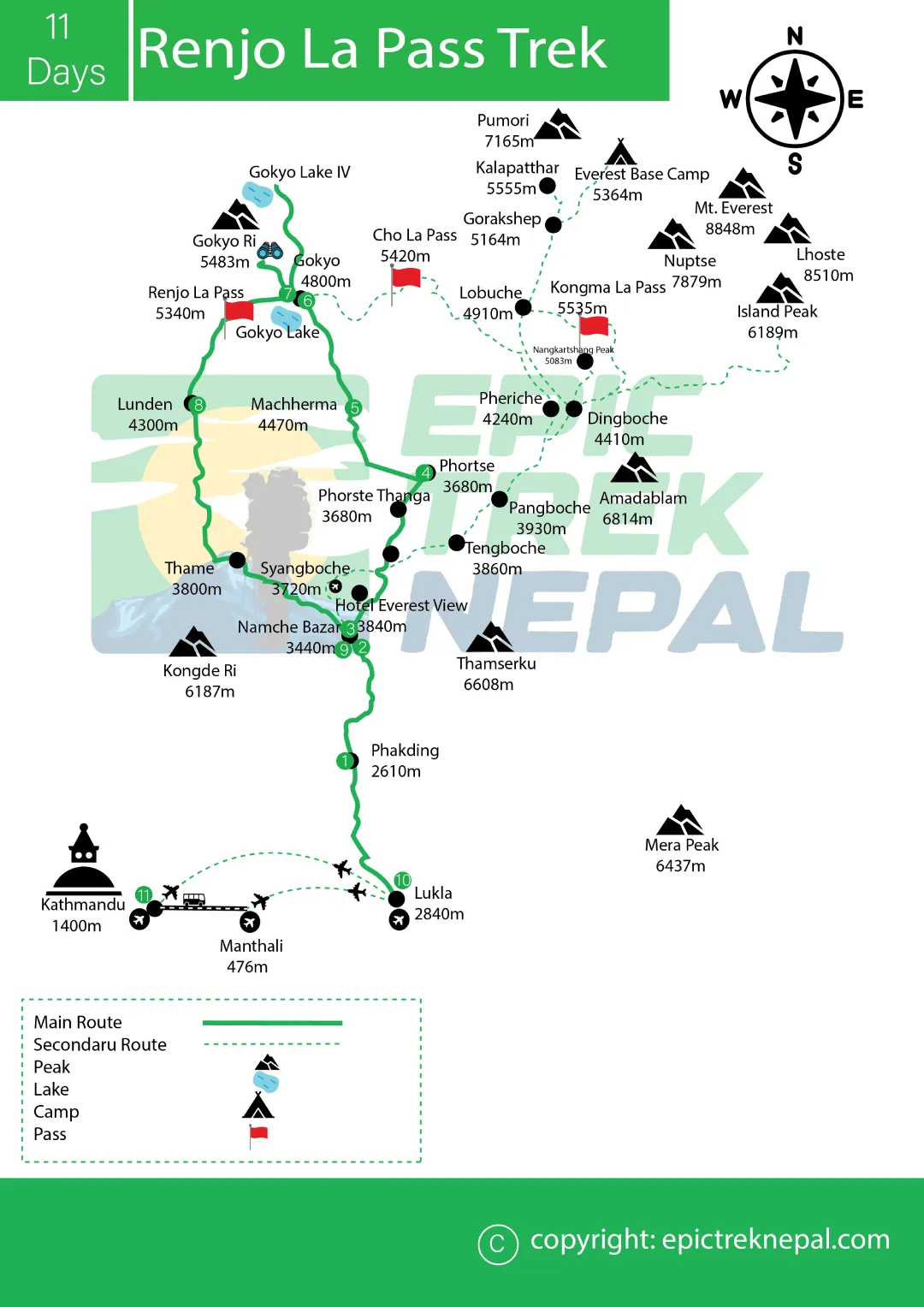
Renjo La Pass Trek is already crammed into 13 days of travel, but if you have a little more time to spare, there are several fantastic alternatives in the Everest area which you should try.
Everest Base Camp – Many people combine the famous EBC Trek with Renjo La trek. This becomes a more strenuous trip covering various passes and valleys. It will take about 7-10 days more than the regular trek, but the result is worth it.
Three Passes Trek – For all of you hard-core trekkers, you can combine Renjo La trek with Cho La Pass trek and Kongma La Pass trek into one long trekking circuit.
Summit of Gokyo Ri – This is normally already part of your schedule, but it would be nice to get on top of it during the sunrise. The colors reflecting off the Everest peak at sunrise? That’s something unforgettable!
Ngozumpa Glacier Walk – If you have a guide with you, you can check out the area around the Ngozumpa glacier close to Gokyo. You will get a very rough idea about what this huge glacier looks like.
Visit to Thame Village – This is an optional route. This is a remote and serene Sherpa village away from all the tourist routes.




 Share
Share