Trek Difficulty and Fitness Level
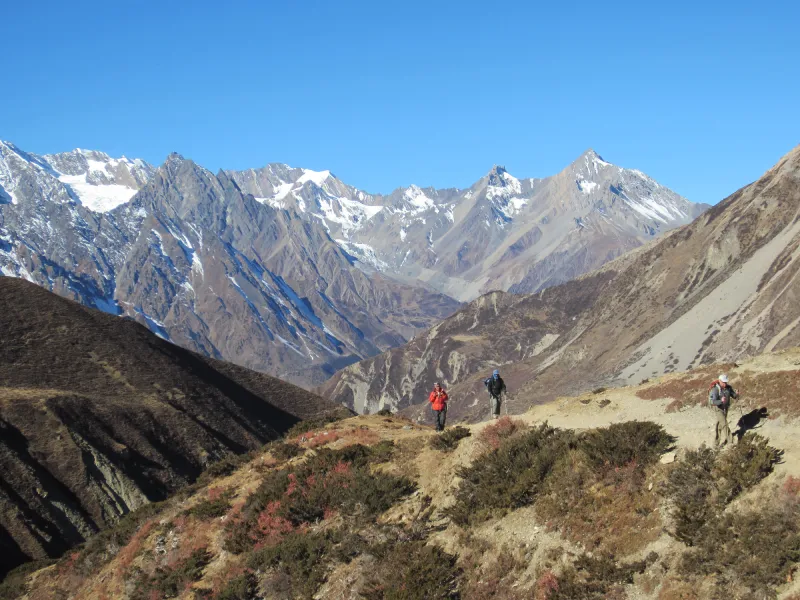
The Tsum Valley is rated as a moderately difficult trek, but we need to understand that, it is not a technical trek requiring any particular skills or equipment, but as a trek, it still demands patience, walking and a certain amount of mental toughness. The trails are well marked, passing through forest, village and river valley, without any discomfort or challenges.
Most day are extensive walking hours, ranging from 6 to 7 hours, sometimes longer bases on the terrain covered and speed of movement. The trail can go up and down which can be quite tiring, especially when it is back to back, so you must be able to walk for several few hours a day while carrying a light backpack.
The trekking route does not require any technical climbing. The complexity is instead in its inaccessibility and the distance you cover daily and the increase in elevation distance. The valley is inaccessible, and as a result, things appear primitive, and that might be even tougher than one would anticipate.
For beginners, this is a trek that will work if the person has excellent fitness levels and the right attitude. If the individual is able to walk, loves trekking, and does not mind the basic lifestyle that comes along, then the individual should be able to handle this trek. The fact is, there will be times when the legs will be reluctant to move and the showers will be cold, but this is what comes with the territory when trekking in the actual mountains, and this, in some ways, is what makes the trek in Tsum Valley so meaningful.
Preparation for Tsum Valley Trek
Getting your prep just right is probably the difference between having an amazing time or just struggling through your Tsum Valley trek. And since this is a bit of a remote trek, it’s good to plan ahead a bit.
So, first off, you have to get in shape for this trek. You should be comfortable walking anywhere from 6 to 7 hours a day, which sounds like a lot, but if you start hiking, jogging, or cycling right now, you will be just fine. And don’t forget to throw in some stair climbing to really build those leg muscles! Being in good shape is really what lets you enjoy your Tsum Valley view trek instead of just trudging through it with your eyes fixed on your feet.
As for the packing, you should pack light but clever. You will need warm clothing, a pair of trekking shoes that have been broken in, and a backpack that doesn’t hurt your back. The weather is pretty erratic up there. It changes fast, especially as you go higher up. You should also pack a good sleeping bag and a first aid kit.
The most important thing to do is to stick to a well-paced Tsum Valley trekking itinerary. Whatever you do, do not rush the trek. Take your time so that your body can get used to the high altitude. This is the best way to avoid getting sick. The rest days may seem slow, but they make a big difference. As for the permit and guide, you will need a permit and a licensed guide. Get that done with a reliable tour agency before you go.
You should also keep your mind ready for a simple life. Honestly, it is going to be a total adventure.
Cultural Experience in Tsum Valley
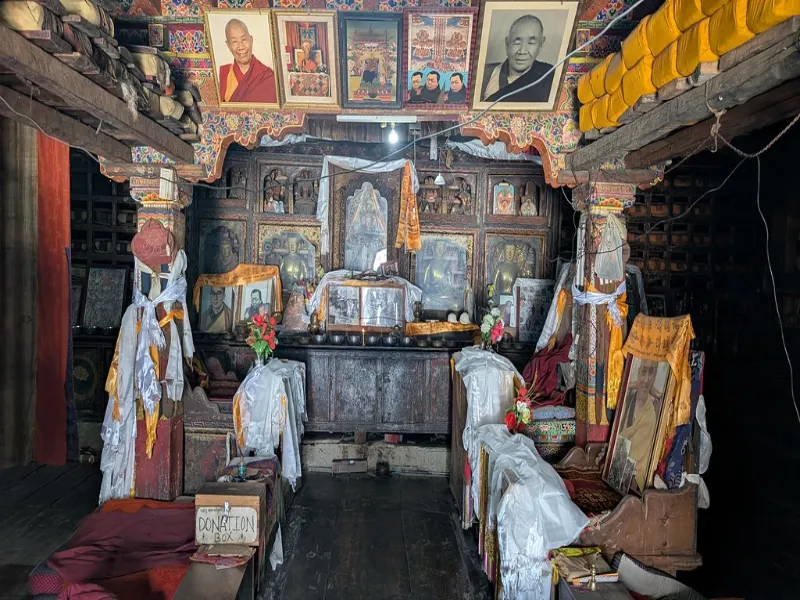
Walking through the Tsum Valley View Trekis like stepping into a living Buddhist tradition, something very much in the present, not something like that stuck in the past. The living of this life is very much inspired by their tradition of Buddhism, and you don’t see this; you feel this as you visit the village. It starts each day with the gentle prayer chants, the smell of incense, and prayer flags fluttering in the wind. It is a peaceful experience that slows down you without effort.
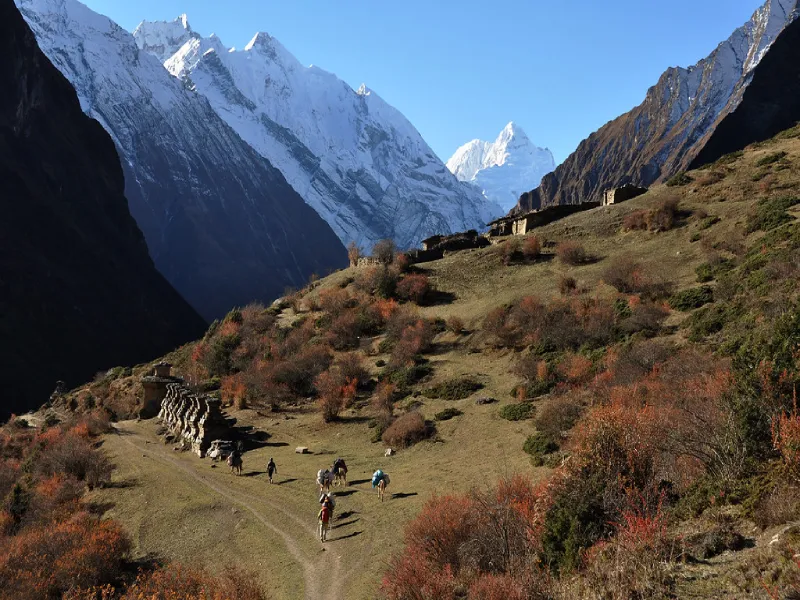
Along the route, you will see many walls with religious text carved into them, bright stupas resting silently at the entrance of villages, and prayer wheels that locals spin as part of their regular activities. These are not placed for tourist or for taking pictures; they are an integral part of life.
The locals of the Tsum Valley make the experience more engaging. They are respectful, well mannered and very hospitable, ready to help you in any problem or if you want to understand the history of this place. They don’t have a sense of rush or pretended smiles. Here, you won’t feel like a tourist but like a guest. It is the authentic connection with people and their culture that will stay within you long after you are done trekking.
Required Permit for Tsum Valley Trek
There are some permits that need to be obtained before undertaking the Tsum Valley Trek, in order to be able to enter this special and restricted area. The authorities require these to protect this valley, its culture, and its natural resources, so these should be obtained before the actual trek.
The main permit required for this trek is the Tsum Valley Restricted Permit, which gives the person permission to access the hidden region of the Himalayas. It costs around USD 40 for the first 7 days and after that it takes USD 7 per person per day after the first week. The Manaslu Conservation Area Permit (MCAP) is also necessary for this trek, which benefits the conservation of the region in the Manaslu region.
On the other hand, if you’re planning to go on treks by yourselves or with groups, you also need TIMS cards (Trekkers’ Information Management System) which usually needs to be purchases by trekkers themselves. This helps ensure the safety of trekkers while trekking. Both these permit can be obtained through us “Epic Trek Nepal“. So, you don’t need to worry anything.
Language and Communication
Communication during the Tsum Valley trek is surprisingly quite simple once you get the hang of it. In the lower areas, you will hear Nepali spoken everywhere, but as you go higher into the mountains and into the villages, the Nepali dialect is heavily influenced by Tibetan culture, which is really interesting to hear as you move along this trek.
Most tea house owners speak enough basic English to communicate with tourists, so you shouldn’t have much trouble ordering food or asking for another blanket to keep warm with. And if you have a guide or porters with you during this trek, they speak English fluently enough to help out in case things become a little confusing for you.
The Tsum Valley view trek is really more about those human connections, though, and a simple gesture or smile can tell you everything you need to know, so the language barrier is really not a big problem at all.
So, in general, communication is not a big problem as long as one does not expect too much and is with a guide. In fact, it is one of the most enjoyable aspects of the trip, having a good time with a person even though you do not speak their language perfectly. It is just another one of those authentic experiences in this valley.
Mobile Network, Internet and Charging Facilities
Internet access is also a bit of a rare luxury on the Tsum Valley view trek. Some tea houses may claim to have it, but it’s either very slow or just plain unreliable, particularly if the weather is not great. So, it’s probably just best to enjoy the trek and just soak in the scenery.
Don’t expect to be scrolling through social media too much when you are on the Tsum Valley trek, since the network is pretty limited, especially when you get higher up. You might get a little signal around the Machha Khola or Jagat villages, mainly through Nepal Telecom, but when you get up into the high valley, this signal simply vanishes. It is probably a good idea to let your loved ones know you’re going off the grid before you actually do so.
Regarding charging your devices, there are usually outlets where you can plug your devices in, although there is a small charge for it. Since a lot of the electricity comes from solar power, it does charge a bit on the slow side, particularly on a cloudy day. For your Tsum Valley view trekking itinerary, I would highly recommend that you bring a good power bank or batteries with you. It just saves you a lot of hassle searching for a working outlet in the middle of nowhere.
Cultural Festival on the Tsum Valley Trek
The Tsum Valley trekking trail also provides a wonderful opportunity to experience unique Buddhist festivals. These festivals are based on the Tibetan calendar. Some of the festivals occur in the monasteries along the Tsum Valley trekking trail. If your Tsum Valley trekking itinerary with the dates of these festivals, you can experience some of the most vibrant and culturally rich festivals in Nepal.
Some of the major festivals of Nepal include Losar, which is also called the Tibetan New Year. During Losar, people come together in prayer, dance, and eat traditional dishes. During this period, monasteries are decorated, and people wear their best traditional outfits. This period is definitely one of the best times to experience the spiritual side of Tsum Valley view trekking. Another important festival of Nepal is Dhachyang, which includes horse racing and cultural performances based on the traditions of Nepal.
You don’t have to be part of a festival in order to experience something cultural on a daily basis through prayer rituals, chanting and visiting monasteries. Another reason the trek in Tsum Valley is more than just nature is to connect with people’s traditions and beliefs that are still alive today. They will provide you with lasting memories of your trip to Nepal.
Don’t on the Tsum Valley Trek
There are a few things that you should avoid while on the Tsum Valley Trek. This will ensure a smooth trip with the necessary safety and cultural sensibility.
Avoid visiting any monastery or private houses without permission. It is also a tradition to walk anticlockwise while passing through prayer wheels and mani walls. and the locals follows it very strictly. Thus, observing this will make your Tsum Valley view trek a smooth one.
The Tsum Valley view trek is famous for the serene environment that it provides. So, try to avoid noisy activities or anything that may disturb the serene environment while on the Tsum Valley view trek. Also, avoid taking photos of people or monks without permission. It is simply not worth the risk.
Littering on the trail should not be done. Waste disposal must be carried with oneself. Appropriate disposal bins must be used if found. Plastic use should be avoided as much as possible to maintain cleanliness in the valley.
Lastly, it is important to avoid rushing your Tsum Valley trekking itinerary. Walking too fast on a trek can result in altitude sickness. Headaches or dizziness should not be taken lightly. Listen to your body and inform your guide if something does not feel right.
Health and Safety on Tsum Valley Trek
The first thing you should consider during your Tsum Valley trek is health and safety. The trek is at a higher altitude as such, you must be alert to avoid altitude sickness.
Walk at a consistent pace and strictly follow your Tsum Valley trekking route. Take breaks along the route and don’t forget to drink enough water. Drinking water is important in preventing altitude sickness and regulating your energy.
If you notice any signs of altitude sickness such as headaches or dizziness, report to your guide immediately. Your health is important at all times. Do not take any risk with your health.
The weather in the mountains is unpredictable. As such, you must carry warm clothing and rain gear. Wearing the right clothing is important for your safety as you enjoy your Tsum Valley view trek.
Hiring a guide is important for your safety during the trek. A licensed guide is experienced in handling emergencies. With the right care and attention, the Tsum Valley trek is safe.
Trip Extension and Side Trails
The Tsum Valley offers some possible routes for extended trips to allow trekkers greater variety and to experience the area further. One of the most popular extensions is to connect with the Manaslu region of Nepal. Trekking from both areas allows for a longer trek and a more comprehensive trekking experience. This also makes it possible to see a larger variety of mountains and cultures.
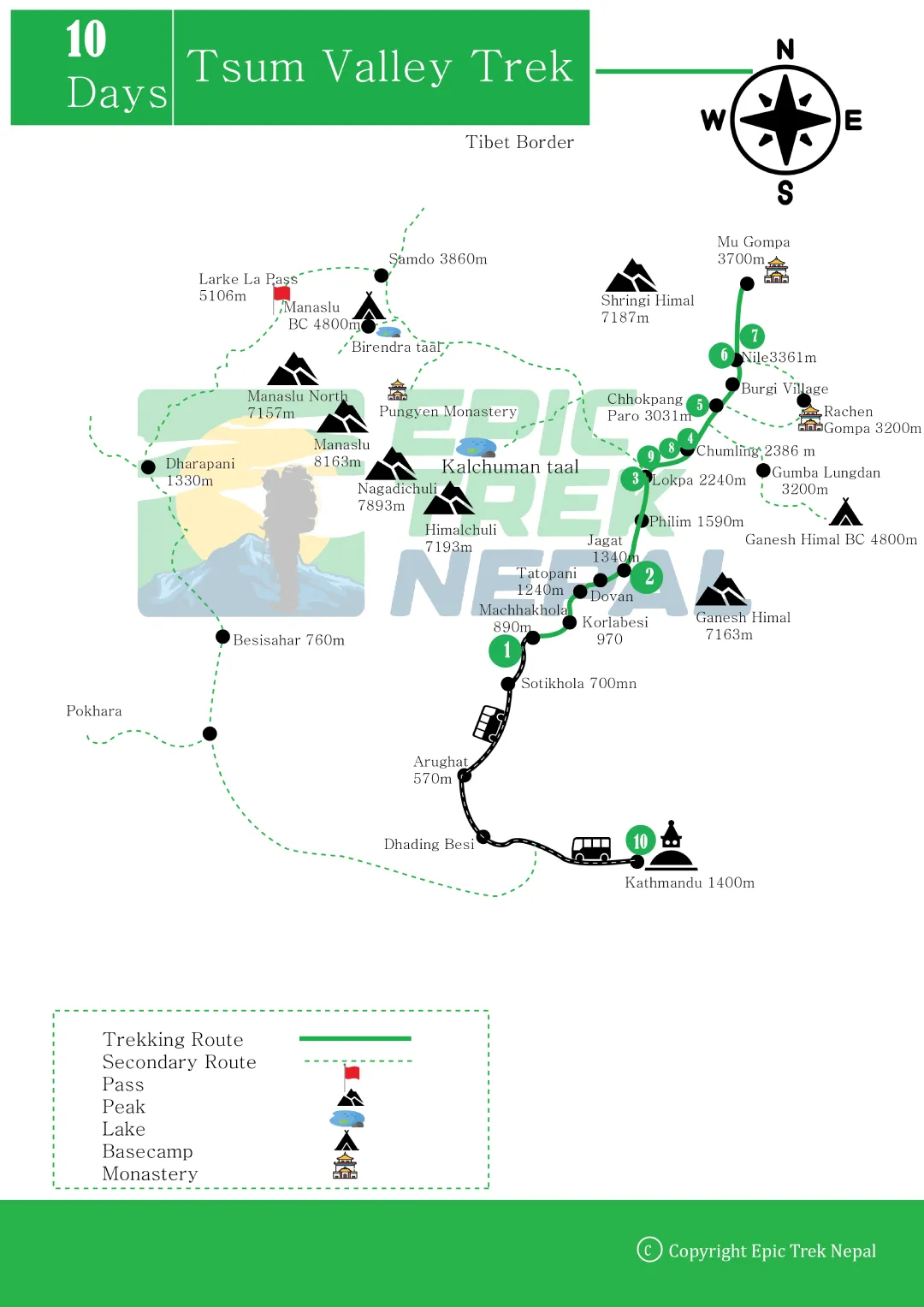
While on the Tsum Valley view trek, you may also take detours on short hikes from villages such as Chhokang Paro and Nile for the chance to see viewpoints that have been hidden from many people, as well as old monasteries and peaceful corners of the valley. These visit can add considerable value to your experience and not create a challenge that is too difficult or exhausting on the trek.
Trekkers wishing for an extended trip can choose to go further into Mu Gompa or spend additional nights in the mountain villages. This allows trekkers to have greater cultural interaction and experience the trek at a more leisurely pace. Consequently, increasing your total days on the Tsum Valley Trek will provide you with more enjoyable moments within this extraordinary and often overlooked section of Nepal.
Travel Insurance
Travel insurance is a very important aspect for the Tsum Valley trekking route. The area is remote, which means you will not have access to medical facilities. Therefore, you will need insurance for any untoward incident.
If you face any problem during the trek, you may also need a helicopter for rescue. In this case, you will have to spend a lot of money if you do not have insurance. And the most important thing is to make sure that the insurance policy includes high-altitude trekking, which is above 4,000 meters.
The Tsum Valley view trekking route is a challenging route, which means you will have to face many problems during the trek. So, you will require insurance for the trek. Before starting the Tsum Valley trekking route, you will need to make sure you have the insurance policy. Always keep a copy of the insurance policy with you during the trek.




 Share
Share