How difficult is Mera Peak Climbing
Most people usually classify this climb with just one single word “Moderate“. But moderate word is not enough to describe its difficulty level, so we will give you some honest information, which helps in real preparation.
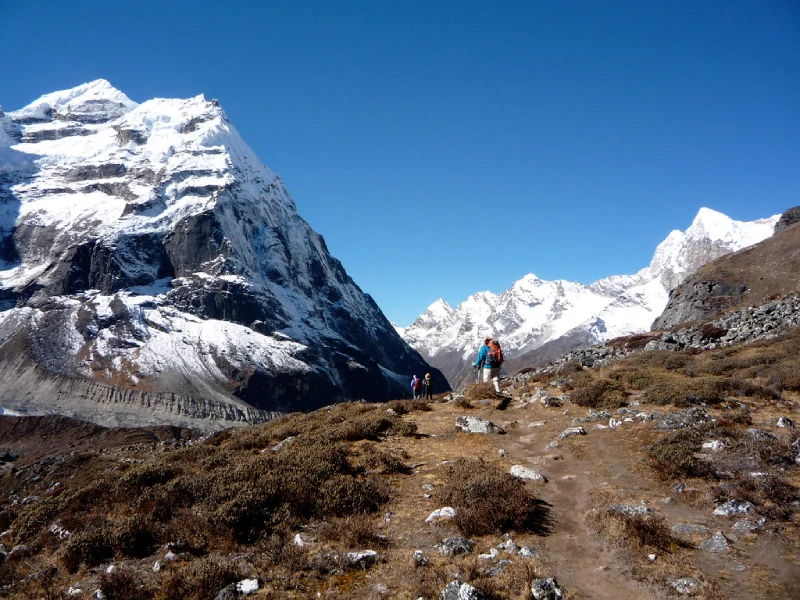
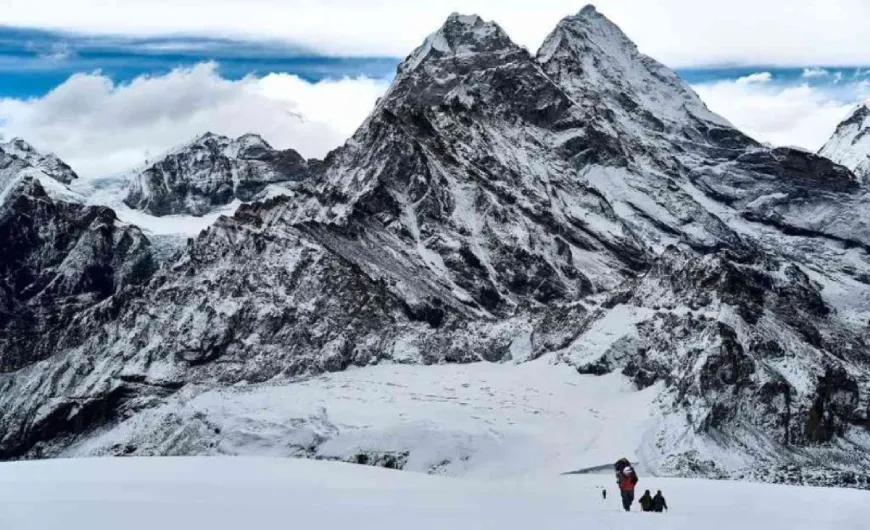
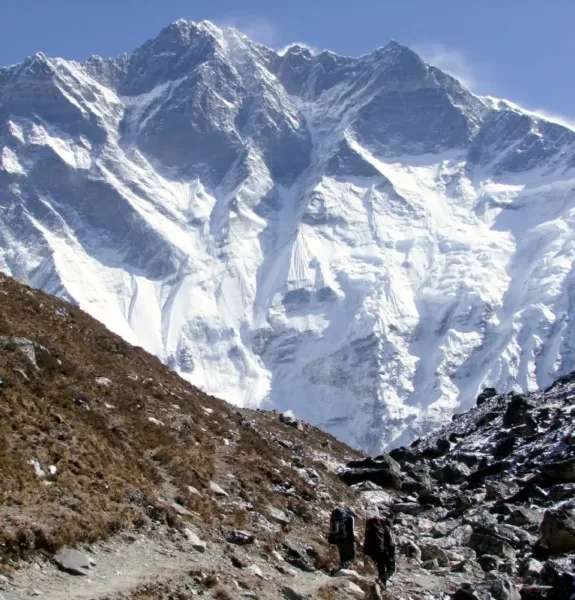
The trekking is not the main problem. Walking six to seven hours per day on a rough path will be no problem at all for an average fitness level. What will affect your trekking difficulty is the altitude.
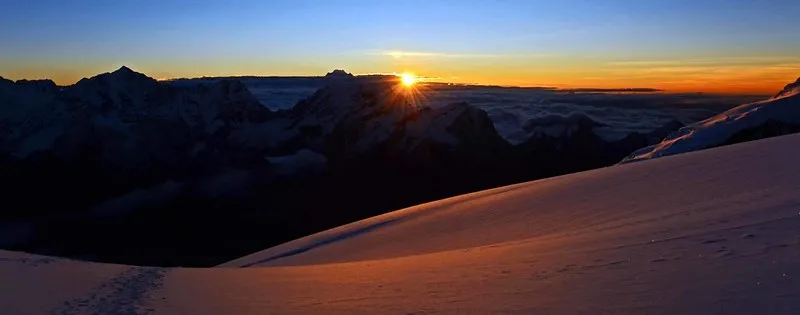
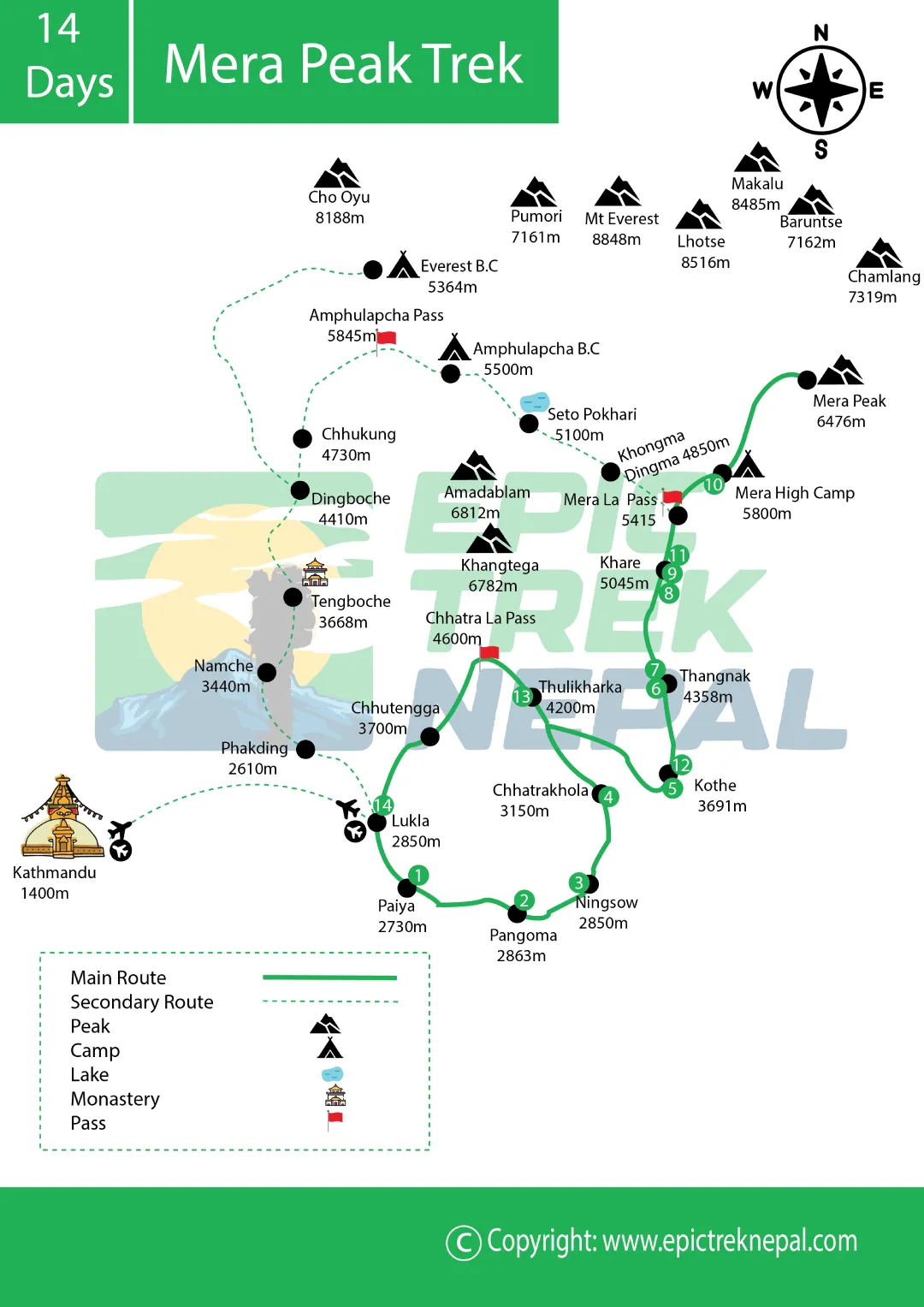
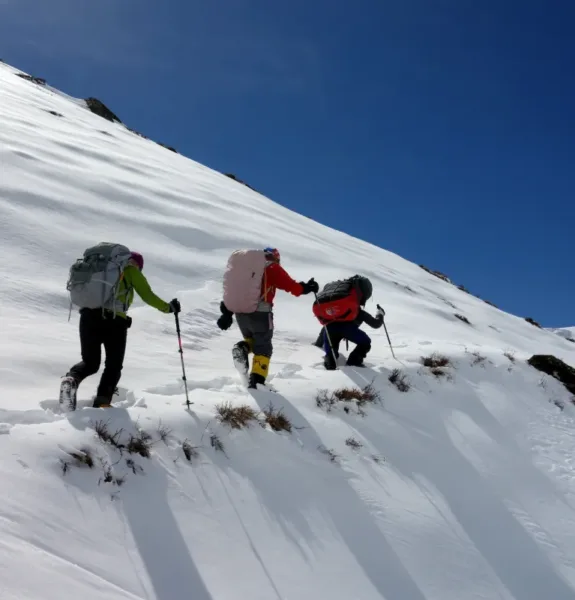
The summit ascent usually starts very early in the morning about at 2 AM, in condition colder than -20 Degree Celsius and it will be the main challenge for climbers than the slope. Mera La, the crossing point between Khare and High Camp cannot be underestimated either. Snow at 5,400 meter and higher altitude creates problem for everyone, and every step should be very precises.
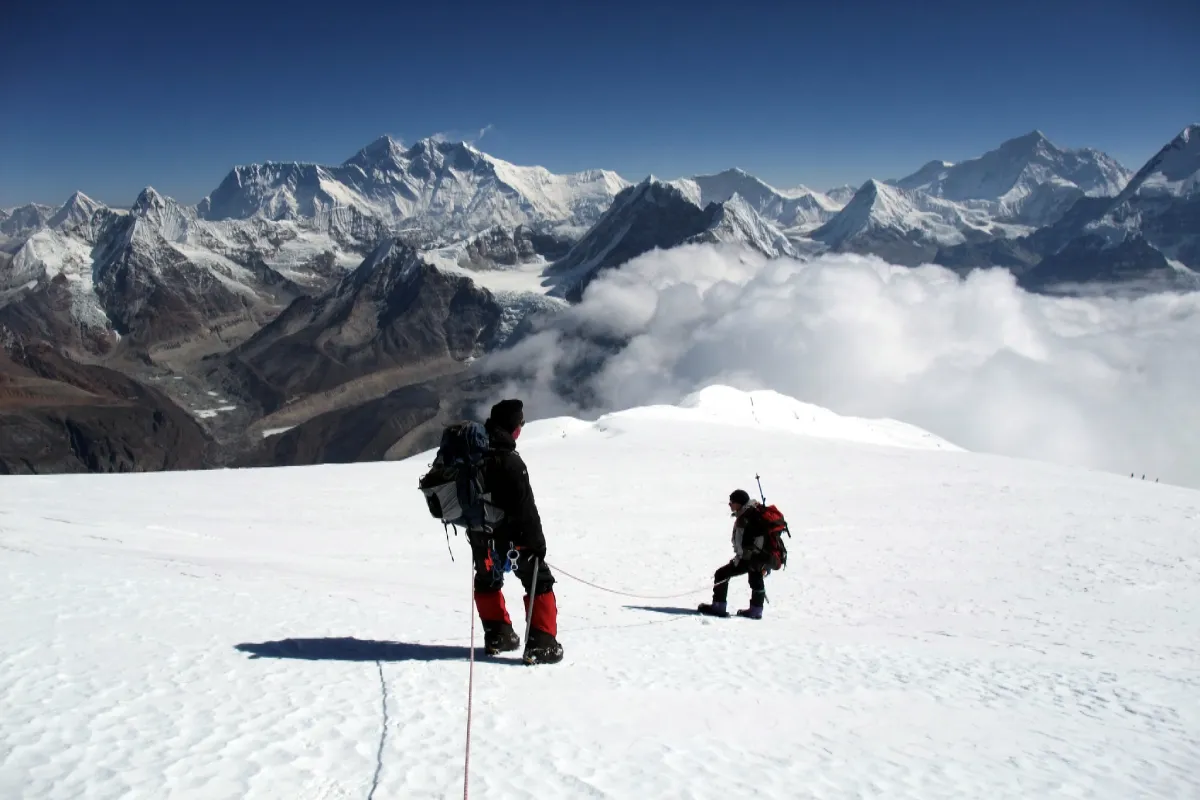
From a technical point of view, you are connected to the fixed lines and all that’s required from you is basic knowledge of snow travel. In our Mera Peak Climbing Package, we offer one full day of training on ropes and crampons in Khare.
This is exactly the reason why our Mera Peak Climbing Itinerary offers two acclimatization days rather than one. It might be a seem small, but it makes clear difference once you are there.
Mera Peak Climbing Preparation
Preparation is what makes the climbing more comfortable and enjoyable. For that we guide trekkers in such a way that make sure they receive training specifically for this route and not general mountain advice.
Start with physical training. Climbing up the stairs while carrying your backpack help build the stamina you will require on the Mera peak climbing. The training should start 2 to 3 months before with 3 days per week normally.
It is really important to bring the used trekking boots. All of our Mera Peak Climbing Packages come with a checklist of all necessary gear immediately upon booking, so nothing gets left until the last week in a panic.
Breathing exercises performed while hiking up the hills are very helpful as well. Being trained to breathe effectively makes all the difference after reaching an altitude of 5,000 meters.
Make sure you are properly insured and take your insurance details with you, including emergency numbers. Share your insurance copy with your travel company. While buying a travel insurance for Nepal, you must be sure about the insurance policy that covers the mountainous regions, rescue costs and evacuation, and other activities depending on your preferences.
In addition, before your journey even begins, our guide will check your fitness and make you aware of the weaknesses. Proper training is not necessarily about working harder. It’s about training properly for this particular mountain.
Required Gear/ Equipment List
Proper gear is essential for a safe and successful Mera Peak climb. In those mountain regions, layering system works perfectly. And ensure you are comfortable with your gears. Here’s what you’ll need:
Clothing & Layering System
Upper Body:
- Base Layers: Moisture-wicking and quick-drying shirts and thermal tops.
- Insulation Layers: Fleece or down jackets to provide warmth.
- Waterproof Shell Jacket: A durable and breathable jacket to protect against wind and rain.
- Softshell Jacket: A lightweight and water-resistant jacket for added protection.
- Climbing Harness: A comfortable harness to secure yourself to the rope.
- Helmet: A strong and well-fitting helmet to protect your head from falling objects.
- Gloves: A combination of lightweight liner gloves and insulated gloves or mittens for warmth and dexterity.
- Buff or Neck Gaiter: To protect your neck and face from cold and wind.
- Sunglasses: Polarized and UV-protected sunglasses to shield your eyes from the sun and snow glare.
- Goggles: Ski or mountaineering goggles for added eye protection in extreme weather conditions.
Lower Body:
- Base Layers: Moisture-wicking and quick-drying thermal bottoms.
- Insulation Layers: Fleece or insulated pants for added warmth.
- Waterproof Shell Pants: Durable and breathable pants to protect against wind, rain, and snow.
- Softshell Pants: Lightweight and water-resistant pants for added protection.
- Mountaineering Boots: Sturdy and insulated boots designed for snow and ice.
- Crampons: Attachable spikes that provide traction on icy terrain.
- Gaiters: Waterproof and breathable gaiters to keep snow out of your boots.
- Socks: A combination of moisture-wicking liner socks and thick, warm mountaineering socks.
Climbing Equipment
- 12-point crampons (compatible with your boots)
- Ice axe (appropriate length)
- Climbing harness
- Helmet
- Carabiners (2-3 locking)
- Prusik cord for glacier travel
Other Essential Items:
- Backpack: A spacious and sturdy backpack to carry your climbing gear and personal belongings.
- Sleeping Bag: A warm and lightweight sleeping bag that can withstand sub-zero temperatures.
- Trekking Poles: Adjustable trekking poles for added stability and support.
- Headlamp: Essential for climbing in low-light or dark conditions.
- Water Bottles: Insulated water bottles to keep your water from freezing.
- Sunscreen: High SPF sunscreen to protect your skin from the strong sun at high altitudes.
- First Aid Kit: A comprehensive first aid kit with essential medications and supplies.
- Climbing Snacks: Energy bars, nuts, and other lightweight snacks for quick fuel during the climb.
It is important to invest in high-quality gear and ensure that everything fits properly and is in good condition. Additionally, consult with experienced climbers or a professional guide to ensure you have all the necessary gear and receive proper training on how to use it effectively and safely.
Permits & Paperwork for Mera Peak Trek
Climbing Mera Peak is an adventurous activity and need to pass through several sections so; to legally climb Mera, it requires three official permits, which must be obtain before entering the region.
- Mera Peak Climbing Permit.
This is mandatory for all climbers issued by Nepal Mountaineering Association.
The cost is varied by season, ranging from $70 to $250.
- Makalu Barun National Park Entry Permit
This permit is required to enter the Makalu Barun Conservation Area which is issued by Nepal Tourism Board.
Cost: NRs. 3000 per person.
- Khumbu Pasang Lhamu Rural Municipality permit
This local permit support rural development and tourism management in the Khumbu region. It is issued at Entry points like Lukla in Kharikhola.
Cost: NPR. 2000 per person
All permits are applied for on your behalf by your trekking agency by using required document: a copy of valid passport, Nepal visa, 2-4 passport size photos and insurance details. A licensed climbing guide is mandatory for safety and compliance with NMA rules. This ensures proper route clearance, legal compliance and smoother logistics for your expedition.
Mobile network, internet & charging facilities
Maintaining connectivity on this peak trek is possible, but it cannot be guaranteed once you start ascending. There are mainly two services that helps for connectivity in most of the remote villages. They are: NCELL and NTC.
In lower villages, around Lukla, Paiya and Pangkoma, connectivity is quite good for voice calls and even for researching. However, once you move to higher altitude around Kothe and go in the direction of Khare, connectivity quickly disappears.
Wi-Fi works the same, in lower villages especially around popular tourist area like Lukla, Wi-Fi speed is reliable enough to vide call and being update in social media which cost can around $1 to $ 3 and after you are deep in Hinku Valley, don’t expect much. If you are climbing above Khare, there won’t be any signal, and you have to do it before leaving Khare
For charging your device, most teahouses offer charging facilities with a small charge per device. But if you want to save money, bring a power bank that is much more reliable and saves time.
Trip Extensions and Side trails
Many trekkers choose to extend after successfully completing the Mera peak climbing or before the summit and you can also extend if you want by adding few extra routes to other popular destination that will make your Himalayan experience much more interesting.
The Jiri to Everest Base Camp Trek is an excellent addition to this tour because it covers the famous overland route that early Everest expeditions took. It gives a great opportunity to learn the local culture before going into the mountains.
Another way of extending your trek is visiting the Everest Base Camp after you finish the Mera Peak climbing. When put together, you have a tour that will offer two highlights.
In case you are looking for something even more adventurous, there is a trekking route to Amphu Lapcha Pass that goes right from Mera Peak to Everest Region.
If you prefer not to rush, then an easy addition to the Chukhung Valley will provide spectacular views of Lhotse and Island Peak. It is a good way to add additional days for acclimatization.
If you have interest in any of these extensions request us “Epic Trek Nepal” Before the trek, so that we can design your Mera Peak Climbing Package according to your desires and wishes. You don’t have to worry, any additional days of trekking fit perfectly well into your Mera Peak Climbing Itinerary.
Don’t do on this trip
Don’t miss your acclimatization days just because you feel like to skip it. Altitude sickness can affect anyone even if they are in good shape and experienced in trekking.
Do not be impatient, especially when you reach above 5,000 meters. Take things easy and slow, as this way you will save your energy and reduce the burden from your body.
Do not pack up on unnecessary items. Follow the equipment list provided for you in the Mera Peak Climbing Package.
Avoid drinking water directly from streams and taps found at the trekking site. This is because that water might contain harmful bacteria and cause stomach problem, so you need to use water purification tablets for this water.
Do not approach the summit without making sure you have done all the checks on your equipment the previous night. The reason for this is that loose straps and malfunctioned crampons will be problematic when you climb the summit.
Do not forget about the extremely low temperature on summit. Lack of layers will bring about discomfort that may distract you from climbing the mountain safely.
Travel Insurance
Travel insurance is absolutely necessary while planning for Mera Peak Climbing. This trek involves reaching heights above 6,000 meters, which means that many regular travel insurances will not cover this type of adventure at all.
Your travel insurance must provide coverage for trekking peaks up to 6,000 meters. Before purchasing, it is always better to check the of the policy because some of them do not cover activities such as climbing after a certain height limit.
The most important thing here is that you need to have helicopter evacuation protection. In case of any issues with altitude sickness or injuries around the area of Khare or High Camp, your only option is the helicopter. The cost of the evacuation without proper insurance can easily exceed thousands of dollars and make your life even more complicated.
Also ensure that your policy also includes coverage in case of trip cancellation, flight delay, and loss of luggage. Flights to and from Lukla have frequent delays mainly because of weather conditions, and therefore, it is actually possible that you will make some savings out of it.
Health and Safety
Safety is first and foremost on the Mera Peak Climb. Acclimatization plays a crucial role in preventing altitude sickness. Ascend slowly and allow your body to adapt.
Hydration is equally important. Drink plenty of water throughout the trek, aiming for at least three liters daily. Dehydration can sneak up on you, especially at higher altitudes.
Pack appropriate gear to protect yourself from unpredictable weather conditions. Layering works best; it allows you to adjust clothing based on temperature changes during the day.
Know your limits and listen to your body. If you’re feeling unwell or exhausted, take rest days or turn back if necessary.
Keep emergency contacts accessible and inform friends or family about your itinerary before beginning on this adventure. It is always wise to plan for unforeseen circumstances while trekking through stunning landscapes.




 Share
Share