How long does the EBC Trek Heli Return take?
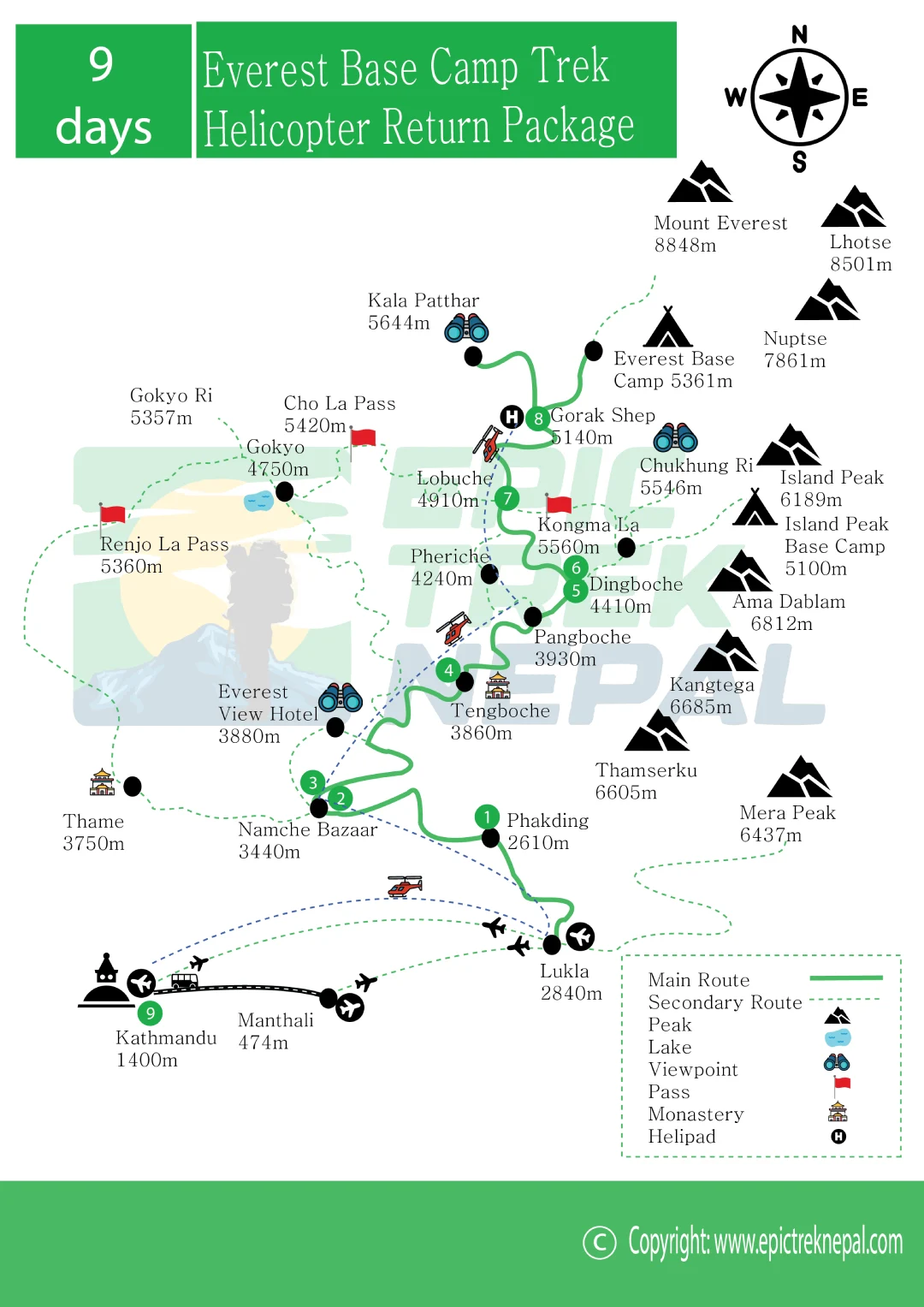
The duration of the Everest Base Camp Trek Helicopter Return is generally between 10 and 11 days. The time frame begins when you arrive in Kathmandu, continues with the trek to the base camp, and ends with an exciting helicopter ride back to Kathmandu. This time frame works pretty well, as it does not seem too tight while allowing you to achieve your goals.
During the trek, you will need around eight to nine days. While climbing, you will be staying overnight in such places as Namche Bazaar, Tengboche, and Dingboche. Normally, the best itinerary includes two days of acclimatization. These days are essential to allow your body to adapt to the altitude, making sure you have a pleasant experience rather than having trouble breathing during the whole trip.
The Everest Base Camp Trek Helicopter Return takes less time compared to the conventional trek as you do not have to spend time in coming down the trek. You would otherwise need to spend an additional 3 or 4 days walking down the same path that you used when going up, making it easier and faster by using the helicopter to return from the trek.
In summary, the itinerary of the Everest Base Camp Helicopter Return Trek is perfect for those trekkers who wish to explore the Himalayan region but cannot afford much time due to their schedules. This itinerary enables one to visit all the important spots of this Everest Trek Helicopter Return package without having to spend much time.
What to Expect on the EBC Trek Heli Return?
Everest Base Camp Trek Helicopter Return will be your adventure along one of the most famous trekking routes in the Khumbu area. As you move closer to Everest Base Camp, you’ll experience the blend of local culture, untouched nature, and thrilling altitude in a way like never before.
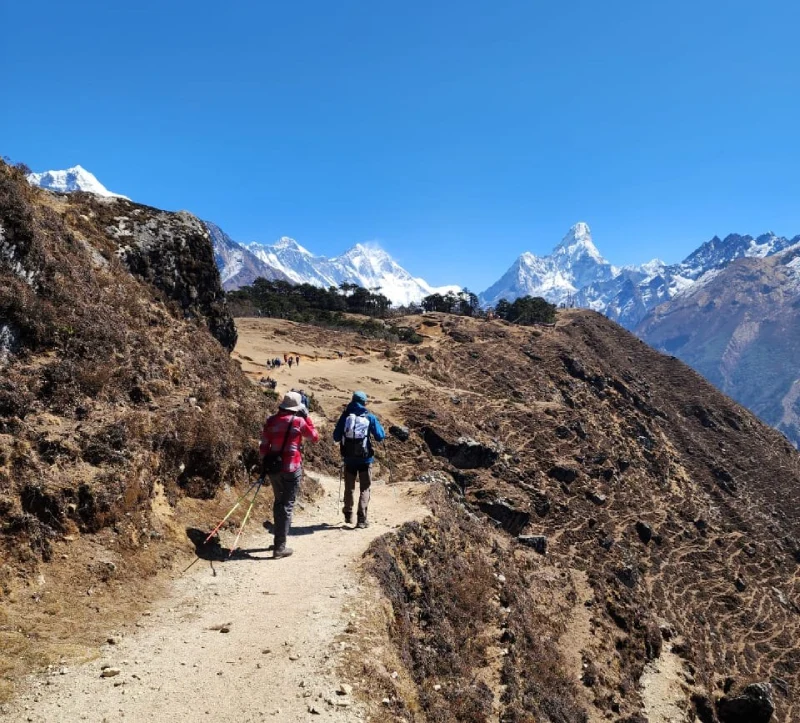
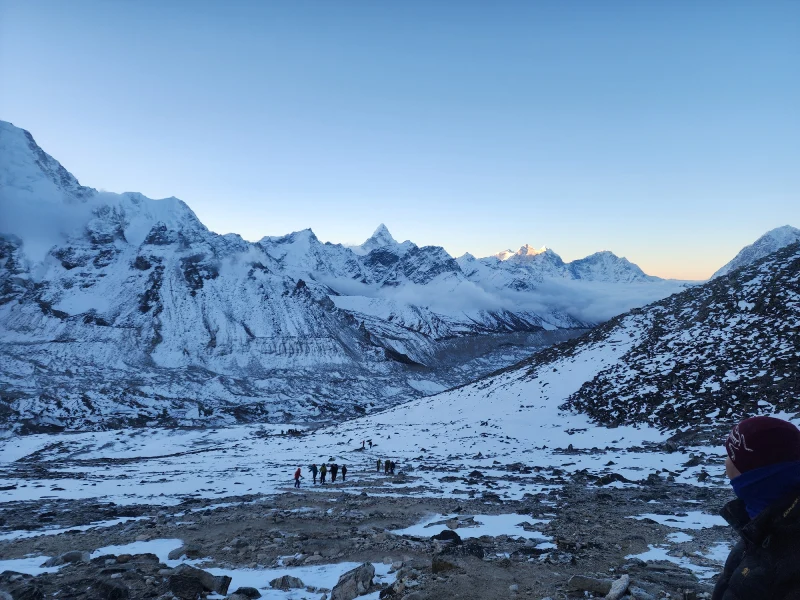
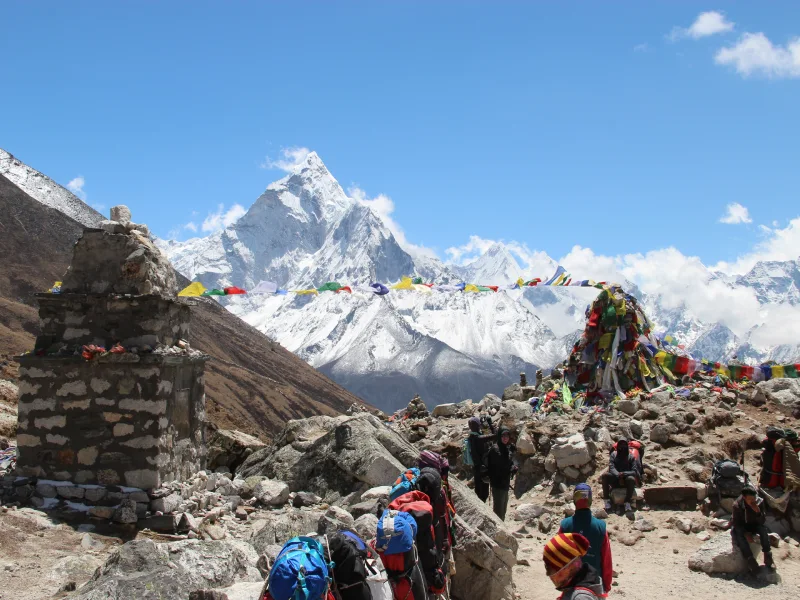
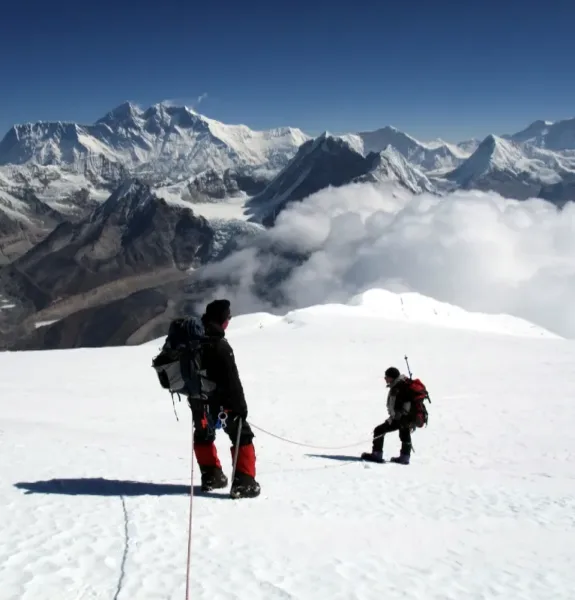
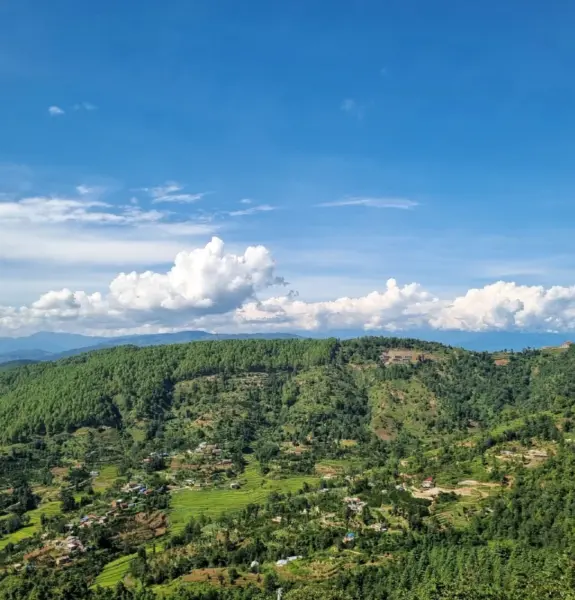
Along the trek, you will visit Sherpa settlements, monasteries, and beautiful forests with rhododendron trees. When ascending to higher altitudes, you will be surrounded by breathtaking scenery of the Himalayas with majestic Mount Everest looming up above all others. The scenery changes every day and includes fast-flowing rivers and alpine glacial terrain.
You will follow in the footsteps of the great Sir Edmund Hillary and his partner Tenzing Norgay. Knowing that makes this hike even more special, as you will have a greater sense of purpose while trekking. Finally, thanks to many improvements, trekking on the trail has become more comfortable due to developed teahouses along the way.
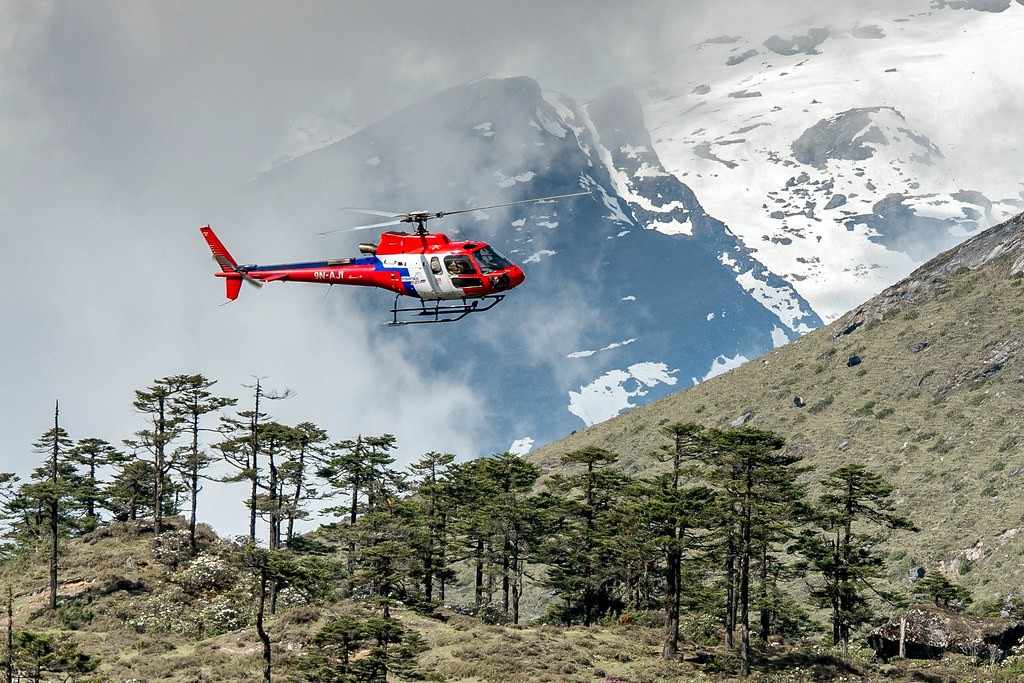
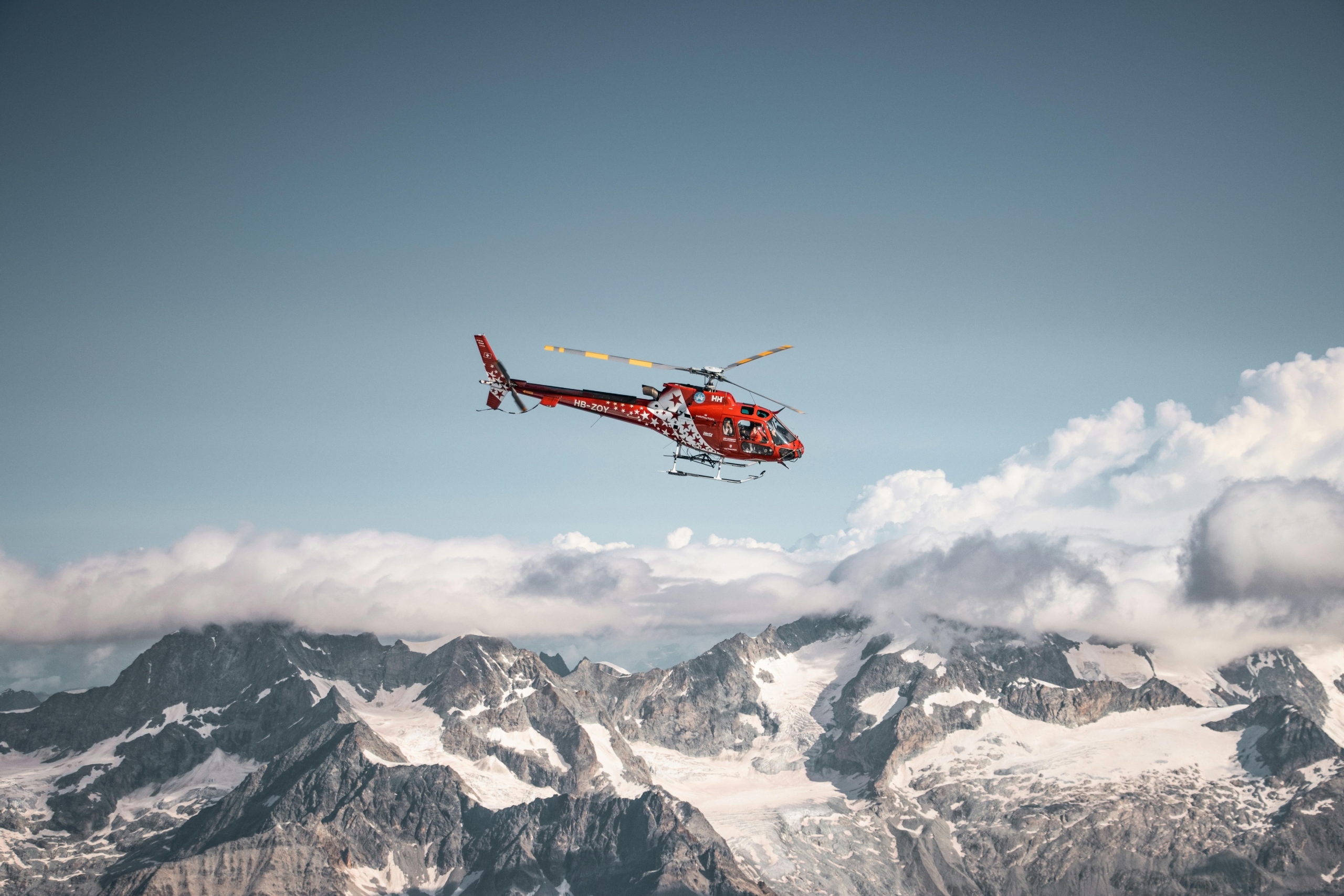
It’s not just the package that makes the Everest Trek Helicopter Return Package unique but the fact that you simply come back by helicopter after reaching base camp and climbing Kala Patthar. The helicopter ride is beyond spectacular as it will give you views of glaciers, secret valleys, and mountains that are hard to capture when trekking.
The Everest Base Camp Helicopter Return Itinerary strikes a balance between excitement and relaxation. Essentially, it offers all the thrills of trekking without having to spend too much effort on the way back.
Is the Everest Base Camp Trek Helicopter Return Trip Hard?
The Everest Base Camp Trek Helicopter Return package is definitely challenging, but it’s totally doable with the right preparation and mindset. If you’re someone who regularly hikes long distances with a weighted backpack, you’ll find this EBC trek pretty straightforward with proper acclimatization.
It is much easier if you have previous hiking experience, since with proper pacing and sufficient time to get used to conditions, most participants cope with the task successfully. However, even beginners can complete the trail, but only after they prepare their body adequately through training.
High altitude is probably the most significant problem one could face while participating in this event. Starting in Lukla, the trek reaches altitudes in excess of 5,300 meters. This means that the air gets thinner with every ascent and each following step seems to weigh tons. Therefore, the necessity of spending a few days in places like Namche Bazaar acclimating cannot be underestimated.
In case if the participants suffer from fatigue or altitude sickness, they would be evacuated using a helicopter. Of course, it doesn’t mean you shouldn’t try your best and prepare adequately beforehand. The Everest Base Camp Helicopter Return Itinerary simplifies the trekking process by eliminating the long descent process, which can prove to be extremely taxing on your knees and back after trekking at such high elevations.
Here’s the reality – some people start this trek and don’t finish. They end up booking emergency helicopters to get back to Lukla or Kathmandu. Your Everest Base Camp journey starts and ends in Lukla at 2,860m (9,382ft), and you’ll climb all the way to 5,364m (17,598ft) at base camp. The EBC trek gets progressively harder as you gain altitude because the air gets thinner and temperatures drop significantly.
In summary, the Everest Base Camp Trek Helicopter Return is a difficult journey, but it can be accomplished with a good attitude, preparation, and proper instruction.
Preparation for the Everest Base Camp Trek Helicopter Return
Proper planning is undoubtedly the key to having an outstanding trip experience. Proper planning is a key component to having an excellent Everest Base Camp Trek Helicopter Return experience. Due to the fact that you will have numerous physically demanding challenges, both your physical and psychological state should be well prepared beforehand to ensure that you make it out of Nepal healthy. Even doing simple exercises about 4–6 weeks before your journey starts will make a huge difference in your overall experience.
In addition to doing some stretching exercises, you should focus on your aerobic exercise such as running, walking, or cycling. However, stair climbing will be most beneficial since Everest Base Camp Trek is full of steep climbs. Try to do some hiking while carrying a backpack to prepare yourself psychologically and physically for this kind of a trip.
Packaging is yet another huge one. Layering is essential, and a nice jacket, great gloves, and comfortable trekking shoes (not newly bought ones, trust me) will do you well. The weather around the Everest Base Camp is unpredictable and therefore, it is crucial to pack all necessary stuff that will help you withstand the cold, the windy and sunny weather conditions. Don’t neglect the psychological part of the activity. At altitude, walking slowly and adapting to the basic accommodation conditions should be anticipated.
Visa and Permit
Firstly, it is necessary to have the valid Nepal Tourism visa in order to participate in Everest Base Camp Trek Helicopter Return. It can be acquired very easily as you can simply pick up your visa at the arrival point in Kathmandu International Airport or even buy an online visa from home.
Secondly, there are two types of permits to trek the Everest region. The first one is the Sagarmatha National Park Entry Permit which costs NPR 3000 (about $25) for foreigners and the second one is the Khumbu Pasang Lhamu Rural Municipality Permit.
These documents should be carried throughout the whole Everest Base Camp Helicopter Return Itinerary since they are needed to get access to restricted areas. Otherwise, visitors are not going to be allowed inside and their trip would be ruined.
If you book with Epic Trek Nepal, we will handle all the paperwork and provide licensed guides to ensure your safety and legal compliance.
Health and Safety
In the end, safety and health will be the most important things when participating in the Everest Base Camp Trek Helicopter Return. The altitude factor alone is enough to give you a challenge. Make sure you take your acclimatization period seriously. After all, that’s why there are rest days on your itinerary as you get closer to Everest Base Camp.
Make sure you consume as much water as you can while in the Everest Base Camp Trek Helicopter Return route. You will need 3–4 liters of water each day to stay safe. That way, you minimize the effects of altitude sickness and maintain your energy levels on such tough hikes.
The next important piece of advice for this tour package would definitely be to walk steadily without being too active. You are not racing here, after all, so just focus on listening to your body and telling the guide about any potential issues you experience. For example, addressing a mild headache promptly will surely help you avoid a bigger problem in the future during the Everest Base Camp Helicopter Return Itinerary.
Taking some first aid kits and necessary medications is also a good idea here. Yes, there will be additional support provided by the guide but why miss your chance to take extra precautions? At the end of the day, the whole trek will become both safe and pleasant if you approach it correctly and carefully follow all recommendations.
Travel Insurance
Truly speaking, you simply cannot afford to overlook the need for travel insurance while on your Everest Trek Helicopter Return Package. After all, you are going to be in one of the remotest and high-altitude areas that the world has, and the climatic conditions here are totally erratic and unpredictable.
It will be important to note that travel insurance must provide coverage against high-altitude treks up to 6,000 meters. There must be provision for emergency helicopter evacuation, hospitalization charges, and trip cancellation cover as well, which assumes importance when trekking through Everest Base Camp Trek Helicopter Return Trek.
There are plenty of folks who think that everything will be alright for them, try to save a little bit of money in such a way. But not everyone realizes that, while climbing in the Himalayas, insurance becomes something very important, which cannot be skipped. The cost of being airlifted from a location like Namche Bazaar, or any other one above it, may become enormous in such a situation.
It’s better to make sure that there are no any troubles with your policy before beginning the Everest Base Camp Helicopter Return Itinerary. It would be helpful for you to take with you all your documentation and emergency phone numbers, keeping them on hand.





 Share
Share