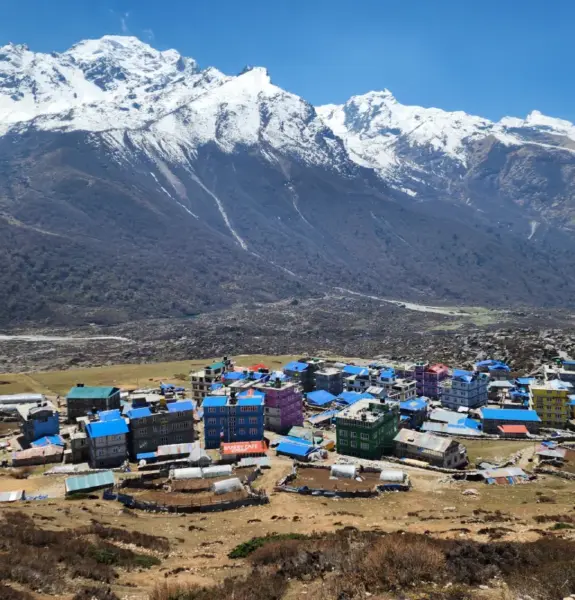
How Difficult is Langtang Gosaikunda Trek
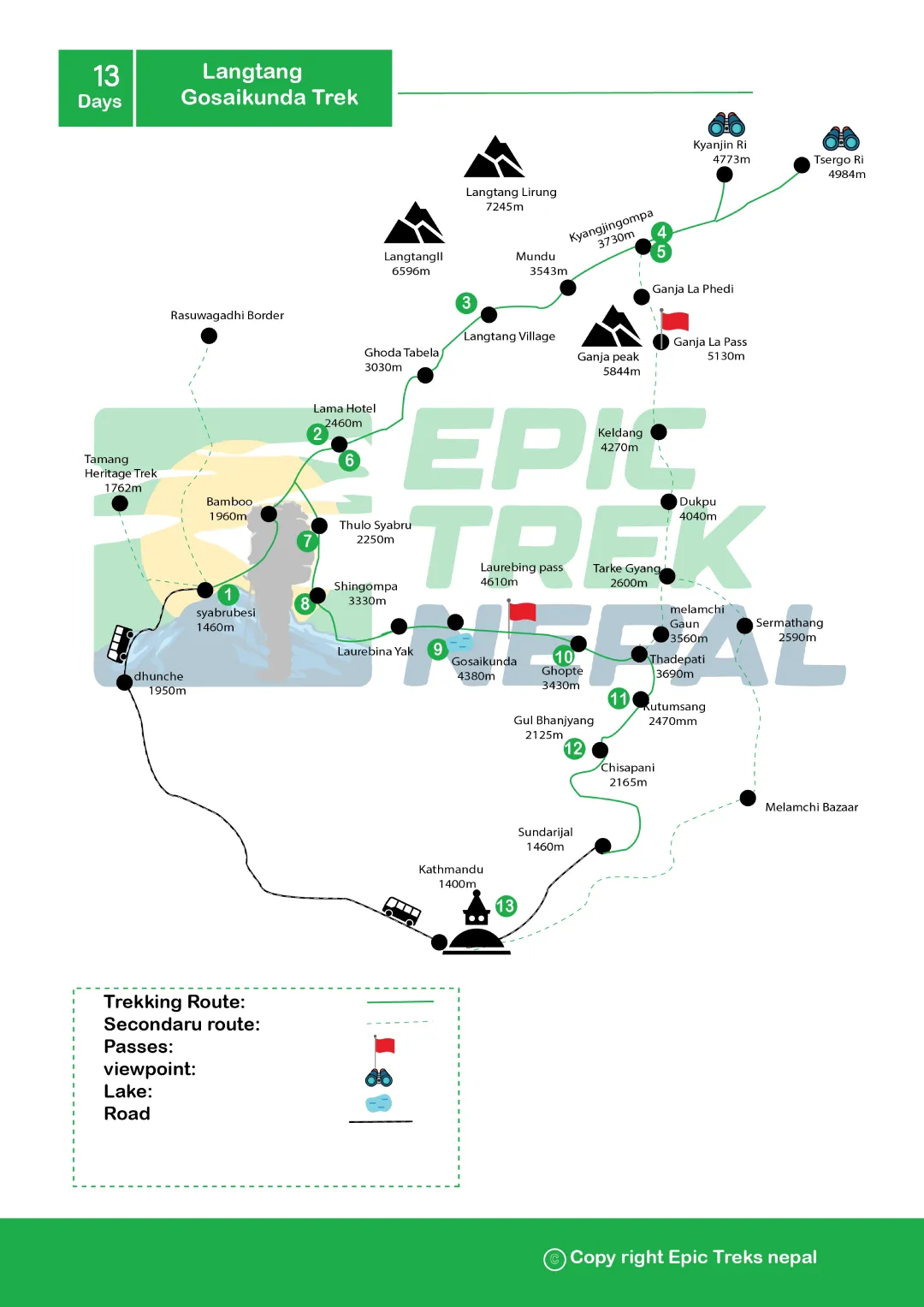
This trek is suitable for beginners as well as intermediate trekkers with moderate levels of fitness and who can hike for about 5 to 7 hours daily. They should also be prepared to hike in different terrains, such as hiking along forest trails, on ancient stone staircases, and climbing mountainsides. The higher they climb in altitude, the more challenging their hiking route will be. This is especially true when they reach the sacred lakes at Gosaikunda and cross the mountain pass to reach Gosaikunda from Langtang.
This Langtang Gosasikunda trek itinerary will ensure that your body slowly gets used to the changing altitude. But you may still suffer from altitude sickness if you surpassed your physical limit due to immediate ascent. Shortness of breath is one of the most common symptoms of altitude sickness.
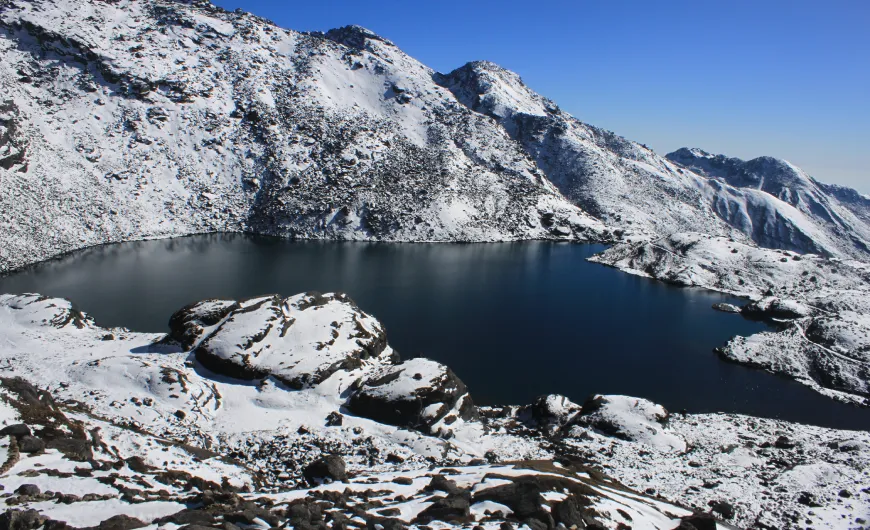
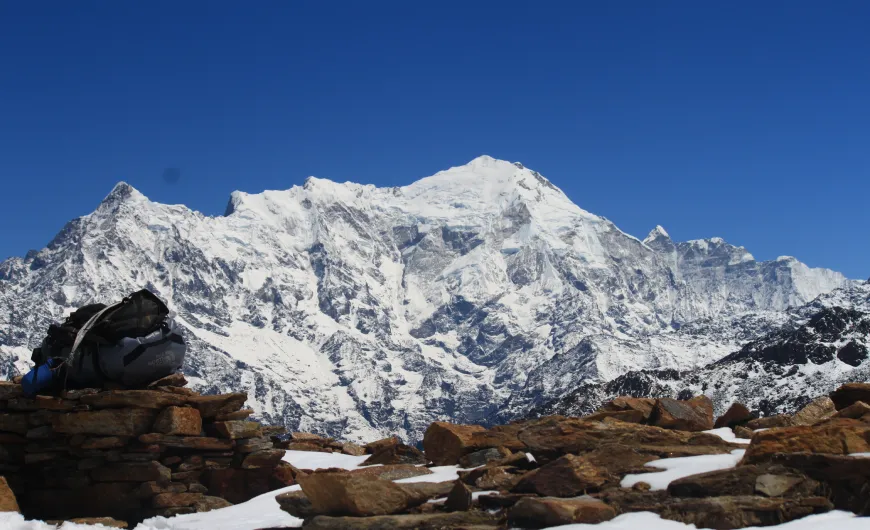
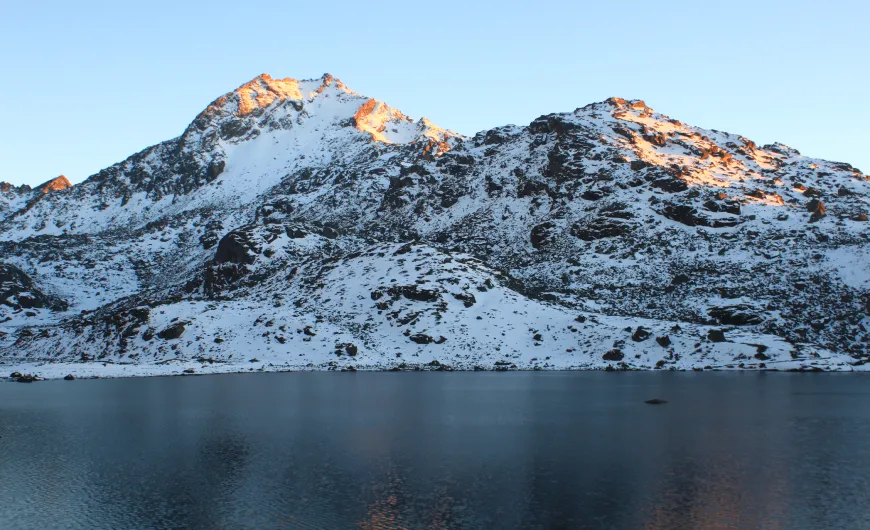
Although you will be blessed with some amazing views during this hike, patience and consistency in pace will be necessary on your part as you make your way through this wonderful scenery in the mountains.
The weather might also pose as another challenge when hiking through this trail. For example, temperatures being extremely low in the mornings and extremely windy with some snowfall near the pass is all part of the reason as to why preparation is very important in successfully conquering this trek.
Preparation for the Langtang Gosaikunda Trek
Being prepared will make your trip to Langtang Gosaikunda Trek far more enjoyable and much safer. At the very least, you should begin exercising several weeks prior to starting your trekking adventure. Exercises involving cardiovascular activities like walking, jogging, and cycling are ideal since they strengthen endurance. It is essential to have strong legs when going uphill for miles.
But besides that, it’s important that you adjust to the changing circumstances. The itinerary of the Langtang Gosaikunda Trek will require you to walk through relatively remote areas, with basic accommodations in form of tea houses. Weather might be rather changeable there, and therefore it’s essential that you pack properly, bringing all necessary items, including warm clothes, high-quality trekking boots and a reliable backpack.
Acclimatization is very important throughout the trip as well. You need to take it slowly, drink enough water and generally just listen to your body. The whole Langtang Gosaikunda View Trek becomes much more enjoyable when taken at a reasonable pace. But most importantly, a guide is always a good idea when making this kind of trip since it allows one not only to find the right way but also to learn something about the culture there.
Language & communication
Communicating with locals during the Langtang Gosaikunda Trek may seem difficult, but it isn’t really. The official language is Nepali, but most of the locals who work along the trekking trails understand some English, which is sufficient for communication. Guides and teahouses owners communicate in a concise manner, thus making it easy for trekkers to understand what they are saying. In addition, the Tamang language will be spoken in the villages that are along the trail, and it will add to the cultural aspect of the trip.
Knowing just a few Nepali phrases makes a great impact on the trip with the simple “Namaste” will get you a very warm response from local inhabitants. Following the Langtang GosaikundaTrek Itinerary makes it possible to easily communicate with locals because they get used to trekkers coming to their villages every day. The Langtang GosaikundaView Trek is not only about landscapes, it’s also about communicating with the locals, and that is why it’s recommended to talk to them.
In these highly isolated areas, it may be a little less noisy because of the lower number of people present, but communication can still always be achieved. Also, a guide will prove useful in communicating through language barriers and providing insider information about the place.
Cultural festivals along the Langtang Gosaikunda Trek
Apart from the spectacular views of the Himalayas, the cultural aspects are abundant along the Langtang Gosaikunda Trek. It is important to note that the trek passes through Tamang regions where Tibetian-influenced traditions are practiced. This means that you will spend a lot of time passing by monasteries and prayer flags in addition to experiencing their rich rituals, which are a clear reflection of their deep-rooted spirituality.
One of the cultural festivals that takes place around August/September and attracts thousands of visitors to Gosaikunda is the Janai Purnima Festival. There is nothing more exciting than celebrating the festival while exploring Gosaikunda since it involves a sacred dip in its waters.
In other seasons, there are the Losar festivities, the Tibetan New Year celebrations, which include many rituals such as dancing, traditional foods, and music performances. As you can see, the Langtang Gosaikunda Trek will definitely get a bonus point if it happens during any of those cultural festivals.
Trip Extension
In case you have more time to spend, there are a couple of interesting additions to your schedule of the Langtang Gosaikunda Trek which can improve your experience. For example, if you would like to go a little further and see more of the valley, you can take another look at its inner part where you will find numerous tiny traditional villages and walk through relatively untouched trails of the area. Hiking in the nearby areas of Kyanjin Gompa, such as climbing to Kyanjin Ri viewpoint, you may also enjoy amazing views from the top.
Another alternative that could be added to your itinerary is going even further after crossing the high pass to visit Helambu region. This area has many peaceful green forests and traditional terraced fields as well as various cultural experiences. In any case, this addition will help make the Langtang Gosaikunda Trek Itinerary a little bit more varied and “complete”.
Finally, as far as the religious aspect goes, the best option might be staying near the Gosaikunda lakes for additional days. As already mentioned above, the Langtang Gosaikunda View Trek is quite a flexible itinerary which can be adjusted according to your preferences and intentions.
Visa and Permits for Langtang Gosaikunda Trek:
In order to start the Langtang Gosaikunda Trek, you should get yourself a tourist visa. Fortunately, this procedure is very simple since you can easily acquire it upon your arrival at the airport in Kathmandu or even before it by applying online. Simply choose the period that best suits you.
As for the permits for the trek itself, you need two permits for Langtang Gosaikunda Trek:
Langtang National Park Permit
- Get it from Nepal Tourism Board office in Kathmandu or Dhunche
- Need passport copy and two passport photos
Cost: NPR. 3000 per person
TIMS Card
- Also issued by Nepal Tourism Board
- Copy of Passport and two passport size photos
Cost: NPR 2000 per person
Keep these with you always. At almost every check point they needs to be verified.
Mobile network, internet & charging facilities
The trekking region receives a good mobile signal from operators such as Ncell and Nepal Telecom, though reliability cannot be guaranteed at certain points along the route. While the signal may function perfectly fine in areas such as Syabrubesi and Langtang Village, it starts getting weaker after the second day until it fades altogether around the vicinity of Gosaikunda.
Most teahouses along the Langtang Gosaikunda Trek have access to Wi-Fi, but you shouldn’t expect high speeds, which makes internet-based activities such as video streaming impossible. Power outlets are available at most teahouse lodges where hikers can charge their electronics for a minimal fee. There is no power source at certain points along the trail, especially in elevated regions.
It’s highly recommended that trekkers carry a reliable power bank for their personal electronics and charge them whenever possible. The trek is quite scenic; therefore, hikers should make the most out of it by unplugging themselves from technology.
Don’t on the Trip
While trekking on the Langtang Gosaikunda Trek, you should respect to local customs and be environmentally responsible. Do not leave waste lying around and take all waste to garbage bins. You are passing through Langtang National Park, a sensitive environmental zone. Thus, leaving trash lying around would be very disrespectful to the locals who live in the vicinity.
Do not overexert yourself by trying to walk faster than you can. Do not ignore the altitude sickness as it may become dangerous. Follow the instructions for your Langtang Gosaikunda Trek Itinerary and adhere to the guidelines provided by your tour guide.
Do not drink untreated water, it would be wise to abstain from consuming alcohol when climbing up to higher altitudes.
Finally, when visiting the village and the monastery, do not forget to respect their cultures. Wear some clothes that may appear conservative for the locals and always ask for permission when taking pictures. Your Langtang Gosaikunda View Trek provides many opportunities for such cultural interactions.
Travel Insurance
It goes without saying that travel insurance is absolutely necessary for the Langtang Gosaikunda Trek. Since you will be hiking at significant altitudes, you will never know what could happen. It’s crucial that your insurance plan will cover high-altitude trekking and any potential medical expenses. More than anything else, however, the insurance should cover emergency evacuation.
The Langtang Gosaikunda Trek Itinerary involves visiting areas where only a helicopter rescue might save you in case of an emergency. It’s also important to note that a rescue by helicopter can get really pricey. The Langtang Gosaikunda View Trek includes visiting locations where medical assistance might not necessarily be readily available. Hence, it’s wise to ensure that your travel insurance plan covers emergencies in Nepal.
Just make sure that you read the policy’s fine print. In this respect, it’s best to verify whether your travel insurance policy covers altitude sickness and emergency medical assistance in Nepal.
Safety Reality
This is not an extremely dangerous walk, but accidents may occur. Weather conditions change rapidly. Altitude sickness occurs; trail conditions differ.
Good news: Your guides are familiar with these mountains as with their own native villages. Guides have first aid kits, know the best tea houses with good conditions, and can identify altitude sickness in advance.
Evacuation in case of emergency is possible by helicopter, but at a high cost and weather dependency. Insure yourself against helicopter evacuation in case of emergency at heights over 3,000 m.
Unsuitable for children up to 15 years old due to altitude and other factors.
Are you Ready for the trek? Just drop us the message we will make sure of your permits and other necessary requirements. You only have to break in your boots and prepare for two weeks. You will create a story – a fairy tale, for the rest of your life.





 Share
Share