




Nepal Travel
03 September 2025
By admin
Everything You Need to Know Before Travel in Nepal
Nepal, the mystical land of the Himalayas, stands as one of the world’s most extraordinary travel destinations. Home to Mount Everest, the planet’s highest peak, this remarkable country offers far more than just mountain adventures. From ancient temples and vibrant cultures to wildlife safaris and adrenaline-pumping activities, Epic Trek Nepal focuses on creating exceptional journey experiences that go beyond the destination itself.
Whether you’re planning your first visit to this Himalayan kingdom or returning for another adventure, understanding the essentials of Nepal travel will help you make the most of your extraordinary experience. We believe the journey can be greatly enhanced by optimizing key factors such as: reliable transportation, comfortable accommodation for proper rest, hygienic meals, and experienced guides. This comprehensive guide covers everything from visa requirements and transportation to the best trekking routes and cultural insights that will transform your Nepal journey into the adventure of a lifetime.
Getting to Nepal
Flying into Nepal:
Most international travelers begin their Nepal adventure by arriving at Tribhuvan International Airport (TIA) in Kathmandu, the country’s primary international gateway. While TIA is relatively small and can feel crowded during peak seasons, it efficiently connects Nepal to major international hubs including Delhi, Doha, Istanbul, Bangkok, and Dubai. Also from the boarders of India or China (Tibet) you can enter to Nepal but this involves longer and less comfortable travel. While we don’t typically suggest you these route but if you came from there then you will get the authentic taste of adventure before it starts.
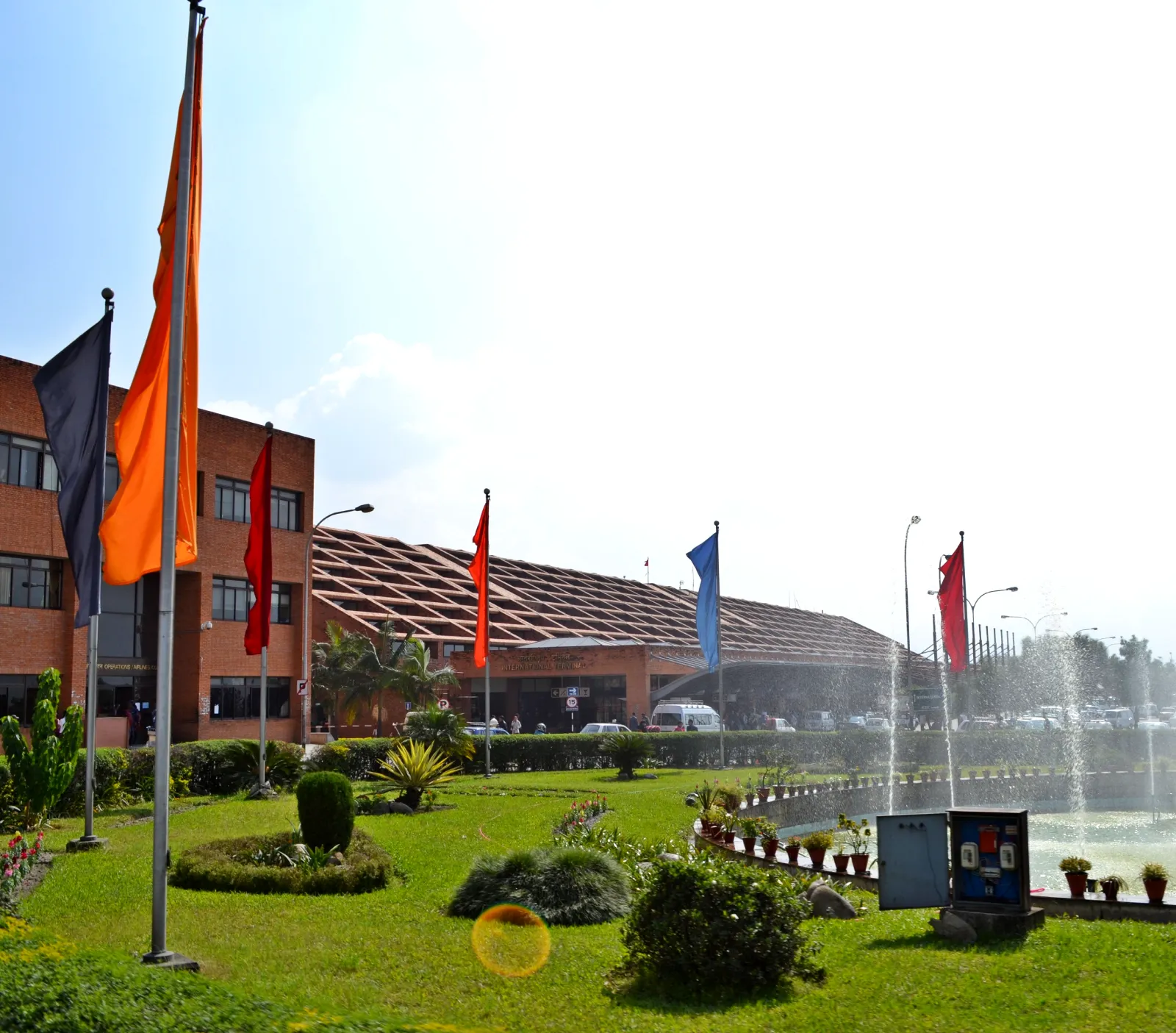
The airport also serves as the departure point for domestic flights to popular trekking gateways. If you’re planning to trek in the Everest region, flights to Lukla operate from here, along with connections to Pokhara for Annapurna adventures and Nepalgunj for access to western Nepal’s remote regions.
Nepal Visa Requirements
Most international travelers require a visa to enter Nepal, which can be obtained on arrival at Tribhuvan Airport or at land borders. Tourist visas are available for 15, 30, or 90 days, and you can extend your stay up to a total of 150 days per calendar year. The only exception is Indian citizens, who enjoy visa-free entry under the Indo-Nepal Treaty.
Before traveling, ensure your passport is valid for at least six months beyond your planned departure date. Visa fees must be paid in U.S. dollars or Nepali Rupees (cash only), so come prepared with the exact amount to avoid delays at immigration. Know More
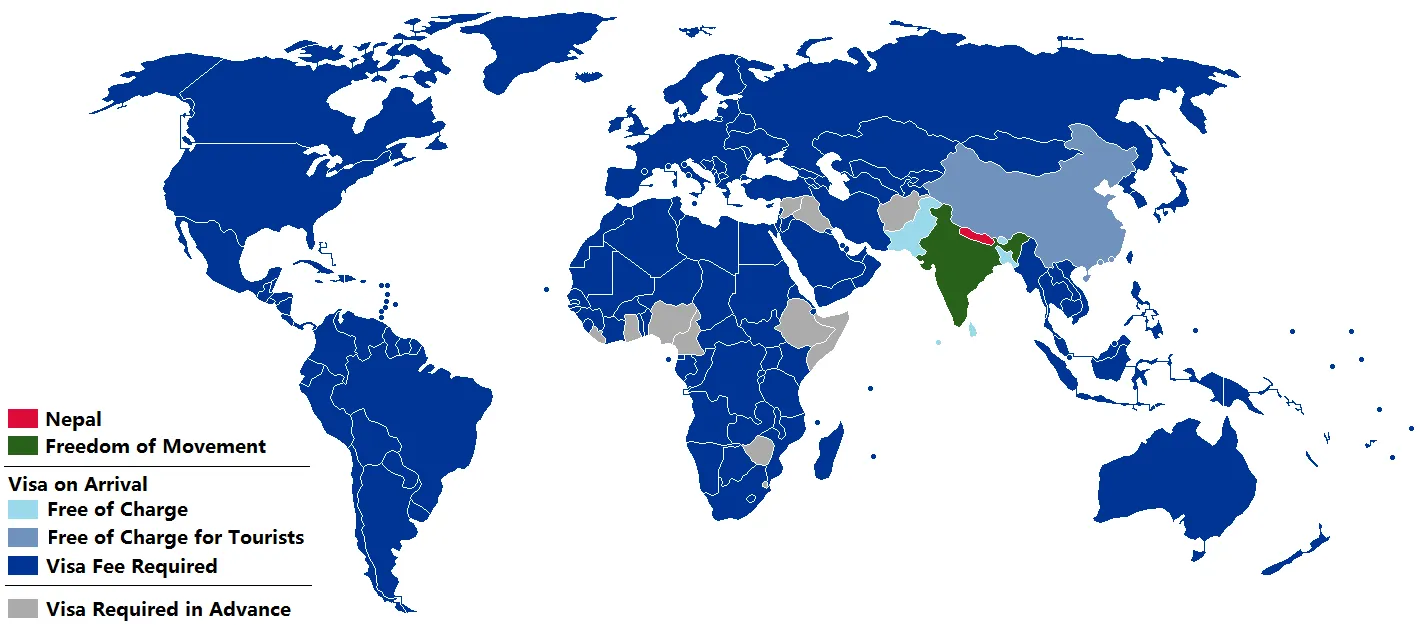
You can also apply for your Nepal visa online in advance through the Nepal Immigration Department’s official website, which can save time upon arrival. This option is particularly useful during peak trekking seasons when airport queues can be lengthy.
Transportation Options during Nepal Travel
Traveling within Nepal is an adventure in itself, offering various transportation methods depending on your destination and budget. The key to successful travel in Nepal is understanding the terrain and planning accordingly, especially for longer journeys.
Domestic Flights
For covering long distances quickly, domestic flights are your best option, though they’re heavily dependent on weather conditions. Popular routes include flights to Lukla for Everest Base Camp treks and Pokhara for Annapurna adventures. Keep in mind that mountain flights can be delayed or canceled due to weather, so always build buffer days into your itinerary.
Ground Transportation
For ground travel, we strongly recommend traveling during daylight hours due to road conditions and safety considerations. Tourist buses and jeeps are popular choices for intercity travel, offering a balance between comfort and cost. These vehicles typically run on major routes between cities like Kathmandu, Pokhara, and Chitwan.
Local buses and microvans provide the most economical option but can be crowded and uncomfortable for longer journeys. For greater comfort and flexibility, private cars and taxis are available, and you can also rent private vehicles for your entire stay in Nepal.
Language and Communication
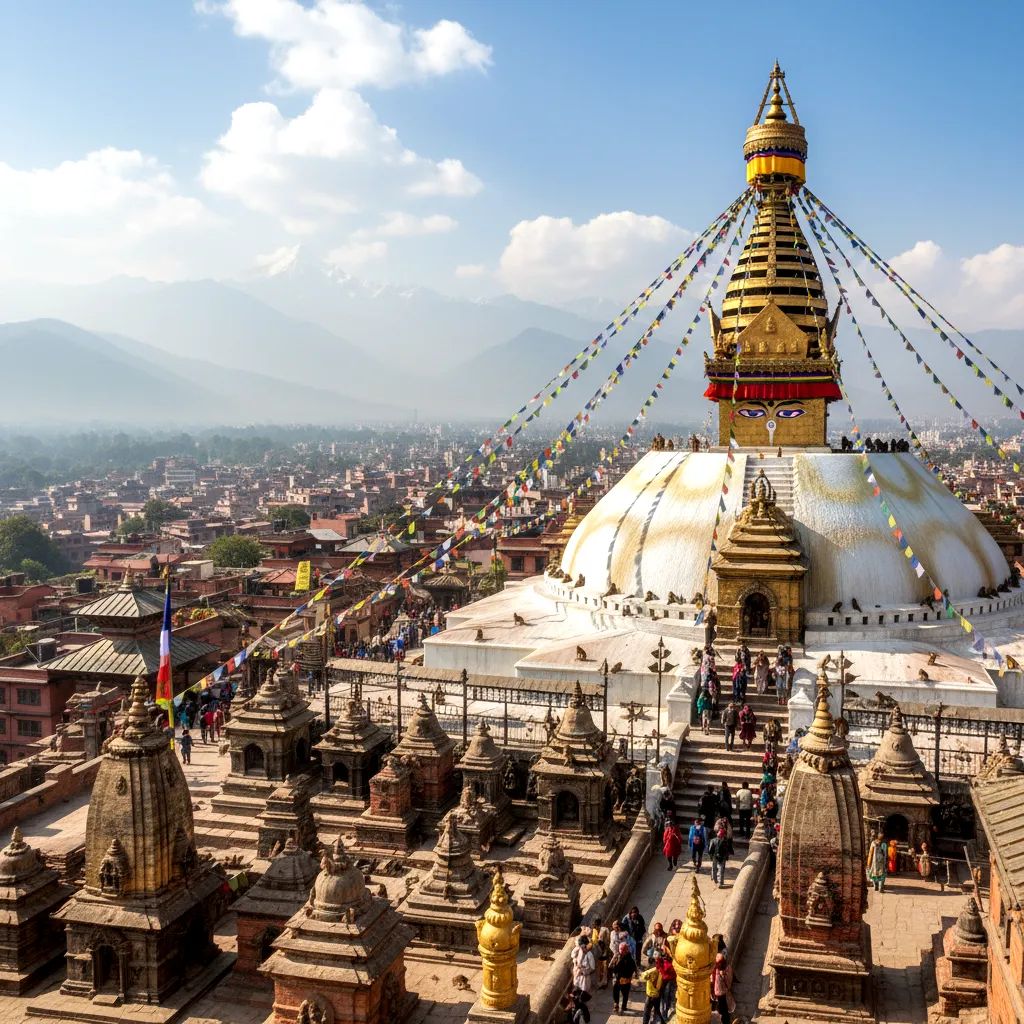
Nepal’s linguistic diversity reflects its rich cultural heritage. While Nepali is the official language, English is widely spoken in tourist areas, making communication relatively easy for international visitors. In remote regions, learning basic Nepali phrases like “Namaste” (hello) and “Dhanyabad” (thank you) will be greatly appreciated by locals and can enhance your cultural experience.
Many ethnic groups throughout Nepal speak their own local dialects, contributing to the country’s fascinating linguistic tapestry. This diversity adds depth to your cultural encounters, especially in rural areas where traditional languages are still actively used in daily life.
When to Travel Nepal: Choosing the Perfect Season
From mid-September to late November is widely considered the best season for trekking in Nepal, with clear skies, dry weather, and comfortable temperatures. Autumn is ideal conditions for mountain adventures. October and November represent peak trekking season, offering mild temperatures, stable weather, and superb mountain views. We recommend trekkers this season to visit Nepal, while the famous places like Everest Base Camp and Annapurna Base Camp is highly crowded they also rewards with equal views and atmosphere.
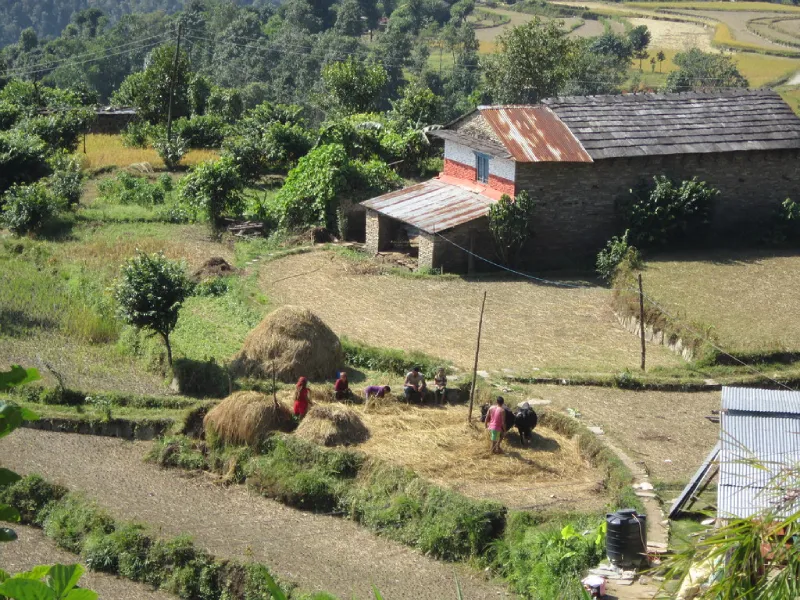
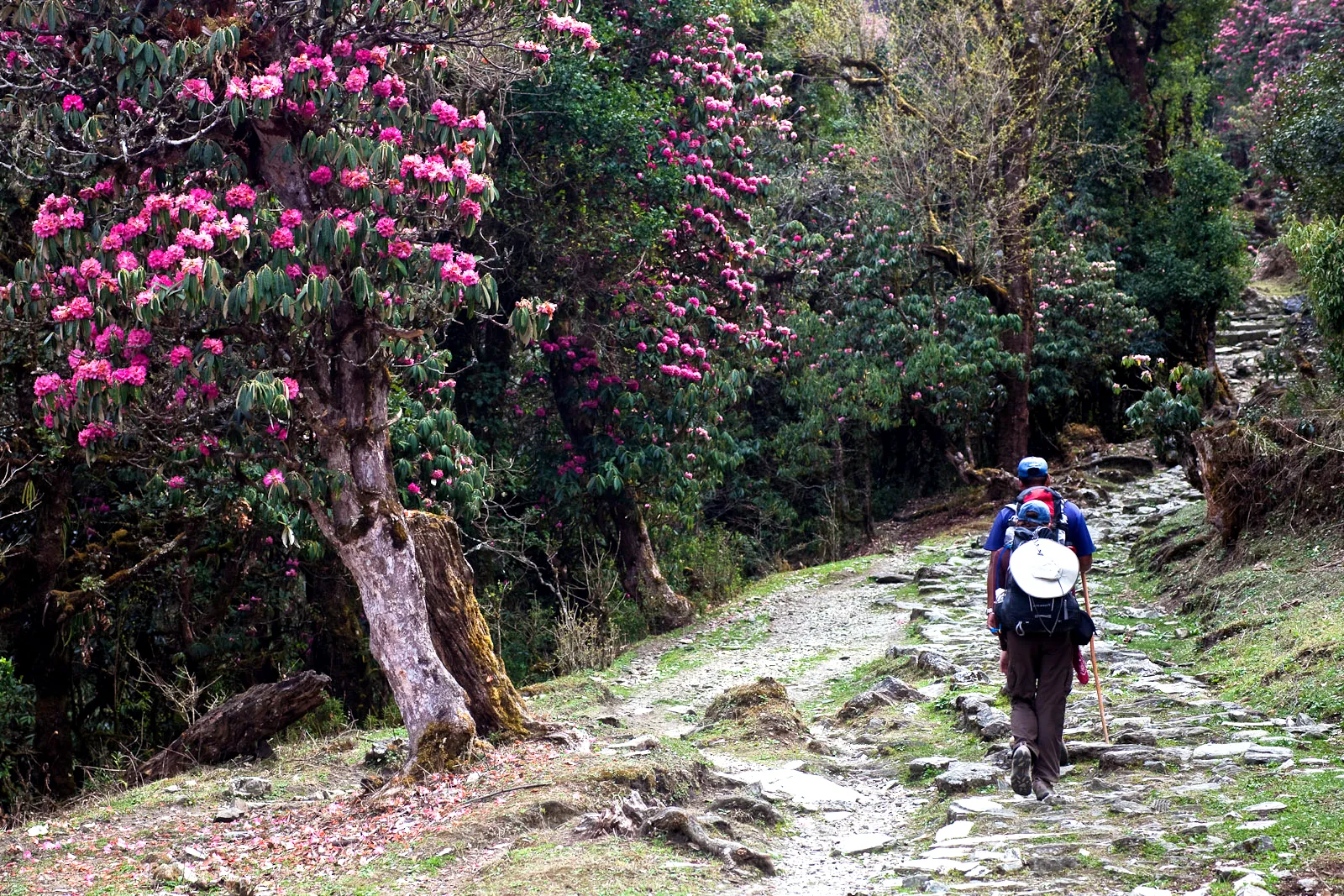
Spring, from late February through April, is another excellent time to visit Nepal, with temperatures similar to fall but fewer crowds on the trails. During spring, you’ll have the added benefit of rhododendrons and other flowering plants in bloom, creating spectacular displays of color across the mountains.
These pre-monsoon (March-May) and post-monsoon (September-November) seasons tend to be fairly dry and provide pleasant conditions for trekking, rafting, and sightseeing. However, each season in Nepal offers unique experiences, and visitors come year-round depending on their specific interests and activities.
Top Trekking Routes :
Nepal’s diverse geography, from plains to high Himalayas, offers trekking opportunities for every level of adventurer. The country’s most celebrated trekking routes provide unforgettable experiences in some of the world’s most spectacular mountain scenery.
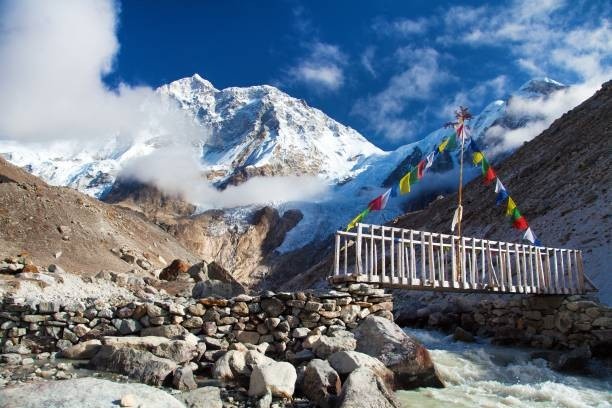
Classic Long-Distance Treks
The Everest Base Camp trek remains the ultimate bucket-list adventure, taking you to the foot of the world’s highest mountain while immersing you in Sherpa culture. This challenging trek typically takes 12-16 days and requires good physical fitness and proper acclimatization.
The Annapurna Circuit, traditionally a 15-20 day journey, offers incredible diversity as you traverse different climate zones and cultural regions. This classic trek showcases Nepal’s geographical variety, from subtropical valleys to high alpine passes.
Popular Shorter Treks
For those with limited time or seeking less demanding adventures, the Annapurna Base Camp trek provides spectacular mountain views in a more manageable timeframe in the heart of nature. Poon Hill offers one of Nepal’s most accessible trekking experiences, famous for its sunrise views over the Annapurna range.
The Langtang region provides excellent trekking with fewer crowds than the Everest and Annapurna regions, while Upper Mustang offers a unique cultural experience in Nepal’s former forbidden kingdom.
Nepal Travel – Beyond Trekking:
While trekking draws many visitors, Nepal offers an incredible variety of experiences that showcase different aspects of this remarkable country.
Cultural and Historical Experiences
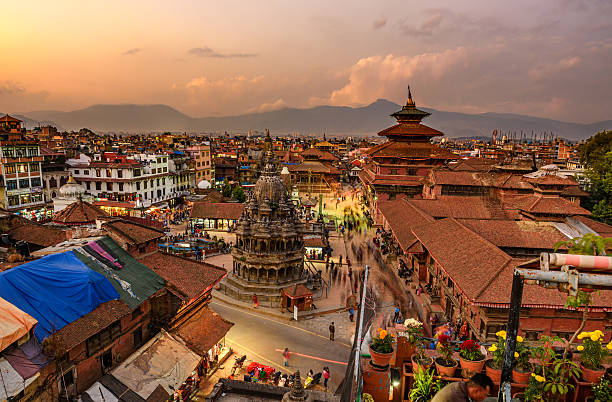
Nepal’s rich cultural heritage comes alive in Kathmandu’s UNESCO World Heritage Sites, where ancient temples, palaces, and courtyards tell the story of centuries-old civilizations. The medieval cities of Bhaktapur and Patan offer perfectly preserved examples of Newari architecture and traditional craftsmanship.
Lumbini, the birthplace of Buddha, represents one of the world’s most important pilgrimage sites and provides insight into Buddhist philosophy and history. These cultural tours offer profound connections to Nepal’s spiritual and artistic traditions.
Wildlife and Nature Adventures
Nepal’s national parks provide exceptional wildlife viewing opportunities. Chitwan National Park offers the chance to spot one-horned rhinoceros, Bengal tigers, and Asian elephants in their natural habitat. Bardia National Park in western Nepal provides a more remote wildlife experience with excellent biodiversity.
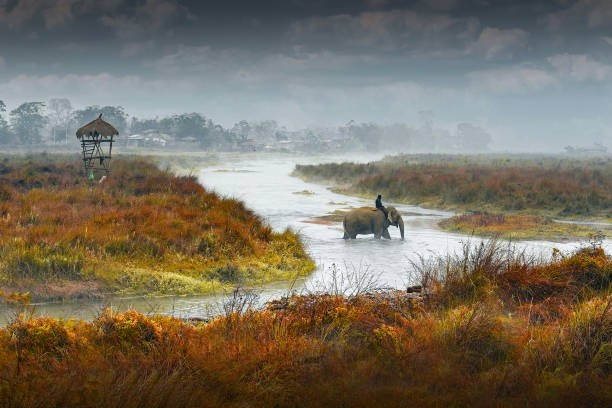
These parks offer various accommodation options, from luxury lodges to community-based homestays, allowing you to choose an experience that matches your preferences and budget.
Adventure Sports and Activities
Pokhara serves as Nepal’s adventure sports capital, offering paragliding with spectacular views over Phewa Lake and the Annapurna range. The city’s relaxed atmosphere makes it an excellent base for various activities or simply unwinding after a trek.
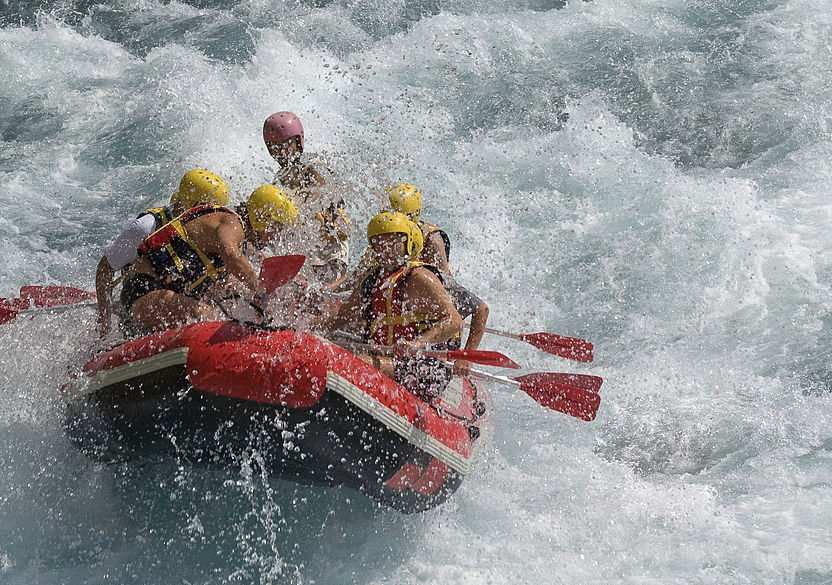
River rafting on the Trishuli River provides exciting white-water experiences suitable for different skill levels. For ultimate adrenaline seekers, bungee jumping in Bhotekoshi offers one of the world’s most spectacular jumping locations.
Wellness and Spirituality
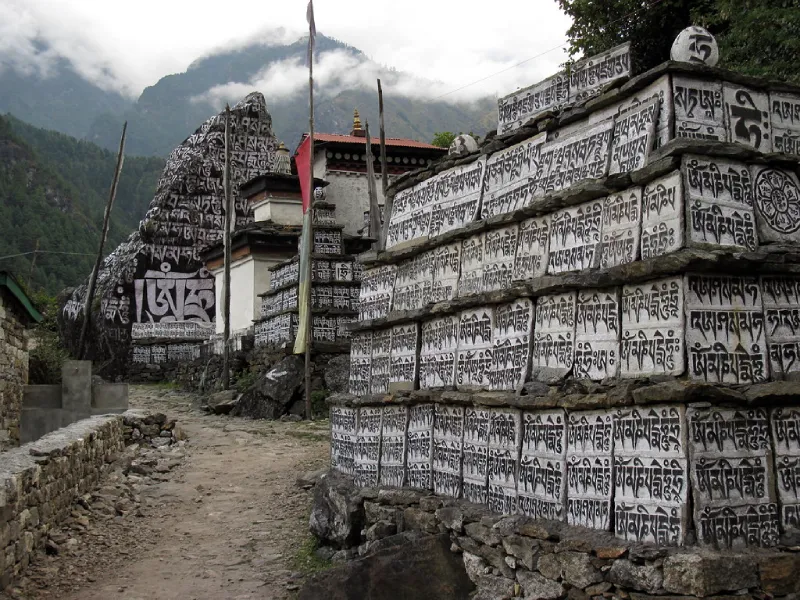
Nepal’s spiritual traditions offer unique opportunities for personal growth and healing. Yoga retreats and meditation centers throughout the country provide spaces for reflection and renewal, often set in spectacular natural locations.
Traditional Himalayan healing practices, including Tibetan medicine and Ayurvedic treatments, offer alternative approaches to wellness that complement Nepal’s spiritual atmosphere.
Planning Your Nepal Travel
Successful Nepal travel requires thoughtful planning that accounts for the country’s unique conditions and opportunities.
Seasonal Planning
Choose your travel season based on your primary activities. Spring and autumn provide the best conditions for trekking and general sightseeing, while winter can be excellent for cultural tours and wildlife viewing at lower elevations.
Consider your specific interests when planning timing. If photography is important, autumn’s clear skies provide the best mountain views, while spring offers colorful flora and comfortable temperatures.
Regional Focus
Decide whether you want to focus on trekking, cultural experiences, nature and wildlife, or a combination of activities. This decision will help determine which regions to visit and how to allocate your time effectively.
Nepal rewards travelers who allow sufficient time in each region rather than trying to see everything in a short visit. Quality experiences often come from spending more time in fewer places.
Practical Preparations
Book flights early, especially for domestic routes like the Lukla flight to Everest region. These flights have limited capacity and high demand during peak seasons.
Obtain necessary permits well in advance. Most trekking areas require TIMS (Trekking Information Management System) permits and National Park or Restricted Area permits. Your trekking agency can arrange these, or you can obtain them independently in Kathmandu.
Always include buffer days in your itinerary. Weather delays are common, particularly for mountain flights, and having flexibility prevents missed international connections and reduces stress.
Choosing the Right Tour Operator for Nepal Travel
Selecting a reputable tour operator significantly impacts your Nepal experience, particularly for trekking and adventure activities. Although Nepal is a welcoming and friendly country, managing everything from transportation and accommodation to documentation and paperwork in an unfamiliar destination requires proper planning by field experts.
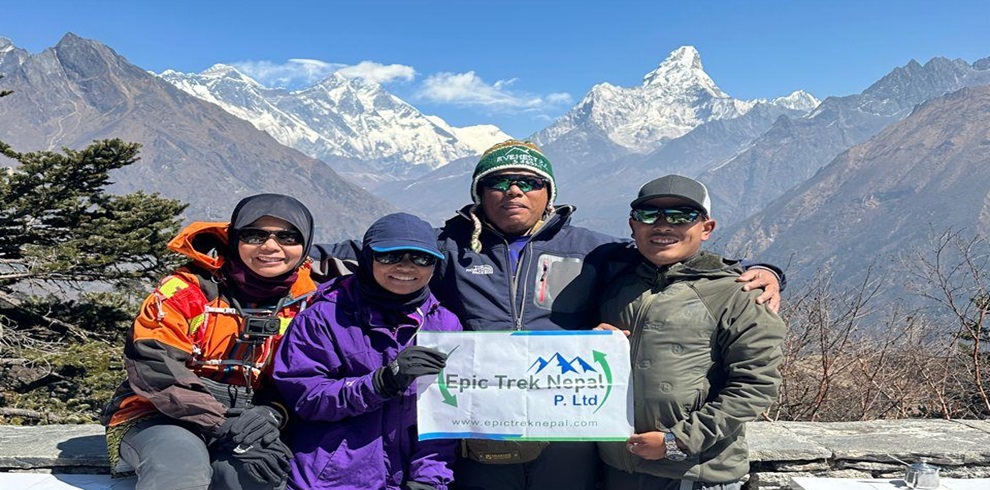
To address these challenges, choose Epic Trek Nepal, a government-registered tour operator. We provide licensed guides who ensure we meet official standards and deliver legitimate services. Our experienced guides enhance your experience through their deep knowledge of local culture, geography, and safety procedures.
You can check our reviews to see our focus on safety standards, reliability, and cultural knowledge.
Responsible Tourism
We emphasize responsible tourism practices, including fair treatment and proper wages for porters and guides, environmentally friendly practices, and genuine engagement with local communities.
Our commitment is to contribute positively to Nepal’s development while providing authentic experiences that benefit both travelers and local people. Epic Trek Nepal offers insights into local conservation efforts and community projects.
Cultural Etiquette: Respecting Nepal’s Traditions
Understanding and respecting local customs enhances your experience and shows appreciation for Nepal’s rich cultural heritage.
Daily Interactions
- Greet people with “Namaste” while joining your palms together in front of your chest. This traditional greeting shows respect and is appreciated by people of all backgrounds.
- Use your right hand for eating and exchanging items, as the left hand is considered impure in Hindu and Buddhist traditions. This applies to giving and receiving money, food, or gifts.
Religious and Cultural Sites
- Remove shoes before entering temples, monasteries, and homes. Many religious sites also require removing hats and covering shoulders and knees.
- Always ask permission before photographing people, especially monks, children, and locals in villages. Many people are happy to be photographed but appreciate being asked first.
- Dress modestly throughout Nepal, but especially in rural and religious areas. Covering shoulders and knees shows respect for local customs and helps you blend in more naturally.
Social Considerations
- Public displays of affection are frowned upon in Nepal’s conservative society. Keep romantic interactions private and appropriate for the cultural context.
- Avoid pointing with a single finger, particularly at people or religious objects. Use an open hand or nod to indicate direction.
Safety and Security in Nepal Travel
Nepal is generally a safe and welcoming destination, but travelers should be aware of potential risks and take appropriate precautions.
Common Safety Concerns
- Petty theft and scams can occur, particularly in tourist areas. Keep valuables secure, avoid displaying expensive items, and stay alert in crowded areas. Never leave drinks unattended, and purchase alcohol only from trusted establishments, as drink spiking and methanol poisoning have been reported.
- Avoid isolated areas at night, especially when alone. Stick to well-lit, populated streets and use reputable transportation options after dark.
Natural Hazards
- Nepal lies in a seismically active zone and experiences earthquakes, landslides, and floods. Stay informed about current conditions and follow local advice if natural disasters occur.
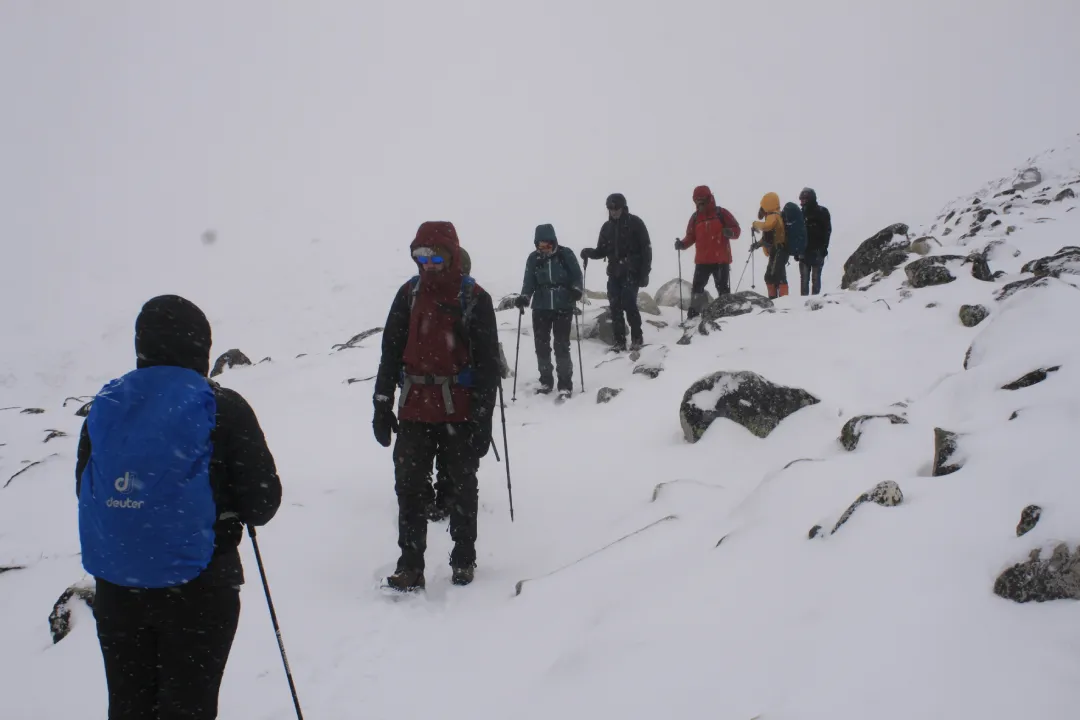
- Mountain areas present additional risks including altitude sickness, rapidly changing weather, and challenging terrain. Proper preparation, appropriate gear, and experienced guides help mitigate these risks.
Political and Social Awareness
- Political strikes and protests occasionally disrupt transportation and services. Avoid government buildings during periods of unrest, and stay informed about current political situations through reliable news sources.
- Foreigners are not permitted to participate in political activities or protests. Maintain a neutral stance on political issues and focus on cultural and recreational activities.
Health Considerations for Nepal Travel
Preparing for Nepal’s health challenges ensures a safer and more enjoyable experience.
Altitude-Related Health Issues
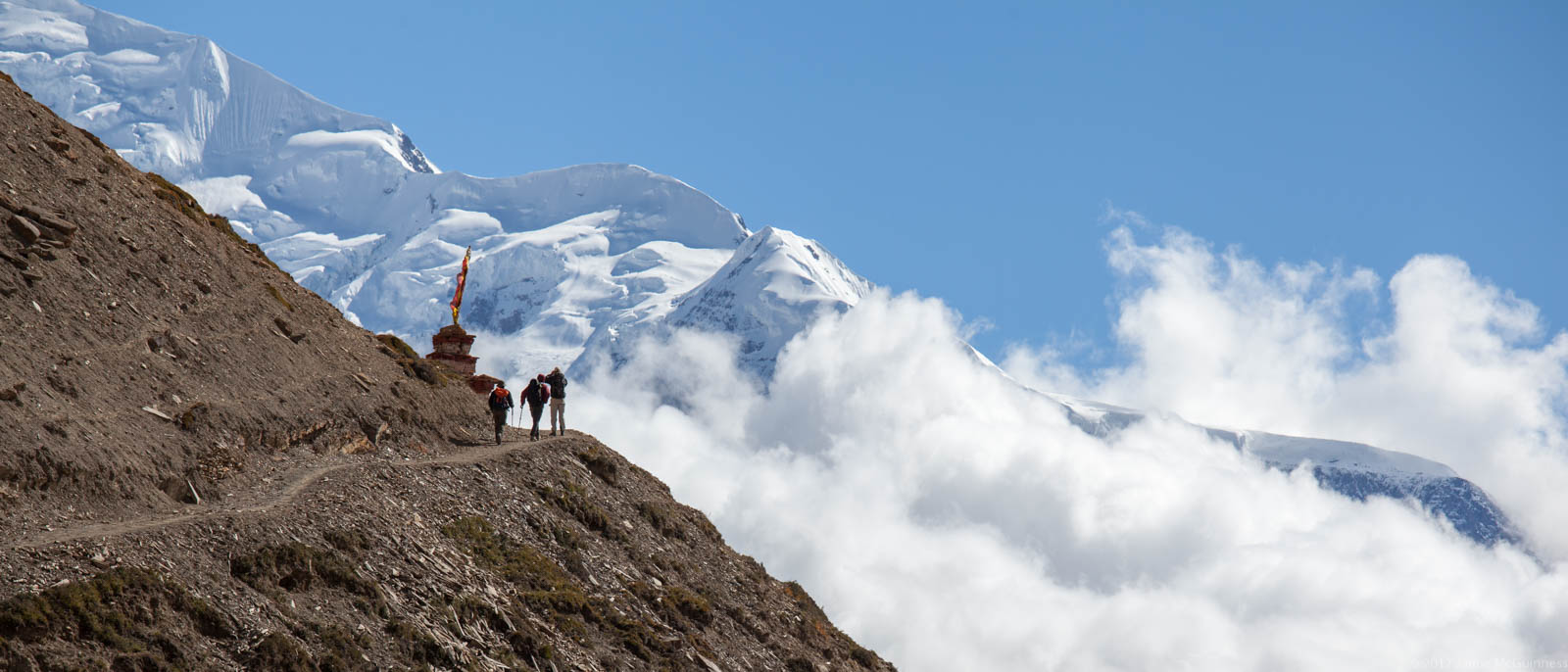
Altitude sickness becomes a risk above 3000 meters and can be serious or life-threatening. Acclimatize properly by ascending gradually, staying hydrated, and recognizing symptoms early. If symptoms worsen, descend immediately and seek medical attention.
Disease Prevention
- Mosquito-borne diseases including malaria, dengue fever, and Japanese encephalitis exist in Nepal, particularly in the Terai region. Use insect repellent, wear appropriate clothing, and consider prophylactic medications based on your itinerary and season of travel.
- Rabies is present in Nepal’s stray dog and monkey populations. Avoid contact with animals, and seek immediate medical attention if bitten or scratched. Pre-exposure vaccination may be recommended for certain travelers.
Food and Water Safety
- Drink only boiled, bottled, or properly treated water throughout Nepal. Avoid raw or undercooked food, street food from questionable vendors, and ice in drinks unless you’re confident about water quality.
Air Quality and Medical Facilities
- Kathmandu can experience significant air pollution, particularly during dry seasons. Carry a face mask if you have respiratory sensitivities.
- Medical facilities outside Kathmandu are limited, making comprehensive travel insurance essential. Ensure your policy covers emergency evacuation, as this may be necessary for serious medical issues.
Legal Considerations and Local Laws
Understanding Nepal’s legal framework helps ensure a trouble-free visit.
Prohibited Activities while Travel in Nepal
- Drug use and possession carry severe penalties in Nepal, including lengthy prison sentences and heavy fines. Marijuana, despite its traditional use in some contexts, is illegal under current laws.
- Avoid photographing military installations, personnel, or equipment. This can result in detention and confiscation of equipment.
- Religious conversion activities are illegal and can result in deportation. Respect existing religious practices without attempting to influence or change local beliefs.
LGBTQIA+ Travel in Nepal
Same-sex relations are legal in Nepal, and the country has made significant progress in LGBTQIA+ rights. However, public acceptance varies, and discretion is advised, particularly in rural areas and conservative communities.
Documentation Requirements
Dual nationality is not recognized in Nepal, so always travel with your primary national passport. Carry copies of important documents separately from originals, and consider digital backups stored securely online.
About the Nepal Travel
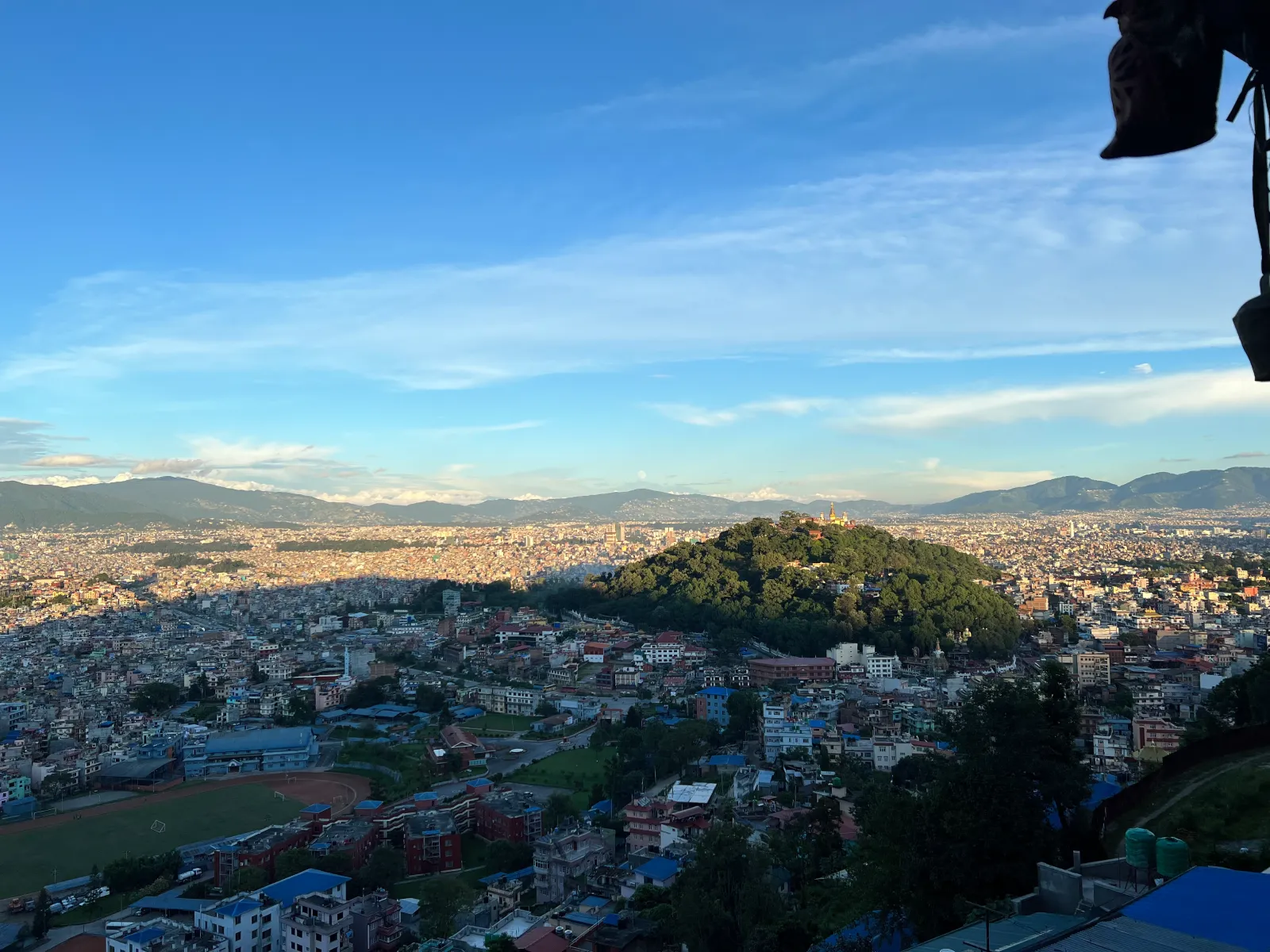
Travel to Nepal offers transformative experiences that extend far beyond typical tourism. The country is a combination of natural beauty, cultural richness, and spiritual depth which creates opportunities for personal growth and life-changing experiences.
There is a lot to explore, whether you’re sightseeing the valleys, watching sunrise over the Himalayas, standing at Everest Base Camp, exploring ancient temples in Kathmandu, or encountering wildlife in National Parks, Nepal provides moments that stay with you forever. The key to an Epic Nepal journey lies not just in the destinations you visit, but in embracing the spirit of adventure and cultural insight that makes this Himalayan kingdom truly special.
For those having limited time, it is difficult to cover every aspect of the journey without proper planning. That is why Epic Trek Nepal operates dedicatedly to provide authentic Himalayan experiences, valuing your time and budget for the visit. Our packages are planned to get the best possible experience in each step of the journey while respecting cultural norms, prioritizing safety, and remaining open to the unexpected experiences that make Nepal travel so remarkable. Remember the name, Epic Trek Nepal for making your story worth telling while in Himalayan travel.

Table of Contents
- Everything You Need to Know Before Travel in Nepal
- Getting to Nepal
- Nepal Visa Requirements
- Transportation Options during Nepal Travel
- When to Travel Nepal: Choosing the Perfect Season
- Top Trekking Routes :
- Classic Long-Distance Treks
- Nepal Travel - Beyond Trekking:
- Wildlife and Nature Adventures
- Adventure Sports and Activities
- Wellness and Spirituality
- Planning Your Nepal Travel
- Choosing the Right Tour Operator for Nepal Travel
- Cultural Etiquette: Respecting Nepal's Traditions
- Safety and Security in Nepal Travel
- Political and Social Awareness
- Health Considerations for Nepal Travel
- Legal Considerations and Local Laws
- About the Nepal Travel