




Traditional Nepali Food Every Trekker Should Experience
09 January 2026
By admin
Introduction: Food on the Trail
Let’s be honest, trekking food in Nepal is not very fancy at all. You will not see stylish plates or long lists of fancy menus in the mountain regions. But what will impress you is that your food is fresh, warm, very filling, and something that seems to have been made from the heart.
When the day is long with cold air and your legs are tired from hiking, the experience of sitting in a small tea house with hot food chatting with fellow trekkers and local families is a different feeling. Surrounded by big mountains and peaceful villages, meals become much more than just eating.
In fact, the food during the trek may not be completely perfect. It might be slightly salty sometimes, and some other times it might be very bland and plain. It is just because of this simplicity that mountain food is remembered for years together after the trek is completed. Even years after the trek, the simple food that is eaten in the mountains is still remembered by trekkers.
Dal Bhat – The Real Trekker’s Fuel
If there is one dish that you are sure to find on all the trekking trails in Nepal, that is dal bhat. Whether you are in high mountains or low villages, you can be sure that you are going to find dal bhat on the menu. It is quite basic and simple food with a plate of rice, lentil soup, seasonal vegetable curry, and perhaps a spoonful of spicy pickle.
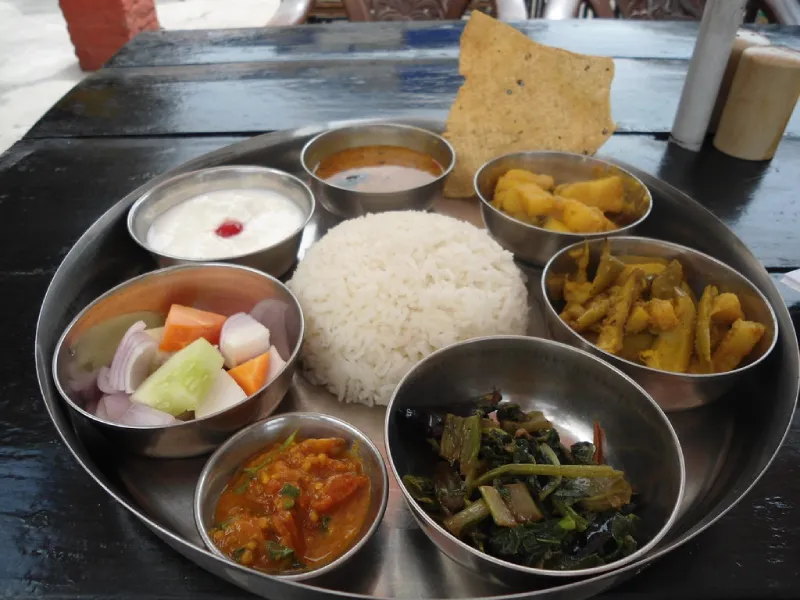
You might have heard the famous word “Dal Bhat Power, 24 Hour”, which makes perfect sense after a few days on the trail. The dal bhat provides long-lasting energy, which helps trekking while travelling on long journeys. The rice satisfies the hunger, the dal provides the power, and the veggies are what help the body perform. And that is the reason why guides and porters have it for lunch and dinner without ever getting bored of it.
Thukpa – Warm Noodles for Cold Evenings
When the trek ascends further, and the air begins to get even colder, that’s where thukpa becomes a lifesaver. Thukpa is a simple dish that consists of noodles and is prepared with several veggies and maybe eggs or a small amount of meat. After a long day of trekking in cold temperature, the body doesn’t crave heavy food, all it needs is something warm. That’s how having hot thukpa in the higher altitude feels like comfort in a plate.
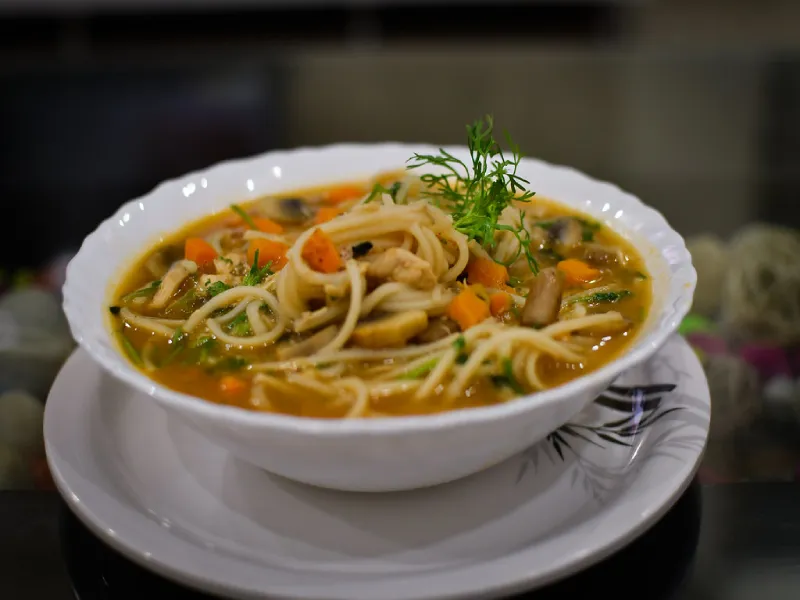
This dish has a warm, liquid component that is easy to digest, even if one is not that hungry. Trekkers often go for the thukpa dish in the evening because this dish helps to warm the body from the inside out and is not that heavy either before dozing off to sleep.
Arriving at the lodge late in the afternoon, with cold hands and tired legs, sitting by the kitchen fire with a bowl of thukpa is nothing short of a relief. The steam, warmth, and stillness of the mountain evening make it all more delicious. It may seem very basic, but thukpa is definitely what you were missing all along.
Sherpa Stew and Local Mountain Curries
In high-altitude villages, you might see some basic mountain stew and curry being made in village kitchens. Not really restaurant food, simply ordinary cooking made with whatever vegetables happen to grow well at higher elevations. Maybe some potatoes and cabbage and spinach and even some beans, cooked with local spices. Simple, yes, but honest food nonetheless.
Sherpa stew and local curries may not appear to be a visually appealing meal. No colorful dishes, no fancy preparation. But after a day of trekking, a bowl of hot stew goes down well. The potatoes help to fill one up, and the green vegetables feel healthy with little flavor in the stew, but the spices are mild enough for one to handle.
A lot of the joy of this food has to do with the ingredients, certainly, but the context as well. You are tired, slightly chilly, and seated in a cabin while admiring mountains that stretch out beyond your window. It is easier to enjoy your meal when you are hungry, and the silent atmosphere of the hills brings its own bit of flavor to the dish.
Tibetan Bread and Chapati
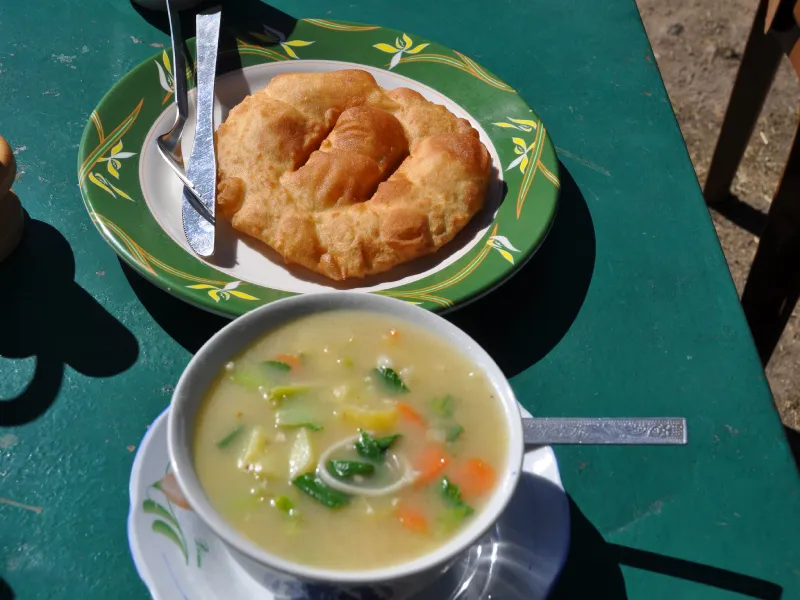
Breakfasts during a trekking adventure tend to remain basic; however, the concept of Tibetan bread and chapatis seems to be even more comforting. The freshly made bread, which requires the use of fire at an early morning time when the mountains are still asleep, is all the more appetizing. The Tibetan bread is soft with a touch of oil, but the chapatis are dry and lighter. They are hot, fresh from the pan. Having it with honey or jam is quite normal, or maybe egg curry if you are hungry enough. It’s not a fancy breakfast, but it’s home in the hills.
Momo in the Mountains
Even in treks that take place in very remote regions, you will be pleasantly surprised to discover momo on the menu. After having simple meals for so many days, seeing ‘Momo’ appear on a menu board at a teahouse feels very special. Most of the time the momo are made of veg or buffalo because chicken is not easy to find at higher altitudes.
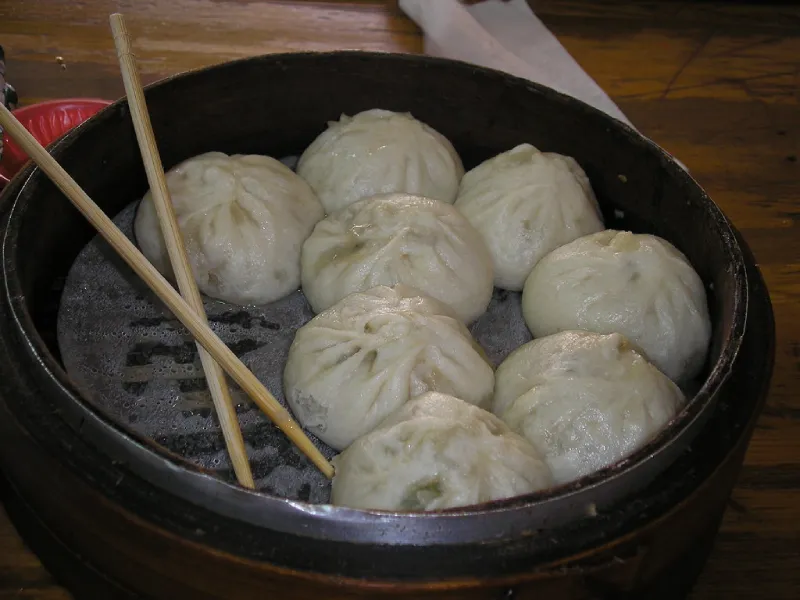
It is different from the momo that you will find in city restaurants. The momo are made by hand, a bit lumpy, and take time to prepare. Sometimes you will end up waiting longer, but once they are brought to you, they are hot and filling. The taste is basic, yet it does not matter, considering that you are hungry after a long walk.
All trekkers end up having momo at least once during their journey. It is some kind of reward after such an exhausting day. Sharing momo seated among your friends at some mountain lodge can be some kind of special treat. Momo may not always be perfect, but when one is trekking, momo is a different experience.
Gundruk and Local Pickles – Taste of Rural Nepal
If you want to taste the real and authentic flavor of Nepal, you should try gundruk and village pickle or achar. Gundruk is basically fermented vegetables, like spinach, mustard leaves, or radish leaves. Gundruk is very acidic, with hints of tanginess and a completely different taste than trekkers are used to back home.
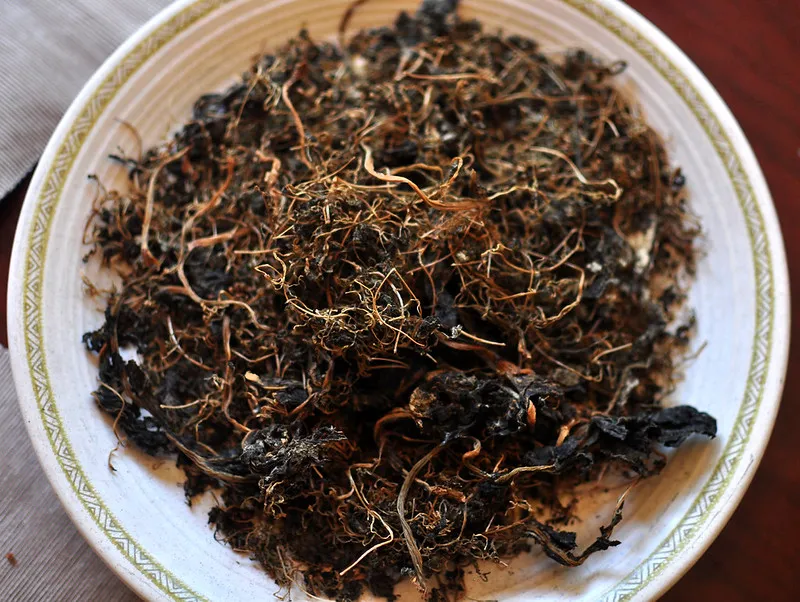
The local pickles give a spicy and salty touch to the meal. These pickle items are often served as a side dish with dal bhat or vegetables. Some people instantly love the flavor but others need some time to adjust to the new strong flavor. But once you started to enjoy them, they become of the most memorable taste of your trek.
Gundruk and achar are not all about the taste. It reveals how the people of the mountains preserve their food for the winter months and how something so simple can be made into something so appetizing. It is a small, yet genuine taste of rural Nepal, difficult to forget even after long days on the trail.
Final Thoughts
Trekking food in Nepal might not be very luxurious or fancy, but it is something that becomes an integral part of the entire experience of trekking in Nepal. The food is very basic and at some points plain and a little spicy and salty, and that is why it is remembered for life. After lots of hiking, cold wind, and high altitude, even basic “dal bhat” or “thukpa” or “fresh bread” feels special.
What you eat on the trail is more than just putting food in your stomach. It energizes your body, satisfies your hunger, and becomes part of the your core memories from the mountains. Simple food, yes, but the memory stays strong, and somehow, it tastes even better in your mind than it did on the plate.
You must also try these foods on your trek. It’s not only about food, but it gives you a proper, real taste of Nepal, along with the warmth in the mountains with each and every bite.
