




Pikey Peak in Spring
24 December 2025
By admin
Nepal is renowned for its Himalayas, culture, and trekking trails. However, when it comes to trekking trails, Pikey Peak is one trek that is considered a “hidden gem of Nepal”, especially during the spring season. Many trekkers usually choose Everest Base Camp, the Annapurna Circuit, or the Langtang trek, but Pikey Peak in spring is an altogether different experience that provides the best view of the Himalayas, culture and colorful natural scenery, all in a relatively short and easy trek.
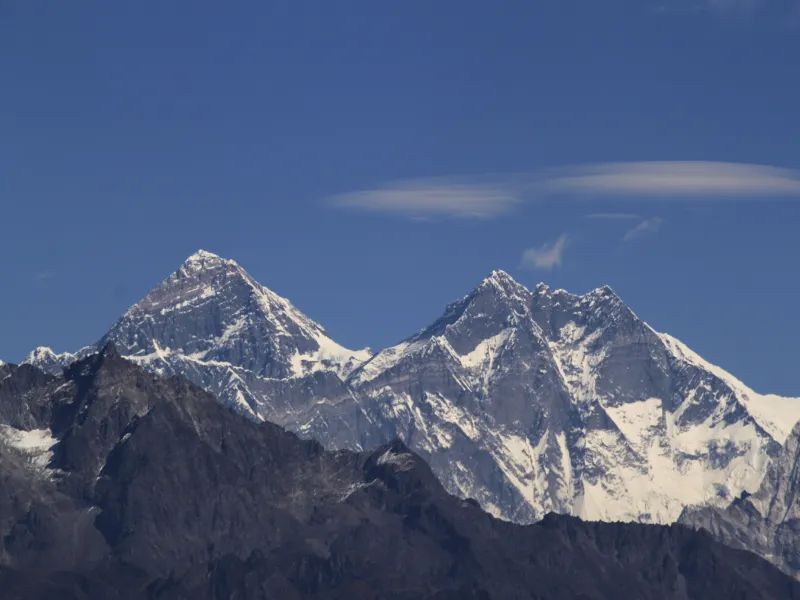
The Pikey Peak, which stands at 4,065 meters (13,300 ft), is located in the lower Solukhumbu region, found in the eastern part of Nepal. From the summit, trekkers will have the opportunity to see one of the greatest mountain range views, which includes Mount Everest and Mount Kanchenjunga among other snow-capped peaks.
Unlike the busy trail of Everest Base Camp, the Pikey Peak Trek has fewer trekkers, which means it provides a more genuine experience of the villages, forests, and trails that lie along the route. This particular trek takes about 6-7 days, which provides an opportune time for trekkers to view the summit peaks without the need for extensive training.
Why Spring Is the Best Season
Spring, from March to May, is widely regarded as the best time to do the Pikey Peak Trek.
Here’s why:
Blooming Rhododendrons and Flowers
Pikey Peak in Spring transforms the forest and trails into colorful and vibrant atmosphere. The rhododendron trees, which are known as the national flower of Nepal, bloom in different colors like red, pink, white, and purple creating a magical experience and while walking through the forests, and the fragrance of fresh flower in the mornings adds a distinct charm to the trek.
Clear Skies and Panoramic Views
Compared to the monsoon season or the winters, the spring season generally has blue skies, which makes it easy for trekkers to witness Himalayan ranges, including Everest, Lhotse, Makalu, and Kanchenjunga. The white peaks against the blue sky are perfect for taking photos, and the early morning sunrise view makes the peaks more magical.
Comfortable Weather
The temperatures in Spring are moderate, not too hot and not too cold. During the daytime, it is easy to trek, and it only requires light clothing. The night is quite cold, but it is manageable with warm clothes. Unlike winter, you don’t have to worry about snow or icy paths. Similarly, spring has less rain compared to monsoon, so the paths will be safer and less muddy.
Birds and Wildlife
It is also a good time for spotting wildlife animals and bird during this time of the year. In spring, the migratory birds come back, and you can see the colorful birds flying around. Monkeys, Himalayan rabbits, and even musk deer can often be seen on the trail, making the hike an interesting experience for nature lovers.
Highlight Along the Trek
- Dhap Village—The Starting Point: Treks usually begin in the village of Dhap, a village that can be reached by jeep or local transport from Kathmandu. Dhap is a village that is serene and peaceful, and its atmosphere is free from the noises that is usually created by human activity. In this village, you have an opportunity to experience the Sherpa culture, interact with locals and get ready for your journey.
- Rhododendron Forests: As you begin to climb, you walk through dense rhododendron forests. The surroundings are filled with colorful flower like pink, red, and white in spring, which makes trekking more pleasing as you walk.
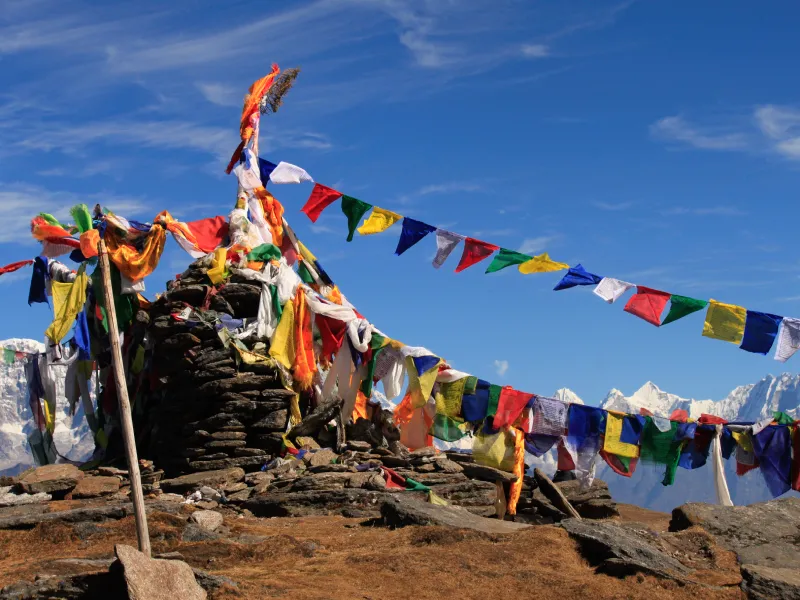
- Traditional Sherpa Villages: Interacting with Sherpa culture is one of the most fun and exciting aspects of the Pikey Peak Trek. Villages like Chusang, Taksindu, and Maibang can be seen along the route that gives you the opportunity to discover monasteries, prayer flags, and culture. You can experience fresh local food, witness their unique way of living life and feel the warm hospitality of the Sherpas.
- Peaceful Trails: Unlike other trekking trails, the trails that one has to follow for the Pikey Peak offer a relatively peaceful experience. You can enjoy nature and the views without many people disturbing your experience. Therefore, this is a good trek for people who want to explore the Himalayan ranges alone.
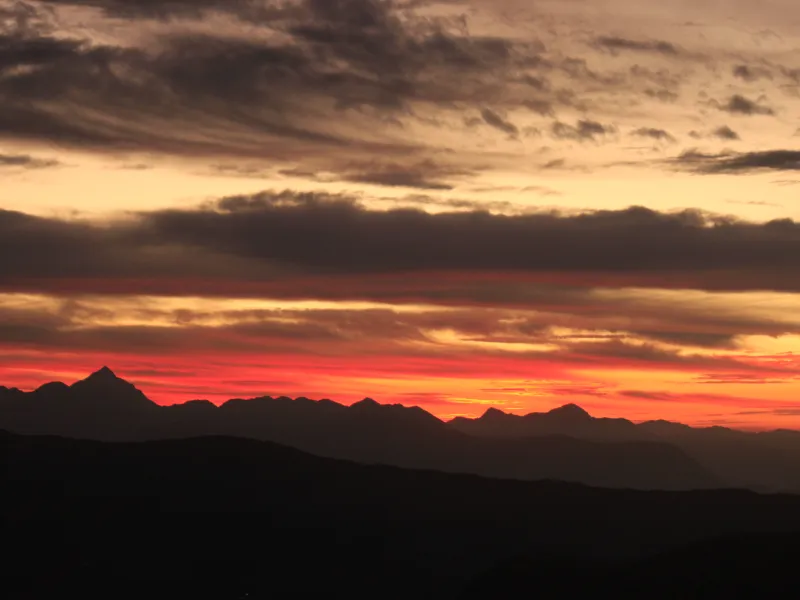
- Panoramic Himalayan views: The summit point of Pikey Peak in Spring offers the most thrilling experiences in this entire trek. From there, you can see Mount Everest, Makalu, Lhotse, Cho Oyu, Ama Dablam, and most peaks of the Himalayas at a single glance. The sunrise from Pikey Peak is nothing short of magic as the first ray of sunlight touches the snow-capped peaks, it turns the mountains gold and red.
Trek Difficulty and Duration
The Pikey Peak Trek can be classified as a moderate trek and can easily be done by beginners or experienced trekkers seeking the view of Everest without the heavy crowd.
- Duration: 6-8 days depending upon your pace and the point you are starting and ending your journey
- Max Elevation: 4,065 meters / 13,330 feet – Pikey Peak summit
- Trail Conditions: Well-marked trails, some steep sections, primarily dirt trails and village stone stairways.
Even if you are not an experienced trekker, this route is manageable with good preparation, slow pacing and basic accommodation. As the weather in spring is mild, the possibility of facing problems related to altitude sickness is less but still, you need to be extra careful.
Why Is Pikey Peak in Spring Good for Photography?
Spring provides perfect conditions with visually appealing scenes of nature and mountains. The forests are full of rhododendrons, green terraced fields, and crystal-clear mountain range, which are some of the view you can capture during the spring season. Sunrise or sunset at Pikey Peak offers golden lighting on the snow-capped peak. There is also potential to capture wildlife and village life. Trekking in spring guarantees you get the best clicks of the Himalayas, which are at their best.
Cultural Experience
The Pikey Peak offers far more than just a mountain trek; it offers an insight into the real Sherpa culture. Spring is the best season to explore this place because villagers are active in their field, planting crops and cleaning up the area and getting ready for upcoming festivals, offering a lively and colorful experience.
- Visit small monasteries where the monks perform daily rituals.
- View prayer flags fluttering in the wind, a symbol of peace as well as spirituality.
- Try local dishes such as “dal bhat” (rice and lentils) or “momo” (a type of dumpling).
- Engage with the villagers and know about their methods of agriculture, handicrafts, and lifestyle.
Conclusion
Pikey Peak in spring is the best offering the blend of nature, culture and adventure at their best form. Spring is the best season in Nepal to see he landscape transformed with colorful flowers of rhododendron in full bloom. Additionally, the climate is also relatively warm compared to the other season, and there will be fewer crowds compared to Everest Base Camp or Annapurna.
If you are looking for a Himalayan experience that shines in all its color, then a spring adventure in Pikey Peak is your answer. Whether it is a colorful flower, stunning mountains, a peaceful trails or an immersion in culture and history. Peaky Peak offers a complete package. Now, are you ready for your adventure? Get your luggage packed and your hiking boots on.
