




Pikey Peak Trek: Short and Affordable Trek in Everest Region
26 October 2025
By admin
Introduction
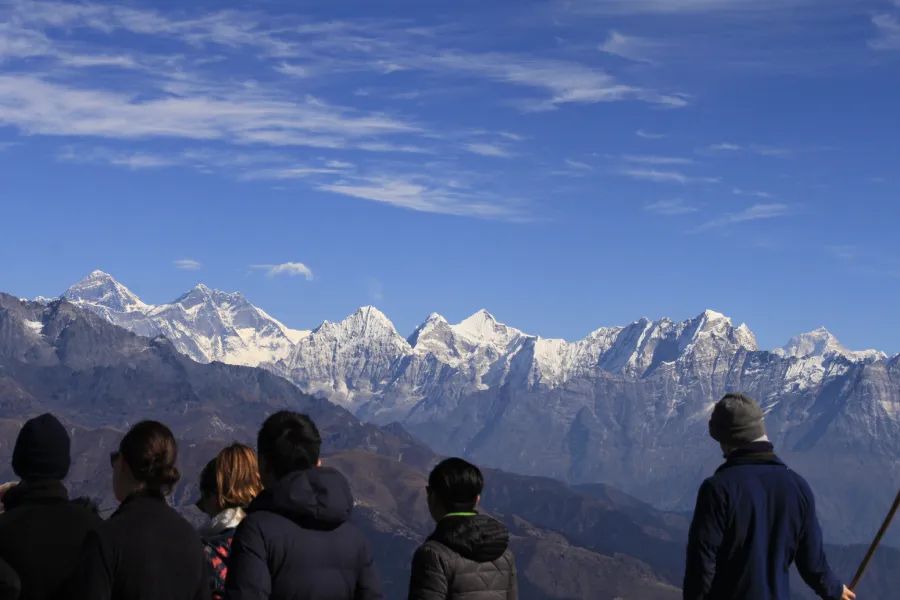
The Pikey Peak Trek, located in Nepal’s lower Everest Region at an elevation of 4065 meters (13,333 feet), is an exciting short trekking route that is famously recommended by Sir Edmund Hillary. This trek is known for its stunning and breathtaking views of Mount Everest (8,848 m / 29,029 ft), Lhotse (8,516 m / 27,940 ft), Kanchenjunga (8,586 m / 28,169 ft), etc.
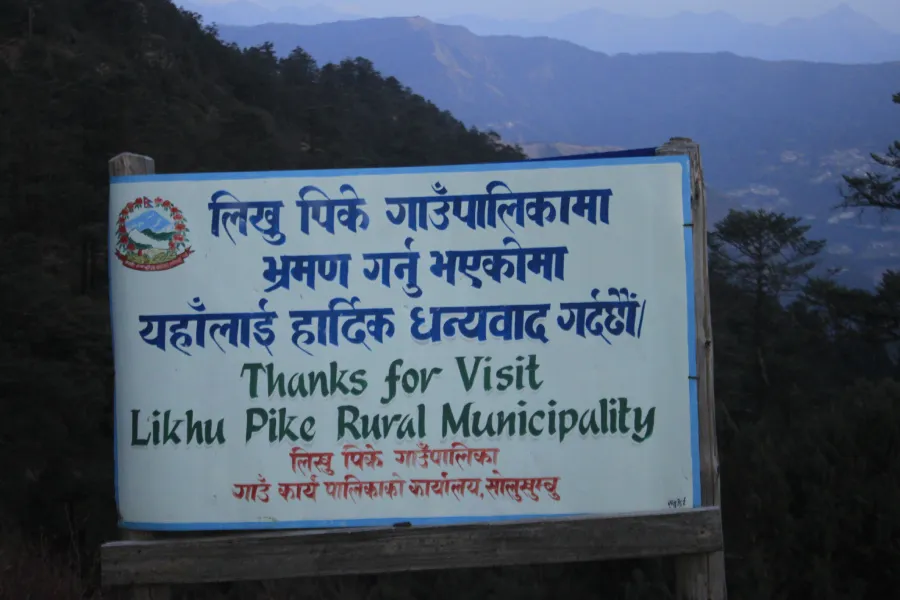
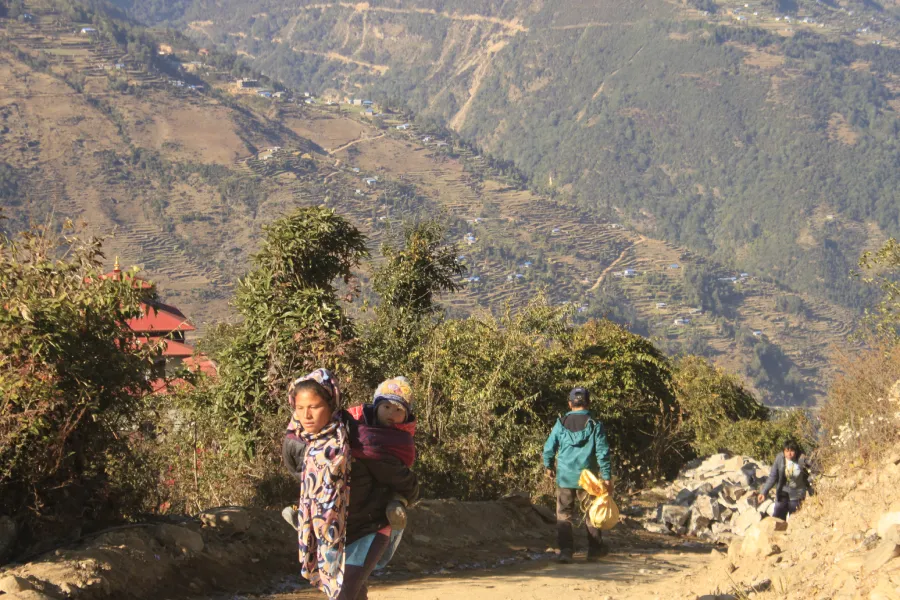
This moderate trekking route in Nepal travels through terraced fields, green hills, and stunning mountains. You’ll walk through Sherpa villages, hundreds of year old architectures, and lush green forest surrounded by vibrant rhododendrons. Pikey Peak also provides stunning views of new peaks similar as Mt. Everest( 8,848 m), Kanchenjunga (8,586 m), Nuptse( 7,861 m), Pumori( 7,161 m), and Kangtega( 6,782 m), giving trekkers an unforgettable moment that will be remembered throughout their life.
Highlight of the Trek:
The Pikey Peak Trek is ideal for trekkers who are looking to experience the ideal perfect of adventure, culture, and nature in their entire trip. It’s a calm and quiet experience with mountain views (like Mount Everest, Kanchenjunga, and other lower peaks) that offers a peaceful and quiet experience along with old Sherpa village who have lived in these mountains for centuries. You can even walk at your own pace while appreciating the beauty because the trail is less crowded than other popular tourist routes.
Also, there are some stops at specific gompas and prayer walls that are truly important to the Sherpa people’s. This trip offers beautiful and artistic lookouts, as well as the occasion to support local communities and homestays, making your trip not only ideal for you but also significant for the locals. Each stage of the journey serves as a quiet homage to the Himalayas and peaceful mountain life that calls them home. Experience like these make the journey more audacious and artistic, showing that traveling in Nepal is further than just mountains.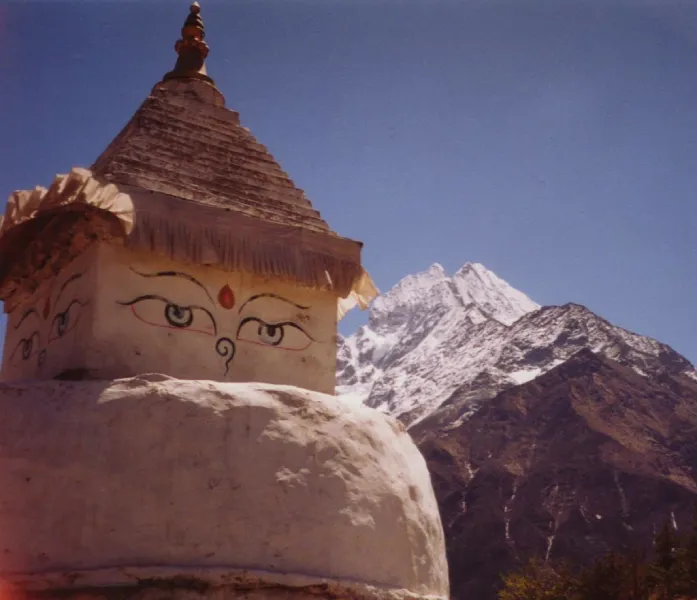
Another highlight of this journey is Thupten Chhoing Monastery, which is one of the important structure for the Sherpa people. Through prayer chanting and spinning wheels that have been preserved for generations, monks give trekkers a unique blessing into a sacred Himalayan life.
Cultural Experience During Pikey Peak Trek
Pikey Peak offers glimpse to the Sherpa people’s living legacy in addition to being a place with mountains, historic monasteries and architecture. As you travel through, you will come across different traditional villages where customs, faith and values are deeply rooted in their life style.
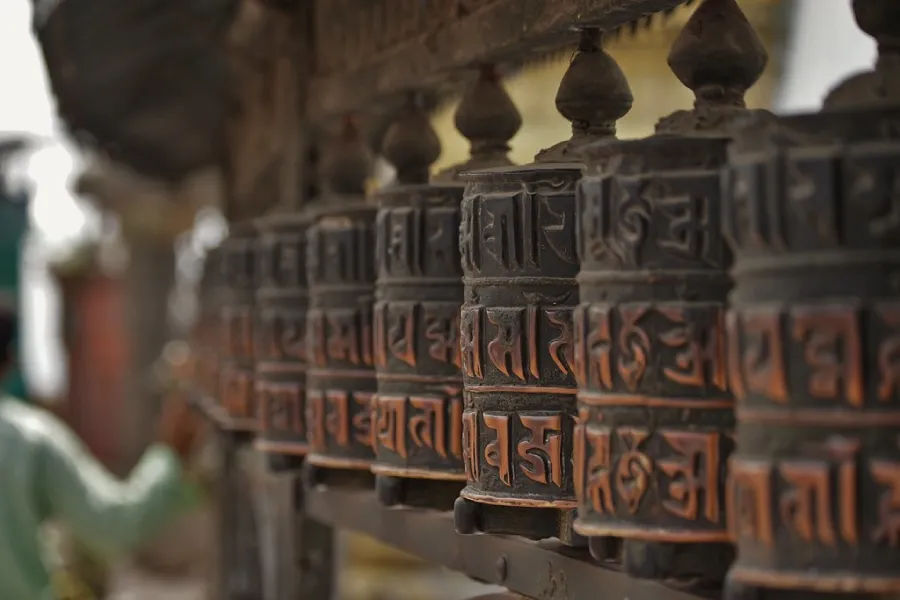
The Peaky Peak area is a home to Sherpa people, who are famed for their spiritual customs, warm hospitality and strong bond and respect towards mountains. Along the journey you can witness their culture and traditions, mostly inspired by the Buddhist religion that have been carried through generations and shaped their identity. You’ll also have the occasion to stay in traditional tea houses, talk with original Sherpa people, and discover further more about their life, history, and culture.
Why Pikey Peak Trek is the Best Choice?
Pikey Peak is frequently considered as one of the most welcoming and fulfilling Himalayan trips, which blends stunning geographies, snow-limited mountains, a vibrant culture, and unique scene into this trip. It does not require lot of trekking experiences since the trail is moderate difficult and the hike offers a peaceful route through thick timbers and old Sherpa townlets, allowing you to fully appreciate the area’s natural beauty.
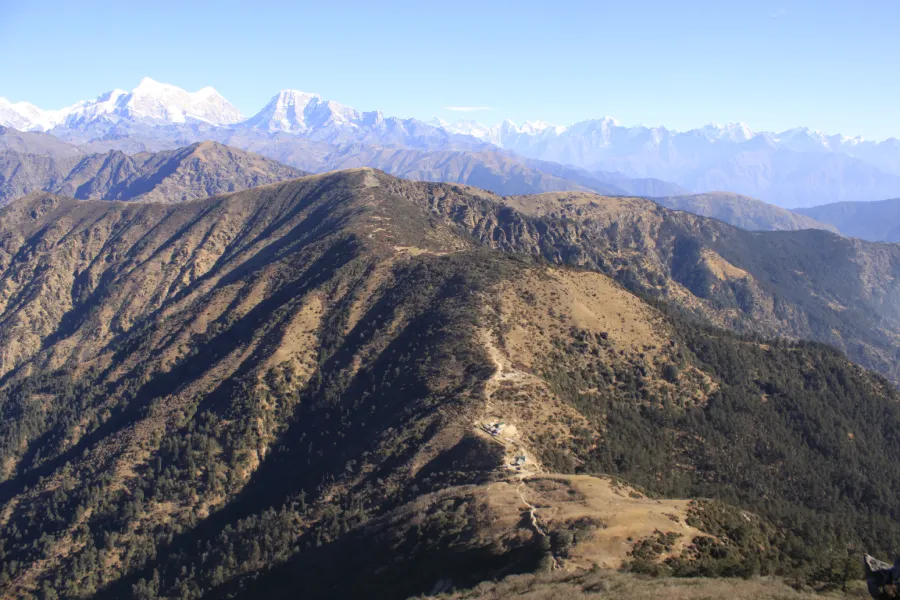
Another reason this trek it is a short journey which offers the glimpse of Mount Everest (8,848 m / 29,029 ft), Lhotse (8,516 m / 27,940 ft), Kanchenjunga (8,586 m / 28,169 ft) and other Himalayan peak with an affordable price range ideal for travelers who want to experience the breathtaking and stunning view of the mountains. It offers the ideal blend of availability and adventure, making it applicable for both beginners and experienced trekkers looking for a more condensed but still significant Himalayan adventure.
How Affordable and Accessible is the Pikey Peak Trek?
Pikey Peak is an excellent choice for trekkers seeking a remarkable Himalayan adventure at a more affordable cost compared to the popular trekking routes like Everest Base Camp. Most of the lodges and accommodations along the trail are run by Sherpa families, offering warm and comfortable homestays. There is no need to worry about luxury lodges, as the accommodation are nicely priced, comfortable and serve traditional Nepali and Tibetan food.
Because of the affordable lodging, indigenous cookery, easy transportation, and moderate hiking, Pikey Peak offers an affordable yet satisfying Himalayan experience. It’s ideal for people who wish to take in the magnificent views of Mount Everest and other Himalayan peaks without having to deal with the swarms of people or the high cost of further crowded touring routes.
There’s also accessible transportation to the trailhead. Both the domestic and foreign trekkers can fluently travel by taking a local bus or jeep from Kathmandu to Dhap or Phaplu.
Best Season for Pikey Peak Trek?
The Pikey Peak Trek can be enjoyed throughout the year, but each season offers a different experience.
Spring (March-May)
This journey is particularly popular during this time of year because of the beautiful scenery created by the rhododendron, making the trip visually appealing, and the stunning mountain views, clear skies, and affable rainfall make this place ideal for photography and disquisition.
Autumn (September-November)
Autumn is regarded as the stylish season for touring in Nepal. The weather is stable, and the terrain is warm with clear skies. Thus, it’s considered the stylish season of the year for Pikey Peak Trek.
Winter ( December-February)
Winter brings a colder climate, particularly during the early morning, but it provides favorable conditions to reach and witness snow-limited mountains and geographies while enjoying snow views around Pikey Peak.
Monsoon ( June-August)
Monsoon is the least recommended season for trekking due to heavy rainfall, muddy trails, and mountains frequently covered by fog. Still, this season also offers inversely competitive quests for those seeking adventure and artistic absorption.
Accommodation & Food
During the Pikey Peak Trek your nights will be spent in local teahouses and homestays, where you’ll be offered traditional foods, warm robes, and the kind smiles of the Sherpa hosts. These lodgings offer more than just a place to sleep; they give a glimpse into the customs and warmth of the Himalayan communities, which have been passed down for generations.
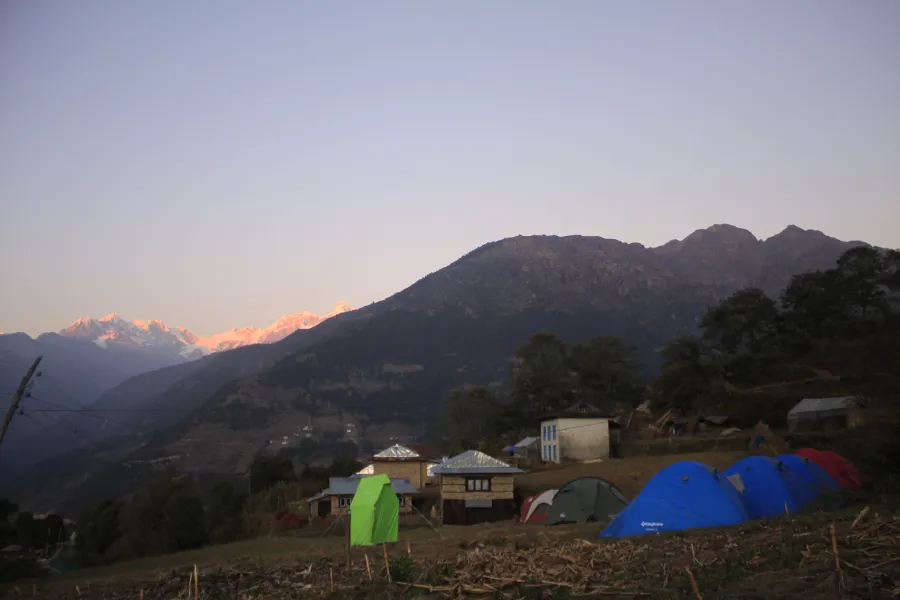
The Food along the trail is also a special experience. You will be served with traditional foods (like momos, Sherpa stew, dal bhat, and lately prepared Tibetan chuck). After a long rewarding day of hiking, relax with fellow trekkers in the cozy tea houses while exchanging experiences and stories.
How Difficulty is Pikey Peak?
The Pikey Peak Trek is primarily a moderate trip that is suitable for both newcomers and endured individual looking for a short adventure, but it does bear a certain position of physical fitness. The Pikey Peak Trek generally covers 50 – 60 kilometers. This suggests that trekkers must be able to walk 8 – 10 km each day for an total of 7 – 8 days.
Trekkers generally walk for five to seven hours each day, travelling through steep climbs, timbers, and rocky paths. Though the altitude is moderate, some people may witness mild symptoms of altitude sickness or breathing problems, so it’s important to acclimate and walk at a natural pace.
Itinerary of Pikey Peak Trek
Day 1: Arrival in Kathmandu
Our representative will welcome you upon your arrival at Kathmandu’s Tribhuvan International Airport. Also, you’ll be taken to your hostel to rest and get ready for your trip. To find out further about the Pikey Peak Trek journal and to ask any questions you may have, please stop by our office.
Day 2: Sightseeing and trek preparation in Kathmandu
After breakfast, enjoy a day of sightseeing around Kathmandu’s famous UNESCO World Heritage Sites. Visit iconic places like Swayambhunath (Monkey Temple), Durbar Square, Boudhanath Stupa, and Pashupatinath Temple. In the afternoon, you will have time to relax and prepare for your upcoming trek.
Day 3: Drive from Kathmandu to Dhap
Your trek starts with a scenic drive from Kathmandu to Dhap. Upon arrival, check into your accommodation and spend the rest of the day relaxing. Overnight stay at Dhap.
Day 4: Trek from Dhap to Jhapre
The trip from Dhap to Jhapre is a gentle rise with stunning views of the mountains. Jhapre is well-known for its unique cultural heritage, which makes it the ideal position to take some pictures.
Day 5: Jhapre to Pikey Base Camp
You’ll be rewarded with magnificent views of the high peaks of the Himalayas, including Mount Everest, Lhotse, Makalu, Kanchenjunga, and Cho Oyu, and others after trekking uphill to Pikey Base Camp. As you travel, you’ll pass through lush forests, traditional Sherpa villages, and vibrant rhododendron groves. The views of the surrounding snow-capped peaks and the serene landscape make the trip a truly unforgettable day on the trail.
Day 6: Reach Pikey Peak and journey down to Junbesi
On this day, you’ll start early to reach Pikey Peak in time for a breathtaking sunrise. As the sun rises, you’ll be rewarded with views of the majestic Mt. Everest (8848) and a panoramic view of the Himalayan range, including Thamserku, Lhotse, Makalu, Annapurna, Manaslu, Kanchenjunga, and Dhaulagiri. After spending some time at the summit, you will descend back to Base Camp and then trek to Junbesi for an overnight stay.
Day 7: Trek from Junbesi to Thuptencholing ( 3,000 m), Return to Junbesi
You can get the glimpse into the Sherpa people’s traditional culture and spiritual practices by visiting Thuptencholing Monastery. Enjoy the serene surroundings and beautiful views of the mountains, and return to Junbesi for a cozy late stay after taking in the experience.
Day 8: Trek from Junbesi to Phaplu
Enjoy an easy and gradual journey down to Phaplu( approx. 4- 5 hours). The journey follows the fine Pikey Peak touring trail alongside the Junbesi Khola. After breakfast, you’ll cross a sword suspense ground before reaching Beni Ghat. The route continues through fascinating Sherpa townlets, terraced fields, and thick timbers, with each turn offering more picture-perfect moments of the girding geographies. Once you arrive in Phaplu, you’ll have the occasion to share in a traditional Sherpa artistic event while enjoying original food and drink, celebrating the end of your journey.
Day 9: Drive from Phaplu to Kathmandu
You’ll leave Phaplu, at around 5:00 AM, and travel back to Kathmandu by private jeep or local bus. You’ll arrive in Kathmandu after eight or nine hours of scenic driving. Upon arrival, you will be transferred to your hotel to rest. The rest of the day is free for relaxation. In the evening, the company will host a farewell party to celebrate the successful completion of your Pikey Peak Trek.
Day 10: Departure
One of our team members will drive you to the airport for your flight home.
What to Pack for Pikey Peak Trek:

Backpack:
- Comfortable backpack with adjustable straps (40-70 liters).
Footwear:
- Hiking thrills with ankle support.
- Featherlight camp shoes or tennis shoes for relaxing.
Clothing:
- long-sleeve and short-sleeve.
- Separating layers Heavy coat or down jacket.
- Waterproof shell with a hood.
- Featherlight windbreaker.
- Waterproof pants.
- Comfortable hiking shorts.
- Multiple pairs of moisture-wicking hiking socks (7 pairs).
Accessories:
- Touring poles (collapsible for stability).
- Featherlight headlamp or flashlight with redundant batteries.
- Durable water bottles (2 liters).
- Gloves (light inner gloves and insulated wool or down mittens/gloves).
- UV-protective sunglasses.
- Broad-brimmed hat for sun protection.
- Wool hat for colder weather.
Sun Protection:
- Sunscreen
Navigation and Communication:
- Trekking map or guidebook.
- Mobile phone with a local SIM card and emergency contact numbers.
Emergency Item:
- Medicine kit.
- Feather emergency shelter or space blanket.
- Plastic tape for quick gear repairs.
- Plastic bags for organizing and protecting items.
Conclusion
Pikey Peak is a journey you will remember even after you have returned home. Reaching a viewpoint or crossing a place off a list is not the only thing. It’s about peaceful mountain mornings, prayer flags flopping in the wind, travelling through jungles, acquiring knowledge and the sensation of covering terrain told by time, culture, and religion.
If you dream of witnessing the stunning and breathtaking views of Mt. Everest along with other panoramic Himalayas without the high cost or high level of experience, the Peaky Peak Trek is perfect; it’s short, moderately difficult, affordable and combines culture, nature, and authentic mountain life.

Table of Contents
- Introduction
- Highlight of the Trek:
- Cultural Experience During Pikey Peak Trek
- Why Pikey Peak Trek is the Best Choice?
- How Affordable and Accessible is the Pikey Peak Trek?
- Best Season for Pikey Peak Trek?
- Accommodation & Food
- How Difficulty is Pikey Peak?
- Itinerary of Pikey Peak Trek
- What to Pack for Pikey Peak Trek:
- Conclusion