




The Unique Culture and Traditions of the Sherpa People
17 October 2025
By admin
The Sherpa, who live beside the Himalayas, are a Tibetan ethnic group well-known for their rich culture, trekking history, bravery, and friendly hospitality. They mostly live in mountainous regions of Nepal (like Khumbu region, Solu region, Helambu region, and other areas). Their unique culture and tradition of Sherpa made their identity one of the most fascinating and captivating in the world.
By living in the Himalayan region, they have developed some of the unique lifestyles that work together with the cold environment. Most of the Sherpas are trekking guides in the Himalayan region and are known for their mountaineering skills and knowledge.
History and Origin of Sherpa
The word “Sherpa” comes from the Tibetan word called “Shar-wa“. They migrated from Eastern Tibet to Nepal more than 500 years ago. In Nepal they settled in the Solukhumbu near Mount Everestwhich helps them to become one of the the skilled mountain climbers in the world.
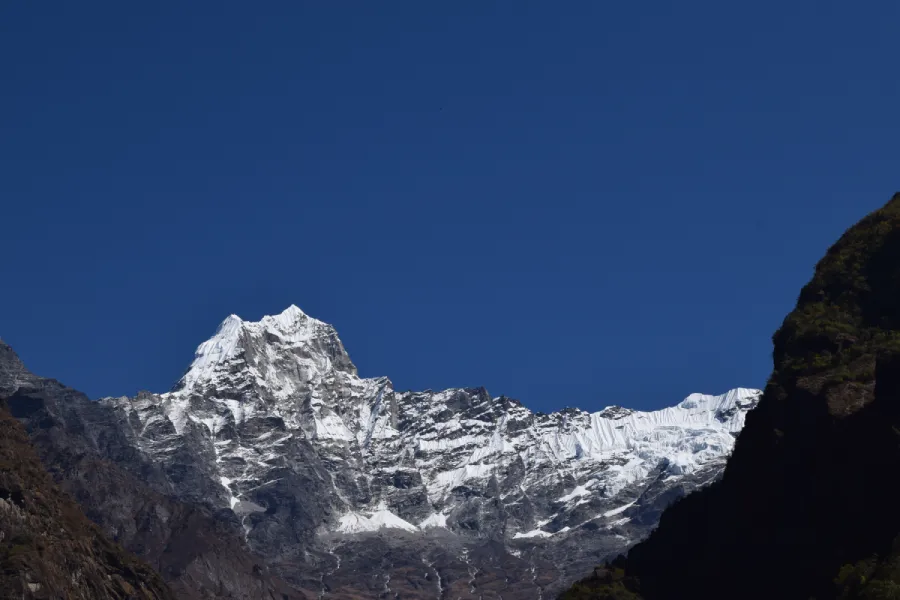
Their life changed with the introduction of mountain climbing and trekking in the early 1900s, when Tenzing Norgay became one of the first people to summit Mount Everest with Sir Edmund Hillary in 1953, demonstrating their bravery, skill and knowledge all over the world.
At first the Sherpas were farmers, herders and traders who travelled over high mountains to trade their grain, salt, and wool between Nepal and Tibet in exchange for some money. Their strong will to survive in high-altitude regions made them one of the skilled mountaineers, which brought them global recognition.
Despite modern influences, they have managed to preserve their culture, language, religion and tradition, including their traditional dress and spiritual practices in Buddhism.
Language and Religion
Most of the Sherpas use the Tibetan language “Sherpa ke,” which belongs to the Tibetan family. It is primarily spoken in the Solukhumbu and Dolakha areas of Nepal, but many of them speak Nepali to communicate with local people and English to communicate with tourists, especially those who are in the tourism industry.
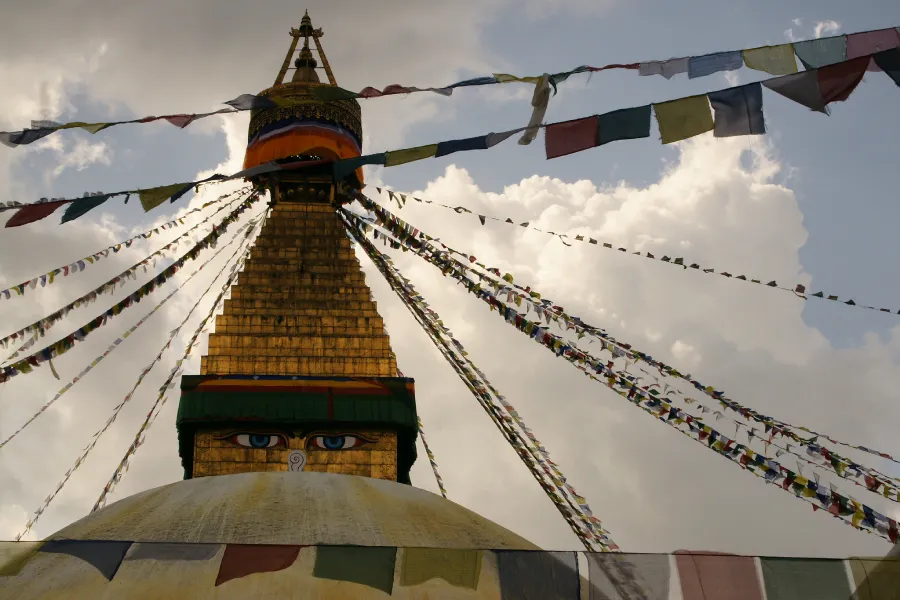
Many of the Sherpas follow the Buddhist religion influenced by Tibetan Buddhism, which plays a key role in representing their culture, values, and way of living. To represent peace, energy and spiritual protection, their villages are decorated with colorful prayer flags, stupas, and mani walls. In addition, they treat Mount Everest as a god and respect it as the “Mother of the World,” which brings peace and harmony to the world.
Cultural Significance of Sherpa Festivals
The Sherpa festival not only represents a celebration but also an expression of faith, gratitude, and strength among the community. They have unique festivals that play an important role in their culture, which is based on Buddhism, and each festival is celebrated with families and local people with the purpose of expressing their respect for nature and ancestors.
Mani Rumdu Festival
What it is: Mani Rumdi festival is one of the most sacred and important festival among Himalayan people, celebrated in various monasteries such as Thame, Chiwong and Tengboche.
Why it is celebrated: It is celebrated to welcome the arrival of Buddhism into the Himalayas from Guru Rinpoche.
When it is celebrated: It is either celebrated in October or November after the autumn.
How it is celebrated: The monk perform masked dances, which represent defeat of evil against good, and villager will come to receive blessing from the head lamas.
Dumje Festival
What it is : The Dumje Festival is another festival celebrated with local community that promotes peace and harmony and an opportunity to ask for or grant forgiveness among local people.
Why it is celebrated: It is celebrated to honor Guru Rinpoche who brought Buddhism into their culture and is thought to protect the land and people’s safety.
When it is celebrated: It is celebrated either in February or March, depending on lunar calendar.
How it is celebrated: The locals celebrated this festival with ritual dancing, singing, and eating. The villagers also give food and butter lamps to monastery.
Loshar Festival Sherpa New year
What it is : Loshar festival is Sherpa’s New year, where they celebrate it to mark the start of a new lunar year and a fresh start.
Why it is celebrated: The Loshar Festival is celebrated by Tibetan ethic group for ancestor remembrance and in the hope for blessing and request for upcoming year.
When it is celebrated: Loshar Festival is usually celebrated in February ,thought the exact date depend upon the lunar calendar.
Traditional Dress and Food of the Sherpas
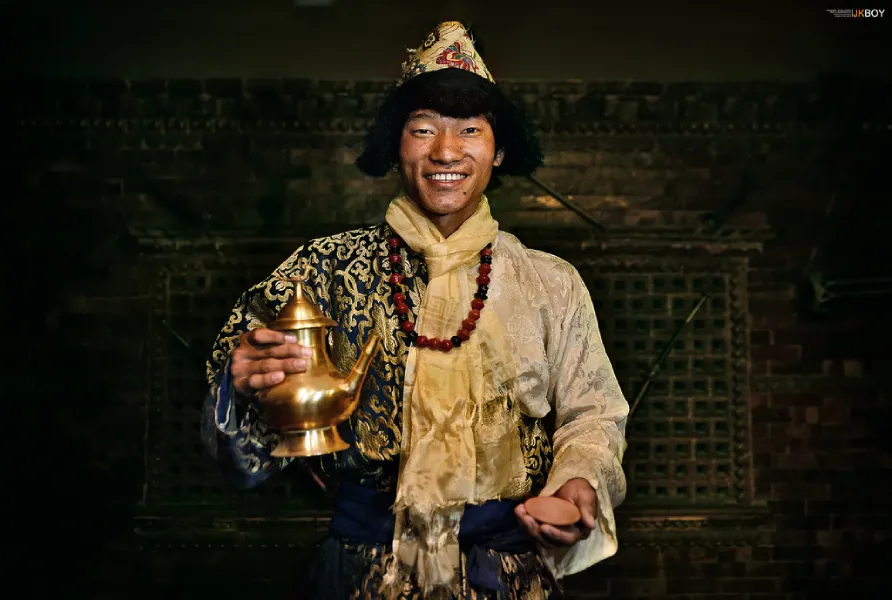
The traditional dress of Sherpas is similar to that of Tibetans, which reflects their mountain lifestyle. To stay warm in the Himalayan area or high-altitude area, men typically wear a chuba, a long-sleeved robe made of thick wool, and women traditionally wear a long-sleeved, floor-length dress made of thick wool called Tongkok, as well as Pangden, a colorfully striped apron called a chuba, which also represents that she is married.

Food plays an important role in their culture, which helped them to survive till this day in the cold mountain environment. The common foods in their culture are potatoes, barley, buckwheat, and yak products, which they eat on a regular basis, and some of the popular Sherpa foods include momo , thukpa, and tsampe. They also drink butter tea, which is made from yak butter with salt, to stay hydrated in high-altitude areas.
Guests are also served with warm food and tea, which is regarded as a sign of friendship and community. Together, the clothing and food, which have been passed down from generation to generation, represent the perfect balance between their tradition, practices, and culture.
Sherpa Lifestyle and Occupation
The Sherpa way of living shows how people can live in peace and harmony with the mountains. The people living in the high-altitude villages of the Himalayas have developed a simple yet incredible meaningful way of life that is shaped by nature, religion, and community.
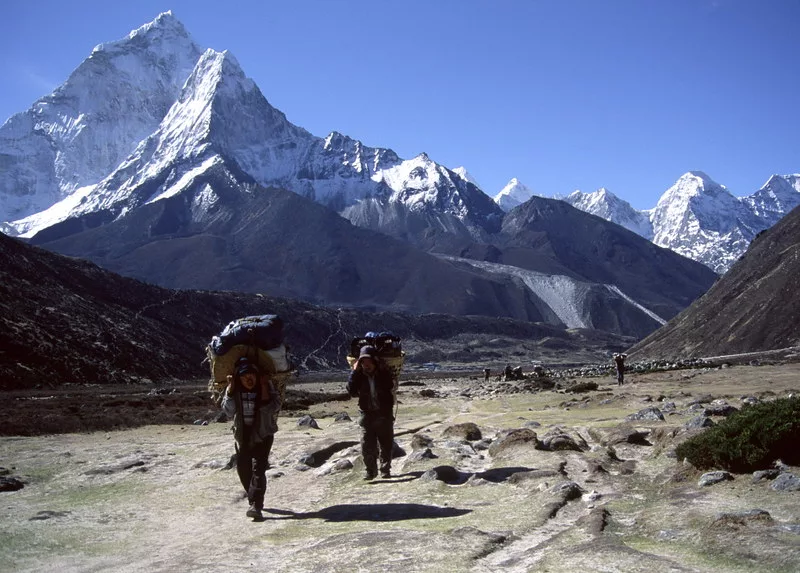
Historically, they were farmers and traders. They raised yaks for butter, milk, wool, and transportation of goods between Nepal and Tibet across the mountains and hills. Farming was another essential activity that was crucial for their survival. They were able to grow crops like potatoes, barley, and buckwheat, which was enough for their survival.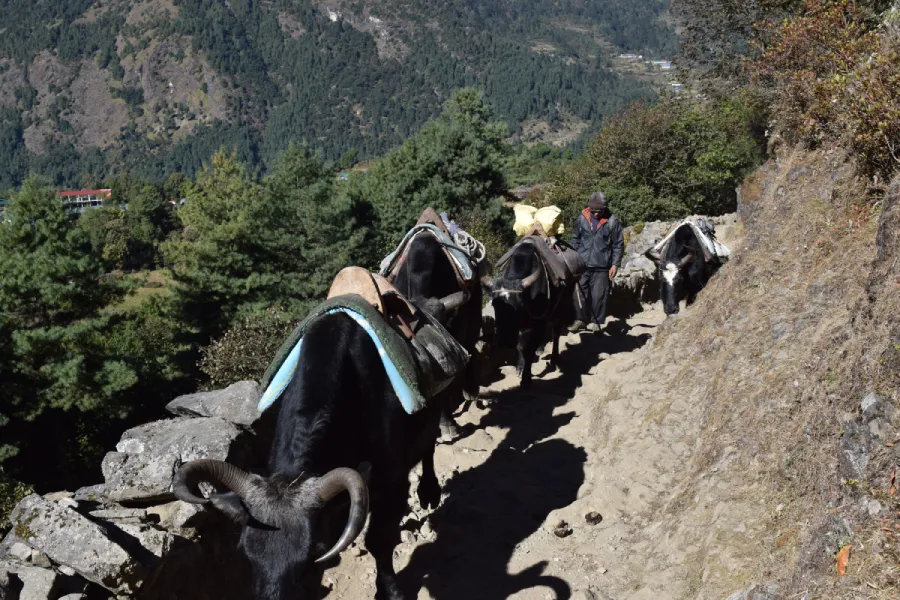
The rise of mountain climbing and tourism in Nepal had a great impact on their occupation. Many Sherpa visit and welcome visitors from all around the world as trekking guides, porters, and lodge owners. They play a vital role in Nepal’s trekking and climbing industry due to their natural strength, skills, and knowledge of the mountains which also benefited villages like Namche Bazaar and Lukla that became popular tourist destination while maintaining their traditional charm.
In addition, their way of life highlights community harmony and spirituality to work. Everyday activities include helping neighbors, celebrating, and participating in monastic prayers.
Preserving the Sherpa Heritage and Values
In today’s fast changing world, preserving the ancient heritage is crucial to protect your cultural identity. Although many Sherpa families have improved due to the growth of the tourism industry, it has also created new challenges. One of these challenges is the risk of losing old traditions, culture, language, and spiritual practices that have shaped Sherpa identity for centuries.
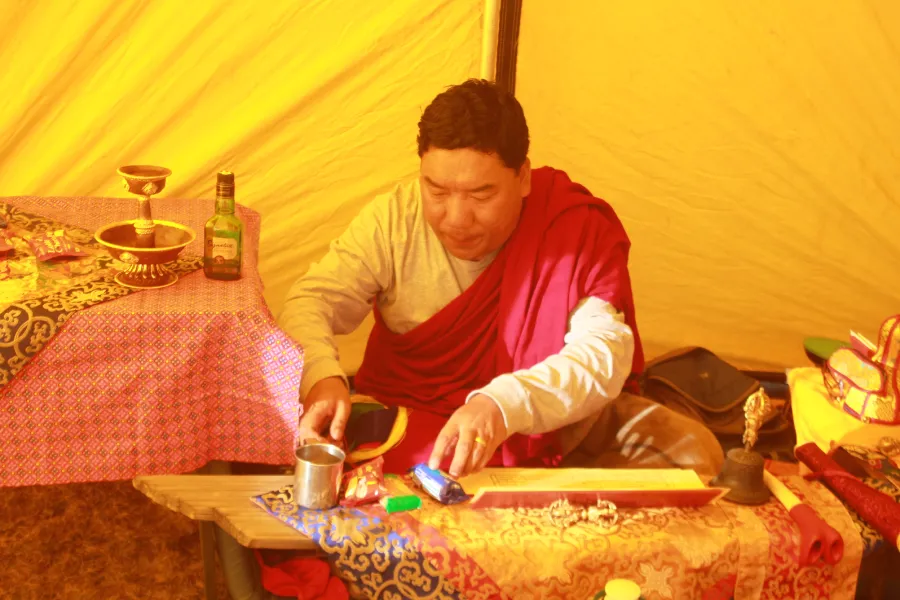
Elders play a crucial role in preserving their ancient culture and traditions in their community. In order to preserve their culture, they teach the younger generation about Buddhist ritual, folk songs, and stories to ensure that their culture doesn’t get lost despite the spread of modernization.
The Sherpa have also come to understand the importance of protecting their culture and tradition. As the number of trekkers and visitors are visiting the Himalayas, many of their organizations and monasteries are promoting sustainable and worthwhile tourism practices, including waste management and conservation efforts.
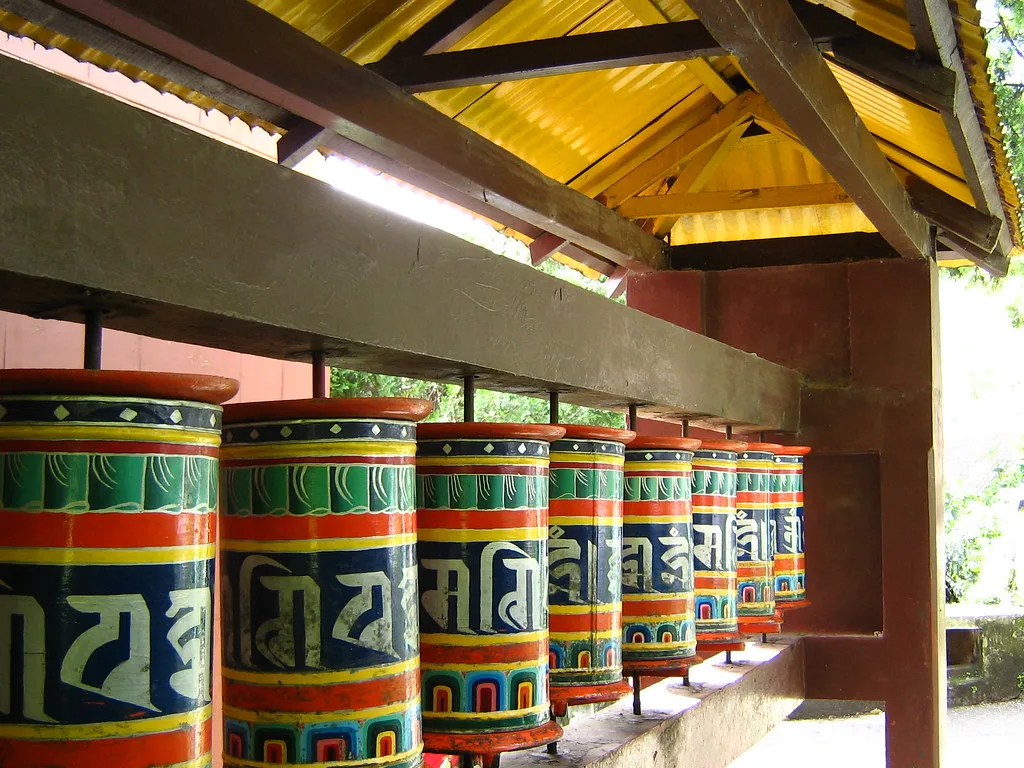
Instead of just holding onto the past, they believe that heritage preservation means living their tradition in harmony and peace. Their commitment to maintaining their culture and tradition while embracing education and modern living shows that tradition and modern progress can coexist peacefully without any dispute.
Importance of Sherpas in Mountaineering
The Sherpa have become one of the bravest people recognized all around the world for their climbing and hiking skills and also often referred to as the backbone of Himalayan expeditions. Because of their exceptional endurance, strength, and knowledge of the mountains, trekkers from all over the world depend on them during the trek and regard them as a vital partner.
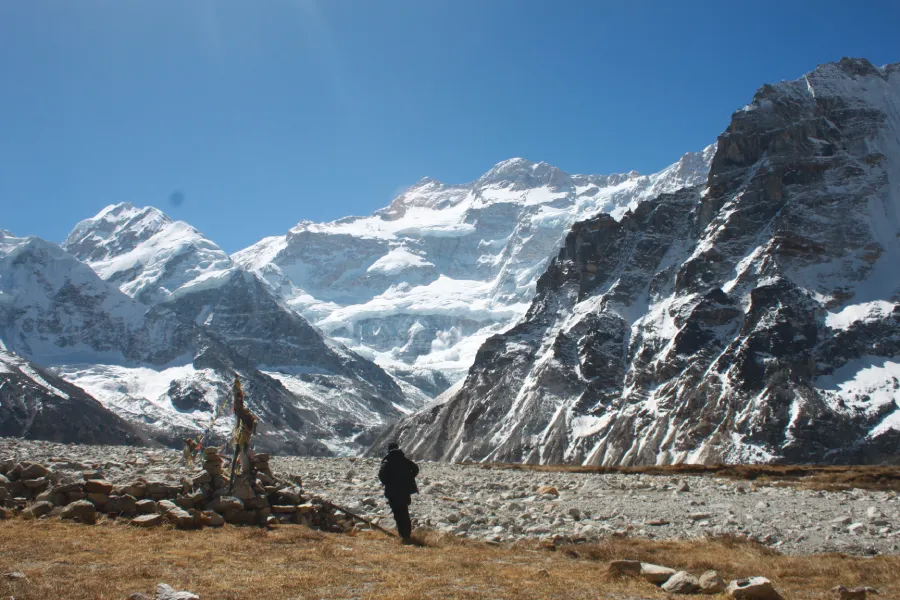
When mountain climbing started in Nepal in the early 20th century, foreigners quickly learned that the Sherpa possessed unique abilities for surviving and working efficiently at high altitudes. The ability to survive at low oxygen levels, gained through generations of living in the Himalayas, allows them to guide routes, carry heavy loads, and support trekkers in some of the world’s most challenging environments.
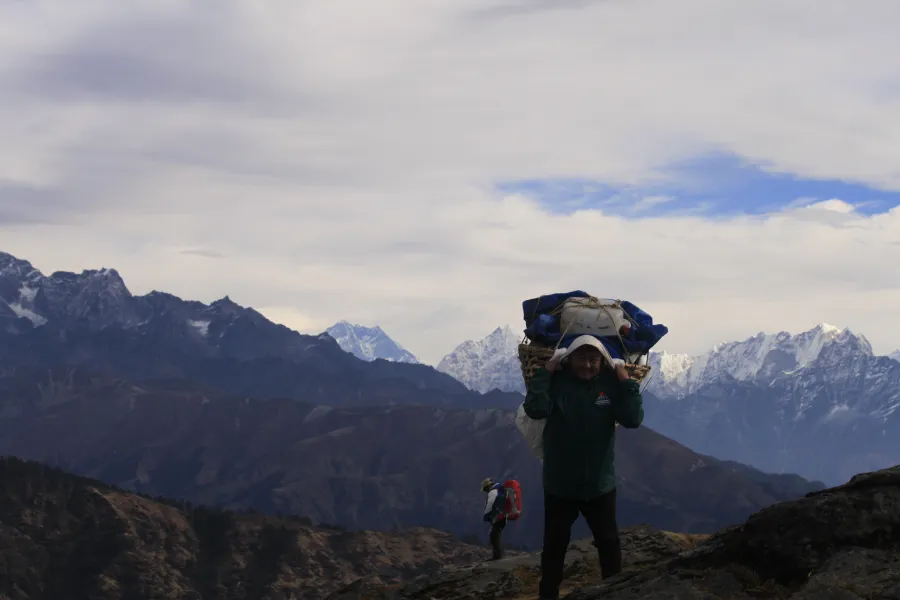
During the expedition, they serve as climbing leaders, porters, guides, and other essential positions. They set up camps, carry essential supplies, and ensure other trekkers safety. The calmness, teamwork, knowledge, and skills often determine if the trek will be a success or failure.
Conclusion: The Spirit of the Himalayas
The Sherpa people, who live in peace and harmony under the guidance of simplicity, tradition, and faith, represent the true spirit of the Himalayas. Their way of living and surviving, shaped by centuries of beliefs and practices, continues to inspire upcoming generations and visitors from all around the world.

Table of Contents