




Tengboche Monastery: The Famous and Peaceful Buddhist Monastery on the Everest Trail
04 November 2025
By admin
Introduction to Tengboche Monastery
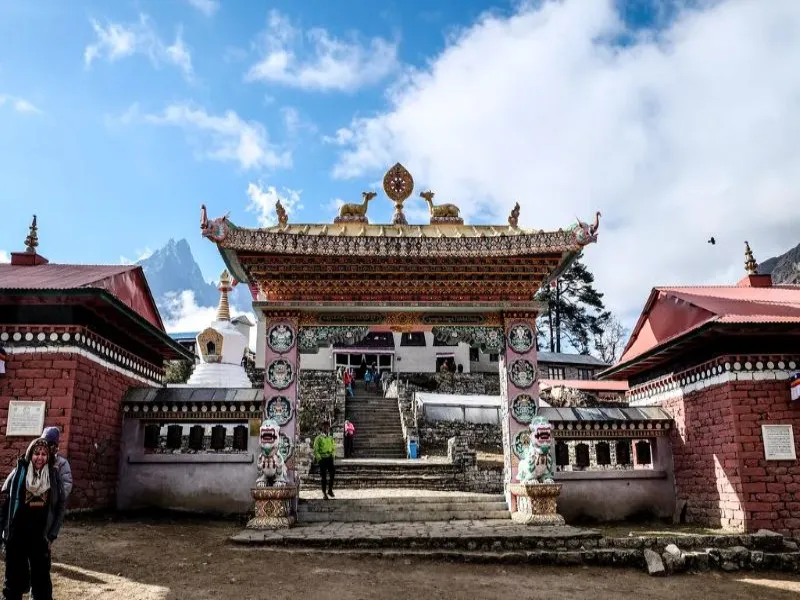
Tengboche Monastery is one of the sacred and peaceful places in the Everest region which sits at 3,867 m high, located at the khumbu region of Nepal. It’s a peaceful place where people can rest their body and calm their mind before continuing the Everest Base Camp journey. For the Sherpa community, Tengboche Monastery is further than just a place, it’s a place of peace, faith, and belief surrounded by stunning views and beautiful mountains where travelers visit to get blessings for their upcoming journey.
History of the Monastery
The history of the Tengboche Monastery is straightforward and flexible. It was innovated by a lama Gulu from Tibet in 1916. He came to Nepal and constructed a place for Buddhist prayers where everyone can learn equally with peace.
Unfortunately, a massive fire in 1989 burned the majority of the building, and an earthquake further worsened the situation. Later, it was rebuilt with support from the Sherpa community and from other countries, maintaining its cultural significant and traditional design while strengthening it.
With love, prayer, and the backing of multiple communities, the locals rebuilt it each time. Tengboche Monastery is presently among the most significant Sherpa Buddhist monsteries, particularly in the Nyingma tradition. People believe that the mountains are gods and getting blessing from the monastery protects the climbers from unexpected event.
Cultural and Local Experience
Tengboche Monastery is one of the oldest monasteries which has its own unique culture, traditions, ancient heritage and history. Here most of the people are Sherpa, who became monks and live a calm and quiet life within the monastery. In the early morning, you can hear the long Tibetan horns and the soft sound of chanting. The air carries a pleasing smell of incense. Numerous trekkers visit and sit there, even if they don’t completely understand the rituals. It creates a warm and peaceful atmosphere.
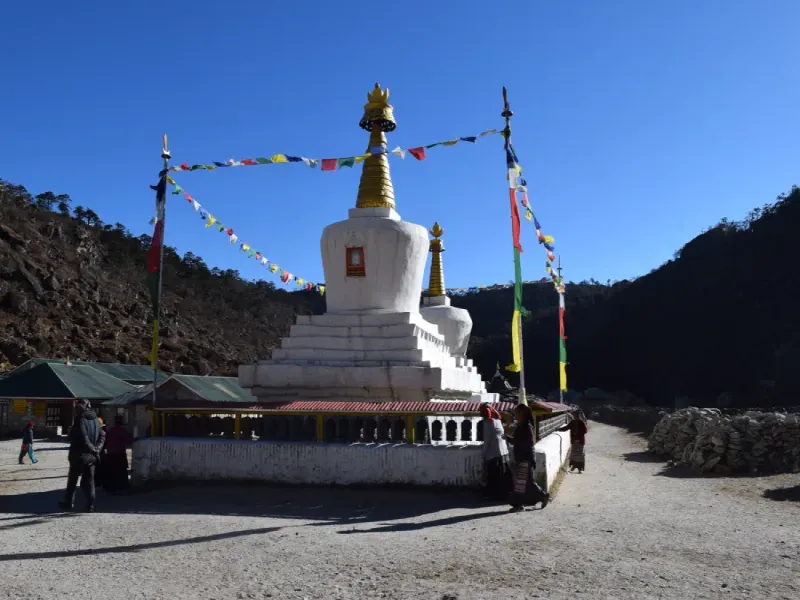
During the Trek you’ll see.
- Prayer flags waving gently in the wind
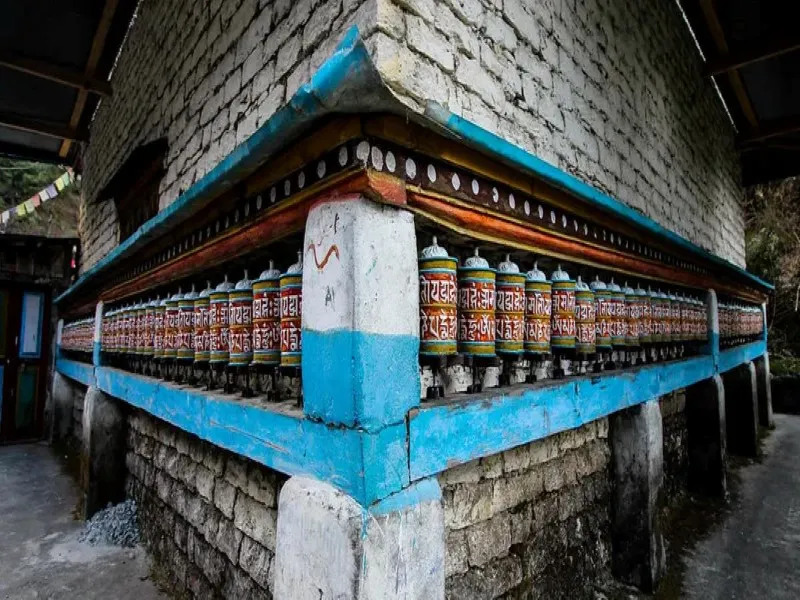
- Spinning mani wheels for good luck
- Stories of Buddha through ancient painting and statue
- Stunning views of the snow-capped mountains
 The local Sherpa people are also very welcoming and kind, sharing stories of their history, culture, and way of living life. In the Tengboche monastery trek, you learn various things, like how they respect mountains and represent them as gods, and it will teach you to appreciate the simple and spiritual life.
What Can You See Inside the Monastery?
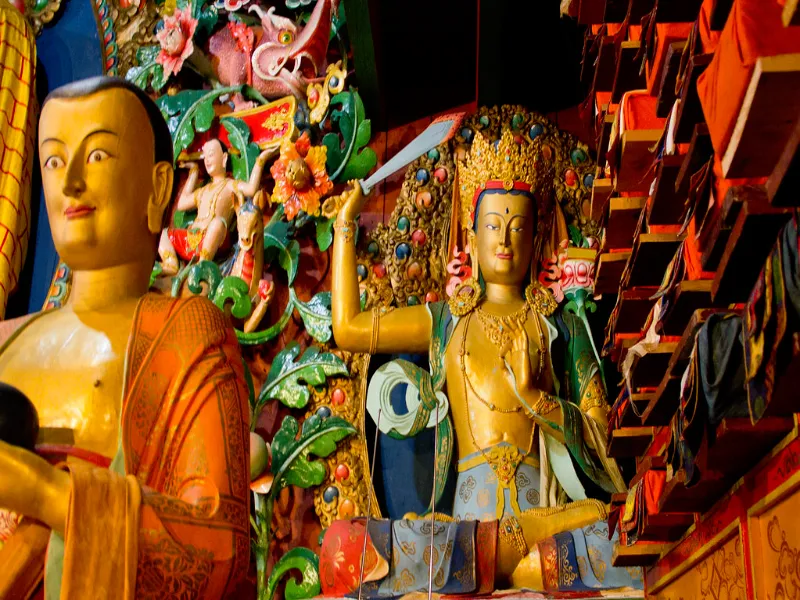
There’s much more to see within Tengboche Monastery. Inside the monastery you can see a giant statue of Buddha, covered in offerings. The walls are covered in Thangka paintings, which tell the stories of the Buddha’s life. It’s a very pleasing piece of art that represents the symbol of peace. There is also a prayer hall (Heart of the Monastery), which is the most attractive and beautiful part, surrounded by meaningful designs with vibrant colors and a golden statue of Buddha with a calm and wise expression. Here, trekkers sit quietly in front of the statue to rest their body and mind.
There is also a monastic academy for monks where they can study religion and reading. Be considerate, but feel free to peep in. The whole place represents peace and calmness and there is also a place full of old textbooks that displays Tengboche Monastery’s history.
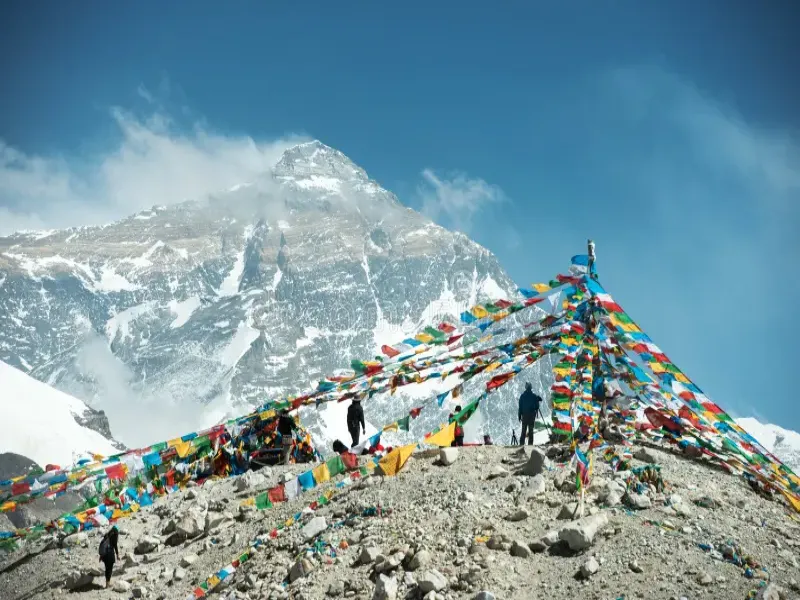
Along the trek, you can experience not only its unique and peaceful culture but also the stunning mountains and breathtaking views. This trek offers views of snow-capped mountains like Mount Everest, Lhotse, Nuptse, and Ama Dablam. You will get to experience ancient history, monasteries, and traditional villages, as well as the beauty of the Himalayas.
Mani Rumdi Festival: A Cultural Highlight
The Mani Rimdu festival is one of the most sacred and important festivals among Himalayan people, celebrated in various monasteries such as Thame, Chiwong, and Tengboche. It is celebrated either in October or November to welcome the arrival of Buddhism into the Himalayas from Guru Rinpoche.
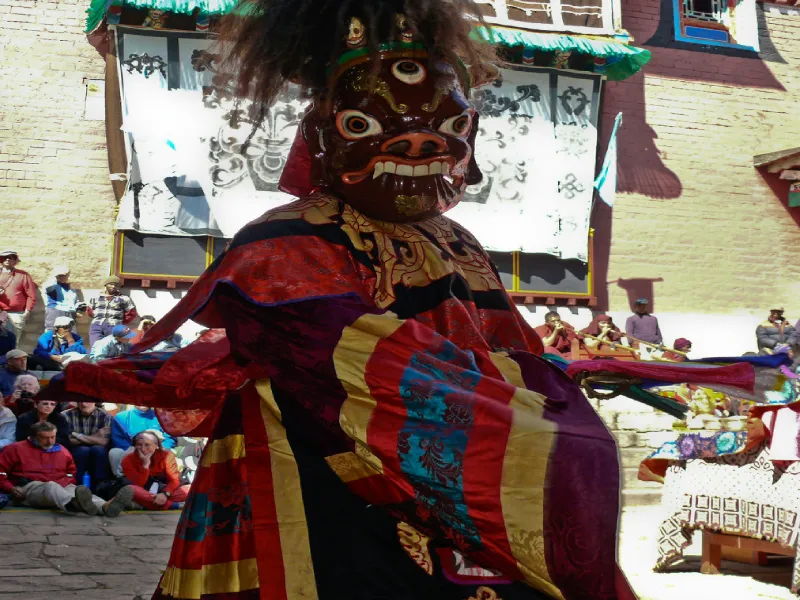
During this fest, the monks wear masks and perform dances, which represent the defeat of evil against good, and villagers will come to receive blessings from the head lamas.
How to Reach Tengboche Monastery
The trek to Tengboche Monastery is a part of the adventure itself. Most of the people start their journey after taking a flight from Kathmandu to Lukla.
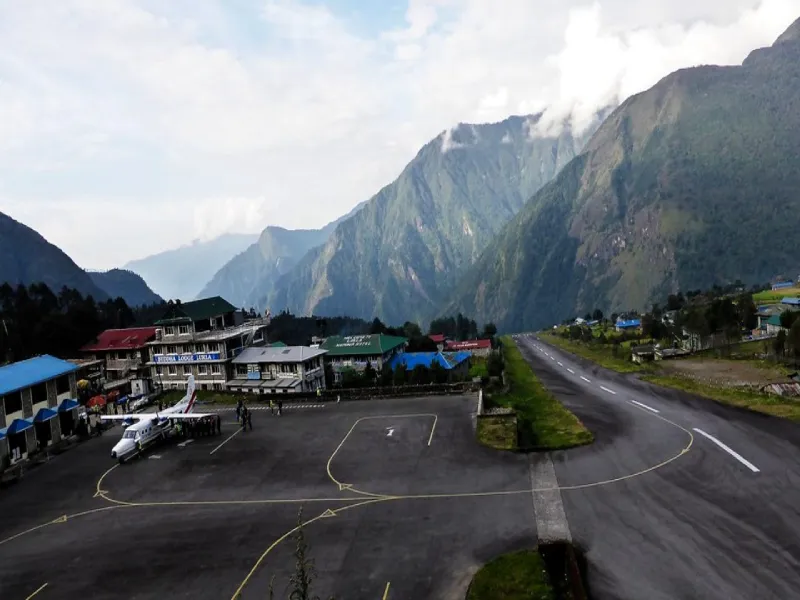
After that you will begin your trek from Phakding to Namche Bazaar and from there to Tengboche. You need to be physically fit for this trek because you’ll be climbing 3,867 m, which is a high altitude. It takes roughly 3 to 4 hours from Lukla to reach Phakding and from Phakding it will take about 6 to 7 hours to reach Namche Bazaar. Then it will take 4 to 5 hours to reach Tengboche Monastery. It takes about 4 days to reach Tengboche Monastery from Lukla.
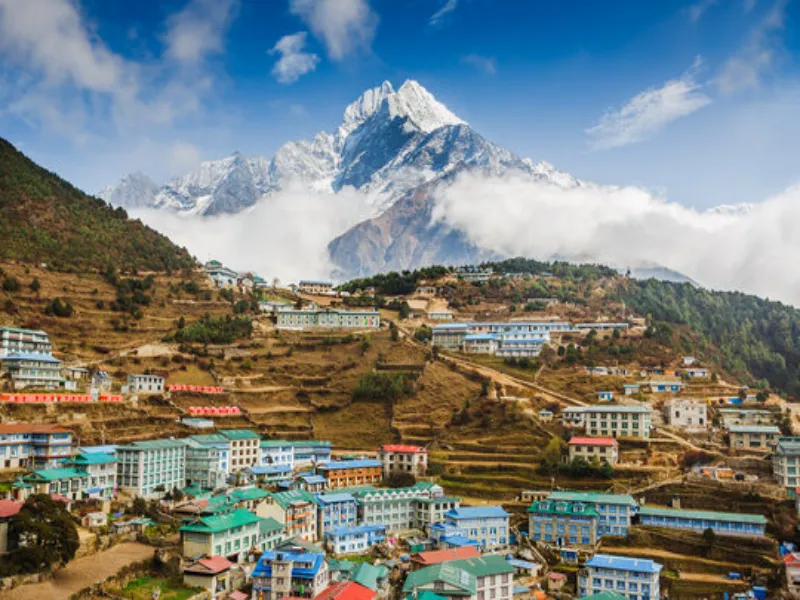 However, you need to take rest between the trek and allow your body to acclimate to the thin air. It’s a challenging trail but very rewarding and worthwhile trek. You can get to Tengboche safely and happily if you walk at your natural pace, take breaks, and drink plenty of water.
Conclusion
In conclusion, Tengboche Monastery is not just a place to visit but a place where you can learn and experience a unique feeling. This monastery is a living example that displays the power of faith and belief. It has survived earthquakes, fires, and severe weather conditions; still, it stands strong to this day, just like the strong spirit of the Sherpa people.
Tengboche is described by numerous trekkers as a place where their heart slows down and they begin to notice small details, similar to the power of monks’ chanting, the calm face of the Buddha statue, and the fluttering of prayer flags. People who don’t practice Buddhism nonetheless witness a sense of connection, as if their minds become more open and free.
For those trekkers who want to experience the perfect combination of adventure and spirituality, this trek is the one. Don’t just rush to trek Everest Base Camp. Spend some time enjoying the historic culture, going to the prayer hall, and watching the sunrise over Ama Dablam. These small moments turn into the best memories of the whole trek.
