Difficulty Level on the Helambu Trek
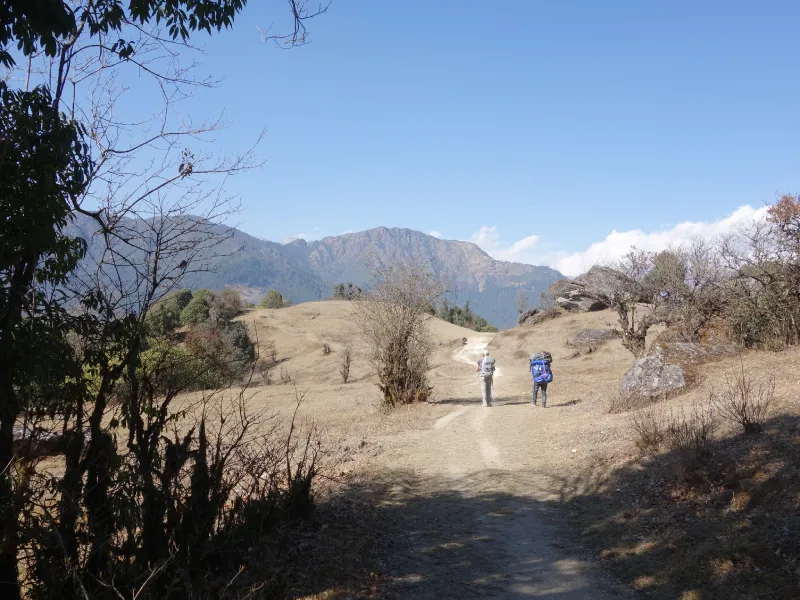
The Helambu Trek is mostly considered an easy to moderate trek, suitable for trekkers who want a short and easy trekking route without doing extreme effort. The route is not extremely difficult like other popular trekking route and the average walking hours are usually around 4 to 6 hours a day, which is manageable even for beginners. Due to this, trekkers don’t need any past trekking experience and can enjoy the route with a scenic view.
A basic level of fitness is enough for this Helambu Trek. You don’t have to push your body like in other difficult trek. If you do some jogging, stretching or short hike before the trek it can make the trek even easier and more comfortable.
The chances of altitude sickness are also very low because the altitude is not too high which make the Helambu Trek more comfortable and safer. Still, people might feel uneasy during the trekking, but it can be treated if you hydrate yourself, walk slowly and follow your guide’s instructions.
Preparation for the Helambu View Trek
Proper pre-trip planning makes all the difference. It would be a good idea to start doing some walking or hiking two to three weeks prior to the trip. It will help increase endurance and prepare legs for long hours of hiking.
As far as packing is concerned, take everything you need and avoid being cheap. You will need to have comfortable trekking shoes, proper clothing (this point is extremely crucial), at least one rain jacket, and an adequate amount of sun cream. Do not forget a reusable water bottle. The weather can get quite unpredictable in that region, and wearing several layers of clothing is the best solution to cope with the weather changes.
Finally, the main rule to remember when doing Helambu Trekking Itinerary is: just go with the flow. Try not to hurry or rush and do not try to climb the mountain fast. This will give your body enough time to adjust to new altitude and new climate.
What can you see on the Helambu Trek?
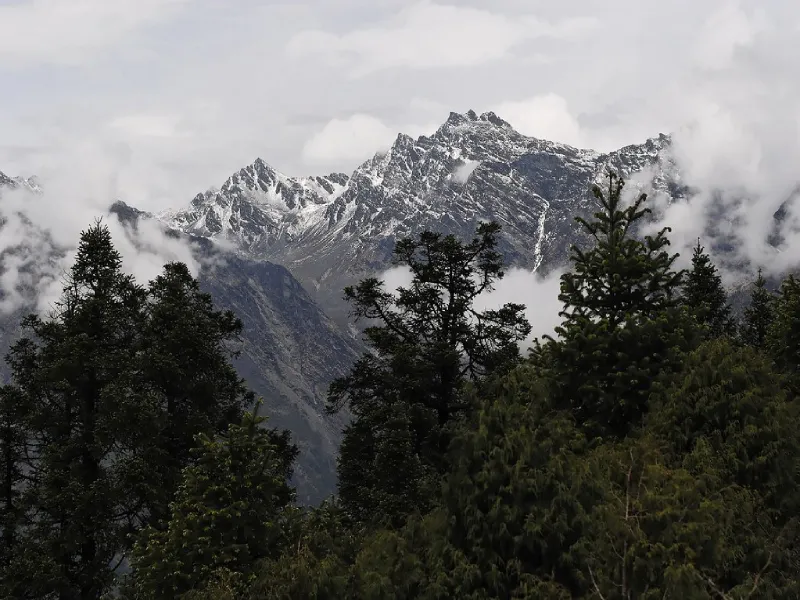
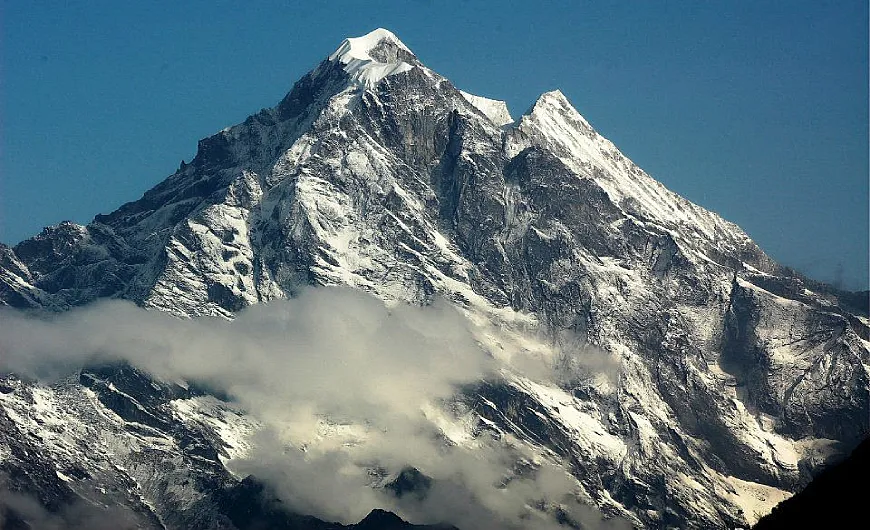
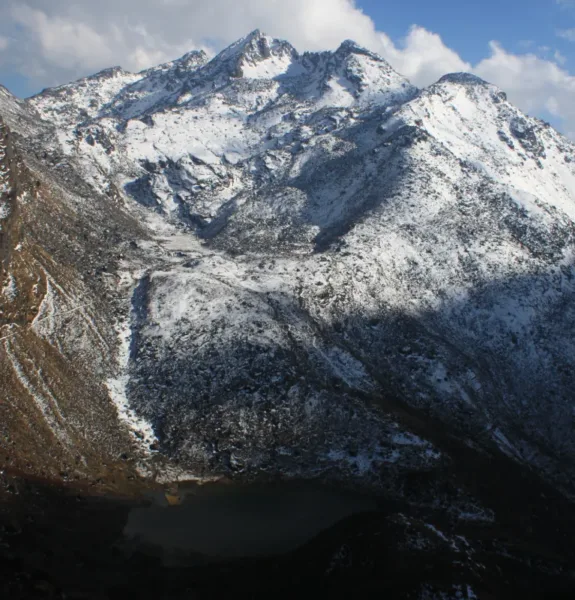
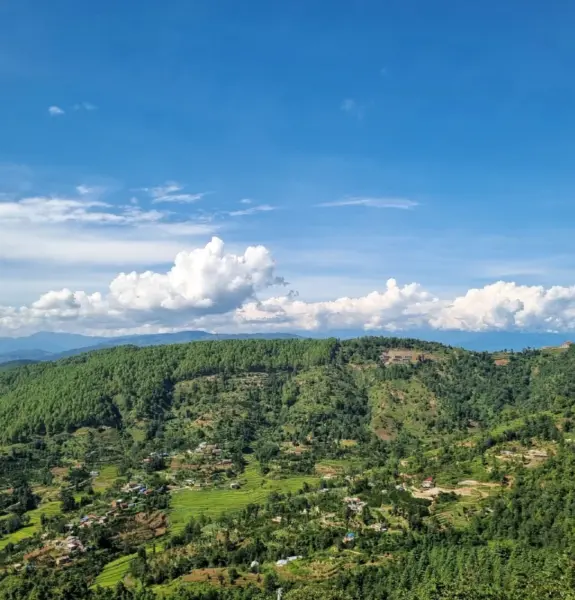
During the Helambu Trek you can see different things and witness some of the most beautiful views of Nepal. In summer, you can see the vibrant and colorful nature with lush green forests full of rhododendrons, pine, wildflowers and oak wood and in autumn, you can witness the stunning and breathtaking peaks like Langtang Lirung (7,234 m), Dorje Lakpa (6,988 m), Gauri Shankar (7,134 m) and other smaller peaks.
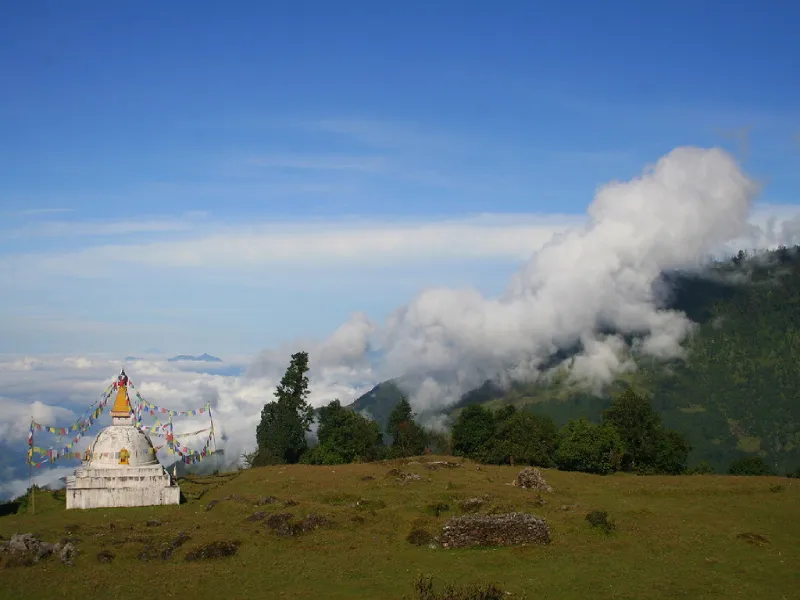
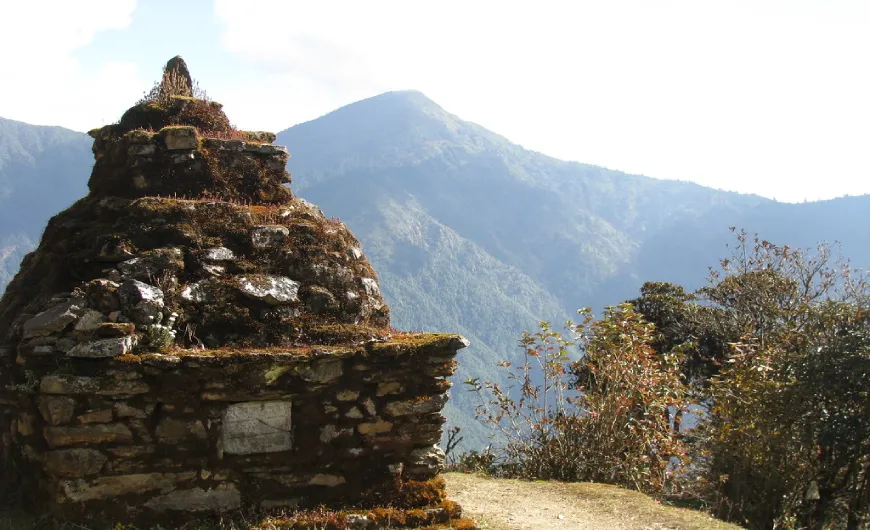
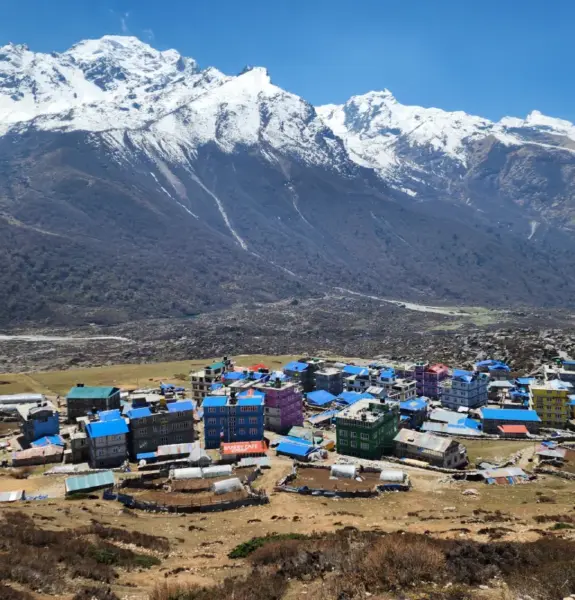
You can see small houses built with stone, monasteries, ancient architecture, prayer flags and that represent the rich cultures and heritage of the Sherpa and Tamang community. The villagers are also very kind, welcoming and supporting every trekker during the trek. This also gives trekkers an opportunity to interact with them and learn personally about their culture and way of living life. You might also see small cozy teahouses, villagers working in farms, children playing around, yak herders, and the simple life of Himalayan villages that is far from crowded city life.
Overall, the Helambu Trek offers a mix of nature and culture within a short period of time without the stress of the high altitude, crowd or any rush.
Cultural Experience
The Helambu Trek isn’t just about trekking and watching the scenery, but it’s a journey to experience the local culture, traditions, warm hospitality and the traditional way of living life that makes your journey more connected to the people and their history. The Helambu region offers a rich cultural and ancient heritage where every steps will be part of your unforgettable journey.
During the trek, you can local people greet you with warm smiles, welcome you for visiting the place and often invite you for a cup of tea or a small conversation. You can truly connect with them and get a understanding into their local way of living life. You might even witness local festivals like Lhosar celebrated by the Sherpa and Tamang people, where people celebrates with music, dances and colorful dresses that bring the community together and you can even join in for fun which makes the trek memorable and unforgettable.
You can visit Buddhist monasteries along the trek, where you can see monks chanting and praying plus you can learn deeply about Buddhism. You can feel the spiritual energy flowing through body with the scent of incense, and you can even join for a short meditation for a peaceful moment.
Because of these experiences, the Helambu Trek much more than just a trek, it’s a journey that will teach you about the life and the importance of peace that will stay with you even after you return home.
Cultural Festival along the Helambu Trek
The truth is that while Helambu is known for trekking, the local culture is equally appealing. The area houses a community known as Hyolmo, and their culture is deeply steeped in Tibetan Buddhism. If you visit the area during specific times of the year, you will experience the vibrant festivals that include masked dancing, traditional rituals, and unique music that cannot be seen elsewhere.
The most prominent festival you can witness is Losar, which translates to “new year” in the Tibetan language. The places such as Tarkeghyang become very active during the Losar festival through various prayer ceremonies and large family reunions.
And there is also Buddha Jayanti, celebrating the birth of Lord Buddha. There is a lot of decoration done at monasteries, and prayers are conducted which results in very spiritual feeling created, although the trekkers are just passing by.
If you manage to do Helamu view trek during these festivals, it will be the best feeling for you. Because not only the scenery of mountains will amaze you, but also the local celebrations will make it much more interesting for you.
Language and Communication
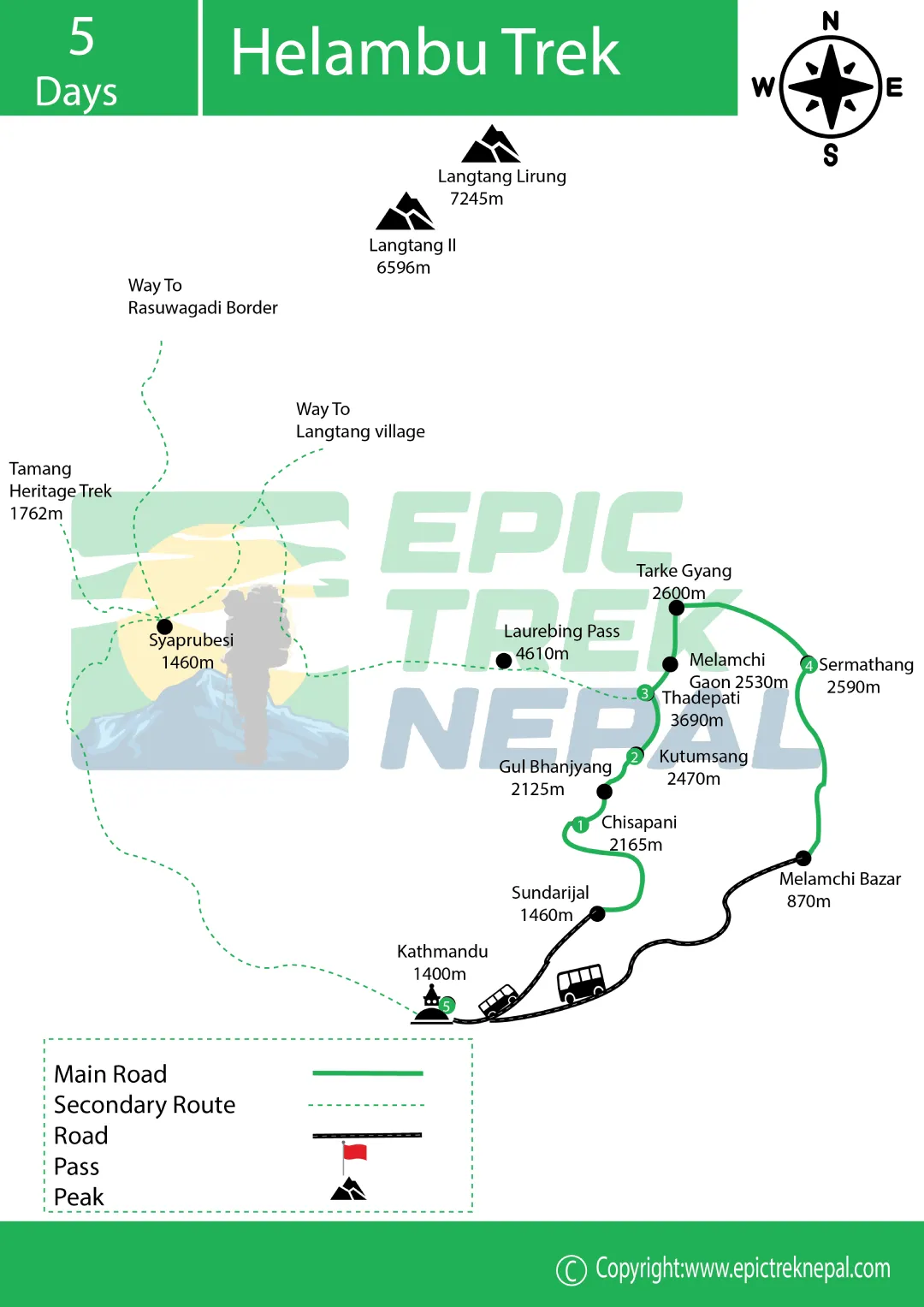
You will experience the charm of these beautiful traditional settlements, where the resident speak mainly Nepali or a local variant known as Hyolmo (a dialect of Helambu Sherpa). Though you feel that you are a thousand miles away from civilization, communicating with locals proves much easier than expected. Most of the time, you can rely on the basic knowledge of English language among inhabitants of the tea houses at all major locations, such as Chisapani, Kutumsang, or Sermathang. It really does make a difference in daily communication.
Thus, it will be rather easy for you to order some local cuisine like dal bhat, clarify the direction of the hike, or arrange overnight stay by using elementary English phrases. Locals there are very kind and patient, even when you face the language barrier, people do their best to help tourists. In fact, kindness and respectful attitude prove more effective than any translation tool.
It would also be wise for you to learn a few Nepali words. Even saying ‘Namaste’ and ‘Dhanyabad’ (thank you) will go a very long way towards forming connections with the people there. You may find that communication is somewhat easier at the lower elevations of the trek, although this changes quite a bit when you reach the higher altitudes or quieter areas.
Mobile, Network and Charging Facilities
If you’re planning on using your phone during this trek, there will usually be good coverage near Sundarijal or Chisapani. Once you start climbing, the network won’t be very effective at all in places such as Kutumsang and Tharepati. Signals will become very bad In addition, depending on the weather, they might not be available at all. So basically, forget about going through Instagram throughout your hiking trip.
There is free WiFi in some of the larger villages, including Tarkeghyang and Sermathang. Bear in mind that this internet connection will be slow, only sufficient for basic things like checking up with your loved ones or browsing some website.
Charging of your devices should not be a problem at most of the teshouses. However, you will need to pay for the charging of just one device. Since it is remote area, the only possible source of electricity will come from the solar energy. If there had been no sun during several days, then there will be problems with electricity in the teahouses. Therefore, a good power bank will be highly recommended.
Don’t do on the Helambu Trek
What you should never do is try to speed your way through the trek. Not only can it lead to muscle strain and exhaustion, but you will definitely miss out on a lot of pleasure by hiking without taking into account the terrain, which requires you to set your own pace. The experience is much better if you pace yourself and admire the scenery along the way. This isn’t a race, remember!
Another mistake to avoid during the Helambu Trekking is neglecting the weather conditions. As mentioned earlier, it can become quite unpredictable in the area, particularly when approaching such places as Tharepati. So always make sure to have waterproof and warm clothes at hand. Otherwise, there could be unexpected heavy rains that may result in wet and dangerous terrain where any wrong step can lead to an ankle injury.
Finally, just try to relax when it comes to the native culture as well. Do not go inside a monastery wearing shoes, and do not cause any kind of commotion while walking past the villages since they tend to be very peaceful places. When you need to take a picture of someone, kindly ask for permission before doing so as it does not hurt to strike up a conversation either. Remember that leaving any sort of trash will certainly not help anyone, let alone the environment and its inhabitants.
Visa and Permit Permits
Entering Nepal isn’t too complicated either. To enter the country you will need to get the Tourist Visa and it’s usually enough to get this visa upon your arrival at the airport in Kathmandu, although you can also apply for this visa online if you wish to save some time.
When it come to Helambu Trek, you will need some official permits.
- Langtang National Permit: This Langtang National Park Permits is requires by trekkers if they want to enter inside Langtang National Park because Helambu Trek falls inside this national park. The permit fee is around USD 30 to 35 per person which is usually paid at Kathmandu or at the park entrance.
- TIMS card (Trekkers Information Management System): This card is required for almost all the treks in Nepal. This helps to keep track of trekkers and ensure trekkers safety during the trek.
Tips:
- If you trek with a reliable trekking agency like Epic Trek Nepal, you don’t need to worry because the permits will be arranged by us.
- Carry a photocopy of all the permits.
- Keep your permit safe as you need to show the permit in every check along the trek.
What is great about Helambu trekking route is that no restricted area permits are required for entering the area. Thus making Helambu more accessible than other trekking regions. All you need is to have your passport and permits at hand since there are certain check points during the journey.
Trek Extension
A good feature of the Helambu trekking Itinerary is its flexibility, as there are many ways to prolong the journey in case you are not yet ready for mountains to stop. One of the most frequent options is a combination with a trekking in the Langtang Valley, as it will add the element of “bigness” by adding glaciers and other high-mountain views to the experience.
An alternative way to enhance your experience is to connect Helambu with the trekking path to Gosaikunda Lakes, which are regarded as holy places for both Buddhists and Hindus. Just note that such a trip will be quite challenging in terms of itinerary due to Lauribina pass.
For those who might not be keen on spending yet another week on the same trail, there are great side-trails that can be visited from both Tarkeghyang and Sermathang. It only takes a couple of hours off one’s schedule to make a visit to smaller monasteries and viewpoints, without having to dedicate extra time. Such an option allows for an insight into the “true” Hyolmo culture.
Another option would be to venture further into villages such as Melamchi Gaon or other rural areas. These locations tend to be much quieter and offer visitors an authentic glimpse into Hyolmo culture, thus enhancing their Helambu View experience tremendously.
Safety Precaution and Travel Insurance
It is always crucial to be prepared and safe, even though the Helambu Trek is considered an easy trek. Although most of its trails are well marked, some trails can be difficult to walk due to slipperiness after rain or muddy trails.
The altitude is also not that high on this trek, but it is still better to take precautions to avoid the signs of altitude sickness. Drink plenty of water, walk slowly, and take rest between the trek when you feel tired, and always follow the instruction and advice of your guide.
If you are going on a trek like Helambu or any other area, having a Travel Insurance is highly recommended. It helps to cover your medical emergencies and helicopter evacuation if any problem occurs. It ensures help is available if anything goes wrong and this allow trekkers to trek with peace and comfort.
All in all, the Helambu trekking experience can become much better for you if you remain ready and responsible throughout your adventure. With proper planning, you can explore amazing places and relax on the trails.







 Share
Share