
Ama Dablam Base Camp Trek
73 reviews in Tripadvisor

Trip Duration
9 Days
Destination
Nepal
Max. Altitude
4,600 m.
Trip Difficulty
Moderate
Group Size
1-12
Transportation
Flight
Accommodation
Hotel/Lodge
Activity
Trekking
Meals
All Inclusive
Start / End
Kathmandu
Region
Everest
Best Season
Spring & AutumnUS$ 1250

Need Help? Talk to Expert
+977 9764792172Trip Overview
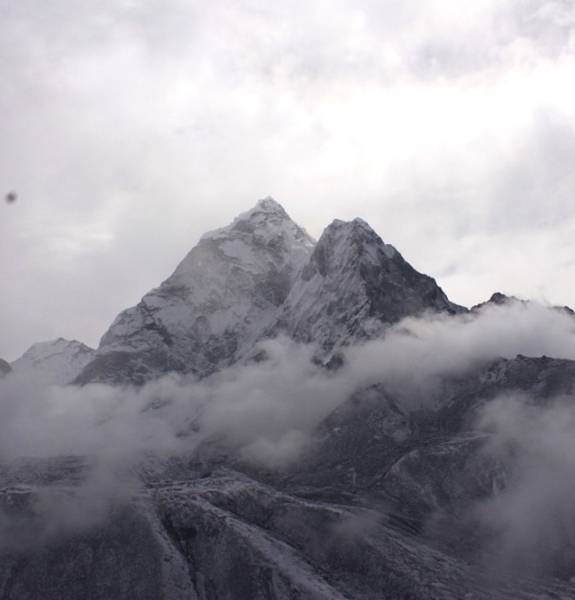
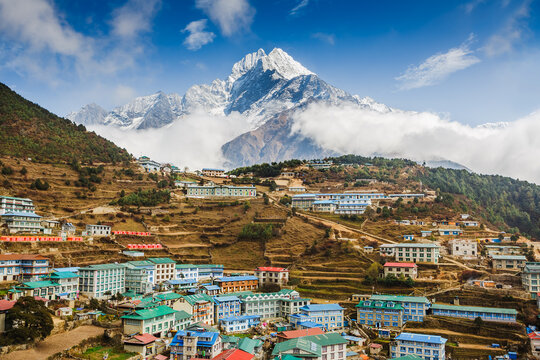
The Ama Dablam Base Camp trek is one of those rare experiences that seems to find the sweet spot between breathtaking views and mountain solitude. Unlike most treks to the Khumbu region, which are done to experience the prestige of trekking to Everest, this trek will take you to what many consider to be the most breathtaking mountain in Nepal. The trek begins by following the well-trodden route to Namche Bazaar, before eventually branching off to a much quieter route that will take you through quaint Sherpa villages such as Pangboche, where the atmosphere seems much more intimate and the mountains almost within touching distance.
The real beauty of this Ama Dablam Base Camp Trek, however, is the peace and quiet. After Tengboche, the frenetic pace of the main Everest trekking highway gives way to a much more relaxing trekking experience. You will find yourself strolling through pine-scented forests and passing through stone-walled villages where the only sounds are the wind rustling through the prayer flags and the gentle clinking of yak bells. This is a trek that allows you to experience the Himalayas without the distraction of a thousand other trekkers.
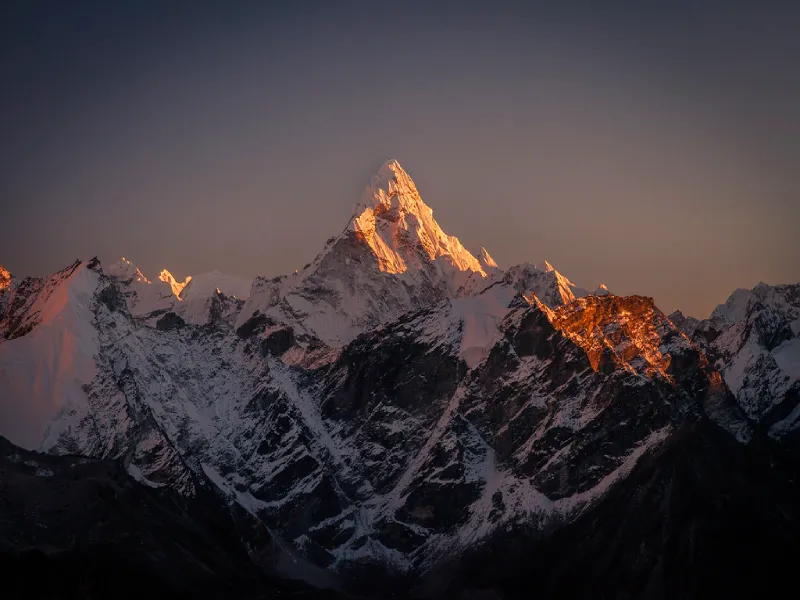
As you approach the base camp, it’s as if Ama Dablam Base Camp Trek itself fills the horizon, changing its majestic form with every twist in the trail. The peaks are so defined that it appears as if they were chiseled by an artist’s hand. Being at Ama Dablam Base Camp gives a sense of place that’s hard to find when you catch a glimpse of the peaks from a distance. Instead, you are surrounded by giants such as Lhotse, Everest, and Nuptse, giving a sense that you are a part of it rather than a passerby.
Ultimately, this trek is for anyone who wants the high mountain drama without the drama of high traffic. It’s an opportunity to take a slower pace, soak in the local Sherpa culture, and take a deep breath of that mountain air. It’s not about getting to a place; it’s about finding a way to experience the heart of the most beautiful mountains in Nepal in a more intimate, peaceful way.
Why Choose Ama Dablam Base Camp Trek?
If you’re searching for a trek that’s a little off the beaten path but still offers that stunning mountain scenery, the Ama Dablam Base Camp trek is, honestly, tough to beat. Most trekkers end up in the Khumbu with their minds on Everest, but this trek feels different. You’re not in a line of trekkers; you actually get to have the room to walk wherever you want and just be in the mountains for a little while, instead of feeling like just another face in the crowd.
The main highlight of this trek, of course, is Ama Dablam itself. It’s famous for that crazy, almost beautiful shape like a skyscraper rising up out of the valley floor. The closer you get, the crazier the detail is, with all those ridges and glaciers just hanging there. And let me tell you, being down in base camp and looking up at it. That’s a moment that’ll stick with you.
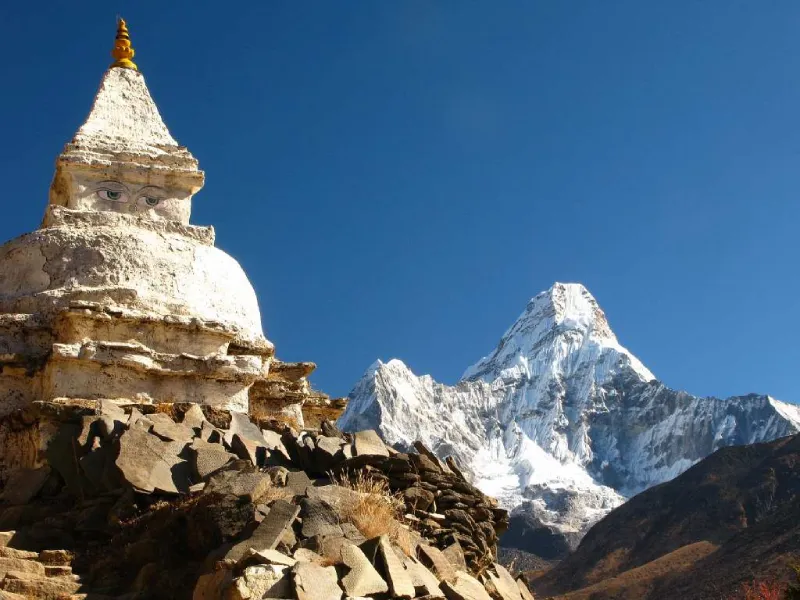
It’s the little things along the way that really make the trip worthwhile. There’s this authentic Sherpa village life that just feels so real. Like in Pangboche, for example, this place just has this really peaceful feeling, and there are prayer flags flapping in the wind and monks just going about their day. There are yak caravans and these classic stone houses, and just little glimpses of local life that you might completely miss if you were to hike one of the more commercial routes.
At the end of the day, this is not really a trek for people who are in a hurry. It’s really just those quiet days, and the slow pace of things, and really being able to connect with the environment in your own way. If you really want the big views and the authentic culture without all the crowds, this is really the one to choose. There’s just something really special about being in a place that feels so wild and so beautiful.
Best Season to Do the Ama Dablam Base Camp Trek
Spring (March to May)
Spring is the one of the popular trekking season for Ama Dablam Base Camp Trek. During this period the skies are mostly clear, the sun is warm on the trail, and the rhododendrons are in full bloom, making the trail more beautiful and magical. It’s also a season for climbing, so you might even catch a glimpse of climbers preparing for Ama Dablam or Everest attempt.
Autumn (September to November)
Autumn is another good time of the year for trekking. The weather is stable, the air is crips and the views of the mountain are incredibly sharp. It’s a great time for photography or just watching the views.
On the other hand, Monsoon (June to August), brings heavy rainfall, slippery trails and even landslides which makes the trekking quite difficult and less exciting. Winter (December to February) can be quite chilly, especially in the higher regions, and some tea houses might be closed. Snowy trails are lovely, of course, but not exactly what you want if you’re not ready for the cold conditions.
So, if you’re looking to get that perfect mix of clear skies, pleasant weather, and breathtaking mountain scenery, spring and autumn are definitely your best bet.
Highlights of Ama Dablam Base Camp Trek
- Close-up with Ama Dablam: Stand at the very top of Nepal’s most iconic and beautiful mountain.
- Ancient Spirituality: Explore historic monasteries and hike on trails filled with colorful prayer flags.
- Authentic Sherpa Life: Hike through traditional, old-fashioned Sherpa villages like Phortse and Pangboche.
- Escape the Crowds: Hike on a far more private trail than the crowded Everest trail.
- Built-in Safety: Acclimatization stops ensure the high altitude is no problem at all for trekkers.
- Cozy Tea Houses: Hike to friendly, family-run tea houses.
- The Ultimate Viewpoint: Enjoy the breathtaking views of the glaciers from the Ama Dablam Base Camp.
Ama Dablam Base Camp Trek - Distance, Duration, and Altitude
| Trekking Route | Distance (Kilometers) | Duration (Hours) | Altitude (Meters) |
|---|---|---|---|
| Flight to Lukla and trek to Phakding (2,610m) | 8 KM | Flight to Lukla and 4 hours Trek to Phakding | 2610 m. |
| Trek to Namche Bazaar (3,440m) | 10 KM | 5 to 6 hours Trek | 3440 m. |
| Trek to Phortse Village (3,810m) | 11 KM | 5 to 6 hours Trek | 3810 m. |
| Trek to Pangboche (3,930m) | 8 KM | 4 to 5 hours hike | 3930 m. |
| Trek to Ama Dablam Base Camp (4,600m) and back to Tengboche Monastery (3,867m) | 12 KM | 6 to 7 hours Trek | 4600 m. |
| Trek back to Namche Bazaar (3,440m) | 10 KM | 5 to 6 hours Trek | 3400 m. |
| Trek back to Lukla (2,840m) | 13 KM | 5 to 6 hours Trek | 2840 m. |
Itinerary of Ama Dablam Base Camp Trek
Day 1: Flight to Lukla and trek to Phakding (2,610m)
The journey begins with the flight from Kathmandu to Lukla. It may be a short flight, but the mountain scenery visible from the plane window is essentially your welcome to Nepal. After landing, your trek officially begins. The route follows along the Dudh Koshi River, passing through pine forests and villages until reaching a lodge in Phakding for the night.

Activity: Flight to Lukla and 4 hours Trek to Phakding

Max. Altitude: 2610m./8,563ft.

Meal: Breakfast, Lunch, Dinner

Accommodation: Tea house
Day 2: Trek to Namche Bazaar (3,440m)
Today is the day where the trekking begins in the early morning. The route begins to climb, crossing the famous suspension bridges over the river. It’s not an easy climb, but the first glimpse of Everest through the trees is well worth the effort. By late afternoon, the group will arrive at Namche Bazaar, the gateway to Everest, where there is plenty time to grab a coffee or explore the local shops.
Activity: 5 to 6 hours Trek
Max. Altitude: 3440m./11,286ft.
Meal: Breakfast, Lunch, Dinner
Accommodation: Tea house
Day 3: Acclimatization at Namche Bazaar
Today is an acclimatization day, which is necessary for your body to adjust to high altitude. During this day, you can for for a optional short hike to the Everest View Hotel or to Khumjung Village which provide great view of the surrounding. It’s a great day to just relax in Namche Bazaar, meet some of the families who live in the area, and get into the rhythm of the Himalayas.
Activity: Short hike to Everest View Point
Max. Altitude: 3440m./11,286ft.
Meal: Breakfast, Lunch, Dinner
Accommodation: Tea house
Day 4: Trek to Phortse Village (3,810m)
Today’s walk is much quieter than previous days as we make our way to Phortse village. Today’s scenery features stunning views of Ama Dablam as we walk through lush forests and high-altitude crops. Phortse village is a peaceful retreat where we can just relax and take in the fresh mountain air.
Activity: 5 to 6 hours Trek
Max. Altitude: 3810m./12,500ft.
Meal: Breakfast, Lunch, Dinner
Accommodation: Tea house
Day 5: Trek to Pangboche (3,930m)
The day continues on much the same, a steady climb, but honestly, the views just get better and better. Trekkers gets to see the Ama Dablam and Thamserku peaks for almost the entire day. Pangboche is a really special place, home to some of the oldest monasteries around. There is plenty of time to explore these on the afternoon of the fifth day.
Activity: 4 to 5 hours hike
Max. Altitude: 3930m./12,894ft.
Meal: Breakfast, Lunch, Dinner
Accommodation: Tea house
Day 6: Trek to Ama Dablam Base Camp (4,600m) and back to Tengboche Monastery (3,867m)
This is the day everyone has been waiting for. The views from the hike to Ama Dablam Base Camp are spectacular. Being literally at the foot of that massive mountain, with glaciers almost within arm’s reach, is something that is almost impossible to describe. But of course, there is time to take plenty of photos, then it is back down to Tengboche. The chance to stay the night near the famous monastery, with Everest view in the background, is something that really does not get any better.
Activity: 6 to 7 hours Trek
Max. Altitude: 4600m./15,092ft.
Meal: Breakfast, Lunch, Dinner
Accommodation: Tea house
Day 7: Trek back to Namche Bazaar (3,440m)
It’s finally time to begin the journey back down to Namche. The trek back down passes through rhododendron and pine forests, and although it’s a downhill trek, the views of Ama Dablam are still breathtaking. Returning to Namche is almost like returning to “the city.” It’s a great opportunity to pick up a last-minute souvenir or simply sit back and enjoy a cup of tea with some talk about the trek.
Activity: 5 to 6 hours Trek
Max. Altitude: 3400m./11,155ft.
Meal: Breakfast, Lunch, Dinner
Accommodation: Tea house
Day 8: Trek back to Lukla (2,840m)
The final day of trekking is a long one, but it’s a great way to return to where the journey began. There is always a sense of accomplishment in the air as the group returns to Lukla. The final night in the mountains is usually spent celebrating with the guides and porters before departing.
Activity: 5 to 6 hours Trek
Max. Altitude: 2840m./9,318ft.
Meal: Breakfast, Lunch, Dinner
Accommodation: Tea house
Day 9: Fly back to Kathmandu
Take a scenic flight back to Kathmandu and enjoy the views of the snow-capped Himalayas once again before landing. The trekking journey may have come to an end, but the memories of the mountains, villages, and experiences will stay with you forever. Upon arrival at Kathmandu, our guide or our representative will wait to transfer you to the hotel to freshen up and rest. In the evening, enjoy a complimentary dinner organized by our company to celebrate your successful completion of the Ama Dablam Base Camp Trek!
Activity: 35 min Fligh
Max. Altitude: 1400m./4,593ft.
Meal: Breakfast, Lunch, Dinner
Accommodation: Tea house
Includes/Excludes
What is included?
- Permits and Fees: All necessary permits for the Ama Dablam Base Camp Trek, such as the Sagarmatha National Park Permit and the Khumbu Pasang Lhamu Rural Municipality Areas are included.
- Accommodation: Accommodation during the trek, typically in teahouses or lodges. This usually includes accommodation in Kathmandu before and after the trek in 3 star hotel on BB plan. (twin sharing basis)
- Meals: Most packages will include three meals a day (breakfast, lunch, and dinner) during the trek. also includes two times hot beverage (in breakfast and lunch) and seasonal fruits after dinner.
- Domestic Flights: This include a domestic flight from Kathmandu and Lukla at the beginning and end of the trek.
- Guide and Porters: Services of an experienced English-speaking trekking guide and porters to carry luggage (one porter for two trekkers). This includes their salary, insurance, equipment, transportation, food, and accommodation.
- First Aid Kit: A basic first aid kit is typically provided.
- Trekking Map: A detailed map of the trekking route is usually included.
- Equipment: Duffle Bag, Sleeping Bag (if necessary)
- Pick up drop-off: Airport pick up and drop-off by private vehicle.
What is not included?
- International Flights: International airfare to and from Nepal is not included.
- Travel Insurance: Travel insurance that covers emergency rescue, evacuation, and medical treatment is not included, and you’ll be expected to have your own.
- Personal Expenses: Expenses for extra meals, drinks, snacks, charging devices, hot showers, Wi-Fi, laundry, and other personal costs are not included.
- Nepal Visa Fees: Entry visa fees for Nepal are not included.
- Additional Accommodation and Meals: If you choose to extend your stay in Nepal, or if you return from the trek earlier than scheduled, the cost of additional accommodation and meals will not be included.
- Rescue and Evacuation: Any costs related to emergency evacuation or rescues are not covered.
- Trekking Gear: Personal trekking equipment, such as hiking boots, down jackets, trekking poles, and other gear are not included.
- Tips: Tips for guides and porters are not included and are left to your discretion.
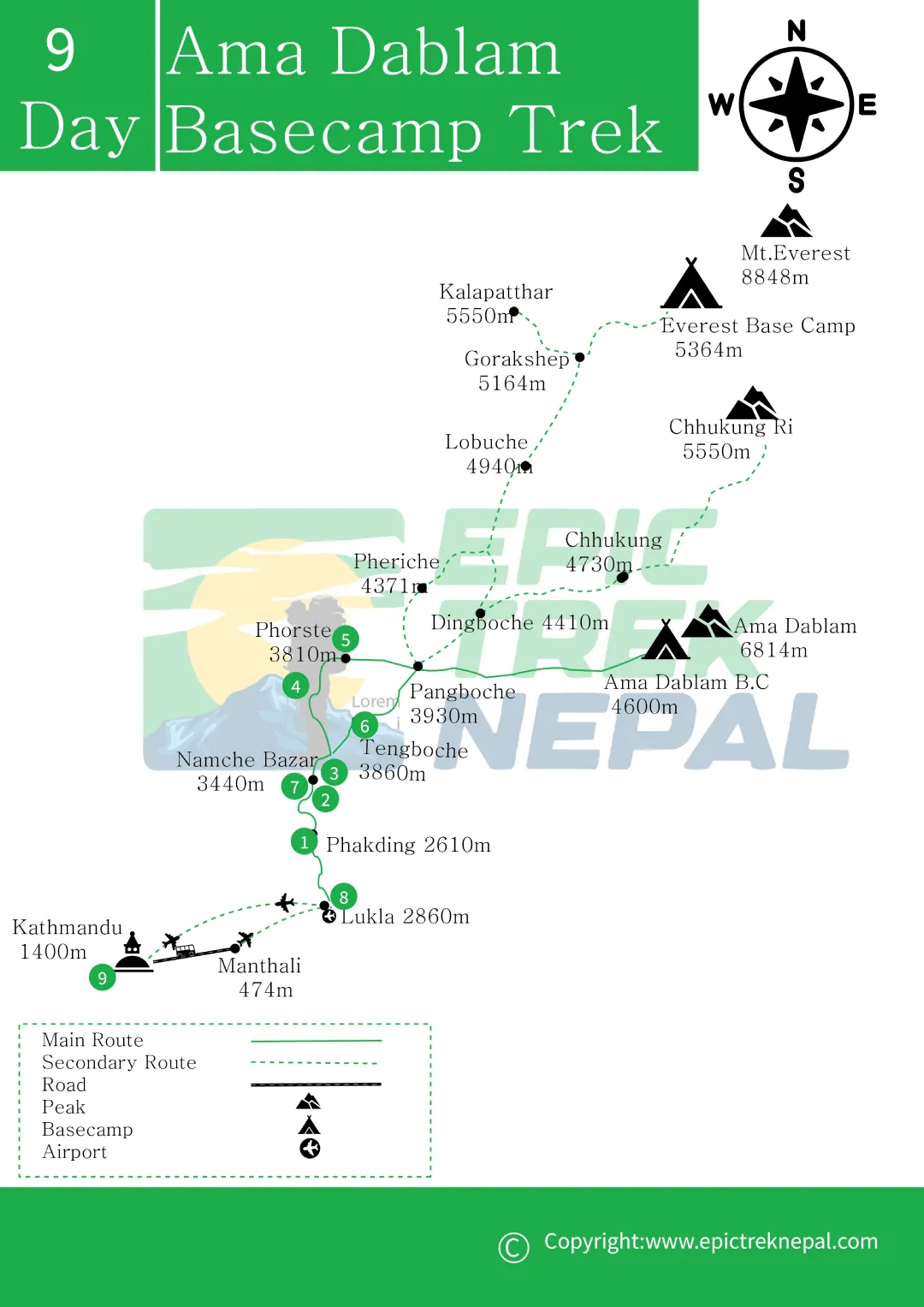
Trip Map of Ama Dablam Base Camp Trek
Trip Information
Difficulty Level
As far as difficulty level, it can be classified as a moderate-level trek for people who are interested in trekking the Ama Dablam Base Camp. The reason for this classification is that it does not demand any special skills or knowledge related to climbing or mountain climbing, as long as a person has a good sense of adventure and a genuine interest in mountain travel.
While it’s something that’s easily within reach for most people with a good level of physical fitness, it’s definitely more than just a casual walk in the park. For one thing, trekkers will find that they’re on their feet for a number of hours a day, and will have to walk through a variety of terrain, from steep climbs to more rugged, rocky landscapes on the Ama Dablam Base Camp Trek. The good news is that no one is ever forced to hurry.
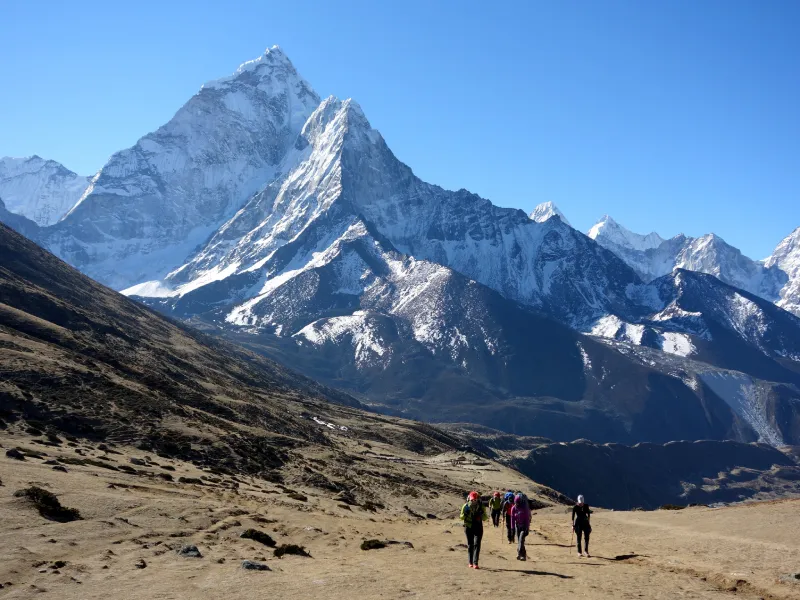
The real thing to think about is not the physical trail, but the altitude. getting to a level higher than 4,500 meters which requires the body to acclimate to the thinner air, and that is exactly what the acclimatization days are designed to accomplish. By going at a comfortable pace and drinking plenty of water, the trekkers find the Ama Dablam Base Camp Trek manageable . And let’s be honest, there is no feeling quite like the sense of accomplishment you get from reaching the base of Ama Dablam.
Cultural Experience and Local Life
One of the most rewarding aspects of the Ama Dablam Base Camp Trek is that it’s not the mountains, but the people and the culture. You get to walk through these Sherpa villages that are like living in a simpler time, and it’s just so inviting and so nice to see. Passing through this area gives a glimpse of the traditional stone houses with their famous colorful roofs and the locals going about their daily activities with a kind smile. This is the true image of how the people have made this region their home in the high Himalayas.
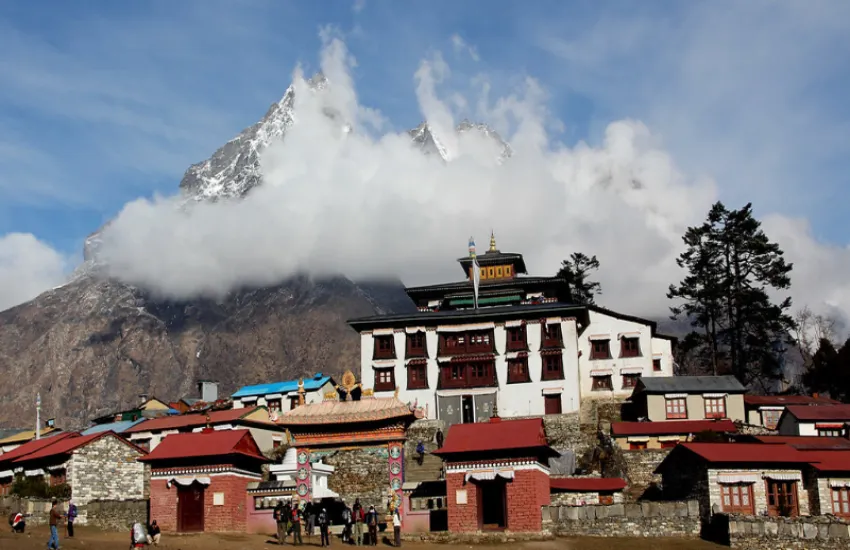
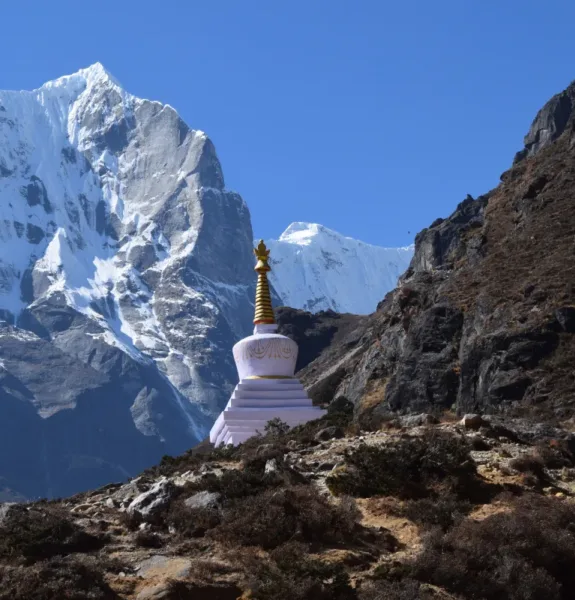
The path will also take travelers through some of the old monasteries that have been hidden away on the sides of the hills. There’s this sense of peacefulness everywhere you look, you’ll hear the distant sound of prayer bells, see the monks in their traditional robes, and look at the mani walls that have been there for thousands of years. It’s those little details, like the flags waving in the breeze and the mani walls of the monastic prayers, that really make a person want to take a step back and try to take in the spiritual aspects of the region.
Of course, being mindful of the local culture is a huge part of the experience. Little things such as removing one’s shoes before entering a monastery or simply asking for a quick “okay” before taking a photo go a long way. Being aware of all of this makes the whole experience feel like a much deeper experience. It’s not just going on a hike, it’s going on a hike and experiencing the culture that has existed here for generations.
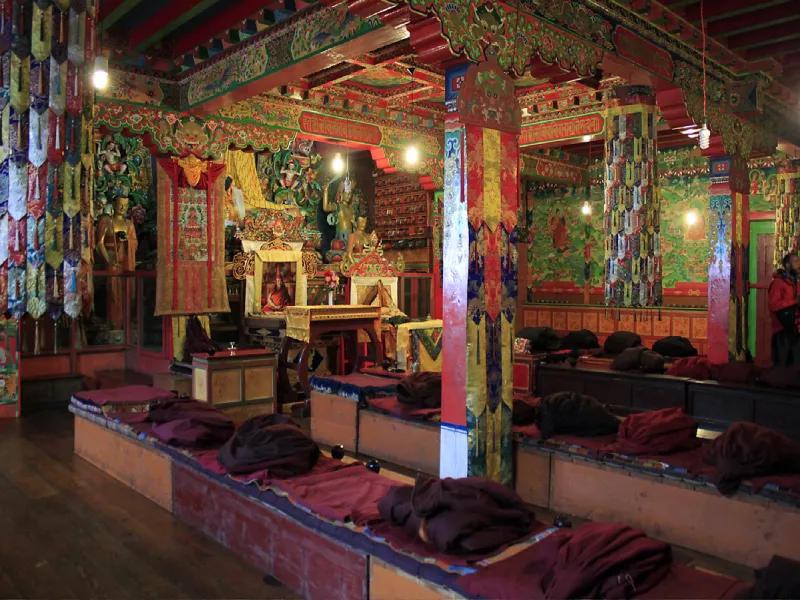
Finally, the cultural aspect of the hike gives you a layer of depth that you just can’t get from looking at a mountain through a pair of binoculars. It’s what makes the journey feel alive, and it’s what, quite honestly, people end up talking about most after they’ve returned home.
Accommodation and Meals on the Ama Dablam Base Camp Trek
Most evenings during the Ama Dablam Base Camp Trek will be spent in tea houses, which are your traditional mountain lodges that offer a great place to rest your body at night after a long day of walking. The rooms are clean and comfortable, though shared bathroom facilities will likely be a necessity rather than a choice. This is no luxury experience, but a simple, honest accommodation that offers exactly what is needed: a comfortable bed, a solid roof over your head, and a chance to get some rest before hitting the trails again in the morning.
The food along this route is simple, hearty, and designed to keep people moving. The staple of any Himalayan trek is obviously Dal Bhat (lentil soup and rice), which is really the ultimate energy booster. Besides these teahouse also offers access to noodles, soups, momos, and even pancakes or eggs for breakfast. It’s certainly no luxury cuisine, but it is incredibly comforting and satisfying after five or six hours of walking on the Ama Dablam Trek.
Permit Required for Ama Dablam Base Camp Trek
Before setting your step on Ama Dabam Base Camp Trek, there are couple of permits that you will need to require.
- Sagarmatha National Park Permit (SNP): Since the trekking trail passes through Sagarmatha National Park, a UNESCO World Heritage Site, the SNP permit is needed. The Sagarmatha National Park Permit costs USD 30 for each person.
- Khumbu Pasang Lhamu Rural Municipality Permit (KPL): This permit is required to trek through the rural municipality areas, which include the Sherpa villages on the route. The Khumbu Pasang Lhamu Rural Municipality Permit will cost you USD 20 for each person.
The best part is that most trekking agencies, including ours Epic Trek Nepal, can handle all the permit arrangements for you, so you don’t need to worry about the paperwork and can focus on enjoying your trek.
Experienced Guide and Porter
One of the absolute best things about this trek to Ama Dablam Base Camp has to be the local guides who walk right there with the trekkers. These guys have spent their whole lives in these mountains, and they’ve hiked these exact trails more times than they can possibly remember. They’re more than just “navigators”; they’re the culture experts who help trekkers really connect with this place in a way that would just otherwise never happen.
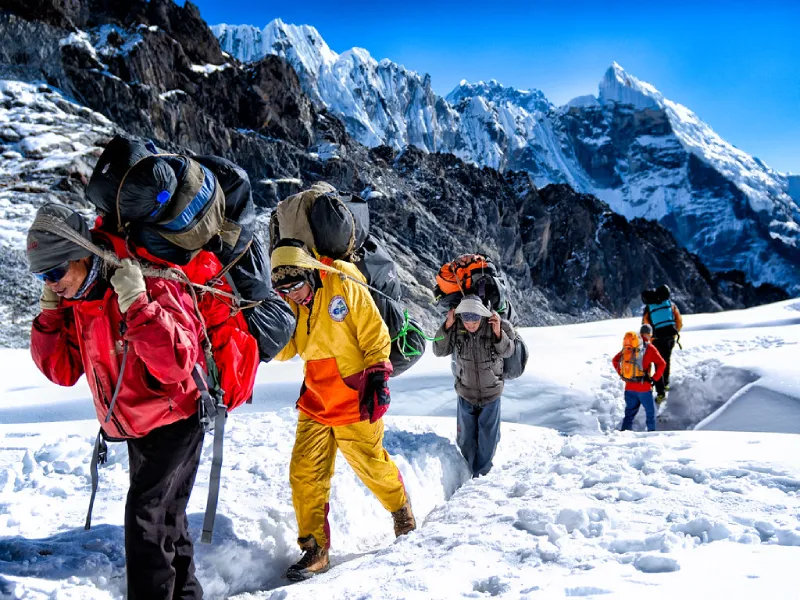
And of course, there are the porters, who really do make this whole experience a whole lot more enjoyable. By taking all that weight off everyone’s shoulders, they actually let trekkers look up and enjoy the views rather than staring down at the trail, lugging a huge pack. But it’s not just that they’re helpful; it’s that they’re part of the “trek family,” always ready to lend a hand when it’s needed.
To be honest, having a good guide and porter team is not just some luxury. It’s what makes the trip safe, personal, and fun. They remove all the stress from the trek so that the focus remains exactly where it should: on the mountains, the culture, and the magic of being in Nepal.
What to pack for Ama Dablam Base Camp Trek
Backpack
- A good backpack with sturdy straps that can be adjusted
- Duffle bag for extra gear
Cloth
- Short and Long-Sleeve Breathing Shirts
- Fleece jacket/down jacket as mid layer for keeping warm in evenings
- lightweight windbreaker
- Waterproof and windproof jacket
- Hiking boots that are comfortable
- Thermal inner wear & Socks
- Trekking trousers
Footwear
- Strong trekking boots
- Additional shoes for evening wear at lodges
Accessories
- Trekking poles for stability”
- Layered gloves
- UV protection sunglasses
- Headlight or Flashlight
- Neck gaiter
- Hat
Sun Protection
- High SPF sunscreen
- Lip balm with SPF
Documents and Money
- Copies of passport and ID, permits and travel insurance documents Local currency
Emergency Items
- First Aid Kit
- Water purification tablets or filter
- Duct tape for fast repair work on gears
- Plastic bag to manage equipment and collect trash
Cancellation Policy for Ama Dablam Base Camp Trek
At Epic Trek Nepal, we understand and acknowledge the fact that things do not always go as planned and can be altered unexpectedly. Therefore, we have presented below a fair and clear cut cancellation policy with regard to your Ama Dablam Base Camp Trek.
Cancellation Notice
Cancellation requests before 15 days from know in a timely manner so that we can organize everything accordingly.
Administrative Fees
In the event of cancellation, we reserve the right to charge an administrative fee of 25% of the total cost of the trek if the cancellation takes place after we have made the necessary bookings and arrangements for your trip.
Non-Refundable Period
If any cancellation is made within 7 days before the starting date of the trek then the trek will not be refundable. But if the cancellation has a justified reason, then the refund will be initiated after subtracting 70% of the total amount of the trek since the amount has already been submitted and the places are reserved on our behalf.
Documentation Period
In case you have to file a claim with your insurance provider. It’s our pleasure to provide you with the documentation required to help you with your insurance process
Unused Services
We do not offer any refunds if your trek is cancelled due to any personal reason, sickness, or weather conditions for unused services such as accommodation, food, transport, etc.
We are always available to help you if you have any questions or concerns about your trek and would like to get back to us about your situation. We thank you for trusting us and hope to have the pleasure of leading you on the Ama Dablam Base Camp Trek.
Frequently Asked Questions
Ama Dablam is a moderate trek which trekkers don’t require any technical skills or mountaineering skills. The trails are not difficult, but the difficult is breathing the thin air. As long as you are in descent condition, you will be fine, just don’t skip those acclimatization days.
The best time for this Ama Dablam Trek are Spring (March to May) and Autumn (September to November). Spring is really nice because the rhododendron is in bloom, and the weather is getting nice, whereas Autumn is nice because of those beautiful, crystal-clear views of the mountains. Monsoon season is a mess, and winter is just plain nasty because of the cold.
Not particularly. While it is nice to have spent a little time on trails before, it is not a problem. The most important thing is to make sure you’re comfortable walking for 5 or 6 hours a day on hilly terrain that may be rocky.
You will need 2 permits:
- Sagarmatha National Park Permit
- Khumbu Pasang Lhamu Rural Municipality Permit
While some people attempt to go it alone, having a local guide and porter can be a total game-changer. Guides aren’t just for giving directions – they can also help with safety, altitude sickness, and giving you a glimpse into local culture that can’t be found in a book. And having a porter carry your gear means that you can enjoy the walk, rather than suffering through with a 15kg pack.
Our standard trip is 9 days, and this will include everything from flying into Lukla to getting back to Kathmandu. Most days will involve between 3 and 7 hours of walking, depending on how steep it is and how our group is feeling with the altitude.
Yes and no. It’s something we take seriously, but it shouldn’t be a worry for you. There are specific days allocated for your body to acclimatize, and our guides are trained to spot the signs of AMS (Altitude Mountain Sickness) early on. As long as you drink plenty and take your time, you’ll be fine.
The base camp is around 4,600 meters (about 15,090 ft) or so. The thing is, we don’t really stay at the base camp. Instead, we trek up to the base camp, hang out for a bit, and then trek down to a place where we will be sleeping. The thing is, the air is pretty thin at that elevation, and the only way to really succeed is to trek up at a snail’s pace.
While the Ama Dablam will be the main feature of our trekking adventure, we will still be able to catch a glimpse of the majestic Everest from the Namche Bazaar and Tengboche areas. However, the Ama Dablam will still be the star of the show, especially since it is so much closer.
Epic Trek Nepal pricing:
- Solo Trekker: $1,290 per person
- 2-3 person: $1,250 per person
- 4-6 person: $1,220 per person
- Group over 7: $1,180 per person
Includes all permits, accommodation, meals, guide, porter, and ground transportation (no flights required).
Trip Reviews
US$ 1250
Need Help? Talk to Expert
+977 9764792172