
Annapurna Panorama Trek
73 reviews in Tripadvisor

Trip Duration
6 Days
Destination
Nepal
Max. Altitude
3,210 m.
Trip Difficulty
Moderate
Group Size
1-12
Transportation
Bus
Accommodation
Hotel/Teahouse
Activity
Trekking
Meals
All Inclusive
Start / End
Pokhara
Region
Annapurna
Best Season
Spring & AutumnUS$ 480

Need Help? Talk to Expert
+977 9764792172Trip Overview
The Annapurna Panorama Trek is one of the most rewarding short treks available in Nepal. This trek is especially suited for those who want to have a taste of the Himalayas without the need to endure long and tiresome treks. This trek provides a smooth introduction to trekking and still provides a real-life mountain experience. On this trek, trekkers can trek at a comfortable pace, enjoy peaceful trails, and still have the face-to-face encounter with some of the highest peaks in the world.
This trek has been a favorite for years, and it’s easy to see why. The trails are well-marked, the teahouses are welcoming, and the scenery changes almost every hour. One moment you’re walking through a dense rhododendron forest, and the next you’re standing on a ridge with Annapurna South and Dhaulagiri right in front of you.
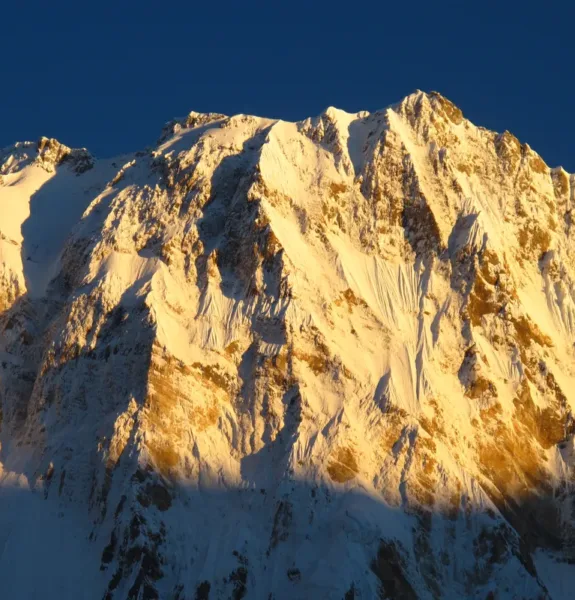
The main highlight is Poon Hill. At 3,210 meters, this viewpoint draws trekkers from all over the world and it delivers every single time. Watching the sunrise light up the snow-capped peaks from up there is something you genuinely can’t describe until you’ve lived it.
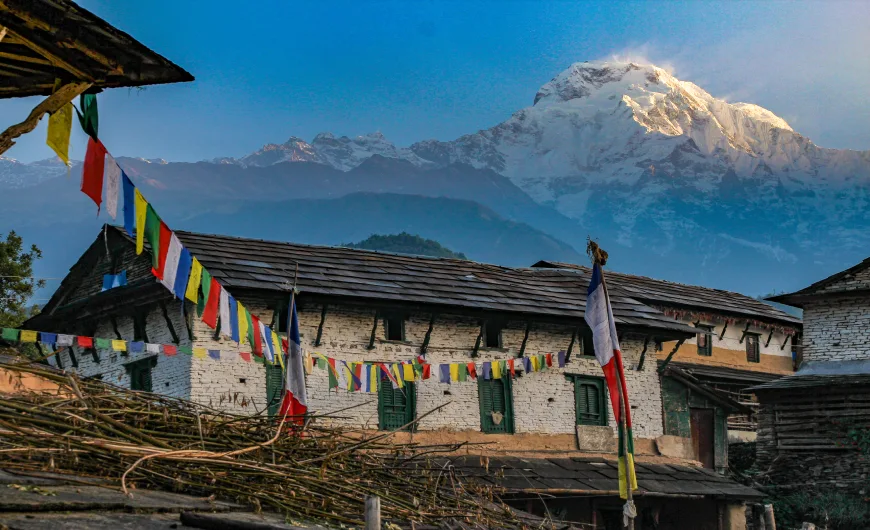
Beyond the views, this trek takes you through real Gurung and Magar villages where life moves at its own pace. You’ll cross suspension bridges, drink tea at small teahouses, and share trails with locals going about their daily routines. It feels authentic in a way that’s hard to find on more commercialized routes.
The trek starts and ends near Pokhara, one of Nepal’s most beautiful cities. Getting to the trailhead is simple, accommodation along the route is comfortable, and the overall difficulty stays well within reach for most people.
Whether this is your first time in the mountains or you’re returning after a long break, the Annapurna Panorama Trek has a way of getting into your mind. People come here once and start planning their next visit before they’ve even finished.
Annapurna Panorama Trek Route
The Annapurna Panorama Trek has a well-designed 6-day trekking route that includes scenic drives, gradual climbs, and culturally rich villages. The trek begins with a drive from Pokhara to Ulleri. The trek then climbs through stone steps and forest trails until the beautiful Ghorepani village is reached.
On the second day, you will start your trek with an early morning hike to Poon Hill where you can take in an amazing view of the sunrise. The trek then passes through rhododendron forests and reaches the village of Tadapani. This section of the Annapurna panorama trekking route is peaceful with mountain views all the way.
The trail then descends to Ghandruk, which is one of the most culturally rich villages on the trekking trail. The trekking trail from Ghandruk goes to Landruk, which passes over suspension bridges and fields.
The trek continues toward Australian Camp, which is located on a ridge with many great views of the large Himalayas. On the last day, the trail goes through Dhampus before descending to Phedi.
The Annapurna panorama view trekking trail is a loop trek, which is quite a beautiful trek as it offers a complete trekking experience within a short period of time.
Who can Join the Annapurna Panorama Trek?
This trek is genuinely open to most people, and that’s one of the things that makes it so popular. You don’t need climbing experience, technical gear, or months of preparation. A reasonable level of fitness and a willingness to walk 5 to 6 hours a day on uneven ground is all it really takes.
Most healthy adults between 15 and 65 handle this route without major problem. Families with kids aged 12 and above do well here too. Since the entire trek runs through teahouses with proper beds and meals, there’s no camping involved which makes things much easier for families and first-timers.
Solo female trekkers consistently rate this as one of the safer, more comfortable routes in Nepal. The trail is busy enough that you’re rarely alone, and locals and teahouse owners are generally very friendly and helpful.
People often choose the Annapurna Panorama Trek as their first real Himalayan experience. It builds confidence, gives you a proper taste of mountain trekking, and leaves you wanting more. At the same time, experienced trekkers enjoy it as a shorter, more relaxed option between bigger expeditions.
If you can walk, enjoy scenery, and don’t mind a bit of uphill, you’re already qualified for the Annapurna panorama trekking itinerary. The mountains will take care of the rest.
Highlights of Annapurna Panorama Trek
- Sunrise view from Poon Hill (3,210 m) – watching the sun rise and light up Dhaulagiri, Annapurna South, and Machhapucchre is an experience that will stay with you for years to come.
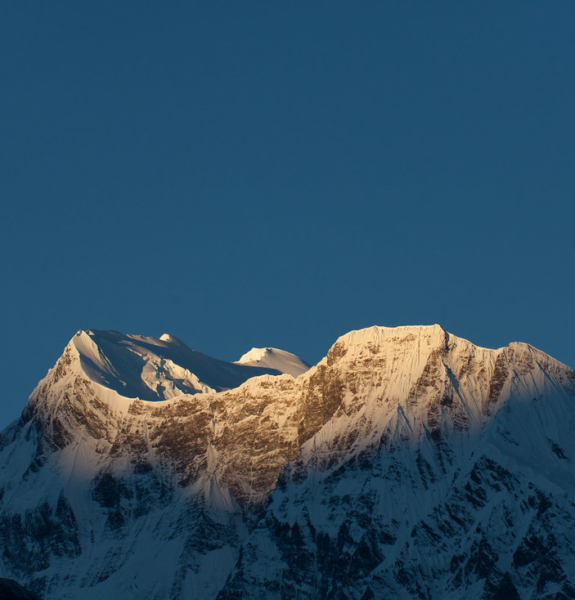
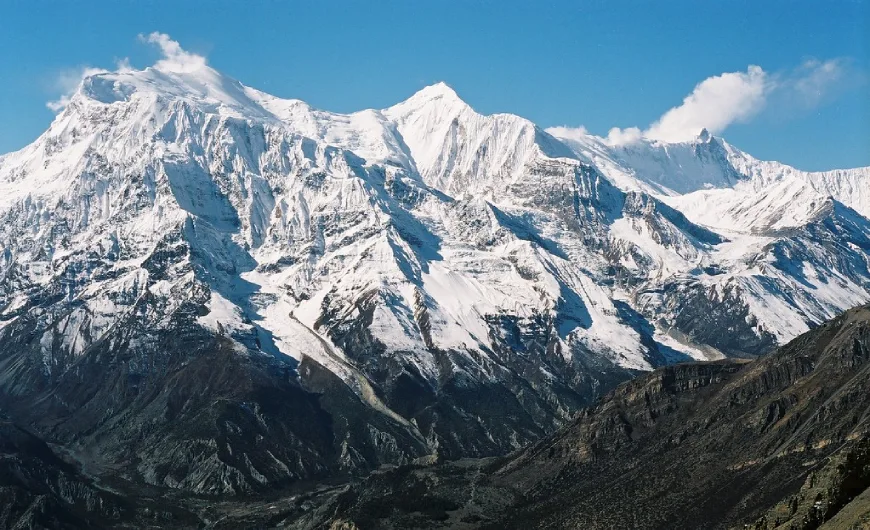
- Panoramic views of snow-capped mountains including Annapurna and Dhaulagiri ranges along the entire trail.
- Walking through ancient Gurung and Magar villages that have hundreds of years of history and culture.
- Rhododendron and oak forests along the trail from Ghorepani to Tadapani.
- Visiting Ghandruk, one of the most beautiful and well-preserved Gurung villages in Nepal.
- Sunset views and 360-degree views from Australian Camp with Pokhara city visible in the distance below.
- Option to visit natural hot springs at Jhinu Danda, a well-deserved treat after all that walking.
- Well-marked and well-trodden trail, perfect for first-time trekkers.
- Variety of bird and wildlife life within the Annapurna Conservation Area.
Photo Gallery & Video Gallery
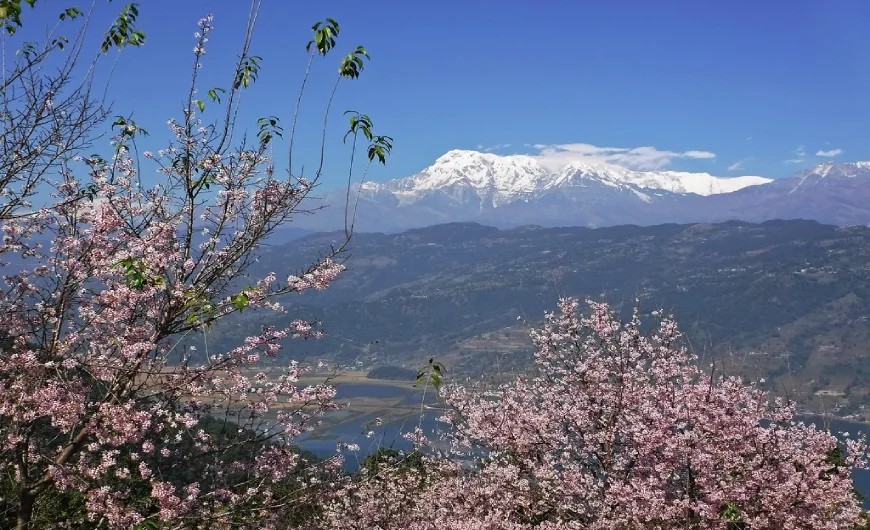
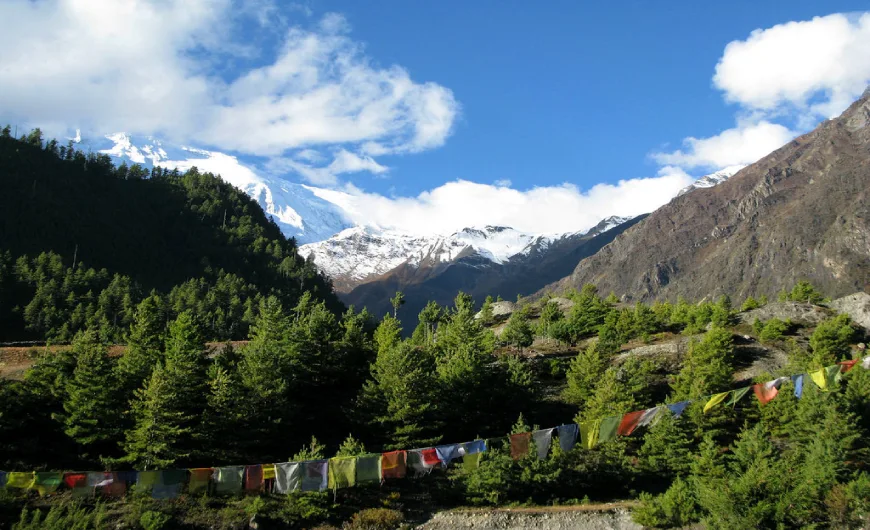
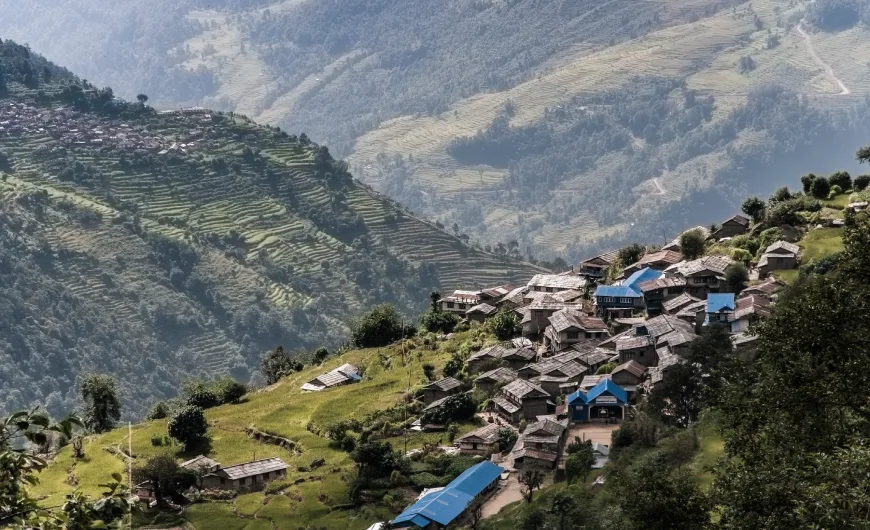
Itinerary of Annapurna Panorama Trek
Day 1: Drive from Pokhara to Ulleri and Trek to Ghorepani
Your trekking adventure begins with a morning drive from Pokhara to Nayapul, which takes about 1.5 hours. From here, you will follow the course of the Bhurungdi Khola river through Tikhedhunga and then encounter the infamous stone stairs to Ulleri. While this is a steep ascent, covering about 3,000 stairs, you will feel all 3,000 stairs in your legs, but the view behind you will be well worth it.
From here, you will continue to Ghorepani via forested areas filled with rhododendrons and oaks. Once you arrive at Ghorepani, you will already be in wonder of the view from the ridgeline and the first view of the Annapurna range. Get a good rest at your teahouse and to bed early.

Activity: Trekking through forest trails and local villages (5 hours)

Max. Altitude: 2875m./9,432ft.

Meal: Breakfast, Lunch, Dinner

Accommodation: Tea house
Day 2: Ghorepani Poonhill Sunrise and Trek to Tadapani
Wake up early, before dawn, ideally between 4:30 to 5:00 AM, and hike up to Poon Hill for about 45 minutes. This is essentially what most people come here to see. As the sun rises from purple to orange to gold, the Annapurna and Dhaulagiri ranges come into view. Dhaulagiri, Annapurna South, Hiunchuli, and Machhapuchhre line up in front of you. One of those views that literally takes your breath away and stops you in your tracks!
Once you have soaked in all that beauty, head back down to Ghorepani for breakfast. From there, the trail goes through thick rhododendron forests to Tadapani. This is one of the most beautiful and underrated sections of the entire Annapurna Panorama Trek. Not only is the forest thick and beautiful, but there are also stunning views of the mountains on clear days. Tadapani is on top of a ridge and offers stunning views for sunset, an ideal reward for the end of a very long day.
Activity: Sunrise viewpoint, trekking, village exploration (6 hours)
Max. Altitude: 3210m./10,531ft.
Meal: Breakfast, Lunch, Dinner
Accommodation: Tea house
Day 3: Trek from Tadapani to Ghandruk Village
Today is a bit more relaxed, and you’ll descend gradually through more of these beautiful forests. You’ll cross a couple of suspension bridges, which is always a fun photo, and pass through some villages. This day is all about the Gurung culture. You’ll see them doing their thing and pass through these cool traditional stone houses. Hendrik is a beautiful village, and you can even visit a museum here. The views of Machapuchare (Fishtail) Mountain from here are absolutely insane. It’s a short day, so just relax and enjoy the hospitality.
Activity: Trekking, cultural experience, mountain viewpoints (5 hours)
Max. Altitude: 2670m./8,760ft.
Meal: Breakfast, Lunch, Dinner
Accommodation: Tea house
Day 4: Trek from Ghandruk VIllage to Landruk Village
Today is a shorter day and a bit easier in comparison to the previous ones. The trail descends to the valley through the village of Ghandruk and then up to the other side of the valley to Landruk. This is a pleasant walk up and down with wonderful views.
The suspension bridge over the Modi Khola River is one of the highlights of the day. The river thunders through the gorge under the bridge. A steady climb through farmland and settlements brings us to Landruk.
Landruk is not as busy as Ghandruk, and this is what makes it so lovely. Fewer trekkers pass through this village, and this makes the atmosphere here all the more relaxed. The views of Annapurna South and the Modi Khola River valley from the village are stunning. This is a good day to take it easy and enjoy the scenery and the local atmosphere.
When you arrive at your tea house, your legs will appreciate the easier day. This is because tomorrow is the day of the good climb to Australian Camp.
Activity: Trekking, photography, observing local culture (5 hours)
Max. Altitude: 1940m./6,365ft.
Meal: Breakfast, Lunch, Dinner
Accommodation: Tea house
Day 5: Trek from Landruk Village to Australian Camp
Today’s hike is a gradual climb through fields and villages until you reach the top where Australian Camp is located. The hike takes a few hours, but the elevation is gradual and offers beautiful views that get better and better with every step up.
Australian Camp is located at 2,065 meters and is one of those places that surprises people. The camp is located on top of a ridge with almost 360-degree views of the Annapurna range. On clear days, you can see all the way down to Pokhara city and Phewa Lake sparkling in the distance below – an amazing view of mountains behind and valley below.
Sunsets from Australian Camp are amazing. As the sun sets over the Annapurna range, the sky is painted with colors that seem almost too beautiful to be true. Many trekkers agree that this view is one of the best sunsets in the Himalayas and can compete with the Poon Hill sunrise for best view of all.
Activity: Trekking, scenic viewpoints, sunset photography
Max. Altitude: 2065m./6,775ft.
Meal: Breakfast, Lunch, Dinner
Accommodation: Tea house
Day 6: Trek from Australian Camp to Phedi via Dhampus and Drive to Pokhara
The final day of the Annapurna Panorama Trek begins with one final morning view from the ridge before making your way back to begin your descent to Dhampus Village. The walk through Dhampus Village is very relaxing and is a great way to end your trek.
Dhampus is a beautiful Gurung village that sits on top of the Pokhara Valley. The views of the Annapurna Mountains are fantastic from here. The atmosphere is very laid back and is a great place to spend some time walking through and taking in your final hours on the trail.
From here, the trail descends to Phedi where a vehicle is waiting to bring you back to Pokhara. The drive takes about 30 to 45 minutes. By early afternoon, you are back in Pokhara and can immediately feel the difference between the peacefulness of the mountains and the energy of Pokhara.
A hot shower, a meal, and a cold drink by Phewa Lake in Pokhara is the perfect way to end your Annapurna panorama trek Poon Hill trek. The trek is now officially over, and I’m sure you are already planning your next trip back.
Activity: Trekking, scenic descent, Drive Back (4 to 5 hours)
Meal: Breakfast, Lunch, Dinner
Accommodation: Tea house
Includes/Excludes
What is included?
- Permits and Fees: All necessary permits for the Annapurna Base Camp Trek, including the Annapurna Conservation Area Permit (ACAP) and the TIMS (Trekkers’ Information Management System) card.
- Accommodation: Accommodation during the trek, usually in teahouses or lodges. This typically includes accommodations in Pokhara before and after the trek in 3 star hotel on BB plan. (twin sharing basis).
- Meals: Most packages will include three meals a day (breakfast, lunch, and dinner) during the trek. It also includes two times hot beverage (in breakfast and lunch) and seasonal fruits after dinner.
- Guide and Porters: Services of an experienced English-speaking trekking guide and porters to carry luggage(one for two trekkers). This includes their salary, insurance, equipment, food, and accommodation.
- First Aid Kit: A basic first aid kit.
- Trekking Map: A map of the Annapurna Panorama Trek route.
- Equipment: Duffle Bag, Sleeping Bag (if necessary)
Pick up drop-off: airport pick up and drop-off by private vehicle.
What is not included?
- International Flights: International airfare to and from Nepal is not included.
- Travel Insurance: Travel insurance that covers emergency rescue and evacuation is not included, and you’ll be expected to have your own.
- Personal Expenses: Expenses for extra meals, drinks, snacks, charging devices, hot showers, Wi-Fi, and other personal costs are not included.
- Nepal Visa Fees: Entry visa fees for Nepal.
- Additional Accommodation and Meals: If you choose to extend your stay in Nepal, the cost of additional accommodation and meals will not be included.
- Trekking Gear: Personal trekking equipment, such as hiking boots, down jackets, trekking poles, and other gear are not included.
- Porter to carry your backpack (Per day 25 USD)
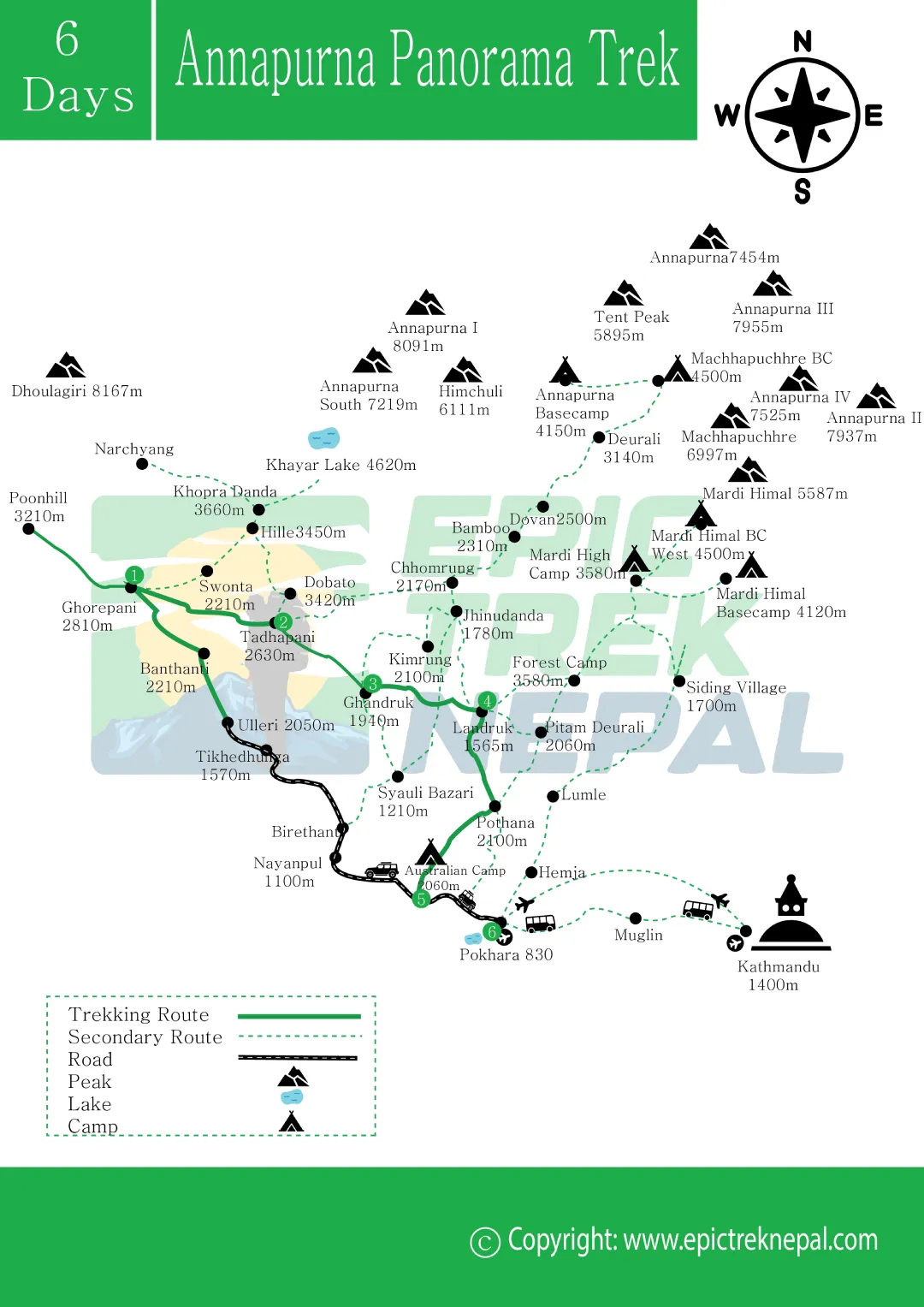
Trip Map of Annapurna Panorama Trek
Trip Information
How difficult is Annapurna Panorama Trek?
The trek is classified at the moderate level. It isn’t what you would call a walk in the park but also not nearly as difficult as Everest Base Camp. Most of the guests who are well prepared for the trek with couple of weeks of basic training should not have any serious difficulty completing this trek.
The hardest portion of the trek by far is the climb from Tikhedhunga to Ulleri, which consists of approximately 3000 stone steps, which will push your leg strength to the limits. But, once the climb is completed, the remainder of the trek becomes much easier and the most difficult part will be well behind you.
The walking time varies between 4 and 6 hours depending on the pace of the hiker. The highest point of the Annapurna Panorama Trek is the Poon Hill, which reaches 3,210 meters above sea level. This altitude is enough to experience the altitude, but altitude sickness is not common here.
There are no glacier crossings, no technical difficulties, and no skills are required. Just good mountain trails with tea houses on the way. If you are in the habit of walking or have been exercising a few times a week, then you are ready to go. If not, then just walking for 3 to 4 weeks before to the trek makes all the difference. The Annapurna panorama trekking route is challenging enough to make the hiker feel proud of the achievement, yet easy enough for anyone in decent health to complete.
Preparation for Annapaurn Panorama Trek
While the Annapurna Panorama Trek is short and moderate in difficulty, proper preparation is still necessary to ensure that your experience is comfortable and enjoyable. Fitness is one aspect to consider, but you don’t have to be physically fit to undertake this trek. Engaging in walking activities before your trek is useful to build up your fitness and strengthen your legs. For example, walking up hills is useful for tackling the Ulleri steps.
Carrying a backpack during your practice walks is useful to build up your endurance for carrying packs on your actual trek. Other aspects to consider for your mental preparation include your attitude to dealing with different kinds of weather and early starts.
Be very careful and smart with your packs! You want to pack lightly yet you want to pack effectively. Your basic park list should include good trekking boots, warmer layers, a waterproof jacket, trekking poles, and a comfortable day backpack. Do not pack anything extra as you will either have to carry all of the weight yourself or hire someone to assist you. Make sure you have travel insurance for high altitudes and emergency evacuation.
Lastly, acclimatize well, stay hydrated, and do not rush through this trek. The Annapurna Panorama View Trek is best enjoyed at a leisurely pace.
Visa and Permit Requirement
Before going to the trail you must organize necessary document and permit. There are not many documents, but missing one will create issues at checkpoints along the way.
The first in the series of documents is a Nepal Visa. Most nationalities are able to obtain a visa upon landing at Tribhuvan International Airport in Kathmandu when they arrive in-country. The cost of a 15-day visa is $30 USD and a 30-day visa is $50 USD. You may also apply for a visa online through the official Nepal immigration website.
To participate in this trek, you will need both an Annapurna Conservation Area Permit (ACAP) and a Trekkers’ Information Management System (TIMS) Card. ACAP is required, it costs $23 – $30 USD for foreigners or $7 – $8 USD for nationals of SAARC countries, and all the money goes towards conserving the Annapurna region.
The TIMS Card costs approx. $10 – $20 USD (depend on solo or group). Both these permits will be arranged by us “Epic Trek Nepal“, so trekkers don’t have to worry about document. Just enjoy the trekking.
When trekking the Annapurna Panorama you must carry a physical paper copy of each permit at all times as there are several check-posts along the route where you will be required to show an officer your permits for inspection.
Mobile network, internet & charging facilities
Staying connected on the trek is not as difficult as most people make it out to be. You won’t have the kind of connectivity you’d have in the city, but you won’t exactly be out of touch either.
Mobile network connectivity is good along the lower region of the trek. The two main operators in Nepal are Ncell and NTC. Ncell has better network coverage in the Annapurna region. As you ascend higher, the network signal gets weaker, and around the Ghorepani area, forget about making any calls or using data.
WiFi is accessible at most tea houses along the route, but do not expect too much. It’s slow, sometimes paid, and sometimes not working at all.
Charging points are accessible in almost all the tea houses along the Annapurna Panorama Trek route. The cost is nominal, ranging between NPR 100 and 200 for each device. It is also recommended to carry a power bank with you, especially if your walk is long and you will only reach the tea house in the evening.
It is also recommended to carry a solar charger if you are carrying multiple devices with you. However, do not solely rely on your phone for navigation. Download the maps beforehand, as you leave Pokhara.
In summary, the connectivity along the Annapurna Panorama view trek route is sufficient to allow you to remain connected without taking you too out of the experience.
Don’t on the Annapurna Panorama Trek
A few careless mistakes can transform an amazing trekking experience into an unpleasant one. Here are some things to remember before and during your trip:
Don’t rush it. This is perhaps the most common mistake first-time trekkers make. Rushing too much, too quickly is sure to drain your energy levels and increase your chances of altitude sickness. Slow and steady wins the game in the Himalayas.
Don’t make mess. The Annapurna region is a conservation area. Do not throw your rubbish anywhere you please. Take your rubbish back down the mountains or dispose of it in designated areas. This is disrespectful to nature as well as the local population who depend on it.
Don’t drink tap water. Buy a bottled water or use water purification tablet. Stomach problems due to tap water can ruin your whole trekking experience.
Don’t ignore travel insurance. This is perhaps the most ignored factor by trekkers. Emergency helicopter services to rescue you from the Annapurna range cost as much as thousands of dollars. Good insurance covers you completely in such situations.
Don’t ignore your body. Headaches, nausea, dizziness, these are all signs your body is sending you. Don’t ignore them in the hope that they’ll go away in time.
Don’t Overpack. Trust us, every extra kilo will feel like five in a few hours of uphill trekking. Only bring what you need and make it as light as you can.
Don’t Disrespect the Culture. This one should be obvious, but always wear your shoes when entering a local home or monastery. Be respectful of the local culture and traditions. It will go a long way in gaining their respect.
Don’t Count Only on Your Phone for Navigation. Signal reception can be hit and miss in the region for the Annapurna Panorama Trek. Download a map before you leave Pokhara and bring a physical one too.
Don’t Forget to Enjoy It. This one should be obvious too. It seems like a lot of hikers get caught up in the trek to the next stop that they forget to enjoy the view. The Annapurna panorama trekking itinerary has some breathtaking views.
Health and safety on Annapurna Panorama trek
The Annapurna Panorama Trek is considered to be a safe trek. Taking the right health precautions will make the experience of trekking more pleasant. The maximum altitude reached during the Annapurna Panorama Trek is 3,210 meters, which is the altitude of Poon Hill. Altitude sickness is not possible. However, trekkers must know their own condition and not try to rush through the trek. This can be avoided by taking enough water and moving at a normal pace.
It is also important to carry a first aid kit, which should include some basic medicines, bandages, and altitude relief medicines. Headaches, body pain, and minor injuries such as cuts can be treated on the spot. Trekking shoes will also help avoid accidents such as slipping and spraining the ankle, which may occur while climbing the stone steps in Ulleri.
Food and water hygiene is equally important. Drinking boiled water or filtered water and having meals in reliable tea houses will prevent stomach upsets. Snack food like nuts, energy bars, and dried fruits will keep you going during long stretches of walks.
In order to keep yourself safe while on the trip, it is necessary that the you are aware of the local advice and signs. Bridges, steep trails, and forests require extra care. By booking this trek through Epic Trek Nepal, you will have the benefit of experienced guides leading you through the trek.
By preparing and being aware, as well as taking precautions, trekkers can have a safe and wonderful time enjoying the amazing scenery of the mountains and the culture, as well as experiencing the Annapurna Panorama Trek.
Trip extension and side trails
Those looking for additional exploration options in the Annapurna Region will be happy to know that extending the Annapurna Panorama trek is definitely possible. This usually includes extending your trip by several days beyond the standard 6-day itinerary which includes such highlights as Poon Hill, Ghandruk, and Australian Camp and will give you an opportunity to enjoy a more peaceful trekking experience on less traveled trails, visit less populated villages, and experience more viewpoints.
There are also some popular extensions available like hiking from Ghandruk to Chomrong and then onto Jhinu Danda which offers trekkers access to natural hot springs, added terraced landscape, and less crowded trails which are perfect for relaxation and photography.
Exploring higher ridges above Tadapani along these side trails offers trekkers spectacular views of both the Annapurna and Dhaulagiri ranges, while providing an adventurous trek off the beaten path.
For those looking for a gentler way to extend their trek, hiking from Australian Camp to other viewpoints or villages nearby such as Dhampus adds adding cultural diversity and more scenic diversity to your trek.
The nature of both side trails and these extensions make for a highly adaptable trekking experience. Trekkers will be able to modify their experience to fit fitness level, interest or whether or not they wish to explore more of each mountain or villages, making a short trek a completely different and more expansive experience in the Himalayas.
Cultural festivals on the trail
The Annapurna Panorama Trek takes you through villages where culture is alive, and experiencing festivals along the way will give you a different dimension to your trekking experience. Most villages in this region, such as Ghandruk, Landruk, and Tadapani, have ethnic groups such as Gurung and Magars, and they celebrate festivals in colorful ways.
If you time your trek right, you can catch the Tihar festival, which is the Nepali celebration of lights. It’s usually around October or November. Every house is decorated with oil lamps and these bright, colorful patterns on the floor. They even celebrate days for dogs and crows, which is just amazing.
And then there’s the Maghe Sankranti, which takes place in January. It’s big for the Magar people, who make up 7% of the population of Nepal. They all come together to celebrate with some delicious food and prayers for good health for the coming year.
During the peak season, you might even witness festivities of Dashain, the biggest holiday in Nepal. You will see people decorating their houses, children swinging on massive bamboo swings, and maybe even a procession going by. It is not just for the benefit of tourists; it is their real life, and they are always happy to let you catch a glimpse.
Even if there isn’t a major holiday going on, you will catch some local festivities in the tea houses. Somebody will start beating a drum, and everybody will be in traditional clothing before you know it and you will be in the middle of a dance circle. These are the kinds of experiences that you will have on the Annapurna panorama trek that will stick in your mind.
Travel Insurance
Travel insurance is important for anyone going on the Annapurna Panorama Trek. Even though the Annapurna Panorama Trek is an easy trek and the altitudes is pretty comfortable, the mountains can be unpredictable. While accidents, sudden illnesses and interruptions in travel can happen, a travel insurance policy will ensure that you are financially protected and have access to emergency services that may be necessary.
An good travel insurance plan should provide coverage for medical emergencies such as hospitalizations and for helicopter evacuations. In addition, having coverage for trip cancellations, lost bags, and delays will be very helpful, especially in the case of international travel.
Some policies may even state that trekking is covered up to 4,000 meters, meaning that a policy saying, “I cover treks up to 4,000 meters,” is perfect for the Annapurna Panorama Trek because the highest point along the Annapurna Panorama Trek is Poon Hill, which is at 3,210 meters.
Before you purchase it make sure to verify that your chosen travel insurance covers trekking and adventure activities. Standard travel insurance typically does not cover trekking automatically, so you have to choose that includes adventure sports or high-altitude trekking. Carry a paper or digital copy of your travel insurance policy with you while trekking and bring along emergency contacts.
With the correct travel insurance, you can enjoy the beauty of the scenery and the local culture while also being able to fully enjoy yourself on your trek, as you will have complete coverage in case of emergency.
Frequently Asked Questions
The best time to visit Annapurna Panorama Trek is during the Spring (March to May) and Autumn(September to November).
The trekking duration for this trek is around 6 to 9 days, depending on your chosen itinerary and walking pace.
Yes, a guide is recommended for this trek, especially if this is your first time going on a trek.
You will find basic tea house with comfortable rooms, warm blankets, and shared bathroom.
Tea houses provide food like Dal Bhat, Noodles, Pasta, Soups, Eggs, and Pancakes. Among them, Dal Bhat is the best option and also the cheapest and most filling.
Yes, you can do solo trek but a guide is still recommended if you want to know the place more deeply.
You can see langur monkeys, Himalayan tahr, and even red pandas and some of the colorful bird species of the Himalayas.
Yes. It is one of the most beginner-friendly treks in Nepal.
Weather-related problems are rare. In case of disruptions due to bad weather, the trek schedule will be adjusted accordingly.
Yes, you can extend the trek to Annapurna Base Camp by trekking further to Chhomrong and then continuing on for about 4 to 5 days.
The temperature on the trail varies between 10°C and 20°C. The nights are cold in places like Ghorepani, which are at higher elevations, and the temperature goes down to almost freezing.
It is best to book at least 4 to 6 weeks in advance, especially in peak season.
Trip Reviews
US$ 480
Need Help? Talk to Expert
+977 9764792172