
Everest Three Pass Trek
73 reviews in Tripadvisor

Trip Duration
20 Days
Destination
Nepal
Max. Altitude
5,550 m.
Trip Difficulty
Challenging
Group Size
1-12
Transportation
Tourist Vehicle
Accommodation
Hotel/Teahouse
Activity
Trekking/Hiking
Meals
All inclusive
Start / End
Kathmandu
Region
Everest
Best Season
Spring, AutumnUS$ 1750

Need Help? Talk to Expert
+977 9764792172Trip Overview
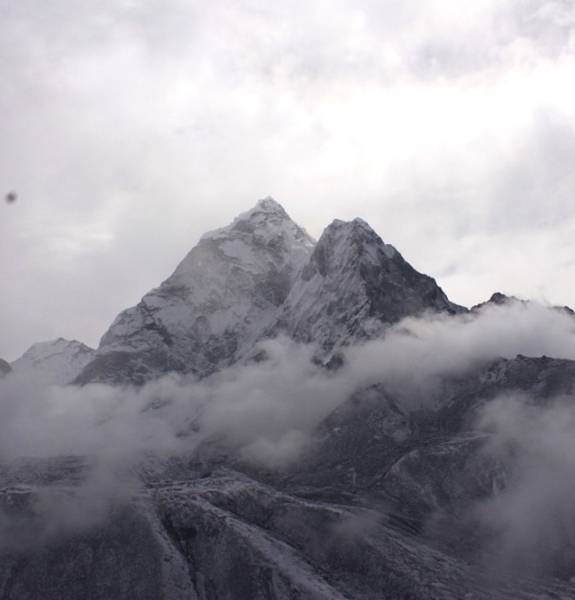
The three pass trek usually highlights crossing the three high-altitude passes including Renjo la (5360 meters), Cho La (5420 meters) and Kongma La (5535 meters) of the Everest region. You’ll get unparalleled mountain views during this adventurous Everest three pass trek, including Mt. Everest, Mt. Ama Dablam, Mt. Lhotse, Mt. Cho Oyu, Mt. Makalu, etc.
Along with that you’ll also have the opportunity to climb prominent viewpoints like Gokyo Ri, Kala-Patthar and Chhukung Ri. along with the hike to Everest Base Camp (EBC), each offering challenging side-trips with solitary views.
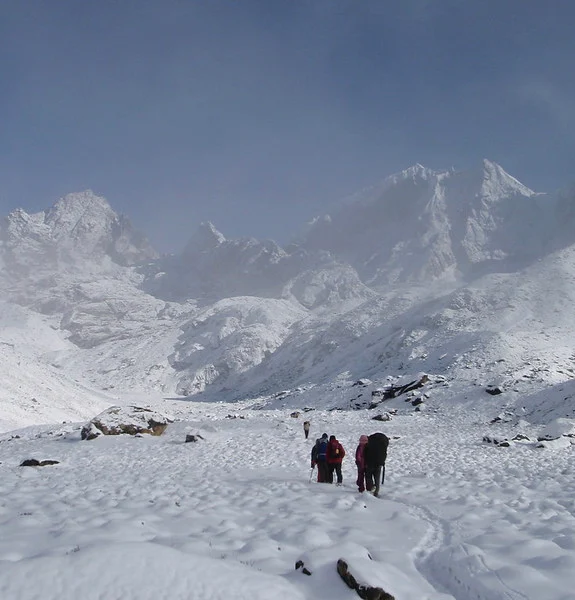
While crossing the three pass, the trail connects beautiful picturesque valleys of Gokyo, Khumbu, Dudh Koshi, and Imja valley. This is an all-in-one Himalayan experience with panoramic views and memorable high altitude trek that traverses two of the world’s largest glaciers – the Khumbu and Ngozumpa glaciers.
Hiking in the Himalayas is difficult. The three pass trail travel from peak to peak leading past lakes and glaciers on the way. The reduced oxygen levels at elevation require trekkers to maintain a slower pace and allow proper acclimatization time. Proper preparation, safety equipment, and choosing experienced guides for the Three pass trek is essential. This is a high altitude trek where situations can be worsen quickly, having reliable communication for emergency help is crucial.
Why Three Pass Trek in Nepal?
Three pass is a challenging trekking trail for those seeking adventure although it takes you through the three passes (Renjo La, Cho La and Kongma La). Doing the three pass trek could be a once-in-a-lifetime experience as it gives you the opportunity to climb viewpoints such as (Gokyo Ri, Kala Patthar and Chhukung Ri), along with reaching Everest base Camp.
The trail takes you through engaging with the culture and local community in the early days of three pass trekking and after that you will be gaining altitude and the landscape changes accordingly. You’ll pass through the spiritual spots, mountain settlements, rugged terrain.
When is the Best Time for Three Pass Trek?
Three Pass trek in Nepal isn’t just a season-specific trek – all seasons have their own unique specialty and drawbacks as you head towards it. Spring (March to May) boasts blooming wildflowers and slightly fewer crowds make it an appealing time to trek in Everest Region. Autumn (spanning September to November), offers fantastic weather but draws significant crowds, thus necessitating early planning. We also recommend shoulder trekking seasons such as late spring or early winter, which are appealing due to favorable weather and fewer crowds.
Keep updated with weather forecasts for the specific areas you’re heading towards and prepare with the right gear according to the season. Checking with local guides or teahouse owners since they have the most current trail conditions. Also, ask fellow trekkers about the route when you meet them along the way or at teahouses.
How long does the Three Pass Trek take?
This is a long trek which covering a total distance of around 148-166 km and is expected to be completed in 16 days with acclimatizing. About 10-12 kilometers are targeted to be completed in each day ranging from starting altitude of approximately 2,800 meters (Lukla) up to 5,535-5,550 meters (Kongma La pass being the highest point).
Highlights of Everest Three Pass Trek
- Crossing three major high-altitude passes: Renjo La (5,435m), Cho La (5,420m), and Kongma La (5,535m).
- Witness Mt. Everest (8,848.86m), Mt. Lhotse (8,516m), and Mt. Cho Oyu (8,188m) – three of the world’s highest mountains.
- Visit legendary Everest Base Camp (5364m) and climb Kala Patthar (5,555m) for breathtaking sunrise views of Everest.
- 360° views of Everest, Cho Oyu, Makalu, and Lhotse from Gokyo Ri viewpoint.
- Explore authentic Sherpa villages and ancient monasteries preserving centuries-old traditions.
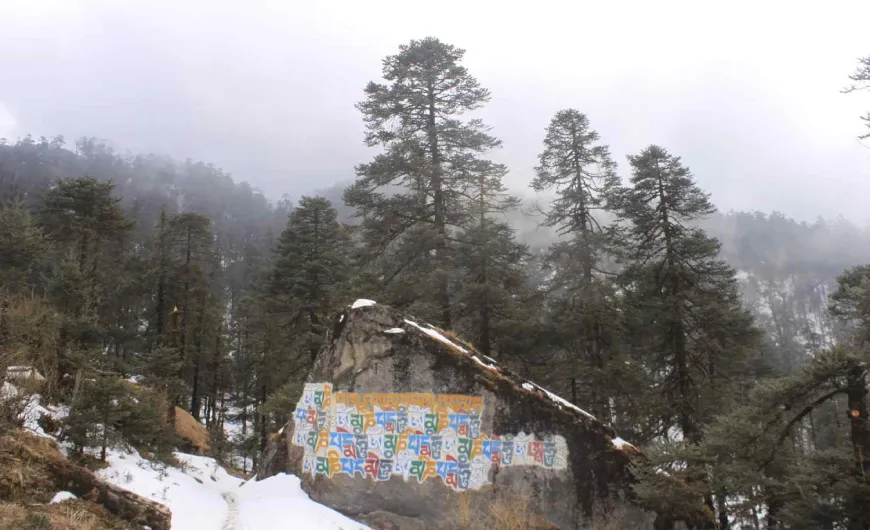
Photo Gallery & Video Gallery
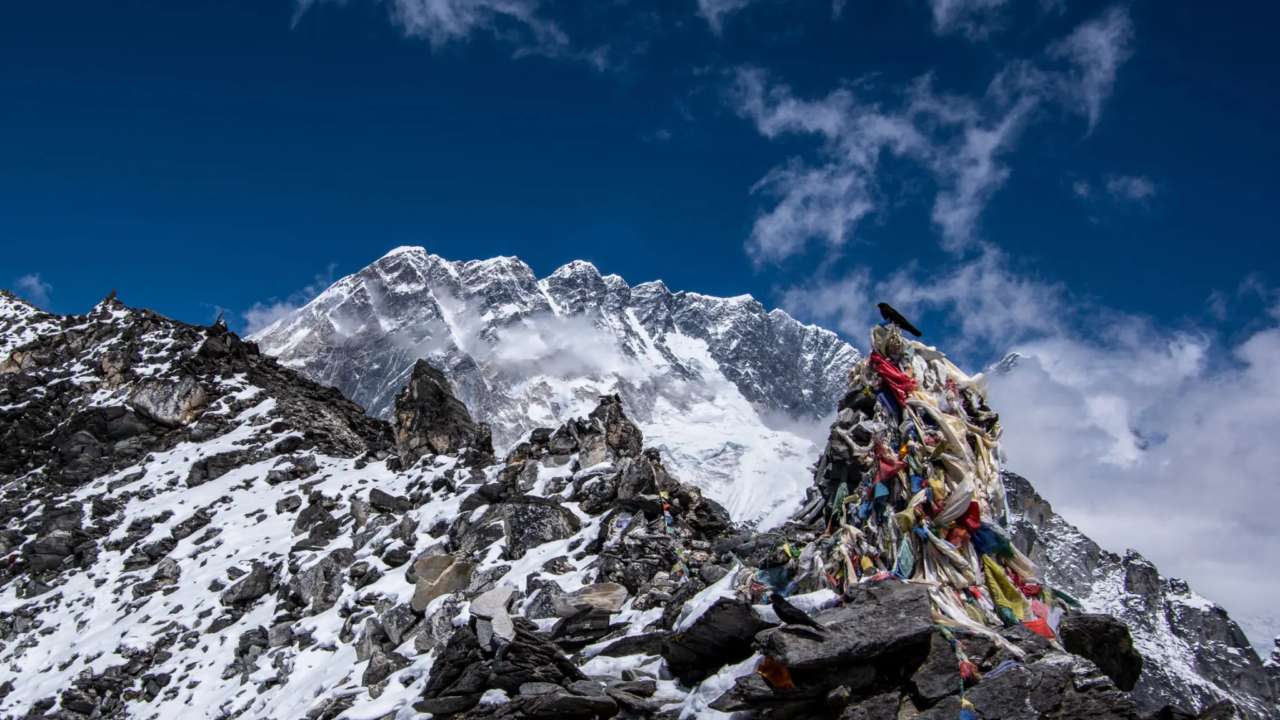
Everest Three Pass Trek - Distance, Duration, and Altitude
| Trekking Route | Distance (Kilometers) | Duration (Hours) | Altitude (Meters) |
|---|---|---|---|
| Lukla to Phakding | 8 KM | 3 to 4 hours | 2860 m. |
| Phakding to Namche | 11 KM | 5 to 6 hours | 3440 m. |
| Namche to Khumjung (day hike) | 6 KM | 4 to 5 hours | 3790 m. |
| Namche to Tengboche | 10 KM | 5 to 6 hours | 3867 m. |
| Tengboche to Dingboche | 11 KM | 5 to 6 hours | 4410 m. |
| Dingboche to Chhukung | 5 KM | 3 to 4 hours | 4728 m. |
| Chhukung to Lobuche via Kongma La Pass | 14 KM | 7 to 8 hours | 5535 m. |
| Lobuche to EBC then Gorak Shep | 15 KM | 8 to 9 hours | 5364 m. |
| Gorak Shep to Kala Patthar then Dzongla | 12 KM | 6 to 7 hours | 5545 m. |
| Dzongla to Dragnak via Cho La Pass | 10 KM | 6 to 7 hours | 5420 m. |
| Dragnak to Gokyo | 6 KM | 3 to 4 hours | 4790 m. |
| Gokyo to Lungde via Renjo La Pass | 15 KM | 8 to 9 hours | 5388 m. |
| Lungde to Namche | 15 KM | 6 to 7 hours | 3440 m. |
| Namche to Lukla | 19 KM | 7 to 8 hours | 2840 m. |
Itinerary of Everest Three Pass Trek
Day 1: Arrival in Kathmandu
Welcome to the vibrant capital of Nepal, Kathmandu. Upon your arrival, our friendly representative will greet you and transport you to your hotel. Take this time to refresh and relax.

Activity: 45-min drive

Max. Altitude: 1324m./4,344ft. (Kathmandu)

Accommodation: 3-Star Hotel
Day 2: Explore Kathmandu and Trek Preparation
Today after breakfast, we’ll visit some of the most renowned UNESCO heritage sites of Kathmandu. Some of them are: Swayambhunath (Monkey Temple), Durbar Square, Boudhanath Stupa, and Pashupatinath Temple. In the afternoon, explore the bustling heart of Kathmandu’s tourist hub and make final preparations for your upcoming trek.
Max. Altitude: 1324m./4,344ft. (Kathmandu)

Meal: Breakfast
Accommodation: 3-star Hotel
Day 3: Fly from Kathmandu (1400m) to Lukla (2840m) - Phakding
Early morning, take a scenic 45-minute flight to Lukla. Upon arrival, have a cup of tea in Lukla, and begin your trek. During the trek you will travel alongside the Dudh Koshi River valley, following a well-marked trail to the picturesque village of Phakding. After reaching Pakhding, you will stay there for a warm meal and to rest.
Activity: 35-min fly, 4 hours trek
Max. Altitude: 2840m./9,318ft. (Lukla)
Meal: Breakfast, Lunch, Dinner
Accommodation: Teahouse
Day 4: Trek from Phakding to Namche
Today, your journey takes you northward as you continue along the Dudh Koshi river and enter the Sagarmatha (Everest) National Park at Jorsale. Cross the lmja Drangpa (Imja Khola) and the Nangpo Tsangpo (Bhote Kosi) rivers on suspension bridges. A steep ascent of approximately 2 hours brings you to Namche Bazaar, the thriving hub of the Khumbu region, nestled amidst towering peaks.
Activity: 6 hours
Max. Altitude: 3440m./11,286ft. (Namche Bazaar)
Meal: Breakfast, Lunch, Dinner
Accommodation: Teahouse
Day 5: Rest day (Hike to Khumjung village)
Use today as a well-deserved rest day to acclimatize to the new altitude of 3440m. Explore Namche Bazaar, which is also known as the “Trekkers Mecca of Nepal.” Options for acclimatization walks include visits to Khunde Hospital and the Everest View Hotel, where you can enjoy in breathtaking views of Ama Dablam, Nuptse, Lhotse, and Everest.
Max. Altitude: 3790m./12,434ft. (Khumjung Valley)
Meal: Breakfast, Lunch, Dinner
Accommodation: Teahouse
Day 6: Trek from Namche to Tengboche
The trail from Namche traverses the valley’s side, providing stunning views of Everest, Lhotse, Nuptse, and Ama Dablam. After a steep descent to the Phunki Tenga river and lunch, continue with a scenic forested climb to Tengboche. Here, you’ll find the renowned Tengboche Monastery, the largest in the Khumbu, and enjoy the backdrop of Everest, Lhotse, and Ama Dablam.
Activity: 6-7 hours
Max. Altitude: 3860m./12,664ft. (Tengboche)
Meal: Breakfast, Lunch, Dinner
Accommodation: Teahouse
Day 7: Trek from Tengboche to Dingboche
Today’s journey leads you to Dingboche. The journey becomes more majestic with Ama Dablam dominating the scenery. You’ll pass through the charming Sherpa village of Pangboche on your way to Dingboche. Upon reaching Dingboche, you will be surrounded with beautiful scenery perfect for resting.
Activity: 5-6 hours
Max. Altitude: 4330m./14,206ft. (Dingboche)
Meal: Breakfast, Lunch, Dinner
Accommodation: Teahouse
Day 8: Rest Day at Dingboche
Today is dedicated to rest and acclimatization. You can take an acclimatization walk to Nagarjun Hill, which offers stunning views of Makalu, Ama Dablam, Lhotse and other peak, perfect for photo opportunities of the Khumbu region. The climb is very rewarding and in the afternoon you can go for a short walk in the village and return for a warm meal and to rest.
Max. Altitude: 5100m./16,732ft. (Nagarjuna Hill)
Meal: Breakfast, Lunch, Dinner
Accommodation: Teahouse
Day 9: Dingboche to Chhukung
A pleasant and short hike leads you to Chhukung today. The closer you get the more the dramatic the landscape become. You can choose to explore Island Peak Base Camp or ascend to Chhukung Ri for even more remarkable mountain views. The area is quite and peaceful, perfect for relaxing and some photography.
Activity: 5.5 hours
Max. Altitude: 5550m./18,209ft. (Chhukung Ri)
Meal: Breakfast, Lunch, Dinner
Accommodation: Teahouse
Day 10: Chhukung (4730m) - Khongma La Pass (5535m) - Lobuche
Today is a challenging and long day as you make an early start. You’ll ascend steeply to reach the Kongma La Pass, boasting sensational views. From the top, you can see mountain stretch endlessly which is one of the most rewarding and unforgettable view of the entire trek. Descend to the Khumbu Glacier and navigate carefully across it before reaching Lobuche.
Activity: 5 hours
Max. Altitude: 5535m./18,159ft. (Khongma La Pass)
Meal: Breakfast, Lunch, Dinner
Accommodation: Teahouse
Day 11: Lobuche (4930m) - Gorak Shep (5170m) trek to EBC (5,364m) and return to Gorak Shep
Today’s trek helps your body acclimatize further as you follow the Khumbu Glacier to Gorak Shep. From there, you’ll hike to Everest Base Camp (5,364m), enjoying close-up views of the Khumbu Icefall. After spending some time at EBC, you’ll return to Gorak Shep to rest and prepare for tomorrow’s adventure to Kala Patthar.
Activity: 7-8 hours
Max. Altitude: 5364m./17,598ft. (Gorakshep)
Meal: Breakfast, Lunch, Dinner
Accommodation: Teahouse
Day 12: Gorek Shep (5170m) - Kala Patthar (5550m) – Dzongla(4,830m)
Start the day with an early morning ascent to Kala Patthar (5,664m) for breathtaking sunrise views of Mount Everest and the surrounding peaks. After enjoying the panorama, descend to Gorak Shep, then continue the trek to Dzongla (4,830m), a quite and beautiful village where you will stay overnight.
Activity: 8 hours
Max. Altitude: 5664m./18,583ft. (Kala Patthar)
Meal: Breakfast, Lunch, Dinner
Accommodation: Teahouse
Day 13: Dzongla (4830m) - Cho La Pass (5420m) - Dragnak (4700m)
Today’s trail takes you to the high reaches of the Cho La Pass at 5420m. The ascent to the pass takes approximately 3 hours and rewards you with sensational panoramic views. Descend steeply for about 1.5 hours before the terrain gradually levels out, leading you to the welcoming haven of Dragnak.
Activity: 7 hours
Max. Altitude: 5420m./17,782ft. (Chola Pass)
Meal: Breakfast, Lunch, Dinner
Accommodation: Teahouse
Day 14: Dragnak (4700m) - Gokyo (4790m)
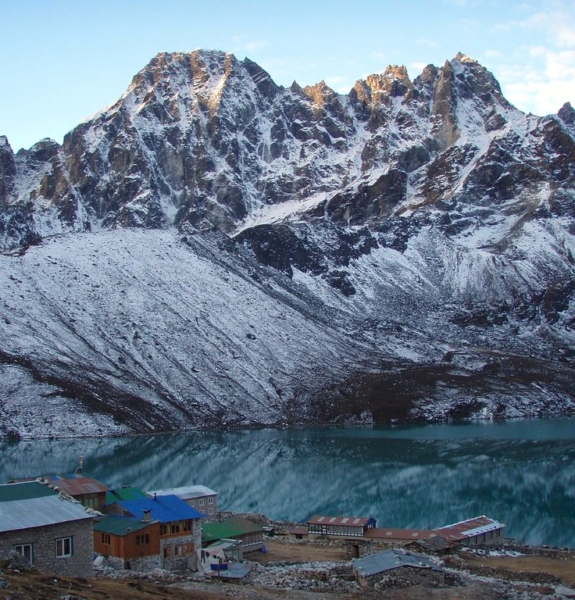
Continue on your journey from Dragnak. Your trail leads through the vast Ngozumpa Glacier. As you continue, you’ll reach the stunning destination of Gokyo, known for its captivating glacial lakes and your first glimpse of Cho Oyu (8201m). If you have the energy, Try 3-4 hour round trip to the fifth lake after lunch, it offers the alternative perspective of Everest.
Activity: 6.5 hours
Max. Altitude: 4790m./15,715ft. (Gokyo)
Meal: Breakfast, Lunch, Dinner
Accommodation: Teahouse
Day 15: Rest Day at Gokyo
Today give your body a rest. If you feel energetic and want some optional adventure, ascent to Gokyo Ri (5400m) for further exploration. It offers the breathtaking views of the four highest mountains: Everest, Lhotse, Makalu, and Cho Oyu. You can spend the rest of the day relaxing beside the turquoise Gokyo Lake.
Max. Altitude: 5400m./17,717ft. (Gokyo Ri)
Meal: Breakfast, Lunch, Dinner
Accommodation: Teahouse
Day 16: Trek from Gokyo (4790m) to Lungde (4,380m) over the Renjo La Pass (5338m)
Prepare for another stunning but long day, begin early to maximize your experience. The trail starts around the side of a lake, takes you to a stream before a steep ascent to the Renjo La Pass. Take a break for a picnic lunch while absorbing the incredible views of Everest, Lhotse, Makalu, and more. Descend carefully until you reach the lake. And after your final steep descent to Lungde, a newly opened valley for trekkers, promising exciting exploration for the next day.
Activity: 7-8 hours
Max. Altitude: 5338m./17,513ft. (Renjo La Pass)
Meal: Breakfast, Lunch, Dinner
Accommodation: Teahouse
Day 17: Trek from Lungde (4,380m) to Namche (3,440m)
Today the route is mostly downhill trek to Namche Bazaar, passing through small Sherpa villages and an ancient route, where you’ll get a chance to see the Tibetan traders on the way, if timing is right! In the evening you will arrive at vibrant Namche Bazaar, where you will stay for a warm meal and a night to spend.
Activity: 7-8 hours
Max. Altitude: 3440m./11,286ft. (Namche Bazaar)
Meal: Breakfast, Lunch, Dinner
Accommodation: Teahouse
Day 18: Namche (3440m) to Lukla (2,860m)
Today marks your final descent in the Khumbu region, as you descend to Lukla, along the riverside of Dudh-Koshi river. Create your final memory by celebrating in Everest region. Your overnight stay at Lukla.
Activity: 5-6 hours
Max. Altitude: 2860m./9,383ft. (Lukla)
Meal: Breakfast, Lunch, Dinner
Accommodation: Teahouse
Day 19: Lukla (2,860m) to Kathmandu (1,400m)
Catch early morning flight from Lukla back to Kathmandu. At your arrival, you will be transferred to your designated hotel. Rest of the day is take a rest or explore the city. In the evening, the company will host a farewell dinner to celebrate the successful completion of your Everest Three-Pass Trek.
Activity: 45-min
Max. Altitude: 1324m./4,344ft. (Kathmandu)
Meal: Breakfast
Accommodation: 3-star Hotel
Day 20: Departure
As your incredible journey comes to an end, our representative will drop you to the airport and bid farewell to Nepal until next time…
Activity: 45-min
Meal: Breakfast
Includes/Excludes
What is included?
- Permits and Fees: All necessary permits for the Everest Three passes Trek, such as the Sagarmatha National Park Permit and the TIMS (Trekkers’ Information Management System) card.
- Accommodation: Accommodation during the trek, typically in teahouses or lodges. This usually includes accommodation in Kathmandu before and after the trek in 3 star hotel on BB plan. (twin sharing basis)
- Meals: Most packages will include three meals a day (breakfast, lunch, and dinner) during the trek.also includes two times hot beverage (in breakfast and lunch) and seasonal fruits after dinner.
- Domestic Flights: Round trip flights between Kathmandu and Lukla, the starting and ending point of the trek, are usually included.
- Guide and Porter: Services of an experienced English-speaking trekking guide and porter to carry luggage. This includes their salary, insurance, equipment, transportation, food, and accommodation.
- First Aid Kit: A basic first aid kit is typically provided.
- Equipment: Duffle Bag, Sleeping Bag (if necessary)
- pick up drop up: airport pick up and drop up by private vehicle.
What is not included?
- International Flights: International airfare to and from Nepal is not included.
- Travel Insurance: Travel insurance that covers emergency rescue, evacuation, and medical treatment is not included, and you’ll be expected to have your own.
- Personal Expenses: Expenses for extra meals, drinks, snacks, charging devices, hot showers, Wi-Fi, laundry, and other personal costs are not included.
- Nepal Visa Fees: Entry visa fees for Nepal are not included.
- Additional Accommodation and Meals: If you choose to extend your stay in Nepal, or if you return from the trek earlier than scheduled, the cost of additional accommodation and meals will not be included.
- Rescue and Evacuation: Any costs related to emergency evacuation or rescues are not covered.
- Trekking Gear: Personal trekking equipment, such as hiking boots, down jackets, trekking poles, and other gear are not included.
- Tips: Tips for guides and porters are not included and are left to your discretion.
- Meal: meal is not included at kathmandu
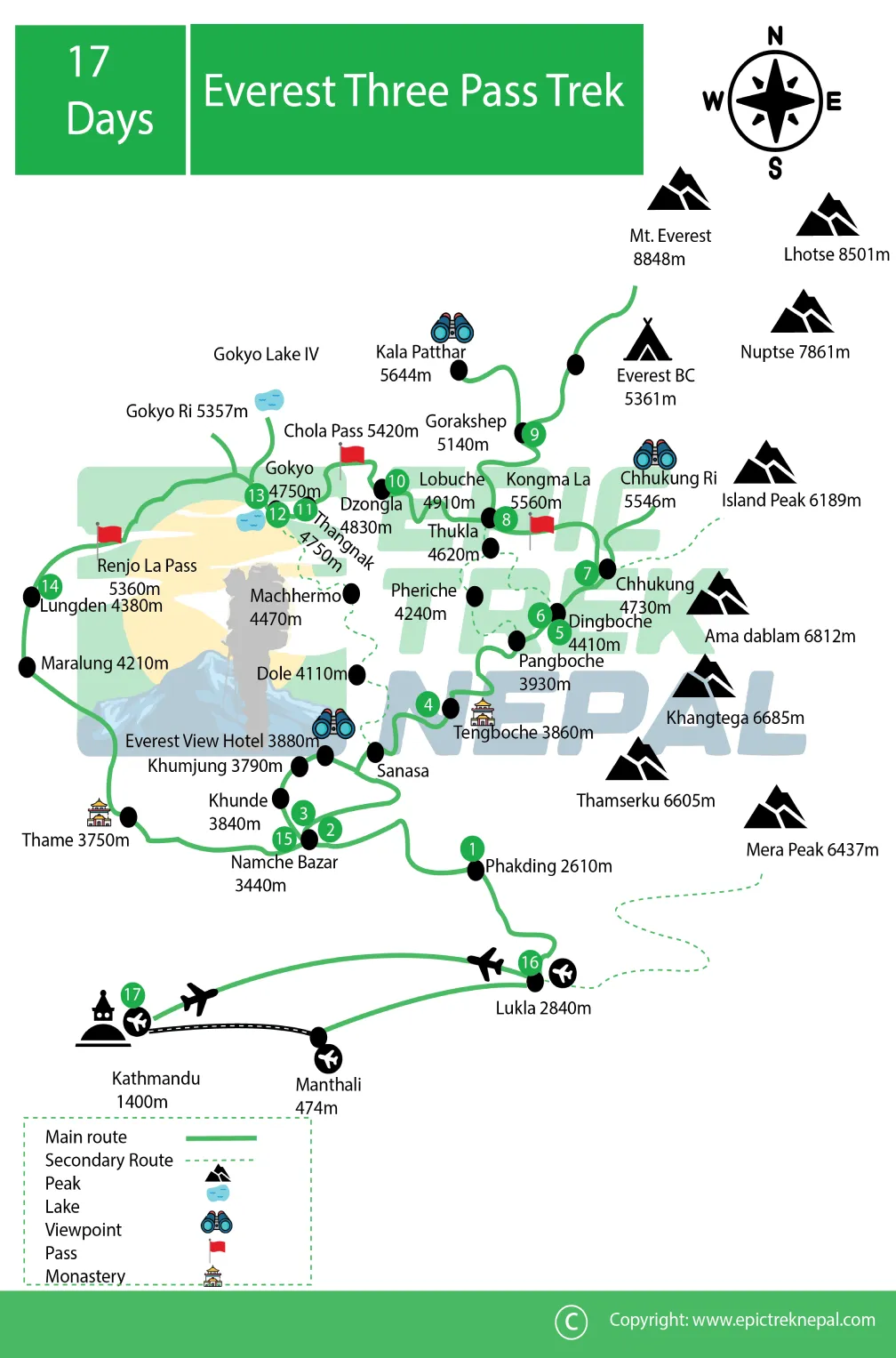
Trip Map of Everest Three Pass Trek
Trip Information
Practicalities for the Three Pass Trek
Usually, these kinds of long and challenging treks need to be handled carefully with proper planning and taking the right gear. One must probably hike about 15-17 days straight to successfully accomplish the journey and walking for that long in an unknown route will be difficult with no navigation (trekking maps, GPS). We strongly recommend bringing a guide if you are going individually or with group. These are best provided by the trekking agencies, which we prefer to be local – book it in Kathmandu or book online based on Kathmandu. They have good knowledge of trekking this route and can efficiently arrange the facilities you need.
Make sure the package includes licensed guides and porters, accommodation, transportation, meals and required permits for trekking as well as hotel stays in Kathmandu upon arrival and after returning from the trek. Also, while choosing the agency check their past activities and client testimonials. If you are a beginner trekker or if this is your first time trekking the three passes in Nepal, it would be easier to use an agency for a seamless journey and logistics handling.
They also help you avoid stress from legal documentation and paperwork. If you are looking for a trusted agency then reach us at Epic Trek Nepal. Let us know how you want to plan your trek and based on your preferences, we’ll design it.
Cancellation Policy for Three Pass trek:
At Epic Trek Nepal, we understand the changes in plan unexpectedly. That is why we designed it to be fair and clear.
Cancellation Notice:
By any reason, if you need to cancel tour trek then please inform us at least 7 days before your scheduled Trek start date.
Administrative Fee:
When you cancel the trek, 25% fee will be reduced from the total cost of trek as administrative charge. This fee covers the planning and organizational cost we’ve already done for your trip.
Non-Refundable Period:
If the cancellation happen less than 4 days before the trek start date, no refund will be provided but by looking at the situation and if we feel the reason of cancelation is valid then the amount will be refunded after deducting 70% of total trek amount. In such time we have already submitted the cost and reserved the spots for you.
Documentation Support:
We know insurance claim can be important. In-case if you cancel, we would gladly provide the necessary document such as receipts to help with your insurance process.
Unused Accommodation:
Please note that if your trek is cancel due to personal reasons, illness or bad weather, refunds for unused accommodation are not available.
If you have questions or want to discuss your situation, our team is here to help. We appreciate your understanding and look forward to guiding you safely on your Everest Three Pass Trek.
Permits & Paperwork
You need guides who are licensed as Trekking Guides, validated by Nepal Academy of Tourism and Hotel Management (NATHM). And for your entry pass, every trekker must obtain a Trekkers’ Information Management System (TIMS) card, administered by Trekking Agencies Association of Nepal (TAAN). Along with that, trekkers need a Khumbu Pasang Rural Municipality Permit (it will be available in Lukla or at the Tourist Service Center at Bhirikutimandap in Kathmandu). If you use trekking companies, they will handle the paperwork and provide licensed guides for you to ensure safety.
What to Pack for Everest Three Pass Trek?
While you are trekking, make sure you have a porter trekking with you. They are different from guides – they’re hired to carry your gear. Sometimes pack animals might be needed, especially for larger groups, so be careful about packing and give the agency responsibility for logistics.
Here’s our list of essential gear for your three-pass trek:
Bagpack:
- Comfortable backpack with adjustable straps (40-70 liters).
Footwear’s:
- Hiking boots with ankle support.
- Lightweight camp shoes or tennis shoes for relaxing.
Clothing:
- Moisture-wicking base layers (long-sleeve and short-sleeve).
- Insulating layers: Heavy fleece or down jacket.
- Waterproof shell with a hood.
- Lightweight windbreaker.
- Waterproof pants.
- Sturdy trekking pants (2 pairs).
- Comfortable hiking shorts.
- Moisture-wicking underwear (5 pairs).
- Long underwear (2 sets).
- Multiple pairs of moisture-wicking hiking socks (7 pairs).
- Warm thermal socks (1 pair).
Accessories:
- Trekking poles (collapsible for stability).
- Lightweight headlamp or flashlight with extra batteries.
- Durable water bottles (2 liters).
- Gloves (light inner gloves and insulated wool or down mittens/gloves).
- UV-protective sunglasses.
- Broad-brimmed hat for sun protection.
- Neck gaiter.
- Wool hat or balaclava for colder weather.
Sun Protection:
- High SPF sunscreen.
- Moisturizing lip balm with SPF.
Towels and Toiletries
- Quick-drying travel Towel
- Basic toiletres (toothbrush, toothpaste, biodegrable soap etc.)
Documents and Money:
- Copy of passport and identification
- Sufficient local currency (ATM on the way have aren’t work properly)
Snacks and Hydration:
- High-energy snacks (nuts, energy bars, chocolates).
- Water purification tablets or a portable water purifier.
Navigation and Communication:
- Trekking map or guidebook.
- Mobile phone with a local SIM card and emergency contact numbers.
Emergency Item:
- Comprehensive kit including basic medications and blister treatment (Guides will carry).
- Lightweight emergency shelter or space blanket.
- Duct tape for quick gear repairs.
- Plastic bags for organizing and protecting items.
- Trash bags for carrying out waste.
Health and Safety
Safety is first and foremost on the Three Pass Trek. Acclimatization plays a crucial role in preventing altitude sickness. Ascend slowly and allow your body to adapt.
Hydration is equally important. Drink plenty of water throughout the trek, aiming for at least three liters daily. Dehydration can sneak up on you, especially at higher altitudes.
Pack appropriate gear to protect yourself from unpredictable weather conditions. Layering works best; it allows you to adjust clothing based on temperature changes during the day.
Know your limits and listen to your body. If you’re feeling unwell or exhausted, take rest days or turn back if necessary.
Keep emergency contacts accessible and inform friends or family about your itinerary before beginning on this adventure. It is always wise to plan for unforeseen circumstances while trekking through stunning landscapes.
Preparation
- Make sure you are properly insured and take your insurance details with you, including emergency numbers. Share your insurance copy with your travel company.
- While buying a travel insurance for Nepal, you must be sure about the insurance policy that covers the mountainous regions, rescue costs and evacuation, and other activities depending on your preferences.
- Carry a whistle with you (if you get lost, it is easier to get attention with a whistle).
- Additionally, seeking guidance from local guides and understanding the risks involved is also important for a safe and enjoyable trek.
With the right mindset and preparation, the Three Pass Trek can be adventurous and memorable. Respect the mountains, walk mindfully, and enjoy every step of the journey. We at Epic Trek Nepal make sure you have the best possible experience in Everest Three Pass trek.
Frequently Asked Questions
The Three Pass Trek is the ultimate Everest region adventure, combining three spectacular high-altitude passes in one epic journey: Kongma La (18,209 ft / 5,550 m), Cho La (17,782 ft / 5,420 m), and Renjo La (17,560 ft / 5,360 m). This trek includes everything the Everest region offers – Everest Base Camp, Kala Patthar, Gokyo Lakes, and unparalleled mountain views – making it the most comprehensive Himalayan experience available.
The Three Pass Trek is considered extremely challenging and is one of the most challenging and spectacular treks in the entire Khumbu region. This trek requires:
- Excellent physical fitness and prior high-altitude trekking experience
- At least 6 to 7 hours daily on up-and-down steep trails
- Mental preparation for demanding conditions
- Experience with technical terrain and glacier crossings
This trek is recommended only for fit and experienced trekkers.
The standard Three Pass Trek takes 18-21 days, including:
- 2 days for flights (Kathmandu-Lukla-Kathmandu)
- 16-19 days of actual trekking
- Multiple acclimatization days built into the itinerary
- Buffer days for weather delays
The extended duration allows for proper acclimatization and includes visits to both Everest Base Camp and Gokyo Lakes.
Everest Three Passes Trek passes through Kongma La, Cho La, and Renjo La with a success rate of nearly 95% each month and over 95% in the Spring and Autumn seasons. Success depends on:
- Proper acclimatization schedule
- Weather conditions
- Physical fitness level
- Experienced guide support
Optimal seasons are:
- Spring (March-May): Stable weather, clear views, warmer temperatures
- Autumn (September-November): Crystal clear skies, excellent visibility, dry conditions
Avoid monsoon season (June-August) due to poor visibility and dangerous pass conditions. Winter trekking is extremely challenging and not recommended for most trekkers.
You need two main permits:
- Sagarmatha National Park Entry Permit: NPR 3,000 per person
- Khumbu Pasang Lhamu Rural Municipality Entrance Permit: NPR 2,000 per person
Both of these fees and permits can be purchased on the track, the local fee in Lukla, and the National Park Fee in Monjo. We handle all permit arrangements for our clients.
Trek costs vary significantly based on services:
- Budget independent trekking: $25-40 per day
- Standard guided trek: USD 1785 per person for 16 days package
- Premium guided trek: $2,500-4,000+ depending on inclusions
Costs include permits, accommodation, meals, guide/porter services, and domestic flights. Contact us for personalized pricing based on your group size and preferred service level.
While trekking independently is possible, hiring an experienced guide is highly recommended due to:
- Complex route navigation across three technical passes
- Safety considerations on glacier crossings and high-altitude terrain
- Emergency response capabilities
- Weather condition assessment for safe pass crossings
- Cultural insights and local knowledge
The hikers of Three Passes are strongly recommended to hire a trekking guide who can guide them the way.
The Three Pass Trek is the most comprehensive Everest experience, offering:
- Everything EBC Trek offers PLUS Gokyo Lakes and three high passes
- Less crowded than the standard EBC route on certain sections
- More challenging than EBC or Gokyo Lakes treks individually
- Longer duration (18-21 days vs 12-14 days)
- Higher cost but maximum value for serious trekkers
You’ll stay in traditional teahouses throughout the trek, offering:
- Basic twin-sharing rooms (some with attached bathrooms at higher altitudes)
- Daily food costs between $8 to $23 per day depending on location
- Traditional Dal Bhat, international dishes, and local specialties
- Common dining areas with heating (where available)
- Spectacular mountain views from most locations
Yes, comprehensive travel insurance is absolutely essential and must cover:
- High-altitude trekking up to 6,000+ meters
- Helicopter rescue from remote locations
- Medical evacuation and emergency treatment
- Trip cancellation and gear coverage
Given the technical nature and remote locations of the three passes, proper insurance is non-negotiable.
Absolutely! We offer various customization options:
- Different route directions (clockwise vs. counterclockwise)
- Extended itineraries with additional peaks or valleys
- Luxury lodge options where available
- Photography-focused itineraries with optimal timing
- Combination with other treks or climbing expeditions
Trip Reviews
US$ 1750
Need Help? Talk to Expert
+977 9764792172