




Jiri to Everest Base Camp Trek
73 reviews in Tripadvisor

Trip Duration
20 Days
Destination
Nepal
Max. Altitude
5,364 m.
Trip Difficulty
Moderate
Group Size
1-12
Transportation
Bus , Flight
Accommodation
Hotel/Lodge
Activity
Trekking
Meals
All Inclusive
Start / End
Kathmandu
Region
Everest
Best Season
Spring & AutumnUS$ 1600

Need Help? Talk to Expert
+977 9764792172Trip Overview
The trek from Jiri to Everest Base Camp is perhaps not the easiest route to reach Everest but certainly the most rewarding one. This trekking route is often known as the “Gateway to Everest” because it is the same route that Everest climbers used in the old days before the Everest flight service to Lukla existed. The trekking route begins from the small hill station of Jiri and gradually brings you from the green fields of the farmlands and villages into the Himalayas.
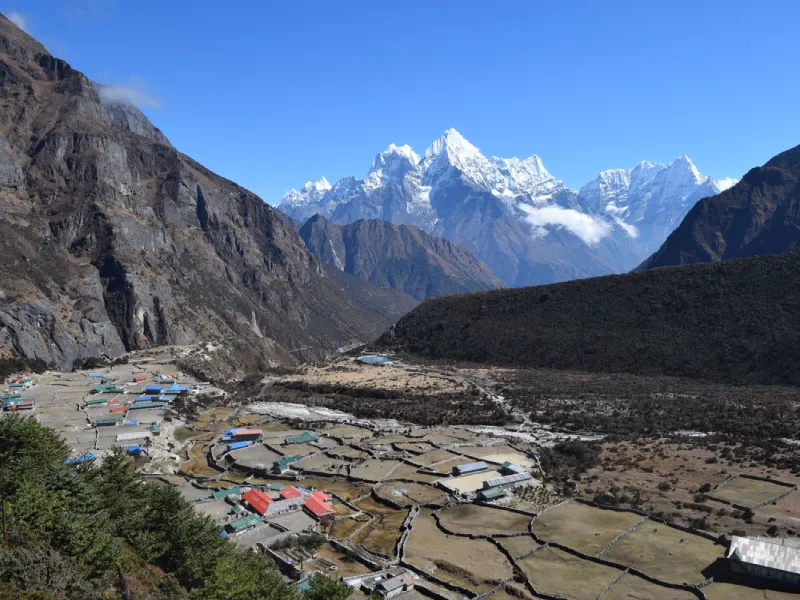
Historically, this was the original approach to Everest. In the 1950s, when there was no airport in Lukla, all Everest expeditions started from Jiri or nearby areas. It was a route experienced by Sir Edmund Hillary and Tensing Norgay to prepare for the first successful ascent to Mt. Everest in 1953. Even then, the trek itself used to take several weeks.
Even now, trekking this famous route feels the same as before. The trekking trail goes through villages, routes, and territories that are unchanged over the years. The reason people choose to trek via Jiri is not only to reach Everest Base Camp but also to pay tribute to a bygone era of Himalayan expeditions and to walk through an Everest trekking trail that is still unchanged by time.
Why Choose the Jiri to Everest Base Camp Route?
Choosing the Jiri to Everest Base Camp route instead of directly flying to Lukla is the ultimate challenge that a person wants when trekking toward the base camp. Flying to Lukla is quick and exciting, but it means avoiding an enormously large part of Nepal that most trek never have the opportunity to experience. To begin the journey in Jiri is to accept that the process will be slower and take more days to cover.
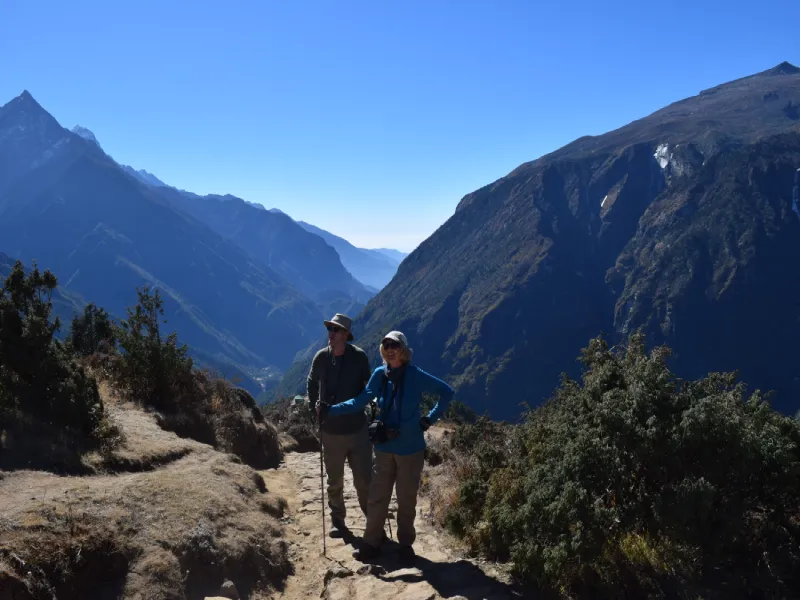
A major attraction of trekking to Jiri is that there are no crowds. When this Jiri to Everest Base Camp trek was first established, trekkers could travel for hours without encountering other trekking groups on the trail. The route goes through villages, forests, and fields where tourism is very small. You will stay in basic tea houses, eat local food, and actually interact with villagers.
The Jiri trek route also assists in creating stronger legs and an improvement in stamina. There are quite a number of up and down movements when trekking to Everest Base Camp. Before reaching Lukla and entering Khumbu, your body will be ready for a long trek and acclimatized for mountain altitudes.
Most importantly, the trek feels more meaningful and rewarding. Walking all the way from the low hills to Everest Base Camp helps to develop an actual bond with the terrain and the mountains. You’re not just reaching the foothills of Everest but have earned your way to it. Your tired legs, small villages, quiet starts, and very gradual topographical shifts all now become a part of you. Though this Jiri to Everest Base Camp Trek is not the easiest trek, it is definitely the most satisfying.
Best Season to Do the Jiri to Everest Base Camp Trek
The best time to attempt the Jiri to Everest Base Camp trek would be Spring or Autumn since the climatic conditions are more favorable, and the experience would be more exciting and lively.
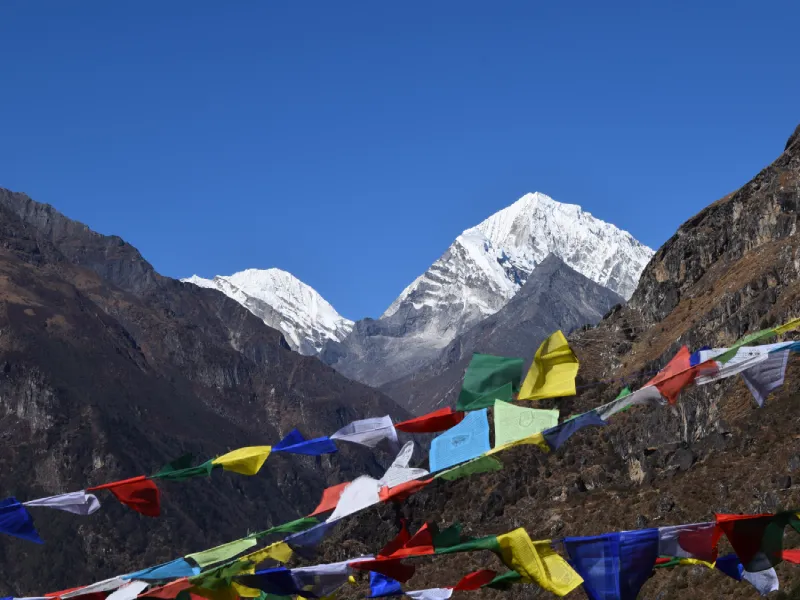
Spring (March to May)
Spring is a beautiful time for the Jiri trek. The lower ranges are full of lush green forest and bright rhododendron flowers. These sights are most noticeable in the initial phases of trekking. The days are warm, with cool nights. The mountains would slowly begin to appear in their full glory as you progressed toward the Jiri to Everest Base Camp Trek. At times, there could be dust in certain trekking paths and there could be thick clouds in the afternoon.
Autumn (September to November)
Autumn is also a favorite time of year. The weather is clear after the monsoon rains, and there are excellent views of the mountains. The air seems fresher, and days for trekking are pleasant. The countryside is full of people after the summer harvest, but still, there are quiet moments on the trail. It gets very busy after you join the main Everest trail, but Jiri is quiet at this time of year.
Monsoon (June to August)
Monsoon makes the trek even tougher. Lower trails from Jiri can be muddy, leeches begin to appear in the forests, and there are chances of clouds covering the sights. There are no flights to worry about, as you’re trekking, but rain could delay all proceedings and make it less enjoyable.
Winter (December to February)
Winter is very quiet and cold. Lower trails are still accessible, though the higher trails near Everest can be very cold, and the trails are covered with snow. Tea houses in certain regions may also close. Winter treks are quite challenging and should only be attempted by well-prepared and mentally tough trekkers. They are really not ideal for beginners.
In general, the best times, in the sense that the conditions are perfect, are the springs and autumns, and these are the times when it is most enjoyable to hike from Jiri to Everest Base Camp.
Highlights of Jiri to Everest Base Camp Trek
- Follow the historic route from Jiri, where early mountaineer expeditions on Everest began.
- Trek through Rai, Tamang, and Sherpa villages. Meet friendly locals and visit monasteries.
- It provides an experience with fewer people compared to the normal route that passes through Lukla.
- Trekking through forests, Suspension bridges, High-altitude terrain.
- Get to the world’s highest adventure spot and enjoy the most beautiful sunrise views from Kala Patthar.
- Enjoy the hospitality, food, and experience of a cozy stay at traditional tea houses.
Jiri to Everest Base Camp Trek - Distance, Duration, and Altitude
| Trekking Route | Distance (Kilometers) | Duration (Hours) | Altitude (Meters) |
|---|---|---|---|
| Drive from Kathmandu to Jiri | 188 KM | 7 to 9 hours drive | 1905 m. |
| From Jiri to Bhandar | 15 KM | 6 to 7 hours Trek | 2200 m. |
| Trek from Bhandar to Sete | 8 KM | 6 to 7 hours Trek | 2575 m. |
| Trek from Sete to Junbesi | 11 KM | 6 to 7 hours Trek | 2680 m. |
| Acclimatization Day at Junbesi | KM | Rest and Explore | 2680 m. |
| Trek from Junbesi to Nunthala | 13 KM | 5 to 6 hours Trek | 2440 m. |
| Trekking from Nunthala to Paiya | 12 KM | 5 to 6 hours Trek | 2530 m. |
| Paiya to Phakding | 11 KM | 5 to 6 hours Trek | 2610 m. |
| Trek from Phakding to Namche Bazaar | 9 KM | 5 to 6 hours Trek | 3440 m. |
| Acclimatization Day at Namche Bazaar | KM | Rest and Explore | 3440 m. |
| Namche Bazaar Trek To Tengboche | 10 KM | 5 to 6 hours Trek | 3870 m. |
| Trek from Tengboche to Dingboche | 11 KM | 5 to 6 hours Trek | 4360 m. |
| Acclimatization day | KM | Rest and Explore | 4360 m. |
| Dingboche to Lobuche | 11 KM | 5 to 6 hours Trek | 4940 m. |
| Lobuche to Gorak Shep and Trek to Everest Base Camp | 15 KM | 7 to 8 hours Trek | 5364 m. |
| Hike to Kala Patthar and Trek back to Pheriche | 15 KM | 7 to 8 hours Trek | 4240 m. |
| Pheriche to Namche Bazaar | 20 KM | 6 to 7 hours Trek | 3440 m. |
| Trek from Namche Bazaar to Lukla | 19 KM | 6 to 7 hours Trek | 2860 m. |
| Fly Lukla to Kathmandu | KM | 40 min Flight | 1400 m. |
Itinerary of Jiri to Everest Base Camp Trek
Day 1: Drive from Kathmandu to Jiri
This journey kicks off with a scenic drive from Kathmandu to Jiri, taking about 7 to 9 hours. The road includes small villages, rivers, and hillside farming areas, giving you your initial insight into rural Nepal. This is a small village that represents the real start of your journey. A road journey to this village feels as though you are entering an entirely different, less busy Nepal. You will stay at a local lodge, having an initial taste of a Nepali dinner.

Activity: 7 to 9 hours drive

Max. Altitude: 1905m./6,250ft.

Meal: Dinner

Accommodation: Tea House
Day 2: From Jiri to Bhandar
On your first day of trekking, you will pass through the forested area and the rural settlements. Even though your walk is moderately difficult and covers a distance of 15 km in 6-7 hours, the increase in elevation is nearly 295 meters. Along the way, you will experience the local life that is completely organic – farming in progress in the fields, children going to school, and the warm welcome of the locals. Once you reach Bhandar, you will stay in the tea house for a warm meal and to spend the night.
Activity: 6 to 7 hours Trek
Max. Altitude: 2200m./7,218ft.
Meal: Breakfast, Lunch, Dinner
Accommodation: Tea House
Day 3: Trek from Bhandar to Sete
Today’s trekking distance is shorter, but quite interesting, as it takes 6-7 hours to complete 8 km. There is an ascent of 375m. The trekking route involves forests, farmlands, and Rai tamang and sherpa villages, where you can observe the daily life of the locals. The atmosphere becomes fresher as the ascent continues, and the scenes of the surrounding hills start opening. Sete is a small village, and the tea houses are quite cozy, providing an ideal place to spend the night.
Activity: 6 to 7 hours Trek
Max. Altitude: 2575m./8,448ft.
Meal: Breakfast, Lunch, Dinner
Accommodation: Tea House
Day 4: Trek from Sete to Junbesi
You will trek about 11 km trekking for 6-7 hours which gives 105 meters gain in elevation. You walk through lovely hills, rivers, and nice villages that seem untouched by visitors. When reaching Junbesi, you can see monasteries and cozy tea houses that provide a blissful stop before reaching the elevated regions. You can trek through the village, discover the local way of life, or simply take time and enjoy the views. Also, the nights are very quiet and peaceful and prepare your body before the next trek.
Activity: 6 to 7 hours Trek
Max. Altitude: 2680m./8,793ft.
Meal: Breakfast, Lunch, Dinner
Accommodation: Tea House
Day 5: Acclimatization Day at Junbesi
This is a rest and acclimatization day. You can take a short trek in the village, explore the Junbesi Monastery, or take a casual walk through the quiet village. Meeting locals and immersing yourselves in life in these villages provides exposure to the culture of the Himalayan regions. It can also be a good time for arranging your equipment, having tea-house meals, or preparing yourselves for steeper paths.
Activity: Rest and Explore
Max. Altitude: 2680m./8,793ft.
Meal: Breakfast, Lunch, Dinner
Accommodation: Tea House
Day 6: Trek from Junbesi to Nunthala
Trekking a distance of 13 km in 5 to 6 hours, you lower your elevation by 240 meters on this day. The trails include forests, villages, and Suspension bridges on rivers and streams. Trekking downhill is a bit different and challenging, as it works your legs in a special way, and the peaceful atmosphere around helps you appreciate the natural scenery around you. On reaching Nunthala, you will be able to stay in welcoming tea houses and meet fellow trekkers to share your adventures with.
Activity: 5 to 6 hours Trek
Max. Altitude: 2440m./8,005ft.
Meal: Breakfast, Lunch, Dinner
Accommodation: Tea House
Day 7: Trekking from Nunthala to Paiya
Trekking about 12 km that can be covered within 5 to 6 hours, with a moderate ascent of 90 meters. This day’s trekking will provide you with more serene villages and the trail through the forests. Lesser tourists mark this trail, so you can observe the local lifestyle, farm, and the famous prayer flags as well. Paiya, which is a peaceful village perfect for overnight stay. Basic accommodations are provided to make it a suitable place to stay the night.
Activity: 5 to 6 hours Trek
Max. Altitude: 2530m./8,301ft.
Meal: Breakfast, Lunch, Dinner
Accommodation: Tea House
Day 8: Paiya to Phakding
Today, you will trek about 11 km within 5-6 hours with a gentle climb of 80 meters, entering gradually into the Everest region. Along this trail, you are led by the Dudh Koshi River, and suspension bridges and pine forests add to its breathtaking scenery. Along the way, tea houses begin to appear regularly, and you are treated with a warm meal and hospitality at these stops. Phakding is a lovely place that gives you a little glimpse into a bustling life that you will see in higher villages.
Activity: 5 to 6 hours Trek
Max. Altitude: 2610m./8,563ft.
Meal: Breakfast, Lunch, Dinner
Accommodation: Tea House
Day 9: Trek from Phakding to Namche Bazaar
This is going to be a moderately difficult day, with 9 km to be covered in 5-6 hours, including an elevation gain of 830 meters. There are multiple suspension bridges to cross over the Dudh Kosi before entering Sagarmatha National Park. Namche Bazaar is an active Sherpa market, full of teahouse restaurants, cafes, and trekkers. This marks an important milestone in the trek, treating the climber with stunning vistas of Ama Dablam, and other mountain ranges. This is the perfect time to enjoy the market, interact with the locals, as well as try their local meals.
Activity: 5 to 6 hours Trek
Max. Altitude: 3440m./11,286ft.
Meal: Breakfast, Lunch, Dinner
Accommodation: Tea House
Day 10: Acclimatization Day at Namche Bazaar
Take a rest day to acclimatize your body to the new high altitude. You can hike to Everest View Hotel or the nearby spots to get your first taste of the breathtaking sight of Everest. Explore the lively village, visit the shops, and try some local foods. This day can be best utilized to interact with the Sherpas, understand their culture, and physically get ready for the higher regions of the trek. Even a short walk around the town will stretch your legs for upcoming climb.
Activity: Rest and Explore
Max. Altitude: 3440m./11,286ft.
Meal: Breakfast, Lunch, Dinner
Accommodation: Tea House
Day 11: Namche Bazaar Trek To Tengboche
You will trek about 10 km in 5-6 hours with an altitude gain of 430 meters. The trail passes through rhododendron forests, which gradually thins out to reveal mountain vistas. Tengboche is renowned for its monastery, which is nestled between towering peaks of Ama Dablam. Explore this monastery and witness their prayer sessions. The evenings here are peace, with sound of wind blowing in prayer flags in the background, making this experience unique to the Himalayas.
Activity: 5 to 6 hours Trek
Max. Altitude: 3870m./12,697ft.
Meal: Breakfast, Lunch, Dinner
Accommodation: Tea House
Day 12: Trek from Tengboche to Dingboche
Today’s hike stretches 11 km in 5-6 hours with an ascended elevation gain of 490 meters. Land elevation changes and alpine views become more dramatic. It gets chilly with snowcapped peaks visible. Dingboche is an alpine village with teahouses. It has stone fences that shield the houses against the wind. Acclimatize your body with the local environment. This is an ideal location with the evening sky illuminating the last rays of the sun on peaks such as Ama Dablam.
Activity: 5 to 6 hours Trek
Max. Altitude: 4360m./14,304ft.
Meal: Breakfast, Lunch, Dinner
Accommodation: Tea House
Day 13: Acclimatization day
It’s a rest day to acclimatize to the increased altitude. You will trek to ridges with peaks of Lhotse, Nuptse, and Island Peak. It’s a quiet village with mountains for a peaceful day. Take it slowly, drink water, and eat local food from tea houses. It minimizing chances of getting altitude sickness while preparing your body for upcoming days.
Activity: Rest and Explore
Max. Altitude: 4360m./14,304ft.
Meal: Breakfast, Lunch, Dinner
Accommodation: Tea House
Day 14: Dingboche to Lobuche
Today you will trek for 11 km in 5 to 6 hours, with an elevation of 580 meters. As the trail opens, the scenery shifts to glaciers, rocks, and mountain ranges. After reaching Lobuche, the sights that it provides are unmatchable. It gets quite chilly in the evenings, but the view of the sun setting on the mountain ranges redeems the hardships.
Activity: 5 to 6 hours Trek
Max. Altitude: 4940m./16,207ft.
Meal: Breakfast, Lunch, Dinner
Accommodation: Tea House
Day 15: Trek to Everest Base Camp and back to Gorak Shep
This is the most exciting day, 15 km in 7-8 hours, 420 meters gain.” Reach the Everest Base Camp and stand at the foot of the tallest mountain in the world. After watching the view descend back to Gorak Shep for a warm meal and to spend the night.
Activity: 7 to 8 hours Trek
Max. Altitude: 5364m./17,598ft.
Meal: Breakfast, Lunch, Dinner
Accommodation: Tea House
Day 16: Hike to Kala Patthar and Trek back to Pheriche
You will get up early and trek to Kala Patthar for a sunrise view of Mount Everest. The sunrise view of Mount Everest from Kala Patthar is one of the best sunrise view of Nepal. The climb can be quite difficult, but it provides the finest views of the Himalayas. After that, trek back to Pheriche, a distance of 15km, taking 7-8 hours, descending 1,305m along the way.
Activity: 7 to 8 hours Trek
Max. Altitude: 4240m./13,911ft.
Meal: Breakfast, Lunch, Dinner
Accommodation: Tea House
Day 17: Pheriche to Namche Bazaar
You will begin your descending journey which is about 20 km in 6-7 hrs. This track passes through the villages of Dingboche, Tengboche, and the forested slopes. Getting back to Namche Bazaar feels like being back in civilization after the adventure in the high altitude areas. You can enjoy the rest of the time exploring lively market, shopping an interacting with locals. In the evening, you will stay overnight at Namche.
Activity: 6 to 7 hours Trek
Max. Altitude: 3440m./11,286ft.
Meal: Breakfast, Lunch, Dinner
Accommodation: Tea House
Day 18: Trek from Namche Bazaar to Lukla
Trek 19 km in 6-7 hours, descending by 1,080 meters. The route goes through Phakding and some villages, and there are last glimpses of the Himalayas. Lukla is bustling with trekkers, having prepared to fly out. Celebrate having overcome the long trekking route through Jiri, and this will be your last night in the mountainous area.
Activity: 6 to 7 hours Trek
Max. Altitude: 2860m./9,383ft.
Meal: Breakfast, Lunch, Dinner
Accommodation: Tea House
Day 19: Fly Lukla to Kathmandu
Enjoy the scenic morning flight back to Kathmandu. You can see the mountains, valleys, and rivers getting smaller as you descend. You arrive in Kathmandu feeling proud and full of memories that you and your family will always treasure. In the evening you will spent at a hotel enjoying a complimentary local dinner hosted by our company to celebrate your successful completion of Jiri to Everest Base Camp Trek.
Activity: 40 min Flight
Max. Altitude: 1400m./4,593ft.
Meal: Breakfast, Dinner
Accommodation: Tea House
Day 20: Departure
Your home return day, as according your scheduled flight departure time. You will be transferred to the TIA with a lifetime memory of your journey to Everest base Camp.
Includes/Excludes
What is included?
- Permits and Fees: Permits required for Jiri to Everest Base Camp trek, including Sagarmatha National Park Permit, Khumbu Pasang Lhamu Rural Municipality Permit (KPL) and Gourisankar conservation area permit card are included.
- Accommodation: Before and after the trek, you will stay in a 3-star hotel in Kathmandu, ensuring a relaxing and convenient start and end to your journey and accommodation throughout the trekking journey are arranged in Local tea houses or trekking lodges.
- Meals: Breakfast, lunch, and dinner are served daily throughout the trekking process. In addition, hot drinks are also available at breakfast and lunch. Fresh fruits are also available after dinner.
- Transportation: All ground and air transport as mentioned in the itinerary. Also included is the Lukla to Kathmandu flight.
- Guide and Porter: You are provided with a guide who speaks English and is experienced in trekking, along with a porter for 2 trekkers, who would carry your baggage.
- First Aid Kit: An initial first-aid kit for minor emergencies, health assistance.
- Trekking Map: A detailed map of the Jiri to Everest Base Camp Trekking route.
- Equipment: A duffel bag to carry personal effects, and a sleeping bag if needed.
What is not included?
- International Flights: Flights from/to Nepal are not included. Passport-holders have to purchase their own air travel.
- Travel Insurance: Emergency and rescue insurance is also not included and must be arranged by each trekker personally.
- Personal Expenses: Additional food, snacking, beverages, internet access, showers, and other expenses are not covered.
- Nepal Visa Fees: Fees for entry visas to Nepal are not included.
- Trekking Equipment: A set of necessary trekking Equipments like Trekking Boots, Trekking Poles, Jackets, etc. are not included.
- Tips: Guides and porters: Tips are not included and are at your discretion.
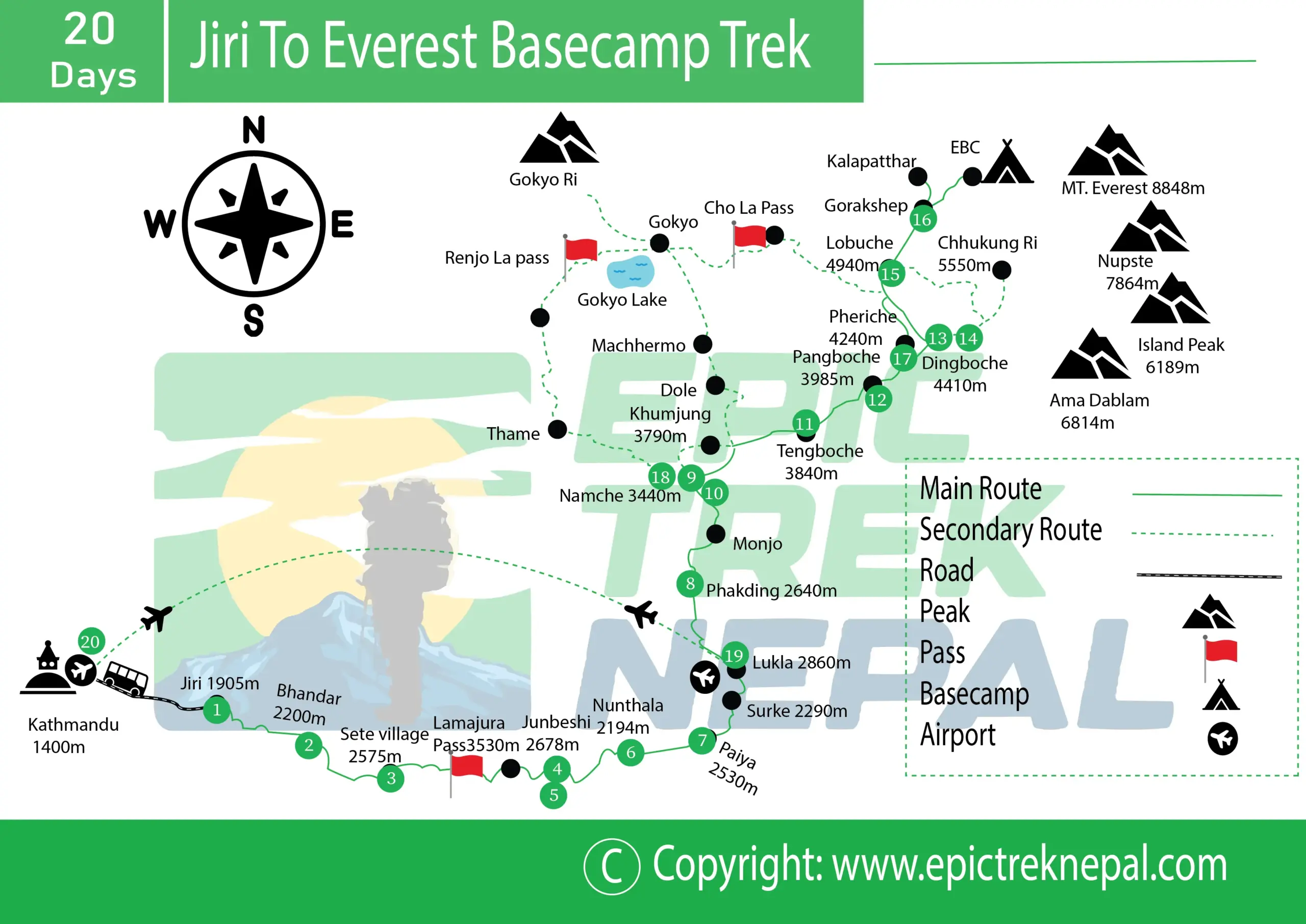
Trip Map of Jiri to Everest Base Camp Trek
Trip Information
Trek Difficulty
The Jiri to Everest Base Camp trekking route is not an easy walk. It takes a long route, which can be quite energetically draining and requires great patience as well. The initial stages of the trekking route involve a number of ups and downs that are even steeper than those found in the later phases of the Everest region trekking route- definitely not for the beginners.
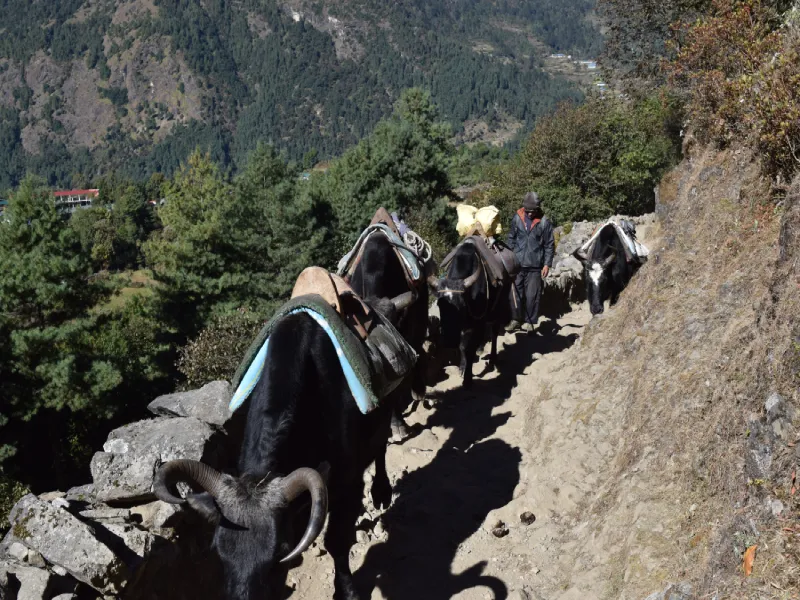
This trek is recommended for those who can walk long hours a day. You will need to walk for 6 to 8 hours a day or sometimes more. This Jiri to Everest Base Camp Trek is suitable for those who find peace on quiet trails. Basic lodges are available along the Jiri side, the food options are limited, and the facilities are fewer compared to the more commonly followed Lukla trail.
On a different note, this particular trek may not be ideal for trekkers who seek a holiday that is short and sweet, as well as an Everest experience. If your preference is comfort and short treks, then this particular route may be considered slow and not ideal. Finally, this route may not be suited for trekkers short on time, as well as trekkers with little experience.
Overall, if you are a trekker who enjoys the experience as much as the destination, the trek to EBC from Jiri is definitely a rewarding adventure for you. However, if you prefer a flight to Lukla, you may find it more convenient and less stressful.
Culture and Local life Along the Way
The trek from Jiri to Everest Base Camp is one of the most unique things because it is not just about trekking but an opportunity to experience the traditional cultures and learn their ways of life. When you head down from Jiri, you will encounter mostly villages of the Rai and Tamang communities. Here, the lifestyle is quite traditional. The locals will be busy doing farming work or carrying goods back from the markets on their backs while portraying a friendly gesture by smiling or saying “namaste” to the trekking teams. Few foreigners visit these areas. Therefore, meeting the locals feels natural.
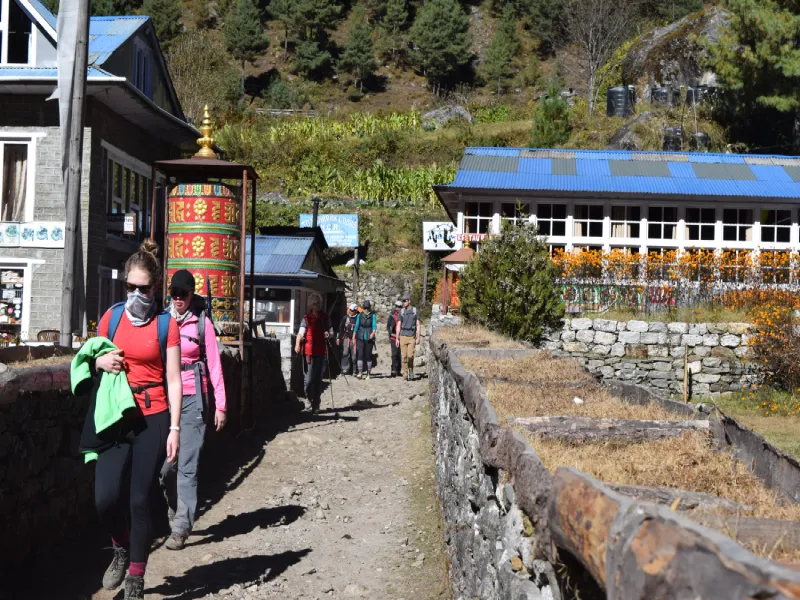
Tea houses on the Jiri route are very simple and run by local families. Rooms are small, walls are thin, and heating can be a luxury, but the atmosphere is cozy. In the evenings, you can sit around the kitchen, sharing tales with the owner of the lodge or watching him as he cooks dinner. The type of food served at the tea house is also simple yet filling. You will be able to taste “dal bhat”, local vegetables, and simple soups. The meals served are usually fresh and the taste becomes even better after a long trek. These are the moments that are remembered.
As you ascend further and come into the Khumbu area, there is a slow transformation in culture to Sherpas. You will find mani walls, prayer flags, monasteries, and a rich Buddhist culture all around. The life here is deeply connected with nature and mountain ranges. Even though this area has already become familiar with treks, the hospitality of local people is still warm and genuine. Hiking through these villages will help you learn about the people who live in the Everest region.
Highlight Along the Jiri to Everest Base Camp trek
There are moments all along the Jiri to Everest Base Camp trek where things just build up slowly into a big experience. Some of the first moments of note are from Jiri itself, where you get to walk among green hills and farmed land, with villages along the way where life moves at its own pace and few trekkers are encountered.
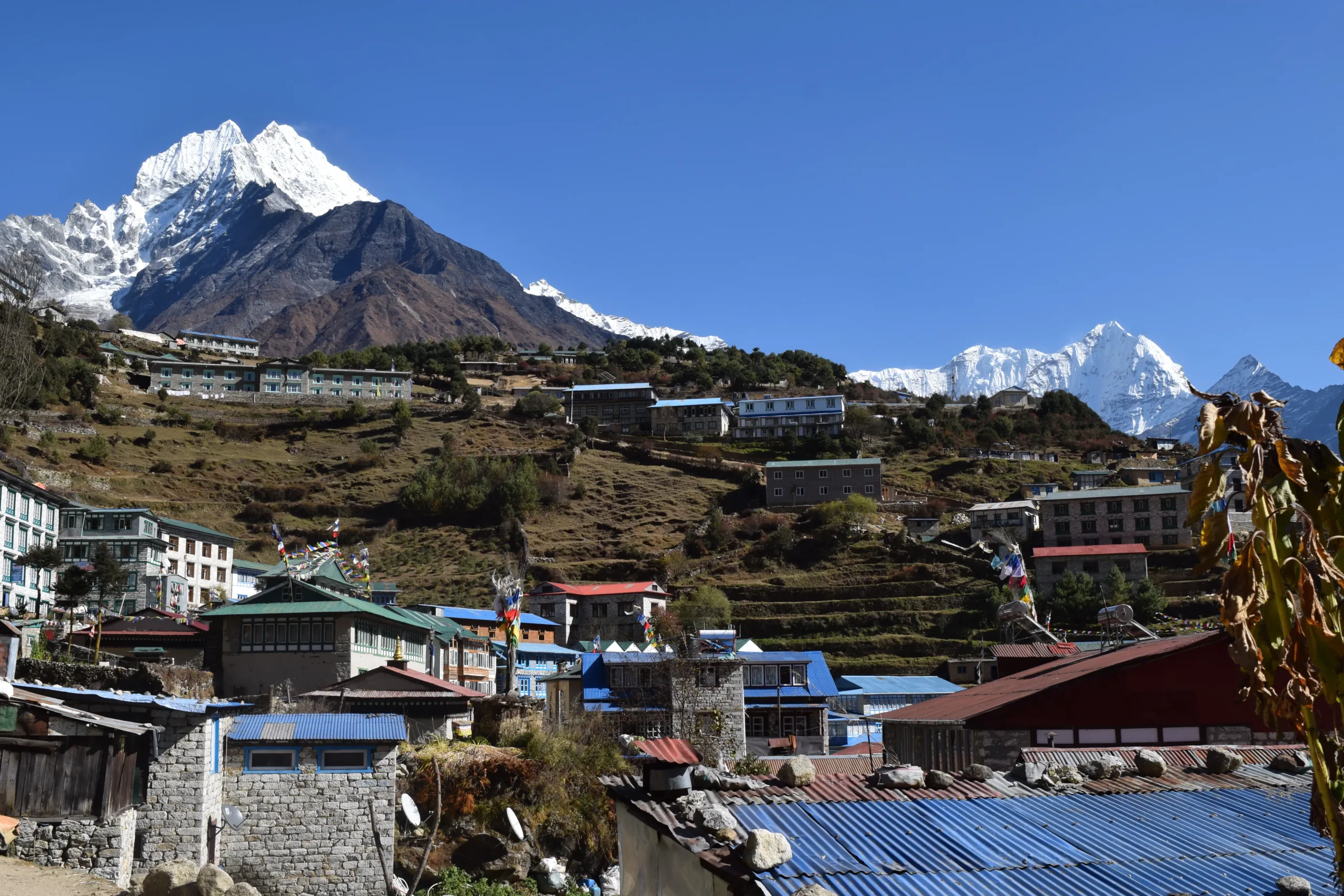
Another special highlight is the landscape that changes as you walk. This Jiri to Everest Base Camp journey begins in warm and dense forests and ends in more alpine environments. It feels as if you experience different days. Sometimes you can walk through your rhododendron forests in the morning, and the next day you are walking on top of the mountain ranges with views.
Reaching the foot of Lukla can also be a big deal for many trekking groups. Many trekkers arrive by plane, but getting in on foot gives trekkers a great sense of success. At this point, they join the regular Everest trekking route, which brings more life and energy into the trek.
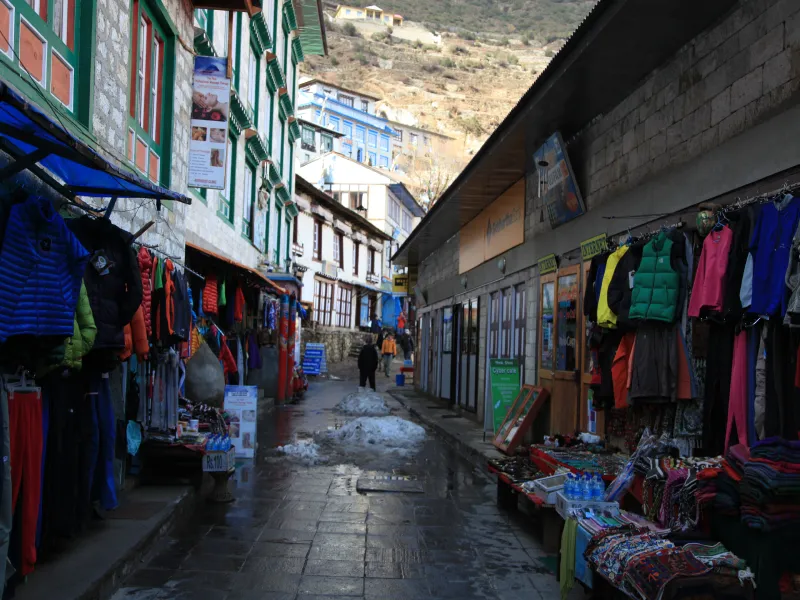
A walk through Namche Bazaar is another experience. After walking in quiet villages for several days, the busy and colorful atmosphere of Namche Bazaar is quite a contrast and refreshing change. Further along the trekking route, there are peaceful spots such as the Tengboche Monastery, where there is absolute silence and a deep sense of spirituality.
Of course, the main highlight, in my opinion, is being at the Everest Base Camp itself. Getting there after such a long trek from Jiri is really satisfying. And finally, my personal highlight was this early morning climb to Kala Patthar, where I saw Everest and other snow-capped ranges literally turning bright golden in the rising sun. That is a moment that stays with you long after the trek ends.
Required Permits and Entry Fees
For the Jiri to Everest Base Camp Trek, permits play a crucial role. You will need a couple of permits to legally trek through the trekking areas. Getting a permit is simple and easy, nothing confusing or stressful. Here are the permits required for the Jiri to Everest Base Camp Trek.
- Khumbu Pasang Lhamu Rural Municipality Permit: This permit is usually checked once you have entered the Everest region, around Lukla or Monjo. The fees for this permit go to the local area and help with the maintenance of trails and other community services. It usually takes around $30 USD per person.
- Sagarmatha National Park Entry Permit: This permit is required to enter into the area of the National Park. This permit helps protect the mountain, wildlife, and environment around Everest. It’s usually checked at the Monjo checkpoint. The cost is around $20 USD per person.
Most of the trekking companies, like Epic Trek Nepal, are able to provide you with these documents before the trek as a service or at the start of the trek itself. This way, you won’t have to bother with any paperwork, and you will be able to start your trek to Everest with no worries!
Guide and Porter Support – Why It Matters on This Trek
Having a guide and porter is not only a big plus, but it is also a absolute necessity for a safe and more meaningful adventure during the Jiri to Everest Base Camp Trek. It may be a bit challenging to navigate your own way from Jiri to Everest, particularly when you are in the low hills and winding paths that come from the forests, across rushing rivers, and over tough terrains. A guide will not only show you the way but will also protect you from the dangers of getting lost along the way, revealing to you aspects of the area and its inhabitants that often go undiscovered by foreign tourists.
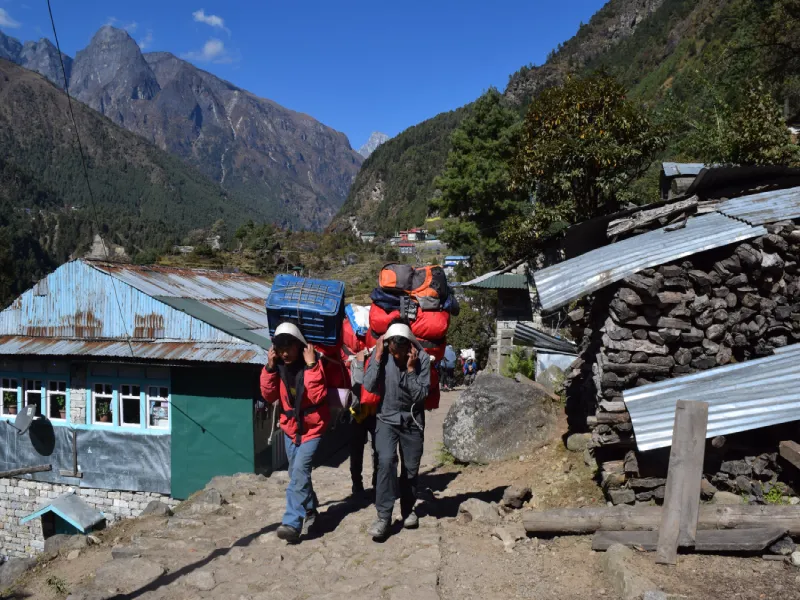
Porters are also essential. The weight of the backpacks along with the days and altitude makes trekking tiring, and having a porter not only minimizes this burden but allows them to enjoy the experience without worries of carrying the backpacks. Hiring local porters also offers great opportunities for contributing to the communities through which the trails are found, as these people get a nice option to receive decent money in return for their services.
Combined, guides and porters turn what could be a rather difficult trek into a much safer, easier, and far more human experience. They free you up to enjoy the walk, take pictures, speak with locals, and-most of all-actually take in the atmosphere of the mountain, instead of using your time to organize yourselves and your luggage. On a trip like Jiri to Everest Base Camp, guides and porters not only help but also make your experience memorable in a good way.
Cancellation Policy
At Epic Trek Nepal, we understand that things may go wrong with your holiday plans at the last minute. This is why we have a cancellation policy that is fair, simple, and easy to understand, so there are no misunderstandings when changing your trek.
Cancellation Notice:
If you wish to cancel your trekking program, like Jiri to Everest Base Camp, you are advised to inform us no less than 7 days before the date of trekking.
Administrative Fee:
In the case where you cancel your trek in advance, there is an administrative charge which is 25%, that will be deducted from the total cost of your trek.
Non-Refund
If the cancellation occurs less than 4 days before the start of the trek, the refunds will not be provided. But if a reason for cancellation appears genuine, we can allow the refunds after deducting 70% of the total cost of the trek, as we already have the bookings arranged for you.
Documentation Support
We recognize that claims from insurance can have great significance. On cancellation, we offer all required documents, including receipts, which would aid in your insurance process.
Unused Accommodation or Services
We would like to inform you that we cannot refund any unused lodges or meals or any other service with regard to a trek canceled due to personal reasons, illness, or weather conditions.
In case you need any answers to any queries, we are always at your service. We thank you in advance for your understanding and look forward to leading you safely to the Jiri to Everest Base Camp trek at the appropriate time.
What to Pack for this Trek?
Packing smartly will make your Jiri to Everest Base Camp Trek more comfortable and enjoyable. Here is the practical guide on what you should bring, considering the long days, changing weather, and basic tea house along the route.
Backpack:
- A daypack that would serve as useful transport for daily gear needs to have an adjustable strap with good support.
- A small duffle bag for extra items to be transported by your porter is handy.
Clothing:
- Breathable short and long sleeve shirts to be worn over other shirts during the day.
- A warm mid-layer, such as fleece jacket or lightweight down jacket, for evening.
- Light windbreaker and waterproof jacket to keep one dry in the rain or when it’s windy.
- Durable trekking pants for rough trails.
- Thermal innerwear and socks for the high altitude parts.
Shoes:
- Strong trekking boots with good ankle support for rocky and uneven paths.
- Comfort shoes or sandals to wear in the evening at lodges.
Accessories:
- Trekking poles may help when there is some steep or uneven terrain.
- Gloves in layer and a warm hat in case the morning and night are cold.
- Neck gaiter or scarf for dust and wind protection.
- UV-protection sunglasses and a headlamp or flashlight.
Sun Protection:
- High SPF sunscreen, lip balm with SPF to block strong mountain sun.
Document and Money:
- Copies of a passport, and ID, trekking permits, and insurance documents.
- Enough local currency for tea house. snacks and small purchases along the trail.
Emergency and Miscellaneous items:
- First aid kit for basic injuries or illness.
- Duct Tape for quick gear repair.
- Plastic bags in which to pack gear and to carry trash out respectfully.
Frequently Asked Questions
The best season for Jiri to Everest Base Camp Trek are Spring (March to May) for blooming rhododendrons and clear skies, and Autumn (September to November) for stable weather condition. Monsoon and Winter can be challenging due to rain, snow or extreme cold.
Athough it is possible to attempt the trek on your own, it is highly advised that you hire the an experienced guide for navigation, safety and local knowledge and a porter for carrying your luggage, making the trek more comfortable and easier.
For this Jiri to Everest Base Camp Trek, you will need a Sagarmatha National Park Permit and a Khumbu Pasang Lhamu Rural Municipality Entrance permit.
You will be staying in local tea house or lodges along the trekking route, as well as hotes in Kathmandu and Lukla. The local tea houses are quite basic but cozy. They come up with basic food, a bed and hospitality that’s more than just warm.
Yes, you might get altitude sickness if you don’t follow your guide instruction. To prevent this acclimatization days are included at Junbesi,, Namche, and Dingboche. Walk slowly, drink water and listen to your body.
This trek is moderate to challenging trek It involves long walking days with several ups and downs. It is suitable for thoso with good physicality and enjoy long adventure trail.
Yes, you may spot some wild animal like Himalayan Thar, musk deer, pheasant and rare bird in Sagarmatha National Park.
The cost varies by group size and nationality, ranging from around $1,700 USD for foreigners on a 20-day trek, with prices decreasing for larger groups and including accommodation, flights, guides, porters, and permits.
Trip Reviews
US$ 1600
Need Help? Talk to Expert
+977 9764792172