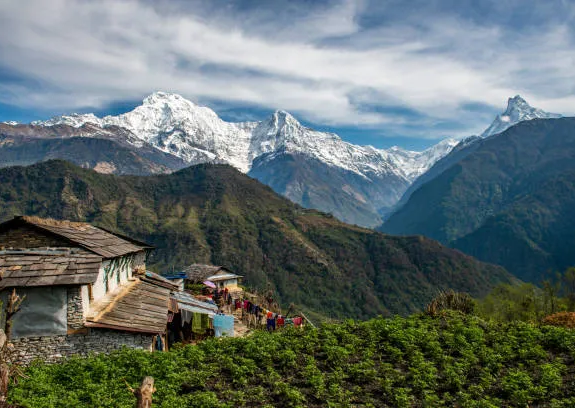

Kori Trek
73 reviews in Tripadvisor

Trip Duration
6 Days
Destination
Nepal
Max. Altitude
3,800 m.
Trip Difficulty
Moderate
Group Size
1-12
Transportation
Tourist/ Local Vehicle
Accommodation
Hotel/Lodge
Activity
Trekking
Meals
All Inclusive
Start / End
Pokhara
Region
Annapurna
Best Season
Spring & AutumnUS$ 500

Need Help? Talk to Expert
+977 9764792172Trip Overview
Experience off-the-beaten-path hiking to the altitude of 3,800m at Kori Trek. The foothill trails of Annapurna take you through wide alpine meadows with dramatic sunrise/sunset views of Annapurna ranges while immersing you in the authentic taste of Gurung/Ghale culture in Sikles.
This trek is considered a popular short trek in Nepal. It offers alternative viewpoints like Poon Hill but with richer nature, culture and micro-adventures. The natural features you’ll pass through include colorful oak and rhododendron forests. Discover holy lakes, encounter wildlife & birds while capturing the panoramic mountain vistas of Annapurna II, Machhapuchhre (Fishtail), Lamjung Himal and the surrounding Annapurna ranges.
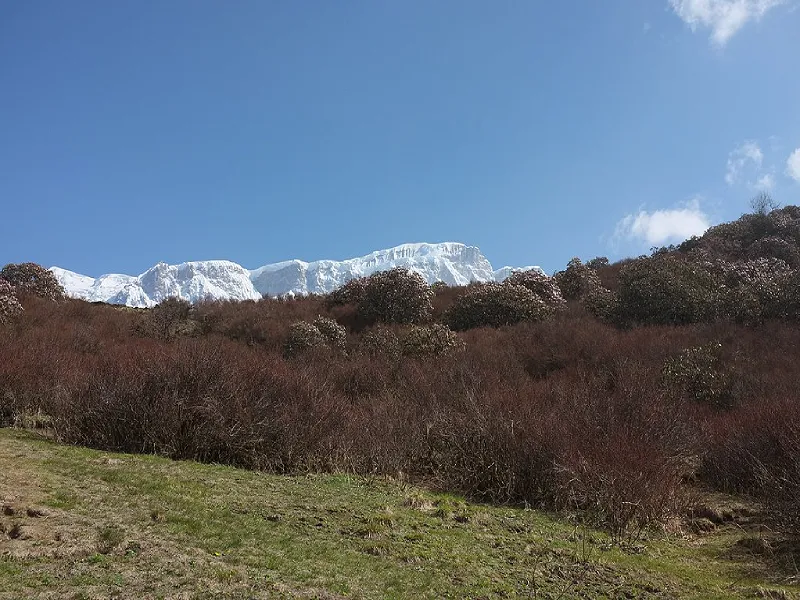
Why Choose Kori Trek?
In this world, there are few remaining places of untouched beauty, unspoiled by mass tourism. Kori is one of them. This is Nepal’s best-kept secret spot, tucked deep into the Annapurna foothills. Whether you’re a corporate worker, student, frequent traveler, dreamer, nature enthusiast, or adventurer – this trail is for you.
The specialty of this trek is that it has everything you want. It can be completed within a week with an authentic mountain experience including rich wildlife and local community interaction. No big lodges or crowded tea houses here – just quiet trails, traditional hospitality, and nature at its best, with thoughtfully designed peaceful hiking trails for easy access.
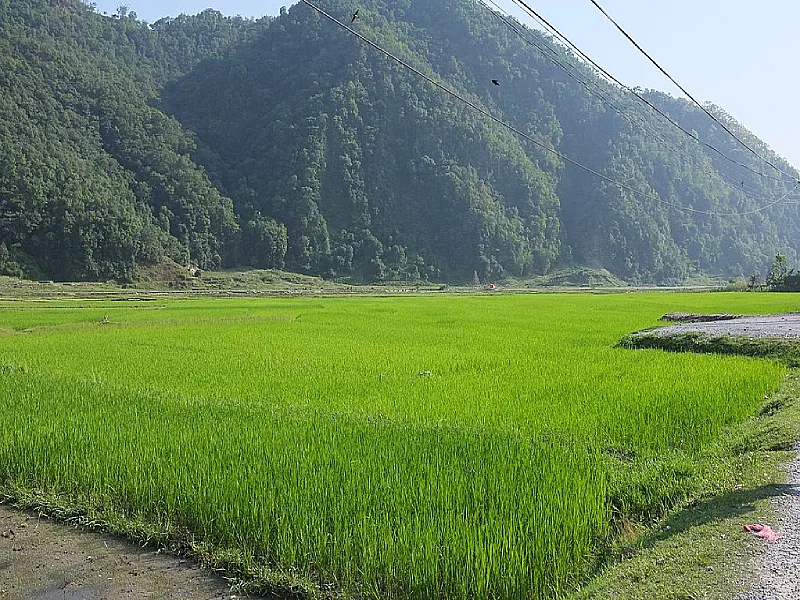
The best part of every destination after the challenges is the reward. This kori trek provides community engagement throughout the journey, diverse flora and fauna, pristine lakes, well-managed trails, and panoramic mountain vistas, as well as breathtaking sunrise/sunset views over the Himalayas. This is an all-in-one trek that provides the experience of different trekking destinations in a single adventure.
Best Season To Go Kori Trek
One of the most beautiful things about Kori Trek is you can go trekking in any season. Different seasons give different experiences – here is what you can expect:
Spring (March to May):
The colorful season to hit Kori’s trail. In this season the forests burst with rhododendron blooms, the trails are decorated with wild flowers and the weather is generally warm and stable. This season provides stunning views of Annapurna II, Lamjung Himal, and Machhapuchhre. It is considered the perfect season for those who want lush landscapes and vibrant nature.
Autumn (September to November):
This is the prime trekking season in Kori. This is the time after the rain, when the skies are crystal clear, the air is fresh and the terraced fields glow golden with harvest. The moderate and stable weather makes this the most popular time for mountain panoramas. If you are after the best visibility and cultural encounters, choose this season as this is festival time. If the timing is right then you can participate in celebration of Dashain.
Summer/Monsoon (June – August):
This is the rainy season, when the trails get peaceful. Due to the rain and clouds the mountain views are often obscured. This season brings life to the plants and hills. If you love solitude and don’t mind wet conditions, kori can still be an adventurous choice.
Winter (December – February):
Kori feels like a snowy paradise in winter. The meadows and ridges are often covered with snow, providing magical sunrise and sunset views over the Annapurna range. The nighttime at high altitude is very cold. This season is perfect for those who want peaceful trails, dramatic snow views, and a little bit of challenge.
Your journey to Kori starts with a scenic drive from Pokhara to Sikles, then continues on foot through Hugu Goth and Nohtha to Kori Danda before returning. Along the way, you’ll have the chance to indulge in traditional Gurung culture. The people of Nepal are friendly and will welcome you with Namaste, providing warm hospitality.
Highlights of Kori Trek
- Stunning 360° views of Annapurna II, Fishtail, and Lamjung Himal from 3,800m.
- Experience genuine local hospitality in traditional Sikles village.
- Untouched trails away from crowds with diverse wildlife and birds.
- Breathtaking golden hour views over the Himalayan ranges.
- All the mountain beauty with richer culture in just 6 days.
Photo Gallery & Video Gallery
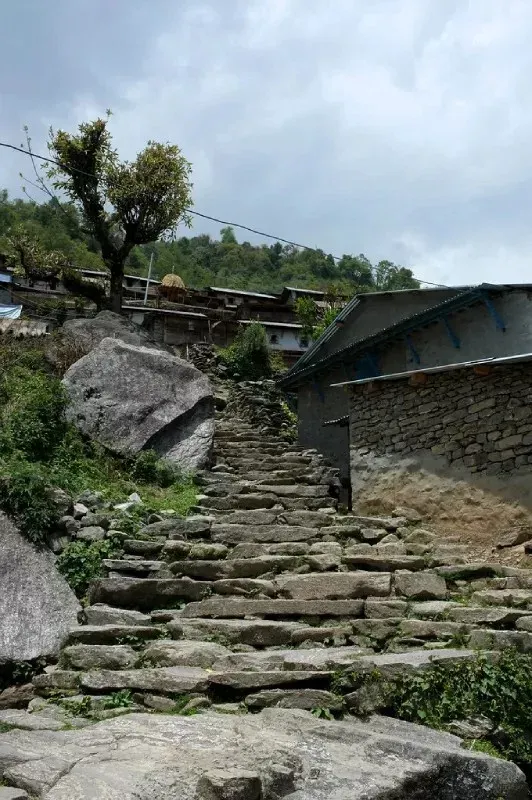
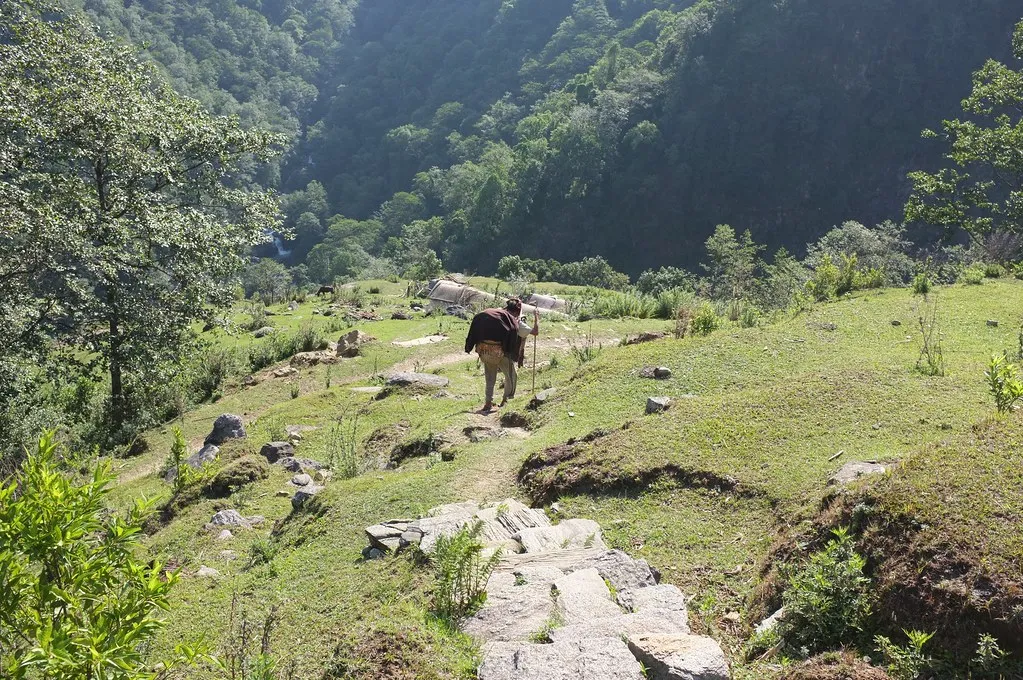
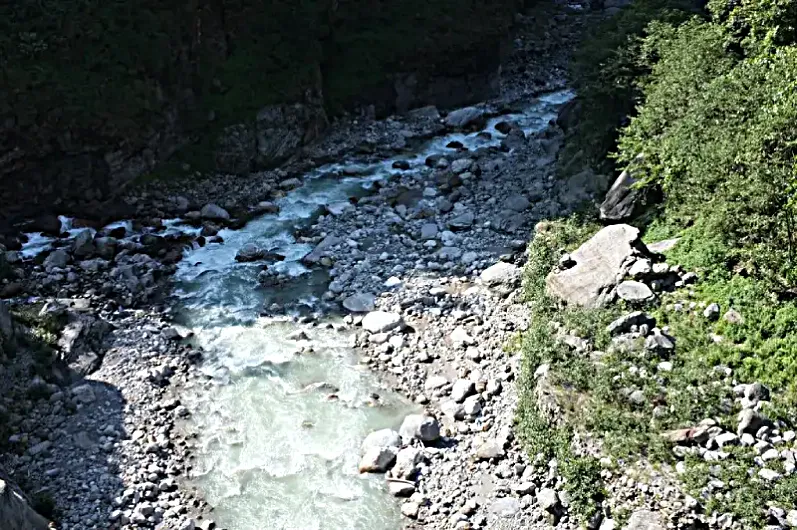
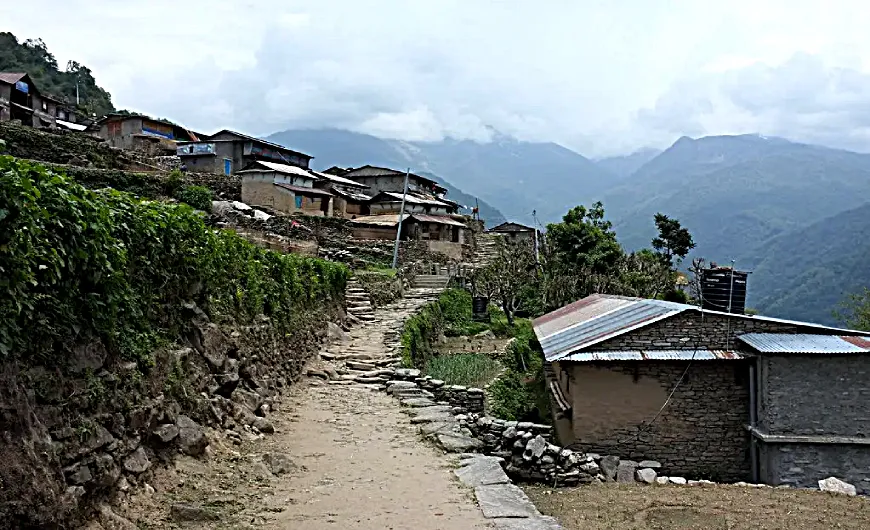
Kori Trek - Distance, Duration, and Altitude
| Trekking Route | Distance (Kilometers) | Duration (Hours) | Altitude (Meters) |
|---|---|---|---|
| Sikles to Hugu Goth | 6 KM | 3-4 hrs | 2100 m. |
| Hugu Goth to Nohtha | 8 KM | 5-6 hrs | 3050 m. |
| Nohtha to Kori Danda | 6 KM | 4-5 hrs | 3800 m. |
| Explore Kori Danda (Opt.Hike: Thulake Top) | 4 KM | 3-4 hrs | 4115 m. |
| Kori Danda to Sikles | 20 KM | 6-7 hrs | 1980 m. |
Itinerary of Kori Trek
Day 1: Drive from Pokhara (822 m) to Sikles (1,980 m) then trek to Hugu Goth (2,100 m)
Your adventure begins with a scenic drive from Pokhara on a rugged mountain road to Sikles, from here you will witness the first mountain views of Lamjung Himal. After the lunch start your trek crossing the bridge then slight up hills on steep stone path. The path rises through forests and small villages giving you a perfect balance of nature and local lifestyle. By the evening you will reach Hugu Goth and stay at a local teahouse for a warm meal to spend the night.

Activity: 4 hrs drive, 3-4 hrs trek

Max. Altitude: 2100m./6,890ft. (Hugu Goth)

Meal: Breakfast, Lunch, Dinner

Accommodation: Teahouse
Day 2: Trek from Hugu Goth to Nohtha (3,050 m)
The day starts your trek with warm breakfast in the teahouse at Hugu Goth then make your way ascending. Walking through the rhododendron and oak forests offering the stunning and breathtaking views of the Annapurna II and Fishtail, that will peek you through the ridges. With the incredible views you will reach Notha for the overnight stay.
Activity: 5-6 hrs
Max. Altitude: 3050m./10,007ft. (Nohtha)
Meal: Breakfast, Lunch, Dinner
Accommodation: Teahouse
Day 3: Trek from Nohtha to Kori Danda (3,800 m)
The day to reach the Kori Danda. Along the way, you will be steadily climbing with the panoramic 360° views of Annapurna II, Lamjung Himal, Machhapuchhre (Fishtail).
When you reach there, either you can stay in the teahouses or you also can set-up the tent and camping at the Kori Danda.
Activity: 4-5 hrs
Max. Altitude: 3800m./12,467ft. (Kori Danda)
Meal: Breakfast, Lunch, Dinner
Accommodation: Teahouse/ Camping
Day 4: Explore Kori Danda - Optional hike to Thulake Top (4,115 m)
Wake up early to witness the sunrise views and enjoy the beautiful Kori. You can either return after the Kori exploration or climb higher to Thulake Top for better view. From the top, you can see the Annapurna range incredibly close. It is a rewarding climb with even more stunning mountain views. After exploration, return to Kori for a warm meal and overnight stay.
Activity: Opt (3-4hrs)
Max. Altitude: 4115m./13,501ft. (Thulake Top)
Meal: Breakfast, Lunch, Dinner
Accommodation: Teahouse/ Camping
Day 5: Trek from Kori Danda to Sikles
After completing your Kori Trek, you will begin your return journey to Sikles. The route is mostly downhill through forests, meadows and Gurung settlements. As you descend, the altitude becomes warmer. At Sikles village enjoy the warm meal and experience the unique hospitality of Gurung community.
Activity: 6-7 hours
Max. Altitude: 1980m./6,496ft. (Sikles)
Meal: Breakfast, Lunch, Dinner
Accommodation: Teahouse
Day 6: Drive back to Pokhara from Sikles
In the morning, take a relaxing village walk around Sikles village. Watch carefully the ancient stone-paved lanes, architecture, Gurung houses. After short exploration, drive back to Pokhara. Once you arrive at Lake side, relax beside Phewa lake and celebrate the completion of your Kori Danda Trek.
Activity: 4-5 hrs
Max. Altitude: 822m./2,697ft. (Pokhara)
Meal: Breakfast, Lunch, Dinner
Accommodation: Standard Hotel
Keep 3 days buffer for your international departure. As the starting point for this trek is from Pokhara, it would take 2 extra day to go and return to Kathmandu.
Includes/Excludes
What is included?
- Permits and Fees: All necessary permits for the Kori Trek, including the Annapurna Conservation Area entry permit and the TIMS (Trekkers’ Information Management System) card.
- Accommodation: Accommodation throughout the trek, typically in teahouses or local guest house. This generally includes accommodation in Pokhara before and after the trek in 3 star hotel on BB plan. (twin sharing basis)
- Meals: This packages include three meals a day (breakfast, lunch, and dinner) during the trek. Also it includes two times hot beverage (in breakfast and lunch) and seasonal fruits after dinner.
- Transportation: Ground transportation from Kathmandu/Pokhara to Sikles (or a similar starting point) and back.
- Guide and Porters: Services of an experienced English-speaking trekking guide and porters to carry luggage. This includes their salary, insurance, equipment, food, and accommodation.
- First Aid Kit: A basic first aid kit.
- Trekking Map: A map of the trekking route.
- Equipment: Duffle Bag, Sleeping Bag (if necessary)
- Pick up drop-off: Airport pick up and drop-off by private vehicle.
What is not included?
- International Flights: International airfare to and from Nepal is not included.
- Travel Insurance: Travel insurance that covers emergency rescue and evacuation is not included, and you’ll be expected to have your own.
- Personal Expenses: Expenses for extra meals, drinks, snacks, charging devices, hot showers, Wi-Fi, and other personal costs are not included.
- Nepal Visa Fees: Entry visa fees for Nepal.
- Additional Accommodation and Meals: If you choose to extend your stay in Nepal, the cost of additional accommodation and meals will not be included.
- Rescue and Evacuation: Any costs related to emergency evacuation or rescues are not covered.
- Trekking Gear: Personal trekking equipment, such as hiking boots, down jackets, trekking poles, and other gear are not included.
- Tips: Tips for guides and porters are not included and are left to your discretion.
Trip Information
Permits & Costs for Kori Trek
Trekking to Kori requires obtaining the following permits:
1. Annapurna Conservation Area Permit (ACAP)
Kore trek comes under the Annapurna Conservation Area. So that it is mandatory to have a permit before entering the region.
- Cost: NPR 3,000 (approx. USD 25)
- Available: Tourism Board Office in Kathmandu (Bhrikutimandap) or the ACAP office in Pokhara (near Lakeside).
2. Trekkers’ Information Management System (TIMS) Card
As the TIMS Card system is announced as not compulsory by NTB, most trekking agencies and checkpoints may still require it, so understand this before heading. Or, leave it to your agency – they will handle it.
- Cost: NPR 2,000 (approx. USD 15)
- Nepal Tourism Board offices in Kathmandu or Pokhara
3. Local Fees (if applicable) Some villages or local committees along the route (e.g., Sikles) may charge a small community fee for infrastructure or cultural preservation (usually NPR 200–500). These are collected directly on the spot by local representatives. (Give to authorized persons only).
If you book your trek with Epic Trek Nepal, just provide us with two passport-sized photos and a photocopy of your passport. We will handle all the permits and paperwork.
Required Gears for Kori Trek:
Backpack & Bags
- Duffle Bag: Heavy duffle bag (agency provided for porters)
- Main Backpack: 40 to 70 ltrs.
- Daypack: To carry your rain jacket snacks, camera etc.
Essential Layering Clothes
- Base layers: Long underwear/Wool thermals.
- Hiking clothes: Lightweight trekking pants, Trekking shorts, T-Shirts (lightweight wool is great).
- Insulation: Sweater, Fleece, Heavy down jacket
- Outer Layer: Waterproof jacket and pants
- Accessories: Winter Hat, Winter gloves, Baseball Cap
Footwear:
- Hiking boots: Hiking boots (break them in beforehand)
- Camp shoes
- Socks: Wool socks (bring a few pairs of varying thickness)
Essential Accessories
- Hiking poles (lessen the impact on your joints)
- Sunglasses
- Head lamp with extra batteries
- Water bottles (at least 3 liters total capacity), Water purification (pump or tablets)
Personal Care & Safety
- Sun screen, Hand sanitizer, Toiletries (toothbrush, toothpaste, deodorant, etc.)
- First aid kit (with moleskin for blisters), Medications (Ibuprofen, Diamox and others if necessary)
- Duct tape (fixes just about everything, at least temporarily)
Electronics & Documentation
- Camera: Camera with extra batteries
- Documents: Extra passport photos and photocopies of your passport
Note: Heavy down jacket (can be rented in Kathmandu), if you prefer not to carry it from home.
Safety & Preparation for Kori Trek
The trek to Kori is considered moderate in difficulty, but since it reaches nearly 3,800m (opt. 4,115m at Thulake Top), staying safe and being prepared for any unplanned circumstances are crucial for an enjoyable trekking experience.
- At 3,800m altitude sickness can possibly be seen. To prevent it, drink enough water, take rest and listen to your body.
- Be prepared for AMS (Acute Mountain Sickness) symptoms such as: headache, nausea, dizziness, loss of appetite, or difficulty sleeping.
- Carry basic altitude medicine (such as Diamox) only with your doctor’s advice.
- If the symptoms worsen, descend immediately to a lower altitude.
Preparation: Be prepared physically and mentally. This trek requires 4 to 7 hours of walking on steep stone ascents and descents per day. Build your stamina by training with cardio, jogging and light stretching about 3 months prior to your trek start date.
Tips:
- Always trek with a local guide – they have good knowledge of routes and can help you with remedies to prevent sickness. Licensed guides also carry satellite phones and basic medications in first aid kits and can update you with the weather conditions of that day.
- Insurance is mandatory for every trip, so make sure the insurance covers trekking up to 4,500m with emergency helicopter evacuation.
- Last but not least, share your itinerary with trusted ones or family for safety tracking.
Frequently Asked Questions
The Kori trek difficulty is moderate, suitable for trekkers with good physical condition and some mountain walking experience. It requires 4-7 hours of walking daily on steep terrain but no technical climbing or ropes.
The journey may turn out to be difficult for solo travelers. However, the same cannot be said for the visitors with a guide. A local guide is highly recommended for safety, route knowledge, and cultural insights.
Spring (March-May) and Autumn (September-November) are ideal. The routes can be very muddy due to rainfall in the monsoon and leeches are very common during monsoon season.
Essential items include sturdy trekking boots, moisture-wicking layered clothing for fluctuating weather, a lightweight sleeping bag, and a reusable water bottle. Also bring trekking poles, warm jacket, and basic medication with consulting with your doctor.
Building strength and stamina is crucial for the Kori Trek Difficulty. Focus on cardiovascular endurance, leg strength, and core stability. Train 2-3 months before with cardio and hiking practice.
Kori offers similar mountain views but with authentic culture, peaceful trails, and fewer crowds – making it an excellent alternative to the crowded Poon Hill trek.
You need ACAP (NPR 3,000) and TIMS card (NPR 2,000), plus possible local community fees. Your trekking agency can arrange all permits.
Yes, basic teahouses and homestays are available, offering warm hospitality. You can also camp at Kori Danda if preferred.
Epic Trek Nepal pricing:
- Solo Trekker: $850 per person
- 2-3 person: $790 per person
- 4-6 person: 760 per person
- Group over 7: $700 per person
Includes all permits, accommodation, meals, guide, porter, and ground transportation (no flights required).
Trip Reviews
US$ 500
Need Help? Talk to Expert
+977 9764792172