
Langtang Valley Trek
73 reviews in Tripadvisor

Trip Duration
11 Days
Destination
Nepal
Max. Altitude
4,947 m.
Trip Difficulty
Easy
Group Size
1-15
Transportation
Tourist Vehicle
Accommodation
Hotel/Teahouse
Activity
Trekking
Meals
All Inclusive
Start / End
Kathmandu
Region
Langtang
Best Season
Spring, AutumnUS$ 650

Need Help? Talk to Expert
+977 9764792172Trip Overview
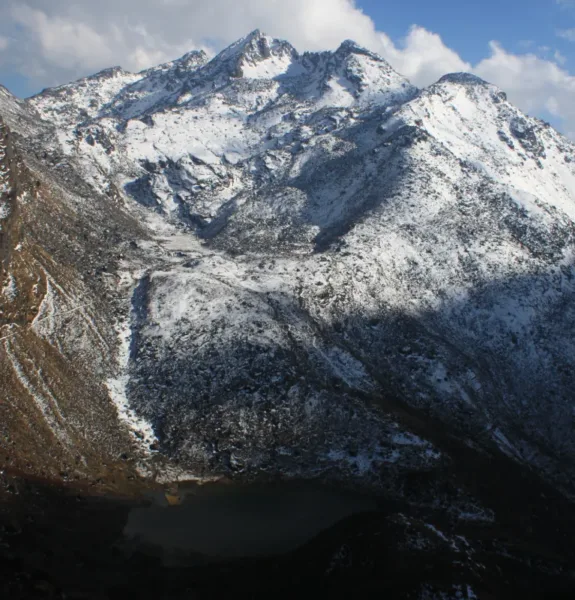
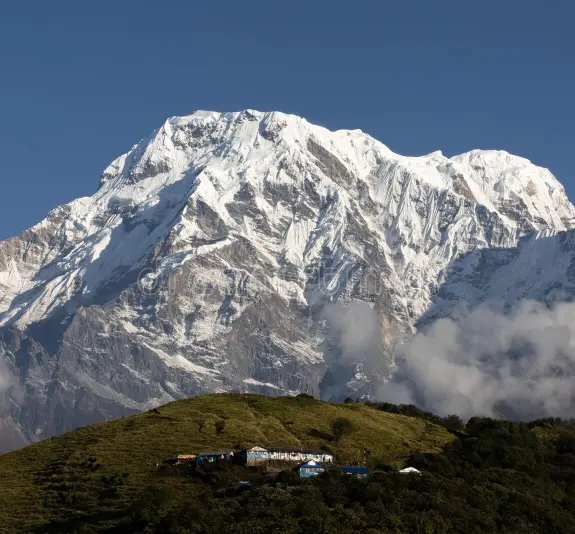
Langtang, a trekking destination to the valley surrounded by snow-capped peaks and glaciers. Easily accessible, and is located just north from Kathmandu. Perfect for both experienced and beginner trekkers, Langtang Valley Trek offers a beautiful mix of dramatic mountain scenery, traditional Tamang culture, and rich biodiversity. The route leads through the heart of Langtang National Park, following flowing streams and rivers through dense oak and pine forests filled with rhododendrons. Situated in Rasuwa District of Nepal the total Area of the park is 1,710 sq km. It feels remote with its rocky cliffs and challenging terrain, which in return reward trekkers with spectacular sunrise views and panoramic close-ups of a giant peaks including Langtang Lirung (7,227m), Dorje Lakpa, and Gangchempo.
Between the range of Ganesh Himal and Jugal Himal, this trek is relatively short starting from Syabrubesi, which is about 122 km from Kathmandu and takes 6-7 hours in jeep. And after the night in Syabrubesi, next morning be prepare to head towards Lama Hotel through dense oak, rhododendron & bamboo forest following the Langtang Khola, which is about 11 km in distance and could take 6-7 hours to reach Lama Hotel. Another day you will reach Langtang Village, passing the charming villages like Ghora Tabela – witness the first glimpse of mountain (Langtang Lirung) on the way.
This is the rebuilt village after the 2015 earthquake. After the night at Langtang village with traditional Tamang hospitality, go toward Kyanjin Gompa. It is a 4-5 hour trek with mesmerizing views of Kyanjin Ri, Langtang Lirung Glacier, Tserko Ri and many more. You can also visit the sacred Kyanjin Monastery and explore the cheese factory there. The next day, reach Tserko Ri for mesmerizing views Langtang Himalayas. If possible view the sunrise over Langtang Lirung, Yala Peak, Dorje Lakpa and Gangchempo. Push yourself a little more and hike to Langshisha Kharka for breathtaking 360° panoramic view. After reaching there, return via the same route through Langtang to Lama Hotel then Syabrubesi and drive back to Kathmandu.
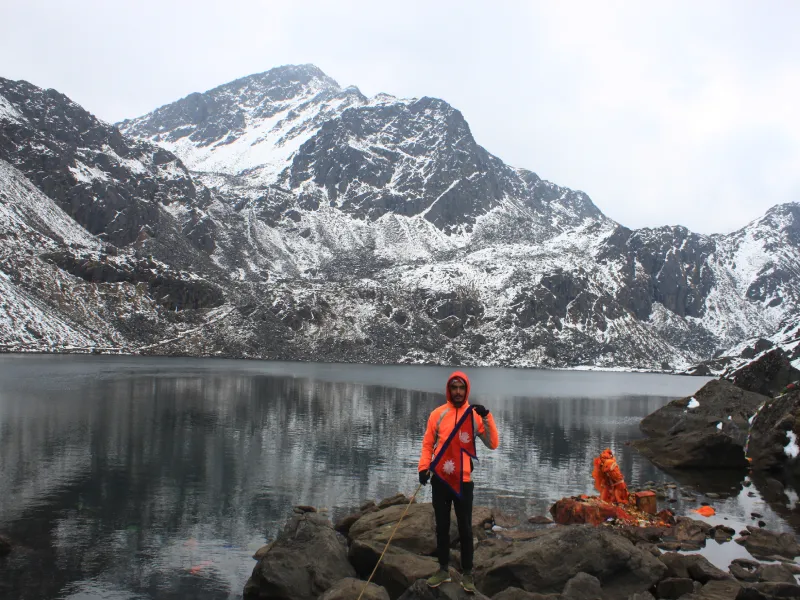
It feels cleansing inside you while trekking in this trail, a quiet and meaningful travel. Langtang is a living story, according to local stories – there was a lama who used to take his yaks to the fields for grazing and one day as usual he took his yaks to the fields and one of his yaks got lost. While he was searching his lost yak, he reached a valley suitable for farming and growing crops and then he settled there with his family and belongings. From one family to another, the community grew along with the infrastructure.
In 2015, the earthquake destroyed all the civilization and killed 243 people through landslides – it was the worst incident there. And then, the people there moved to the next place nearby and rebuild not just villages, but hope – for those who choose to walk this trail actually walk through history and become a part of it. Langtang will welcome you with open arms, open skies and open hearts.
Best Season for Langtang Valley Trek:
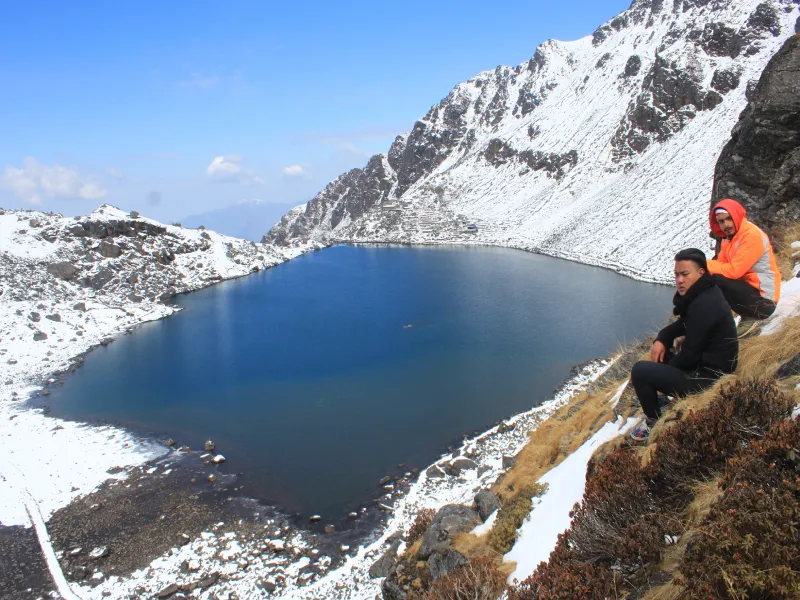
Spring (March to May)
One of the most rewarding seasons for the Langtang Valley trek, transforming the entire valley into a natural wonderland. The temperature ranges from 10°C to 20°C during the day, while nights can drop to -5°C at higher elevations. This season brings the famous rhododendron blooms that paint the mountainsides in brilliant reds, pinks, and whites, along with countless wildflowers carpeting the trails. The weather remains stable with clear skies, offering spectacular views of Langtang Lirung, Ganesh Himal, and other surrounding peaks. Wildlife becomes more active, and the moderate temperatures make hiking comfortable throughout the day.
Autumn (September to November)
Autumn represents the absolute peak season for Langtang Valley trekking. This season delivers the most reliable weather conditions and crystal-clear mountain visibility. The temperature ranges from 15°C to 25°C in September, gradually cooling to 3°C to 15°C in November, with nighttime temperatures dropping to -5°C at higher altitudes. The post-monsoon atmosphere provides exceptionally clear skies with deep blue backgrounds that make the snow-capped peaks appear almost within reach. Trails are dry and well-defined, the air is crisp and clean, and you’ll experience stable weather patterns that make each trekking day predictable and enjoyable.
Winter (December to February)
Winter trekking in Langtang Valley presents significant challenges due to heavy snowfall and extremely cold temperatures. The temperature can plummet to -15°C to -20°C at night, with daytime temperatures rarely exceeding 5°C even at lower elevations. Snow blocks many of the higher trails, making the trek to Kyanjin Gompa and beyond extremely difficult or impossible. The risk of avalanches increases substantially, and many teahouses close for the season. Only experienced trekkers with proper winter gear and local guides should consider this period.
Monsoon (June to August)
The monsoon season brings heavy rainfall that makes Langtang Valley trekking challenging and potentially dangerous. Temperatures range from 15°C to 20°C, but the constant rain creates slippery, muddy trails filled with leeches. Poor visibility obscures the mountain views, frequent landslides pose safety risks, and flight cancellations to Kathmandu can disrupt travel plans. The wet conditions also increase the risk of altitude-related issues and make camping extremely uncomfortable.
Highlights of Langtang Valley Trek
- Panoramic vistas of Langtang Lirung (7,234m), Ganesh Himal, and Himalayan peaks over 6,000m
- 360-degree mountain panoramas from the trek’s highest viewpoint
- Authentic Buddhist monasteries, traditional villages, and local customs
- Famous yak cheese factory at Kyanjin Gompa
- Red pandas, Himalayan black bears, snow leopards, and 373 bird species
- Rare relaxing hot water springs along the trail
- Reach 5,000m without crossing dangerous high passes
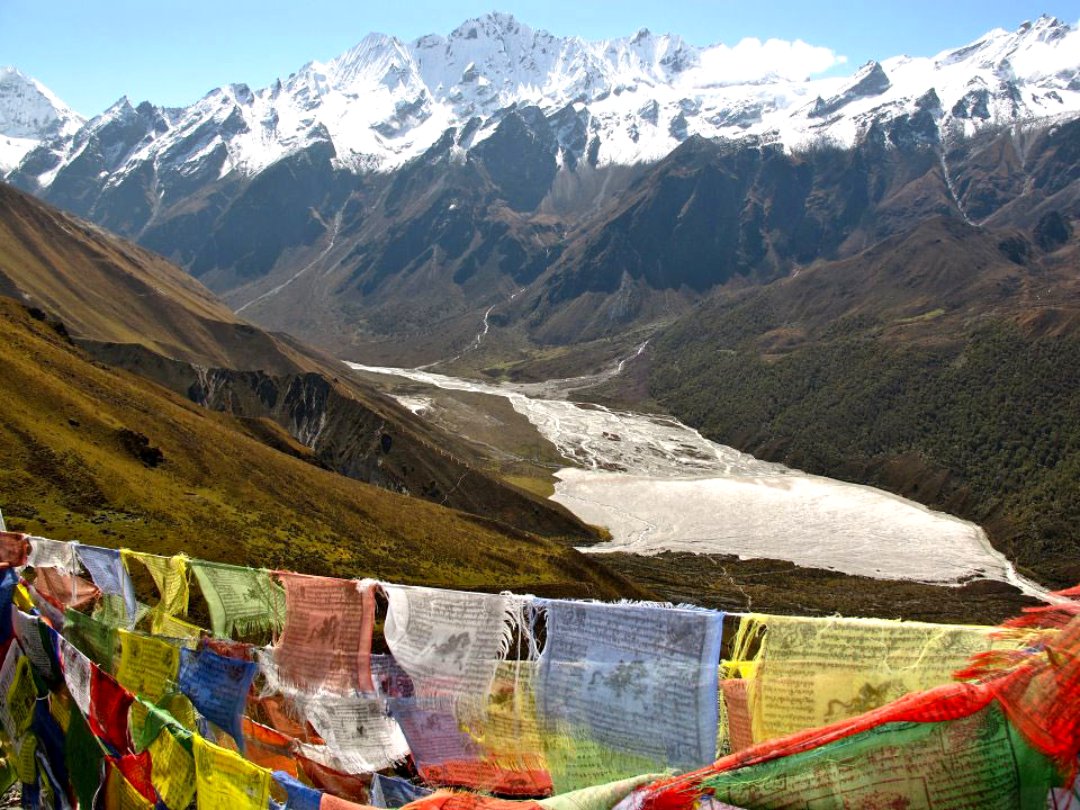
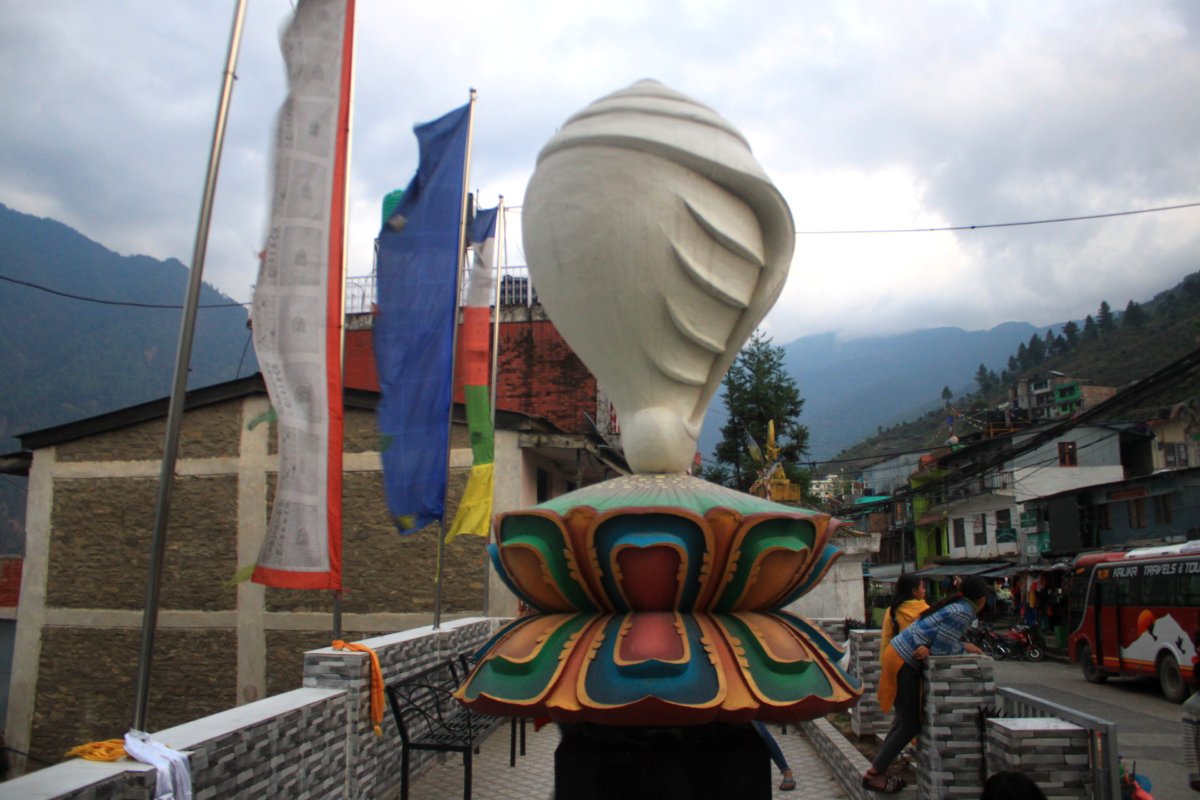
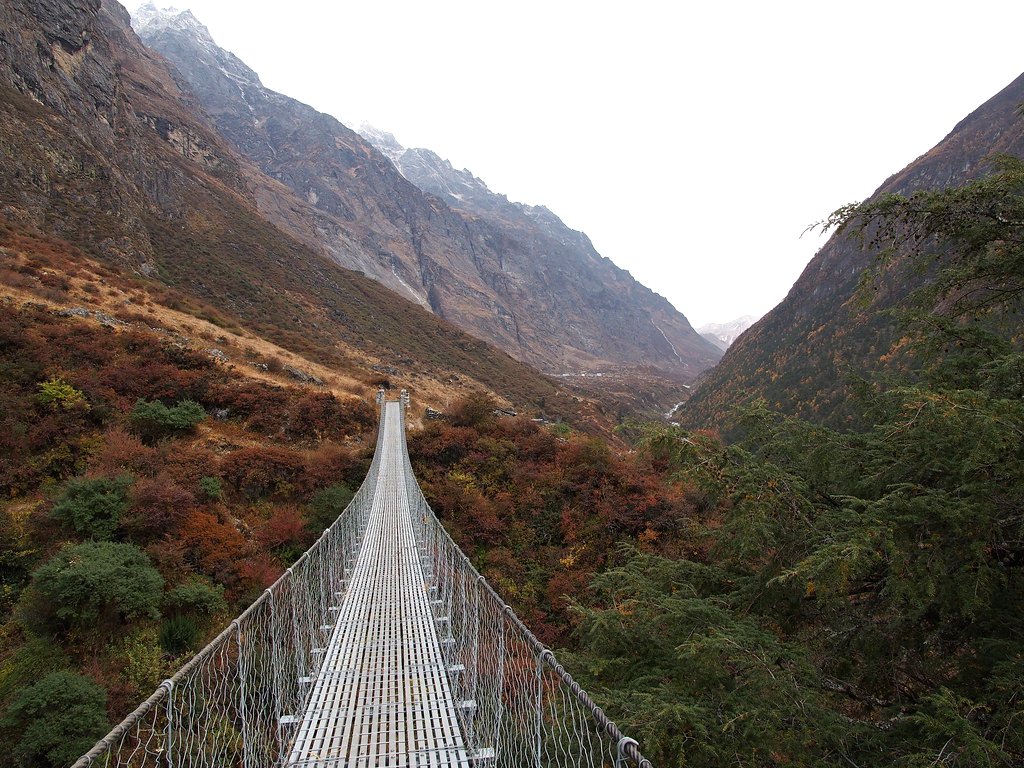
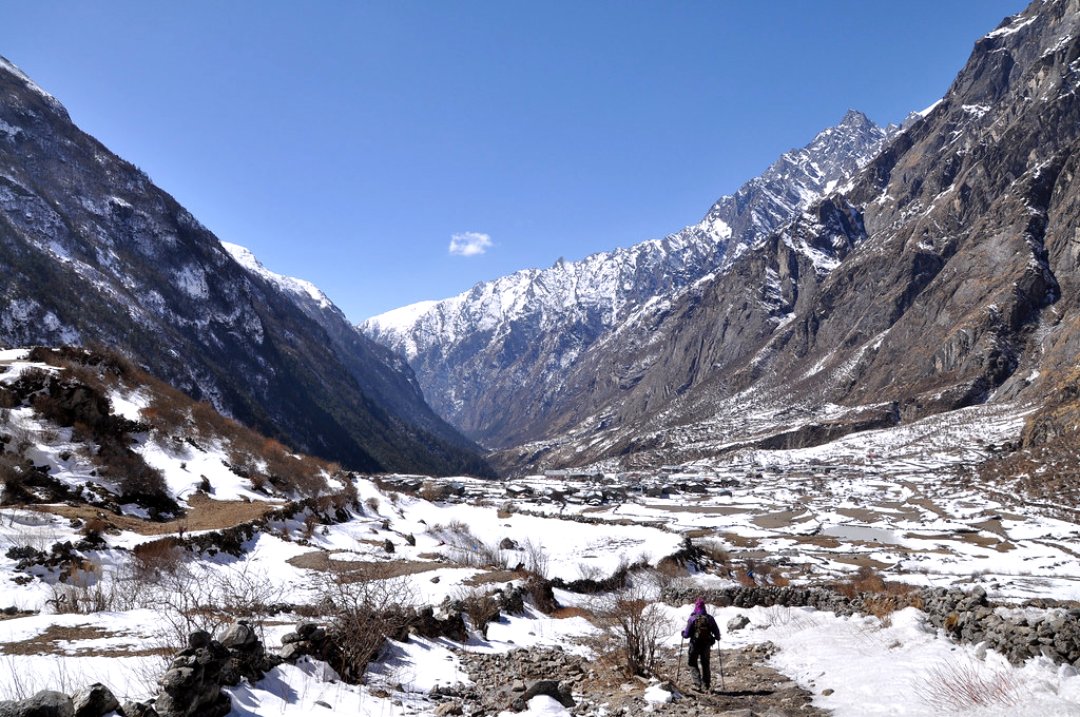
Photo Gallery & Video Gallery

Langtang Valley Trek - Distance, Duration, and Altitude
| Trekking Route | Distance (Kilometers) | Duration (Hours) | Altitude (Meters) |
|---|---|---|---|
| Syabrubesi to Lama Hotel | 11 KM | 6 to 7 hours | 2470 m. |
| Lama Hotel to Langtang Village | 14 KM | 5 to 6 hours | 3430 m. |
| Langtang Village to Kyanjin Gompa | 6.8 KM | 3 to 4 hours | 3870 m. |
| Tserko Ri hike (from Kyanjin Gompa) | 8 KM | 5 to 6 hours | 4984 m. |
| Kyanjin Gompa to Lama Hotel | 21 KM | 6 to 7 hours | 3870 m. |
| Lama Hotel to Syabrubesi | 11 KM | 7 hours | 2470 m. |
Itinerary of Langtang Valley Trek
Day 01: Arrival in Kathmandu (1,324m
Upon arrival at the Kathmandu airport, you’ll be greeted by one of our representatives and transferred to your hotel. You can spend the day exploring the Thamel area or other popular places.

Activity: 35 min drive

Max. Altitude: 1324m./4,344ft. (Kathmandu)

Accommodation: 3 Star hotel
Day 02: Sightseeing and Trek Preparation in Kathmandu (1324m)
Spend your day exploring UNESCO World Heritage Sites in Kathmandu, including Kathmandu Durbar Square, Pashupatinath Temple, Swayambhunath, and Boudhanath Stupa. These places gives you insight into Nepal deep culture, traditions, art, religion and history. In the evening, we will gather for a final meeting and gear check to ensure everything is ready for the upcoming adventure.
Max. Altitude: 1324m./4,344ft. (Kathmandu)

Meal: Breakfast
Accommodation: 3 star hotel
Day 03: Drive from Kathmandu to Syabrubesi (1946m)
Your journey begin with a scenic drive from Kathmandu to Syabrubesi through terraced fields and rustic villages to Syabrubesi, the initial point of the trek. During this drive you will get your first distance glimpse of the stunning mountains. After reaching Syabrubesi you will stay there for a warm meal and a night to spend.
Activity: 7-8 hour drive
Max. Altitude: 1946m./6,385ft. (Syabrubesi)
Meal: Breakfast, Lunch, Dinner
Accommodation: Standard Teahouse
Day 04: Trek from Syabrubesi to Lama Hotel (2470m)
Today you will start your trek from Syabrubesi by crossing a bridge and then ascend through a dense rhododendron forest and oak trees. The trek offers peaceful and calm surroundings to reach the Lama Hotel, your rest stop for the night and for a warm meal.
Activity: 5 to 6 hours
Max. Altitude: 2470m./8,104ft. (Lama Hotel)
Meal: Breakfast, Lunch, Dinner
Accommodation: Teahouse
Day 05: Trek from Lama Hotel to Langtang Village (3430m)
The trail gradually rises through a lush forest and beautiful meadows. You will travel beside Langtang River, and the mountain becomes more stunning and visible as you reach Ghoda Tabela. In Ghoda Tabela, you will have lunch and continue your journey toward Langtang Village, the traditional settlement of Langtang, where you will get a closer look at the local lifestyle and culture.
Activity: 5-6 hours
Max. Altitude: 3430m./11,253ft. (Langtang Vilage)
Meal: Breakfast, Lunch, Dinner
Accommodation: Teahouse
Day 06: Trek from Langtang Village to Kyanjin Gompa (3870m)
Today’s trek is a short one but very scenic. You will trek from Langtang village to Kyanjin Gompa, a prominent monastery in the region. The views from Kyanjin Gompa of Langtang Lirung (7246 meters) are magnificent. Kyanjin Gompa is a spiritual village with ancient monasteries and you can even see the Langtang Lirung (7,246 m) that stands right in front of you.
Activity: 3-4 hours
Max. Altitude: 3870m./12,697ft. (Kyanjin Gompa)
Meal: Breakfast, Lunch, Dinner
Accommodation: Teahouse
Day 07: Explore Kyanjin Gompa and climb Tserko Ri (optional)
This day is acclimatization day, where you will stay at Kyanjin Gompa for your body to adjust to low oxygen level. During this stay you can explore Kyanjin Gompa and go for an optional hike to Tserko Ri for an incredible sunrise view and even wider mountain panoramas.
Activity: Kyanjin Ri- 3 hours, Tserko Ri: 8 hours
Max. Altitude: 4984m./16,352ft. (Kyanjin Gompa)
Meal: Breakfast, Lunch, Dinner
Accommodation: Teahouse
Day 08: Trek from Kyanjin Gompa to Lama Hotel (2470m)
Begin your return journey and descend to Lama Hotel following the same trail. You will pass through the same landscape but from a different perspective which gives the feeling of nostalgia. The trail passes through the Langtang river, passing through yak pastures, and small tea houses. Along the way spot some wildilife and we will stop for lunch at the same place, Ghoda Tabela. In the evening you will reach Lama Hotel for an overnight stay.
Activity: 6 to 7 hours
Max. Altitude: 2470m./8,104ft. (Lama Hotel)
Meal: Breakfast, Lunch, Dinner
Accommodation: Teahouse
Day 09: Trek from Lama Hotel to Syabrubesi (1946m)
Continue your descending to journey from Lama Hotel to Syabrubesi following the same route. The route feel much more easier with every steps, the air becomes warmer and you can see the forest getting denser. In the evening, you will reach Syabrubesi and you can enjoy meal and relax in a comfortable teahouse.
Activity: 4 to 5 hours
Max. Altitude: 1946m./6,385ft. (Syabrubesi)
Meal: Breakfast, Lunch, Dinner
Accommodation: Teahouse
Day 10: Drive back to Kathmandu (1334m)
This is your last day. You will begin the day with a breakfast in Syabrubesi, then drive back to Kathmandu, enjoying one final look at the beautiful hills, landscape and rural village of Langtang region. After reaching Kathmandu, spend the day relaxing, celebrating your successful trek, or exploring the city’s markets for souvenirs. In the evening, enjoy a complimentary local dinner hosted by our company to celebrate your successful completion of Langtang Valley Trek.
Activity: Approx. 7 hours
Max. Altitude: 1324m./4,344ft. (Kathmandu)
Meal: Breakfast, Lunch, Dinner
Accommodation: 3 Star Hotel
Day 11: Departure
You will be transferred to the airport for your departure, marking the end of your memorable Langtang Valley Trek.
Activity: 35 min drive
Meal: Breakfast
Includes/Excludes
What is included?
- Permits and Fees: All necessary permits for the Langtang Valley Trek, including the Langtang National Park entry permit and the TIMS (Trekkers’ Information Management System) card.
- Accommodation: Accommodation throughout the trek, typically in teahouses or lodges. This generally includes accommodation in Kathmandu before and after the trek in 3 star hotel on BB plan. (twin sharing basis)
- Meals: Most packages will include three meals a day (breakfast, lunch, and dinner) during the trek.also includes two times hot beverage (in breakfast and lunch) and seasonal fruits after dinner.
- Transportation: Ground transportation from Kathmandu to Syabru Besi (or a similar starting point) and back.
- Guide and Porters: Services of an experienced English-speaking trekking guide and porters to carry luggage. This includes their salary, insurance, equipment, food, and accommodation.
- First Aid Kit: A basic first aid kit.
- Trekking Map: A map of the trekking route.
- Equipment: Duffle Bag, Sleeping Bag (if necessary)
- pick up drop up: airport pick up and drop up by private vehicle.
What is not included?
- International Flights: International airfare to and from Nepal is not included.
- Travel Insurance: Travel insurance that covers emergency rescue and evacuation is not included, and you’ll be expected to have your own.
- Personal Expenses: Expenses for extra meals, drinks, snacks, charging devices, hot showers, Wi-Fi, and other personal costs are not included.
- Nepal Visa Fees: Entry visa fees for Nepal.
- Additional Accommodation and Meals: If you choose to extend your stay in Nepal, the cost of additional accommodation and meals will not be included.
- Rescue and Evacuation: Any costs related to emergency evacuation or rescues are not covered.
- Trekking Gear: Personal trekking equipment, such as hiking boots, down jackets, trekking poles, and other gear are not included.
- Tips: Tips for guides and porters are not included and are left to your discretion.
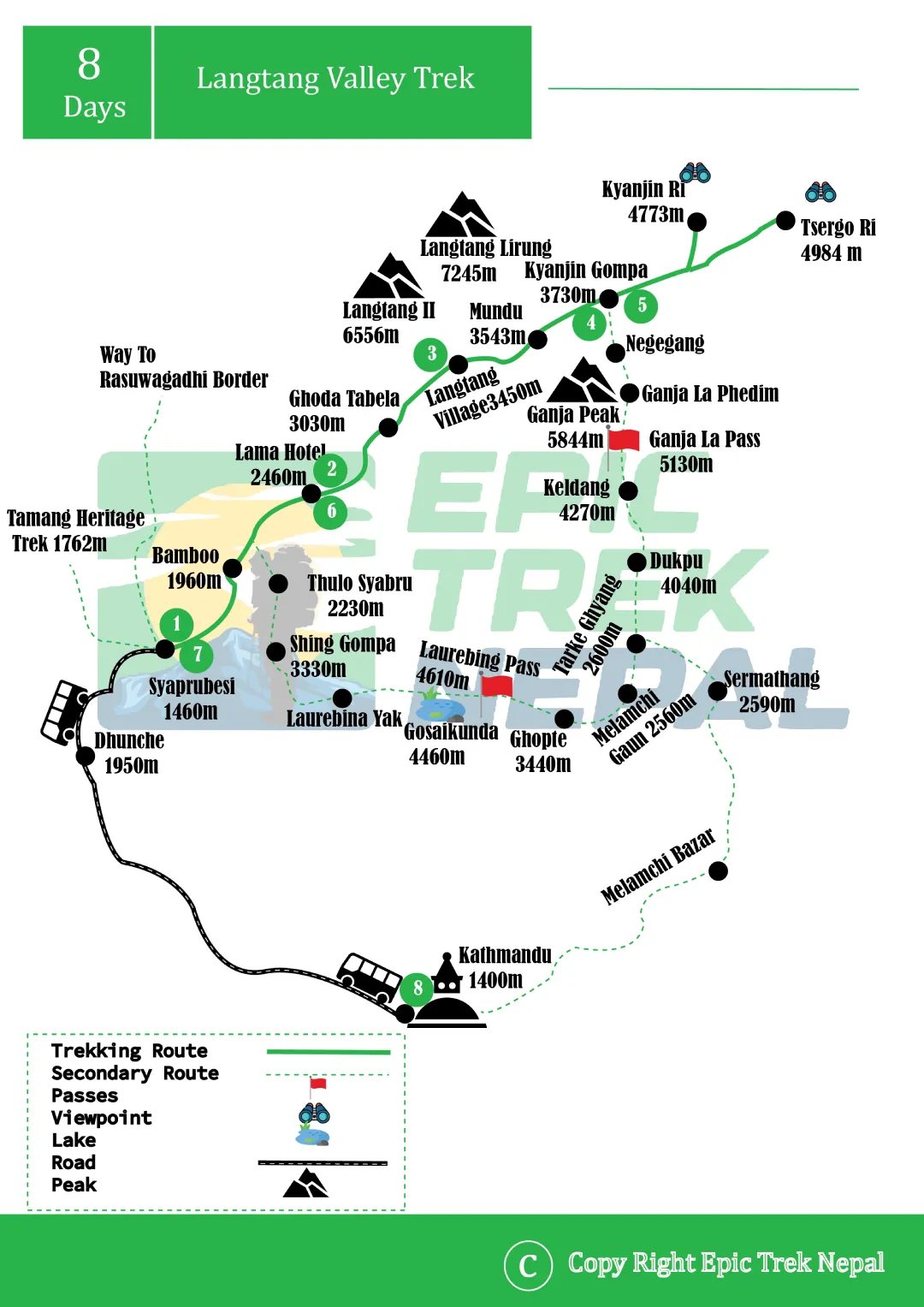
Trip Map of Langtang Valley Trek
Trip Information
Difficulty Level of Langtang Valley Trek:
Langtang Valley Trek is unveiled as an accessible and cultural expedition. Discover the Langtang region’s allure through an easy hike, offering cultural treasures and reaching a maximum altitude of 3830m at Kyanjin Gompa. With its gentle terrain, this trek is celebrated for providing an accessible and enriching experience, free from the challenges of high altitude. Explore the beauty of Langtang Valley with confidence and enjoyment, making it an ideal choice for trekkers seeking a captivating adventure without compromising on comfort.
Permits Required for Langtang Valley Trek
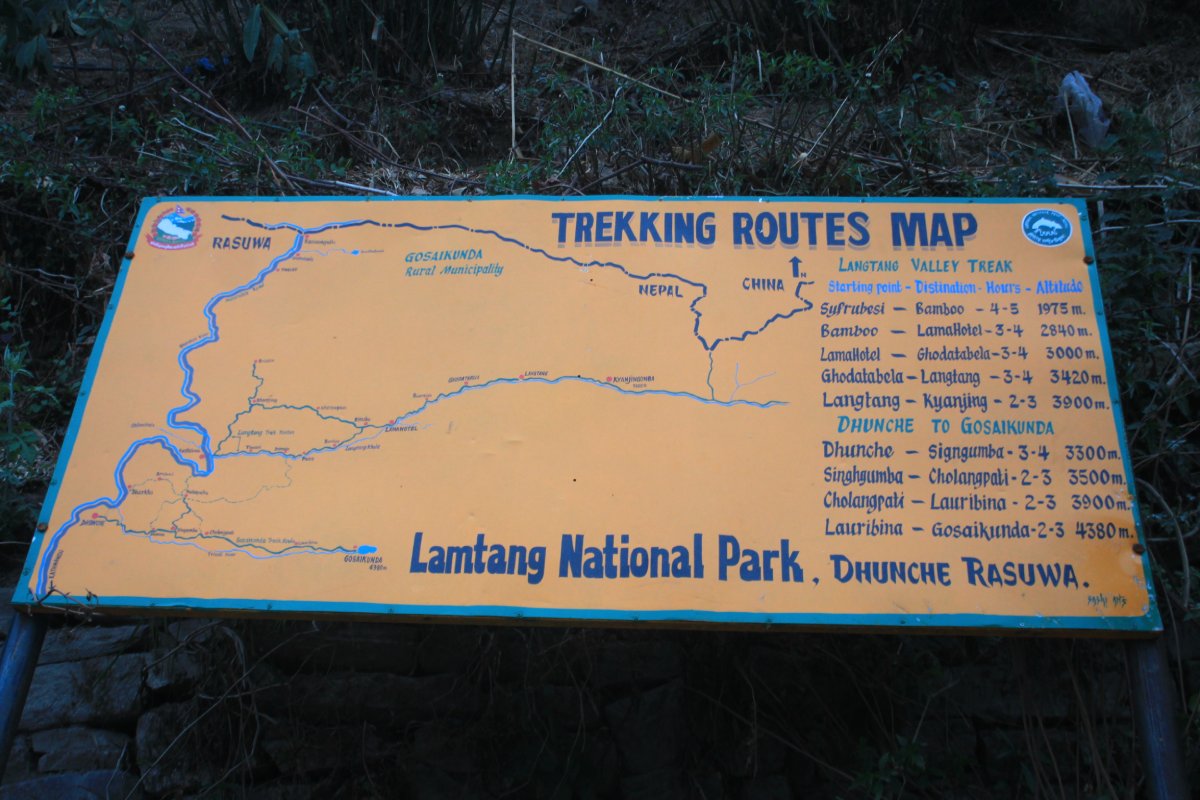
The Langtang Valley trek requires two essential permits that every trekker must obtain before entering the region.
Langtang National Park Permit:
This permit grants you access to trek within the boundaries of Langtang National Park, which covers the entire trekking route from Syabrubesi to Kyanjin Gompa and beyond. The park was established to protect the unique flora, fauna, and cultural heritage of the region, including endangered species like the red panda and Himalayan black bear.
Cost: NPR 3,000 per person
TIMS Card (Trekkers’ Information Management System):
This card serves as a safety tracking system that helps authorities monitor trekkers’ movements and provide assistance during emergencies. There are different types of TIMS cards, and you need the green one for trekking in non-restricted areas like Langtang Valley.
Cost: NPR 2,000 per person
The permits are available at:
- Nepal Tourism Board office in Kathmandu
- Some permits may also be available at checkpoints along the route
If you’re trekking with a registered agency like ours, you have no need to worry, Just provide us:
- Copy of your passport
- Passport size photo.
Our team will arrange all the permits as part of the service package, making the process hassle-free for travelers who prefer to trek with Epic Trek Nepal.
Cancellation Policy for Langtang Valley Trek:
At Epic Trek Nepal, we understand the changes in plan unexpectedly. That is why we designed it to be fair and clear.
Cancellation Notice:
By any reason, if you need to cancel tour trek then please inform us at least 15 days before your scheduled Trek start date.
Administrative Fee:
When you cancel the trek, 25% fee will be reduced from the total cost of trek as administrative charge. This fee covers the planning and organizational cost we’ve already done for your trip.
Non-Refundable Period:
If the cancellation happen less than 7 days before the trek start date, no refund will be provided but by looking at the situation and if we feel the reason of cancelation is valid then the amount will be refunded after deducting 70% of total trek amount. In such time we have already submitted the cost and reserved the spots for you.
Documentation Support:
We know insurance claim can be important. in-case if you cancel, we would gladly provide the necessary document such as receipts to help with your insurance process.
Unused Accommodation:
Please note that if your trek is cancel due to personal reasons, illness or bad weather, refunds for unused accommodation are not available.
If you have questions or want to discuss your situation, our team is here to help. We appreciate your understanding and look forward to guiding you safely on your Langtang Valley Trek.
Required Gears for Langtang Valley Trek
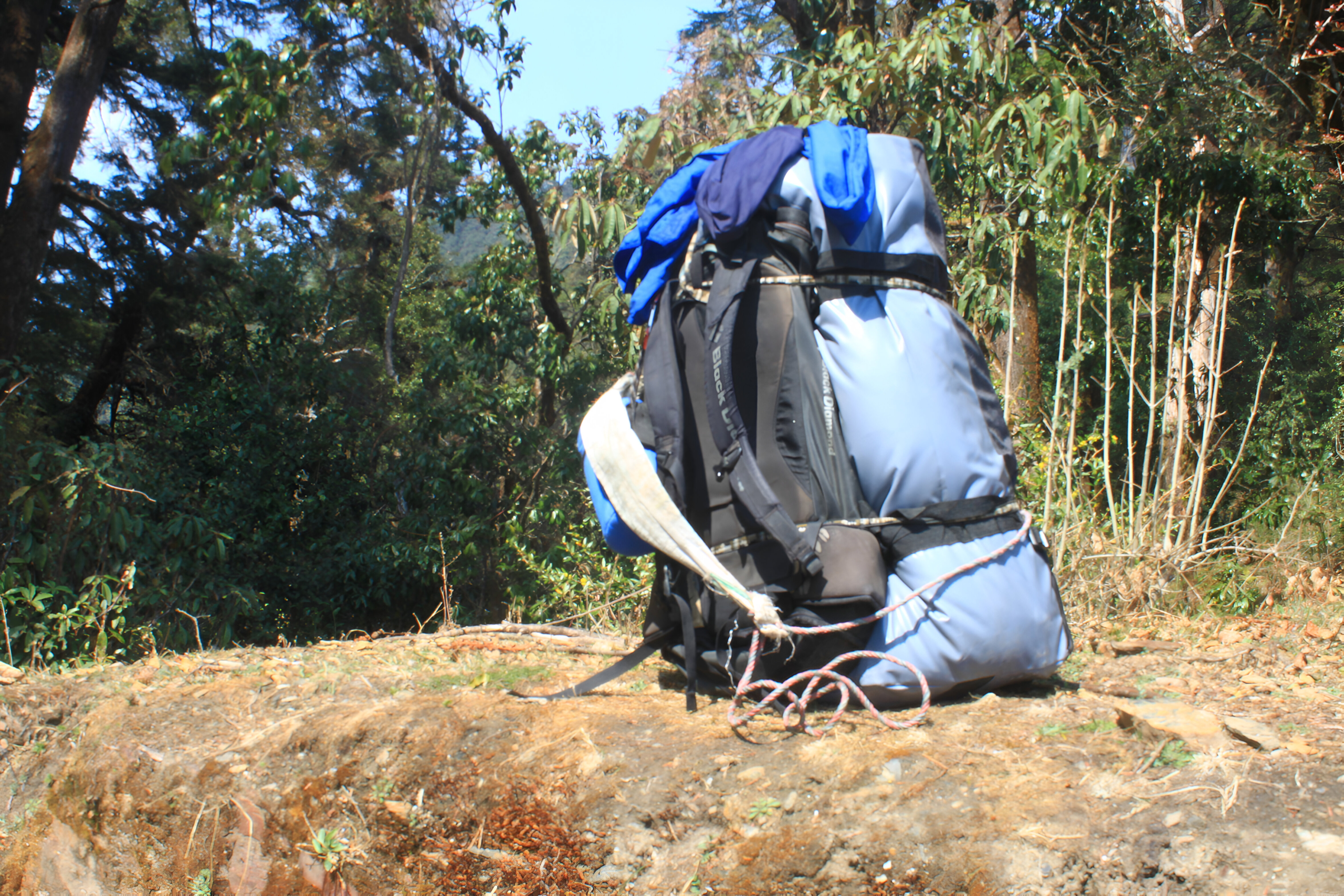
Clothing
- Base layer shirts (long-sleeved)
- Base layer pants
- Fleece jacket
- Down jacket
- Waterproof shell jacket
- Waterproof pants
- Trekking pants
- Shorts
- Underwear
- Trekking socks
- Warm hat
- Sun hat
- Gloves
- Buff/neck gaiter
Footwear
- Trekking boots
- Camp shoes/sandals
- Gaiters
Sleeping Gear
- Sleeping bag
- Sleeping pad
- Pillow/inflatable pillow
Backpack System
- Main backpack/duffel bag
- Daypack
- Rain cover
Personal Care
- Sunscreen
- Lip balm
- Toiletries
- Towel
- Toilet paper
- Hand sanitizer
Electronics
- Camera
- Extra batteries
- Memory cards
- Power bank
- Headlamp
- Flashlight
Documentation
- Passport
- Permits
- Insurance documents
- Emergency contact information
Additional Items
- Water bottles
- Water purification tablets
- First aid kit
- Trekking poles
- Sunglasses
- Journal and pen
Health and Safety
Safety is first and foremost on the Langtang Valley Trek. Acclimatization plays a crucial role in preventing altitude sickness. Ascend slowly and allow your body to adapt.
Hydration is equally important. Drink plenty of water throughout the trek, aiming for at least three liters daily. Dehydration can sneak up on you, especially at higher altitudes.
Pack appropriate gear to protect yourself from unpredictable weather conditions. Layering works best; it allows you to adjust clothing based on temperature changes during the day.
Know your limits and listen to your body. If you’re feeling unwell or exhausted, take rest days or turn back if necessary.
Keep emergency contacts accessible and inform friends or family about your itinerary before beginning on this adventure. It is always wise to plan for unforeseen circumstances while trekking through stunning landscapes.
Preparation
- Make sure you are properly insured and take your insurance details with you, including emergency numbers. Share your insurance copy with your travel company.
- While buying a travel insurance for Nepal, you must be sure about the insurance policy that covers the mountainous regions, rescue costs and evacuation, and other activities depending on your preferences.
- Carry a whistle with you (if you get lost, it is easier to get attention with a whistle).
- Additionally, seeking guidance from local guides and understanding the risks involved are also important for a safe and enjoyable trek.
With the right mindset and expert’s guidance, the Langtang Valley Trek can be adventurous. Respect the mountains, walk mindfully, and enjoy every step of the journey.
Frequently Asked Questions
YES – The Langtang Valley Trek is considered one of the best beginner treks in Nepal. It’s a short and easy trek suitable for people of any age, requiring no technical climbing skills. The trek involves 5-7 hours of walking daily on well-marked trails with gradual altitude gain.
Why it’s beginner-friendly:
- Moderate difficulty level
- Good teahouse infrastructure
- Shorter duration (5-8 days)
- Lower maximum altitude (3,900m at Kyanjin Gompa)
- Close to Kathmandu (only 7-8 hours drive)
IMPORTANT UPDATE: In February 2025, Langtang National Park officials sent a letter to trekking agencies requesting that all trekkers use guides. While not yet legally mandatory, it’s strongly recommended and may become required soon.
Benefits of hiring a guide:
- Enhanced safety and navigation
- Cultural insights and language help
- Support during emergencies
- Compliance with park recommendations
Cost: Local guides typically charge $25-35 USD per day.
Two permits required:
- Langtang National Park Permit: NPR 3,000 (~$22 USD)
- TIMS Card: NPR 2,000 (~$15 USD)
Where to get them:
- Nepal Tourism Board office in Kathmandu
- Entry checkpoint at Dhunche/Syabrubesi
- Through your trekking agency
Required documents: Passport and 2 passport-sized photos
Epic Trek Nepal pricing:
- Solo Trekker: $698 per person
- 2-3 person: $650 per person
- 4-6 person: $600 per person
- Group over 7: $580 per person
Includes all permits, accommodation, meals, guide, porter, and ground transportation (no flights required).
Major cost components:
- Transportation to/from Syabrubesi: $40-80 USD
- Guide: $25-35 USD per day
- Porter: $20-25 USD per day
- Food & accommodation: $25-40 USD per day
- Permits: $37 USD
Standard duration: 7-8 days is most popular
Itinerary options:
- Quick trek: 5-6 days (basic valley only)
- Standard: 7-8 days (includes Kyanjin Gompa exploration)
- Extended: 10-12 days (adds side trips like Tserko Ri)
The trek can range from 5 days to 20 days depending on your chosen package and itinerary.
Optimal seasons:
- Spring (March-May): Clear views, rhododendron blooms, moderate temperatures
- Autumn (September-November): Best visibility, stable weather, comfortable hiking
Avoid:
- Monsoon (June-August): Heavy rain, leeches, landslide risk
- Winter (December-February): Very cold, snow at higher elevations, some teahouses closed
Difficulty: Moderate – suitable for beginners with basic fitness
Physical requirements:
- Ability to walk 5-7 hours daily
- Climb uphill for extended periods
- Carry a daypack (8-12 kg)
Training recommendation: Start preparing 4-6 weeks before with regular hiking, cardio, and leg strengthening exercises.
Age range: Suitable for ages 12-70 with good health
Maximum altitude: 3,900m (Kyanjin Gompa) – moderate altitude risk
Prevention tips:
- Ascend gradually (don’t rush to high altitude)
- Drink 3-4 liters of water daily
- Take a rest day at Kyanjin Gompa
- Avoid alcohol and sleeping pills
- Descend immediately if symptoms worsen
Symptoms to watch: Headache, nausea, dizziness, fatigue
Essential gear:
- Clothing: Layering system (base, insulating, shell layers)
- Footwear: Sturdy trekking boots, warm socks
- Sleeping: Sleeping bag rated to -10°C
- Protection: Sun hat, sunglasses, sunscreen, rain gear
- Safety: First aid kit, headlamp, water purification
Weight limit: If using a porter, maximum 15-20 kg total
Accommodation: Teahouses (basic mountain lodges) with twin beds and shared bathrooms. Blankets provided but bring your own sleeping bag.
Food options:
- Dal Bhat (rice, lentils, vegetables) – most nutritious
- International dishes (pasta, pizza, pancakes)
- Hot drinks and snacks
Meal costs: $3-8 USD per meal (prices increase with altitude)
Water: Bottled water available or use purification tablets
Trip Reviews
US$ 650
Need Help? Talk to Expert
+977 9764792172