




7 Night 8 Days Lhasa Tour
73 reviews in Tripadvisor

Trip Duration
8 Days
Destination
Tibet
Max. Altitude
5,200 m.
Trip Difficulty
Moderate
Group Size
1-12
Transportation
Bus , Flight
Accommodation
Hotel
Activity
Tour
Meals
Breakfast
Start / End
Kathmandu
Region
Tibet Autonomous
Best Season
Spring & Autumn
Need Help? Talk to Expert
+977 9764792172Trip Overview
Traveling through Tibet is one of those experiences that are just as much adventure as it is exploring another dimension of life. This 7 Nights 8 Day Lhasa tour and Everest is really one of those trips that meet both criteria in a very unique and interesting way. We’re starting off in Lhasa, which is just famous for its old monasteries and those super strong Buddhist traditions. Just walking around the old part of town, seeing the Potala Palace for the first time, or just walking around and seeing the pilgrims do their own thing around the monasteries. It’s just your first look into this whole spiritual scene over there.
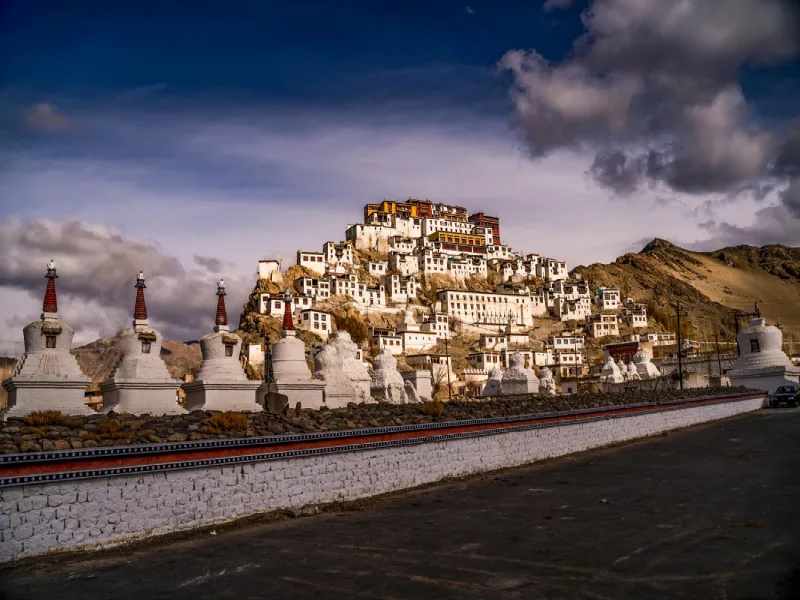
After we’ve completed our exploration of the city, we start our journey to other parts of the Tibetan Plateau. The trip will be classified as true overland from this point forward. We are going to be driving through enormous valleys, going through peaceful villages and traversing several very difficult mountain passes. A significant portion of the fun of the trip comes from the drive itself, there are many long stretches of open road, an abundance of prayer flags everywhere, and amazing views that look like they have come straight out of a movie at times.
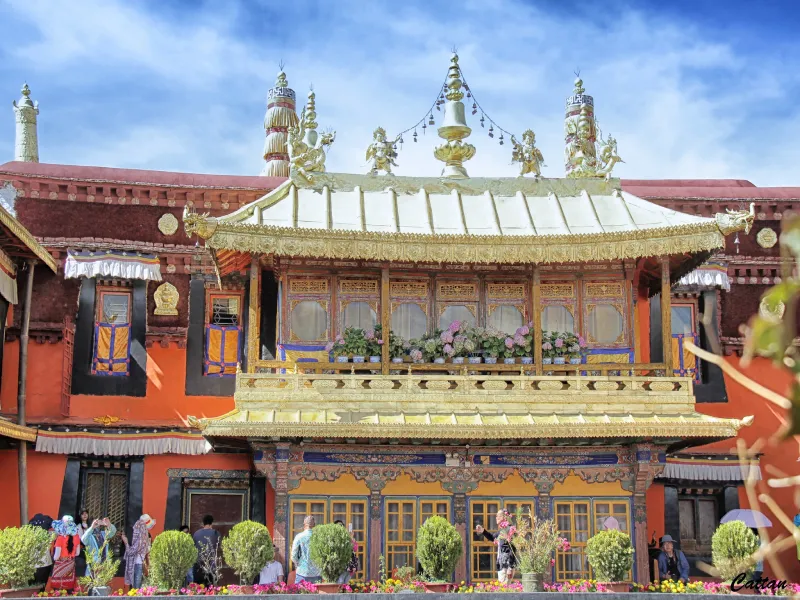
And then there’s Jokhang Temple, which goes all the way back to the 7th century! King Songtsen Gampo originally built it, and today it is considered the holiest temple in Tibet. You can see pilgrims here who have traveled from all over the Tibetan Plateau just to pray here. Right outside Jokhang Temple is Barkhor Street, which is this old street that everyone walks around in a circle, spinning their prayer wheels and chanting their mantras. It’s also full of little shops with traditional crafts and jewelry, so it’s just a great place to kind of relax and enjoy the culture of the people.
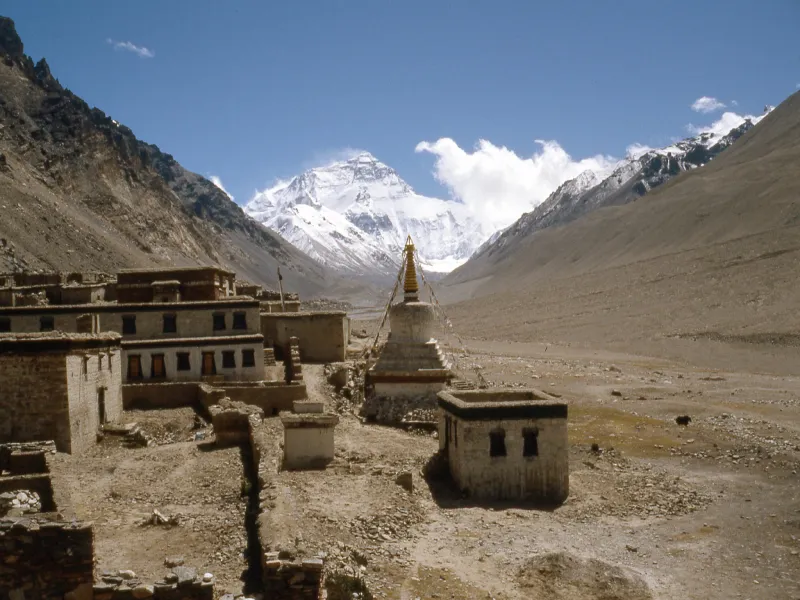
After we finish seeing everything in Lhasa, we drive across the great Tibetan Plateau towards Everest. This is a great part of the trip because it primarily consists of one long scenic drive through amazing landscapes and small towns in the mountains. One of the best stops we will make is at the Rongbuk Monastery, which is located at about 5,000 meters, making it the highest monastery in the world. The view of the Himalayas from the monastery truly is unbelievable.
Without a doubt, one of the most popular highlights of the trip is the magnificent spectacle of seeing Mt. Everest from Tibet. At 8,848m above sea level, it’s the highest mountain in the world and has been a source of fascination to climbers for years. Getting a glimpse of this massive north side of the mountain from this side of the Base Camp in Tibet is certainly something that most visitors to this area say they won’t ever forget. It is certainly a way of getting a glimpse of the true spirit of this area and makes this long drive across Tibet 100 percent worthwhile.
Why Choose This Drive in Fly out Route
One of the big reason people like to choose this particular route is because of how it works with altitude. By starting in Lhasa, you’re giving your body a chance to slowly get used to the altitude before you even start making your way higher into the Everest region. It’s just smart if you’re trying to get across the Tibetan Plateau without making yourself feel terrible and exhausted in the process.
A second major plus of this itinerary has to do with scenery, the actual drive from Lhasa to the next destination becomes one of the most memorable elements of your entire time in Tibet! You will experience tremendous views while travelling through large, wide-open valleys, passing over large mountain passes and travelling through tiny villages that very few other tourists ever see.

You’ll observe many unique Tibetan homes and beautiful prayer flags waving in the wind along with ancient monasteries as they sit peacefully on top of the hills around you. Your experiences while traveling through Tibet will give you an opportunity to have a better understanding of what life is like for people living outside of the bigger cities.
The top prize of this entire trip has to be finally seeing the Everest region and seeing the gigantic mountain from the Tibetan side. The power of the view you’re going to take in when you hang out by the Rongbuk Monastery looking at that fantastic North Face is incredible! This is one of those moments that you will never forget and will make all of the trip through Tibet completely worth it.
Best Time to Visit
Spring (March to May)
Spring is a really great time to visit since the weather is pretty pleasant and it’s not too crowded which feels more relaxed experience while wandering around Lhasa.
Monsoon (June to August)
When summer comes around, the weather gets nicer, and the landscape of the plateau actually looks really green. There might be some rain, but it’s really quick, so it doesn’t last too long. It’s actually really beautiful and when the sun comes back, everything looks fresh.
Autumn (September to November)
There are a lot of people who claim that Autumn is actually the absolute best time if you’re looking to get those perfect views of the mountains. Once the rains stop, it gets really crisp and clear, and you have a much better chance of seeing the massive north face of Mount Everest in all its glory.
Winter (December to February)
Of course, Winter (November-March) is a completely different story. It is colder and much quieter, and it does have crystal-clear skies. If you’re not bothered by the cold, it is actually quite peaceful to visit, although you will need to pack lots of winter gear.
Highlights of 7 Night 8 Days Lhasa Tour
- Experience the depth of Lhasa, the true spirit of Tibet, for yourself.
- Explore the remoteness of Potala Palace, Jokhang Temple, and the lively Barkhor Bazaar
- Learn more about Drepung and Sera Monasteries’ historical significance.
- Experience a breathtakingly beautiful driving adventure through Tibet’s high desert.
- Get an up-close view of the jaw-dropping Himalayan mountain range. You can view spectacular peaks such as Cho Oyu and Xishapangma
- The north face of Mount Everest from the Tibet side.
Itinerary of 7 Night 8 Days Lhasa Tour
Day 1: Kathmandu to Kyirung
The day will begin early, by picking you up from your hotel in Kathmandu. We will then be driving along winding mountain roads to the Nepal – Tibet border. The scenery along the way will be incredibly beautiful with lots of waterfalls, rivers and deep, green valley to view. Upon clearing Nepalese immigration, we will be crossing from Nepal into Tibet and continuing on to our destination of Kyirung, a small, friendly border town. You will be staying in a 3 star hotel in Kyirung for the night, so don’t forget to have a good breakfast in Kathmandu before heading out!

Activity: 6 to 7 hours Drive

Max. Altitude: 2800m./9,186ft.

Meal: Breakfast

Accommodation: 3 Star Hotel
Day 2: Kyirung to Tingri
The second day adds 255 km to the trip through the hills of Tibet, taking 5-6 hours to reach Tingri (4,300 m) from Kyirung (2,800 m). After breakfast, the road climbs again to the Tibetan Plateau, and you begin to understand why it is called “the roof of the world.” The landscape appears in dramatic open-space mountains, then rapidly changes into ruggedly beautiful valleys. If we are lucky with the weather, we will see some stunning views of the Himalayas, including both Mount Cho Oyu and Mount Xishapangma. We will also stop at the turquoise waters of Pikucho Lake for an excellent photo opportunity. By the end of the day, we will arrive in the tranquil town of Tingri, where we will spend the night and prepare for the following day’s journey.
Activity: 5 to 6 hours Drive
Max. Altitude: 4300m./14,108ft.
Meal: Breakfast
Accommodation: 3 Star Hotel
Day 3: Tingri to Rongbuk
On the third day of this trip your are finally heading into the Everest region. After breakfast we will go straight to Rongbuk Monastery, which happens to be the highest monastery in the world. After visiting the monastery you will have the opportunity to do a short walk near the Everest Base Camp area and enjoy all those big views and have lunch at the base of Mount Everest! Later we will continue driving towards Shigatse – Tibet’s second largest city, where we will stay in a 3-star hotel that has plenty of comfort.
Activity: 6 to 7 hours Drive
Max. Altitude: 5200m./17,060ft.
Meal: Breakfast
Accommodation: 3 Star Hotel
Day 4: Shigatse to Gyantse
Your journey starts with breakfast and then a visit to Tashi Lumpo Monastery. This is the traditional home of the Panchen Lama and is just massive, with its golden roofs and statues. We will then take a short drive to Gyantse where we’ll see the Kumbum Stupa which has many small chapels inside of it and Phalkhor Monastery which is one of the oldest locations in Tibet. After what we expect to be a very culture heavy day, we will spend the night at a hotel in Gyantse.
Activity: 3 hours Drive and explore
Max. Altitude: 3950m./12,959ft.
Meal: Breakfast
Accommodation: 3 Star Hotel
Day 5: Gyantse to Lhasa
After breakfast is over, it’s another long beautiful drive from Gyantse to Lhasa. We will be crossing over some major mountain passes today, including Karola which is over 5,000 meters and Kamba La. You will see some great sights along the way, and will pass by Yamdrok-Tso Lake, one of the most beautiful turquoise lakes in Tibet and also you will see the Brahmaputra River and many nomadic settlements within the grasslands. In the evening, we will be arriving into Lhasa, where we will assist with your check-in for the next 2 nights at your hotel.
Activity: 5 to 6 hours Drive
Max. Altitude: 3650m./11,975ft.
Meal: Breakfast
Accommodation: 3 Star Hotel
Day 6 and 7: Sightseeing in Lhasa
For these two days, we are going to really dive into the heart of Lhasa. We will start by visiting Potala Palace, Jokhang Temple and Barkhora Bazaar and next day Drepung Monasteryn Sera Monastery and some local Markets
- Potala Palace – The former residence of the Dalai Lama and the incredible architecture of the building.
- Jokhang Temple – The most sacred site in Tibet with many pilgrims circling the temple courtyard throughout the day.
- Barkhor Bazaar – A fantastic place to buy souvenirs and experience local life.
- Drepung and Sera Monasteries – Here you will see and learn about the history of these two enormous monasteries. If we are fortunate, you might be able to witness the lively debate of the monks during their afternoon session.
There is just enough time to wander around and really get a feel for this place.
Activity: Full day exploration
Max. Altitude: 360m./1,181ft.
Meal: Breakfast
Accommodation: 3 Star Hotel
Day 8: Lhasa to Kathmandu
On the eighth day of the adventure, we will have the last breakfast at Zhijiang Hotel before going back to Gonggar Airport to catch your flight back to Nepal or other destination. Your flight will be short, but you will return with many stories about your time in Tibet and memories from the mountains and the monasteries.
Activity: Flight Back
Meal: Breakfast
Includes/Excludes
What is included?
- Transportation by van/bus depend on number of Group Size and Kathmandu to Border Drop by Jeep
- Tibet travel permit and EBC permit
- English speaking Tibetan guide.
- Accommodation on twin sharing room basis 3* Hotel BB plan
- Sightseeing and monastery entrance fees as per our itinerary.
- Daily breakfast.
- Hotel-airport in Lhasa
What is not included?
- Client and travel insurance.
- Lunch and dinner.
- Personal expenses such as a drink, tips& etc.
- Unseen natural and politic disturb
Trip Information
Difficulty Level and Who This Trek is For
This 8 Day Lhasa tour is considered a moderately difficulty trip. The majority of your travel will be conducted on paved roads, so you won’t have to worry about extreme trekking or long-distance hikes. Exploring the city of Lhasa and all of the beautiful monasteries, as well as walking around other little towns, all provide plenty of opportunities for easy walks.
However, the altitude is the biggest challenge in this case. Most of your time is at an altitude of 3,650 meters (12,000 feet) in Lhasa and at least 5,000 meters (18,000 feet) near Everest Base Camp. Being in vehicles most of the time will help, but the combination of your body adjusting to the higher elevation combined with the thin air can definitely cause some shortness of breath or even a mild headache due to the altitude. The key to overcoming these types of symptoms is to drink lots of water, don’t rush yourself, and listen to your body’s response to the altitude and limited oxygen levels.
This Trek is ideal for traveler who:
- Wish to enjoy the history and culture of Tibet without having to trek for long distances.
- Would like to see beautiful drives over the high mountain peaks/altitude.
- Are looking for a quick but rewarding Lhasa tour and the top of Mount Everest.
- Have no experience in trekking at moderate altitude.
This trip works well for an individual traveler, couples, families or small groups that would like a combination of spiritual, cultural or high altitude adventure.
Accommodation and Meals
For this seven-night trip to Lhasa and Everest, we have chosen lodgings that provide a balance between comfortability and authenticity of Tibetan feel while staying in Lhasa. While in Lhasa, you can stay at a place with two people sharing a room in hotels that are nice and comfortable with both heated water and private bathrooms that are close by to either the Potala Palace or Jokhang Temple, giving you easy access for wandering around checking out the city at your own leisure.
Note: The tour has been organized on the basis of twin-sharing rooms. But if you’re the sort of person who prefers having your own space and would like to stay in a single room, the single room supplement will be USD 315 for the 7 nights (or approximately USD 45 per night).
When you travel towards the Everest Region, you will find that accommodations become progressively more simple. You’ll be staying at local tea houses/lodges most of which are near monasteries. Although these types of accommodations do not have any fancy things,they tend to be more authentic and are more reflective of what life is like at higher altitudes.
For your meals, all breakfasts at the hotels/lodges you will be staying at are included. Lunch/Dinner is excluded from the package, which is actually a good thing because it offers you a chance to stop at small and local spots along the route. You’ll have opportunities to try authentic food such as momos, thukpas and even salty butter tea. Your guide will always be with you to help identify good, local restaurants, so you won’t have trouble finding a good meal.
Cultural Experience and Local in Tibet
Tibet is among those places that have deep rooted traditions going back for generations and a completely spiritual aura to the place. Because of this, being respectful towards local customs in order to improve your experience is very beneficial.
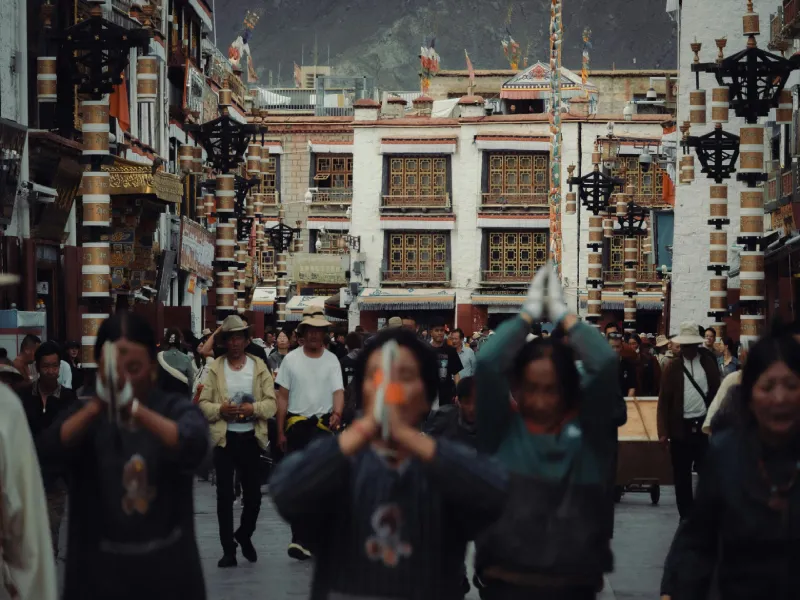
In both place such as the Potala Palace or Jokhang Temple, the general rule is to walk clockwise around all sacred areas. Be aware of your volume and do not physically touch any religious items unless you have asked for permission first. Oh, and of course, it’s always a good idea to pay attention to when it’s time to remove your shoes. This small act shows that you respect the monks and worshippers who are in attendance.
One of the first things you’ll notice is how warm and welcoming the people are. Whether you’re in the middle of Lhasa or stopping at some small village on the way to Everest, the locals are curious and are usually very polite to you. Asking first before taking photographs of the locals is important to do, because most of them are very happy to pose for a picture, but it is always best to ask first. It’s amazing how acts of politeness, such as saying hello or taking an interest in their lives, can lead to such positive experiences.
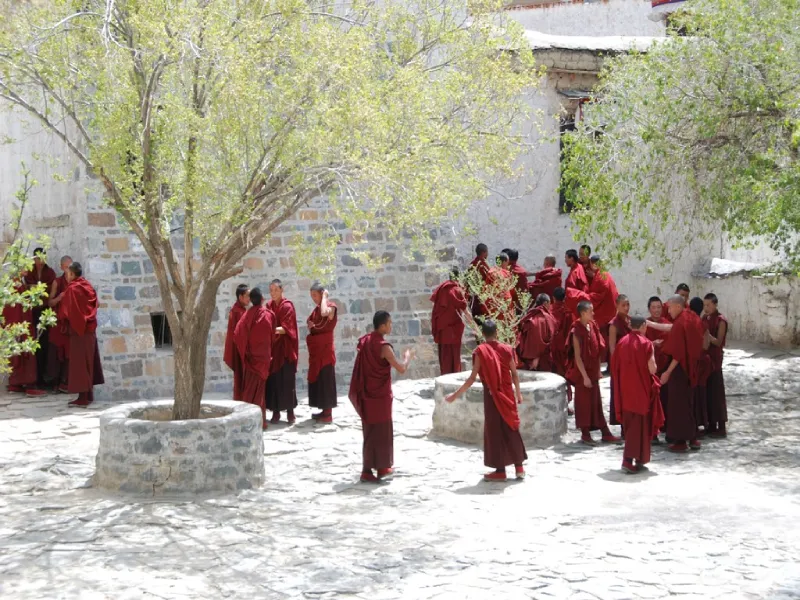
Also, it’s a good idea to remember a few unspoken rules, like not pointing your feet at a religious statue (which is a little rude) and being very gentle with prayer wheels. To tell you the truth, if you go in with an open mind and a little common sense, you are going to have a far greater experience. It‘s those small acts of consideration that help make an adventure into the spirituality of Tibet be as satisfied as you can possibly achieve.
Permits and Travel Documents
While preparing for a trip to Tibet and the Everest region, you will require a little more paperwork than the usual vacation, but it’s all just checking the right little boxes. To start, you‘ll need to obtain your Tibet Travel Permit before you can enter Lhasa. Once we leave Lhasa and head out further into the Shigatse or Everest region, we’ll also need to acquire an Alien Travel Permit and an Everest Region Permit to get you into the likes of Rongbuk Monastery. It’s all just the usual procedure for the region, so nothing to worry about.
In addition to the necessary permits, you will also require a valid passport (check that it has at least six months of validity remaining) and a valid Chinese Tourist Visa before entering the country. The common tourist visa fee is usually $125 USD, however, if you live in the U.S., Canada, Argentina, or Romania, you will be charged an additional $100 USD to obtain the visa.
What we’ll need from you to get things moving:
- A scan of your passport – This has to be with us at least 25 days before the trip starts, so don’t forget!
- Your original passport – This has to be with us at least 3 official working days before the trip starts.
- A passport-sized photo – This just has to be one with a white background, taken in the last 6 months or so.
Note: Any figures discussed are NET per person. Flight and visa fees are not part of the package and are extra; you will need to consider these separately when budgeting for your trip.
It may look like a big job to get all the necessary documents. But don’t worry, your tour operator “Epic Trek Nepal” will be of great assistance to you in this case. All we need from you is a copy of your passport and visa number. We will get all the necessary documents filed for you, which is much easier for you.
Guides and Porter
It is unbelievable the difference a Tibetan guide can make to your trip. They are fluent in English and have all the information about the local sights, temples, and the hidden gems within the monastery that you would never normally find on your own. A Tibetan guide does not just tell you that the Potala Palace is a Palace, and the Jokhang Temple is a Temple.
They can provide you with all the history, culture, and story behind these locations, and it makes them much more interesting to visit. They can help you understand all the customs of the place and answer any questions you may have about anything you are going to experience while there.
A porter is provided with all travel packages. The purpose of the porter is to carry the heavy items. If you have multiple bags or don’t want to carry your bags around the city streets or around the temple area, then the porter will be useful for you. By using a porter, you will be able to truly appreciate the beauty of the scenery as well as the experience of the trip without worrying about your baggage or exhausting yourself carrying your bags around.
By combining guides along with porters, you’ll have a smoother experience as well as a more pleasant trek overall. While you’re able to navigate on your own throughout Lhasa, being with a local person will give you a true cultural experience and allow for organization through them without you experiencing any of the frustration of dealing with hundreds of people.
What to Pack to 3 Night 4 Days Lhasa Tour
Here’s a basic list to pack for your tour:
- A light or down jacket – Even during the warm months, it can be quite cool in the mornings and evenings.
- A wind-resistant or waterproof jacket – Just in case the weather changes or if there is an unexpected gust of wind.
- Good walking shoes – You will do a lot of walking through temples, old streets, and palaces, so be sure they are comfortable!
- Socks (2-3 pairs) – You are going to want some warm, decent socks to walk in.
- T-shirts and long-sleeve shirts – Great for layering as required according to the sun.
- Comfortable pants – Wear something lightweight for sightseeing; it is better to wear pants when visiting temples than shorts.
- An insulated hat and a sunny hat – The sun can be a serious issue. Also, where the temperature drops you’ve got to have something warm on your head.
- A pair of sunglasses – The mountain sun is serious, check it out.
- A pair of gloves – You don’t usually need them in the summer but if you’re in there in the winter, you’ll be really happy to have brought these.
- Personal medications – Bring them incase you have a headache or are suffering from altitude sickness.
- Sunscreen – The air is really dry where you’re going to be and the sun is really strong, so protect yourself from both!
- Sanitizer and wet-wipes – Makes cleaning up really easy when you’re out experiencing the area.
- The basics – Toothbrush, toothpaste, soap and maybe a couple tissues or a roll of toilet paper in case you need them.
- Reusable water bottles – Staying hydrated is essential (your body is working as hard as it can at higher altitudes).
- Quick snacks – Anything that can provide an energy boost: energy bars, cookies, chocolate and dried fruit.
- A small day-pack – Light enough to hold your camera, water and any of your other items while out for the day.
Cancellation Policy for This Tour:
At Epic Trek Nepal, we understand the changes in plan unexpectedly. That is why we designed it to be fair and clear.
Cancellation Notice:
If you decide to cancel your tour for any reason, please make sure to inform us at least 7 days before your scheduled tour start date.
Administrative Fee:
When a cancellation is made, 25% fee will be reduced from the total cost of tour as administrative fee. This fee covers the planning, preparation and booking cost we’ve already done for your tour.
Non-Refundable Period:
For any cancellation made within less than 4 days before the tour start date, no refund will be provided but by looking at the situation, if we feel the reason for cancellation is valid, then the amount will be refunded after deducting 70% of the total tour amount, as we have already submitted the cost and reserved the spots for you.
Documentation Support:
We know insurance claim can be important. In case if you cancel, we would provide the necessary document such as receipts to help with your insurance process.
Unused Accommodation:
Please note that we cannot offer refunds for unused accommodation or services if your tour is canceled due to personal reasons, illness or bad weather.
You can contact us with any questions or to discuss your situation, and we would be happy to assist you. Thank you for your understanding during this time and we hope to help you through your Lhasa Tour safely.
Frequently Asked Questions
Yes, you will need a Tibet Travel Permit if you’re going to be entering Tibet. You will also require an Alien Travel Permit if you are going to be visiting areas outside of Lhasa such as Shigatse, the Mount Everest region, etc.
Yes, you must have a Chinese Tourist Visa to travel to Tibet since Tibet is within the borders of the People’s Republic of China. The standard fee for a tourist visa is approximately US186, plus an additional fee of US100 for residents of the United States, Canada, Argentina and Romania. Make sure to consider the above fees when budgeting for the trip.
Yes. The itinerary is designed so that you’ll actually acclimatize to altitudes better than traditional tours where there’s a more sudden altitude increase as you travel west from the major cities. After starting out in Lhasa (3,650m), you’ll head to Tingri (4,300m) and finally to the Everest area (5,200m). Most people adjust well, still you need remain well hydrated (drink lots of water), take your time, and listen to your body if you start to feel tired or short of breath.
Generally speaking, you should expect to spend around three to seven hours in the vehicle per day depending on the distance travelled that day. It may seem like a long time but the roads offer such scenic views (mountains, lakes, and little Tibetan villages) that you’ll get plenty of breaks along the way to take photos and to stretch your legs.
You will be stay in a comfortable 3-star hotel with an attached bathroom in Lhasa. The higher we go into the remote region of Tingri or the vicinity of Mount Everest the more basic the standard of accommodation becomes. Most of the time you will be housed in a clean accommodation either a simple guesthouse or a monastery lodging.
We will provide you with breakfast at the hotel or lodges. You will be responsible for your own lunch and dinner meals, but this is an advantage because you can try true authentic Tibetan food from local shops on the journey.
The answer is definitely yes! Travel insurance is the best option to have especially if you will need to travel at high altitudes as well as being covered for emergencies and unexpected evacuations. With so many locations being remote, you will want to be sure that you are prepared for any unforeseen issues.
Generally, you can take photographs, but it is always good to request permission before taking pictures of local people or any ceremonies conducted in a religious facility. When you are within the walls of the temple, please be cautious not to touch any items that are considered sacred and respect any local customs.
Trip Reviews
Need Help? Talk to Expert
+977 9764792172