
Luxury Everest Base Camp Trek
73 reviews in Tripadvisor

Trip Duration
14 Days
Destination
Nepal
Max. Altitude
5,545 m.
Trip Difficulty
Moderate
Group Size
1-12
Transportation
Private Vehicle, Flight
Accommodation
Deluxe Room
Activity
Trekking
Meals
All Inclusive
Start / End
Kathmandu
Region
Everest
Best Season
Spring, AutumnUS$ 2900

Need Help? Talk to Expert
+977 9764792172Trip Overview
Climb in comfort to the base camp of world’s highest mountain, Mount Everest. Epic Trek Nepal brings you luxury facilities for your journey, following the same direct route as our other EBC packages. This premium Luxury Everest Base camp Trek package includes high-level accommodation, meals, and transportation to help you maintain comfort throughout your Himalayan adventure.
The Himalayan views will be jaw-dropping – you’ll witness countless towering peaks throughout your journey. During your trek towards Phakding, you’ll catch your first glimpse of these magnificent mountains. From there, all the way to Base Camp and Kala Patthar, you’ll experience these giants from below. This journey will truly amaze you.
While the rewards are incredible, traditional treks often come with challenges: long walking days, unhygienic meals, and improper rest can ruin the experience. During your Everest Base Camp Trek, your health and safety are paramount in the Himalayas.
That’s why we created this luxury package:
- Well-maintained, comfortable rooms
- High-quality, hygienic meals
- Available transportation options for maximum comfort
- Premium service in remote mountain areas
Our carefully selected and managed destinations in this Luxury Everest Base Camp package are the finest in these regions, providing the best views and service along the entire route.
Why Luxury Everest Base Camp Trek ?
The trails that we hit are for reasons and the EBC trek is the one that needs no excuses and has many reasons. The world’s renowned peak Mt. Everest is located here, to reach there we have a few ways one from Manthali and another is the direct flight from Kathmandu to Lukla. Which is also the listed as one of the world’s most thrilling high-altitude airport. And apart from all that we have a chance to see the ancient tradition which are still followed by the tribe living in Everest Region, which comes under UNESCO World Heritage Site protection.
Your step toward the Everest Base Camp trek will be memorable forever as you will witness Kala Patthar sunrise, stay in cozy tea house and meet the fellow trekkers, share your stories and learn about ancient wisdom, and you’ll get a chance to test your limit and push beyond them. Given the experience it provides, when you reach there – it really can be a life-changing trek.
When is the best time for Luxury Everest Base Camp Trek?
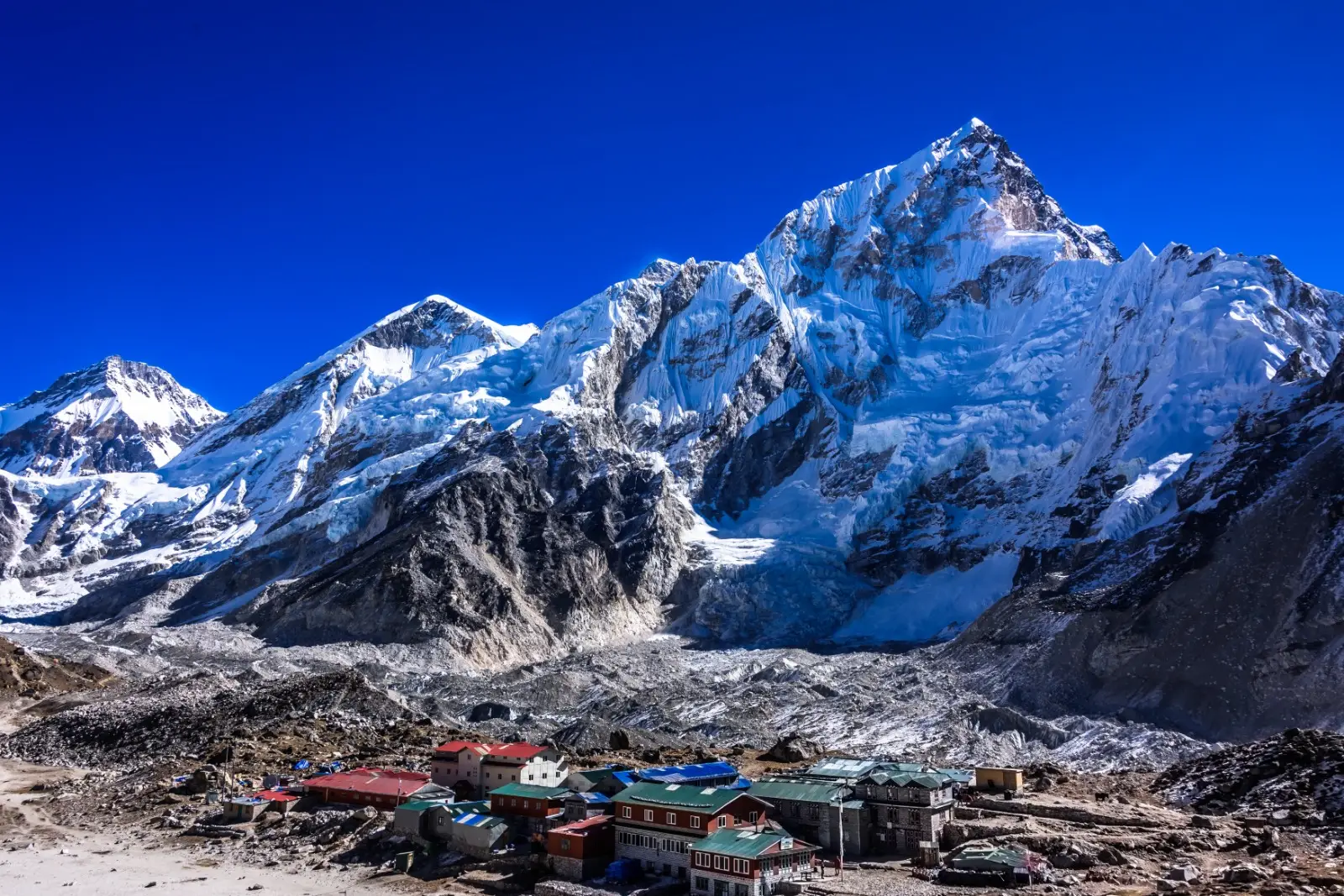
The Everest Base Camp Trek should only be done at certain times of the year – you may wonder why? Peak seasons for trekking in Nepal are from October to November and March to May. These are the busiest times to trek to Everest Base camp but also the best time to go for fine weather. During spring season the trekkers also trek to Everest Base Camp for their summit attempts so, the trails will be more crowded.
During the off-season, such as monsoon, trails can be slippery, have poor visibility and flights into and out of Lukla are often delayed or canceled. Winter is not necessarily a bad time to trek Everest Base Camp, but you’ll need to be well-prepared for the cold. Not all tour operators offer treks in the winter and many business on the way are closed, but those who hit the trails have to pay the lower entry fees and can enjoy a less crowded experience.
How long does this Luxury EBC Trek take?
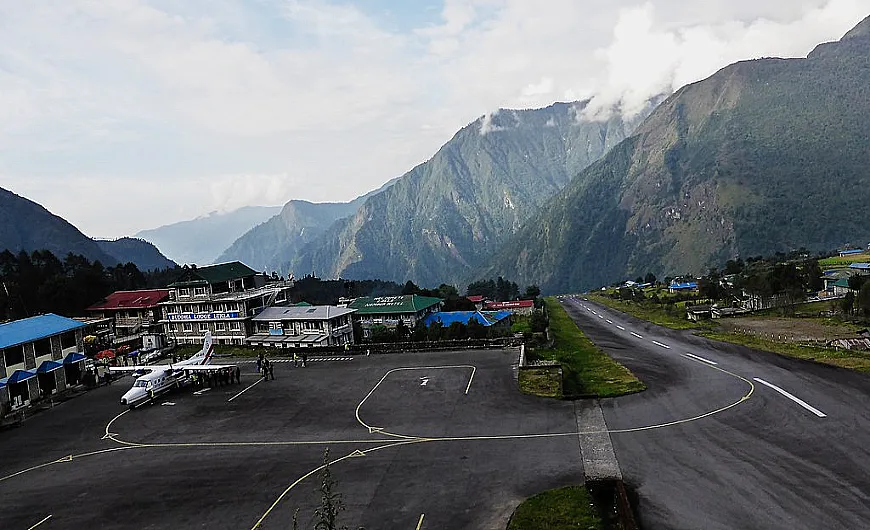
The Everest Base Camp lies at an altitude of 5,364 meters. And the most commonly trekked route starts from Lukla (it’s an in-and-out route, rather than a circuit). A mountain village with a thrilling airstrip served by regular turboprop flights from Kathmandu. The trail passes through Sagarmatha National Park – Nepal’s highest national park. The duration of an Everest Base Camp trek varies but in total, you’ll need around two weeks. Check our most popular itinerary if you want to know more about Everest Base Camp trek.
What to Expect on the Luxury EBC trek?
Everest Base Camp Trek is the legendary trekking trail in Nepal’s most prominent trekking region. Which has thousands of stories since 1952 and is arguably the most famous trekking route in the world, starts from Namche Bazaar. This is a journey like no other, it offers an extraordinary blend of Tibetan culture, vibrant rhododendron forests, and breathtaking views of the Himalayas including Mount Everest, the world’s highest peak.
If this is your first trek in Nepal, then it is without a doubt the grandest walk in the land of the Himalayas. There are many attractions from Everest Base Camp Trek with as the infrastructure is good and the views can’t be beaten that will compel you to embark on an epic journey that Sir Edmund Hillary and Tenzing Norgay set off in 1953. As visitors trek to higher altitudes, the more they experience thrill and awe.
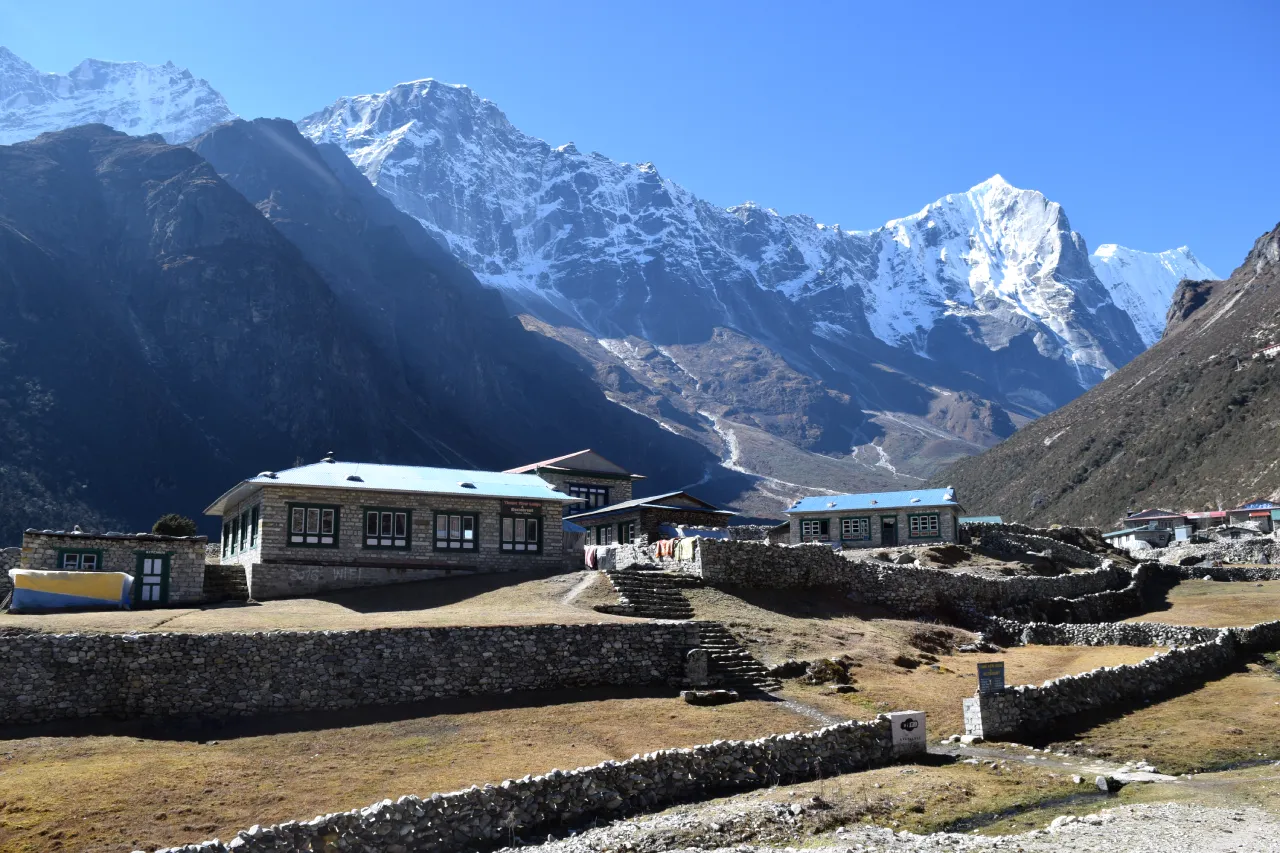
The Everest trail is over 80 miles of trekking covering over 26,000 feet of elevation designed to fulfill the dream of a number of visitors around the globe to experience the mystery and wonders of world’s highest mountain – Mount Everest. For your information, to be on the safe side, take the right gear to the epic Everest Base Camp Trek. While at lower elevations the service and facility are convenient but as you climb higher you might not get to see the same level of hospitality and the level of infrastructures get decreased.
You can expect basic bathroom facilities; don’t expect long, hot showers every morning. Your daily washing routine is more likely to involve a bucket of warmed water (if you’re lucky!) and a washcloth. While walking the trails, toilets are limited; use facilities at lunch or tea stops. Facilities range from rare Western-style sit-down toilets to Asian-style squat toilets and literal holes in the ground. Keep your toilet paper and soap with you, and be mindful of limited water supplies on your Everest Base Camp Trek
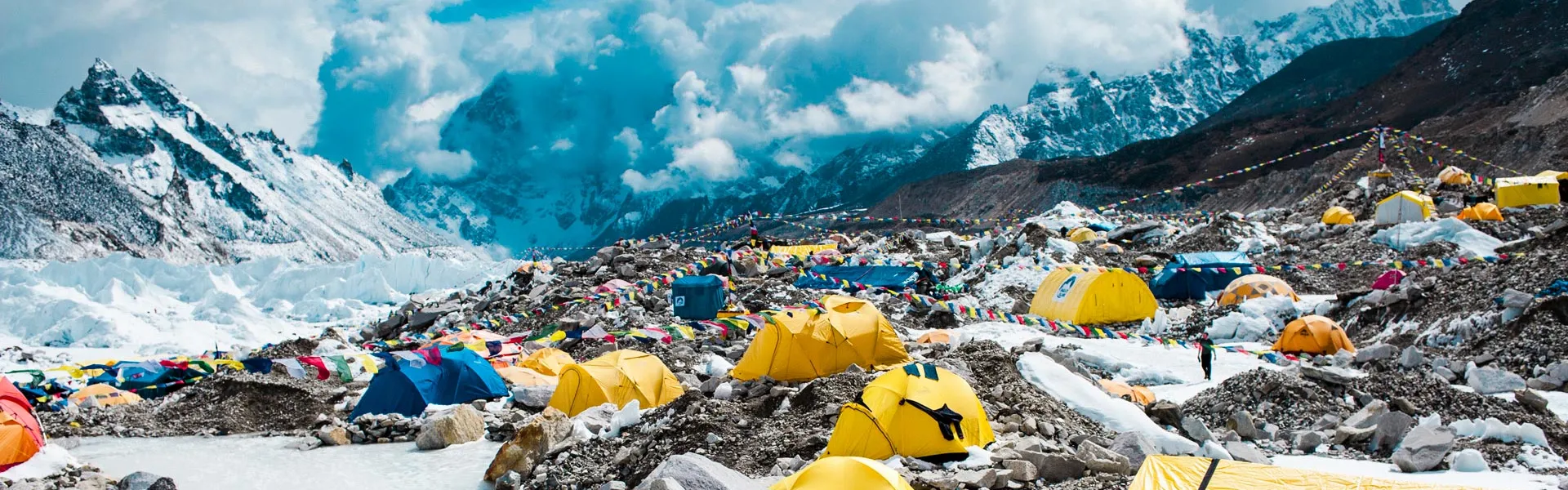
Is the Everest Base Camp Trek Hard?
This two-week trek to Everest Base Camp is manageable for the people who are used to hiking long distances with a weighted backpack over years. They find the trek straightforward, with correct acclimatization. However, for people who have no prior experience on the trail and are not used to hiking on a regular basis will need to train hard for this trip and will likely find it very difficult. As well in this Luxury Everest Base Camp Trek package we provide the best possible comfort for your ease to complete this trek. Likewise, the more you are physically trained, the more you find the journey exciting and will get a better chance to engage.
Some trekkers who start the trek do not finish and end up booking a helicopter to get back to Lukla or Kathmandu. Your starting and ending point for the trek is Lukla, which is situated at 2860m (9282ft), and you’ll climb to 5364m (17,598ft) at base camp. The trek gets harder as you go higher, because the air gets thinner and the temperature gets colder. Trekking to Everest Base Camp can be a life-changing experience for many people. So it is extremely important to understand the terrain, have brief knowledge of altitude and the level of determination you have to be successful.
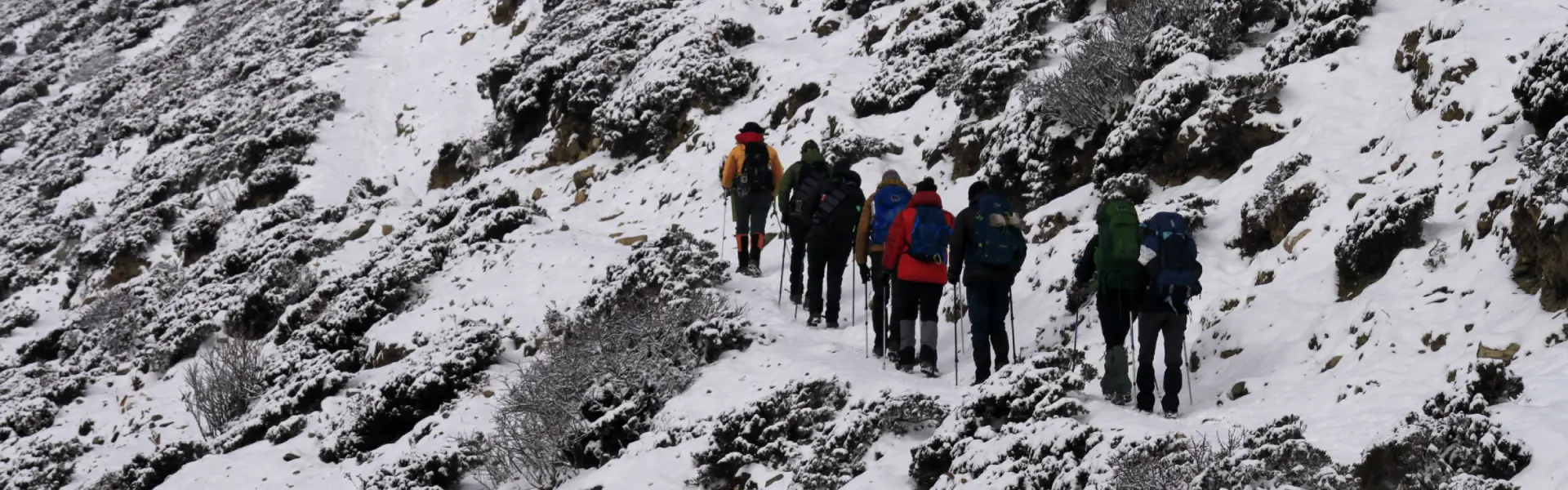
Please note: This package is designed for those willing to invest in luxury service in remote areas, ensuring your Everest Base Camp trek is both memorable and comfortable.
Highlights of Luxury Everest Base Camp Trek
- Luxury Trek to the Base Camp of World’s Highest Peak, Mount Everest.
- Kala Patthar Sunrise Viewpoint (5,545m).
- The largest Buddhist gompa in the Everest valley – Tengboche Monastery
- Namche Bazaar – Trekkers Mecca.
- Experience the authentic sherpa culture and Himalayan Hospitality.
Photo Gallery & Video Gallery
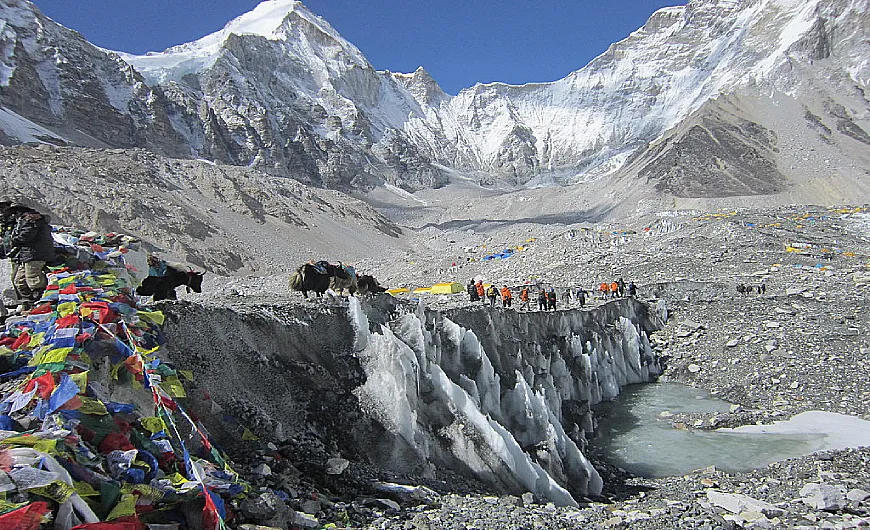
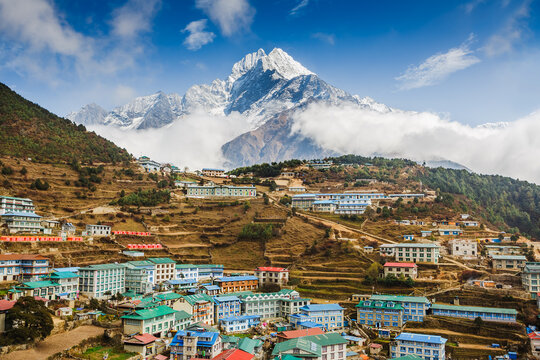
Luxury Everest Base Camp Trek - Distance, Duration, and Altitude
| Trekking Route | Distance (Kilometers) | Duration (Hours) | Altitude (Meters) |
|---|---|---|---|
| Lukla to Phakding | 8 KM | 3 to 4 hours | 2610 m. |
| Phakding to Namche Bazaar | 12 KM | 5 to 6 hours | 3440 m. |
| Namche Bazaar Acclimatization | 3 KM | 1 to 3 hours | 3880 m. |
| Namche to Tengboche | 9.2 KM | 5 to 6 hours | 3810 m. |
| Tengboche to Dingboche | 9.1 KM | 5 to 6 hours | 2610 m. |
| Dingboche Acclimatization, hike up to Nangkartshang Hill | 4 KM | 2 to 3 hours | 5083 m. |
| Dingboche to Lobuche | 7.9 KM | 4 to 5 hours | 4910 m. |
| Lobuche to Everest Base Camp then Gorakshep | 7.6 KM | 5 to 6 hours | 5140 m. |
| Gorakshep to Kala Patthar to Pheriche | 16 KM | 8 to 10 hours | 4240 m. |
| Pheriche to Namche Bazaar | 9.3 KM | 5 to 6 hours | 3440 m. |
| Namche to Lukla | 13.5 KM | 6 to 7 hours | 2840 m. |
Itinerary of Luxury Everest Base Camp Trek
Day 1: Arrival in Kathmandu
Welcome to the land of the Himalayas! You’ve arrived in Kathmandu, the vibrant capital city of Nepal. Upon your arrival at Tribhuvan International Airport, our representative will be waiting at the terminal to warmly welcome you and escort you to your designated hotel, providing you with an introduction to this fascinating city.
After settling into your hotel and freshening up, you’ll visit our office for a comprehensive trek briefing. This is your opportunity to finalize your trek plans and meet your experienced guides and porters who will accompany you on your Himalayan adventure.
Once the formalities are complete, enjoy your free time exploring the bustling streets of Thamel, Kathmandu’s tourist hub. Stroll through the vibrant lanes filled with shops, restaurants, and cafes, soaking in the unique atmosphere of this historic district.

Activity: 35 min drive

Max. Altitude: 1324m./4,344ft. (Kathmandu)

Accommodation: 4/5 Star Hotel
Day 2: Fly to Lukla (2,860m/ 9,318 ft.) or drive to Ramechhap (Manthali) then fly to Lukla from Kathmandu and trek to Phakding (2,610m)
After early morning breakfast at your hotel, you’ll drive to the airport to catch your flight to Lukla. During peak season or due to weather disturbances, flights to Lukla often get delayed, cancelled, or postponed. In that case, you’ll take a scenic drive of around 6 hours towards Ramechhap (Manthali) and then catch the flight to Lukla from there.
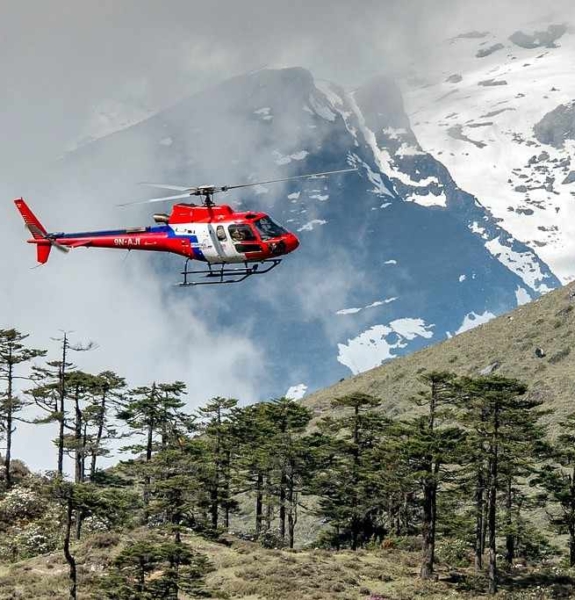
Note: We can arrange a direct helicopter to Lukla. It costs $550 per person, quoted on a 5-people sharing basis.
Lukla Airport is one of the highest altitude airports with a thrilling landscape. As you land there, our team will help you verify your permits seamlessly. After a cup of tea, walk towards Phakding for your night stay.
Activity: 45 min flight, 3 hrs. trek
Max. Altitude: 2860m./9,383ft. (Lukla)

Meal: Breakfast, Lunch, Dinner
Accommodation: Hotel (Yeti Mountain Home)
Day 3: Trek to Namche Bazaar (3,440 m/11,286 ft.)
After stretching your body the previous day, your walking days begin. Today you will cross several suspension bridges to make your way to Namche Bazaar – The Gateway to the Himalayas. The route is a gradual ascent for the first few hours until you reach the Sagarmatha National Park office, where you obtain a park entry permit. Then, you will have a steep ascending section after lunch for 2–3 hours.
Activity: 5 to 6 hours
Max. Altitude: 3440m./11,286ft. (Namche Bazaar)
Meal: Breakfast, Lunch, Dinner
Accommodation: Hotel (Yeti Mountain Home)
Day 4: Acclimatization day in Namche Bazaar (3,440 m/11,286 ft.)
A rest day at Namche Bazaar. After this altitude, your body needs to adapt to the environment for the rest of your trek. However, have breakfast and explore Namche Bazaar. Just an hour’s walking distance away, you can visit Hotel Everest View (3,880m) for the spectacular view of Mount Everest. This would be an incredible lifetime experience to have coffee in front of the world’s highest mountain. If you are interested and time allows, visit the nearby hidden village – Khumjung. This village is specially designed for tourist attractions, as every house has a similar colored roof.
Take this day lightly, adjust to altitude, and in the evening don’t forget to visit the local market of Namche. Also, if you missed or need anything for your trekking, you can get it from here.
Max. Altitude: 3880m./12,730ft. (Hotel Everest View)
Meal: Breakfast, Lunch, Dinner
Accommodation: Hotel (Yeti Mountain Home)
Day 5: Trek to Dibuche(3,860 m/12,664 ft.)
As you have adjusted your body to the altitude, let’s make it to higher elevations. Walk through the dense rhododendron forest among different species of flora and fauna on the way to Tengboche
Activity: 5 to 6 hours
Max. Altitude: 3860m./12,664ft. (Tengboche)
Meal: Breakfast, Lunch, Dinner
Accommodation: Hotel (Yeti Mountain Home) or similar class Guest House
Day 6: Trek to Dingboche (4,410 m/14,469 ft.)
Get ready by 7 in the morning. As you wake up, you will be warmly welcomed by the stunning views of Ama Dablam, glowing in the morning mountain sun. After a hearty breakfast, continue your journey. As there are many alternative routes to Dingboche, the main and most popular is through Shomare and Orsho. It takes about 5 to 6 hours to cover a distance of around 10 to 11 kilometers.
Starting from Tengboche, you will pass through Debuche village, alongside the Imja Khola, and reach Pangboche where you will find Pangboche monastery, one of the oldest monasteries in the Khumbu region. After Pangboche, you’ll move towards Shomare and then Orsho, where you can encounter dramatic views of Ama Dablam, Nuptse, Lhotse, and Makalu.
Then you will complete your trek for the day to Dingboche.
Activity: 5 to 6 hours
Max. Altitude: 4410m./14,469ft. (Dingboche)
Meal: Breakfast, Lunch, Dinner
Accommodation: Standard Hotel
Day 7: Acclimatization Walk and Short Hike to Nangkharstang Hill (5,083 m/16,676 ft.)
An acclimatization day at Dingboche, one of the most charming Sherpa villages in the Khumbu region of northeast Nepal. On this second day of acclimatization, take a short hike to Nangkharstang Peak for stunning views of Mt. Everest, Lhotse, Ama Dablam, and Pumori from the top. Another option is to hike Chhukung Ri (5,546 meters), a popular trekking peak in the Khumbu Valley, providing views of Nuptse and other surrounding peaks.
The Nangkartshang Peak hike is particularly beneficial for acclimatization as it helps your body adjust to the high altitude while offering breathtaking views of the surrounding peaks. The well-marked trail gradually ascends, allowing trekkers to pace themselves and enjoy the journey. Upon reaching the summit, you will find panoramic views that justify the effort.
Max. Altitude: 5083m./16,677ft. (Nangkharstang)
Meal: Breakfast, Lunch, Dinner
Accommodation: Standard Hotel
Day 8: Trek to Lobuche (4,910 m/16,109 ft)
This day’s hike is an absolute adventure as you start your journey. You will take a moderate climb that provides stunning panoramas of the neighboring majestic mountains and the fertile valley below.
Passing through Dughla Pass (Thukla Pass) situated at 4,620 meters/15,157 feet, your trail becomes potentially bumpy and uneven – watch your steps as you make your way across the rocky terrain. With a total elevation gain of about 490 meters, you will reach Lobuche.
Activity: 6 to 7 hours
Max. Altitude: 4910m./16,109ft. (Lobuche)
Meal: Breakfast, Lunch, Dinner
Accommodation: Standard Hotel
Day 9: Trek to Everest Base Camp (5,364 m/17,598 ft.) and back to Gorak Shep (5,164m)
The destination day (big day) to the base camp of the world’s highest peak, Mount Everest. This is about 5 km from Lobuche to EBC and then Gorakshep. The total elevation coverage of the day is from 4,910m to 5,164m.
Early morning start from Lobuche – after a hearty breakfast, you will gradually ascend passing Pyramid, an Italian research center and renowned high-altitude scientific station in the Everest region. After moving ahead for 2-3 hours along the winding path while soaking in the breathtaking mountain views including Pumori, Nuptse, Changri La, and Lingtren, you will reach Gorak Shep for a well-deserved rest and lunch.
From there, just carry essential items such as water bottles, protein bars, sunblock, beanies, gaiters, and trekking gadgets for the ultimate destination. With the stunning mountain backdrop along the route, around 2 hours of hiking, you will finally reach Mount Everest Base Camp at 5,364 m (17,598 ft).
It’s an inexpressible yet significant feeling to be able to stand at the base of the world’s highest mountain. Give yourself time to appreciate the successful base camp attempt and don’t forget a snap for memory.
After soaking in the grandeur of the Himalayas from the EBC viewpoint, we retrace our path back to Gorak Shep. Here, we rest, refuel, and rejuvenate at one of the popular accommodation stops in the Everest region.
Activity: 6 to 7 hours
Max. Altitude: 5364m./17,598ft. (EBC)
Meal: Breakfast, Lunch, Dinner
Accommodation: Top Quality
Day 10: Hike up to Kala Patthar (5,545 m/18,225 ft.) and trek down to Pheriche (4,240 m/13,911 ft.).
Be prepared to hike to the highest point of the Everest Base Camp Trek, Kala Patthar – situated at 5,545m. This is the best viewpoint of the entire Everest Region. Kala Patthar rewards trekkers with a natural amphitheater including rugged terrains and breathtaking mountain vistas of sky-piercing giants including Lhotse, Nuptse, Pumori, and Mount Everest.
The hike up to Kala Patthar is about 1.5 hours duration and offers sun rays striking the majestic panoramic mountains, which is truly outstanding. Enjoy quality time at Kala Patthar, then descend to Gorakshep for breakfast and resume your journey via Lobuche, Thukla Pass Memorial, and Thukla.
On the way while returning, we will take our route to Pheriche, 2 hours from Thukla instead of going to Dingboche. That night’s stay will be arranged at 4,240 meters (13,911 ft) at Pheriche.
Activity: 5 to 6 hours
Max. Altitude: 5545m./18,192ft. (Kala Patthar)
Meal: Breakfast, Lunch, Dinner
Accommodation: Top Quality
Day 11: Trek to Namche Bazaar (3,440 m/11,286 ft)
After an early breakfast, your trail continues from Pheriche. This would be much ground to cover, which includes walking along the Imja Valley, crossing suspension bridges, and following the designated trails through resting stops including Somare, Pangboche, Debuche, Tengboche, and Phungki Tenga. But with the descending route and many days of trekking experience, you will easily make your way to your day’s resting stop – Namche Bazaar.
Take your time to rest and rejuvenate in the famous hub of the Everest region.
Activity: 7 hours
Max. Altitude: 34440m./112,992ft. (Namche Bazaar)
Meal: Breakfast, Lunch, Dinner
Accommodation: Hotel (Yeti Mountain Home) or similar class Guest House
Day 12: Trek to Lukla (2,840 m/9,318 ft.)
We leave Namche after a warm breakfast through all those villages and stops that were crossed during the initial ascending days to reach where it all started – Lukla. At an elevation of 2,840 m, you will cover a total distance of 17.7 km / 11 miles within around 7 hours of mostly downhill and some steep ascending trails.
Upon reaching Lukla, you can enjoy the serene town’s vibrant atmosphere with pubs, teahouses, spas, cafés, souvenir shops, hotels, and lounges. As this is your last night in the Everest region, celebrate the once-in-a-lifetime thrilling Everest Base Camp journey accomplishment with yourself and your helping teams.
Activity: 7 hours
Max. Altitude: 2860m./9,383ft. (Lukla)
Meal: Breakfast, Lunch, Dinner
Accommodation: Hotel (Yeti Mountain Home) or similar class Guest House
Day 13: Fly from Lukla (2,840 m/9,318 ft.) to Kathmandu(1,400m/4,344 ft.) or Manthali (Ramechhap).
We have alternatives to reach Kathmandu from Lukla: Either you can directly take a flight from Lukla to Kathmandu, or in case the flight from Lukla shows common issues, then take a flight from Lukla to Ramechhap and then drive to Kathmandu.
Upon your request, you also can fly by helicopter, which additionally costs USD 550 per person, quoted on a 5-people sharing basis.
On your last day in the Everest region, get yourself prepared for city life back again, and in case you wish to extend the exploration, we can arrange it according to your preferences like National Park exploration, wildlife activities, city sightseeing, and you can choose another destination such as Tibet or Bhutan.
When you arrive in Kathmandu, take a rest – your stay will be arranged in a 4 to 5 star graded hotel in Kathmandu. You may enjoy the spa after the tiring 2-week journey (cost not included) and reflect on the journey you have completed with a decision to see the mountains.
In the evening, we will provide you with a trekking completion certificate, and from the company’s side, a farewell dinner program will be held with the company’s team and your guide.
Activity: 45 min flight, 1 hrs. drive
Max. Altitude: 1400m./4,593ft. (Kathmandu)
Meal: Breakfast
Accommodation: 4/5 Star Hotel
Day 14: Departure
The home-returning day. After breakfast, as per your flight schedule, our representative will take you to the airport. By concluding the Everest journey filled with excitement, we bid you farewell until next time you visit Nepal.
Have a safe flight, blessings and wishes on your way. Thank you for visiting us!!
Activity: 45 min drive
Meal: Breakfast
There is an alternative option – after witnessing the sunrise views at Kala Patthar, you can directly take a helicopter to return to Kathmandu via Lukla, cutting short the trek for those who prefer a quicker, more luxurious return journey.
Includes/Excludes
What is included?
- Permits and Fees: All necessary permits for the Everest Base Camp Trek, such as the Sagarmatha National Park Permit and the TIMS (Trekkers’ Information Management System) card.
- Accommodation: at lukla, phakding, namche and dibuche single deluxe room for every trekkers in yeti mountain home which is considered best of the best hotel of everest region.and standard hotel during the trek. This usually includes accommodation in Kathmandu before and after the trek(4 star hotel).
- Meals: Most packages will include three meals a day (breakfast, lunch, and dinner) during the trek. also includes two times hot beverage (in breakfast and lunch) and seasonal fruits after dinner.
- Domestic Flights: Round trip flights between Kathmandu and Lukla, the starting and ending point of the trek, are usually included.
- Guide and Porters: Services of an experienced English-speaking trekking guide and porters to carry luggage. This includes their salary, insurance, equipment, transportation, food, and accommodation.
- First Aid Kit: A basic first aid kit is typically provided.
- Trekking Map: A detailed map of the trekking route is usually included.
- Equipment: Duffle Bag, Sleeping Bag (if necessary)
- Pick up & drop-off: airport pick up and drop-off by private vehicle.
What is not included?
- International Flights: International airfare to and from Nepal is not included.
- Travel Insurance: Travel insurance that covers emergency rescue, evacuation, and medical treatment is not included, and you’ll be expected to have your own.
- Personal Expenses: Expenses for extra meals, drinks, snacks, charging devices, hot showers, Wi-Fi, laundry, and other personal costs are not included.
- Nepal Visa Fees: Entry visa fees for Nepal are not included.
- Additional Accommodation and Meals: If you choose to extend your stay in Nepal, or if you return from the trek earlier than scheduled, the cost of additional accommodation and meals will not be included.
- Rescue and Evacuation: Any costs related to emergency evacuation or rescues are not covered.
- Trekking Gear: Personal trekking equipment, such as hiking boots, down jackets, trekking poles, and other gear are not included.
- Tips: Tips for guides and porters are not included and are left to your discretion.
- meal: at kathmandu there is not included meal.
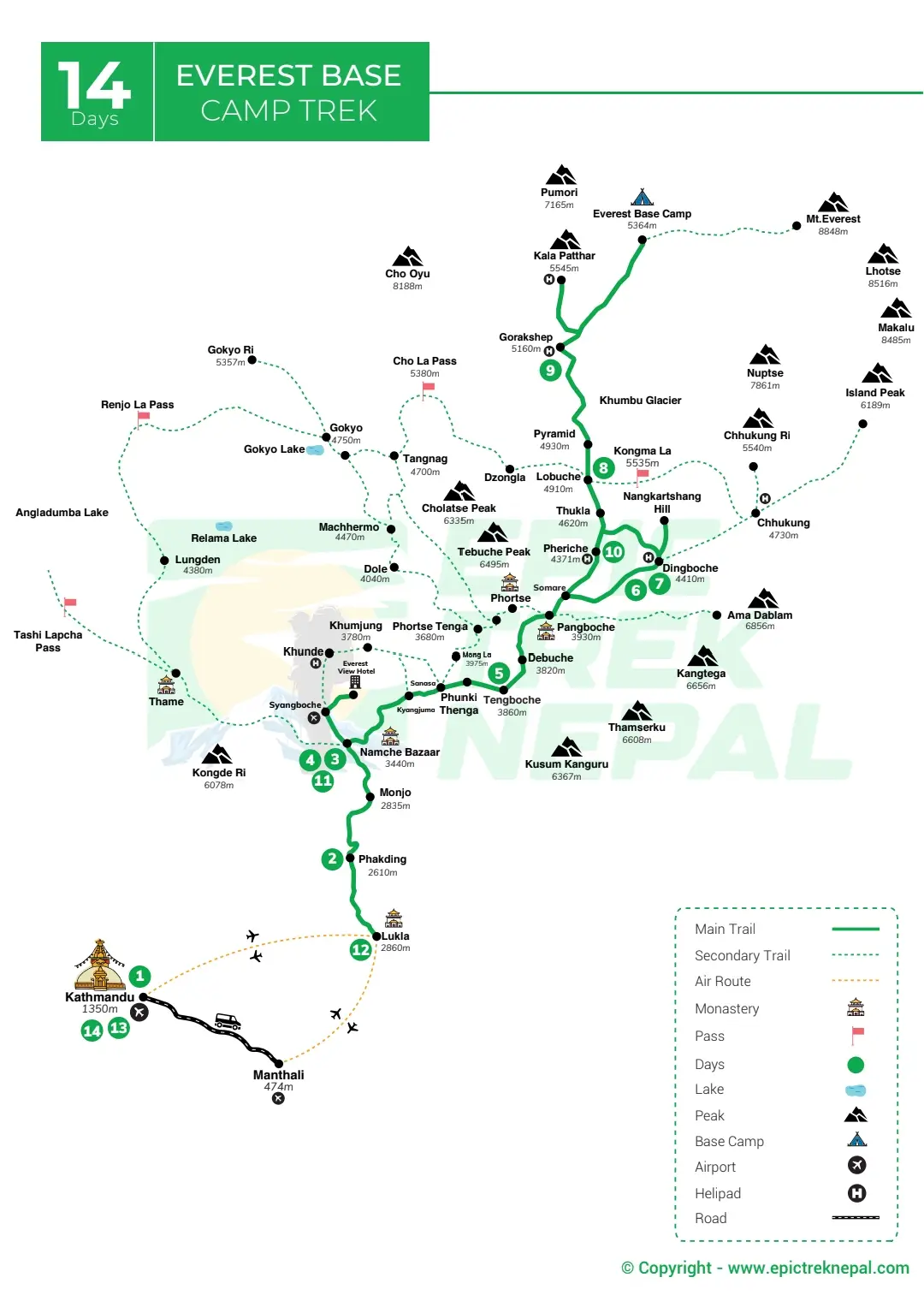
Trip Map of Luxury Everest Base Camp Trek
Trip Information
Practicalities for the Luxury Trek to EBC
Organized trips for the Everest Base Camp Trek are provided by trekking operators and when choosing them, local operators are the best. Due to earthquakes and the global pandemic, costs for the items and services have increased, depending on the season, quality of accommodation and group size.
For convenience and security, book the trek with a tour operator based in Kathmandu. Because they have decades of experience in this field, they help you avoid stress from the legal documentation and paperwork.
Prices for guided treks typically include return flights between Kathmandu and Lukla, trekking permits and national park fees, hotels in Kathmandu, teahouse accommodation during acclimatization, and porters (and sometimes pack animals). So, while you are heading – keep these things clear with your agency and make sure to get the ultimate experience in the Himalayas.
Cancellation Policy for Everest Base Camp Trek:
At Epic Trek Nepal, we understand the changes in plan unexpectedly. That is why we designed it to be fair and clear.
Cancellation Notice:
By any reason, if you need to cancel tour trek then please inform us at least 7 days before your scheduled Trek start date.
Administrative Fee:
When you cancel the trek, 25% fee will be reduced from the total cost of trek as administrative charge. This fee covers the planning and organizational cost we’ve already done for your trip.
Non-Refundable Period:
If the cancellation happen less than 4 days before the trek start date, no refund will be provided but by looking at the situation and if we feel the reason of cancelation is valid then the amount will be refunded after deducting 70% of total trek amount. In such time we have already submitted the cost and reserved the spots for you.
Documentation Support:
We know insurance claim can be important. in-case if you cancel, we would gladly provide the necessary document such as receipts to help with your insurance process.
Unused Accommodation:
Please note that if your trek is cancel due to personal reasons, illness or bad weather, refunds for unused accommodation are not available.
If you have questions or want to discuss your situation, our team is here to help. We appreciate your understanding and look forward to guiding you safely on your Everest Base Camp Trek.
Permits & Paperwork:
You need guides who are licensed as Trekking Guides, validated by Nepal Academy of Tourism and Hotel Management (NATHM). And for your entry pass, every trekker must be registered on Trekkers’ Information Management System (TIMS) card, administered by Trekking Agencies Association of Nepal (TAAN). Along with that, trekkers needs a permit for Sagarmatha National Park entry (it will be available in Lukla or at the Tourist Service Center at Bhrikutimandap in Kathmandu). If the service is provided by the Epic Trek Nepal, we will handle the paperwork and provide licensed guides for you to ensure safety.

What to Pack for Everest Base Camp:
While you are packing for your Base Camp Trek, make sure porters are also trekking with you. They are different from a guide; rather they are just to carry your stuff from Lukla. And also, there is limited weight you can take through the airport.
Here is the basic list of other things to pack:

- Sleeping bag
- Lightweight down jacket
- Waterproof jacket
- Moisture-Wicking Base Layers
- Insulating Layers
- Rain Poncho
- Gaiters
- Hiking boots
- Thermal Socks – 2 pair
- Long Underwear – 2 sets
- Sweatshirt
- Gloves
- Clothing to wear overnight, such as tracksuit
- Quick-drying underwear that you can hand wash on acclimatization days
- Warm hat and sunhat
- Sunglasses
- Personal medications and first-aid items (Guides carry the basic first aid kits)
- Sunscreen
- Hand sanitizer and biodegradable wet wipes
- Bar or liquid soap
- Toothpaste and toothbrush
- Toilet rolls or tissue packets
Also, bring snacks for yourself and chocolate bars for carbohydrates, and most importantly you must stay hydrated during the trek. For clean water, take the reusable bottle and tea houses will provide you with hot water at low cost or we’ll provide you with the purification tablets, use them alternatively for safe drinking water.
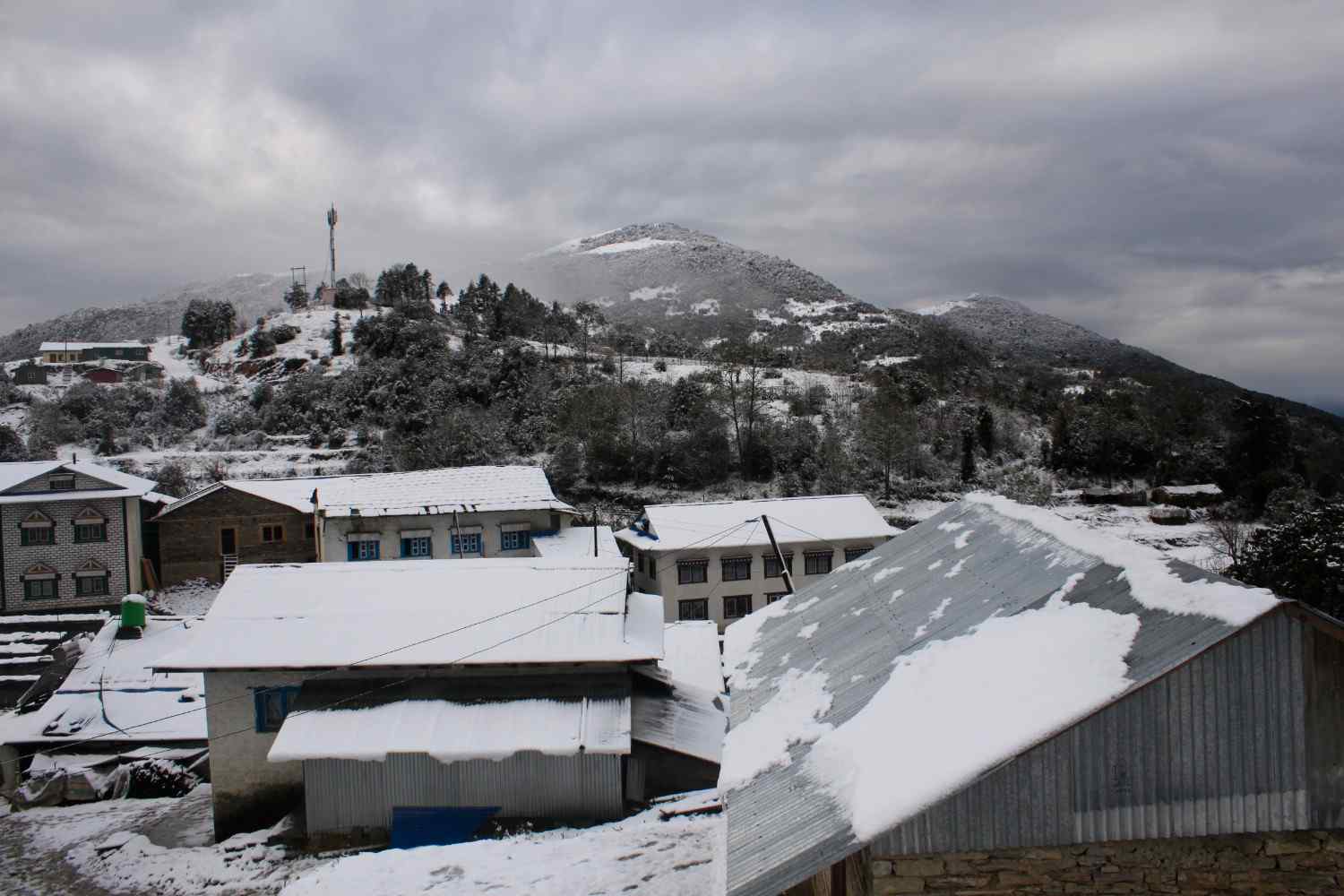
Health and Safety
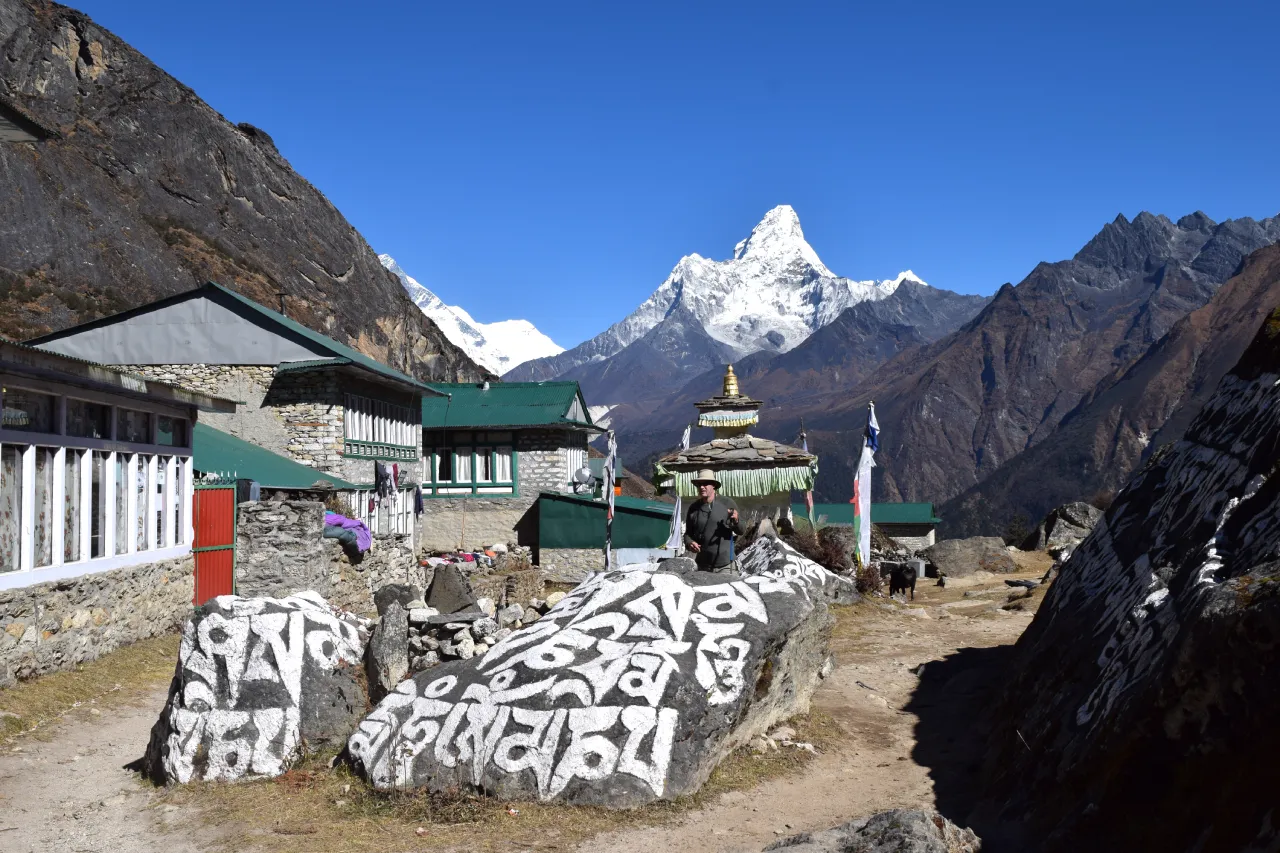
Everest Base Camp is the most rewarding trekking destination for trekkers offering breathtaking views, ancient cultural sites, and a memorable adventure starting from Lukla at a height of 2860m (9,380 ft.) to the Base Camp situated at 5,364 meters (17,590 feet).
The most critical aspect of safety is gradual acclimatization to the increasing altitude. This involves ascending slowly, allowing time for your body to adjust. Practice good hand hygiene to prevent illness. Be mindful of food and water sources to avoid contamination. You may also consider taking Diamox, a medication that helps with altitude sickness.
Also, get to know about the weather – bring appropriate clothing and gear accordingly and staying hydrated throughout the entire trek is crucial.
Preparation
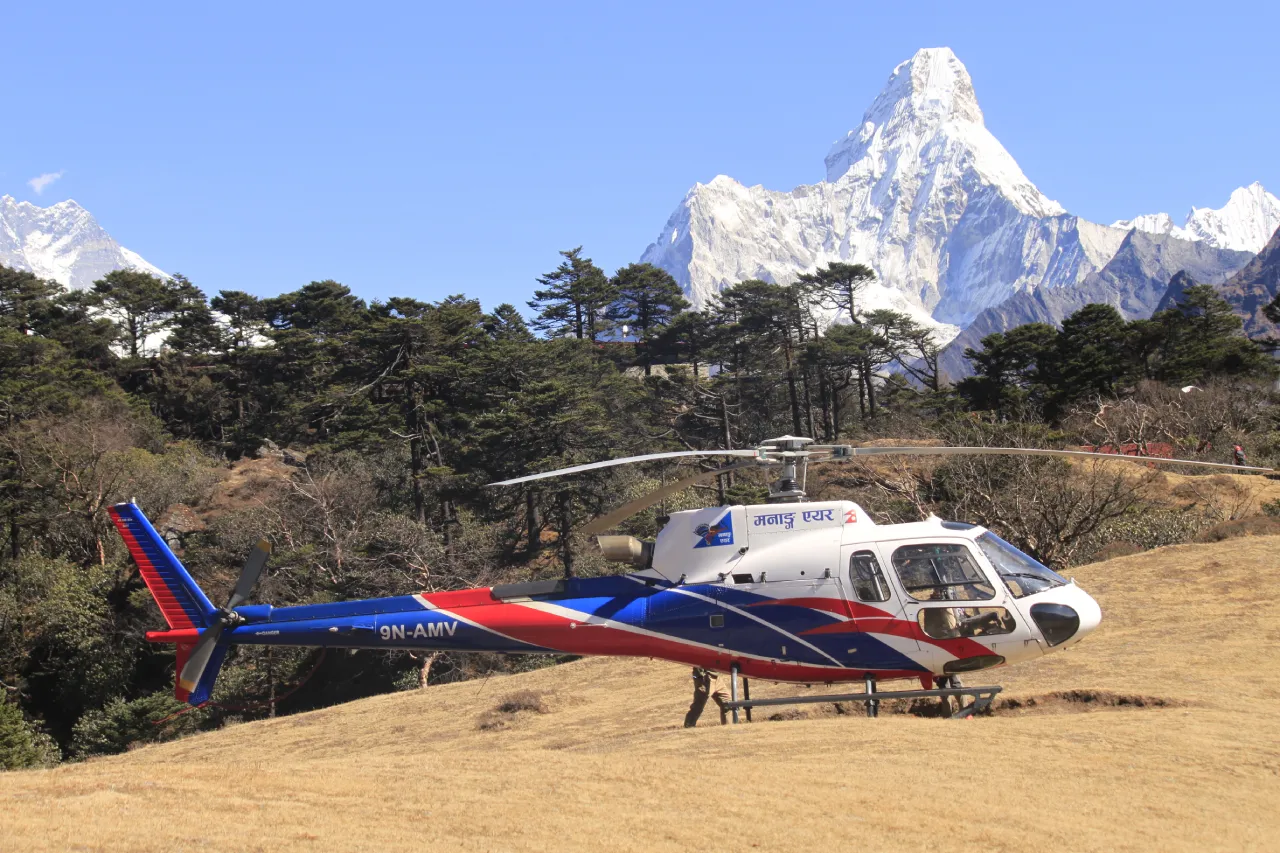
- Make sure you are properly insured and take your insurance details with you, including emergency numbers. Share your insurance copy with your travel company.
- While buying a travel insurance for Nepal, you must be sure about the insurance policy that covers the mountainous regions, rescue costs and evacuation, and other activities depending on your preferences.
- Carry a whistle with you (if you get lost, it is easier to get attention with a whistle).
Additionally, seeking guidance from local guides and understanding the risks involved are also important for a safe and enjoyable trek.
Frequently Asked Questions
The trek is moderately challenging and suitable for people with good physical fitness. While we provide luxury accommodations and services, you’ll still be walking 5-7 hours daily at high altitude. Regular exercise and cardio training 2-3 months before the trek is recommended.
Our luxury package includes premium accommodations with comfortable rooms, high-quality hygienic meals, possible transportation options for comfort, expedited permit processing, and top-tier service throughout the journey. We focus on your comfort while maintaining the authentic trekking experience.
Flight cancellations are common due to weather. We provide alternative transport to Ramechhap (Manthali) followed by a flight from there. We also offer direct helicopter service to Lukla for $550 per person (5-people sharing basis).
The helicopter offers spectacular aerial views, saves time, and eliminates the uncertainty of flight delays. It’s perfect for those who want maximum comfort and have flexible budgets.
You’ll stay in the best available lodges and hotels at each location, including 4-5 star hotels in Kathmandu. Mountain lodges feature comfortable rooms with the best facilities available at high altitude.
We prioritize hygienic, high-quality meals throughout the trek. Our luxury package ensures better food safety standards compared to basic trekking options.
Our itinerary includes proper acclimatization days in Namche Bazaar and Dingboche to minimize altitude sickness risks. We recommend consulting your doctor before the trek and following our guides’ advice.
Yes, comprehensive travel insurance covering high-altitude trekking (up to 6,000m) and helicopter evacuation is mandatory. This is for your safety and our peace of mind.
In emergencies, helicopter evacuation can be arranged. Your travel insurance should cover this cost, which can be substantial.
You’ll need a Sagarmatha National Park permit and Khumbu Pasang Lhamu Rural Municipality permit. We handle all permit arrangements as part of our service.
Most nationalities can get a tourist visa on arrival at Kathmandu airport or apply online beforehand. Check current visa requirements for your nationality.
Essential items include warm clothing layers, waterproof jacket and pants, good trekking boots, sleeping bag (rated for -10°C), sunglasses, sunscreen, and personal medications. We can provide a detailed packing list.
Yes, quality trekking gear is available for rent in Kathmandu, including down jackets, sleeping bags, and trekking poles.
There’s no strict age limit, but participants should be in good health. We’ve had successful trekkers in their 60s and 70s. A medical check-up is recommended for older participants.
The package includes accommodation, meals during the trek, experienced guides and porters, permits, domestic flights/transport, and farewell dinner.
- International flights, personal gear, drinks, and tips are not included.
Book at least 2-3 months in advance, especially for peak seasons (March-May, September-November). This ensures availability and better preparation time.
Cancellation policies vary based on timing and circumstances. We recommend travel insurance to cover unforeseen cancellations.
Tipping is customary and appreciated. Generally, $10-15 per day for guides and $5-10 per day for porters is standard, but this can vary based on service quality and group size. If you are satisfied with the work of your guides and porters then it is on your decision to compensate them.
Charging facilities are available at most lodges, though there may be additional charges. Bring power banks and consider solar chargers for backup.
Basic WiFi is available at most lodges for an additional cost, but connectivity can be slow and unreliable at higher altitudes.
Our experienced guides are trained in first aid and altitude sickness recognition. We maintain satellite communication devices and have emergency evacuation plans. No worries, your safety is our top priority.
It’s your choice!
The cost varies by group size and nationality, ranging from around $3,000 USD for foreigners on a 14-day trek, with prices decreasing for larger groups and including accommodation, flights, guides, porters, and permits.
Trip Reviews
US$ 2900
Need Help? Talk to Expert
+977 9764792172