
Manaslu Circuit Trek
73 reviews in Tripadvisor

Trip Duration
13 Days
Destination
Nepal
Max. Altitude
5,160 m.
Trip Difficulty
Challenging
Group Size
1-12
Transportation
Tourist Vehicle
Accommodation
Hotel/Teahouse
Activity
Trekking/Hiking
Meals
All Inclusive
Start / End
Kathmandu
Region
Manaslu Region
Best Season
Spring, AutumnUS$ 1030

Need Help? Talk to Expert
+977 9764792172Trip Overview
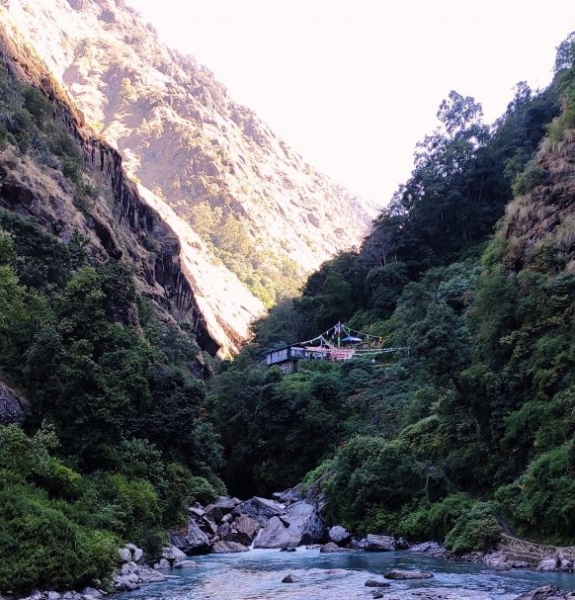
Manaslu Circuit Trek, a journey through the breathtaking landscapes of Nepal surrounding by the majestic Himalayans. Mount Manaslu is the world’s seventh highest peak. This iconic trek unveils the hidden gems of the Manaslu region, meandering through river valleys, enchanting gorges, and ancient settlements inhabited by the Tsumbas and Nubri people.
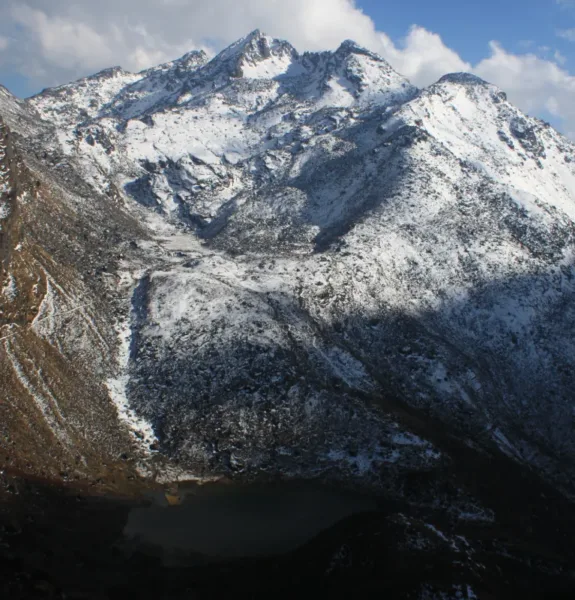
Closed to trekkers until 1992, the Manaslu area retains its remote charm, offering a less-crowded path compared to popular destinations like Everest and Annapurna. The immediate shifts in culture, diverse landscapes, and vibrant flora and fauna add an extra layer of excitement to this unique trek. The entire valley is adorned with awe-inspiring views of Manaslu, ensuring that each day is a canvas painted with natural beauty. A pinnacle moment of the Manaslu Circuit journey is conquering the formidable Larkya La Pass at an elevation of 5160m, a testament to the trek’s challenges and rewards.
Starting from Kathmandu, the adventure begins with a scenic drive to Machha Khola, followed by a trek to Jagat. The trail navigates the Budhi Gandaki River northward initially, gradually veering westward through picturesque villages such as Deng, Namrung, Samagaon, and Samdo. The climax of the Manaslu Circuit trek is the crossing of the mighty Larkya La Pass, leading to Dharapani, a village along the famed Annapurna Round trek. The descent continues on a rugged road to Besisahar, where another bus awaits, returning us to Kathmandu to conclude this unforgettable journey.
Best Time for Manaslu Circuit Trek:

Selecting the right time to embark on the Manaslu Circuit Trek is crucial for an unforgettable experience. Optimal seasons play a key role in ensuring favorable weather conditions and breathtaking views. Consider the following information to plan your trek wisely:
Spring (March to May):
- Moderate temperatures and blossoming landscapes.
- Clear skies and excellent visibility of the surrounding peaks.
- Rhododendron blooms add vibrant colors to the trail.
Considerations: Popular trekking season, so expect moderate crowds.
Autumn (September to November):
- Stable weather with crisp, clear days.
- Panoramic views of the Manaslu range and neighboring peaks.
- Ideal trekking conditions and comfortable temperatures.
Considerations: Another peak season, so accommodations may be in demand.
Why Choose These Seasons?
Weather Stability: Both spring and autumn offer stable weather conditions, minimizing the risk of rainfall or harsh weather that could impede your trek.
Clear Skies and Stunning Views: The post-monsoon season provides exceptionally clear skies, offering unobstructed views of the majestic Himalayan peaks, including Manaslu.
Floral Beauty in spring: Spring brings the Manaslu region to life with blooming rhododendrons, adding a touch of color and vibrancy to the trekking trail.
Comfortable Temperatures: Enjoy moderate temperatures during these seasons, ensuring a pleasant trekking experience without extreme cold or heat.
Explore Rich Traditions and Customs:
Immersive Experience: Beyond the landscapes, immerse yourself in the rich cultural tapestry of the Manaslu region. Take the time to engage with local communities, witness traditional practices, and gain insights into the vibrant cultural heritage of the area.

Cultural Interaction:
Facilitate meaningful interactions with local communities along the trail, guided by experienced locals who bridge the gap between trekkers and the Tsumbas and Nubri people. Overcome language barriers with the assistance of guides, enriching your cultural experience through enhanced communication.

Logistical Support: Guides handle the logistical aspects of the trek, from obtaining necessary permits to arranging accommodation and coordinating meals.
This allows you to focus on enjoying the journey without being burdened by logistical concerns, ensuring a seamless and stress-free trekking experience.
Navigation Assistance: The Manaslu Circuit Trail can be challenging to navigate with its various paths and altitudes. Rely on your guide to navigate safely, reducing the risk of getting lost and ensuring you stay on the right track.
Altitude Acclimatization: Guides bring invaluable experience in managing altitude-related challenges, assisting trekkers in effective acclimatization to minimize the risk of altitude sickness.
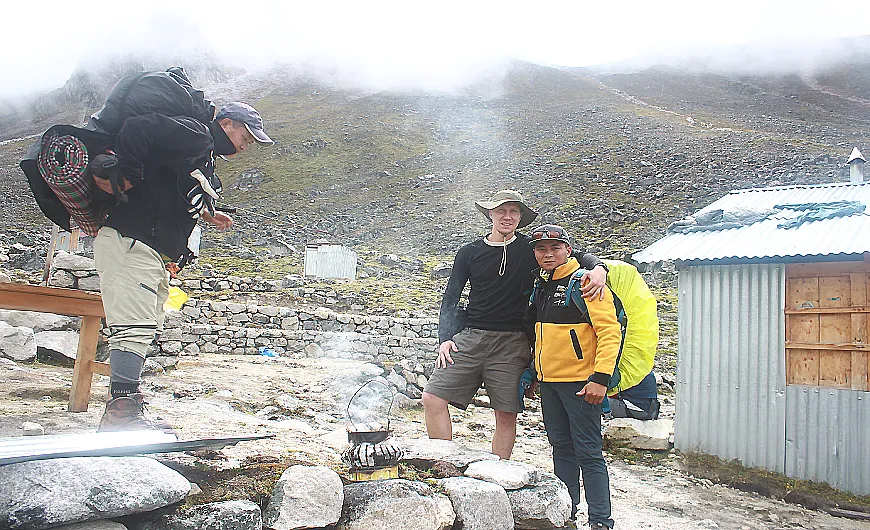
Comfort and Enjoyment: Porters play a vital role in lightening the load, carrying the bulk of trekking gear and allowing trekkers to enjoy the journey without the burden of heavy backpacks.
Having a dedicated support team lets you focus on the breathtaking scenery and immersive experiences, enhancing overall comfort and enjoyment.
The Importance of Travel Insurance for Manaslu Circuit Trek:
Embarking on the Manaslu Circuit Trek is a journey filled with breathtaking landscapes, cultural richness, and the thrill of conquering Larke Pass. While the adventure promises unforgettable moments, it’s crucial to prioritize safety, and obtaining comprehensive travel insurance should be a non-negotiable part of your trekking preparations.
High-Altitude Rescue and Evacuation: The trek involves navigating high-altitude terrains, especially the challenging Larke Pass, where the risk of altitude sickness is real. Travel insurance should cover emergency high-altitude rescue and evacuation to the nearest medical facility.

Medical Coverage: Despite the trek’s moderate complexity, accidents can happen. Ensure your insurance provides coverage for medical expenses, including hospitalization and necessary medications.
Trip Cancellation or Interruption: Unforeseen circumstances like bad weather, political instability, or personal emergencies may lead to trip cancellations. A robust travel insurance package will cover the costs incurred due to unexpected interruptions.
Loss or Theft of Belongings:
While the Manaslu Circuit is generally safe, the risk of losing belongings or facing theft exists. Choose insurance that covers essential items such as passports, electronics, and trekking gear, providing peace of mind throughout your journey.
Legal Assistance: In the rare event of encountering legal issues during your trek, some insurance packages offer coverage for legal advice and related costs.
Choosing the Right Insurance: Tips for Trekkers
Read the Fine Print: Thoroughly review the terms and conditions of your travel insurance policy to ensure it encompasses high-altitude trekking.
Check the Maximum Altitude: Confirm that the policy covers trekking up to the altitudes you’ll reach on the Manaslu Circuit, considering the challenging terrains.
Customer Support: Opt for insurance providers offering 24/7 customer support, as emergencies may arise at any time during your trek.
Compare Multiple Options: Before finalizing a policy, compare multiple travel insurance options to ensure you’re getting the best coverage tailored to your Manaslu Circuit Trek.
By securing a comprehensive travel insurance package, you’re not just ensuring peace of mind but also ensuring your safety in case of any accident and investing in an uninterrupted and more enjoyable Manaslu Circuit Trekking experience. Prioritize safety, embrace the adventure, and trek with confidence knowing you’re covered for unforeseen circumstances.
This epic thirteen-day Manaslu Circuit trek with us will enhance your mountain adventure and will remembered as the best thirteen days of your life. Discover the allure of the Manaslu Circuit Trek as you immerse yourself in the unparalleled beauty and cultural richness of this remote Himalayan gem.
Photo Gallery & Video Gallery
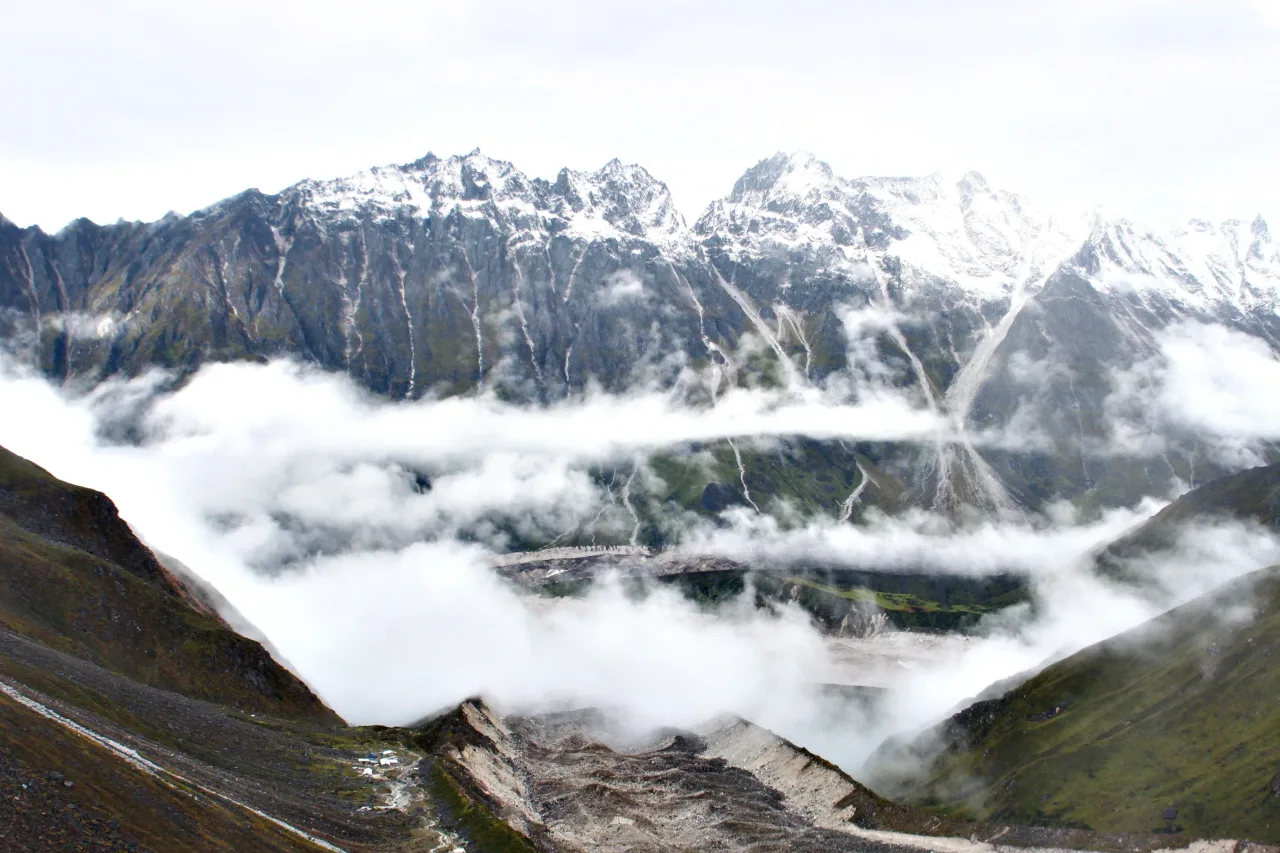
Manaslu Circuit Trek - Distance, Duration, and Altitude
| Trekking Route | Distance (Kilometers) | Duration (Hours) | Altitude (Meters) |
|---|---|---|---|
| Machha Khola to Jagat | 22.2 KM | 6 to 7 hours | 1340 m. |
| Jagat to Dyang | 17 KM | 6 to 7 hours | 1860 m. |
| Dyang to Namrung | 15 KM | 6 to 7 hours | 2630 m. |
| Namrung to Samagaon | 18 KM | 7 to 8 hours | 3530 m. |
| Samagaon to Samdo | 16 KM | 5 to 6 hours | 3875 m. |
| Samdo to Dharmasala (Larke Phedi) | 12 KM | 4 to 5 hours | 4460 m. |
| Dharmasala to Bimthang via Larkya La Pass | 23 KM | 8 to 10 hours | 5160 m. |
| Bimthang to Dharapani | 30 KM | 8 to 9 hours | 2400 m. |
Itinerary of Manaslu Circuit Trek
Day 01: Arrival in Kathmandu
Welcome to Kathmandu, the capital of Nepal. After you land from the plane, one of our representatives from Epic Trek Nepal will be waiting for your arrival and take you to your hotel where you can freshen up, rest and enjoy the local food while walking around the busy streets of Thamel.

Activity: 35 min drive

Max. Altitude: 1324m./4,344ft. (Kathmandu)

Accommodation: 3 Star Hotel
Day 02: Kathmandu Sightseeing and Trek Preparation
This day is typically spent sightseeing around the world heritage site of Kathmandu such as: Pashupatinath Temple, Swoyambhunath (Monkey Temple), Kathmandu Durbar Square, Bouddhanath Stupa and others. Meet your guide for the trek briefing and confirm your gears for the trek.
Max. Altitude: 1355m./4,446ft. (Kathmandu valley)

Meal: Breakfast
Accommodation: 3 Star Hotel
Day 03: Drive from Kathmandu to Machha Khola
The journey begins with a scenic drive from Kathmandu to Machha Khol. The road travels through terraced fields, traditional villages and lush hillsides. By the afternoon, you will reach Machha Khola, a peaceful village for the overnight stay.
Activity: 8 hours
Max. Altitude: 891m./2,923ft. (Machha Khola)
Meal: Breakfast, Lunch, Dinner
Accommodation: Standard Teahouse
Day 04: Trek from Machha Khola to Jagat
This is the day your trekking journey officially begins with a trail that gently rises. During the trek you will cross the suspension bridge, walk through narrow path and pass small settlements. Then you will pass through Tharo Khola to reach Khorlabesi, and then trek to Jagat. You will stay here for a warm meal and to spend night.
Activity: 6-7 hours
Max. Altitude: 1410m./4,626ft. (Jagat)
Meal: Breakfast, Lunch, Dinner
Accommodation: Standard teahouse
Day 05: Trek from Jagat to Dyang
You will start your trek from Jagat to Dyang passing through Salleri, Sirdibas, and Philim, a beautiful Gurung village known for its rich culture and tradition. Along the way you will pass through lush forest and wind valley floors. As you get closer to Dyang, the air becomes fresh and cooler, and the scenery transforms into alpine terrain. After reaching Dyang, you will stay there for a warm meal and to spend the night to recover your body.
Activity: 6-7 hours
Max. Altitude: 2360m./7,743ft. (Dyang)
Meal: Breakfast, Lunch, Dinner
Accommodation: Standard Teahouse
Day 06: Trek from Dyang to Namrung
From Dyang, you’ll trek through one of the most beautiful places in the Manaslu region. You can see dense pine and rhododendron forest, and the trail crosses over clear mountain streams. As you ascend toward Namrung village, the snow capped mountain start to appear between tree lines. Here you can experience Tibetan culture and stay overnight.
Activity: 5-6 hours
Max. Altitude: 2660m./8,727ft. (Namrung)
Meal: Breakfast, Lunch, Dinner
Accommodation: Standard Teahouse
Day 07: Trek from Namrung to Samagaon
The trail begins with a steady climb from Namrung, offering increasingly spectacular mountain views as you gain altitude. Crossing the Numla Khola bridge, passing by Pungyen Gompa – enjoy the panoramic views of Manaslu and surrounding peaks while reaching the charming traditional village of Samagaon
Activity: 6-7 hours
Max. Altitude: 3530m./11,581ft. (Samagaun)
Meal: Breakfast, Lunch, Dinner
Accommodation: Teahouse
Day 08: Acclimatization day at Samagaon
This is a rest day for acclimatization that allows your body to adjust to low oxygen level for the next day’s trek. There are plenty of options for exploration around Samagaon, including Pungyen Gompa and Birendra Tal.
Max. Altitude: 3530m./11,581ft. (Samagaun)
Meal: Breakfast, Lunch, Dinner
Accommodation: Teahouse
Day 09: Trek from Samagaon to Samdo
After a day of rest, you’ll trek to the village of Samdo, which is just a day away from the Larkya La pass. The trail gently climbs travelling through thin vegetation, rugged terrain giving you a strong feeling of adventure. As you approach Samdo village, you will see yak, small seasonal hut, and long ani walls.
Activity: 4-5 hours
Max. Altitude: 3780m./12,402ft. (Samdo)
Meal: Breakfast, Lunch, Dinner
Accommodation: Teahouse
Day 10: Trek from Samdo to Dharmasala (also known as Larke Phedi)
This is a relatively short but important day as you prepare for the challenging Larke La Pass crossing the following day. The trek is described as a nice, easy walk with gentle climbing, passing through Larkya Bazar where you can rest awhile, to gain about 500 meters over 6 kilometers to reach Dharmasala.
Activity: 3-4 hours
Max. Altitude: 4460m./14,633ft. (Dharmasala)
Meal: Breakfast, Lunch, Dinner
Accommodation: Teahouse
Day 11: Trek from Dharmasala (4460m) over the Larkya La pass (5160m) to Bimthang (2400m)
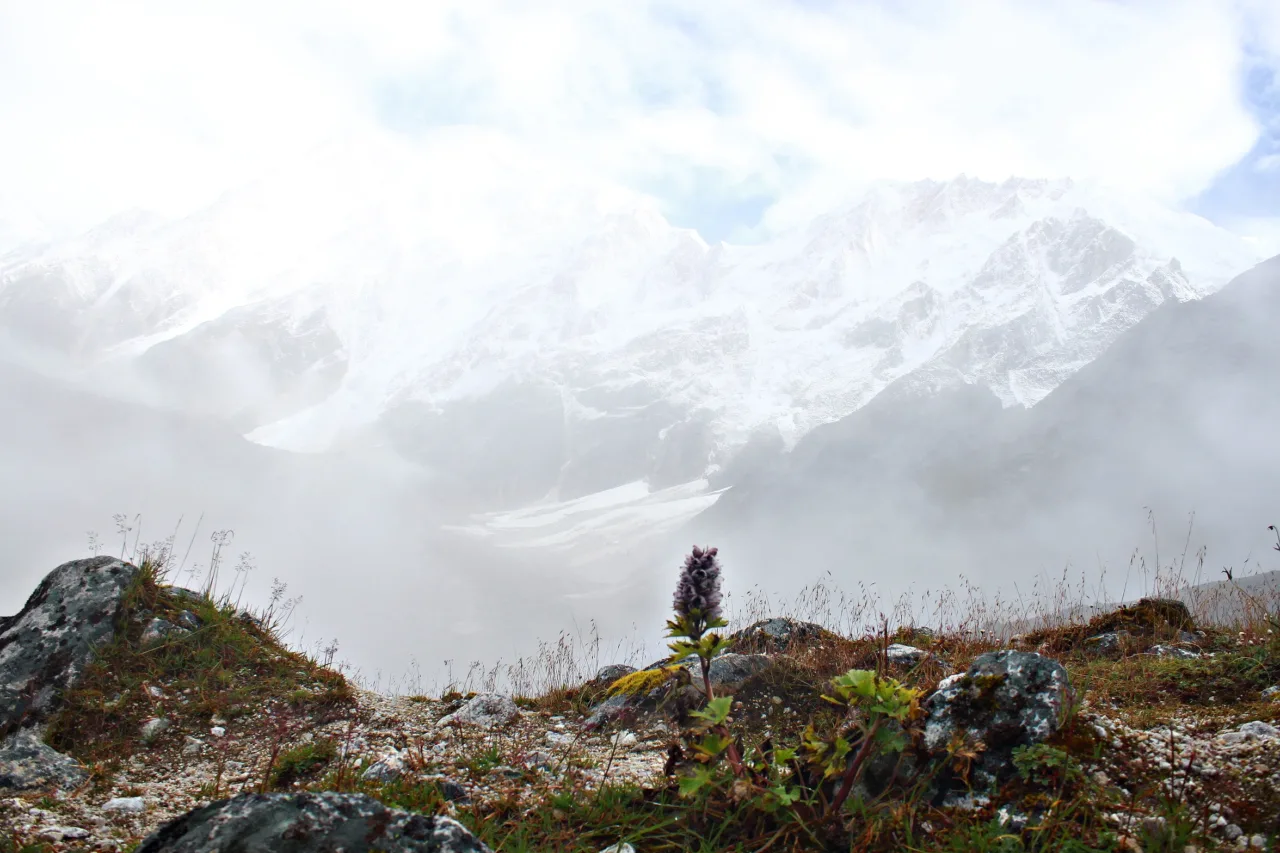
This is one of the most challenging and rewarding days of the trek, as you cross the Larkya La pass, which offers stunning views of the surrounding peaks. The trail may be snowy, but the sunrise above the Himalayan peak is magical. Upon reaching the summit, you can see the breathtaking views of Himlung Himal, Cheo Himal, Kang Guru and the massive Manaslu range. After enjoying the trek at the Larkya La Pass, descend toward Bimthang, where you will stay overnight.
Activity: 8-9 hours
Max. Altitude: 5160m./16,929ft. (Larkya La Pass)
Meal: Breakfast, Lunch, Dinner
Accommodation: Teahouse
Day 12: Trek from Bimthang to Dharapani
After crossing the pass, you’ll trek down into lush forest and green fields. The trail passes through rhododendron, especially during spring season. During your journey you will pass through small villages Karche, Gho, and Tilije. By the time you reach Dharapani, you will fee the warmth of air and the joy of completing the trek.
Activity: 8-9 hours
Max. Altitude: 1860m./6,102ft. (Dharapani)
Meal: Breakfast, Lunch, Dinner
Accommodation: Teahouse
Day 13: Drive from Dharapani to Kathmandu
Finally, you’ll take a drive from Dharapani back to Kathmandu with beautiful scenery, rivers cliffs and terraced field. After reaching Kathmandu, you can relax and celebrate the completion of your trek.
Activity: 7-8 hours drive
Max. Altitude: 1324m./4,344ft. (Kathmandu)
Meal: Breakfast, Lunch, Dinner
Accommodation: 3 Star Hotel
Day 14: Departure
One of our representative will take you to the airport for your scheduled departure flight. With the memories and experiences in Nepal while trekking Manaslu Region. We hope and make sure you get the best possible experience on this trip with Epic Trek Nepal. Have a safe flight!
Activity: 35 min drive
Meal: Breakfast
Includes/Excludes
What is included?
- Airport Transfers: Pick-up and drop-off services from Kathmandu’s Tribhuvan International Airport.
- Accommodation: Accommodation in Kathmandu before and after the trek in 3 star hotel on BB plan. (twin sharing basis) as well as teahouses or lodges during the trek.
- Meals: All meals during the trek (breakfast, lunch, dinner) and breakfast in Kathmandu.also includes two times hot beverage (in breakfast and lunch) and seasonal fruits after dinner.
- Trekking Permits: All necessary trekking permits, including the Manaslu Conservation Area Permit, TIMS (Trekkers’ Information Management System) card, and the Manaslu Restricted Area Permit also ACAP.
- Guide and Porters: Experienced trekking guide and porters to carry luggage. Their wages, insurance, meals, accommodation, and other expenses are usually covered.
- Transportation: Ground transportation to the trek’s starting point and return.
- First Aid Kit: Basic medical supplies for minor injuries.
- Equipment: Duffle Bag, Sleeping Bag (if necessary)
- Pick up drop-off : airport pick up and drop-off by private vehicle
What is not included?
- International Airfare: The cost of international flights to and from Nepal is typically not included.
- Nepal Visa Fee: Travelers need to handle and pay for their Nepal visa independently.
- Travel Insurance: Comprehensive travel insurance, which covers emergencies, medical treatment, and emergency evacuation, is generally not included and is highly recommended.
- Personal Expenses: Personal expenses like drinks, desserts, charging batteries, hot showers, extra porters, laundry, etc., are not included.
- Tips: Tips for guides and porters are not included in the package price and are given at your discretion.
- Meals in Kathmandu: Apart from breakfast, meals in Kathmandu are usually not included.
- Equipment: You’ll need to provide your own trekking gear, such as boots, hiking clothes, sunglasses, water purifiers, etc.
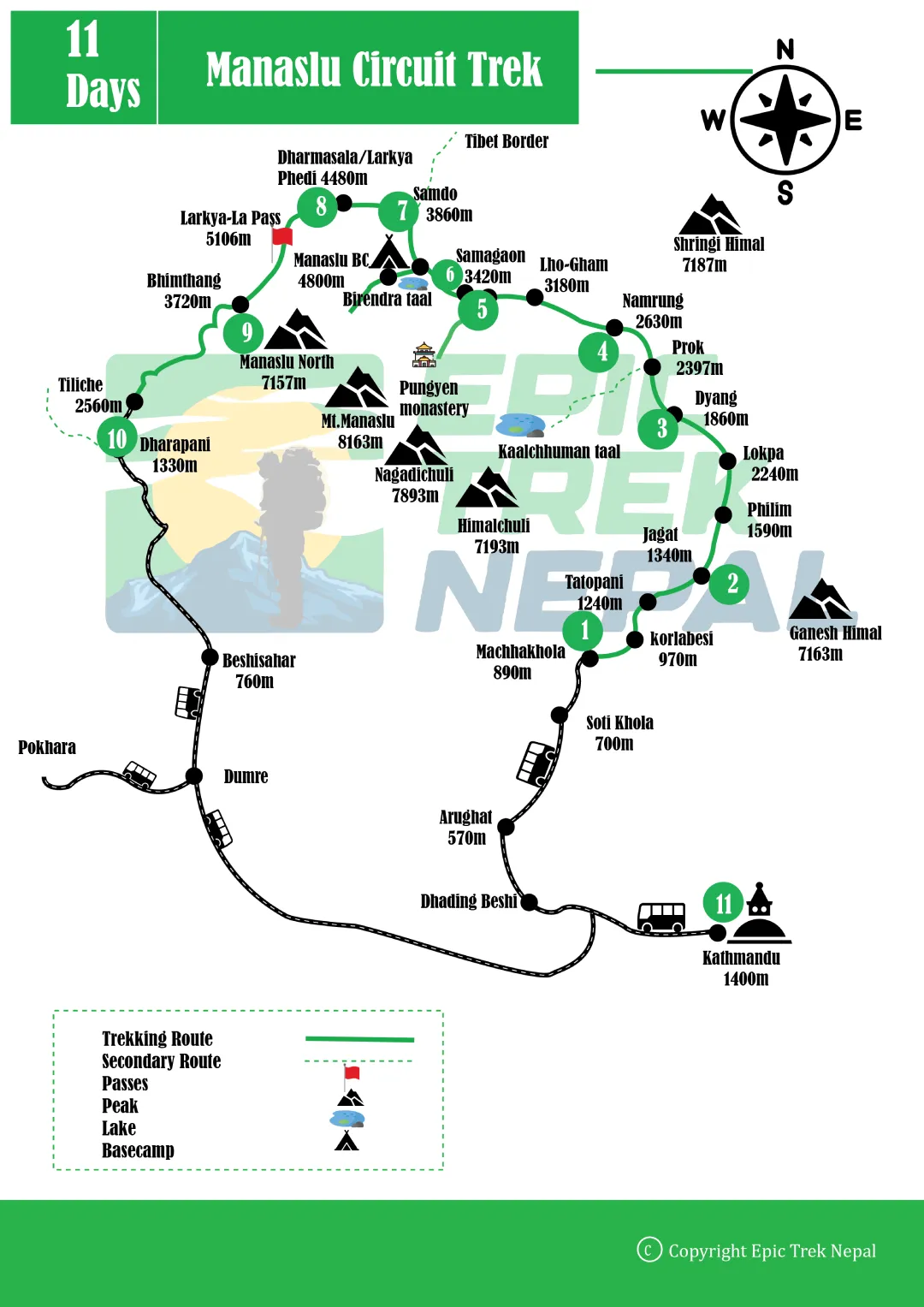
Trip Map of Manaslu Circuit Trek
Trip Information
Why Choose a Guide and Porters?
Compliance with Government Policies: Government policies mandate a restricted permit in certain trekking areas in Nepal. Having trekking staff, either a guide or a porter, becomes compulsory, especially in open border regions.
Local Expertise: Benefit from the wealth of knowledge possessed by local guides. They are intimately familiar with the region, its rich culture, and the ever-changing trail conditions. Gain valuable insights into the history, traditions, and unique aspects of the Manaslu area, enhancing your overall trekking experience.
Safety and Emergency Support: Guides are equipped with first aid and rescue training, ensuring a prompt response in emergencies such as altitude sickness or injuries. Local connections play a crucial role in challenging situations, facilitating quick assistance or arranging evacuations when needed.
Permits for Manaslu Circuit Trek:
Embarking on the Manaslu Circuit Trek is an exhilarating journey, promising a blend of natural wonders and cultural treasures. However, before you hit the trail, securing the necessary permits is not just a formality – it’s a commitment to responsible tourism and conservation efforts. Here’s a comprehensive guide to help you navigate the permit process seamlessly:

Manaslu Restricted Area Permit (MCAP): The Manaslu Restricted Area Permit (MCAP) is your gateway to the captivating landscapes and cultural gems along the Manaslu Circuit. Tailored to regulate and monitor access to this restricted region, the MCAP is more than just a piece of paper; it’s a pledge to preserve the region’s pristine beauty and cultural heritage.
Why MCAP Matters: Regulatory Compliance: The MCAP is a non-negotiable requirement set by the Nepalese government. Compliance is essential for embarking on the Manaslu Circuit Trek, ensuring adherence to regulations that protect the area.
Conservation Contribution: By obtaining the MCAP, you directly contribute to the conservation and sustainable development of the Manaslu region. The permit fees play a crucial role in preserving delicate ecosystems and supporting local communities.
Cancellation Policy for Manaslu Circuit Trek:
At Epic Trek Nepal, we understand the changes in plan unexpectedly. That is why we designed it to be fair and clear.
Cancellation Notice:
By any reason, if you need to cancel tour trek then please inform us at least 7 days before your scheduled Trek start date.
Administrative Fee:
When you cancel the trek, 25% fee will be reduced from the total cost of trek as administrative charge. This fee covers the planning and organizational cost we’ve already done for your trip.
Non-Refundable Period:
If the cancellation happen less than 4 days before the trek start date, no refund will be provided but by looking at the situation and if we feel the reason of cancelation is valid then the amount will be refunded after deducting 70% of total trek amount. In such time we have already submitted the cost and reserved the spots for you.
Documentation Support:
We know insurance claim can be important. In-case if you cancel, we would gladly provide the necessary document such as receipts to help with your insurance process.
Unused Accommodation:
Please note that if your trek is cancel due to personal reasons, illness or bad weather, refunds for unused accommodation are not available.
If you have questions or want to discuss your situation, our team is here to help. We appreciate your understanding and look forward to guiding you safely on your Manaslu Circuit Trek.
Monitoring and Safety:
The permit system enables authorities to monitor trekker numbers, ensuring safety and minimizing environmental impact. Controlled access helps maintain the ecological balance, creating a safer and more sustainable trekking experience.
Annapurna Conservation Area Permit (ACAP): Traversing the Annapurna region during your Manaslu Circuit Trek requires the Annapurna Conservation Area Permit (ACAP). This permit extends beyond regulatory requirements, emphasizing responsible tourism and environmental preservation.

Why ACAP is Essential: Comprehensive Coverage: The ACAP not only encompasses the Annapurna region but also supports various conservation and development initiatives. It’s a testament to Nepal’s commitment to sustainable tourism practices.
Biodiversity Conservation: Rich in biodiversity, the Annapurna Conservation Area benefits from the ACAP’s protection. Your contribution through permit fees aids in preserving this ecological wealth and maintaining habitats.
Community Development: A portion of the permit fees is earmarked for community development projects. This ensures that local communities directly benefit from tourism, fostering a positive relationship between trekkers and residents.
Restricted Areas Open for Group Trekking:
Certain areas in Nepal are exclusively open for group trekkers, with individual permits not being issued. These restrictions are in place to manage and preserve these pristine regions effectively. As a group trekker, understanding the permit fees is crucial for a seamless journey.
Trekking Permit Fees:
Seasonal Variation: September to November: Per week, per person, the fee is US$ 70. After the first 7 days, an additional per day fee of US$ 10 is applicable.

December to August: The permit fee is reduced to US$ 50 per week, per person. After 7 days, the daily fee is US$ 7. Currency: All fees can be paid in equivalent convertible foreign currency.
Group Requirement: Group Trekking Only: Individual trekkers are not issued permits for these restricted areas. Group trekkers must obtain permits collectively.
Permit Duration: (Weekly Basis) the permit is issued on a weekly basis, allowing trekkers to explore the restricted area for the specified duration.
Extension: For trekkers wishing to extend their stay beyond the initial week, the daily fee applies after the 7th day.
Navigating the Permit Process:
Group Coordination: (Form a Group) as an individual trekker, join or form a group to meet the requirements for obtaining permits for restricted areas.
Seasonal Considerations: Plan Your Timing: The choice of season not only impacts the weather but also the permit fees. Consider the trekking season that aligns with your preferences and budget.
Currency Exchange: (Convertible Currency) Ensure you have the equivalent convertible foreign currency for permit payments. Local currency may not be accepted.
Documentation: (Group Details) Provide comprehensive details of your trekking group, including passport copies, photographs, and any other required information.
Permit Collection: Authorized Channels: Obtain permits through authorized trekking agencies or relevant government offices. They will guide you through the application process.
Teahouse Accommodations:

Discover the charm of teahouse accommodations, providing not just shelter but a unique opportunity to immerse you in warm hospitality. These cozy lodgings are more than a place to rest – they’re spaces to connect with fellow trekkers, share stories, and forge meaningful connections along the trail.
Warm Hospitality: Experience the warmth of hospitality as you rest in teahouses. Engage in conversations with fellow trekkers, creating a sense of camaraderie that enhances your overall trekking experience.
Embrace the communal spirit of teahouses, where travelers from around the world come together to share their adventures and insights.
Culinary Exploration: Teahouses boast a culinary haven, offering a delightful array of both local and international cuisines. Embark on a culinary exploration, savoring the diverse flavors to maintain a balanced diet throughout your trek.
Enjoy traditional local dishes for an authentic taste of the region, complemented by familiar international options for a satisfying dining experience.
Hydration: Carry a reusable water bottle and purifying tablets to ensure a steady supply of safe drinking water. Hydration is key to your well-being, especially at varying altitudes, and teahouses support your journey with this essential need.
Stay confidently hydrated with the convenience of purified water, ensuring you are energized and ready to conquer each day of your trek.
Elevate Your Trekking Experience with Teahouse Comfort:
Teahouse accommodations are more than just places to lay your head – they’re vibrant hubs of connection, culinary delight, and essential hydration. Embrace the warmth of teahouse hospitality as you trek, creating memories and fostering a sense of community that lasts far beyond the trail. Elevate your journey with the comfort and camaraderie of teahouse accommodations, turning each night into a unique part of your unforgettable adventure.

Green Trekking: Environmental Impacts of Bottled Water
When trekking the Manaslu Circuit, the availability of bottled water is apparent, but its use contributes to environmental issues associated with plastic waste. In the spirit of responsible trekking amid the pristine landscapes of Manaslu, consider adopting reusable water bottles and employing water treatment methods to reduce environmental impact. Let’s trek responsibly in Manaslu, preserving its beauty for generations to come.
Hot Showers on the Manaslu Circuit Trek:
Manaslu Circuit Trek is an adventure filled with stunning landscapes, and understanding the availability of hot showers is key to a more comfortable journey. Let’s delve into what you can expect when it comes to hot showers along the Manaslu Circuit.
Teahouses are the primary accommodation during the Manaslu Circuit Trek, providing a rustic yet authentic experience. While these lodges offer basic comforts, it’s important to manage expectations—hot showers are not a standard feature. Some teahouses may offer hot showers as an optional amenity, usually at an extra cost and subject to availability.
Heating Methods: Gas and Solar
In places where hot showers are available, they are typically heated using either gas or solar energy. Gas-heated showers rely on a stable gas supply, while solar-heated showers are influenced by weather conditions. Keep in mind that advertised hot showers may not always be guaranteed during your Manaslu Circuit trek, so be flexible in your expectations.

Bucket Showers: Embracing Tradition
In more remote areas along the trek, you might encounter the traditional bucket shower. While it may not offer the same luxury as a hot shower, a bucket shower provides a refreshing and authentic experience after a challenging day of trekking.
As you prepare for your Manaslu Circuit adventure, understanding the nuances of hot shower availability adds a practical dimension to your trekking plans. Embrace the unique experiences that come with the journey, whether it’s a warm shower at a teahouse or a traditional bucket shower in the heart of the Himalayas.
Wi-Fi on the Manaslu Circuit Trek: Limited but Serviceable
While Wi-Fi is available in many teahouses along the Manaslu Circuit Trek, it’s crucial to set realistic expectations. The Wi-Fi connections in these remote areas may not match the speed and reliability of urban networks. While sufficient for basic tasks like checking emails and social media updates, bandwidth-intensive activities like video streaming or large file downloads may pose a challenge.
Electricity: Keeping Your Devices Charged
Teahouses do offer electrical outlets for charging your essential devices such as smartphones, cameras, and portable chargers. However, keep in mind that the electricity supply can be erratic due to the trek’s remote locations.
To ensure your devices stay charged throughout your Manaslu Circuit trek, it’s advisable to carry a portable power bank. This portable solution adds an extra layer of convenience, allowing you to capture every moment and stay connected even in the heart of the Himalayas.”
Manaslu Circuit Trek Food Menu:
Embark on a gastronomic journey along the Manaslu Circuit with a diverse and delightful food menu that caters to every trekker’s palate. From hearty breakfasts to satisfying lunches and dinners, explore the flavors of the Himalayas while ensuring you stay energized for the trek ahead.

Breakfast Delights:
- Different omelets
- Boiled and scrambled eggs
- Tibetan bread
- Oats, chapati, pancakes
- Cornflakes, muesli, granola with milk
- Toasts and hot drinks like tea
- Sliced bread served with jam, honey, or fresh fruits like apples
Lunch and Dinner Extravaganza:
- Noodles: Fried, boiled, mixed, and with cheese add-ons
- Pasta: Varieties like veg-fried, cheese-fried, and with tomato sauce
- Momos (Dumplings): Vegetable, potato, cheese, and non-veg options
- Spaghetti: With cheese, tomato, or tuna, among other choices
- Vegetables and Salad: Fried or boiled veggies, veg salads
- Rice/Meals: Fried rice, Dal Bhat (a local favorite), and more
- Potatoes: Boiled, fried, roasted, mashed, or hash brown, with optional toppings
Sweet Endings and Snack Breaks:
Satisfy your sweet tooth with dessert choices like rice pudding, apple pie, chocolate or custard pudding, and Mars bar. For snack breaks, pack lightweight options like biscuits, noodles, potato chips, chocolates, and more.

A Nepalese Culinary Delight (Dal Bhat):
In the heart of the Manaslu region, Dal Bhat takes center stage. This traditional Nepalese dish comprises steamed rice, lentil soups, pickles, green salads, and your choice of vegetarian or non-vegetarian curry. Rich in carbohydrates, fiber, proteins, minerals, and vitamins, Dal Bhat is a beloved and nourishing meal for trekkers.
Packing List for Manaslu Circuit Trek:
The iconic Manaslu Circuit Trek demands meticulous preparation, and the right gear is crucial for a safe and enjoyable journey. Here’s a comprehensive packing list to ensure you’re equipped for the challenges and wonders that await:
Essential Gear:
- Backpack: Comfortable backpack with adjustable straps (40-70 liters).
- Trekking Poles: Collapsible trekking poles for stability on challenging terrain.
- Sleeping Bag: High-quality, warm sleeping bag suitable for low temperatures.
- Headlamp/Flashlight: Lightweight headlamp or flashlight with extra batteries.
- Water Bottles/Hydration System: Durable water bottles or a hydration system with a minimum capacity of 2 liters.
Clothing:

- Moisture-Wicking Base Layers: Long-sleeve and short-sleeve moisture-wicking base layers.
- Insulating Layers: Heavy fleece or down jacket for warmth in colder conditions.
- Waterproof Shell: Waterproof jacket with a hood for protection against rain and snow.
- Windbreaker: Lightweight windbreaker for added protection.
- Rain Poncho: Waterproof rain poncho.
- Trekking Pants: Sturdy trekking pants (2 pairs).
- Hiking Shorts: Comfortable hiking shorts.
- Waterproof Pants: Waterproof pants for rain or snow.
- Hiking Socks: Multiple pairs of moisture-wicking hiking socks (10 pairs).
- Thermal Socks: Warm thermal socks (1 pair).
- Long Underwear: Long underwear (2 sets).
- Underwear: Moisture-wicking underwear (10 pairs).
- Hiking Boots: High-quality hiking boots with ankle support.
- Camp Shoes: Lightweight camp shoes or tennis shoes for relaxing at the end of the day.
Accessories
- Gloves: Light inner gloves/glove liners and insulated wool or down mittens/gloves.
- Sunglasses: UV-protective sunglasses.
- Headgear: Broad-brimmed hat for sun protection.
- Neck Gaiter/Bandana: Neck gaiter or bandana for additional sun protection.
- Wool Hat/Balaclava: Wool hat or balaclava to cover ears in colder weather.
- Gaiters: Gaiters (required during Dec-Feb).
- Sweatshirt: Optional sweatshirt for additional warmth.
- Sock Liners: Optional sock liners for added comfort.
Frequently Asked Questions
Epic Trek Nepal pricing:
- Solo Trekker: $1050 per person
- 2-3 person: $1030 per person
- 4-6 person: $900 per person
- Group over 7: $950 per person
Includes all permits, accommodation, meals, guide, porter, and ground transportation (no flights required).
We operate 13-day itinerary.
We recommend March-May and September-November for best weather.
Challenging Trek
We arrange drive from Kathmandu to Soti Khola (8 hours). Trek starts from Soti Khola.
We handle all permits: Manaslu Restricted Area Permit, Manaslu Conservation Area Permit, Annapurna Conservation Area Permit.
Yes, we provide experienced licensed guide. It’s mandatory for this trek.
We book tea houses with twin sharing rooms and shared bathrooms for your night stay in the Manaslu trek.
Yes, we require high altitude coverage for all our clients.
Larkya La Pass is the highest point at 5,106m.
We arrange meals including Dal Bhat, noodles, soup with hot beverages. Vegetarian options also available.
Trip Reviews
US$ 1030
Need Help? Talk to Expert
+977 9764792172