
Mundum Trail
73 reviews in Tripadvisor

Trip Duration
9 Days
Destination
Nepal
Max. Altitude
4,153 m.
Trip Difficulty
Easy
Group Size
1-12
Transportation
Private Vehicle
Accommodation
Hotel/Teahouse
Activity
Trekking
Meals
All Inclusive
Start / End
Kathmandu
Region
Everest
Best Season
Spring & Autumn
Need Help? Talk to Expert
+977 9764792172Trip Overview
The Mundum Trail Trek is a newly discovered trekking trail hidden away in the eastern hills of Nepal, tracing its way through quiet corners of Khotang, Bhojpur and Solukhumbu. There is no doubt that it is not the type of place that you will stumble upon by accident. The Mundum Trail is one of those routes that keeps a safe distance from the trekking highways that all the tourists know, instead it passes over peaceful mountain ridges and traditional Kiranti settlement areas where the pace of life hasn’t changed much in years.
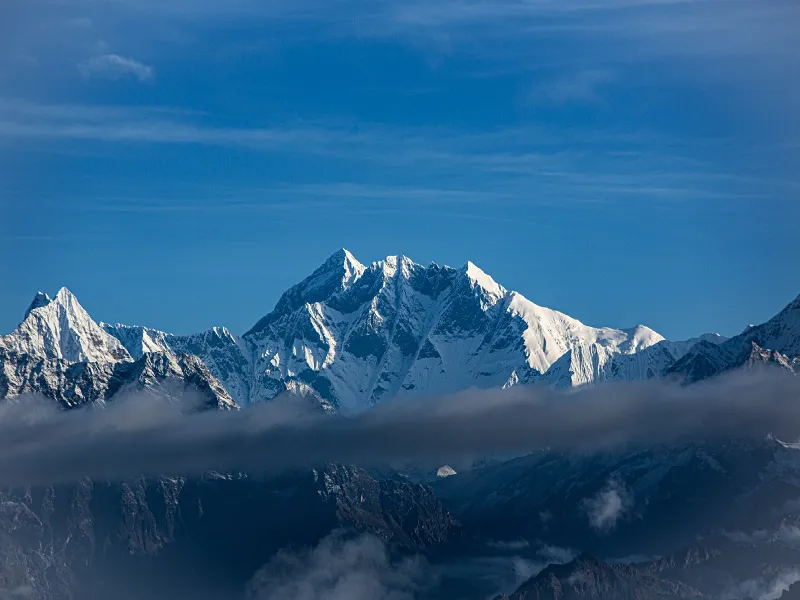
In this part of Nepal, the mountain don’t just reveal themselves before you in a crowded skyline; they make their appearance slowly, layer by layer, as if they’re testing your patience before showing you the view. What makes this place feel so pure and untouched isn’t just the absence of tourists. It’s the fact that the trail is still, in a very real way, a part of the people who live there. There’s this very distinct feeling that this trail wasn’t made for trekkers. Trekkers were simply lucky enough to be granted access to this trail.
Even long after you’ve gone back to your normal life, there’s something about the Mundum Trail that tends to live in your mind in these very small, very quiet ways. Perhaps it’s the memory of a mist rising off a mountain ridge at dawn, or perhaps it’s the very specific way that the wind sounds as it blows through a forest of rhododendron. There’s something that gives you this very distinct feeling that you didn’t just travel a landscape; you were invited, in a very gentle fashion, into another world.
The History Behind the Mundum
The name “Mundum” already existed long before trekkers ever set foot here. The origin of its name is Mundum, which is the oral scripture of the Kiranti people (Rai, limbu, Yakkha, and Sunuwar). It is the knowledge that is passed on through chants and rituals. It teaches us how to live with nature, how to respect our ancestor and how we, nature, and our ancestors are interconnected. On this trail, we do not just recall this scripture; we live it.
If you go back hundreds of years, long before modern Nepal was even a thing, you’d find these same paths being used for everyday survival. These paths were the lifelines of the Kiranti ancestors who moved their herds seasonally or traded from one hidden valley to another. Sacred sites like Silichung Peak or Chakhewa weren’t tourist attractions hundreds of years ago. Rather, they were the focal points of spirituality. Walking these paths, you can’t help but feel like you’re walking into a story that’s still being written. There’s a depth of meaning that goes far beyond a beautiful view or a high altitude.
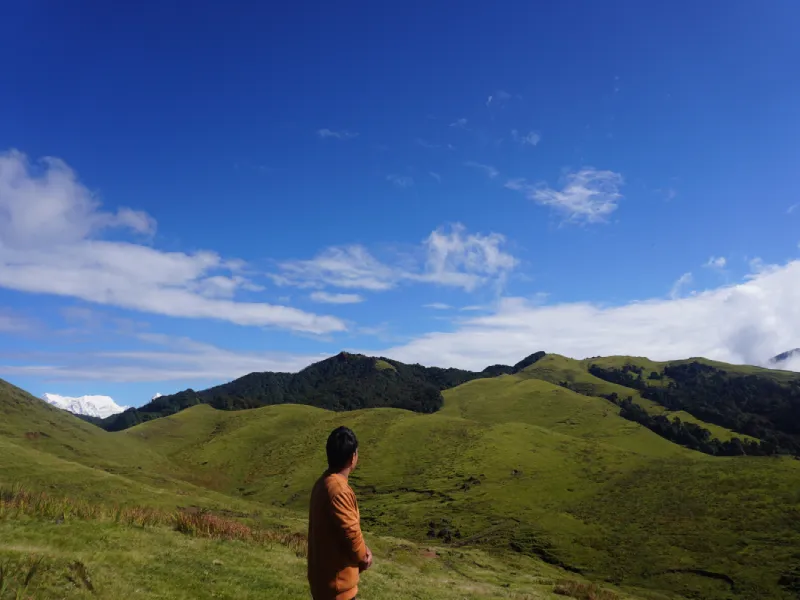
To fully understand, you have to go back to the Kirant Dynasty. These people are the longest ruling dynasty in the history of Nepal, lasting for almost 1,200 years. They’re descended from ancient Himalayan warriors and nature worshippers from the ancient Himalayas who created a powerful kingdom long before Nepal as we know it now. Even as the political focus moved west over the centuries, eastern Nepal remained the absolute center of Kirant culture. Their language and their religion influenced every aspect of how these people relate to the world around them.
So, long before the existence of maps and trekking permits, this trail was about belonging. It is how traditions lived without ever being documented on paper. And while the Mundum Trail Trek doesn’t feel like it was made for us, it feels like it was borrowed. And perhaps that is the reason why it stays with you the way it does, not in a bold or flashy manner, but in a subtle manner. It is like a secret you carry with you, not like a story you tell.
Best Season to Trek the Mundum Trail
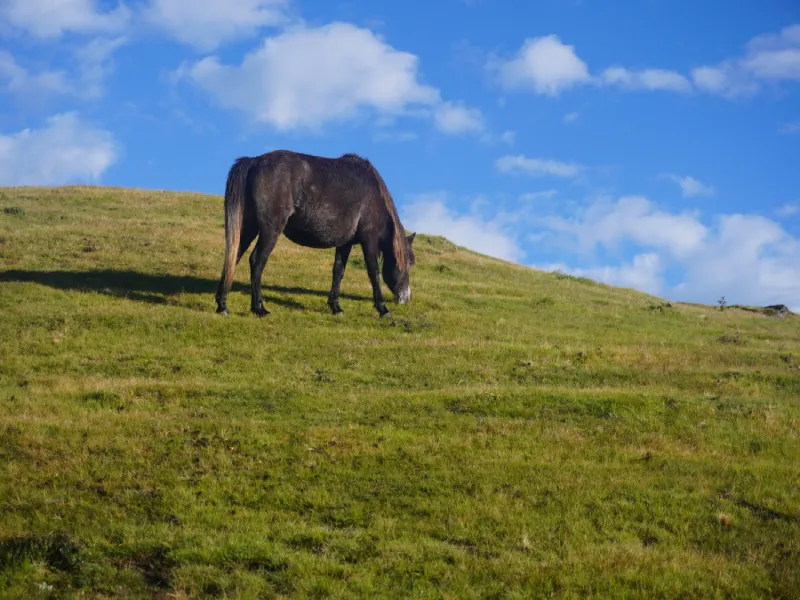
Spring (March to May)
Spring is one of the most beautiful seasons to trek the Mundum Trail. During this time, everything starts to come back to life after a long winter’s nap. Trekkers will find these huge forests of rhododendron in every color of red, pink and white, which is pretty mesmerizing. The air smells fresh and the sky is usually crystal clear which provides a stunning view of the mountains. It’s also when the villages are coming back to life because it’s farming season, so you get to see everything come alive in green and colors.
Autumn (September to November)
Autumn is another favorite season. When the monsoon rains clear out, the sky is crystal clear which means that the mountain views are incredibly clear and the trails are dry and nice. This is also a time for local festivals, and trekkers are more likely to run into a festival or see families gathering for ritual, which is just another whole aspect of this trek.
Monsoon (June to August)
Monsoon is not as popular compared to other season, due to heavy rainfall, plenty of mud and the leeches in the trail. Most trekkers avoid it because the views are mostly hidden by the cloud. But if you happen to be the sort of person who actually prefers to be completely alone, then the scenery has a lovely shade of green.
Winter (December to February)
Winter is the least recommended season. During winter, it gets pretty cold, especially when you are up high. There can be snow, and it can even stop you from crossing the passes. You can get some fantastic clear weather for mountain views, but need to be prepare for the cold and be flexible with your plans.
Highlights of Mundum Trail
- Discover the remote villages of the Kirant community and immerse yourself in living culture.
- Trek along traditional routes that are still in use today for seasonal migrations, trade, and ceremonies.
- Visit holy sites and ceremony grounds, such as Silichung Peak and Hans Pokhari.
- Hike to the top of Silichung Peak for stunning view of Eastern Nepal.
- Experience living Mundum culture.
Mundum Trail - Distance, Duration, and Altitude
| Trekking Route | Distance (Kilometers) | Duration (Hours) | Altitude (Meters) |
|---|---|---|---|
| Diktel to Chakhewa | 11 KM | 5 to 6 hours Trek | 1100 m. |
| Chakhewa to Dhotre Deurali Camp | 10 KM | 5 to 6 hours Trek | 1550 m. |
| Dhotre Deurali to Maiyu Danda via Hans Pokhari | 12 KM | 6 to 7 hours Trek | 1950 m. |
| Maiyu Danda to Rawadhap via Lahure Bina | 11 KM | 5 to 6 hours Trek | 2100 m. |
| Rawadhap to Salpa Base Camp | 9 KM | 5 to 6 hours Trek | 2450 m. |
| Salpa Base Camp to Sotang Bazaar | 13 KM | 5 to 6 hours Trek | 1600 m. |
Itinerary of Mundum Trail
Day 1: Kathmandu to Diktel
The adventure begins with a scenic drive to Diktel from Kathmandu. The drive take you through winding roads, hills and villages. You will be passing through rivers, fields, and rural charm of Nepal. Once you arrive in Diktel, you can rest and get ready to begin the trekking adventure. You will be able to meet your guides and porters and enjoy the peaceful atmosphere of eastern Nepal.

Activity: 8 to 9 hours drive

Max. Altitude: 700m./2,297ft.

Meal: Breakfast, Lunch, Dinner

Accommodation: 3 Star Hotel/Guesthouse
Day 2: Diktel to Chakhewa
The trekking adventure begins with the trek to Chakhewa. Trekkers will trek through the green woods, small streams, and crop fields. During the course of trek, you will be able to see the first glimpse of Kirant culture. The pace of trek is slow and relaxed, allowing you to soak in the beauty of the countryside. Once you arrive in Chakhewa, you will be able to rest in the local teahouse.
Activity: 5 to 6 hours Trek
Max. Altitude: 1100m./3,609ft.
Meal: Breakfast, Lunch, Dinner
Accommodation: Teahouse/Camp
Day 3: Chakhewa to Dhotre Deurali Camp
Today, the trek is a gradual climb that passes through dense rhododendron and pine forests. Occasionally, the tree will thin out and trekkers will get these incredible views of the surrounding mountains. Dhotre Deurali is a peaceful and quiet area which is perfect for spending the night and resting while listening to the sound of forest and watching the sunset.
Activity: 5 to 6 hours Trek
Max. Altitude: 1550m./5,085ft.
Meal: Breakfast, Lunch, Dinner
Accommodation: Teahouse/Camp
Day 4: Dhotre Deurali to Maiyu Danda via Hans Pokhari
Today, you are going to head up towards the ridge, passing by Hans Pokhari on the way. It’s a small, serene pond that’s actually a sacred spot for the locals. The hike is a bit of a climb, but when trekkers get to the top of the Maiyu Danda ridge, it’s all worth it. Trekkers are treated with views of deep valleys and Himalayan peaks in the distance. It’s one of those spots where you want to have your camera out, but also take a minute to just sit back and take it all in.
Activity: 6 to 7 hours Trek
Max. Altitude: 1950m./6,398ft.
Meal: Breakfast, Lunch, Dinner
Accommodation: Teahouse/Camp
Day 5: Maiyu Danda to Rawadhap via Lahure Bina
This section of the trail will give you some of the most authentic views of the villages along the entire trail. You will be trekking through open ridges and forests to reach Rawadhap. This is a great day as you get a glimpse of the locals going on with their lives. You will get a real feel for the fact that the trail is a piece of history.
Activity: 5 to 6 hours Trek
Max. Altitude: 2100m./6,890ft.
Meal: Breakfast, Lunch, Dinner
Accommodation: Teahouse/Camp
Day 6: Rawadhap to Salpa Base Camp
Deep in the Hills as you continue on the trail towards Salpa Base Camp, the views seem even more open and expansive. You get a real feel that you’re deep in the hills as the trail goes through villages and high-altitude forests. The camp is simple and comfortable, just what you need after a day on the trail. This is usually a great night for everyone to get together in the lounge area.
Activity: 5 to 6 hours Trek
Max. Altitude: 2450m./8,038ft.
Meal: Breakfast, Lunch, Dinner
Accommodation: Teahouse/Camp
Day 7: Acclimatization and Hike to Silichung Peak
Today, we take a break day, which allows everyone to get used to the high altitude, but don’t think it’s going to be an easy day. During this day, you will go for a hike to the top of the Silichung Peak. After reaching the top, the view of the eastern Himalayas is absolutely breathtaking, it’s also a very spiritual place for the Kirant people, so you will have the opportunity to visit some of their sacred sites too.
Activity: 4 to 5 hours hike
Max. Altitude: 4153m./13,625ft.
Meal: Breakfast, Lunch, Dinner
Accommodation: Teahouse/Camp
Day 8: Salpa Base Camp to Sotang Bazaar
We start the descent to Sotang Bazaar today, and it’s a bit of a longer walk, but it’s very pretty, going through the terraced hills and across the mountain streams. It’s a bit of a slower pace today, but it’s a great opportunity to take in all the little things, the construction of the stone walls, the prayer flags flapping in the breeze, and the friendly faces of the people who pass by, and Sotang Bazaar itself is a very lively market town, so it’s great to see the local trade in action.
Activity: 5 to 6 hours Trek
Max. Altitude: 1600m./5,249ft.
Meal: Breakfast, Lunch, Dinner
Accommodation: Teahouse
Day 9: Drive back to Kathmandu
The trek ends with the drive back to Kathmandu. This is a long drive through valleys and ridges, offering a final glimpse of the eastern landscape. Most people spend this time just reflecting on all the things they have seen: the quiet forests, the ancient culture, and the kind of peace that only exists on a trail like the Mundum. Upon arrival at Kathmandu, our guide or our representative will wait to transfer you to the hotel to freshen up and rest. In the evening, enjoy a complimentary dinner organized by our company to celebrate your successful completion of the Mundum Trail!
Activity: 8 to 9 hours Drive
Max. Altitude: 1400m./4,593ft.
Meal: Breakfast, Lunch, Dinner
Accommodation: 3 Star Hotel
Includes/Excludes
What is included?
- Permits and Fees: All necessary permits for the Mundum Trail Trek, such as the TIMS (Trekkers’ Information Management System) card and any local trekking permits are included.
- Accommodation: Accommodation during the trek, typically in teahouses or lodges. This usually includes accommodation in Kathmandu before and after the trek in 3 star hotel on BB plan. (twin sharing basis)
- Meals: Most packages will include three meals a day (breakfast, lunch, and dinner) during the trek. also includes two times hot beverage (in breakfast and lunch) and seasonal fruits after dinner.
- Domestic Transport: This include a domestic flight from Kathmandu and Diktel at the beginning and return from Sotang Bazaar to Kathmandu by private vehicle.
- Guide and Porters: Services of an experienced English-speaking trekking guide and porters to carry luggage (one porter for two trekkers). This includes their salary, insurance, equipment, transportation, food, and accommodation.
- First Aid Kit: A basic first aid kit is typically provided.
- Trekking Map: A detailed map of the trekking route is usually included.
- Equipment: Duffle Bag, Sleeping Bag (if necessary)
- Pick up drop-off: Airport pick up and drop-off by private vehicle.
What is not included?
- International Flights: The international flight fares to and from Nepal will not be included.
- Travel Insurance: Travel insurance, which includes emergency rescues, evacuations, and treatments, will not be included, and it will be assumed that you will arrange your own.
- Personal Expenses: Expenses for extra meals, drinks, snacks, charging devices, hot showers, Wi-Fi, laundry, and other personal costs are not included.
- Nepal Visa Fees: Entry visa fees for Nepal are not included.
- Additional Accommodation and Meals: In case you want to extend your stay in Nepal or return early from the trek, the extra accommodation and food expenses will not be included.
- Rescue and Evacuation: Any costs related to emergency evacuation or rescues are not covered.
- Trekking Gear: Personal trekking equipment, such as hiking boots, down jackets, trekking poles, and other gear are not included.
- Tips: Tips for guides and porters are not included and are left to your discretion.
Trip Information
Trek Difficulty
The Mundum Trail Trek is classified as a easy trek. It is a trek that requires a certain level of fitness and ability to trek days after days with long walking hours, but it is not a trek that is meant to test one’s physical endurance. Although the trail does involve the usual Himalayan ridges and valley descents, the slopes are not too steep. As long as trekkers are able to maintain a consistent pace, there is no reason why they should not be able to complete the trail.
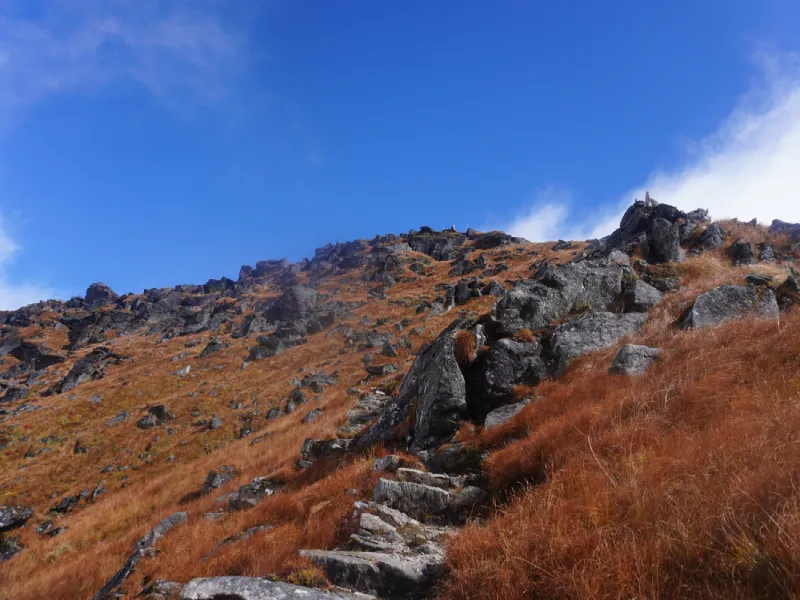
This Mundum trail is best suited for trekkers who are comfortable with the concept of slow travel. It is for people who enjoy walking with curiosity and interest and who are comfortable with stories and place. It is not so much about the distance you cover but how you experience the place.
Cultural Experience
What makes Mundum Trail Trek unique compared to any other trekking experience is not just its scenery, but the fact that the route passes through the heart of Kirant civilization. This is not a trail created for tourism. Its a trail created by beliefs, history, and daily life over hundreds of years. The Kiranti Rai people don’t see this as a backdrop. They see hills, forest, river and mountains all are infused with history, stories and ancestors passed down through generations. When trekkers hike this route, they are not just travelling through scenery, they are travelling through a placed that has a very active meaning to people.
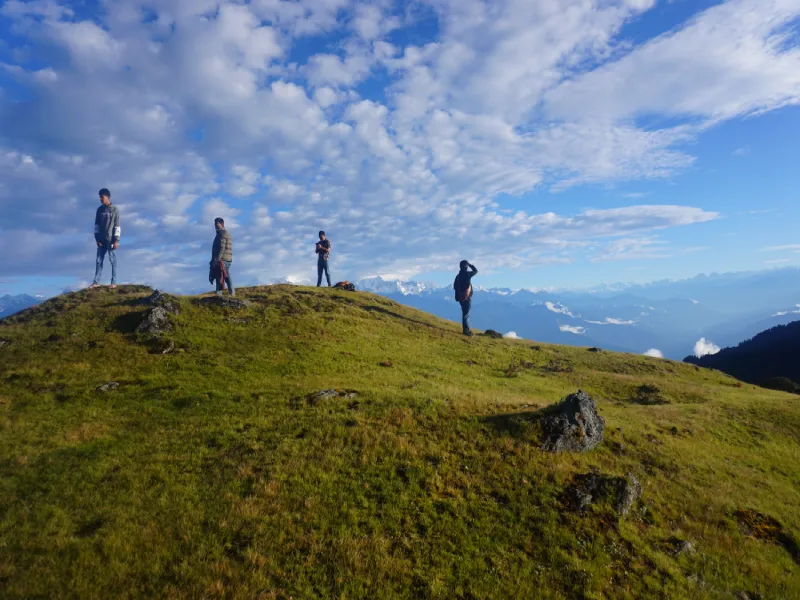
Along the way, trekkers will encounter sacred places and ritual areas that are respected by the local communities. There are hills that are only for seasonal rituals, while some forests are treated with specific kind of care. These practices are not done for show, as they are based on the beliefs of the Mundum, who treat nature as something alive that should be respected.
The best part is that this is a living tradition, not museum culture. These aren’t rituals performed for the people or costumes worn just to pose for a photograph. These ceremonies, whether to celebrate a birth, a harvest, or a milestone in a person’s life, are performed because they matter to these people. The elders still chant, families still gather to keep these traditions going, whether or not a trekker is around to witness it.
Walking the Mundum Trail is like being gently initiated into this way of life. Hikers may not be able to grasp the meaning of every symbol and every chant they come across, and that is perfectly all right. It is not about learning about a culture from a distance; it is about feeling the depth of a culture that is very much alive. This is what makes this journey so special.
Accommodation and Food on the Mundum Trail Trek
Accommodation on the Mundum Trail Trek are simple and comfortable. Most evenings, trekkers sleep in community lodges or simple teahouse with run by local families. There are no luxury just basic room focused entirely on the bare essentials like a bed, a warm blankets, and a window for watching views. Since shared spaces are common practices, you’ll find yourself eating or lounging in the same room as your host family. It’s a great way to feel like you’re a welcomed guest in their home not like just another tourist in a hotel.
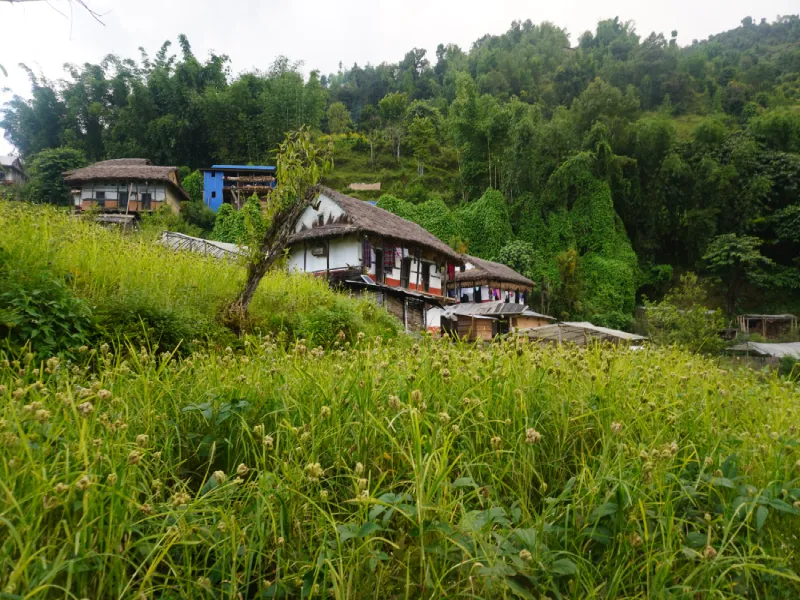
Meals along the trail are just simple as the accommodation. Trekkers can look forward to traditional Nepali food prepared with locally grown rice, millet, fresh, leafy greens and seasonal vegetables. The basic diet on any Himalayan trek, of course, is Dal Bhat (Lentil Soup and Rice), which is actually the best source of energy. Apart from this, the teahouse also provides facilities for noodle, soup, momo, and even pancake or egg breakfasts. It is definitely not luxury food, but it is amazingly comforting and satisfying
But, of course, at the end of the day, this isn’t a trek for those in search of fancy food and five star living. It’s an opportunity to live life to the same beat as the locals, even if it’s only for a week or two. Those simple rooms and meals are what make the Mundum Trail feel so real and authentic.
Permits Required For The Mundum Trail
If you are planning to go on the Mundum Trail Trek, you will be required to carry a few permits with you. The first is the TIMS card, which is basically required for almost all treks in Nepal. It is used to keep track of trekkers and ensure their safety.
Additionally, certain regions of the Mundum Trail fall under the jurisdiction of certain regions of the country. As such, you may also be required to carry a local trekking or conservation permit. This is issued by the district office, depending on the route you are taking. There is nothing to worry about; the process is very simple and is certainly not complicated.
Our agency, Epic Trek Nepal, can obtain all the necessary permits for you prior to the commencement of your trek. This saves you from any hassle of paperwork, queues, or delays. All you have to do is bring a copy of your passport and a few passport photos, and we will do the rest. This way, you can concentrate solely on the trek, villages, and the amazing experiences that the Mundum Trail has to offer.
Guide, Porter and Community Support
One of the most special things about Mundum Trail Trek is the people who make this trek possible. The guides are not only in guiding you along the trail but also know the hills, forests, and villages. More than that they know the culture of Mundum and its rituals which helps trekkers know more about them. They know what is sacred and what is not. So when you trek with them, you are not only trekking but also trekking through culture.
And then there’s the role of the porters and the community supporters. While they’re certainly helpful with the supplies and the heavy luggage, the real reason for using the services of the locals is the positive impact it can have on the community. Supporting the culture by supporting the people is a big part of the Mundum Trail experience.
To be honest, having a good guide and porter team is not just some luxury. It’s what makes the trip safe, personal, and fun. They remove all the stress from the trek so that the focus remains exactly where it should be.
What to pack for Mundum Trail
Backpack
- A good backpack with sturdy straps that can be adjusted
- Duffle bag for extra gear
Cloth
- Short and Long-Sleeve Breathing Shirts
- Fleece jacket/down jacket as mid layer for keeping warm in evenings
- Lightweight windbreaker
- Waterproof and windproof jacket
- Hiking boots that are comfortable
- Thermal inner wear & Socks
- Trekking trousers
Footwear
- Strong trekking boots
- Additional shoes for evening wear at lodges
Accessories
- Trekking poles for stability”
- Layered gloves
- UV protection sunglasses
- Headlight or Flashlight
- Neck gaiter
- Hat
Sun Protection
- High SPF sunscreen
- Lip balm with SPF
Documents and Money
- Copies of passport and ID, permits and travel insurance documents
- Local currency
Emergency Items
- First Aid Kit
- Water purification tablets or filter
- Duct tape for fast repair work on gears
- Plastic bag to manage equipment and collect trash
Cancellation Policy for the Mundum Trail
At Epic Trek Nepal, we understand and acknowledge the fact that things do not always go as planned and can be altered unexpectedly. Therefore, we have presented below a fair and clear cut cancellation policy with regard to your Mundum Trail.
Cancellation Notice
Cancellation requests before 15 days from know in a timely manner so that we can organize everything accordingly.
Administrative Fees
In the event of cancellation, we reserve the right to charge an administrative fee of 25% of the total cost of the trek if the cancellation takes place after we have made the necessary bookings and arrangements for your trip.
Non-Refundable Period
If any cancellation is made within 7 days before the starting date of the trek then the trek will not be refundable. But if the cancellation has a justified reason, then the refund will be initiated after subtracting 70% of the total amount of the trek since the amount has already been submitted and the places are reserved on our behalf.
Documentation Period
In case you have to file a claim with your insurance provider. It’s our pleasure to provide you with the documentation required to help you with your insurance process
Unused Services
We do not offer any refunds if your trek is cancelled due to any personal reason, sickness, or weather conditions for unused services such as accommodation, food, transport, etc.
We are always available to help you if you have any questions or concerns about your trek and would like to get back to us about your situation. We thank you for trusting us and hope to have the pleasure of leading you on the Mundum Trail.
Frequently Asked Questions
This is a quiet cultural trekking experience in eastern Nepal. Unlike Everest or Annapurna trek, it is not a popular trekking route, and you get to see people living with nature, not just a performance for tourist.
This Mundum trekking route takes around 9 to 12 days, depending on how much time you take on walking, resting and visiting villages along the route.
This trekking route begins from Diktel that takes you through Dhotre, Maiyu Danda, Rawadhap, Salpa Base Camp, and ends at Sotang Bazaar, from where you take a vehicle back to Kathmandu.
The highest altitude is around 4,153 meters, reaching the peak of Silichung. From there, you get a wonderful view of far-off Himalayan peaks stretching across eastern Nepal.
It’s a moderate trek. You don’t need any mountaineering skills, just be prepared for long walks, some gentle climbing, and uneven paths.
Spring (March to May) and Autumn (September to November) are considered best time for Mundum Trail Trek.
Yes, a guide is highly recommended for smooth and safe trek. A guide helps with navigation and explain the culture, ritual and history behind every thing.
You will require a TIMS (Trekkers’ Information Management System) card and possibly local trekking permit depending on the route.
Trip Reviews
Need Help? Talk to Expert
+977 9764792172