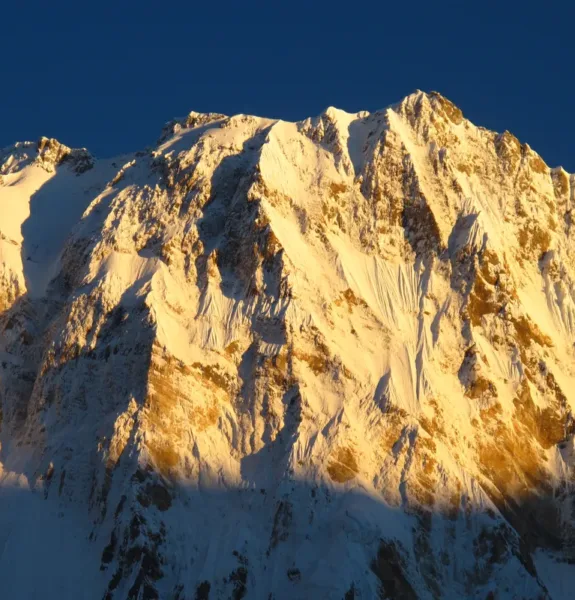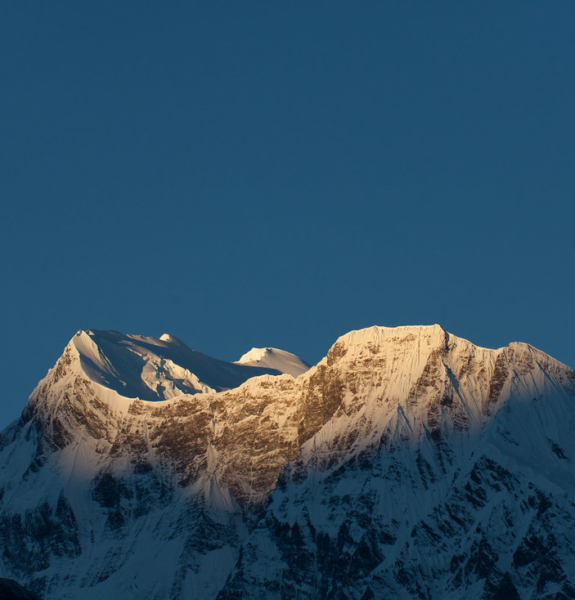

Nar Phu Valley Trek – 12 Day Epic Remote Trek
73 reviews in Tripadvisor

Trip Duration
12 Days
Destination
Nepal
Max. Altitude
5,306 m.
Trip Difficulty
Moderate
Group Size
1-12
Transportation
Tourist Vehicle
Accommodation
Hotel/Teahouse
Activity
Trekking/Hiking
Meals
All inclusive
Start / End
Kathmandu
Region
Annapurna Region
Best Season
Spring, AutumnUS$ 880

Need Help? Talk to Expert
+977 9764792172Trip Overview
Nestled in the remote folds of Nepal’s northern Himalayas, the Nar Phu Valley sits between elevations of 2,600m to 5,306m. Nar Phu Valley Trek offers the escape into the nature and culture untouched by the modern tourism. Located between the most travelled Annapurna and Manaslu region, this is the valley of rich Tibetan traditions, ancient Buddhist monasteries and the rugged wilderness of the Himalayas.
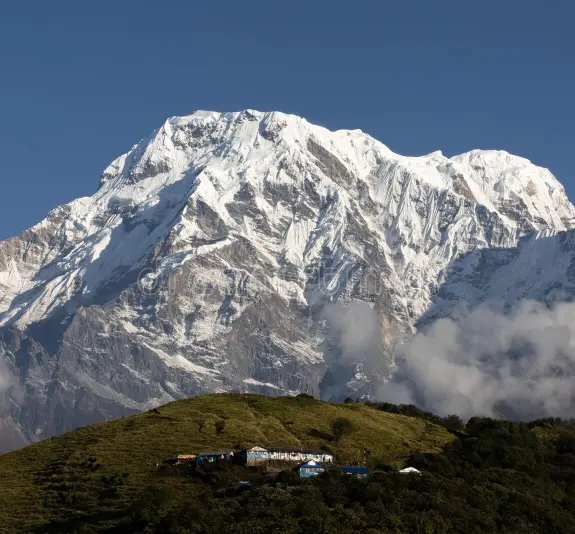
The journey to Nar Phu valley begins from a forested village, surrounding by dense pine woods and the Marsyangdi River named Koto (2,600m) to the more remote Tibetan-influenced territory – Meta (3,560m). And after you will pass the high rock formations, ancient mani walls to reach view of Himlung Himal in Phu Gaon (4,080m) with a gradual climb to Nar (3,550).
Cultural Experience
This Nar Phu Valley Trek is one of the most cultural and unique places in Nepal. You can experience not just beautiful and stunning scenes but also a rich culture and preserved tradition that is mostly influenced by Tibetan Buddhist religion.
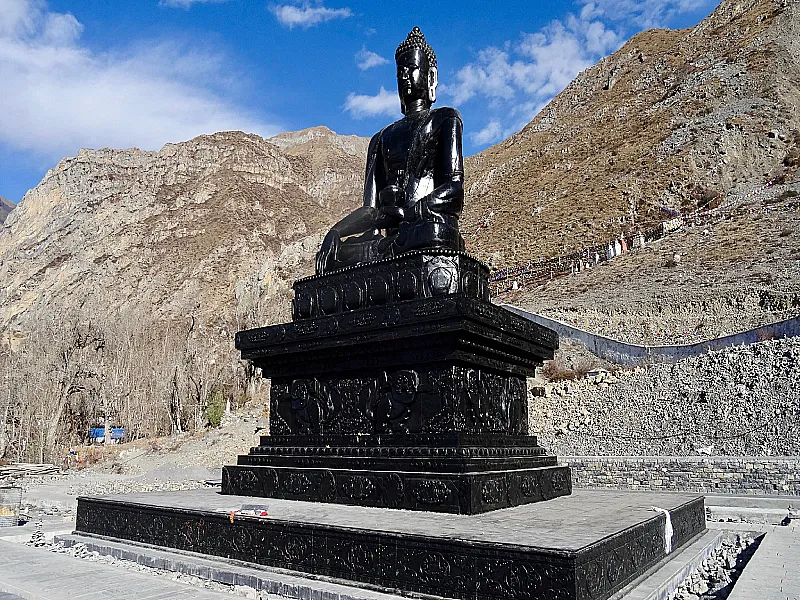
You can see old houses built with stones, prayer walls, and monasteries that are century old. The people of Nar Phu Valley are known for their friendly nature and warm hospitality towards the tourist. People here live by farming, weaving, and herding yak which plays a crucial role in their life.
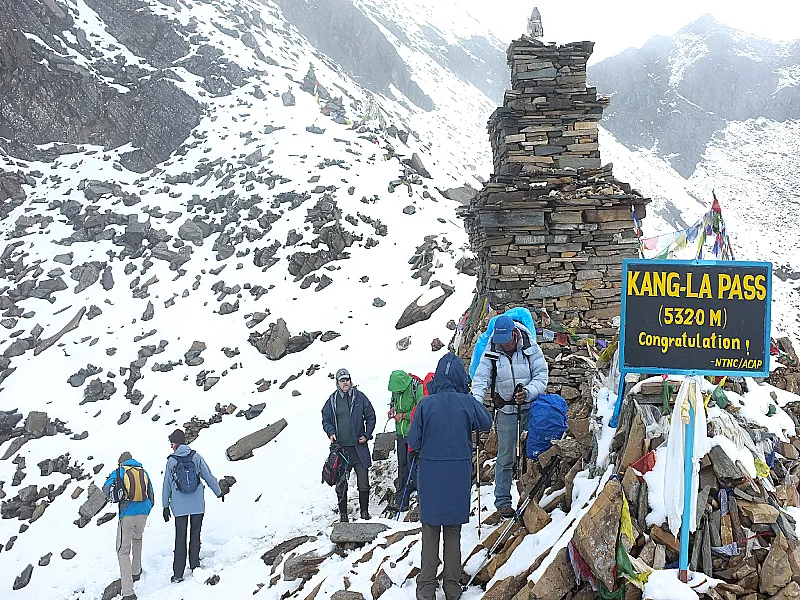
The main highlight and adventerous part of this Nar Phu Valley Trek is crossing the Kang La Pass (5,240), a challenging route where you can witness the panoramic views stretch across Annapurna II, Gangapurna, and Tilicho Peak. Then Nagwal (3,660), a more developed village with lodges and terraced fields to Chame (2,670) at lower altitudes having lush landscapes and warm hospitality.
Trek Difficulty Level
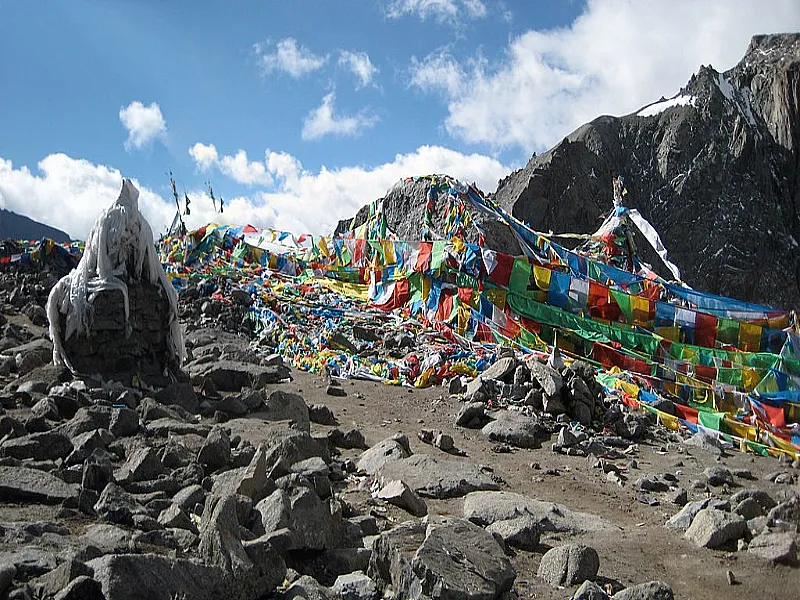
This trek to Nar Phu Valley will be moderately challenging, where you need a steep ascents for long days particularly over Kang La Pass. Due to being situated in high altitude, it demands good physical fitness and proper acclimatization to attempt Nar Phu Valley Trek safely and successfully. Despite these challenges, the Nar Phu Valley trek rewards with awe-inspiring views, an intimate look into Tibetan Buddhist culture, and a rare, off-the-beaten-path trekking experience that fosters deep connection with both the land and its people.
Best season for Nar Phu Valley Trek
Autumn (September to November):
This is the one of the ideal season for trekking Nar Phu Valley. As the temperature ranges from -3°C to 18°C, the daylight temperature is comfortable and cool at night. At that time the skies are clear which offers the excellent visibility of snow-capped mountain and trails remains dry. The fellow trekkers may be find a lot during this time.
Spring (March to May):
This is the recommended season, as you’ll experience the fullest beauty of the nature. The blooming rhododendron flowers filled across the forest, with lush greenery and vivid landscapes all around. The temperature ranges from (-2°C to 20°C), the daylight hours are longer. Early in the season at higher elevation, the snow can still be seen.
Monsoon (June to August):
This is the rainy season. For safety reasons, we do not recommend trekking to Nar Phu valley during this time. The rain may cause an disturbance in the journey, trails may become slippery, and risk of landslides are increases in remote and high altitude terrain. Consider exploring other regions of Nepal in this season that are suited in Monsoon. You can plan for late September, when the weather improves and local festivals take place.
Winter (December to February):
There is cold in Nar Phu Valley at winter time. While the temperature ranges from -10°C to 8°C, you may experience a extreme Himalayan cold and heavy snowfall. This can lead to difficulties, such as snow blocking a high passes lie Kang La (5,320). Due to the off-season, many teahouses may also be closed.
Highlights of Nar Phu Valley Trek – 12 Day Epic Remote Trek
- Off-the-Beaten-Path Adventure – Truly an off-the-beaten-path adventure
- Ancient Tibetan Culture – Preserved Tibetan culture in undisturbed form
- Kang La Pass (5,306m) – Crossing one of the High-altitude pass with panoramic views of Annapurna II (7,937m), Gangapurna (7,455m)
- Ancient Buddhist Monasteries – Traditional Gompas and ancient mani walls
- Remote Himalayan Villages – Raw ancient villages with authentic mountain life
Photo Gallery & Video Gallery
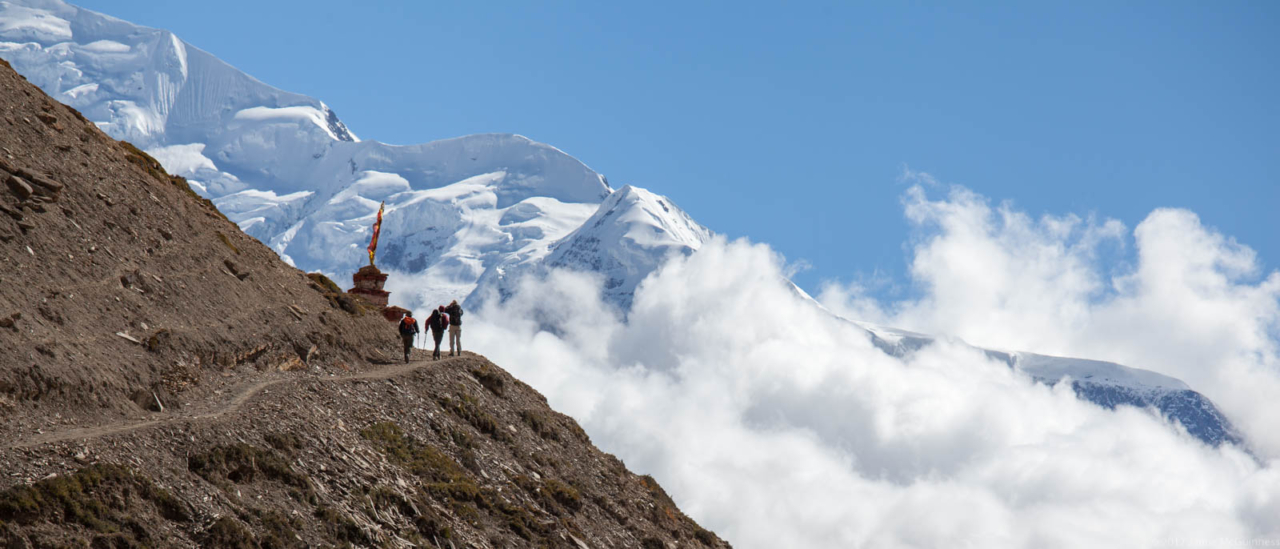
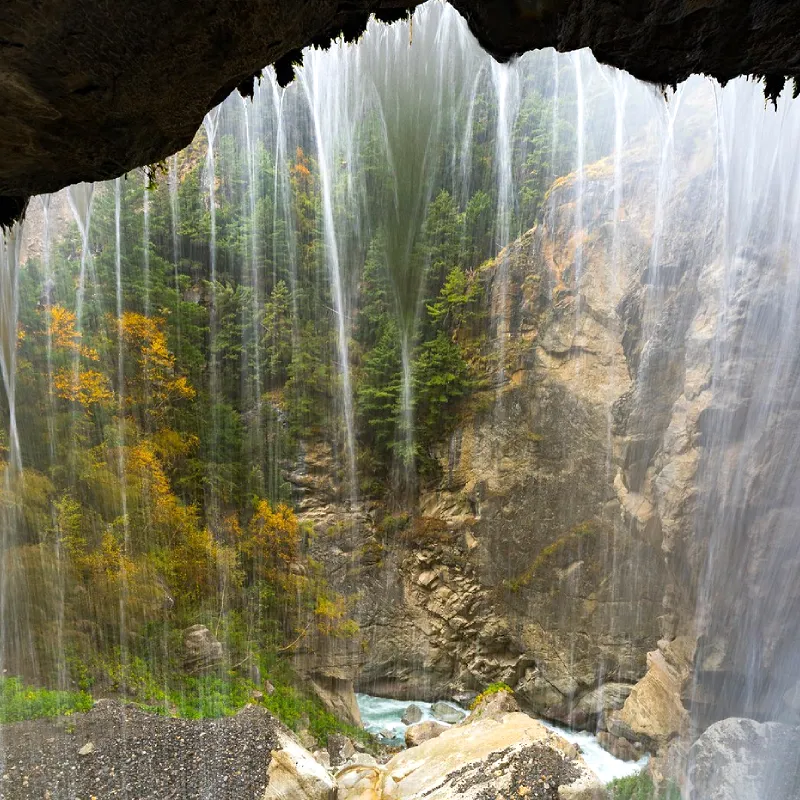
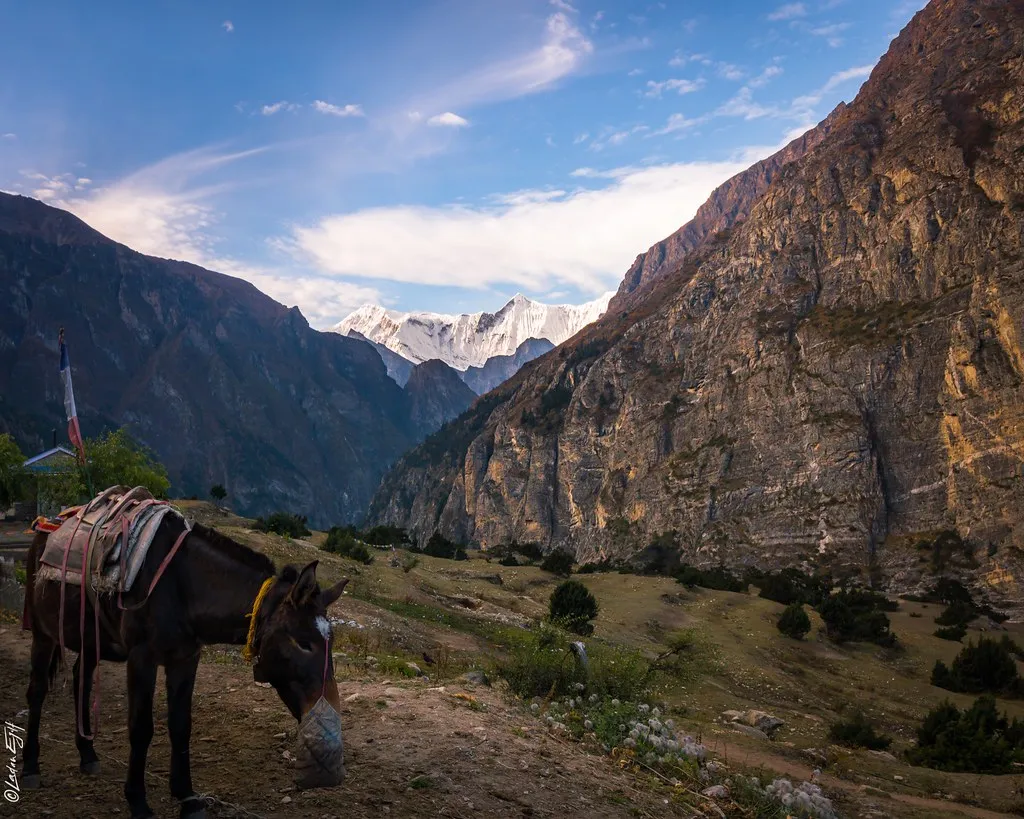
Nar Phu Valley Trek – 12 Day Epic Remote Trek - Distance, Duration, and Altitude
| Trekking Route | Distance (Kilometers) | Duration (Hours) | Altitude (Meters) |
|---|---|---|---|
| Koto to Meta | 14 KM | 6 to 7 hours | 3560 m. |
| Meta to Phu Gaon | 16 KM | 7 hours | 4080 m. |
| Phu Gaon to Nar Phedi | 20 KM | 8 to 9 hours | 4110 m. |
| Nar Phedi to Ngawal via Kang La Pass | 14 KM | 7 to 8 hours | 5320 m. |
| Ngawal to Chame | 22 KM | 8 hours | 2670 m. |
Itinerary of Nar Phu Valley Trek – 12 Day Epic Remote Trek
Day 1: Arrival in Kathmandu
Upon your arrival, our representative will be available to greet you and take you to your designated hotel. Take a rest from your long flight journey and explore local streets in the evening.

Activity: 35 minutes drive

Max. Altitude: 1324m./4,344ft. (Kathmandu)

Accommodation: 3 Star Hotel
Day 2: Kathmandu Sightseeing and Trek Preparation
Morning after breakfast, visit the cultural sites of Kathmandu that are also listed as UNESCO World Heritage sites such as Pashupatinath Temple, Boudhanath, Swayambhunath (Monkey Temple), Kathmandu Durbar Square and other heritage sites. Confirm your permits and gear and do final shopping to be fully prepared. In the evening, meet your guide for trek briefing.
Activity: Sightseeing
Max. Altitude: 1400m./4,593ft. (Kathmandu)

Meal: Breakfast
Accommodation: 3 Star Hotel
Day 3: Drive from Kathmandu to Dharapani
The adventure starts with a fascinating 6-8 hour drive from Kathmandu to Dharapani via Prithvi Highway and Marsyangdi Valley, enjoying all the view along the drive including rivers, terraces, and Himalayan foothills. After reaching Dharapani, it acts as an entrance to the Nar Phu region and you will stay overnight in a teahouse/lodge.
Activity: 8-9 hours drive
Max. Altitude: 2600m./8,530ft. (Dharapani)
Meal: Breakfast, Lunch, Dinner
Accommodation: Teahouse
Day 4: Trek from Dharapani to Koto
Your actual trek starts today. Along the way you will get glimpse of dense forests, traditional villages, and a farmlands area too. After moderate climbing, you will reach your first camp which is at Koto. It’s a picturesque village that offers breathtaking views of Annapurna, as well as Manaslu ranges. Accommodation at a tea house.
Activity: 6 to 7 hours Trek
Max. Altitude: 2650m./8,694ft. (Koto)
Meal: Breakfast, Lunch, Dinner
Accommodation: Tea house
Day 5: Trek Koto to Meta
From Koto, you will be following the Nar Khola – crossing the suspension bridge, you will enter the restricted Nar Phu region. Passing through pine forest, rocky trail and suspension bridge, you will gain a total of 960 meters of altitude when you finally reach Meta. In meta the air becomes cooler and the views are more dramatic.
Activity: 6-7 hours
Max. Altitude: 3560m./11,680ft. (Meta)
Meal: Breakfast, Lunch, Dinner
Accommodation: Teahouse
Day 6: Trek Meta to Phu Gaon
This day the journey to Phu Village, an ancient Tibetan traditional settlement, takes you to the high altitude desert landscape with rocky terrain. On the way, you will capture the ancient carved mani walls and gain a total of 520m of elevation from Meta to reach Phu Gaon.
Activity: 6-7 hours
Max. Altitude: 4080m./13,386ft. (Phu Gaon)
Meal: Breakfast, Lunch, Dinner
Accommodation: Teahouse
Day 7: Rest Day at Phu Gaon
Make your body familiar with the high altitude atmosphere. Take a hike and explore the Phu village, visit the monastery there, walk to the viewpoints for better mountain views and engage in Tibetan culture. Don’t miss capturing photos of ancient architecture.
Max. Altitude: 4080m./13,386ft. (Phu Gaon)
Meal: Breakfast, Lunch, Dinner
Accommodation: Teahouse
Day 8: Trek from Phu Gaon to Nar Phedi
Today’s trail crosses the valley and takes you to the base camp of Kang La Pass. This is a short and early trek giving you enough time to have proper rest and mentally prepare for tomorrow’s challenge. Enjoy the peaceful environment, rest well, stay prepared!
Activity: 4-5 hours
Max. Altitude: 4110m./13,484ft. (Nar Phedi)
Meal: Breakfast, Lunch, Dinner
Accommodation: Teahouse
Day 9: Cross Kang La Pass to Ngawal
The early morning start (4-5 AM) with breakfast. Trail leads to steep ascent to pass with panoramic views of mountains. This will be the most challenging day (8-10 hours of up and down walk) in this whole journey as well as the most rewarding as you get to witness Annapurna II, Gangapurna, Tilicho Peak views. Soak into it! As this pass joins the Annapurna Circuit Trek, you will descend towards it.
Activity: 8-10 hours
Max. Altitude: 3660m./12,008ft. (Ngawal)
Meal: Breakfast, Lunch, Dinner
Accommodation: Teahouse
Day 10: Rest Day at Ngawal
Today you will take a rest at Ngawal – you need that rest after the accomplishment of crossing the pass. Ngawal offer a peaceful environment to relax and you can explore around this traditional village, interact with locals, visit monasteries and get to know about traditional Gurung culture.
Max. Altitude: 3660m./12,008ft. (Ngawal)
Meal: Breakfast, Lunch, Dinner
Accommodation: Teahouse
Day 11: Trek Ngawal to Chame
After breakfast, take an easy walk down through pine forests to the trail that joins the main Annapurna Circuit trail. As you have been back to civilization after the remote area, enjoy the service of hot shower. It is your final day of trek, celebrate it with your team.
Activity: 4-5 hours
Max. Altitude: 2670m./8,760ft. (Chame)
Meal: Breakfast, Lunch, Dinner
Accommodation: Teahouse
Day 12: Drive from Chame to Besisahar
Today you will take a scenic drive down passing by waterfalls, villages, and beautiful landscapes. The trek ends as you come down through a forests and a farmed valley to Besisahar, which is an entry point to Annapurna and marks as the end of your trekking journey. Stay overnight at a teahouse.
Activity: 5 to 6 hours drive
Max. Altitude: 840m./2,756ft. (Besisahar)
Meal: Breakfast, Lunch, Dinner
Accommodation: Tea house
Day 13: Drive from Besisahar to Kathmandu
After the successful trekking to Nar Phu Valley, get back to Kathmandu from Besisahar. Your guide will take you to the hotel where you will stay tonight. Take a rest, enjoy the city life of Nepal, and try flavored street foods. The evening’s local Nepali cuisine dinner will be organized by the company.
Activity: 8 hours
Max. Altitude: 1400m./4,593ft. (Kathmandu)
Meal: Breakfast, Lunch
Accommodation: 3 Star Hotel
Day 14: Departure
The day to return from Nepal. We bid farewell and provide you the trek completion certificate at the scheduled departure time. Our representative will drop you to the airport. Take your flight for homeland with the memories of Nepal at Nar Phu Valley trek.
Meal: Breakfast
This trek requires special permits as it passes through restricted areas. Please consult with authorized trekking agencies for current permit requirements and regulations.
Includes/Excludes
What is included?
- Permits and Fees: All necessary permits for the Annapurna Circuit Trek, including the Annapurna Conservation Area Permit (ACAP) and the TIMS (Trekkers’ Information Management System) card.
- Accommodation: Accommodation during the trek, usually in teahouses or lodges. This typically includes accommodations in Kathmandu and Pokhara before and after the trek in 3 star hotel on BB plan. (twin sharing basis)
- Meals: Most packages will include three meals a day (breakfast, lunch, and dinner) during the trek.also includes two times hot beverage (in breakfast and lunch) and seasonal fruits after dinner.
- Transportation: Ground transportation from Kathmandu to the trailhead (usually Besisahar) and from the end point of the trek back to Kathmandu.
- Guide and Porters: Services of an experienced English-speaking trekking guide and porters to carry luggage. This includes their salary, insurance, equipment, food, and accommodation.
- First Aid Kit: A basic first aid kit.
- Trekking Map: A map of the trekking route.
- Equipment: Duffle Bag, Sleeping Bag (if necessary)
- Pick up drop-off : Airport pick up and drop-off by private vehicle.
What is not included?
- International Flights: International airfare to and from Nepal is not included.
- Travel Insurance: Travel insurance that covers emergency rescue and evacuation is not included, and you’ll be expected to have your own.
- Personal Expenses: Expenses for extra meals, drinks, snacks, charging devices, hot showers, Wi-Fi, and other personal costs are not included.
- Nepal Visa Fees: Entry visa fees for Nepal.
- Additional Accommodation and Meals: If you choose to extend your stay in Nepal, the cost of additional accommodation and meals will not be included.
- Rescue and Evacuation: Any costs related to emergency evacuation or rescues are not covered.
- Trekking Gear: Personal trekking equipment, such as hiking boots, down jackets, trekking poles, and other gear are not included.
- Tips: Tips for guides and porters are not included and are left to your discretion
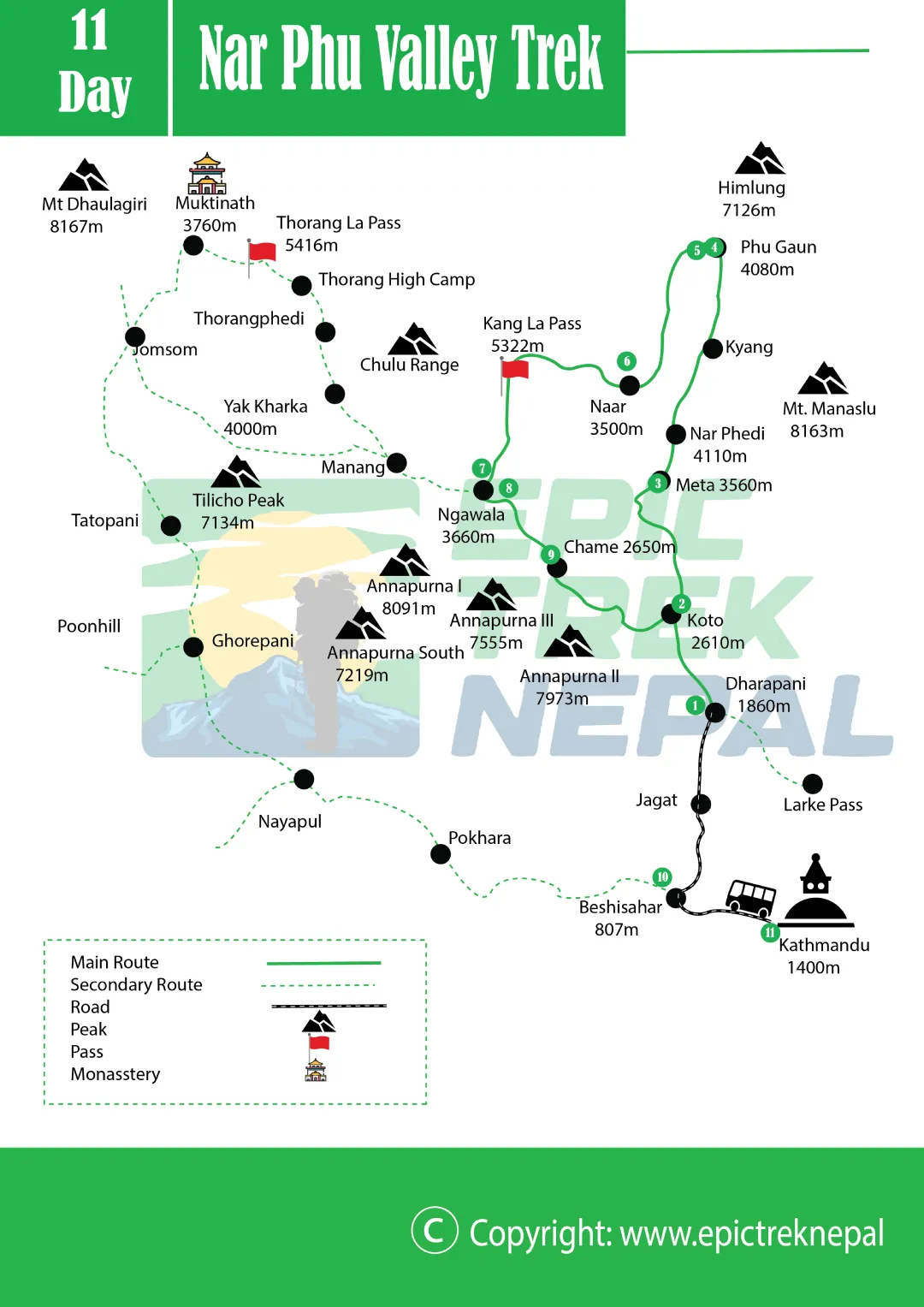
Trip Map of Nar Phu Valley Trek – 12 Day Epic Remote Trek
Trip Information
Required Permits for Narphu Valley Trek:
The route to Nar Phu Valley lies in the Annapurna region of Nepal. Therefore, an Annapurna Conservation Area requires permit for the entrance. Additionally, this is the restricted area which requires special permit. As well every trekker must be registered with the Tourist Service Centre to track their journey for safety reason, which requires a TIMS Card. Most importantly, to explore this area minimum of 2 peoples are required, along with mandatory licensed guides. So, we recommend choose the reputable company in Nepal for hassle-free permit processing.
Here are the details:
1. Nar Phu Special Permit (Restricted Area Permit)
This is a special permit required for entering the restricted Nar Phu region. It cannot be obtained individually and must be arranged through licensed trekking agencies.
Cost: (Varies by season):
September to November: USD 100 per person for first week + USD 15 per day for additional days
December to August: USD 75 per person for first week + USD 15 per day for additional days
2. Annapurna Conservation Area Permit (ACAP)
It’s the entry permit for Annapurna Conservation Area which is issued by Tourist Service Center Kathmandu. It can also be obtained on the trail, but at double the price.
Cost: NPR: 3,000 per person
3. TIMS Card (Trekkers Information Management System)
It is the mandatory card for the trekkers in Nepal. It ensures trekkers are registered and tracked for their safety. It is issued by Nepal Tourism Board.
Cost: NPR 2,000 per person
For the paper work and seamless journey to the Nar Phu, choose Epic Trek Nepal. We take the responsibility and ensure of everything on your trek – whether it’s a paper work and documentation or accommodation and meals. You can track our records, and the guides of ours are excellent at navigating routes. Mostly, we provide the local guides of similar places. Do book your trek for Nar Phu Valley with Epic Trek Nepal and make your trip awesome.
Required Gears for Nar Phu Valley Trek in Nepal:
Backpack and Daypack:
- Durable and comfortable backpack (50-60 liters) for carrying main gear
- Lightweight daypack (20-30 liters) for daily essentials and day hikes
Footwear:
- Sturdy and waterproof hiking boots with ankle support
- Comfortable hiking sandals or light weight shoes for evenings and rest days
Clothing:
- Moisture-wicking base layers (tops and bottoms)
- Insulating mid-layers (fleece or down jackets)
- Lightweight and waterproof outer shell (jacket and pants)
- Quick-drying trekking pants and shorts
- Long-sleeved shirts for sun protection
- Warm hat, gloves, and neck gaiter or scarf
- Sun hat or cap with a brim
- Breathable Undergarments and extra pairs of socks (wool or synthetic)
Sleeping Gear:
- Warm and compact sleeping bag (rated for cold temperatures)
- Lightweight sleeping pad or mattress for insulation and comfort
Trekking Accessories:
- Trekking poles for stability and support
- Headlamp or flashlight with extra batteries
- Sunglasses with UV protection
- Personal first aid kit with essential medications
- Water purification tablets or filter
- Portable solar charger or power bank for electronic devices
- Lightweight and quick-drying towel
- Personal toiletries and hygiene essentials
- Reusable water bottle or hydration system
Navigation and Communication:
- Detailed trekking map or guidebook
- Compass or GPS device (optional but recommended)
- Fully charged mobile phone with local SIM card for emergencies
Miscellaneous Items:
- Lightweight and packable rain cover or poncho
- Ziplock bags or dry sacks for organizing gear and keeping items dry
- Multi-tool or pocketknife
- High-energy trekking snacks and energy bars
- Cash in Nepalese currency for purchases and tips
Additional Essentials:
- Altitude Sickness Medication (e.g., Diamox – consult a doctor before use)
- Whistle (for emergency signaling)
- Notebook and pen (for journaling or notes)
- Basic repair kit (duct tape, needle & thread, safety pins)
- Extra passport-sized photos and copies of documents (for permits or checkpoints)
- Trash bag (Leave No Trace: pack out all waste)
Pack light but smart. As a remote area, conditions in Nar Phu can be rugged and remote, so it is best to take sufficient items without our over-loading. Hire a porter to carry your large bag, which will also enhance your trekking experience and contribute to a memorable adventure in this stunning Himalayan region.
Health and Safety
- Safety is first and foremost on the Nar Phu Valley Trek. Acclimatization plays a crucial role in preventing altitude sickness. Ascend slowly and allow your body to adapt.
- Hydration is equally important. Drink plenty of water throughout the trek, aiming for at least three liters daily. Dehydration can sneak up on you, especially at higher altitudes.
- Pack appropriate gear to protect yourself from unpredictable weather conditions. Layering works best; it allows you to adjust clothing based on temperature changes during the day.
- Know your limits and listen to your body. If you’re feeling unwell or exhausted, take rest days or turn back if necessary.
- Keep emergency contacts accessible and inform friends or family about your itinerary before beginning on this adventure. It is always wise to plan for unforeseen circumstances while trekking through stunning landscapes.
Preparation
- Make sure you are properly insured and take your insurance details with you, including emergency numbers. Share your insurance copy with your travel company.
- While buying a travel insurance for Nepal, you must be sure about the insurance policy that covers the mountainous regions, rescue costs and evacuation, and other activities depending on your preferences.
- Carry a whistle with you (if you get lost, it is easier to get attention with a whistle).
- Additionally, seeking guidance from local guides and understanding the risks involved are also important for a safe and enjoyable trek.
With the right mindset and expert’s guidance, the Nar Phu Valley Trek can be adventurous. Respect the mountains, walk mindfully, and enjoy every step of the journey.
This trek requires special permits as it passes through restricted areas. Please consult with authorized trekking agencies for current permit requirements and regulations.
Frequently Asked Questions
Epic Trek Nepal pricing:
- 2-4 person: $925 per person
- 5-6 person: 880 per person
- Group over 7: $800 per person
Includes all permits, accommodation, meals, guide, porter, and ground transportation (no flights required).
We offer a 12 day itinerary designed for gradual acclimatization, cultural immersion in Nar and Phu villages, and buffer days for weather conditions.
We recommend trekking during Autumn (September to November) and Spring (March to May) when the weather is stable, and mountain views are at their best.
This trek is moderate to challenging due to high altitude, rugged trails, and remote location. We advise trekkers to have good physical fitness and rely on our expert guides for safe navigation.
The trek begins from Besisahar or Chame. We arrange transportation to trailheads like Dharapani or Koto, then guide you through the remote valleys of Nar and Phu.
Epic Trek Nepal handles all necessary permits including:
Restricted Area Permit (RAP) for Nar Phu – NPR 5,000 (~USD 45)
Annapurna Conservation Area Permit (ACAP) – NPR 3,000 (~USD 25)
TIMS Card – NPR 2,000 (~USD 15–20)
You’ll stay in basic teahouses and lodges with simple rooms, shared bathrooms, and warm meals. Facilities are rustic, reflecting the remote and untouched nature of the valley.
Safety is our priority. We provide experienced local guides familiar with the terrain and weather, ensuring your trek is secure and enjoyable.
Pack warm clothing, sturdy hiking boots, trekking poles, sleeping bag, sun protection, and basic first aid. Our team will provide a detailed packing list tailored to the season.
Yes, altitude sickness can affect trekkers due to high passes and elevations above 4,000 meters. Our itinerary includes gradual acclimatization and we monitor your health closely.
Trip Reviews
US$ 880
Need Help? Talk to Expert
+977 9764792172