
Phaplu to EBC Trek
73 reviews in Tripadvisor

Trip Duration
15 Days
Destination
Nepal
Max. Altitude
5,364 m.
Trip Difficulty
Moderate
Group Size
1-12
Transportation
Private Vehicle
Accommodation
Hotel/Lodge
Activity
Trekking
Meals
All Inclusive
Start / End
Kathmandu
Region
Everest
Best Season
Spring & AutumnUS$ 1340

Need Help? Talk to Expert
+977 9764792172Trip Overview
Phaplu to EBC Trek is not what people usually think it is. It is an more meaningful way to get to EBC. The walk to Everest Base Camp is just as important as being at EBC. To get to Everest Base Camp this way, you do not fly to Lukla like most people do. Instead, you take a drive from Kathmandu to Phaplu, and then you start walking to Everest Base Camp, one step at a time into the Himalayas. Right from day one, the trail just feels calmer, way greener, and more connected to the mountain life.
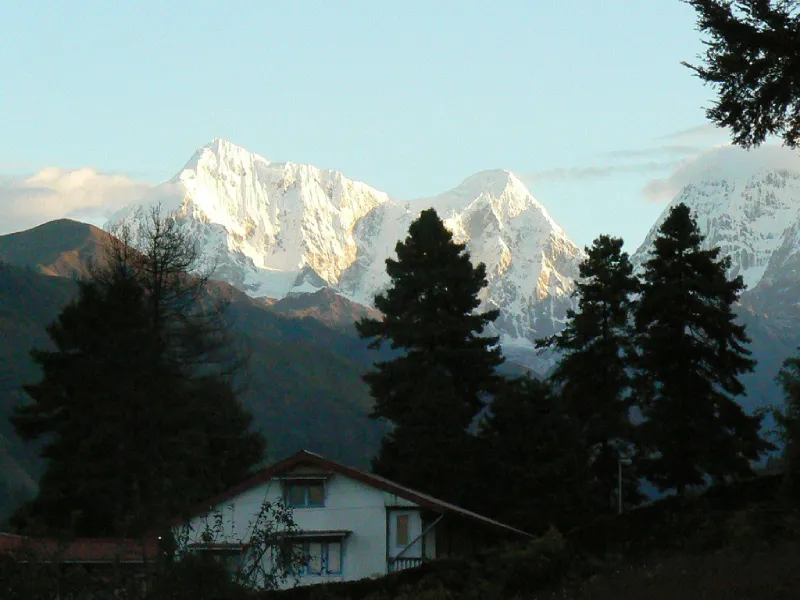
This path is really for trekkers who want more than just a quick selfie at Everest Base Camp. It’s about getting a sense for the land, sharing stories and a laugh with locals, sipping tea in a simple lodge, and watching the hills slowly turn into those massive, snow-capped peaks. When you finally reach Everest Base Camp this way, it feels like you’ve truly earned it. It just feels more natural and rewarding, not forced or rushed.
Why Choose Phaplu to EBC Trek (Not Lukla)
If I had to choose between the Lukla and Phaplu routes, I would definitely choose the Phaplu route. The Phaplu route feels more authentic and relaxed to me. There is no worry about the weather cancelling my plans. You do not have to rush to the airport in the morning and do not have to wait for days to get a flight. You will just start with a beautiful drive first, and then you just stroll. Your journey will feel much more stable and under control from the first day.
The ease with which the altitude approaches you is another significant benefit. You climb gradually, allowing your body to adjust to high altitude, avoiding high altitude climb in a single day. On this route, many hikers report feeling better, with fewer headaches and less fatigue in the early going. Rather than the other way around, you become stronger as the trail gets higher.
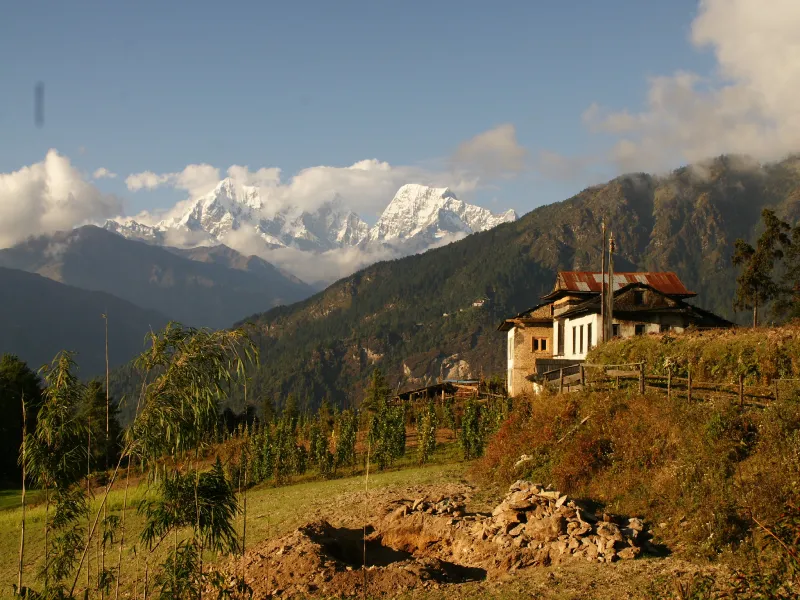
The magic is really in the villages you go to. You will pass local homes, schoolyards, farms, and grazing animals where life goes at its own speed. People greet you, smile, and occasionally ask you in for tea. When you fly directly to Lukla, these little moments don’t actually occur.
The trail is really quiet at first. You will not see many people hiking. It is very quiet. You will hear a lot of birds. You will have a lot of time to walk slowly and enjoy the peacefulness of the trail away from the crowds. You will already feel a connection to the mountains by the time you join on the main Everest route, and to be honest, you will be little proud of your journey there.
Best Season for Phaplu to EBC Trek
Spring (March to May)
Spring is the beautiful season to walk from Phaplu. The early days of the walk are very beautiful since the lower hills are covered with lush green forest and vibrant rhododendron flowers. The weather is mostly clear offering the stunning view of mountains as you gradually ascend. After you join the main Everest path, the trail may get a little crowded due to spring begin the popular trekking season, but the atmosphere is very energetic and positive.
Autumn (September to November)
Autumn is also considered as one of the best season for this trek. After the monsoon rain the skies are mostly clear and the mountain view are sharp and wide. Walking days are comfortable and predictable because the weather is often stable and mild. Although it’s a busy season, there are some peaceful days before you get to the popular areas if you start at Phaplu.
Winter (June to August) and Monsoon (December to February)
These seasons are doable, but they do require more planning and time. In winter, the cold temperature and snow, especially at higher altitudes, makes it difficult to climb and in monsoon, the rain makes it difficult to get a clear view of the mountains which makes the trek less enjoyable. Both these seasons can still provide a really special experience if you are prepared and don’t mind weather difficulties.
Highlights of Phaplu to EBC Trek
- Base Camp of World’s Highest Peak, Mount Everest.
- Trek through Rai, Tamang, and Sherpa villages. Meet friendly locals and visit monasteries.
- Kala Patthar Sunrise Viewpoint (5,545m).
- The largest Buddhist gompa in the Everest valley – Tengboche Monastery
- Namche Bazaar – Trekkers Mecca.
- Experience the authentic sherpa culture and Himalayan Hospitality.
Phaplu to EBC Trek - Distance, Duration, and Altitude
| Trekking Route | Distance (Kilometers) | Duration (Hours) | Altitude (Meters) |
|---|---|---|---|
| Drive from Kathmandu to Phaplu | KM | 9 hours drive | 2413 m. |
| Trek from Phaplu to Nunthala | 19 KM | 6 to 7 hours Trek | 2345 m. |
| Trek from Nunthala to Paiya | 15 KM | 5 to 6 hours Trek | 2730 m. |
| Trek from Paiya to Phakding | 14 KM | 5 to 6 hours Trek | 2610 m. |
| Trek Phakding to Namche | 11 KM | 5 to 6 hours Trek | 3440 m. |
| Trek from Namche to Tengboche | 10 KM | 5 to 6 hours Trek | 3870 m. |
| Trek from Tengboche to Dingboche | 11 KM | 5 to 6 hours Trek | 4360 m. |
| Trek from Dingboche to Lobuche | 12 KM | 5 to 6 hours Trek | 4940 m. |
| Trek from Lobuche to Everest Base Camp to Gorak Shep | 15 KM | 7 to 8 hours Trek | 5364 m. |
| Kala Patthar to Pheriche | 13 KM | 7 to 8 hours Trek | 4240 m. |
| Trek from Periche to Namche Bazaar | 20 KM | 6 to 7 hours Trek | 3440 m. |
| Trek from Namche Bazaar to Lukla | 18 KM | 6 to 7 hours Trek | 2860 m. |
| Fly from Lukla to Kathmandu | KM | 40 min Flight | 1400 m. |
Itinerary of Phaplu to EBC Trek
Day 1: Drive from Kathmandu to Phaplu
You will start your adventure with a scenic drive from Kathmandu to Phaplu. The drive takes you through terraced crops, wide valleys and small villages where people do their usual daily life. You will cross suspension bridges, rivers and hills roads to get your first flavor of rural Nepal. By the time you arrive at Phaplu, the mountains begin to appear and the peaceful village set the perfect tone for your trek ahead.

Activity: 9 hours drive

Max. Altitude: 2413m./7,917ft. (Phaplu)

Meal: Breakfast, Lunch, Dinner

Accommodation: Tea house
Day 2: Trek from Phaplu to Nunthala
The trek starts easy through forests and farmland and little villages. You will walk on trails with stone walls and small streams. This is what mountain life is, like. The hills get bigger slowly and you can see snow on the tops of the mountains from far away. It is a long day of walking but the air is nice and clean and everything is green and you get to see little villages which make it truly scenic and enjoyable.
Activity: 6 to 7 hours Trek
Max. Altitude: 2345m./7,694ft. (Nunthala)
Meal: Breakfast, Lunch, Dinner
Accommodation: Tea house
Day 3: Trek from Nunthala to Paiya
This day’s trekking will provide you with more serene villages and the trail through the forests. Lesser tourists mark this trail, so you can observe the local lifestyle, farm, and the famous prayer flags as well. Paiya, which is a peaceful village perfect for overnight stay. Basic accommodations are provided to make it a suitable place to stay the night.
Activity: 5 to 6 hours Trek
Max. Altitude: 2730m./8,957ft. (Paiya)
Meal: Breakfast, Lunch, Dinner
Accommodation: Tea house
Day 4: Trek from Paiya to Phakding
Today, you will trek about 11 km within 5-6 hours with a gentle climb of 80 meters, entering gradually into the Everest region. Along this trail, you are led by the Dudh Koshi River, and suspension bridges and pine forests add to its breathtaking scenery. Along the way, tea houses begin to appear regularly, and you are treated with a warm meal and hospitality at these stops. Phakding is a lovely place that gives you a little glimpse into a bustling life that you will see in higher villages.
Activity: 5 to 6 hours Trek
Max. Altitude: 2610m./8,563ft. (Phakding)
Meal: Breakfast, Lunch, Dinner
Accommodation: Tea house
Day 5: Trek Phakding to Namche
Namche bazaar is known as the gateway to the Everest region. The walk to get there is hard but with each step it gives better view of the surrounding peaks. In Namche Bazaar, you have a lot of things to do. There are tea houses where you can try local foods or shop where you can buy things. It is a place to learn about Sherpa people and you will feel very proud that you walked to get there. In the evening, you will rest at a local tea houses to start your real adventure.
Activity: 5 to 6 hours Trek
Max. Altitude: 3440m./11,286ft. (Namche Bazaar)
Meal: Breakfast, Lunch, Dinner
Accommodation: Tea house
Day 6: Rest day in Namche
Today is a rest day to relax and acclimatize your body. It allow your body to adjust to high altitude. During this day, you can explore the bustling Namche bazaar, visit local monasteries, or take short walks to viewpoints for your first clear sight of Everest, Ama Dablam, and other Himalayan giants. The day also gives you a chance to chat with locals and feel the heart of Sherpa life.
Activity: Rest and Explore
Max. Altitude: 3440m./11,286ft.
Meal: Breakfast, Lunch, Dinner
Accommodation: Tea house
Day 7: Trek from Namche to Tengboche
You will walk through dense forests that are full of pine trees. Then you will climb up to Tengboche monastery. When you reach there you get to see amazing views of Everest, Lhotse and Ama Dablam. You can hear the monks chanting, smell the incense and feel the peaceful energy flowing in the atmosphere. This is a special moment that can help you think deeply about everything. The Tengboche is a place to stop and think about your life.
Activity: 5 to 6 hours Trek
Max. Altitude: 3870m./12,697ft. (Tengboche)
Meal: Breakfast, Lunch, Dinner
Accommodation: Tea House
Day 8: Trek from Tengboche to Dingboche
The trail goes up through valleys past people who take care of yaks and small villages where the Sherpa people live. Dingboche is in a valley with really big mountains all around it and it has a calm feeling that is really nice. When the sun starts to set in the afternoon the light on the mountains is really beautiful. This makes Dingboche feel like a great place to get away from everything, in the Himalayas. The Himalayas are a special place and the trail and Dingboche are a big part of what makes the Himalayas so nice.
Activity: 5 to 6 hours Trek
Max. Altitude: 4360m./14,304ft. (Dingboche)
Meal: Breakfast, Lunch, Dinner
Accommodation: Tea House
Day 9: Acclimatization Walk and Short Hike to Nangkharstang Hill
This day is for acclimatization at Dingboche for your body to adjust to incresing altitude. Take a short hike to Nangkharstang Peak for stunning views of Mt. Everest, Lhotse, Ama Dablam, and Pumori. Even a short walk at this elevation is demanding but rewarding, giving you a feeling of the mountains’ beauty and magnitude while preparing you for the more difficult days ahead. After enjoying the view, return to the tea house for overnight stay.
Activity: Rest and Explore
Max. Altitude: 4360m./14,304ft.
Meal: Breakfast, Lunch, Dinner
Accommodation: Tea House
Day 10: Trek from Dingboche to Lobuche
acAs the trail ascends the trek to Lobuche become more rocky and difficult. You’ll see mountain memorials along the way and feel the thin air getting colder. The views are amazing but the landscape gets rougher. Every step serves as a reminder of your progress and your closeness to the highest mountains in the world. Stay overnight at Lobuche for a warm meal and a night to spend.
Activity: 5 to 6 hours Trek
Max. Altitude: 4940m./16,207ft. ( Lobuche)
Meal: Breakfast, Lunch, Dinner
Accommodation: Tea House
Day 11: Trek from Lobuche to Everest Base Camp to Gorak Shep
Finally, this is the day, you will reach the Base Camp of World’s Highest Peak, Mount Everest! To get to Everest Base Camp you have to reach Gorak Shep and then keep going. When you are standing at the foot of Everest Base Camp it is a weird feeling. The big mountains, glaciers and ice around Everest Base Camp are amazing. Everest Base Camp is so beautiful that you will not be able to say anything. This is what you have been walking for. You will remember this moment at Everest Base Camp for the rest of your life.
Activity: 7 to 8 hours Trek
Max. Altitude: 5364m./17,598ft.
Meal: Breakfast, Lunch, Dinner
Accommodation: Tea House
Day 12: Hike to Kala Patthar and Trek back to Pheriche
Wake up early in the morning to climb to Kala Patthar. This is the viewpoint where you can see the sunrise over Everest. The views of the Himalayas from here are really amazing. Climbing to Kala Patthar is an tough day. When you think about what you have done you will feel very happy and amazed, by the Himalayas and Everest. After that, trek back to Pheriche, a distance of 15km, taking 7-8 hours, descending 1,305m along the way to get some rest.
Activity: 7 to 8 hours Trek
Max. Altitude: 4240m./13,911ft. (Pheriche)
Meal: Breakfast, Lunch, Dinner
Accommodation: Tea House
Day 13: Trek from Periche to Namche Bazaar
You will begin your descending journey from Pheriche to Namche Bazaar which is about 20 km in 6-7 hrs. This track passes through the villages of Dingboche, Tengboche, and the forested slopes. Getting back to Namche Bazaar feels like being back in civilization after the adventure in the high altitude areas. You can enjoy the rest of the time exploring lively market, shopping an interacting with locals. In the evening, you will stay overnight at Namche.
Activity: 6 to 7 hours Trek
Max. Altitude: 3440m./11,286ft. ( Namche Bazaar)
Meal: Breakfast, Lunch, Dinner
Accommodation: Tea House
Day 14: Trek from Namche Bazaar to Lukla
The last walk is really long. It takes you down through forests and streams and little villages to Lukla. This is a day when you feel happy and think about what you did. You can tell stories, laugh with the other people who walked with you. You will feel good because you finished a trek that made you feel strong and excited. The final long walk to Lukla is something to remember.
Activity: 6 to 7 hours Trek
Max. Altitude: 2860m./9,383ft. ( Lukla)
Meal: Breakfast, Lunch, Dinner
Accommodation: Tea House
Day 15: Fly from Lukla to Kathmandu
Take a scenic flight back to Kathmandu, watching the snow-capped Himalayas from above one last time. The trek may be over, but the memories of mountains, villages, and incredible experiences will stay with you forever. Upon arrival at Kathmandu either your guide or our representative at the airport will waiting you to transfer you to your hotel for freshen up and get rest. In the evening, enjoy a complimentary local dinner hosted by our company to celebrate your successful completion of Everest Base Camp trek via Phaplu !
Activity: 40 min Flight
Max. Altitude: 1400m./4,593ft. ( Kathmandu)
Meal: Breakfast, Dinner
Accommodation: Tea House
Includes/Excludes
What is included?
- Permits and Fees: All necessary permits for the Ama Dablam Base Camp Trek, such as the Sagarmatha National Park Permit and the Khumbu Pasang Lhamu Rural Municipality Areas are included.
- Accommodation: Accommodation during the trek, typically in teahouses or lodges. This usually includes accommodation in Kathmandu before and after the trek in 3 star hotel on BB plan. (twin sharing basis)
- Meals: Most packages will include three meals a day (breakfast, lunch, and dinner) during the trek. also includes two times hot beverage (in breakfast and lunch) and seasonal fruits after dinner.
- Domestic Flights: This include a domestic flight from Kathmandu and Lukla at the end of the trek.
- Guide and Porters: Services of an experienced English-speaking trekking guide and porters to carry luggage(one porter for two trekkers). This includes their salary, insurance, equipment, transportation, food, and accommodation.
- First Aid Kit: A basic first aid kit is typically provided.
- Trekking Map: A detailed map of the trekking route is usually included.
- Equipment: Duffle Bag, Sleeping Bag (if necessary)
- Pick up drop-off: Airport pick up and drop-off by private vehicle.
What is not included?
- International Flights: International airfare to and from Nepal is not included.
- Travel Insurance: Travel insurance that covers emergency rescue, evacuation, and medical treatment is not included, and you’ll be expected to have your own.
- Personal Expenses: Expenses for extra meals, drinks, snacks, charging devices, hot showers, Wi-Fi, laundry, and other personal costs are not included.
- Nepal Visa Fees: Entry visa fees for Nepal are not included.
- Additional Accommodation and Meals: If you choose to extend your stay in Nepal, or if you return from the trek earlier than scheduled, the cost of additional accommodation and meals will not be included.
- Rescue and Evacuation: Any costs related to emergency evacuation or rescues are not covered.
- Trekking Gear: Personal trekking equipment, such as hiking boots, down jackets, trekking poles, and other gear are not included.
- Tips: Tips for guides and porters are not included and are left to your discretion.
Trip Map of Phaplu to EBC Trek
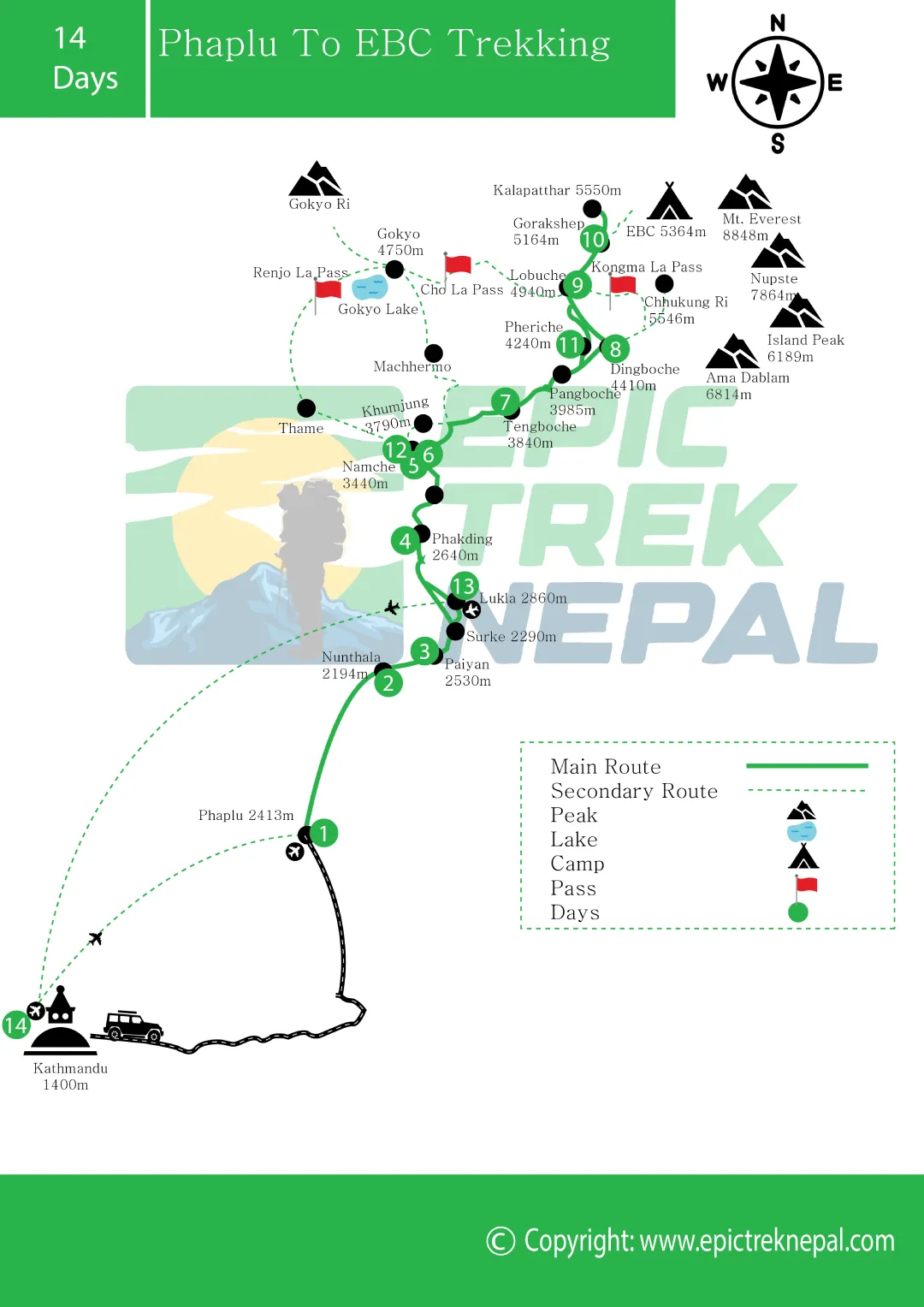
Trip Information
Trek Difficulty Level
It’s not an easy walk, but it also doesn’t need extreme strength or athleticism. The days can be lengthy, often requiring six to seven hours of walking, particularly in the lower part from Phaplu where there is a lot of up and down walking. You will pass through villages, forests, and ridges. Yes, there are a lot of stone steps that seem to go on forever but it will all be worth it with the experience you can get on this trek.
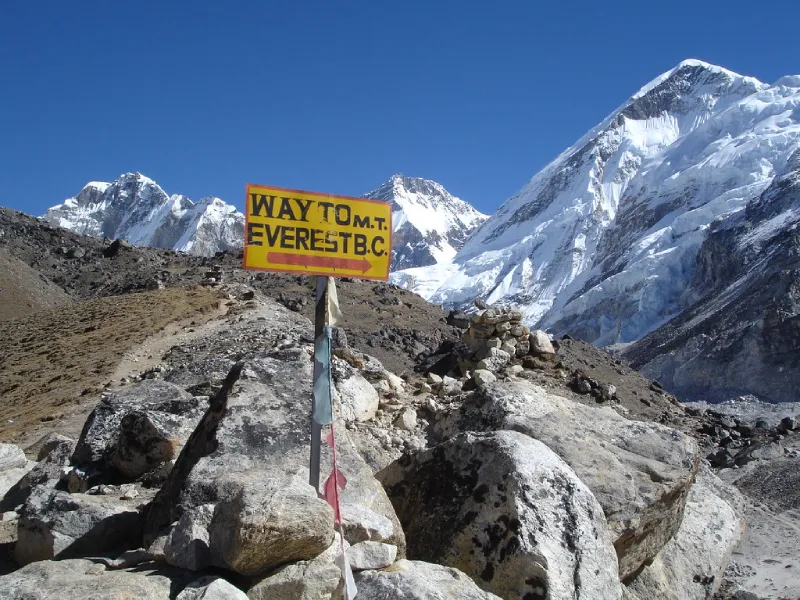
Before the sun comes up, it can get really cold in the mountains. Some days you will feel tired. Your fingers will feel numb. After you get moving you will start to feel better. The good thing about mountain mornings is that you do not need to know how to climb with equipment. You do not need ropes or special skills for ice. Mountain mornings are about walking one step at a time it is just walking.
Your attitude is really important when you are doing something like this. It is better to walk at a pace and not hurry. You will have good days and bad days and that is okay. This walk is something that most people can do. It feels very good if you can stay happy, listen to your body and like the things you see along the way instead of just thinking about how many kilometers you have walked. Your attitude and how you feel about the walk are what matter most, so try to enjoy the journey and not just focus on the kilometers.
Cultural Experience and Local Life
One of the best parts of trekking to EBC trek via Phaplu is how you can create a deep connection with local life and local peoples. You will trek through Rai villages in the early days, where you can see daily activities like farming, animal herding, and other work. Later, you will see Sherpa culture becoming more visible with stone houses, prayer flags, mani walls and deep respect for the mountains that surround the village as you ascend higher.
In this trek, trekkers can also visit monasteries like Tengboche, which is a serene and spiritual spot with breathtaking views of the mountain. You feel a sense of serenity that is hard to shake off once you hear the chanting of monks and smell the incense in the air. Many trekkers have often said that it has the same effect as being at Base Camp.
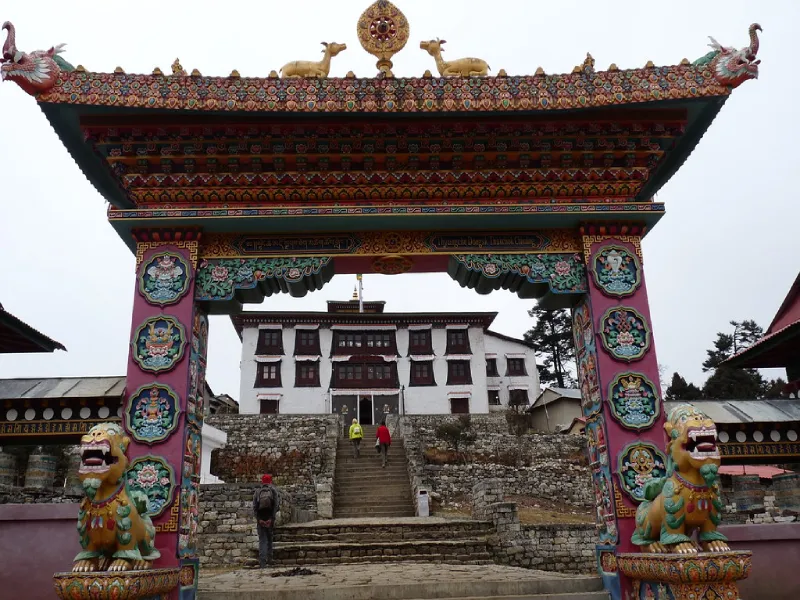
In the evenings people usually go to houses that are cozy and warm. They sit around the fire. Have a meal together. They also talk to people who are trekking or to the locals. The food here is not fancy at all. You get a lot of dal bhat, soups, and potatoes. Sometimes you even get homemade bread. The food is simple but it is just what the trekkers need. The kind smiles, soothing “namaste,” and small discussions, even if you don’t speak the same language make you feel quite welcome. The peaceful moments and little human relationships end up being the most memorable parts of the trek.
Accommodation & Food on the Trail
The place to stay on the EBC trek via Phaplu is usually in tea houses. The local tea houses are simple and clean. That is enough after you have been walking for a long time. You will not find luxury or fancy things on the EBC trek, but you will always find a warm place to sleep. You will get a blanket, and people will be friendly to you on this trek. In the lower areas, the rooms can feel a bit nicer, but when you go higher up, the rooms become more basic; they are still nice in their own way.
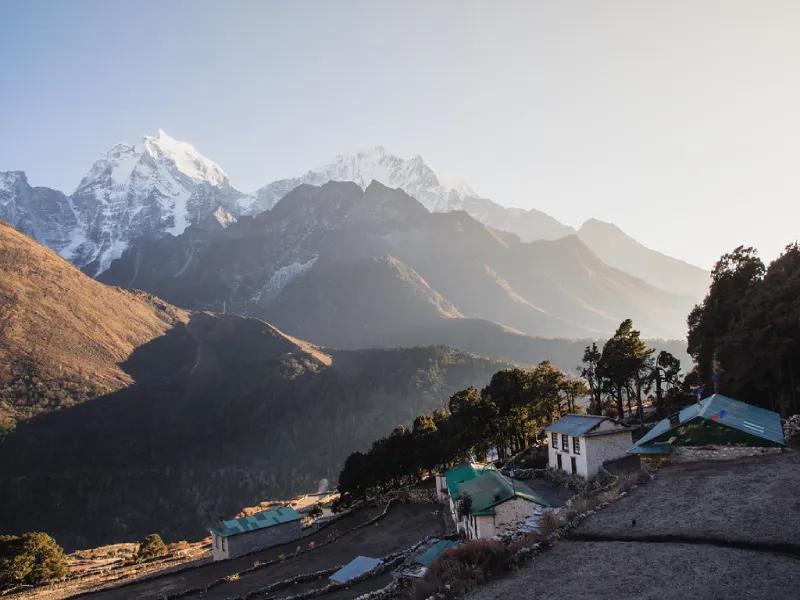
The food you get on the trail is really good. It helps you walk. The best thing to eat is dal bhat. Dal bhat is what most people eat. It is the best choice because it has rice, lentils, vegetables, and sometimes pickle. They often give you refills. You can also get noodles, soups, fried rice, potatoes, and simple pasta. When you are walking on the trail on a day like this, it feels great to have hot soup in the evening. Dal bhat is the food that people like to eat on the trail because it gives them energy to walk.
At higher altitudes, rooms are usually shared, especially during busy seasons. Bathrooms may be common, and hot water can be limited. But after a long day of walking, sitting in the dining room near the fire, eating warm food, and resting your legs is what really matters. It’s not fancy, but it feels right for the mountains.
Permits Required for this Trek
To go to Everest Base Camp via Phaplu, you need a couple of permits. These Everest Base Camp permits are necessary for people who want to trek to Everest Base Camp. When you are planning to trek to Everest Base Camp, remember that you need these permits for Everest Base Camp.
Sagarmatha National Park Permit (SNP): The Sagarmatha National Park Permit is what you need to get into Sagarmatha National Park. This permit lets you go into the park and trek around. The Sagarmatha National Park Permit costs USD 30 for each person. The Nepal Tourism Board is the one that gives you the Sagarmatha National Park Permit.
Khumbu Pasang Lhamu Rural Municipality Permit (KPL): To visit the villages and trails in the Khumbu region, you need a Khumbu Pasang Lhamu Rural Municipality Permit, which is also known as the Khumbu Pasang Lhamu Rural Municipality Permit. The Khumbu Pasang Lhamu Rural Municipality Permit will cost you USD 20 for each person.
Total permit cost: USD 50 per person
Most trekking agencies, including ours Epic Trek Nepal, can handle all the permit arrangements for you, so you don’t need to worry about the paperwork and can focus on enjoying your trek.
Guide and Porter
Having a guide and a porter on the EBC trek via Phaplu can make the EBC trek a lot easier and more fun for you. The EBC trek is an adventure. A local guide is very helpful. They know the EBC trek well. They know the trails and the hidden shortcuts. They know the spots to stop and look at the views or have a cup of tea.
A local guide can help you walk at a pace on the EBC trek. They make sure your body gets used to the altitude on the EBC trek. This way you do not feel like you are in a hurry or too tired on the EBC trek and a porter can carry your things so you do not have to. This means you can walk easier and like the trail more.
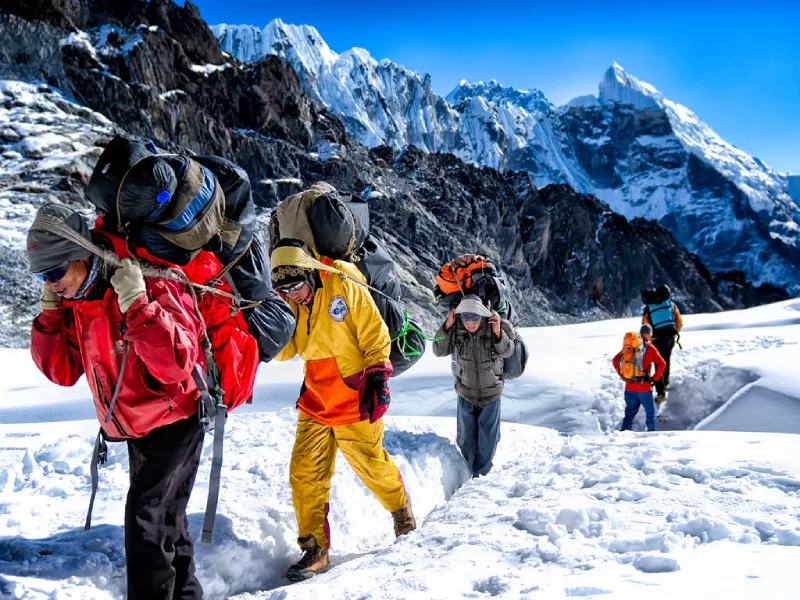
The guides and porters are also very nice to be with. They tell you stories about their homes and the people who live there. They explain what people do in their villages and help you understand the people and the culture of the places you visit on the trek. The guides and porters really make the trek special because they are from the area, and they know a lot about the people and the culture of the places you see on the trek.
Having them around feels like walking with a friend who knows the mountains. They look out for you, keep you safe, and make the journey smoother, without ever making it feel like you must have them.
What to pack for Phaplu to EBC Trek
Backpack
- A good backpack with sturdy straps that can be adjusted
- Duffle bag for extra gear
Cloth
- Short and Long-Sleeve Breathing Shirts
- Fleece jacket/down jacket as mid layer for keeping warm in evenings
- lightweight windbreaker
- Waterproof and windproof jacket
- Hiking boots that are comfortable
- Thermal inner wear & Socks
- Trekking trousers
Footwear
- Strong trekking boots
- Additional shoes for evening wear at lodges
Accessories
- Trekking poles for stability”
- Layered gloves
- UV protection sunglasses
- Headlight or Flashlight
- Neck gaiter
- Hat
Sun Protection
- High SPF sunscreen
- Lip balm with SPF
Documents and Money
- Copies of passport and ID, permits and travel insurance documents Local currency
Emergency Items
- First Aid Kit
- Water purification tablets or filter
- Duct tape for fast repair work on gears
- Plastic bag to manage equipment and collect trash
Cancellation Policy for EBC Trek via Phaplu
At Epic Trek Nepal, we understand and acknowledge the fact that things do not always go as planned and can be altered unexpectedly. Therefore, we have presented below a fair and clear cut cancellation policy with regard to your EBC Trek via Phaphlu.
Cancellation Notice
Cancellation requests before 15 days from know in a timely manner so that we can organize everything accordingly.
Administrative Fee
In the event of a trek being cancelled after the booking, there might be a charge of 25% on the trek cost as the administration fee, which includes our work for your trip, permits, arrangements, and preparation.
Non-Refundable Period
If any cancellation is made within 7 days before the starting date of the trek then the trek will not be refundable. But if the cancellation has a justified reason, then the refund will be initiated after subtracting 70% of the total amount of the trek since the amount has already been submitted and the places are reserved on our behalf.
Documentation Period
If you will be filing a claim with your insurance. We are pleased to provide the required documentation to assist in your insurance process.
Unused Services
Refunds cannot be given if your trek is cancelled due to any personal reason, sickness, or weather conditions for unused accommodation, food, transport, or services.
We are always available to assist you if you have any questions or concerns regarding your trek or would like to ask us about your circumstances. We appreciate your trust and hope to be able to lead you on the EBC Trek via Phaplu.
Frequently Asked Questions
This route does not go to Lukla by flight at the beginning. Instead it starts with a nice drive to Phaplu. The good thing, about this route is that you do not gain altitude quickly. There are also people around in the early days. You get to see more of the villages and what life is like there before you meet up with the main Everest trail.
Yes this trek is a bit tougher because we have to walk for more days and the distances are longer. The good thing is that we go up slowly which really helps our bodies get used to the high altitude. The hardest part is the challenge, not the actual walking because it is not that hard to do physically this trek is mentally more challenging than it is technically difficult the trek is more of a mental challenge.
Yes altitude sickness is always something to think about when you are above 3,000 meters. The Phaplu route is good because you gain altitude slowly which means you are less likely to get sick. We have rest days in Namche and Dingboche so your body can get used to the altitude of the Phaplu route.
You will be staying in tea houses and lodges for accommodation. The rooms are pretty basic. They are usually for two people. You will have to share the bathroom with others especially when you are high up, in the mountains. The tea houses and lodges are simple. They are clean and comfortable enough to rest in after a day of trekking to the tea houses and lodges.
You will find meals, like dal bhat, noodles, fried rice, soups, pasta, potatoes, eggs and pancakes. The food choices get smaller as you go up. The meals are warm and they are filling. Vegetarian food is available everywhere.
Yes the rules for trekking in Nepal say you need a guide who has a license. But what is really important is that, on this trail, which’s not as crowded and is longer, a guide will help keep you safe they will help you walk at a good pace and deal with the high altitude and they will introduce you to the local people and their way of life which is the Nepal trekking culture.
The best time to do the trek is when you can see the scenery and enjoy the peaceful surroundings. So the best time to do the trek is the spring season, which is from March to May and the autumn season, which is from September to November are really the times.
You will need a Sagarmatha National Park Permit and a Khumbu Pasang Lhamu Rural Municipality Permit (KPL) to go to Sagarmatha National Park.
The cost varies by group size and nationality, ranging from around $1,380 USD for foreigners on a 15-day trek, with prices decreasing for larger groups and including accommodation, flights, guides, porters, and permits.
Trip Reviews
US$ 1340
Need Help? Talk to Expert
+977 9764792172