




Tilman Pass Trek
73 reviews in Tripadvisor

Trip Duration
20 Days
Destination
Nepal
Max. Altitude
5,320 m.
Trip Difficulty
Challenging
Group Size
1-12
Transportation
Private Vehicle
Accommodation
Teahouse/Camp
Activity
Trekking
Meals
All Inclusive
Start / End
Kathmandu
Region
Langtang
Best Season
Spring & AutumnUS$ 1900

Need Help? Talk to Expert
+977 9764792172Trip Overview
Tilman Pass Trek is one of those Himalayan treks that remain remarkably unexplored even today. This isn’t Everest or Annapurna. It’s one of the most isolated, toughest routes left in Nepal, hidden away in the high ranges of Langtang and crossing over towards Panch Pokhari. After you get past Kyanjin Gompa, the ‘trail’ essentially becomes non-existent. The vegetation will be gone, and instead, you’ll have massive chunks of rock, glaciers, and a sort of high-altitude environment that’s like the end of the world. It’s not crowded. It’s not commercialized. And that is exactly what make it so special.
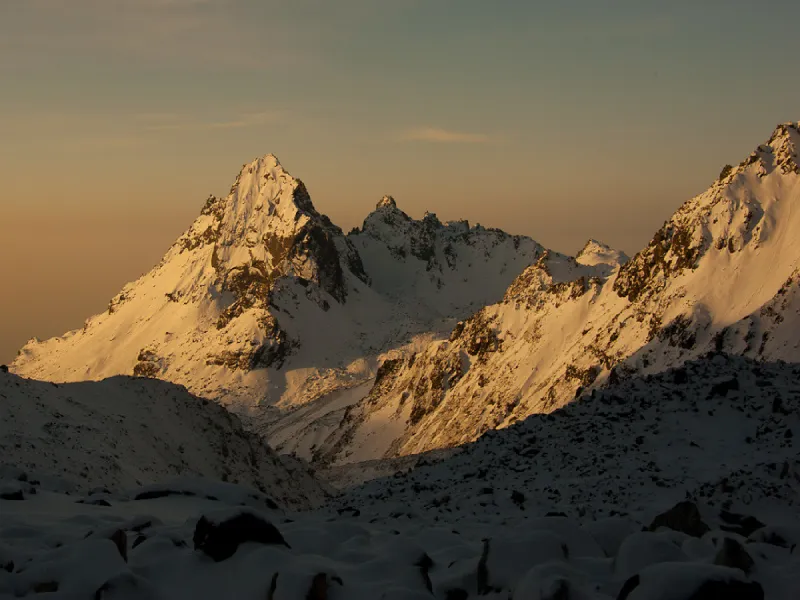
The Tilman pass is named after Bill Tilman, a legendary British explorer from the mid 1990s. He wasn’t chasing fame or recognition. He just wanted to explore into the valley with a small crew and see what was there. His philosophy was simple – travel light, respect the mountains, and be prepared for the unknown. Tilman Pass has the same spirit even today.
What I love about this trek is how real it is. One day you’re trekking through the green and lush valley of Langtang, and the next day you’re trekking through this harsh, icy environment of moraine and ice. There’s no tea house waiting for you at the end of the day with a warm bed to sleep in. You’re camping on uneven ground, it’s freezing, your knees will probably be killing you but it’s real. There’s a strange kind of beauty to the emptiness. No big signs pointing you in the right direction, no throngs of people pushing past you. Just you, the sky, and the challenge of getting through one of the least visited regions of the Himalayas.
Listen, Tilman Pass is not a trek that’s about being comfortable. It’s about the experience of actually being there. And that’s exactly why you’ll never forget it.
Why Choose Tilman Pass Trek?
If you are the kind of person who would rather have mountains to yourself than share a trail with a hundred of other people, Tilman Pass is the one for you. You won’t see those long lines of trekkers stretching out before you here. Sometimes, you won’t even see a single person except your little group. It’s a peacefulness that’s kind of hard to describe. The Himalayas just feel so much bigger and more massive when there’s no one else around to disturb the silence.
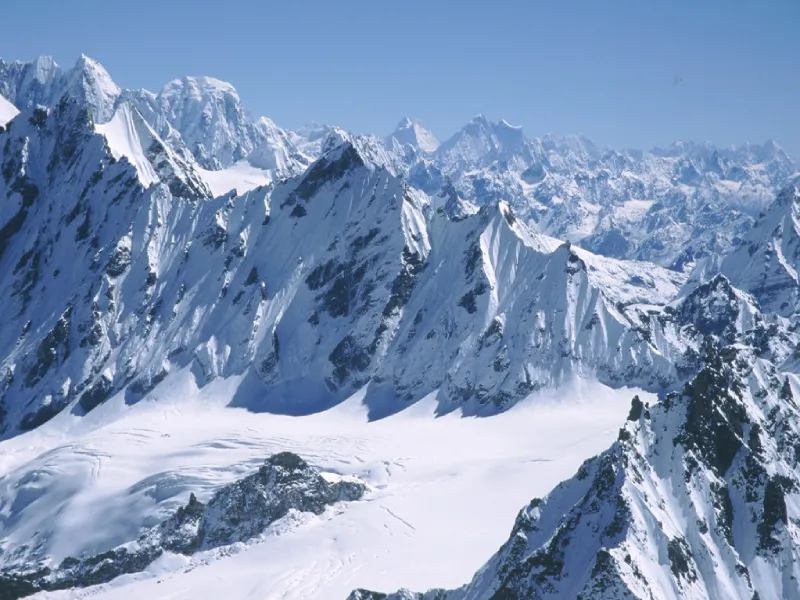
In this trek one of the biggest attractions has to be the glacier crossing itself. There’s a certain type of rush that comes with walking on the ice and the high snowfields at 5,300 meters. You are moving more carefully, step by step, with these giants peaks just looming above you. It’s not that dangerous if you have a experienced guide and the right support, but serious enough that makes you respect the terrain.
Another interesting aspect is how it connects two completely different worlds: Langtang and Panch Pokhari. You begin in these lush green valleys with little villages and yaks roaming around, and then you gradually enter into this harsh, high-alpine environment before finally dropping down into the quieter eastern side. It’s pretty much two treks for the price of one, if you think about it.
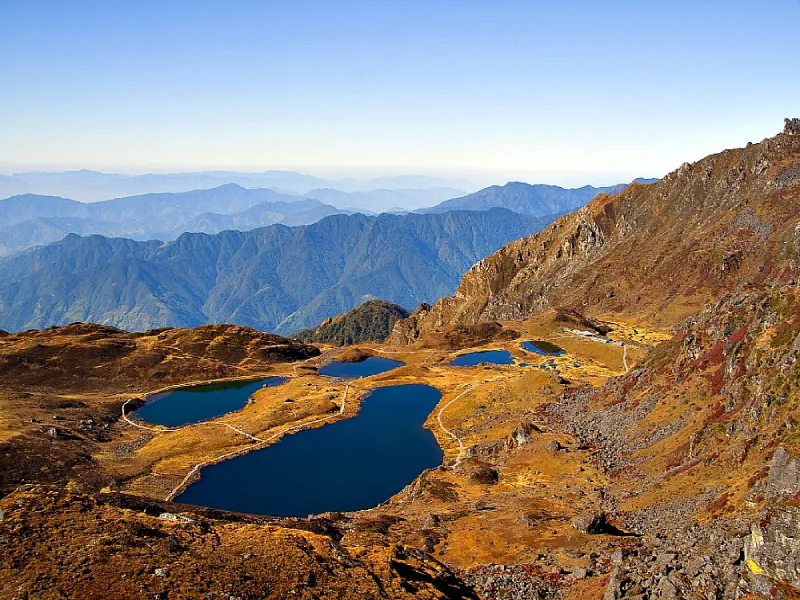
The Tilman Pass is pretty much a dream come true if you want the expedition experience without actually having to climb. You’re camping under the stars, carrying the right gear, and really relying on your team. It’s tough, yeah, but that’s what makes it so satisfying at the end. If Everest is a tourist trap and Annapurna is getting a little too “comfortable” for your tastes, Tilman Pass is something truly wilder, something that still feels untouched.
Best Time to Go Tilman Pass Trek
Spring (March to May)
To be honest, Spring is definitely one of the best season to visit Tilman Pass Trek. You get to enjoy the nice, crisp morning with the stunning views of the surroundings. In the Langtang Village, the temperature is pretty comfortable, but once you cross the 4,000 meter mark, the temperature drops like rock. The snow on the glacier is probably more “settled” than in winter, which makes the crossing a bit easier if you have a good guide to lead the way. You can expect to see some clouds rolling in during the afternoon in April and May, and yeah, you might get a bit of light snow at higher altitudes, but overall it’s a good time.
Autumn (September to November)
Autumn is another best season for Tilman Pass Trek. After the monsoon has swept away all the dust and haze, the mountains are remarkably sharp. We’re talking about blue skies that are almost infinite and no rain at all. During the daytime, the Langtang Valley is pleasant but they can get pretty chilly at night. There isn’t much fresh snow in early autumn, which actually makes it easier to get across the glacier. October is usually the best month when the weather is remarkably stable. If anyone asks me for the safest bet, autumn is always the best season.
Monsoon (June to August)
Tilman Trek during the monsoon is really not recommended. The lower trails will be muddy, slippery and the road can get hit with landslides constantly. Higher up, you might not be able to see a single peak for days due to clouds, and you can expect heavy snowfall on the pass without warning. Even the experts will avoid this time of year unless they’re don’t care about uncertainty and leeches.
Winter (December to February)
Doing the trek to Tilman during the winter is possible, but it’s a huge risk. Once you’re above 4,500 meters, it’s not unusual for it to get below -15° C at night. Everything gets harder in the winter. Camping is nightmare and water sources are frozen solid. If you want to trek during winter, you would need a strong team, proper winter gear, and a lot of patience.
Highlights of Tilman Pass Trek
- Cross one of the most isolated high passes in Nepal, Tilman Pass (5320m).
- Explore the beautiful Langtang Valley and Panchpokhari.
- Visit the Kyanjin Gompa monastery and Tserko Ri viewpoint.
- Get to see the breathtaking views of the snow-capped peaks, glaciers, and alpine meadows.
- Trek along the less crowded and serene mountain trails.
- Involve yourself in camping-style expedition trekking after Kyanjin.
- Get to learn about the Tamang culture and lifestyle in the mountains.
- Combine adventure, culture, and nature in one long trekking experience.
Tilman Pass Trek - Distance, Duration, and Altitude
| Trekking Route | Distance (Kilometers) | Duration (Hours) | Altitude (Meters) |
|---|---|---|---|
| Syabrubesi to Lama Hotel | 12 KM | 5 to 6 hours Trek | 2324 m. |
| Lama Hotel to Langtang Village | 15 KM | 5 to 6 hours Trek | 3330 m. |
| Langtang Village to Kyanjin Gompa | 7 KM | 3 to 4 hours Trek | 3730 m. |
| Kyanjin Gompa to Langshisa Kharka | 10 KM | 5 to 6 hours Trek | 4080 m. |
| Langshisa Kharka to Moraine Camp | 9 KM | 5 to 6 hours Trek | 4580 m. |
| Moraine Camp to Yak Kharka via Tilman Pass | 13 KM | 7 to 8 hours Trek | 5320 m. |
| Yak Kharka to Tin Pokhari | 15 KM | 7 to 8 hours Trek | 3735 m. |
| Tin Pokhari to Panchpokhari | 10 KM | 5 to 6 hours | 4060 m. |
| Panchpokhari to Nasimpati | 8 KM | 4 to 5 hours Trek | 3631 m. |
| Nasimpati to Hile Bhanjyang | 11 KM | 5 to 6 hours Trek | 3415 m. |
| Hile Bhanjyang to Pauwabas | 12 KM | 5 to 6 hours Trek | 3025 m. |
| Pauwabas to Kami Kharka | 11 KM | 5 to 6 hours Trek | 2855 m. |
| Kami Kharka to Sano Okhareni | 13 KM | 5 to 6 hours Trek | 2043 m. |
| Sano Okhareni to Chautara then Drive to Kathmandu | 9 KM | 4 to 5 hours Trek + 4 to 5 hours Drive | 1400 m. |
Itinerary of Tilman Pass Trek
Day 1: Arrival in Kathmandu
You will finally arrive in Kathmandu and get transported to your hotel to crash for a bit. This first day is all about logistics, trek briefings, checking your permits, and ensuring that your gear is actually ready for what’s to come. If you have some energy left, you can explore the markets and busy city vibe. Get some rest, though, because the real work is going to start sooner than you think.

Activity: Arrival in Kathmandu and Rest

Max. Altitude: 1400m./4,593ft.

Meal: Dinner

Accommodation: 3 Star Hotel
Day 2: Kathmandu Valley SIghtseeing
Today is a bit of a chill day, with a guided tour of the major sites in the valley. This is a great opportunity to get a sense of Nepali history and culture before you head off into the mountains for a couple of weeks. You’ll be traveling around in a private vehicle, visiting stupas and historical landmarks. This is a good opportunity to take it easy and just prepare yourself mentally for the trek ahead.
Activity: 5 to 5 hours exploration
Max. Altitude: 1400m./4,593ft.
Meal: Breakfast
Accommodation: 3 Star Hotel
Day 3: Drive Kathmandu to Syabrubesi
It’s time to get in the vehicle and head to Syabrubesi, which is essentially the starting point for the Langtang trek. The drive is actually pretty nice, following rivers and passing through small hill villages. The roads can get a bit rough in some places, but it’s all part of the fun. When you arrive in Syabrubesi, you’ll get settled in and do a final check of your pack.
Activity: 6 to 7 hours Drive
Max. Altitude: 1460m./4,790ft.
Meal: Breakfast, Lunch, Dinner
Accommodation: Tea house
Day 4: Syabrubesi to Lama Hotel
The trekking officially begins today. You’ll be trekking along the Langtang River and passing through some pretty dense forests and suspension bridges. It’s a gradual climb, and if you listen carefully, you might hear the sound of waterfalls and maybe even some animals hiding in the trees. The trekking trail is mostly shaded by rhododendron and pine trees, which is a welcome relief. You’ll camp overnight in a small tea house at Lama Hotel.
Activity: 5 to 6 hours Trek
Max. Altitude: 2324m./7,625ft.
Meal: Breakfast, Lunch, Dinner
Accommodation: Tea house
Day 5: Lama Hotel to Langtang Village
You’re still trekking through the forest, but the scenery will start to open up as you climb higher. The trail becomes a bit steeper at this point, so you’ll definitely feel the effects of the altitude. Langtang Village itself is a pretty intense sight, especially when you consider how it was rebuilt after the earthquake in 2015. You’ll see yaks grazing and massive mountains looming above you.
Activity: 5 to 6 hours Trek
Max. Altitude: 3330m./10,925ft.
Meal: Breakfast, Lunch, Dinner
Accommodation: Tea house
Day 6: Langtang Village to Kyanjin Gompa
It’s a shorter day, and trust me, your body will thank you for it as it tries to acclimate to the thin air. You’ll pass through yak grazing areas and villages until you reach Kyanjin Gompa. It’s a breathtaking place, a monastery nestled between glaciers and snow-capped peaks. There’s even a local cheese factory there that you can visit if you’re feeling hungry.
Activity: 3 to 4 hours Trek
Max. Altitude: 3730m./12,238ft.
Meal: Breakfast, Lunch, Dinner
Accommodation: Tea house
Day 7: Acclimatization Day - Hike to Tserko Ri
Today is a acclimatization day. For that you will hike to Tserko Ri for altitude acclimatization and altitude view. It’s a tough climb, but the 360-degree views of the Himalayas from the summit are just mind-blowing. After watching the view you’ll descend back to Kyanjin for the night. Just remember to hydrate like crazy and take it easy, there’s no trophy for being the first one done with today’s hike.
Activity: Hike to Tserko Ri
Max. Altitude: 4984m./16,352ft.
Meal: Breakfast, Lunch, Dinner
Accommodation: Tea house
Day 8: Kyanjin Gompa to Langshisa Kharka
The trail will be less crowded and more isolated as you proceed away from the villages. You will pass through alpine meadows and moraines. The camping will begin from this point of the trek. The atmosphere will be more natural and isolated.
Activity: 5 to 6 hours Trek
Max. Altitude: 4080m./13,386ft.
Meal: Breakfast, Lunch, Dinner
Accommodation: Camp
Day 9: Langshisa Kharka to Moraine Camp
You will proceed towards the glacier area where the trails will be rocky and uneven. The weather can change suddenly at this point. It is necessary to maintain a proper pace to avoid altitude sickness. The area will be more dramatic with snow and ice peaks.
Activity: 5 to 6 hours Trek
Max. Altitude: 4580m./15,026ft.
Meal: Breakfast, Lunch, Dinner
Accommodation: Camp
Day 10: Moraine Camp to Yak Kharka via Tilman Pass
This will be the most challenging and thrilling day of trekking as you will cross the Tilman Pass at 5320m. The trek will involve glacier hiking and strong mountain winds. After the pass, you will descend towards the Yak Kharka campsite. It is a very crucial point where proper equipment and guide assistance are required.
Activity: 7 to 8 hours Trek
Max. Altitude: 5320m./17,454ft.
Meal: Breakfast, Lunch, Dinner
Accommodation: Camp
Day 11: Yak Kharka to Tin Pokhari
Now you’re descending, but don’t think it’s all downhill from here. It’s a long day of trekking through some very isolated and rough country. Endurance is what you need here, as the terrain is still quite rocky and challenging. You’ll trek through these empty, lonely valleys until finally setting up camp near the lakes of Tin Pokhari.
Activity: 7 to 8 hours Trek
Max. Altitude: 3735m./12,254ft.
Meal: Breakfast, Lunch, Dinner
Accommodation: Camp
Day 12: Tin Pokhari to Panchpokhari
Today you’ll trek towards the “Five Lakes” of Panchpokhari, which is a seriously sacred site for the locals. You can almost feel the spiritual energy here. The trek is moderate, but the views are simply world-class with the lakes reflecting the peaks. You’ll be camping right on the shores of the lakes.
Activity: 5 to 6 hours
Max. Altitude: 4060m./13,320ft.
Meal: Breakfast, Lunch, Dinner
Accommodation: Camp
Day 13: Panchpokhari Exploration Day
After the madness of the pass, a day to just relax and explore the lakes is well and truly in order. You can wander around, take some snaps, or just sit back and enjoy the silence. It’s a seriously tranquil spot and a great opportunity for your legs to recover before the final push back.
Activity: 3 to 4 hours exploration
Max. Altitude: 4060m./13,320ft.
Meal: Breakfast, Lunch, Dinner
Accommodation: Camp
Day 14: Panchpokhari to Nasimpati
You will begin to make a gentle descent through mountain ridges and some forested areas. It’s much easier on the lungs than the past few days. You will get to see the hill country of the locals as you descend. Tonight’s camp is at Nasimpati.
Activity: 4 to 5 hours Trek
Max. Altitude: 3631m./11,913ft.
Meal: Breakfast, Lunch, Dinner
Accommodation: Camp
Day 15: Nasimpati to Hile Bhanjyang
The trek will continue through some isolated hill routes with occasional glimpses of distant villages. It’s a long walk, but nothing too challenging. You will be trekking through a combination of forests and mountain ridges. Just keep a steady pace and enjoy the scenery.
Activity: 5 to 6 hours Trek
Max. Altitude: 3414m./11,201ft.
Meal: Breakfast, Lunch, Dinner
Accommodation: Camp
Day 16: Hile Bhanjyang to Pauwabas
You can definitely feel the air thickening as you descend to lower altitudes. The trekking is not as difficult, and you will begin to see more rural scenery and villages. The vegetation will become much denser as you trek down to Pauwabas for the night.
Activity: 5 to 6 hours Trek
Max. Altitude: 3024m./9,921ft.
Meal: Breakfast, Lunch, Dinner
Accommodation: Tea house
Day 17: Pauwabas to Kami Kharka
Today you get to walk through the local farming areas and hill forests. It’s a cool opportunity to experience how people actually live in these mountain villages. This part of the trek is actually quite comfortable compared to the high pass sections. After reaching Kami Kharka you’ll set up your camp at Kami Kharka.
Activity: 5 to 6 hours Trek
Max. Altitude: 2855m./9,367ft.
Meal: Breakfast, Lunch, Dinner
Accommodation: Tea house
Day 18: Kami Kharka to Sano Okhareni
You will drop down even lower into the warmer zone. The trekking trail is much easier now, with lots of forest cover and signs of life. It’s like a really relaxing walk compared to the glacier days. You’ll camp your final night in the tent at Sano Okhareni.
Activity: 5 to 6 hours Trek
Max. Altitude: 2043m./6,703ft.
Meal: Breakfast, Lunch, Dinner
Accommodation: Tea house
Day 19: Sano Okhareni to Chautara then Drive to Kathmandu
This is the final stretch. You’ll trek for 4-5 hours to reach the town of Chautara, which marks the end of the trek. Then, it’s a 4-5 hour drive back to the madness of Kathmandu. Honestly, there’s nothing quite like that first real meal and hot shower in the city after a trek like this. In the evening, enjoy a complimentary local dinner hosted by our company to celebrate your successful completion of Tilman Pass Trek !
Activity: 4 to 5 hours Trek + 4 to 5 hours Drive
Max. Altitude: 1400m./4,593ft.
Meal: Breakfast, Lunch, Dinner
Accommodation: 3 Star Hotel
Day 20: Departure
Your home return day, as according your scheduled flight departure time. You will be transferred to the TIA with a lifetime memory of your journey to Langtang region.
Farewell until next time !
Meal: Breakfast
Includes/Excludes
What is included?
- Permits and Fees: All required permits for the Langtang Valley Trek, including the entry permit to the Langtang National Park and the TIMS (Trekkers’ Information Management System) card.
- Accommodation: Accommodation throughout the trek, usually in teahouses or Camp. This will also include accommodation in Kathmandu before and after the trek in 3 star hotel on BB plan. (twin sharing basis)
- Meals: Most treks will include three meals a day (breakfast, lunch, and dinner) during the trek. Also includes two times hot beverage (in breakfast and lunch) and seasonal fruits after dinner.
- Transportation: Ground transportation from Kathmandu to Syabrubesi (or a similar point) and back.
- Guide and Porters: Services of an experienced English-speaking trekking guide and porters to carry luggage. This includes their salary, insurance, equipment, food, and accommodation.
- First Aid Kit: A basic first aid kit.
- Trekking Map: A map of the trekking route.
- Equipment: Duffle Bag, Sleeping Bag (if necessary)
- Pick up drop up: Airport pick up and drop up by private vehicle.
What is not included?
- International Flights: International flight tickets to and from Nepal are not included
- Travel Insurance: Travel insurance that covers emergency rescue and evacuation is not included, and you will be required to have your own.
- Personal Expenses: Personal expenses such as additional meals, drinks, snacks, charging of devices, hot showers, Wi-Fi, and so on are not included.
- Nepal Visa Fees: Fees for entry visas to Nepal.
- Additional Accommodation and Meals: In case you decide to stay longer in Nepal, the cost of additional accommodation and meals will not be included.
- Rescue and Evacuation: Any costs associated with emergency evacuations or rescues are not included.
- Trekking Gear: Personal trekking gear such as trekking boots, down jackets, trekking poles, and so on are not included.
- Tips: Tips for guides and porters are not included and are at your discretion.
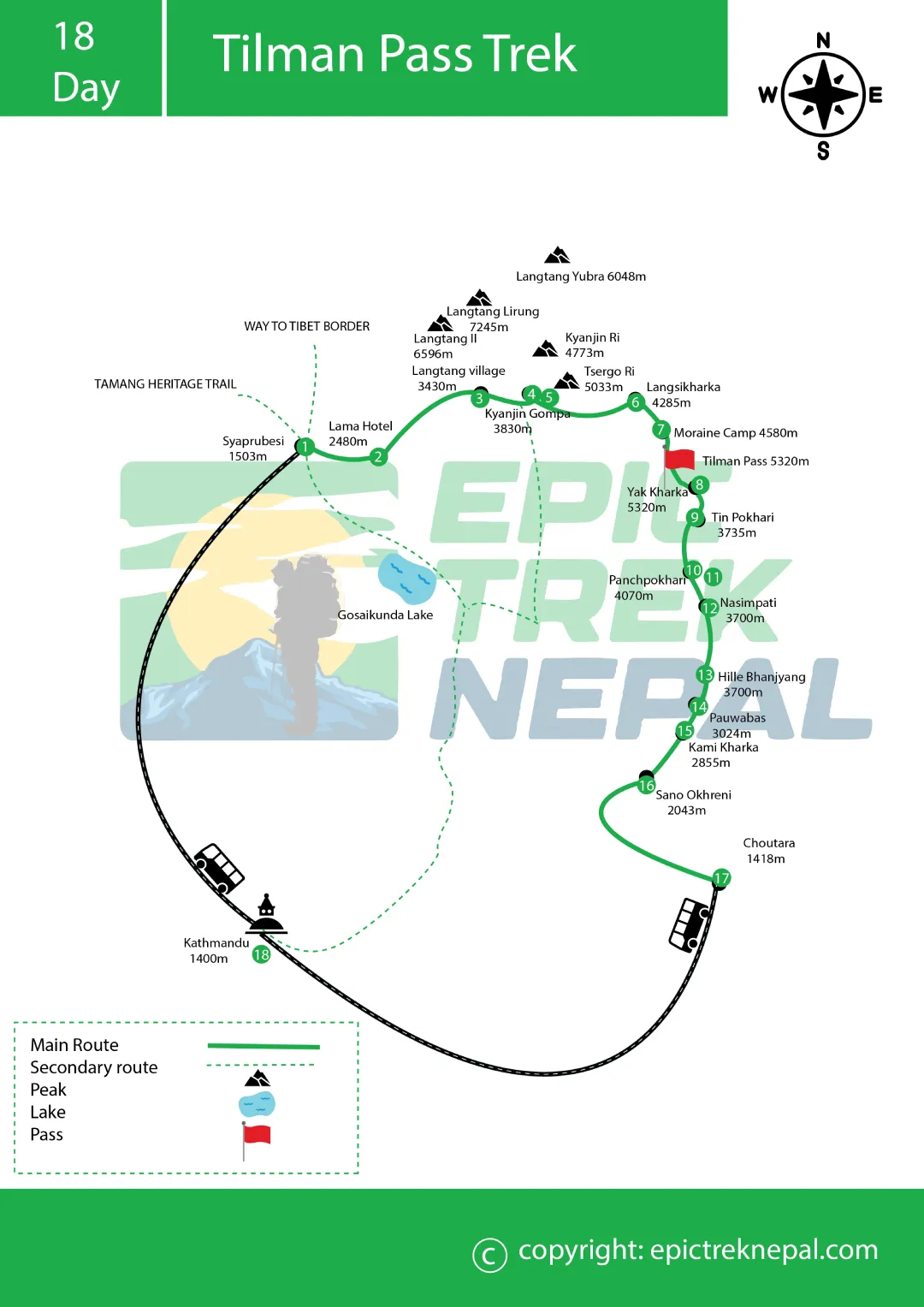
Trip Map of Tilman Pass Trek
Trip Information
Difficulty level
Let’s keep thing real for a second: Tilman Pass Trek is very difficulty and challenging trek. It’s a very remote and high altitude trek that require a lot of physical and mental strength. You need to able to walk at least 6 to 8 hours comfortably a day on terrain that is rarely flat. You will walk through loose rock, uneven moraine, and ice.
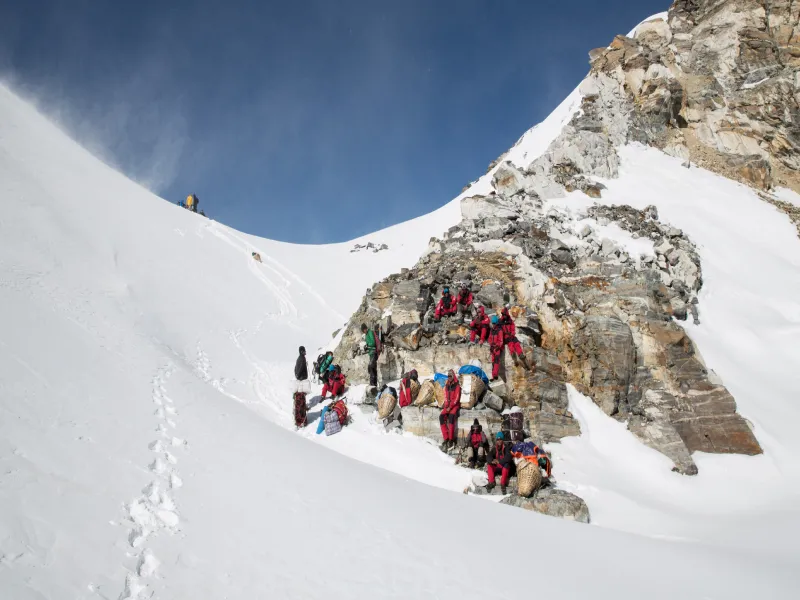
The pass itself is right around 5,300 meters, and at this point, the air is thin and the cold is going to start to really test how much you want to be there. This isn’t like the Everest Base Camp or Annapurna Circuit, where there’s a tea house around every corner. Everything out here is just a lot more “exposed.”
The glacier crossing is definitely the most extreme part of the entire journey. You don’t have to be some expert mountain climber or anything, but you do have to be prepared mentally to hike on snow and ice. Depending on what the conditions are looking like, you may even need some basic rope assistance or at least some crampons/microspikes. Having a guide team that knows what they’re doing is an absolute must in this situation, mostly because the weather and the glacier can turn on you in an instant.
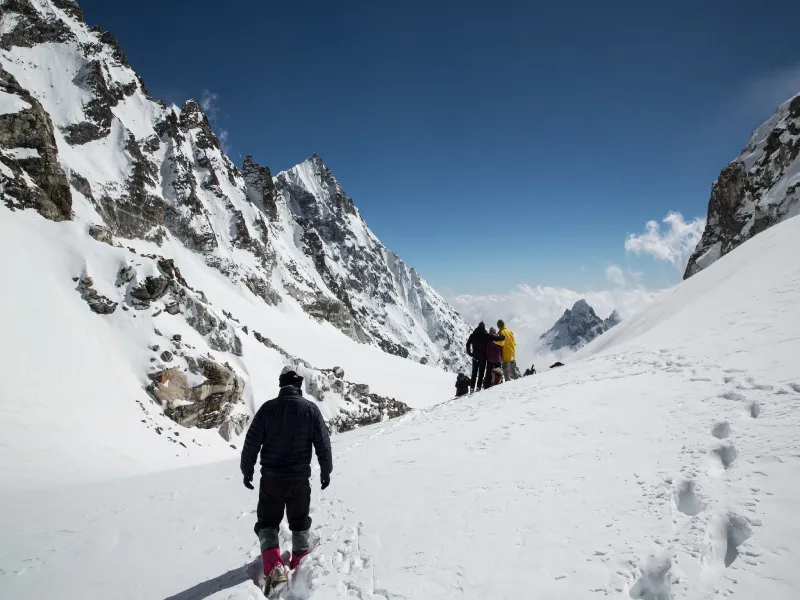
This is not a trek for complete beginners. If you can’t stand the thought of camping in the middle of nowhere or if you have issues with altitude, you are going to struggle and if you are looking for a luxury trek or who expect the rescue helicopter to be five minutes away, this trek is definitely not for you. The Tilman Pass is for people who come prepared and have a little bit of awareness. Anything less… well, it can get pretty overwhelming pretty quickly.
Cultural Experience and Local Life
Before the trek becomes totally wild and cold, the Tilman Pass Trek offers you this moment of quiet, really profound insight into how people actually live in the Langtang ranges. In the lower villages, you will mostly trek through Tamang villages, where the culture is just steeped in Tibetan Buddhism. You will see the stone houses, the prayer flags flying in the breeze, the little mani walls and the prayer wheels. The pace of life just feel completely different here that those in bustling city and you can definitely feel that when you are just sitting in a tea house in the evening, watching the world go by.
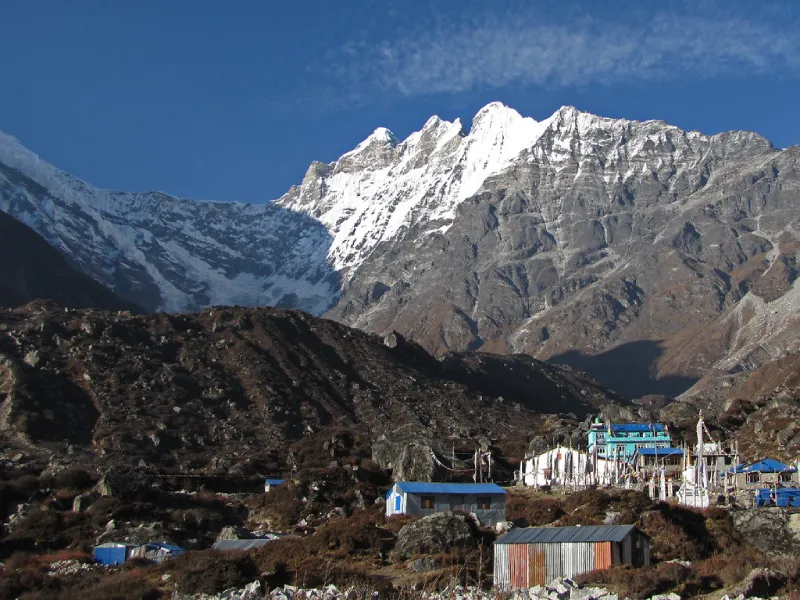
Kyanjin Gompa is definitely one of the major highlights in terms of culture. There’s this monastery that’s just nestled right up against this massive mountain range, and if you’re lucky, you might even hear the morning prayers being blown by the wind. It’s not exactly flashy or loud, but there’s just something so peaceful about it, just people’s devotion to their religion in this high valley. Most of the people around here live off of yak herding or whatever they can make up during the trekking season. You’ll see yak pastures all over the valley, and sometimes you’ll encounter lines of them carrying supplies up the trail.
What I think is so unique about the culture here is just how authentic it is. It doesn’t feel like it’s being put on for the benefit of tourists at all. People are friendly, but they can be a little shy at first. Conversations are typically pretty brief, but the smiles are real and the warmth just feels like it’s a natural part of the culture. Once you get past Kyanjin and into the glacier region, the villages just disappear and you’re left in the middle of nowhere. It makes the first few days in Langtang feel all the more special like a little glimpse into life in the mountains before the real isolation sets in.
Accommodation and Food
For the first part of the journey, until you reach Kyanjin Gompa in the Langtang Valley, you will be staying in the tea houses. These are just what they sound like: basic mountain homes operated by families who live in this area. The room are not luxurious, which consists of two twin beds, some blankets and a small table if you’re lucky. The bathroom are mostly shared, and if you want a hot shower, you will have to pay a few bucks extra for it. But the atmosphere is so special that after a long day of hiking, a basic room feels like a 5 star hotel.
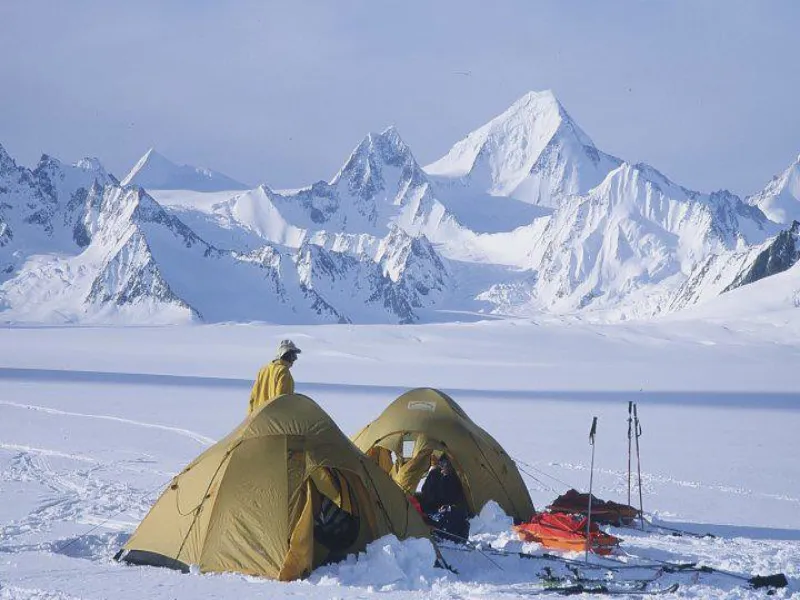
Once you get past Kyanjin, everything is different. There are no tea houses at all as you make your way towards Tilman Pass. After that, it’s 100% camping. Your crew will put up the tents, and the staff will do all the cooking. It gets pretty chilly and pretty windy at night, especially if you’re camping near the glacier. It’s not necessarily “uncomfortable” if you’re well-equipped, but it’s definitely a world away from the lodges down in the valley.
When it comes to food, the tea house parts are pretty normal for Nepal with lots of dal bhat, noodles, fried rice, soups, and pancakes with plenty of tea and coffee. But once the camping begins, the menu is going to be a heck of a lot more functional. The guys will likely start with some simple, filling goodness like rice, pasta, potatoes, and whatever veggies or eggs they can haul along. Way up high, it’s hard to keep the fresh stuff on hand, so your options are going to be limited. It’s hearty and it’ll fill your belly, but you won’t have a huge menu to pick from.
Permits and Document
Before you can actually get on the trail, you have to deal with couple of paperwork. For this Tilman Pass Trek, you will need some permit and the main permit that you will need is the Langtang National Park Permit. Since you are going through a protected area, the government wants to take a cut so they can continue their conservation efforts. It will cost about $23 per person.
Then there’s the TIMS Card (that’s Trekkers’ Information Management System). It’s essentially a system for the government to keep track of where you are in case things don’t go as planned. Now, there’s always a little give-and-take about the regulations regarding this, but as of 2026, you basically have to be with a licensed guide to get one. It’s around NPR 2,000 for solo trekkers, but if you’re going with a registered trekking agency like Epic Trek Nepal, they’ll just take care of all this for you.
One thing to remember is that since this is a route that connects the Langtang side with the Panch Pokhari side, you may occasionally be charged local municipality costs. These aren’t necessarily fixed and may vary from time to time depending on which local government is active that year, but they’re usually just a few hundred rupees. Seriously, just make sure you have a bunch of passport photos and some copies of your passport in your backpack. It makes things a heck of a lot easier at the random checkpoints you’ll encounter along the way.
What to pack for Tilman Pass Trek
Backpack
- A good backpack with sturdy straps that can be adjusted
- Duffle bag for extra gear
Cloth
- Short and Long-Sleeve Breathing Shirts
- Fleece jacket/down jacket as mid layer for keeping warm in evenings
- lightweight windbreaker
- Waterproof and windproof jacket
- Hiking boots that are comfortable
- Thermal inner wear & Socks
- Trekking trousers
Footwear
- Strong trekking boots
- Additional shoes for evening wear at lodges
Accessories
- Trekking poles for stability”
- Layered gloves
- UV protection sunglasses
- Headlight or Flashlight
- Neck gaiter
- Hat
Sun Protection
- High SPF sunscreen
- Lip balm with SPF
Documents and Money
- Copies of passport and ID, permits and travel insurance documents Local currency
Emergency Items
- First Aid Kit
- Water purification tablets or filter
- Duct tape for fast repair work on gears
- Plastic bag to manage equipment and collect trash
Cancellation Policy for Tilman Pass Trek
At Epic Trek Nepal, we understand and acknowledge the fact that things do not always go as planned and can be altered unexpectedly. Therefore, we have presented below a fair and clear cut cancellation policy with regard to your Tilman Pass Trek.
Cancellation Notice
Cancellation requests before 15 days from know in a timely manner so that we can organize everything accordingly.
Administrative Fees
In the event of cancellation, we reserve the right to charge an administrative fee of 25% of the total cost of the trek if the cancellation takes place after we have made the necessary bookings and arrangements for your trip.
Non-Refundable Period
If any cancellation is made within 7 days before the starting date of the trek then the trek will not be refundable. But if the cancellation has a justified reason, then the refund will be initiated after subtracting 70% of the total amount of the trek since the amount has already been submitted and the places are reserved on our behalf.
Documentation Period
In case you have to file a claim with your insurance provider. It’s our pleasure to provide you with the documentation required to help you with your insurance process
Unused Services
We do not offer any refunds if your trek is cancelled due to any personal reason, sickness, or weather conditions for unused services such as accommodation, food, transport, etc.
We are always available to help you if you have any questions or concerns about your trek and would like to get back to us about your situation. We thank you for trusting us and hope to have the pleasure of leading you on the Tilman Pass Trek.
Frequently Asked Questions
Tilman pass is located in the upper Langtang Valley of Nepal. It essentially serves as a high bridge that connects the Langtang Valley to the Panchpokhari side.
Tilman Pass trek is considered a challenging trek. It’s a trek that is best suited for people who have some trekking experience. It’s not just the altitude, its the glacier, the ong 7 to 8 hours walk and the fact the you will be camping in the middle of nowhere.
You don’t have be a pro climber with ice axes but you should choose this as you first trek either. Having high altitude experience is a definite advantage. You should be comfortable with glacier travel and have enough fitness to tackle the rocky sections.
Yes, a licensed guide is essential for the safety side of things like checking the ice, see where the trail actually is and knowing about the place more deeply.
The best time to do the Tilman Pass trek is Spring (March to May) and Autumn (September to November). Spring will provide you with vibrant colorful view of flowers and Autumn is best for those crystal clear mountain views.
You will need the Langtang National Park Permit and TIMS card, at the very least. Depending on the trail you take, there might be some small local fees, but your guide will take care of all that.
Yes. Anytime you’re above 5,000 meters, your body is going to feel it. That’s why you have to take the acclimatization days seriously, like the one at Kyanjin.
Only in the beginning. You’ll have your tea houses until you reach Kyanjin Gompa. After that, it’s camp and sleeping bags all the way because there’s literally nothing else out there in the high pass region.
Trip Reviews
US$ 1900
Need Help? Talk to Expert
+977 9764792172