
Yala Peak Climbing
75 reviews in Tripadvisor

Trip Duration
11 Days
Destination
Nepal
Max. Altitude
5,520 m.
Trip Difficulty
Moderate
Group Size
1-12
Transportation
Private Vehicle
Accommodation
Hotel/Lodge
Activity
Trekking and Climbing
Meals
All Inclusive
Start / End
Kathmandu
Region
Langtang
Best Season
Spring & AutumnUS$ 970

Need Help? Talk to Expert
+977 9764792172Trip Overview
Have you ever dreamt of conquering a Himalayan peak without going through the pain of months of intensive physical training and years of financial planning? If yes, then this Yala Peak Climbing might interest you.
The Yala Peak stands at 5,520 meters above sea level in the Langtang region of Nepal. The mountain is perfect for a beginner while offering enough challenges to seasoned trekkers. It takes only a few days to conquer the mountain, and there are several instances where first-time climbers have successfully ascended the mountain every year.
Aside from the exhilarating experience of climbing up a Himalayan peak, the journey itself promises many surprises and thrills. The trek passes by dense rhododendron forests, yak meadows, and pristine glacial lakes. The Langtang valley has a distinct character that makes it appealing to trekkers and mountaineers each year. Langtang Valley is relatively tranquil, and trekkers usually enjoy it even before getting to their destination.
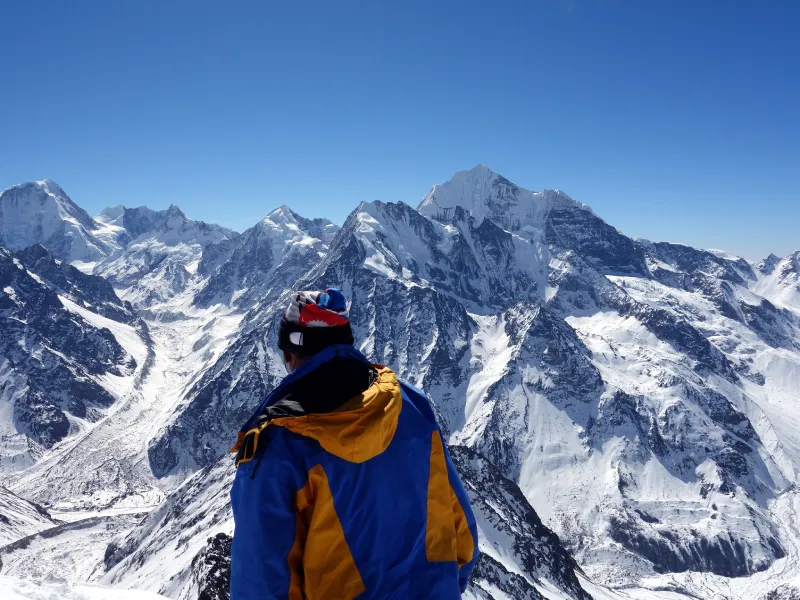
The 360-degree panoramic views from the summit of Yala Peak are breathtaking. From the top of the mountain, you can see several peaks of Nepal including Langtang Lirung, Shishapangma, Dorje Lakpa, and Ganesh Himal all in one place.
Normally, it will take about 12-16 days for a regular Yala Peak Climbing itinerary. However, everything will depend on the altitude acclimatization and the speed of ascent you are comfortable with. In any case, you will have to pass Syabrubesi, Lama Hotel, Langtang Village and Kyanjin Gompa to finally reach your destination. Each next step will provide its own specific atmosphere.
In general, Yala Peak Climbing is considered to be one of the most available technical peaks in Nepal. Although some experience in mountaineering is not required, the expedition members should be quite fit and motivated, obviously. What is also noteworthy, the local guides and agencies conduct high-quality tours with appropriate equipment support.
This climbing tour can perfectly suit for those who want to ascend their first Himalayan peak or are interested in a more adventurous alternative than just a trekking tour. The expedition is quite raw but extremely motivating, so you can expect an unforgettable experience.
Yala Peak Climbing Route
Yala Peak Climbing passes straight through the center of the Langtang area, which must be mentioned as one of Nepal’s easiest mountains to access, yet unlike other famous mountains like Everest and Annapurna, it remains relatively deserted.
The trail begins from Syabrubesi, an isolated little border settlement at 1,550 meters. The route takes you up the Langtang Khola River for miles, passing by some extremely dense forest areas consisting of oak, rhododendron, and even bamboo trees. The scenery starts to open up with your gradual elevation gain as you continue your way further.
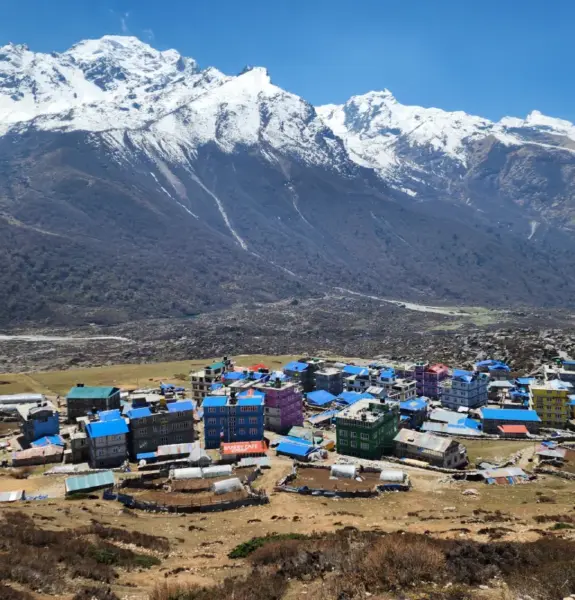
Eventually, the surrounding vegetation will change from forest type to alpine scenery. This journey involves passing through several small villages and even visiting some Tamang villages made of stone houses and adorned by prayer flags. The highest settlement, Langtang Village, lies at an elevation of about 3,430 meters.
The trail from Langtang village continues upward all the way to Kyanjin Gompa at 3,870 m altitude, which marks the last settlement on this trek. It is also the site where hikers typically acclimatize to higher altitudes since the mountains seem incredibly close to reach, touching distance away.
Once you are above Kyanjin Gompa, it becomes much more difficult. The route to the Base Camp of Yala Peak crosses through the rocky moraines and edges of glaciers, which makes walking on such ground very tricky. The camp is about 5,000 meters above the sea level and provides you with an excellent view of the whole area in front of you.
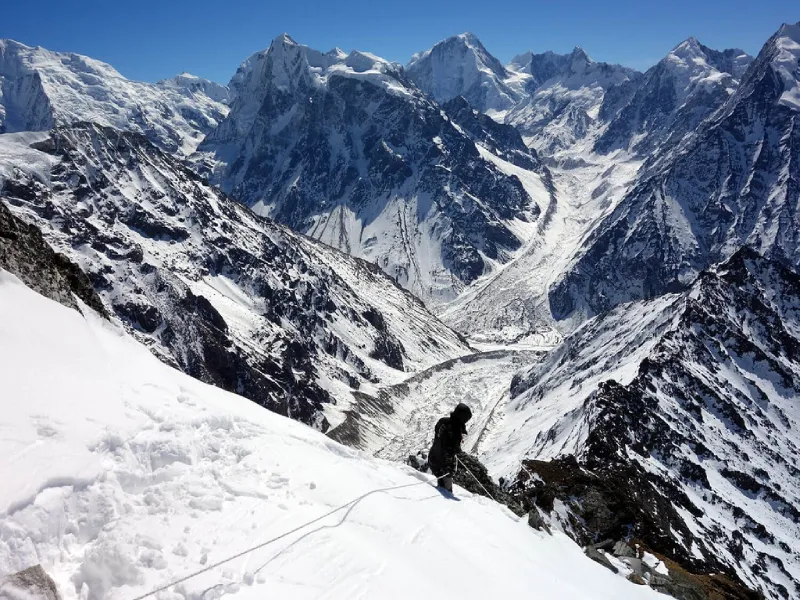
This last part of the way goes along the steep ridge covered with snow and ice. The part called Yala Peak Climbing, which comes from close to the summit, will provide you with some spectacular views of the whole range and area of the Langtang.
Who Can Join the Yala Peak Climbing
Yala Peak Climbing is officially categorized as a trekking peak by Nepal Mountaineering Association, which implies that this adventure activity is a perfect blend of hiking and climbing. The reason behind this classification is important since it makes Yala peak quite accessible to a bigger group of individuals as compared to most of other peaks in the Himalayas.
The first thing to understand is that you do not require any previous experience in mountaineering in order to climb this mountain. That said, it is very important to be physically fit in order to take on this task. In general, the ability to walk for 5 to 7 hours every day with a small pack on one’s back should suffice.
Anyone from the ages of 18 to 60 would be able to successfully climb the Yala peak. There are some cases where some teenagers have successfully climbed the peak with the supervision of their parents. As a matter of fact, healthy climbers aged above 60 years have also successfully reached the top.
Previous experience with high altitude areas is a huge advantage. Being successful with other challenging climbs, such as the Everest Base Camp and the Annapurna Circuit, means that your body is used to low levels of oxygen supply. Your body has already been prepared for this type of climb; therefore, the ascent up Yala Peak is going to be easier.
But patience and proper preparation play an even more significant role than just physical condition when talking about conquering a mountain top. The day of the final push for the top of the mountain will be hard, cold, and exhausting. Only those who can keep their cool and spare their strength will be successful.
Whether you are an experienced mountaineer or not, you will accomplish this goal if you use a professional guide.
Highlights of Yala Peak Climbing
- Summit Yala Peak, at an elevation of 5,520 m above sea level, which will be an unforgettable first climb in the Himalayas.
- Spend your time trekking through the Langtang Valley, passing lush forests, yak pastures, and alpine landscapes.
- Visiting traditional Tamang villages to experience local culture and hospitality.
- Explore Kyanjin Gompa and its monastery, an important spiritual and cultural center.
- Enjoy panoramic vistas of peaks such as Langtang Lirung, Dorje Lakpa, Ganesh Himal, and the Tibetan plateau.
Photo Gallery & Video Gallery
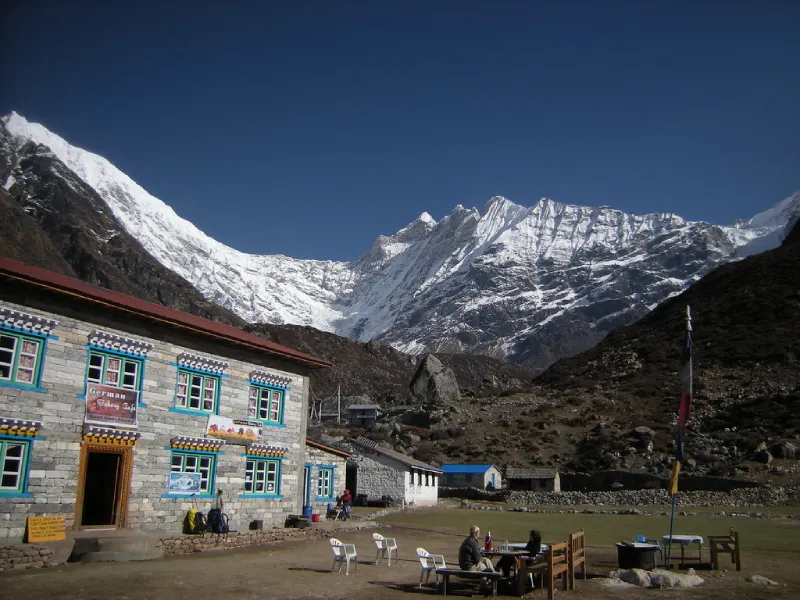
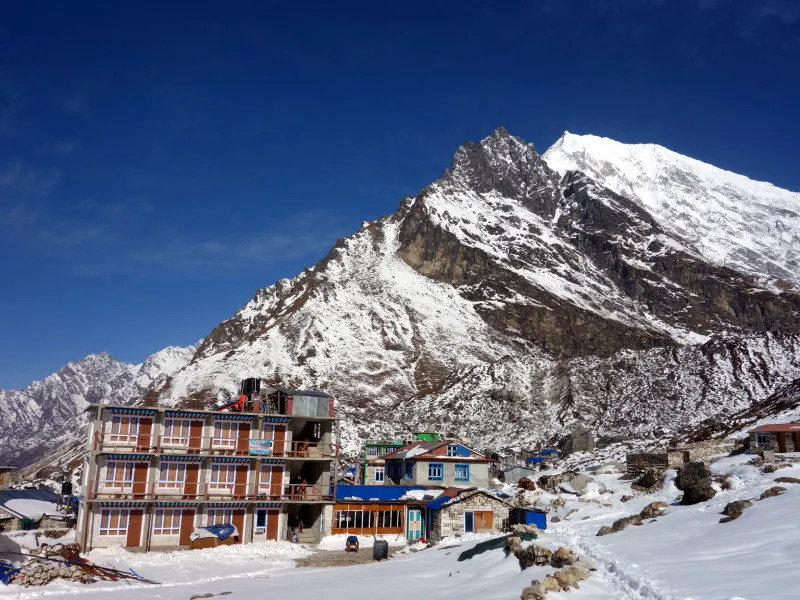
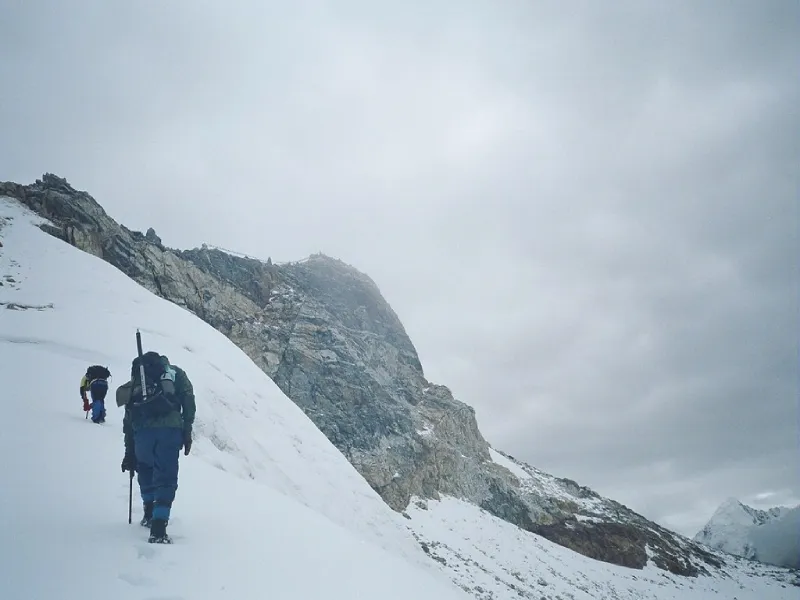
Yala Peak Climbing - Distance, Duration, and Altitude
| Trekking Route | Distance (Kilometers) | Duration (Hours) | Altitude (Meters) |
|---|---|---|---|
| Drive from Kathmandu to Syabrubesi | 122 KM | 7 to 8 hours Drive | 1500 m. |
| Syabrubesi to Lama Hotel | 12 KM | 6 hour Trek | 2470 m. |
| Lama Hotel to Langtang Village | 10 KM | 6 hours Trek | 3430 m. |
| Langtang Village to Kyanjin Gompa | 8 KM | 4 hours Trek | 3870 m. |
| Acclimatization day at Kyanjin Gompa | 5 KM | 3 to 4 hours hike | 3870 m. |
| Kyanjin Gompa to Yala Peak Base Camp | 8 KM | 6 hours Trek | 4800 m. |
| Yala Peak summit and Return to Kyanjin Gompa | 12 KM | 10 hours Trek | 5520 m. |
| Kyanjin Gompa to Lama Hotel | 13 KM | 7 hours Trek | 2470 m. |
| Lama Hotel to Syabrubesi | 12 KM | 6 hour Trek | 1500 m. |
| Syabrubesi to Kathmandu | 122 KM | 7 to 8 hours Drive | 1400 m. |
Itinerary of Yala Peak Climbing
Day 1: Drive from Kathmandu to Syabrubesi
Our adventure starts with a scenic drive from Kathmandu to Syabrubesi. It is a small town located on the entrance of the langtang valley. This will give you a glimpse of the Nepalese landscape as we drive through the hills, rivers, and small Nepalese villages. We will stop for tea or lunch on the route, if needed, as we enjoy the landscape of the terraced hills, valleys, and mountain streams. We will spend the rest of the morning in the small town of Syabrubesi, relaxing in the lodge, stretching our legs, and meeting our guides for our adventure.

Activity: 7 to 8 hours Drive

Max. Altitude: 1500m./4,921ft.

Meal: Breakfast, Lunch, Dinner

Accommodation: Hotel
Day 2: Syabrubesi to Lama Hotel
Today we begin the trekking adventure! Our first day of trekking takes us along the Langtang River. You will pass small villages and cross suspension bridges. You will also witness the traditional Tamang homes as we walk. We also have the chance to observe their normal daily lifestyles. The trekking path is gentle and easy, allowing your body to slowly adjust to increasing altitude. In the afternoon, you will reach Lama Hotel, a peaceful stop where you can rest and enjoy hot meals.
Activity: 6 hour Trek
Max. Altitude: 2470m./8,104ft.
Meal: Breakfast, Lunch, Dinner
Accommodation: Tea house
Day 3: Lama Hotel to Langtang Village
At this point, today’s trail becomes steeper as we climb into higher altitudes. The forest slowly thins out to reveal broad Alpine vistas with view of snow-capped mountains in the distance. As we trek, we see Buddhist monasteries along the trek. Langtang Village is a serene settlement that offers breathtaking views of mountains such as Langtang Lirung standing majestically tall in the backdrop. As you arrive at this point, you realize that you are breathing mountain air and that the higher altitude makes trekking a bit difficult. Tea houses here are basic and simple but comfortable enough to spend the night.
Activity: 6 hours Trek
Max. Altitude: 3430m./11,253ft.
Meal: Breakfast, Lunch, Dinner
Accommodation: Tea house
Day 4: Langtang Village to Kyanjin Gompa
Today’s trek is a shorter one, but uphill, allowing your body more to acclimatize. You will walk pass through yak pastures, glaciers and Kyanjin Gompa, a village famous for its monastery and views surrounded by tall peaks. The views from the Kyanjin Gompa are spectacular, especially of peak like Dorje Lakpa during sunset sunset. In the afternoon, you can explore the village and nearby trail, visit the monastery, or just relax at the tea house.
Activity: 4 hours Trek
Max. Altitude: 3870m./12,697ft.
Meal: Breakfast, Lunch, Dinner
Accommodation: Tea house
Day 5: Acclimatization day at Kyanjin Gompa
Today is a day for acclimatization, and it is necessary for preparing your body for attempting to reach the summit. During this day you can go for a short hike to nearby viewpoints like Tsergo Ri or explore the glacier around Kyanjin. The light exercise allows your body to adjust to higher altitude while viewing some of the stunning mountains. The rest of your time can be spent at the tea-house or with the locals to learn more about this village.
Activity: 3 to 4 hours hike
Max. Altitude: 3870m./12,697ft.
Meal: Breakfast, Lunch, Dinner
Accommodation: Tea house
Day 6: Kyanjin Gompa to Yala Peak Base Camp
Today is the most exciting day as we begin the trek to Yala Base Camp early. The trail involves crossing rocks and passes through alpine meadows. You can feel the decrease in the density of the air as we ascend. Most of the time the pace of the journey remains slow. During the walk, we can observe wildflowers, yaks feeding in the meadows, and distant glaciers. In the afternoon, you will reach a valley surrounded by mountains. It is the point where you will establish your camp in preparation for the final walk to the summit.
Activity: 6 hours Trek
Max. Altitude: 4800m./15,748ft.
Meal: Breakfast, Lunch, Dinner
Accommodation: Tea house
Day 7: Rest day at Base Camp
This is an important day that allows acclimatize to the high altitude or is a rest day before the final walk to the summit. To acclimatize your body, you can use the day to explore the camp or observe the breathtaking view of the mountains. It is a day to prepare physically and mentally for the early morning trek to the summit.
Activity: Rest day
Max. Altitude: 4800m./15,748ft.
Meal: Breakfast, Lunch, Dinner
Day 8: Yala Peak summit and Return to Kyanjin Gompa
The day starts early, around 2 to 3 am with headlight to light up the snowy path as you ascend to the summit. You will use crampons and ice axe, assisted by your guide to climb the peak. When you reach the summit peak, it offer you a glimpse of the majestic peaks of Himalayas such as Langtang Lirung, Dorje Lakpa and other peaks located in Tibet. After enjoying the sunrise view and taking photos, you will carefully descend back to Base Camp and eventually to Kyanjin Gompa to have a warm and relaxing sleep. This day is exhausting but most memorable experience of your life.
Activity: 10 hours Trek
Max. Altitude: 5520m./18,110ft.
Meal: Breakfast, Lunch, Dinner
Accommodation: Tea house
Day 9: Kyanjin Gompa to Lama Hotel
Once the excitement of the summit is over, we return by the same trail, and our route takes us through glaciers, yaks, and alpine meadows. This time, our return is relatively less stressful. When you reach Lama Hotel, you can relax, enjoy a hot shower and celebrate the completion of Yala Peak Climbing.
Activity: 7 hours Trek
Max. Altitude: 2470m./8,104ft.
Meal: Breakfast, Lunch, Dinner
Accommodation: Tea house
Day 10: Lama Hotel to Syabrubesi
Today’s hike is largely downhill. The terrain takes you through the forest and alongside the river. It will be easier to walk, and you will see changing scenery because you are getting to lower elevations. Depending on your pace, you can stop for tea either in the villages or in those teahouses. Arriving in Syabrubesi, you can rest and pack your gear and enjoy the dinner while reflecting on the journey.
Activity: 6 hour Trek
Max. Altitude: 1500m./4,921ft.
Meal: Breakfast, Lunch, Dinner
Accommodation: Hotel
Day 11: Syabrubesi to Kathmandu
Today is the final day with a scenic drive back to Kathmandu. You can enjoy the last view of the terraced field, small town and rivers. After reaching Kathmandu you may check into your hotel upon arrival in Kathmandu, rest, and in the evening, enjoy a complimentary local dinner hosted by our company to celebrate your successful completion of the Yala Peak adventure.
Activity: 7 to 8 hours Drive
Max. Altitude: 1400m./4,593ft.
Meal: Breakfast, Lunch, Dinner
Accommodation: 3 Star Hotel
Includes/Excludes
What is included?
- Permits & Fees: The required permits for doing the Yala Peak Climbing are all included in the package. This will include the Yala Peak Climbing Permit (NMA), the Langtang National Park Permit, as well as the TIMS card, if required.
- Accommodation: Accommodation in local teahouses or lodges throughout the trek are included. This also include hotel stays in Kathmandu before and after the trek in 3 star hotel.
- Meals: This package includes 3 time meals – breakfast, lunch and dinner during the trek. It also include hot beverages during breakfast and lunch and seasonal fruit after dinner.
- Transportation: All necessary ground transport services according to the itinerary have been included. This entails transfer services by private or shared vehicles from Kathmandu to Syabrubesi and return back.
- Guide and Porters: Services of an experienced English-speaking trekking guide and porters to carry luggage. This includes their salary, insurance, equipment, transportation, food, and accommodation.
- First Aid Kit: A basic first aid kit is typically provided.
- Trekking Map: A detailed map of the trekking route is usually included.
- Equipment: Duffle Bag, Sleeping Bag (if necessary)
What is not included?
- International Flight: International Flight to and from Nepal is not included. Travelers need to manage their own ticket.
- Travel Insurance: Travel insurance that cover emergency rescue is not included and you will be expected to have you own.
- Personal Expenses: Expenses for extra meals, snacks, drinks, Wi-Fi, shower and other personals cost are not included.
- Nepal Visa Fees: Entry visa fee for Nepal are not included.
- Trekking Gear: Trekking equipment, such as hiking boots, trekking poles and other gear are not included.
- Tips: Tips for guide and porter are not included and left to your decision.
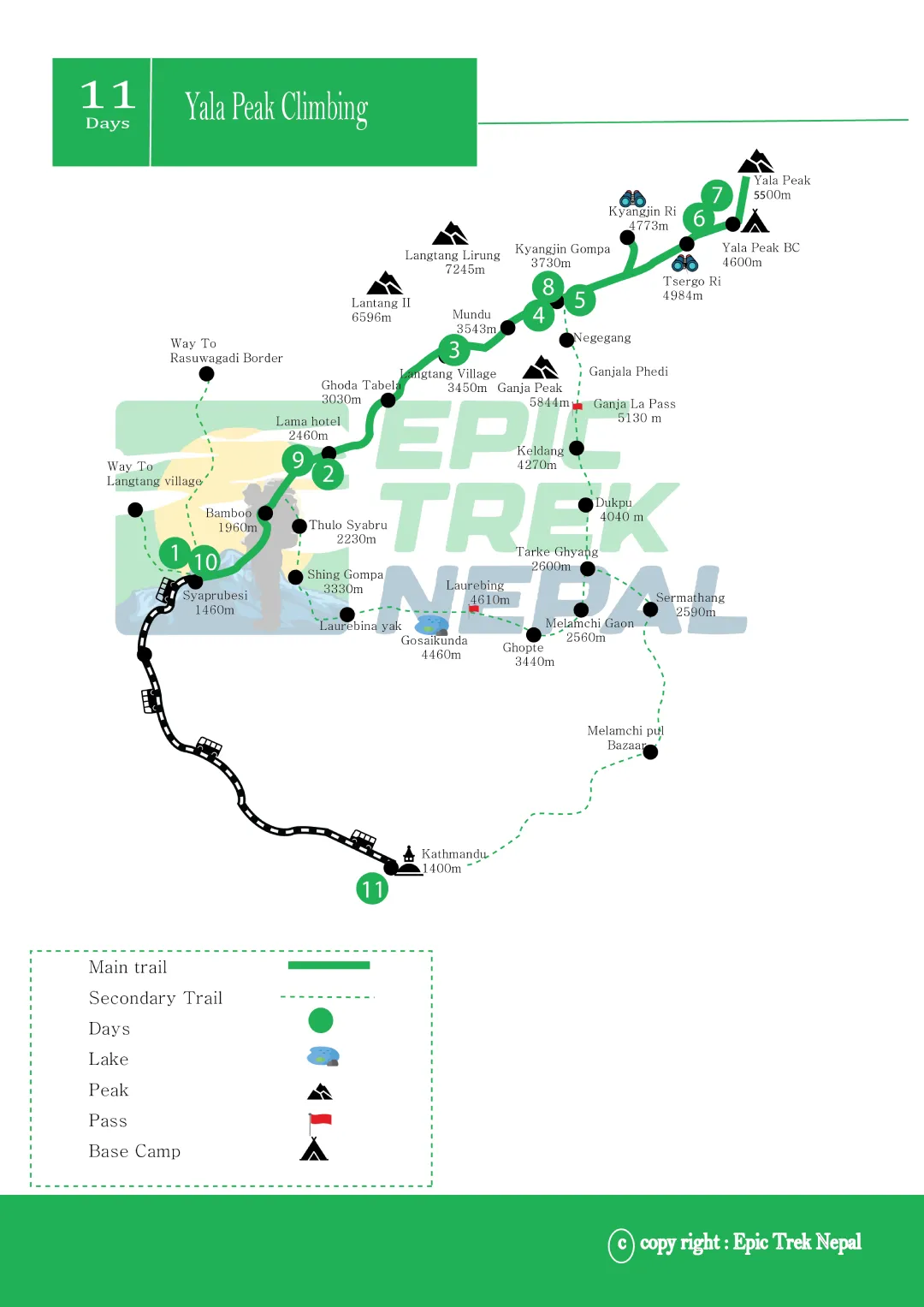
Trip Map of Yala Peak Climbing
Trip Information
Difficulty and Fitness Level
Yala Peak Climbing is considered a moderate to challenging adventure but definitely doable for someone with good fitness and a strong mentality. You do not have to be a professional climber or athlete. As long as you are comfortable hiking for 5 to 7 hours on a relatively tough trail with a small backpack, you are good to go. Most of the days are uphill hikes and the difficulty comes from higher altitude rather than technical climbing.
The biggest problem of Yala Peak is not climbing but the higher altitude. The more you climb, the thinner the air gets, and even a simple walk becomes difficult. That’s where acclimatization is helpful. It helps your body to acclimate to high altitude. The climb to the summit begins early morning which includes snow walking and gentle slopes. Yala Peak is not a technically difficult climb but is very cold, windy and very high. For the Yala Peak Climb being patient is more important than being strong.
When it comes to physical fitness, keeping things simple is the best policy. A few weeks of hiking or stair climbing or even just walking is helpful. A little cardio work like jogging or cycling is best for building endurance. When the climbing begins, it is done step by step, there is no need to rush. Developing mental strength is also as important as physical strength, since it is cold outside and there is lack of oxygen. With patience and proper guidance, it is possible to complete Yala Peak Climbing without technical climbing history.
Preparation for the Yala Peak Climbing
Proper preparation for Yala Peak Climbing is crucial not only from the point of view of ensuring maximum safety but also so that you could genuinely enjoy the climb and not suffer through it. In this regard, you should consider preparing for your trip in advance, at least two or three months before your flight. This will ensure that your body is adequately prepared for the physical load.
When it comes to training, you should include some cardiovascular exercises, like running, cycling, swimming, or walking uphill. It is recommended to try to train four to five times a week, slowly increasing the load as the time for departure approaches.
Strength training should also not be ignored, as it can positively impact your performance during Yala Peak Climbing. In this case, pay attention to the muscles of the legs, as well as the core muscles, which will be actively engaged during ascent and descent. One of the best recommendations for aspiring climbers is to walk uphill with a backpack containing some weight.
If you can manage, take one or two practice treks at a high altitude before starting off for your trekking adventure. It will not only give your body an idea of what awaits but also the chance to see if your boots will provide blisters!
As far as gear is concerned, you need to buy yourself good quality hiking boots, layer clothing, and a warm sleeping bag that would help you withstand the extremely low temperature of less than -10°C. The Yala Peak Climbing Itinerary will involve quite cold evenings at base camp which calls for investing in proper gear instead of compromising on budget issues.
Last but not the least, you must visit your doctor before your departure. Not only will he ensure your fitness for the journey ahead but will also recommend you the right medications for altitude sickness such as Diamox.
Cultural Festivals on the Trail
The culture in the Langtang area is very fun, mostly due to its Tamang and Tibetan Buddhist influences. You should definitely schedule the trek to coincide with one of these colorful celebrations.
First, Lhosar is the celebration of the New Year among Tamangs and Sherpas, and it will blow your mind! Traditional dances and music performances can be seen everywhere in Langtang. The celebration takes place somewhere in January-February.
Secondly, Buddha Jayanti marks the birth of Buddha. This holiday gives a very spiritual touch to the monasteries you will pass during your trek. Kyanjin Gompa holds some special prayer services and burns butter lamps during this time, usually in May.
Another major festival comes in late September with Indra Jatra. While most of the fun takes place in Kathmandu, the festive mood certainly touches the mountaineers too.
In autumn, you can join the Yala Peak Climbing and enjoy it along with the local harvest festivals. You may accidentally come across some ritualistic activity or be invited by locals to eat some of their food in a tea house. Surprisingly, these unplanned experiences sometimes turn out to be the most unforgettable experiences of your entire tour!
Climbing Permits and Required Documents
Getting everything sorted out regarding the necessary documents for Yala Peak Climbing Itinerary beforehand is always good. This will save you a lot of headaches after arriving in Kathmandu when all you want is to start getting things done.
Firstly, foreigners coming to Nepal are required to have their tourist visa arranged. You may acquire it as soon as you arrive at the airport in Kathmandu, but those who plan ahead can do this even before leaving your home country. Just know that the cost will depend upon the number of days you are planning to stay, usually 15, 30, or 90 days.
The specific permission for climbing should be issued by the Nepal Mountaineering Association (NMA). However, you will see that the cost of this permit will vary according to the season, spring and autumn seasons are somewhat expensive compared to winter and summer. Your trekking agency will take care of this tedious work.
Before beginning your adventure on Yala Peak Climbing, there are some permits that you will have to arrange. First, the permit for Yala Peak is a must. This permit will be given by the Nepal Mountaineering Association. With this permit, you can climb the Yala Peak.
Second, as Langtang National Park is situated inside Langtang National Park, you need to get the permit for Langtang National Park. This will aid the conservation efforts of the region.
Third, in case you are going to trek alone, then you may require buying a TIMS card. This card ensures safety during the entire trekking process.
Cost of Each Permit:
- Yala Peak Climbing Permit: It will approximately cost 350 USD per person for solo climbers.
- Langtang National Park Permit: It costs around 30 USD a person.
- TIMS card: It costs around 20 USD per person.
All these permits are quite easy to organize if you are going with a trusted and reliable trekking agency like Epic Trek Nepal.
Professional Guide and Porter Support
Climbing Yala Peak with a professional team becomes much more simple and easier. The guide who will accompany you is most likely experienced in mountaineering and very familiar with the Langtang area. They will help guide you during your climbing, ensure your safety, assist in the route and ensure all are well acclimated. Many guides have already climbed Yala Peak before several times, so trekkers don’t need to worry because they know what to do when faced with any problems at higher altitudes.
Trekker porters are also an important feature of trekking. They will help you carry items like camping gear and cooking utensils, ensuring you are able to walk comfortably without any burden. These porters are well experienced in trekking through difficult routes over snowy areas while carrying heavy loads.
Mobile Network, Internet & Charging Facilities
Staying connected during Yala Peak Climbing is quite possible down in the valley sections, but please don’t expect fast internet like in urban areas.
In Syabrubesi and at lower elevation points, both NTC and Ncell have reliable mobile connections. Making calls and using basic data packages is perfectly fine down here. However, once you climb up to Langtang village and Kyanjin Gompa, signals tend to become really slow.
WiFi is available in most teahouses in Syabrubesi, Lama Hotel, Langtang village, and Kyanjin Gompa. It’s relatively slow but sufficient for WhatsApp communication or sending emails. A minimal charge per hour usually applies when using WiFi in a teahouse.
With regard to charging, it must be noted that most tea houses along the route of Yala Peak Climbing Itinerary provide such facilities but with some small fee. I would strongly advise taking a portable power bank.
Lastly, remember to bring all your chargers, adapters, and extra batteries when traveling from Kathmandu. You will not find these items after leaving Kathmandu.
Travel insurance
Travel insurance is not something optional when it comes to Yala Peak Climbing as it is absolutely necessary. The peak does not care what your plans are, and getting stuck in an emergency situation without any financial backing will turn things from bad to worse.
When looking for insurance, be aware that some plans cover only hiking and trekking activities below 5,520 meters. Most travel insurance policies actually exclude altitudes above 4,000 meters, meaning you have to read the terms and conditions thoroughly before purchasing anything.
Helicopter evacuation services are crucial since a single rescue operation can easily exceed several thousand dollars. In case you suffer from altitude sickness, get injured, or face unfavorable weather conditions that prevent your team from descending on their own, you will incur huge expenses.
It’s also important that you consider insurance coverage for trip cancellations, medical expenses, loss or damage of equipment, and repatriation. These may be significantly different from one company to another, and comparing some is not going to hurt.
Tip: Get your insurance done before leaving from home. In almost all cases, trying to get this done once you’re already at Nepal will only give rise to an excruciating experience during claims. Once done, pass on the details of your policy to your adventure provider, and to your emergency contacts at home as well.
Trip Extension and Side Trails
One of the best features of the Yala Peak Climbing Itinerary is the ease with which it connects to various other beautiful attractions in Langtang region.
Perhaps the most popular side attraction from Kyanjin Gompa would be climbing the summit of Tsergo Ri (4,984 m), which takes a whole day of walking to reach but gives some amazing views of Langtang Lirung mountain and glaciers. Climbing this peak has even been chosen as a trial exercise by most of the climbers who then proceed to Base Camp of Yala Peak.
Another excellent side peak to climb is Kyanjin Ri at an altitude of 4,773 m. This peak is a little less challenging but offers amazing views of the entire valley around it. Watching the sunrise from its summit is an unforgettable experience.
The trekking trail from Kyanjin Gompa also leads on to another famous tourist destination, Gosaikunda Lake (4,380 m), an important pilgrimage place for both Buddhists and Hindus.
It takes about three to five additional days to include Gosaikunda Lake into your Yala Peak Climbing itinerary. Just discuss your plan with your travel agency beforehand.
Health and Safety on Yala Peak Climbing
Being safe during the adventure of climbing Yala Peak requires only preparation, vigilance, and most importantly, listening to your body’s needs.
First and foremost, the problem that concerns everyone is AMS. The initial signs may be either a headache or nausea, dizziness and fatigue should also not be ignored. In any case, one should stop climbing, because descending as low as 300–500 meters helps alleviate the problem significantly.
Besides, remember to stay hydrated. Losing moisture at high altitudes occurs much quicker than you would think, which increases the symptoms of AMS. Therefore, you have to drink from three to four liters of water per day and alcohol consumption should be avoided strictly.
You should bring along a personal first aid kit containing remedies for blisters, pain relief medication, hydration salts, and some Diamox to deal with high altitudes. Your guide will also be equipped with some emergency kits, but bringing your own set just makes sense.
Frostbite and hypothermia will start to become serious concerns as you near the peak. Make sure you wear layers, cover your hands and feet, and don’t “tough it out” in dangerously cold conditions without proper gear.
But most importantly, always make yourself heard when you experience symptoms of feeling unwell. On Yala Peak Climbing adventure, speaking up about your condition at an early stage could quite literally mean the difference between life and death.
Frequently Asked Questions
Yes, even a beginner do this climb without requiring climbing experience, but it is helpful to have trekking experience and basic physical fitness.
Yala peak has a height of 5,520 meter (18,044 ft) above sea level.
No, you don’t need climbing experience to climb Yala peak but basic snow walking and simple climbing technique will be taught by your guide during the trek.
Yala Peak Climb take minimum of 8 to 14 days depending on the walking pace and the rest you take between the days.
You will require a Yala Peak Climbing Permit, a Langtang National Park Permit and a TIMS card if required.
The best time of the year for climbing Yala Peak are Spring (March to May) and Autumn (September to November) which provide stable weather and best view of the mountains.
During the Yala Peak Climb the temperate can drop below -10 Degree Celsius at night on summit day, especially in autumn and winter.
Yes, altitude sickness is possible during the Yala Peak, but proper hydration, slow pacing and acclimatization helps to reduce the risk.
Generally, the duration for the Yala Peak Climbing Itinerary lasts for around 11 days. This includes time spent in traveling to and from the location, adjusting to the air quality, summiting day, among others.
The elevation of Yala Peak is 5,520 meters, and this elevation makes the peak very popular among climbers who are starting their climbing career.
Yes, having a licensed guide is mandatory, as he will not only lead you along the route but will be responsible for the safety and permit issues as well.
They are tea houses and some basic lodge accommodations. Very basic, they offer regular meals and rooms are dormitory or individual according to your destination.
Mostly there would be a lot of Dal Bhat (an excellent source of energy). There might be noodles, pastas, soups, eggs, and also some Western cuisine.
Yes, definitely! Many climbers prefer doing the Gosaikunda Lake Trek or Tamang Heritage Trail. Or alternatively, some time spent in Kathmandu as well.
Trip Reviews
US$ 970
Need Help? Talk to Expert
+977 9764792172