How Difficult is Gokyo Chola Pass Trek
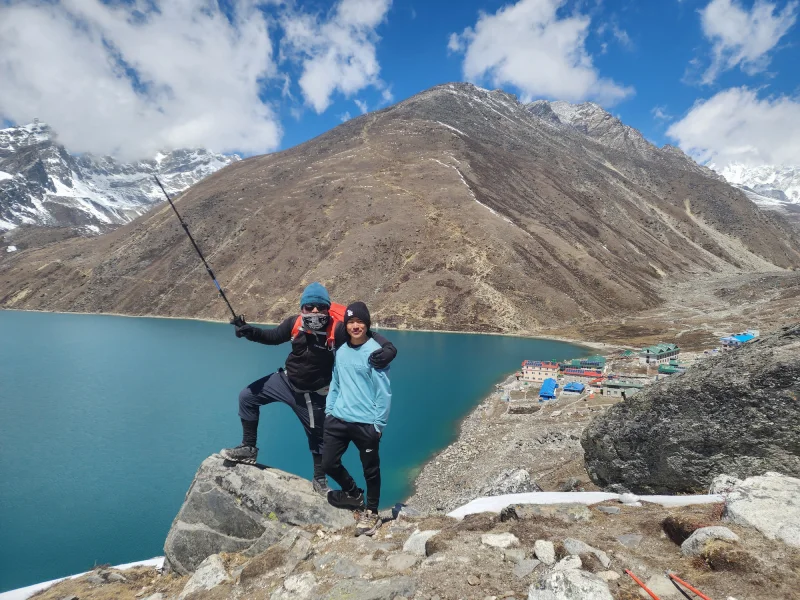
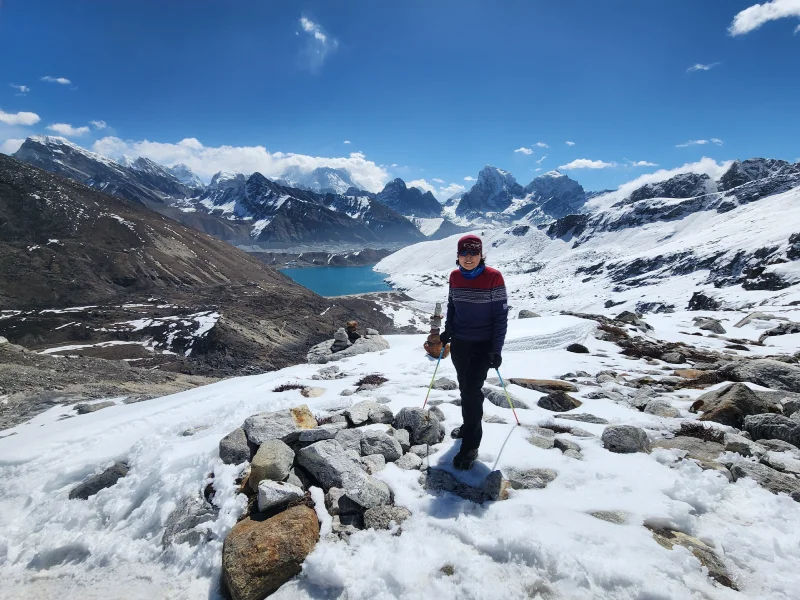
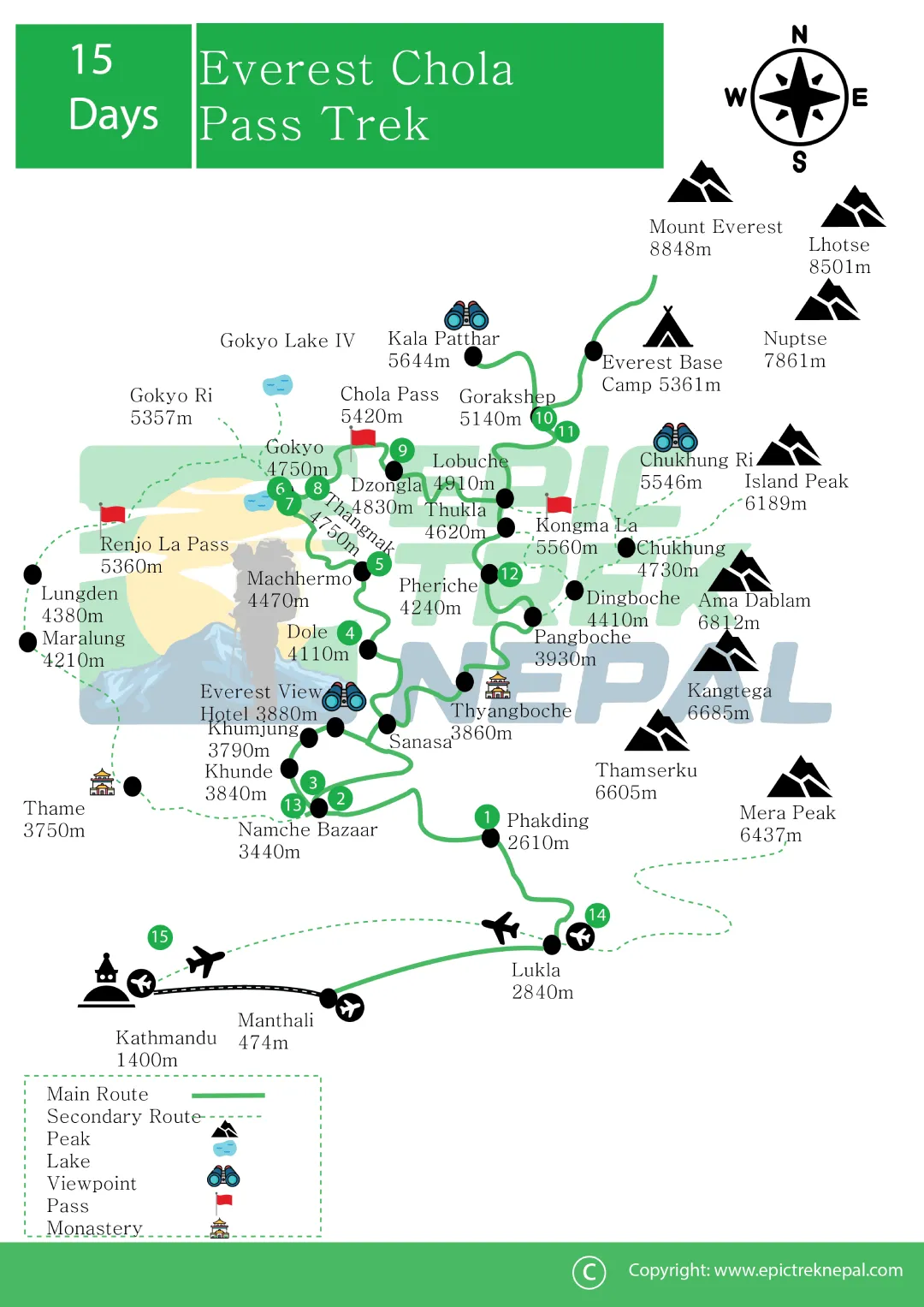
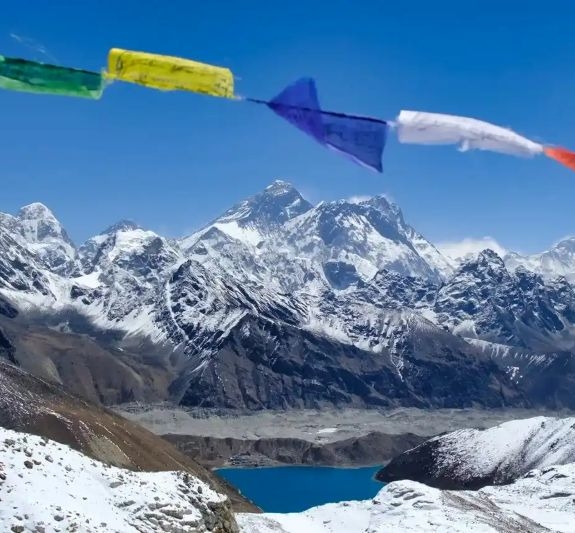
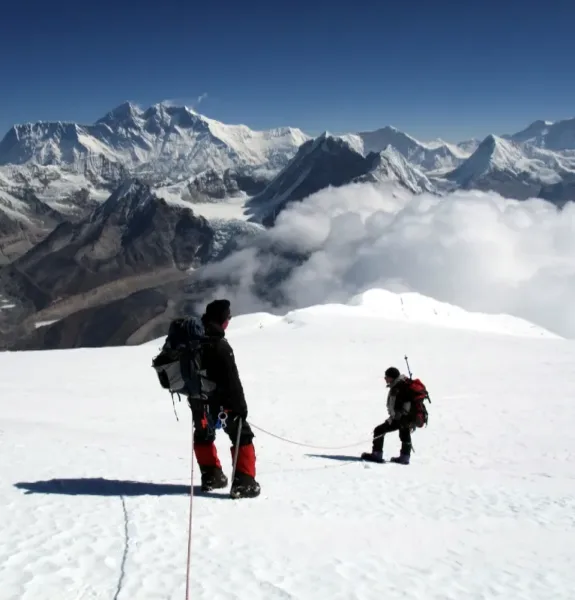
The Gokyo Chola Pass Trek is categorized as moderate to challenging trekking. It requires serious efforts for a period of 18 days. Long walks, steep climbs, crossing of glaciers, and going over passes of an altitude of more than 5,000 meters characterize it. One of the most difficult sections to pass is the Chola Pass with an elevation of 5,420 meters where you have to exercise utmost caution while walking in the icy and rocky surface.
Altitude becomes a major concern in the Gokyo Chola Pass Trek. At increasing altitudes, the level of oxygen decreases while making the body to work harder to cope with basic activities. Altitude sickness symptoms such as headaches, nausea, and fatigue are frequent in the trek and can be dangerous and must never be ignored. The Gokyo Chola Pass Trek Itinerary provides acclimatization periods to help the body to cope up with the environment.
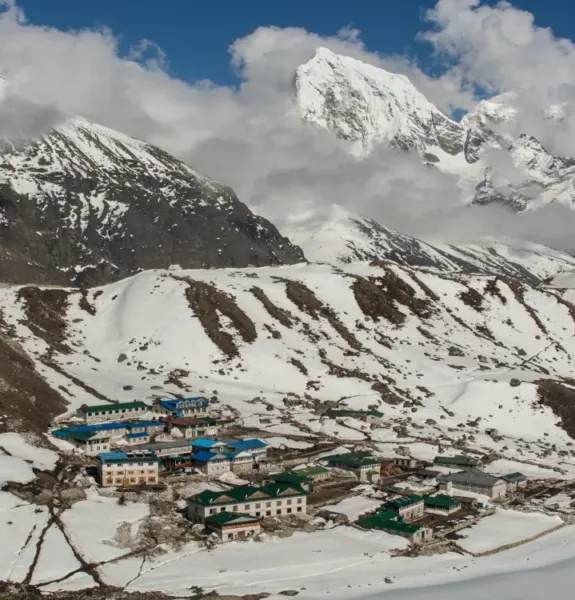
On average, each day walking takes 5 to 8 hours. Some parts of the trekking path have well-built stone trails while others may have rugged glacier moraine. For instance, the Gokyo Lake Trail is made of stones. People who train adequately for about 2 to 3 months prior to the trek find it challenging and enjoyable.
Preparation for the Gokyo Chola Pass Trek
Good preparation will be the deciding factor that determines whether your experience will be full of adventure or torture. The ideal starting point would be to get into training mode two to three months before your trip. Do the exercises that improve your endurance, such as hiking, running, or stair climbing at the gym. You will need all the stamina you can muster if you plan to walk for days.
Resistance training should not be overlooked either since you will have to support yourself using your legs, abdominal muscles, and lower back muscles throughout your hike. An expert recommendation here is to wear your actual trekking boots and carry a weighted backpack as you hike. This will prepare your body for your upcoming adventure while helping you acclimatize to wearing your boots.
Also, do not forget that the psychological aspect should not be underestimated. High altitude hiking will put your patience to the test, especially after a tiring day. Learn about your trail and discuss it with those who have already been on the Gokyo Chola Pass Trek.
About the equipment, do not bring too much gear as it can be heavy. Make sure you bring decent footwear, lots of clothes, good sleeping bags, and rain protection. Do not forget to get a physical examination from your physician and maybe take some Diamox for the high altitude. Listen to your body and drink plenty of water, and you will enjoy this adventure to the fullest!
Cultural Festivals on the Trail
It is always exciting to plan a Gokyo Chola Pass Trek when there is a festival happening in the region since it makes for one amazing adventure. The Khumbu uses the Tibetan Buddhist calendar, and the festivals add a vibrant feel to the most remote and isolated mountain villages.
The biggest festival of all is Mani Rimdu. It takes place at the Tengboche Monastery and occurs during either October or November, falling right in the middle of the high season. One gets to witness the performance of the sacred masked dances known as Cham, where the history of Buddhism defeating the forces of evil is told.
There’s also the Losar festival, the Tibetan New Year, celebrated in February or March. It adds another dimension to the Sherpa culture, where the villages in the Gokyo Chola Pass Trek itinerary host loud music, prayers, and grand feasts. If you’re trekking in Losar, expect nothing less than top-notch hospitality from the Sherpa families who will make your participation in the festivities a must.
The Dumje festival is also a must-do event in the month of July or August. It marks the birth of Guru Rinpoche, featuring some complex rituals. Though summertime is not the typical season for this kind of festivity, trekkers taking part in the Gokyo Chola Pass Trek itinerary can see the other side of the Sherpa culture, one that’s totally unseen.
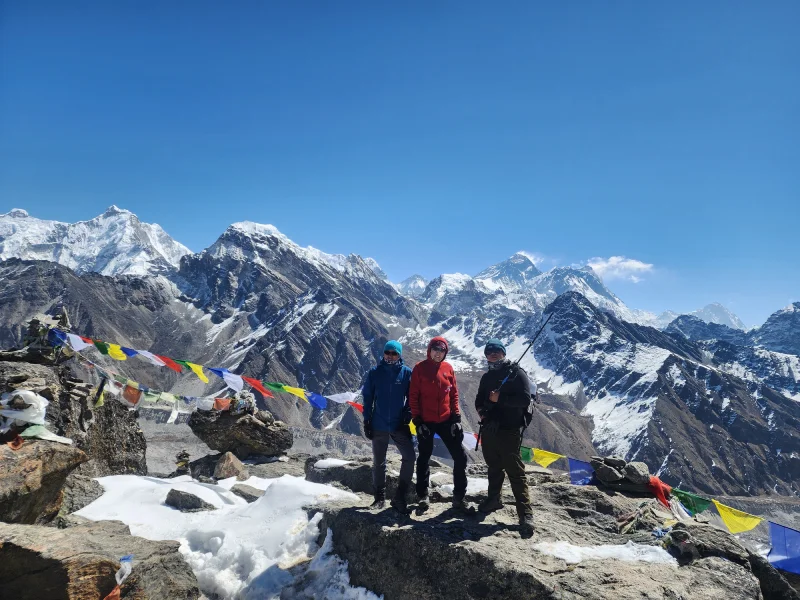
Even without any festival going on, you will experience the culture throughout the trek. From the colorful prayer flags fluttering in the wind, the melodious chants of monks in the early hours of the morning, to those small butter lamps burning inside ancient monasteries, the culture practically follows you wherever you go.
Language & Communication
Walking into a remote village in the Himalayas but still holding on to conversations easily is what most people discover when doing the Gokyo Chola Pass Trek. In this region, English is understood almost everywhere. The hotel keepers, porters, teahouse workers, and other trekkers easily understand and speak in English.
The national language is Nepali, but the villages in this area mostly speak Sherpa. Learn a few phrases before heading off to your trekking adventure. Saying “Tashi Delek” as a way of greeting and “Thuji Che” for thanking others in Sherpa language will be enough to make locals feel really happy.
Besides, your guide would be around to take care of any linguistic barriers you might come across during the trip. Most local guides speak Nepali fluently besides English and understand the dialects spoken by locals. You would hardly encounter any problems if you hire a reliable trekking agency. After all, nothing beats a cheerful attitude, a few simple gestures, and smiling faces on the trails!
Required Permits for Chola Pass Trekking
Before heading toward Chola Pass Trekking, make sure you have these permit in hand for seamless entrance at check post.
Sagarmatha National Park Entry permit
This permit is required for entering Sagarmatha National Park (UNESCO World Heritage Site). It is issued by Nepal Tourism Board.
Cost: NPR 3,000 per person
Khumbu Pasang Lhamu Rural Municipality Entry Permit
This is the replacement for the TIMS card, required for entering the Khumbu region and enforced by the local municipality. It can be issued at Lukla or at the Tourism Board Office in Kathmandu.
Costs: NPR 3,000 per person
If the trek is organized by our agency, then we will take care of all documents and paperwork. Just provide us the copy of your passport and passport-size photos. We will make it available for you.
Mobile Network, Internet & Charging Facilities
Connectivity cannot be compared to the level of connection you get in the city once you start climbing up in the mountain areas. The Gokyo Chola Pass Trek is known for taking tourists into some of the most remote places where connectivity comes and goes unpredictably. When climbing, make sure to have a Nepal Telecom SIM card in advance since they work better than Ncell.
The place where you will find stable connections to the internet would be Namche Bazaar. Apart from that, WiFi is available in nearly all tea houses but slows down as you climb up. It should be considered a luxury when going higher than 4,500 meters. Make sure to download all required maps and weather reports beforehand.
You can even charge your devices almost everywhere at any teahouse, but keep some money as hotels in higher areas often require a small payment per item charged. Since most tea houses located above 4,000 meters use solar energy or batteries for their energy needs, it would be wise to have a portable power bank with you. You must always ensure that you charge your camera, torch, and mobile phone at the end of each day.
Don’ts on This Trip
The mountains also have their unspoken rules, which determines who you are as a trekker. There are a few strict no that all participants of the Gokyo Chola Pass Trek should observe without fail.
Never take altitude lightly. Trying to push through rest days when you are feeling alright is the most frequent mistake made by trekkers. Altitude sickness doesn’t always come knocking loud and clear. Rely on your guide, respect your acclimatization schedule, and always put safety before your ego.
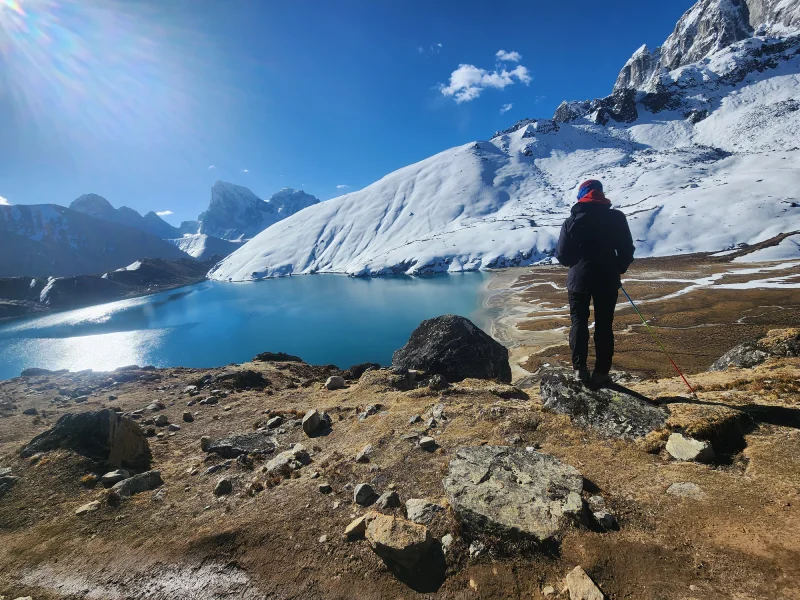
Never litter. Leave no trace. No plastic wrapper, no bottle cap. The revered Gokyo Lakes and their environs deserve better than being polluted by careless trekkers. Always carry back whatever you bring along and use garbage cans when available.
Do not walk in a counterclockwise direction near mani walls, stupas, or chortens. You should always move around them by taking them to your left side. By doing so, you demonstrate real reverence towards the Buddhism religion that is an intrinsic part of all villages along the trail.
Do not drink unfiltered water directly from natural sources without filtering it. Stomach diseases make trekking more difficult than altitude sickness. Always carry water filtration pills or any other purification devices while traversing the Gokyo Chola Pass Trek Itinerary.
Travel Insurance
Ask anyone who has trekked the Himalayas before and they will tell you the same thing, it’s imperative to have travel insurance before starting on the Gokyo Chola Pass Trek. It’s not an optional idea but mandatory. At 5,400 meters, if you experience any kind of medical emergency, expect to spend a hefty amount to get out by helicopter.
A typical vacation plan will not suffice when you go on this trek. You require one that clearly states that it includes your insurance for trekking up to 6,000 meters, helicopter evacuation, and airlifting you back to Kathmandu in case of medical emergencies.
The company providing coverage for such events normally makes arrangements concerning the Gokyo Chola Pass Trek Itinerary. It is best not to choose the cheapest plan, but instead, take a look at the evacuation limits and read reviews. Insurance that is cheap and never helps you get airlifted is worthless.
Make sure to store the information about your policy number and emergency phone numbers both in your phone and a separate book. Give that info to your guide on the first day. The agency will most likely ask for your insurance documents even prior to the beginning of the trip. This is the only guarantee of safety while traveling high in the sky.
Trip Extension and Side Trails
Gokyo Chola Pass Trek itself is already an amazing adventure, but the truth is that the Khumbu area is hiding even more exciting things to do for tourists who have some extra time to spare. Some additional trails can be added along the existing route, making this tour even more unforgettable.
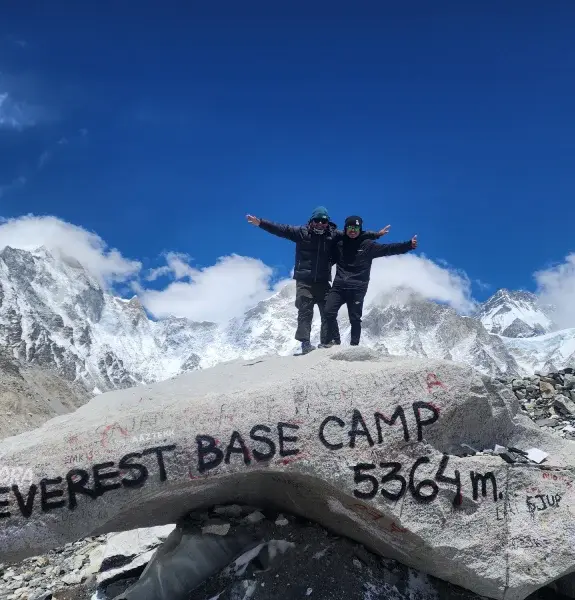
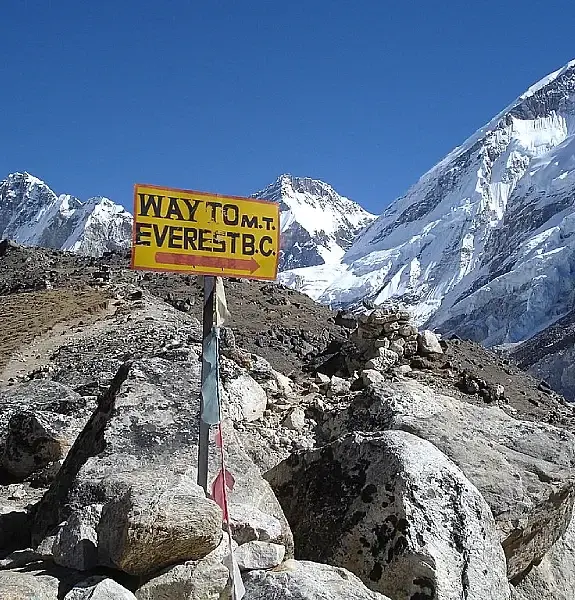
Everest Base Camp is definitely the must-see place to visit in the region, but the positive thing about this itinerary is that it already includes visiting the site. For those tourists who would like to stay at the base camp for one extra day or observe the Khumbu Icefall more thoroughly, it will be absolutely possible.
Finally, there is a special spot called Kala Patthar. Sure enough, hiking there is not an easy thing to do, but all the pain of climbing is definitely worth it when one sees the sunrise from Kala Patthar, which is 5,545 meters above the sea level.
For more advanced trekkers who want to challenge themselves, the Three Passes Trek is an option to consider. This trek incorporates one additional pass, the Renjo La Pass, along with the Gokyo and Chola passes to form one large loop around the area. It will probably take you four or five days extra to complete this adventure, but you will see some of the best views that other trekkers don’t get to see.
If you have some time left after trekking in Gokyo, you should definitely visit the Ngozumpa Glacier. Being the largest glacier in the Himalayan region, walking alongside it will give you the most direct view of the landscape. This will give you something to remember for a very long time!
Health and Safety on Gokyo Chola Pass Trek
While your equipment and preparation are very crucial, your safety should receive equal importance. You will hike to heights, and by understanding the main risks, you will be able to prepare for ways of protecting yourself throughout the whole journey.
The first important thing that needs to be taken into account about the Gokyo Chola Pass Trek is the possibility of suffering from Acute Mountain Sickness. In no case should you ignore signs altitude sickness, which may include constant headache, nausea, dizziness, and fatigue. Drink plenty of water, restrict your alcohol consumption initially, and move at a steady pace. Ask your doctor about taking Diamox before joining the group for the trek.
Some of the other physical problems include hurting ankles, knee pain, and blisters. Remember to bring along trekking sticks, wear properly broken-in boots, as well as an essential first aid kit. Hiking through the glacier on Chola Pass, you should be extremely careful since you must always follow your guide’s advice.
The weather will suddenly change while trekking the Gokyo Chola Pass View Trek in the mountains. Ensure that you wake up early, put on many clothes and always pack your rain gear no matter how nice the weather is in the morning.
It is advisable for you to always have your insurance papers. Inform a person of trust about your travel itinerary before the journey.
Through proper planning, you can enjoy an adventure of a lifetime in the mountains.





 Share
Share