
Ama Yangri Trek
77 reviews in Tripadvisor

Trip Duration
5 Days
Destination
Nepal
Max. Altitude
3,800 m.
Trip Difficulty
Moderate
Group Size
1-12
Transportation
Private Vehicle
Accommodation
Hotel/Teahouse
Activity
Trekking
Meals
All Inclusive
Start / End
Kathmandu
Region
Langtang
Best Season
Spring & AutumnUS$ 440

Need Help? Talk to Expert
+977 9764792172Trip Overview
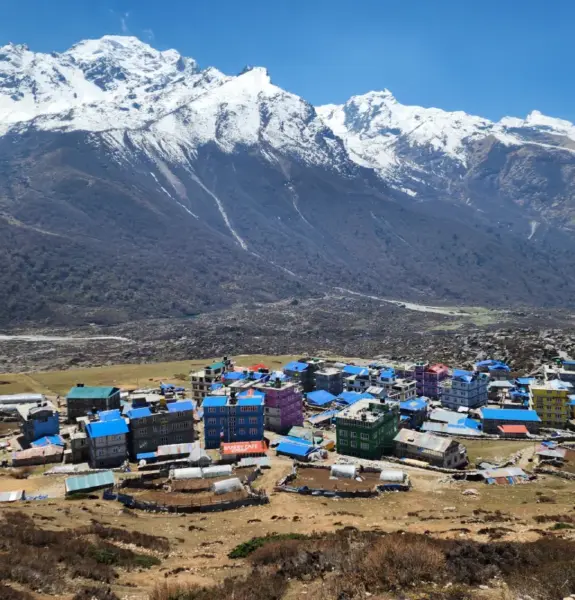
The Ama Yangri Trek is one of those rare and serene types of treks within the Himalayas that still seems completely unexplored. The Ama Yangri located, in a picturesque valley known as Helambu region within Sindhupalchok, provides a true escape from the bustling city life, leading you into a peaceful world full of nature, villages and mountain views. While it is actually quite close to Kathmandu, it genuinely feels like you have entered into the heart of the mountains.
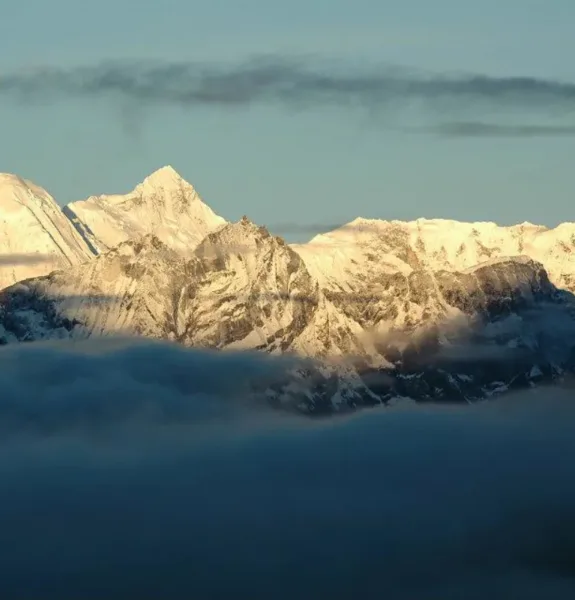
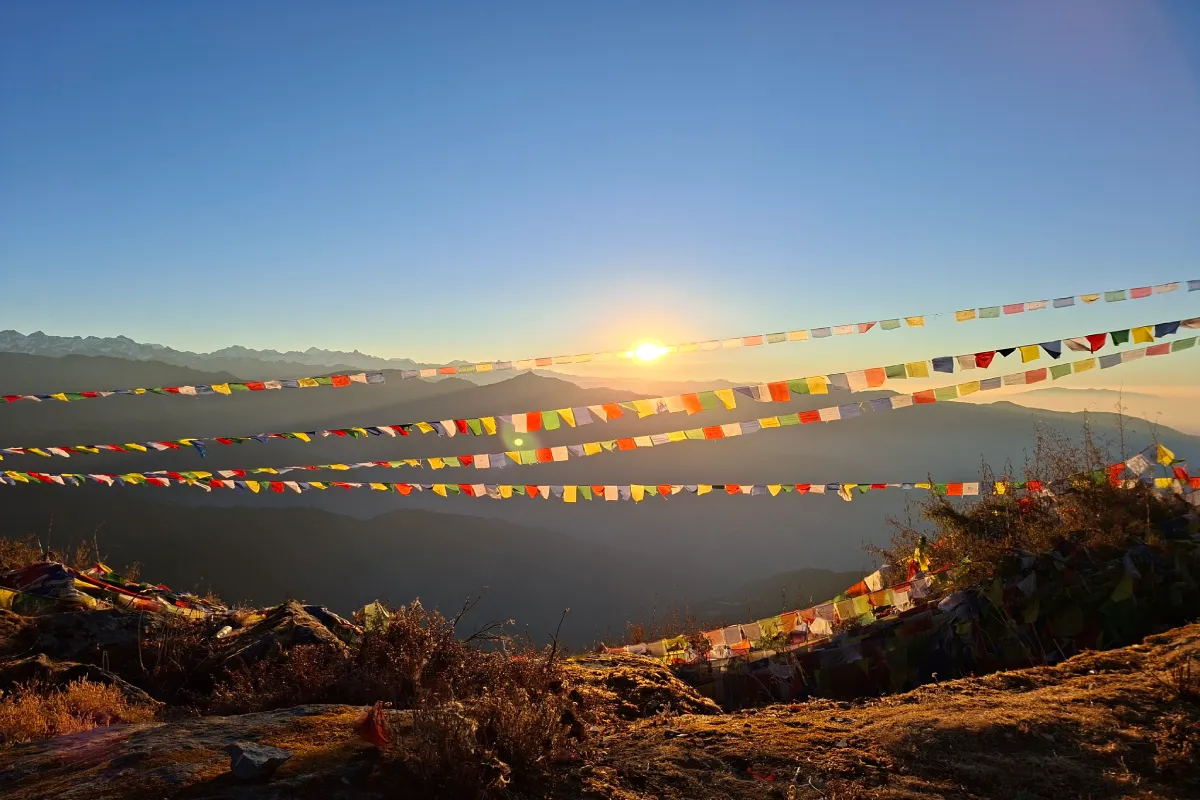
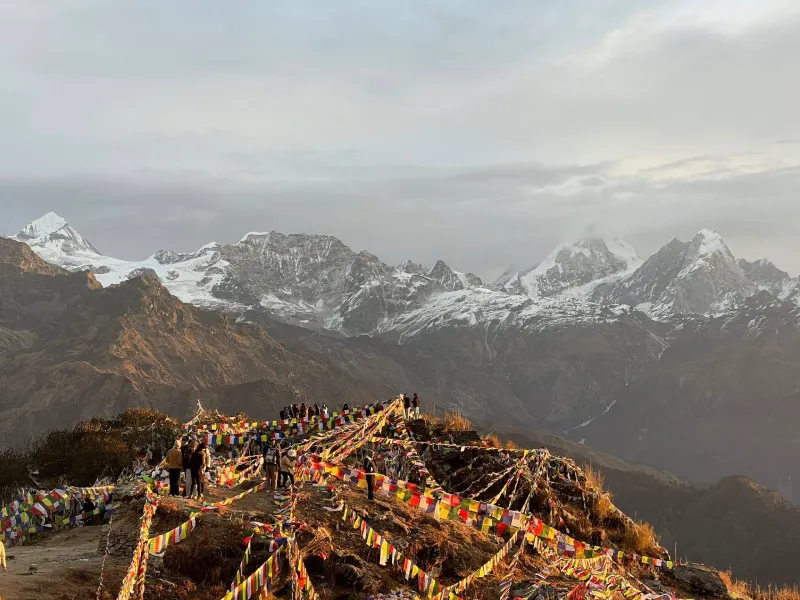
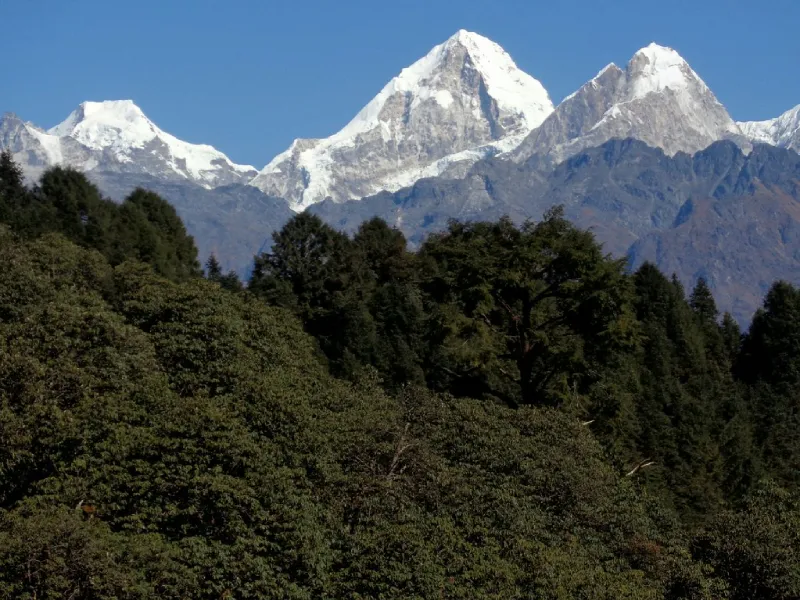
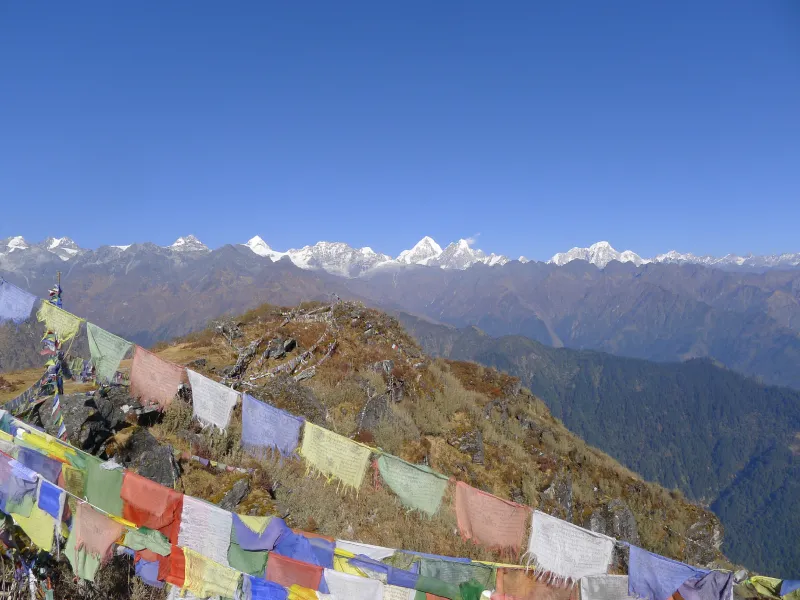
The main highlight of this trek is Ama Yangri itself , standing at an altitude of 3,771 meters. From the summit, trekker can see some of the breathtaking view of mountains including Langtang, Ganesh Himal, Dorje Lakpa, Gaurishankar and few more snow capped mountain with the golden beauty of the sunrise. That short moment when you see sunrise touching those high mountain ranges. It is quiet, it is powerful, and it is something you won’t easily forget.
Ama Yangri has everything from peaceful places to true Himalayan experiences without having to go to extreme altitudes. It is perfect for the trekkers who wants to experience mountains, culture and cool fresh air but does not have so much time to spare and may not be looking to go for extreme activities in the mountains. You get to experience the peaceful and calm sense in the Himalayas and go back with full heart in just a few short days.
What Makes Ama Yangri Different
Ama Yangri is not exactly like those really busy trekking trails where you spend the whole day in a line of trekkers. There’s a moment when you walk for hours and the only sound you can really hear is the wind whistling through the trees and the sound of your own footsteps. That sort of peacefulness is really difficult to find in Nepal anymore, and to be honest, that’s what makes this place so amazing.
It’s also surprisingly close to Kathmandu. It’s amazing how, just a few hours away by private vehicle, you can escape the chaos of the city and enter a completely different world. Forget about traffic jams and running around. Forget about the urban jungle. Here, you can find small villages, dense jungles, and wide-open skies. It’s the ultimate escape for anyone who doesn’t have weeks to spare but wants to have a “real” mountain experience.
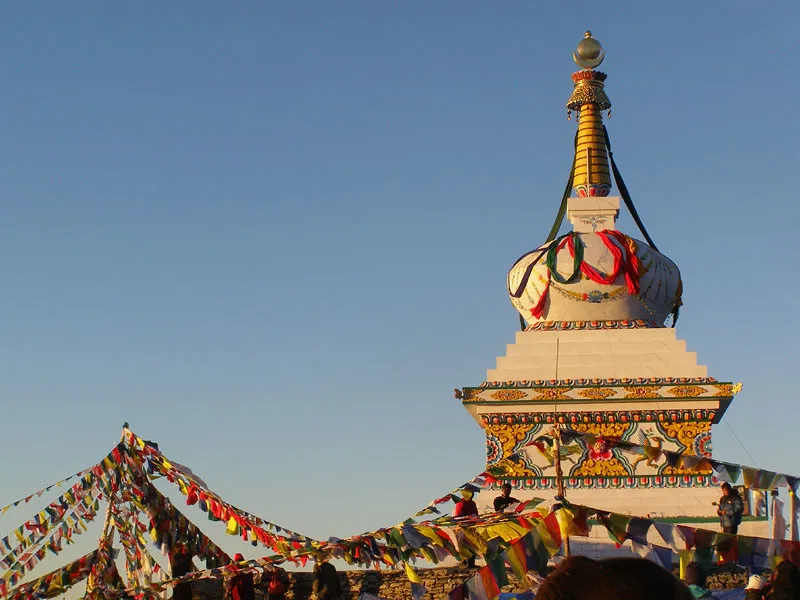
Another wonderful aspect of Ama Yangri is the sense of culture you always get. The area through which the trek takes you is called Helambu, which is home to the Hyolmos. Their culture is alive and well preserved in the area. You get to see old monasteries, prayer flags of multiple colors, and old stone houses where life has remained mostly the same for centuries. It’s just not touristy at all.
Life seems to have its own rhythm. You will see villagers working on their farms, children attending school, and older people relaxing under the sun at their front doorways These small, everyday activities make the entire trail feel so personal. You’re not just another tourist passing through these places, you get a glimpse of real village life.
In a sense, Ama Yangri feels like going back to the “old” Nepal: simple, spiritual, and unchanged. If you are looking for a small adventure that feels authentic and does not have a lot of people around, then this is it. It isn’t flashy or noisy, but it is the kind of place that stays into your mind long after you leave.
Ama Yangri Trek Route
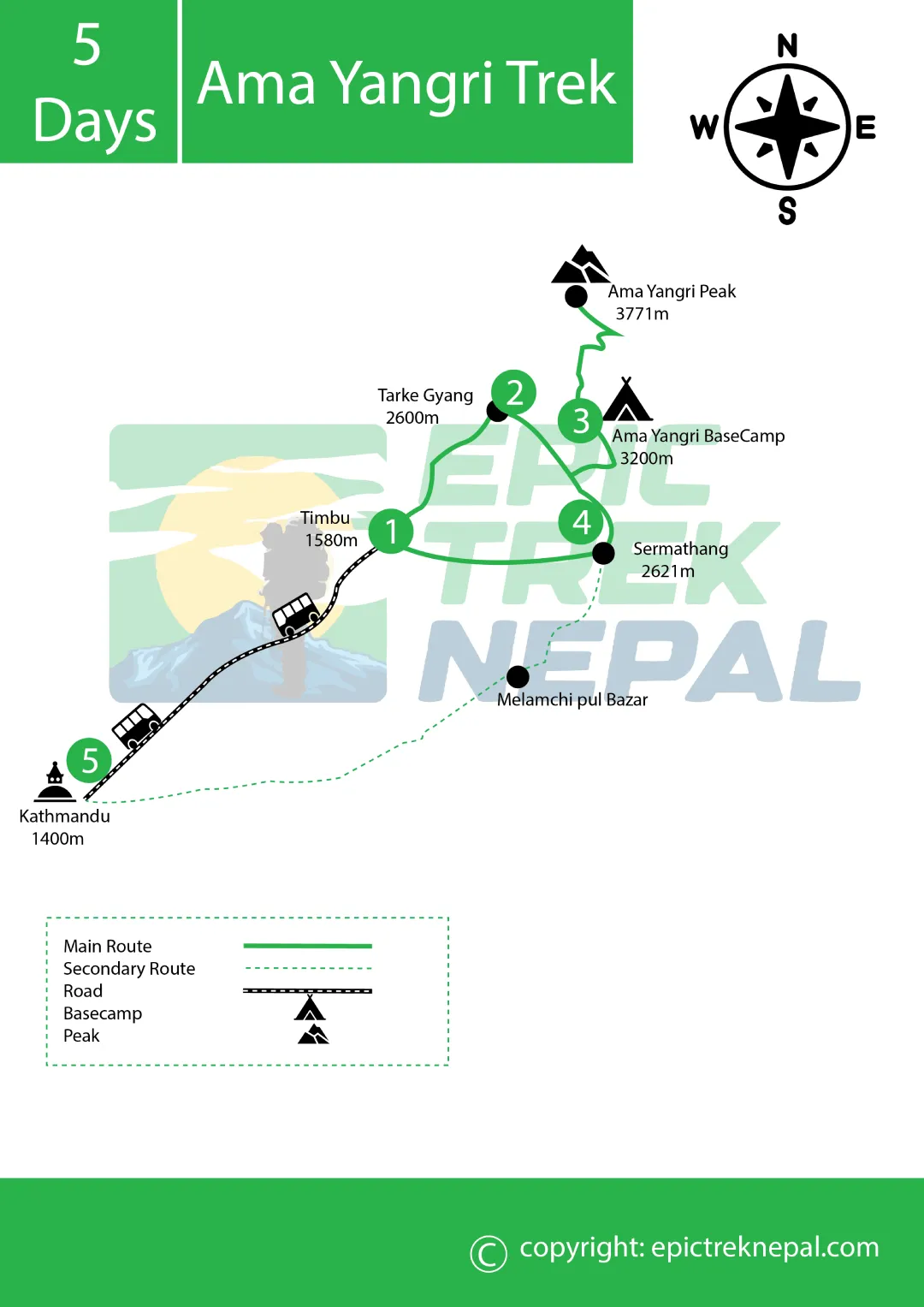
The Ama Yangri Trek route makes for a nice round trip in the area of Helambu making it easy because it begins and ends at Kathmandu itself. The path is easy to navigate and extremely beautiful, so the trek itself should not pose much difficulty.
The trek begins with a trip by bus to the starting point at Timbu. From there, the path takes hikers on a hike uphill through the forest and several local villages until Tarke Gyang, a massive settlement in the area with a unique culture.
The journey further goes through Tarke Gyang, taking you towards the Ama Yangri Base Camp. This part of the Ama Yangri View Trek gives you a glimpse of some fascinating views of the Himalayas as the effects of increasing altitude start getting felt by you.
The fourth day is the most memorable day of the Ama Yangri Trek Itinerary. On this particular day, you will wake up early in the morning and make your way to the top of the peak, which is at an elevation of 3,771 meters. The stunning views from this spot are simply amazing, and you will definitely enjoy the view. However, then you come down to spend a night in Sherma Thang.
On your fifth day, all you have to do is make your way back to Timbu and take a ride to Kathmandu.
Highlights of Ama Yangri Trek
- Untouched and Quiet Trail.
- The Ama Yangri Summit (3,800 m).
- Panoramic views of Langtang, Ganesh Himal, and Gaurishankar.
- Short but Super Rewarding.
- Breathtaking Sunrise.
- Close to Kathmandu.
Photo Gallery & Video Gallery
Ama Yangri Trek - Distance, Duration, and Altitude
| Trekking Route | Distance (Kilometers) | Duration (Hours) | Altitude (Meters) |
|---|---|---|---|
| Drive from Kathmandu to Timbu | 65 KM | 5 to 6 hours drive | 1650 m. |
| Trek from Timbu to Tarke Gyang | 10 KM | 5 to 6 hours Trek | 2300 m. |
| Trek from Tarke Gyang to Ama Yangr Base Camp | 9 KM | 5 to 6 hours Trek | 3200 m. |
| Early Morning Hike to Ama Yangri | 6 KM | 6 to 7 hours Trek | 3800 m. |
| Trek to Timbu and Drive back to Kathmandu | 73 KM | 4 to 5 hours Trek + 3 to 4 hours Drive | 1400 m. |
Itinerary of Ama Yangri Trek
Day 1: Drive from Kathmandu to Timbu
The adventure begin with a scenic drive from Kathmandu to Timbu. During this drive you get to see winding roads, terraced farmland and of course, the classic green hills. It’s the first taste of what rural Nepal fees like for real. When you arrive in Timbu, you check into a local tea house. After that the best thing you can do today is just wonder around the village and greet locals with a “Namaste”.

Activity: 5 to 6 hours drive

Max. Altitude: 1650m./5,413ft.

Meal: Dinner

Accommodation: Tea house
Day 2: Trek from Timbu to Tarke Gyang
This is where the actual walking begins! You will leave the village and walk through these lovely rhododendron and pine woods. Sometimes, the trees will thin out, and you get some “wow” views of snow-capped peaks in the distance. You will also walk through some small Hyolmo villages, where kids will come out and locals always seem to just be doing their own thing. But then, after about 5 or 6 hours, you will arrive at Tarke Gyang. It is just so lovely, with so many old-stone houses and peaceful monasteries. It is a perfect place to sit down and eat a delicious home-cooked meal.
Activity: 5 to 6 hours Trek
Max. Altitude: 2300m./7,546ft.
Meal: Breakfast, Lunch, Dinner
Accommodation: Tea house
Day 3: Trek from Tarke Gyang to Ama Yangri Base Camp
Today the trail climb gradually, so it’s not that hard, but you can tell you are getting closer and closer to the big peaks. You will continue walking through more forest and fields where life is just slow and you will also feel a sense of calm and peaceful presence. After another 5 or 6 hours of hiking, you will arrive at Ama Yangri Base Camp. Take some rest, enjoy the sunset, and prepare your gear for the early morning hike the following day.
Activity: 5 to 6 hours Trek
Max. Altitude: 3200m./10,499ft.
Meal: Breakfast, Lunch, Dinner
Accommodation: Tea house
Day 4: Early Morning Hike to Ama Yangri and Trek back to Sherma Thang
An early morning start is definitely advisable for this one, and it is worth the early start for the view of the sun rising, trust me. The climb up to the top is moderate, but you will also want to keep a steady pace. The hike takes about 3-4 hours from base camp to get up on top at 3,800 meters. Being on top and looking out at Langtang, Ganesh Himal, and Gaurishankar all at one time and that’s just incredible. And then after taking some photos, you head back down to Sherma Thang for some lunch and a nap. This is just that “I actually did it” type of day.
Activity: 6 to 7 hours Trek
Max. Altitude: 3799m./12,464ft.
Meal: Breakfast, Lunch, Dinner
Accommodation: Tea house
Day 5: Trek to Timbu and Drive back to Kathmandu
Today is the last day, and you’re ready to start making your way down. You will hike back through these quiet forests and villages, retracing your steps down towards Timbu. It’s a slow and steady 4-5 hour hike, which allows you time to think back on the adventure you’ve just experienced. When you arrive back at Timbu, you will pile back into the private vehicle for the 3-4 hour ride back to Kathmandu. You will be tired, but you will be on your way home with memories in your heart and mountain vistas in your mind.
Activity: 4 to 5 hours Trek + 3 to 4 hours Drive
Max. Altitude: 1400m./4,593ft.
Meal: Breakfast, Lunch, Dinner
Includes/Excludes
What is included?
- Permits and Fees: All the necessary permits for the Ama Yangri Trek, such as Langtang National Park Permit and the TIMS (Trekkers’ Information Management System) Card, are included.
- Accommodation: Accommodation during the trek are typically in teahouses or lodges. This usually includes accommodation in Kathmandu before and after the trek in 3 star hotel on BB plan. (twin sharing basis)
- Meals: Mostly, three meals a day, i.e., breakfast, lunch, and dinner are included in the package, and three times hot beverage service, i.e, in breakfast and lunch, and dinner.
- Domestic Transport: This includes a private vehicle drive from Kathmandu to Timbu at the beginning and then returning from Timbu to Kathmandu by private vehicle.
- Guide and Porters: The services of an experienced English-speaking trekking guide and porters to carry luggage (one porter provides service for two persons).
- First Aid Kit: Generally, a basic first aid kit will be provided.
- Trekking Map: A detailed trekking route map is normally offered.
- Equipment: Duffle Bag, Sleeping Bag (if necessary)
- Pick up drop off: Airport pick up and drop off by private vehicles.
What is not included?
- International Flights: The international flight fares for and from Nepal are not included.
- Travel Insurance: Travel insurance, which includes emergency rescues, evacuations, and treatments, will not be included, and it will be assumed that you will make your own arrangements.
- Personal Expenses: Expenses incurred on additional meals, drinks, snacks, charging devices, hot showers, wifi, and laundry are not included.
- Nepal Visa Fees: Cost of the entry visa for Nepal not included.
- Additional Accommodation and Meals: If you want to extend your stay in Nepal or want to come back before finishing the trek, then extra accommodation and meal charges will not be included.
- Rescue and Evacuation: Costs associated with any kind of emergency evacuation or rescue are not included.
- Trekking Gear: Personal trekking gear such as trekking boots, down jackets, trekking poles, etc., is excluded.
- Tips: The tips for the guides and porters are not included. These are left to discretion.
Trip Map of Ama Yangri Trek
Trip Information
Ama Yangri Trek Difficulty
Ama Yangri Trek is normally categorized as moderate trekking. It is definitely not for beginners who have no experience, but at the same time, it is not an extremely difficult mountain climbing expedition either. The average person who does not have any health problems should be able to complete this trek comfortably.
The highest point of the Ama Yangri is about 3,771 meters, so you don’t have to worry about extreme altitude risk factors that are commonly found on some of the really high Himalayan treks. However, you have to be prepared with good shoes, warm clothes and taking your time are really essential. The trekking trail is also not that difficult, but at the end of the day, you still have to respect the mountain and listen to what your body is saying.
But undoubtedly, the most exhausting part of the entire trek would be summit day, when you are supposed to go for the summit in the morning. The track will have many tough sections, especially if you are not wearing the right footwear and trekking poles. It also gets chilly during the mornings in these regions.
As far as the time duration of the hike goes, you can plan on walking about 5 to 7 hours per day. This trail is well-defined, still you might face difficulties if there has been any rainfall recently. Nonetheless, the Ama Yangri Trek promises amazing sights that make all the efforts worthwhile.
Preparation for the Ama Yangri Trek
Proper preparations really do make the whole trek much easier and more enjoyable. While you obviously don’t have to spend months preparing for hardcore exercise, proper physical preparation can really come in handy here.
Start building some endurance by doing some cardio exercises four-six weeks before the trek date. Running, cycling, swimming, or walking in the nearby hills should be enough to build your endurance. Concentrate on strengthening your leg muscles and increasing your heart rate.
In regard to gear, pack wisely, but not heavy. It will be best for you to carry only basic necessities such as clothing, sleeping bag, rain coat, sunscreen lotion, and also a proper first aid kit. Since there is significant temperature drop at night, particularly close to the base camp, it is necessary to ensure that you have warm clothes.
It is also important to note that acclimatization is a vital element to consider even during short treks like the one along the Ama Yangri View trek route where the altitude rises quite fast. Rest whenever necessary, drink between three to four liters of water per day, and avoid drinking beer as well. Moreover, hiring an experienced guide will help to guarantee safety.
Cultural Festivals on the Trail
Planning your trip during one of the local festivals would easily make your already unforgettable trek an even more memorable experience. This area of Nepal has quite a variety of festivals based on the ancient culture of Tibetan Buddhists.
Loshar would be one of the most spectacular and colorful celebrations for you to attend. This is the Tibetan New Year, celebrated in February, and the whole village of Tarke Gyang turns into festive joy of traditional music and dances. It is truly mesmerizing and inspiring event to participate in.
As for Indra Jatra, which takes place in September, its major celebration is held in Kathmandu. However, it is definitely felt in Helambu Area since the ceremony is being celebrated by villagers too.
The Hyolmo people practice Nyungne, a type of Buddhist fasting and praying ceremony. If you are traveling during this period, you will observe meditating monks or even villagers engaged in chants and prayers. It is a very intense and profound experience that lingers on.
The major festivals in Nepal are Dashain and Tihar, celebrated between October and November. The entire route along the Ama Yangri View Trek becomes festively lively at this time. Be sure to plan your schedule in accordance with the Nepalese festivals calendar.
Accommodation and Meals on the Ama Yangri Trek
When staying overnight at Ama Yangri Trek, you need to remember that the whole thing in this area is quite simple and basic. Most of the overnight stay will be in small teahouses mostly run by local families. They are not exactly luxury accommodations by any means. However, to be honest, they are exactly what the trek meaningful. You will be provided with a small cozy and basic room with a couple of twin beds, some blankets and some wooden furniture and you don’t have to worry about hygiene, they are clean and help you get a good night’s sleep after a long day.
Most of the time, you will be sharing a bathroom, and the facilities are a mostly “mountain style.” Depending on the village you’re in, you might be able to get a hot shower for a little extra, but it’s best to come with right expectation. It’s not the kind of place for the luxurious, But the way the people treat you and the environment makes you forget how basic the rooms are.
As for the food, it is also very basic but all the food are freshly cooked and everything is usually made with whatever’s can be grown in that area. Here, you get to savor Traditional Nepali dish like Dal Bhat, potato, noodles, fried rice and at time buckwheat bread. Many local farmer are used to grow these vegetables and therefore, these local foods are very organic and wholesome. The comfort level is not high, but this experience is very rich, intimate, and real.
Visa and Permits and Requirements
It is quite straightforward to get to Nepal with a tourist visa. It could be obtained easily on your arrival at the airport of Kathmandu or alternatively applied for at a Nepali embassy. The cost will differ depending on whether one opts for a 15-day, 30-day or 90-day permit.
Regarding the Ama Yangri Trek, you need to sort out two government permits, which is not really a problem as they’re quite easy to handle.
The first permit up is the Langtang National Park Permit. The reason for this is that Ama Yangri is located well within the Langtang National Park’s boundaries. The cost is around $25-30 USD per person. The fees will go toward conservation and assist the communities there. You can obtain this permit in Kathmandu before your trek, or you may obtain it from Epic Trek Nepal trekking agency.
And of course, we have the TIMS card – Trekkers Information Management System. There has been some variation, though, about this in the recent past, but as of 2026, everyone needs it for their treks. It will cost international trekkers around $15-17 USD. It is essentially just a formality that helps the government keep eyes on everyone, but this is supposed to be only in case something goes wrong in the mountains, essentially another safety measure.
Most trekking agencies, like Epic Trek Nepal, includes costs of these permits in the package for clarity. It makes things much easier and keeps the “math” simple so you won’t be bothered with the paperwork. After you get these out of the way, you can then focus on the trek, the mountains, the villages, making this a really cool place.
Language & Communication
Although the official language of Nepal is Nepali, you won’t struggle to communicate with anyone while hiking the Ama Yangri Trek. You will be surprised how many owners of tea houses, guides, and locals who will cross your path know English to a basic conversational level. This trekking route is pretty popular, and communication issues don’t usually arise due to the lack of knowledge of English.
In places such as Tarke Gyang, the locals are extremely friendly. A single greeting “Namaste” will do a lot, creating an instant connection with whomever you meet. Just learn some few basic Nepali words before starting the hike!
In case you are traveling with a professional guide from the region, it gets even simpler. He will serve as a cultural mediator between you and the locals, and that’s what makes the experience so special in those small villages where English is not very widespread.
Along the trek most of the signs used are in both Nepali and English at major junction points making the journey easy and simpler. Generally speaking, communication on this particular trek is pretty easy-going.
Mobile Network, Internet & Charging Facilities
The mobile network connection on the Ama Yangri Trek is surprisingly quite impressive for a mountain trekking path. The two main mobile companies providing connectivity on this trek are Ncell and Nepal Telecom, and they normally enjoy relatively strong connectivity at low points along the route such as Timbu and Tarke Gyang.
However, as gets closer to the base camp of Ama Yangri Mountain, the signal becomes extremely poor and unreliable. It would be highly unrealistic to expect to be fully connected while climbing at the high altitudes of the Ama Yangri View Trek. It is wise to ensure that all your offline maps and essential files are downloaded before departing from Kathmandu.
Although some of the tea houses have Internet, it is not very unreliable and you have to pay few bucks to connect. So, expect some trouble connecting from time to time. That’s simply the price you will have to pay for enjoying the beautiful nature that the area offers.
Most tea houses allow you to charge your devices from their electricity supply, although electricity can be unreliable in such isolated regions. One of the most important items to take on this trekking journey would certainly be a portable power bank. Additionally, some of the more advanced tea houses also provide solar charging capabilities.
Guide, Porter and Community support
Having a local guide on an Ama Yangri trek is about way more than just making sure you don’t get lost and it’s more like having a backstage pass to the whole Helambu region. These guys grew up in these hills, so they know everything about Hyolmo culture, the history of the tiny villages you will walk through, and even the mini-ecdotes about why certain prayer flags are flown in certain spots. They will point out things that you would totally miss on your own, and really help you connect with people in an unforced manner.
Plus, getting out on one of the many treks with local guides and porters also supports the local economy. These towns really depend on people coming through, preparing meals for them, and helping them carry their gear. As long as everyone’s treated fairly for what they are worth, it’s really helps them keep moving forward and create a positive situation for everyone.
But respecting the lifestyle of the locals in the area is just as big of a deal, too. It’s the little things, like dressing a little more modestly, trying not to take pictures of people without their consent, and just following the rules of the village. But when trekkers like this, trust builds and the overall atmosphere becomes so much friendlier. Not only does a tour like this improve your experience, but it actually has a positive effect on the people and places you’re visiting.
Trip Extension and Side Trails
The best part about the Ama Yangri Trek is its versatility. The Helambu area is linked to many other trekking routes, meaning that there is ample opportunity for extending the tour if there are extra days and stamina available.
Among the options available for an extended journey is the complete Helambu trek. Once the itinerary of the Ama Yangri Trek comes to an end, it is possible to continue the route via Melamchi Gaon and Talamarang before eventually returning to Sundarijal. This particular extension will take three to four days longer and will introduce you to several more unique environments along with some remote villages.
If you are more advanced, then connecting with the Langtang Valley Trek would be an even better choice. You can find routes that will take you via Sermathang and will eventually drop you into the more expansive Langtang Region from the upper parts of the Ama Yangri View Trek. This trek will give you a more extensive exploration of the Himalayas that can easily last for over ten days.
Those who prefer side excursions will be more interested in a short excursion to Melamchi Gaon starting from Tarke Gyang. This small village rests comfortably on a sunny ridge and offers breathtaking views from the valley, usually unaccompanied by other trekkers.
Bigu Gompa is one of the lesser-known landmarks to be seen near the lower section of the trail. It is an ancient monastery of Buddhism in the isolated location. Therefore, it allows experiencing unique cultural immersion far off the beaten track. One piece of advice would be to always discuss possible side trips with your guide since the trails may be poorly marked and the condition of the route varies greatly according to the season.
Don’ts on This Trip
The Ama Yangri Trek is full of sacred sites and spiritual mountain cultures. The way you prepare yourself on the trek is important, not only for your own safety but also out of respect for the locals.
Firstly, do not attempt to negotiate with tea house owners and shopkeepers. The prices in these rural and distant mountainous regions are relatively reasonable. Pressuring the family members running the enterprise and earning their livelihood out of it can only hurt them, as there is very little else they can do.
Never enter monasteries, gompas, or the homes of the locals without asking. Some of the religious shrines that appear on the Ama Yangri Trek itinerary remain places of worship for the locals. Make sure to remove your shoes when entering, whisper when talking, and always ask before taking pictures of the monks.
Most importantly, don’t underestimate the weather conditions. The weather on the Ama Yangri View Trek is very changeable and it may become bitterly cold within hours from its initial state of pleasant warmth. Going up for a summit without the appropriate gear and lighting devices is a common mistake among many inexperienced trekkers.
Finally, it is better not to use loud music because the complete silence of the Himalayas forms an important component of this whole experience.
Health and Safety on Ama Yangri Trek
The key to maintaining your health on the Ama Yangri Trek is all about preparation and making smart decisions when on the mountain. It seems like the mountains tend to favor those who take precautions and definitely punish those who do not.
AMS, or Acute Mountain Sickness, is the greatest concern while climbing once past the 3,000-meter mark. Some initial symptoms of AMS may include headache, fatigue, loss of appetite and insomnia, which you should never ignore! As the rule goes, you should descend immediately if you feel your condition deteriorating further. If you acclimatize properly when on the Ama Yangri View Trek, then the chances for AMS become minimal.
Be sure to pack first aid kit, including medications for treating altitude sickness such as Diamox, blisters, electrolytes for rehydration, analgesics and some antiseptics. Of course, your guide will carry their own set of emergency supplies, but your personal set of medication provides a much-needed extra protection in case something happens to yours or that of your guide.
Personal hygiene should receive more importance than people usually pay it. Wash your hands before and after meals and after visiting the toilet. Carry hand sanitizer in case of lack of water for washing. Stomach infections caused by contaminated water and food sources are one of the major causes for trekking termination in Nepal.
On the other hand, keep in mind that sunlight on the higher altitudes is surprisingly strong. Sunscreen, UV sunglasses, and even better, use some headwear such as a buff or a hat to ensure that your face and neck get additional protection against the harmful effects of the ultraviolet radiation.
Travel Insurance
Travel insurance becomes compulsory when you travel to the Ama Yangri region because you need that safety in situations that may arise during your stay there no matter how healthy you are and even after preparing properly.
Your insurance cover has to include high altitude treks up to a height of 3,500 meters. Most travel insurance policies have exclusions for any sort of activity above a certain height. Ama Yangri has an elevation of 3,771 meters. This means that your trek is above the basic insurance limits of a number of the major insurance companies. So, you need to make sure your travel insurance cover more than 3,500 meter height.
Coverage for helicopter evacuation is highly recommended. During a health emergency in your Ama Yangri Trek Itinerary tour, helicopter evacuation is the quickest method, and perhaps your only option. Such evacuations are extremely pricey and can cost up to several thousand dollars in case you don’t have insurance. Ensure your insurance package offers coverage for helicopter evacuations before you start your adventure.
Ensure that your insurance package offers coverage for travel cancellation, gear losses, and hospitalization in Kathmandu. Store the document in your smartphone, as well as print and store a copy in your backpack. Remember to also share the insurance information with your guide and someone close back home. You will definitely save yourself a lot of trouble.
Frequently Asked Questions
Most of them finish it in about 4 to 5 days. It’s is a perfect length for a quick Himalayan escape without having to clear your whole calander.
The summit of Ama Yangri Trek is about 3,800 m. where you can see insane panoramic vies of the mountains.
I would say it is a moderate trek completely suitable even for beginners, so as long as you have decent level of fitness you are fine.
Spring (March to May) and Autumn (September to November) are the best season to visit Ama Yangri for clear skies and warm weather.
Yes, you will need a Langtang National Park Permit as Ama Yangri falls under this park and a TIMS card.
Although some may attempt to go on their own, I would always suggest that you make use of a local guide. This not only increases your level of security, but you also get additional information that you would otherwise never get on your own.
Yes! Early morning hike to the summit can reward you a sunrise view over the Himalayas.
Yes, Ama Yangri is extendable or can be linked with other trails, which is beneficial to those wishing to have a longer adventure and/or explore culture.
Yes, that is possible, but it will be cold and tough. The snow could block some parts of the route. So, prepare accordingly.
Yes, you can. Many tourists spend 1-2 days touring the heritage sights of Kathmandu City before joining on their main trekking.
There are some that provide bucket showers on request. The thing is not all teahouses will have this service available.
Trip Reviews
US$ 440
Need Help? Talk to Expert
+977 9764792172