




Tilman Pass Trek
77 reviews in Tripadvisor

Trip Duration
20 Days
Destination
Nepal
Max. Altitude
5,320 m.
Trip Difficulty
Challenging
Group Size
1-12
Transportation
Private Vehicle
Accommodation
Teahouse/Camp
Activity
Trekking
Meals
All Inclusive
Start / End
Kathmandu
Region
Langtang
Best Season
Spring & AutumnUS$ 2850

Need Help? Talk to Expert
+977 9764792172Trip Overview
Tilman Pass Trek is one of those Himalayan treks that remain remarkably unexplored even today. This isn’t Everest or Annapurna. It’s one of the most isolated, toughest routes left in Nepal, hidden away in the high ranges of Langtang and crossing over towards Panch Pokhari. After you get past Kyanjin Gompa, the trail essentially becomes non-existent. The vegetation will be gone, and instead, you will have massive chunks of rock, glaciers, and a sort of high-altitude environment that’s like the end of the world. It’s not crowded. It’s not commercialized. And that is exactly what make it so special.
The Tilman pass is named after Bill Tilman, a legendary British explorer from the mid 1990s. He wasn’t chasing fame or recognition. He just wanted to explore into the valley with a small crew and see what was there. His philosophy was simple – travel light, respect the mountains, and be prepared for the unknown. Tilman Pass has the same spirit even today.
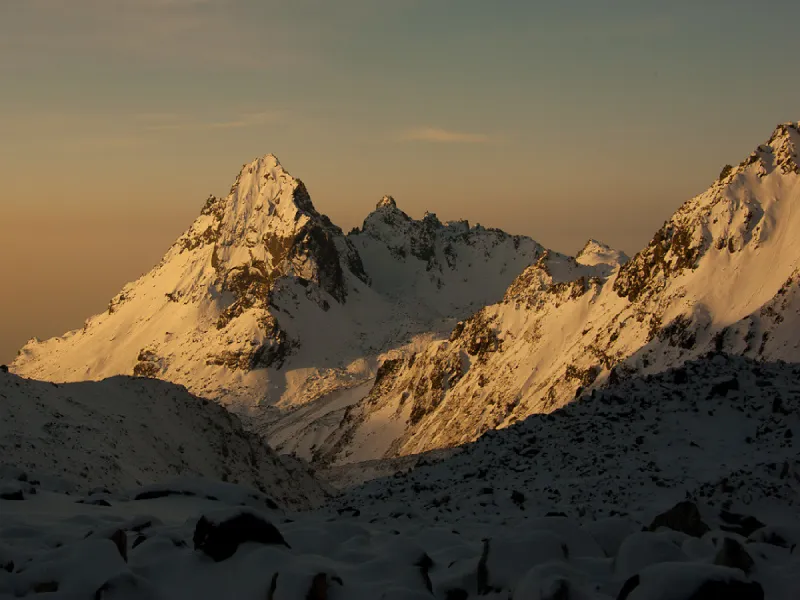
The most outstanding feature of the Tilman Pass Trek is the number of experiences that you can obtain from it. Among others, it provides amazing glacial crossing, old villages with Tibetan culture, dense rhododendron forest, and majestic views on mountains like Kanchenjunga, Jannu, and Makalu. However, its uniqueness lies in the fact that one does not have to endure the crowds of tourists which overwhelm other popular trekking spots in the region, such as the Everest Base Camp and Annapurna Circuit routes.
Therefore, for trekkers who seek unique challenges, the Tilman Pass Trek is a must try. The following article gives details about the itinerary, permits, levels of difficulty, the best time to undertake the adventure, and some useful tips for trekkers.
Listen, Tilman Pass is not a trek that’s about being comfortable. It’s about the experience of actually being there. And that’s exactly why you will never forget it.
Tilman Pass Trek Route
The Tilman Pass Trek is a point to point trek starting in the Langtang area and ending up near Sindhupalchok, ultimately finishing again in Kathmandu. Actually, it is one of the rare treks that take you to two completely different regions of the mountains by traversing through a high pass between them.
The total itinerary of this trek starts with an adventurous trip from Kathmandu to Syabrubesi, which marks the entrance of the Langtang valley. After this, you will trek to villages such as Lama Hotel and Langtang village, until reaching Kyanjin Gompa. This trekking path is identical to the Langtang route, which works as a blessing for acclimatization purposes.
After a essential rest day in Kyanjin Gompa, where trekkers usually start on a trek to Tserko Ri, the path starts getting tougher. Trekkers cross Langshisa Kharka and ascend to Moraine Camp before tackling the Tilman Pass on the tenth day of the journey. This is probably the most difficult part of the Tilman Pass Trek.
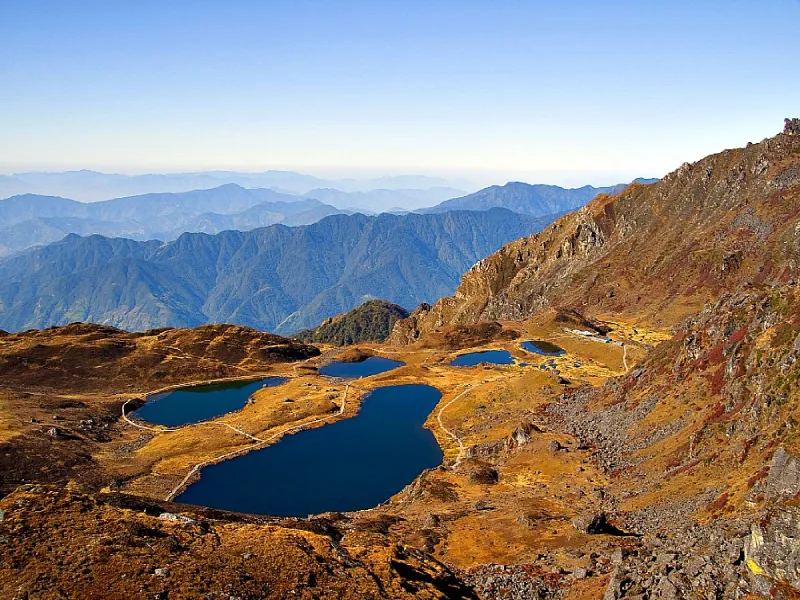
When trekkers reach the other side of the pass, they descend through Yak Kharka and walk towards the famous Panchpokhari lake. These are the sacred lakes located at an elevated point in Nepal and, believe me they provide breathtaking views that are entirely different from valley views.
The last leg of the journey passes through isolated mountains and small settlements like Nasimpati, Hile Bhanjyang, Pauwabas, Kami Kharka, and Sano Okhareni to arrive at Chautara before traveling back to Kathmandu.
The complete Tilman Pass Trek covers a distance of 20 days and includes two ecological regions. Truly, it is one of the best long-distance treks in Nepal.
Why Choose Tilman Pass Trek?
If you are the kind of person who would rather have mountains to yourself than share a trail with a hundred of other people, Tilman Pass is the one for you. You won’t see those long lines of trekkers stretching out before you here. Sometimes, you won’t even see a single person except your little group. It’s a peacefulness that’s kind of hard to describe. The Himalayas just feel so much bigger and more massive when there’s no one else around to disturb the silence.
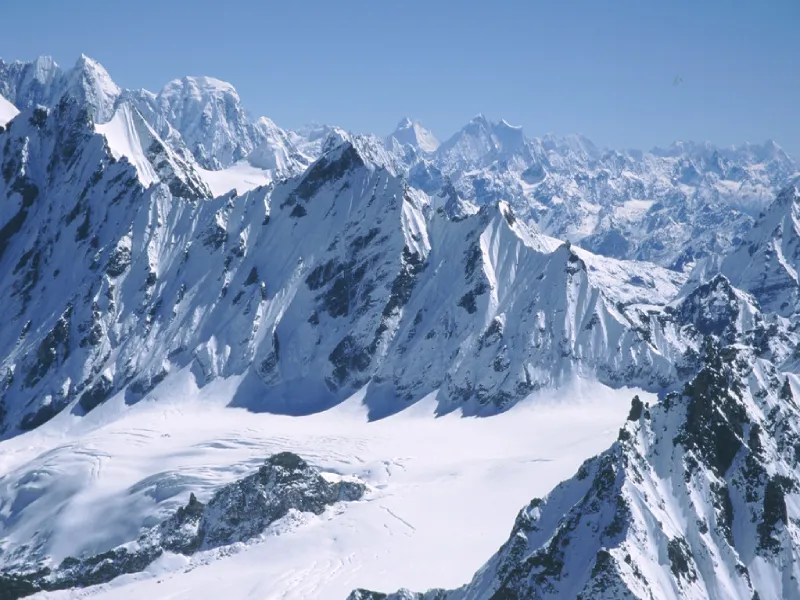
In this trek one of the biggest attractions has to be the glacier crossing itself. There’s a certain type of rush that comes with walking on the ice and the high snowfields at 5,300 meters. You are moving more carefully, step by step, with these giants peaks just looming above you. It’s not that dangerous if you have a experienced guide and the right support, but serious enough that makes you respect the terrain.
Another interesting aspect is how it connects two completely different worlds: Langtang and Panch Pokhari. You begin in these lush green valleys with little villages and yaks roaming around, and then you gradually enter into this harsh, high-alpine environment before finally dropping down into the quieter eastern side. It’s pretty much two treks for the price of one, if you think about it.
The Tilman Pass is pretty much a dream come true if you want the expedition experience without actually having to climb. You’re camping under the stars, carrying the right gear, and really relying on your team. It’s tough, yeah, but that’s what makes it so satisfying at the end. If Everest is a tourist trap and Annapurna is getting a little too “comfortable” for your tastes, Tilman Pass is something truly wilder, something that still feels untouched.
Highlights of Tilman Pass Trek
- Cross one of the most isolated high passes in Nepal, Tilman Pass (5320m).
- Explore the beautiful Langtang Valley and Panchpokhari.
- Visit the Kyanjin Gompa monastery and Tserko Ri viewpoint.
- Get to see the breathtaking views of the snow-capped peaks, glaciers, and alpine meadows.
- Trek along the less crowded and serene mountain trails.
- Involve yourself in camping-style expedition trekking after Kyanjin.
- Get to learn about the Tamang culture and lifestyle in the mountains.
- Combine adventure, culture, and nature in one long trekking experience.
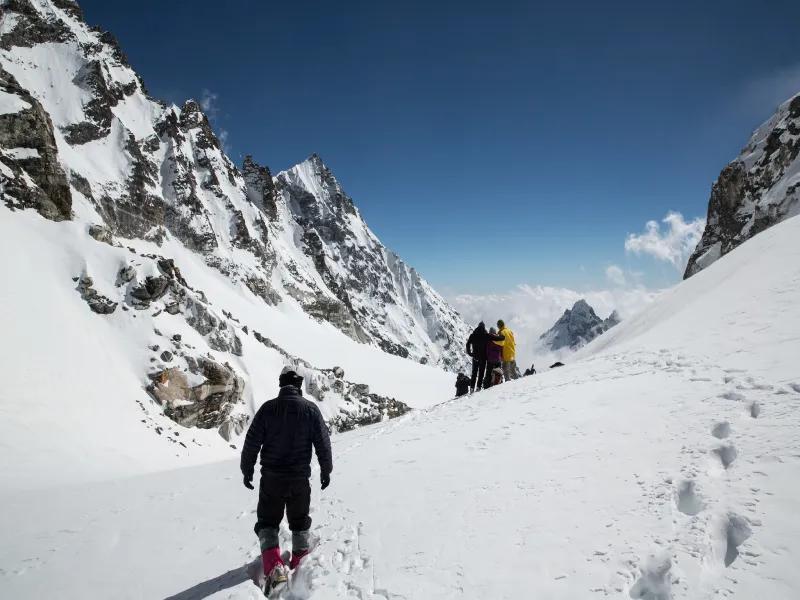
Photo Gallery & Video Gallery
Tilman Pass Trek - Distance, Duration, and Altitude
| Trekking Route | Distance (Kilometers) | Duration (Hours) | Altitude (Meters) |
|---|---|---|---|
| Syabrubesi to Lama Hotel | 12 KM | 5 to 6 hours Trek | 2324 m. |
| Lama Hotel to Langtang Village | 15 KM | 5 to 6 hours Trek | 3330 m. |
| Langtang Village to Kyanjin Gompa | 7 KM | 3 to 4 hours Trek | 3730 m. |
| Kyanjin Gompa to Langshisa Kharka | 10 KM | 5 to 6 hours Trek | 4080 m. |
| Langshisa Kharka to Moraine Camp | 9 KM | 5 to 6 hours Trek | 4580 m. |
| Moraine Camp to Yak Kharka via Tilman Pass | 13 KM | 7 to 8 hours Trek | 5320 m. |
| Yak Kharka to Tin Pokhari | 15 KM | 7 to 8 hours Trek | 3735 m. |
| Tin Pokhari to Panchpokhari | 10 KM | 5 to 6 hours | 4060 m. |
| Panchpokhari to Nasimpati | 8 KM | 4 to 5 hours Trek | 3631 m. |
| Nasimpati to Hile Bhanjyang | 11 KM | 5 to 6 hours Trek | 3415 m. |
| Hile Bhanjyang to Pauwabas | 12 KM | 5 to 6 hours Trek | 3025 m. |
| Pauwabas to Kami Kharka | 11 KM | 5 to 6 hours Trek | 2855 m. |
| Kami Kharka to Sano Okhareni | 13 KM | 5 to 6 hours Trek | 2043 m. |
| Sano Okhareni to Chautara then Drive to Kathmandu | 9 KM | 4 to 5 hours Trek + 4 to 5 hours Drive | 1400 m. |
Itinerary of Tilman Pass Trek
Day 1: Arrival in Kathmandu
The adventure begin the moment you land at Tribhuvan Internation Airort and you will be greeter by someone from Epic Trek Nepal. After that you will be transported to your hotel. This first day is all about logistics, trek briefings, checking your permits, and ensuring that your gear is actually ready for what’s to come. If you have some energy left, you can explore the markets and busy city vibe. Get some rest, though, because the real work is going to start sooner than you think.

Activity: Arrival in Kathmandu and Rest

Max. Altitude: 1400m./4,593ft.

Meal: Dinner

Accommodation: 3 Star Hotel
Day 2: Kathmandu Valley SIghtseeing
Today is a bit of a chill day, with a guided tour of the major sites in the valley. This is a great opportunity to get a sense of Nepali history and culture before you head off into the mountains for a couple of weeks. You’ll be traveling around in a private vehicle, visiting stupas and historical landmarks. This is a good opportunity to take it easy and just prepare yourself mentally for the trek ahead.
Activity: 5 to 5 hours exploration
Max. Altitude: 1400m./4,593ft.
Meal: Breakfast
Accommodation: 3 Star Hotel
Day 3: Drive Kathmandu to Syabrubesi
It’s time to get in the vehicle and head to Syabrubesi, which is officially the starting point for the Langtang trek. Along the drive, you will pass through Pasang Lhamu Highway with the view of terraced hills and Tamang settlements.
The village of Syabrubesi lies at 1,550 meter and you will stay here for today. Upon arrival, you will have time to arrange your gear, meet the locals and explore the local bazaar.
Activity: 6 to 7 hours Drive
Max. Altitude: 1460m./4,790ft.
Meal: Breakfast, Lunch, Dinner
Accommodation: Tea house
Day 4: Syabrubesi to Lama Hotel
The trekking officially begins today. You will be trekking along the Langtang River and passing through some pretty dense forests and suspension bridges. It’s a gradual climb, and if you listen carefully, you might hear the sound of waterfalls and maybe even some animals hiding in the trees. The trekking trail is mostly shaded by rhododendron and pine trees, which is a welcome relief. You will camp overnight in a small tea house at Lama Hotel.
Activity: 5 to 6 hours Trek
Max. Altitude: 2324m./7,625ft.
Meal: Breakfast, Lunch, Dinner
Accommodation: Tea house
Day 5: Lama Hotel to Langtang Village
You’re still trekking through the forest, but the scenery will start to open up as you climb higher. The trail becomes a bit steeper at this point, so you will definitely feel the effects of the altitude. Langtang Village itself is a pretty intense sight located at an altitude of 3,430 meter. Especially when you consider how it was rebuilt after the earthquake in 2015. You will see yaks grazing and massive mountains looming above you.
Activity: 5 to 6 hours Trek
Max. Altitude: 3330m./10,925ft.
Meal: Breakfast, Lunch, Dinner
Accommodation: Tea house
Day 6: Langtang Village to Kyanjin Gompa
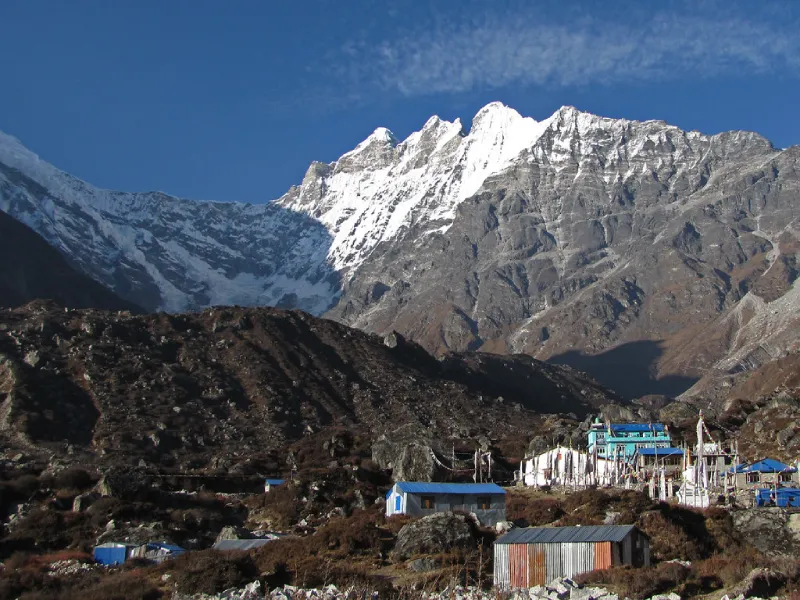
This day isn’t as long as previous days, giving you more time to truly enjoy what you’re experiencing. Passing through open pastures and crossing glacial moraines with huge mountains surrounding you, we arrive at Kyanjin Gompa at 3,870 meters above sea level. This place is a true legend on the Tilman Pass Trek Itinerary. It has an incredible view of snow-capped mountains and glaciers from its monastery.
Remember to visit the cheese factory in the area, where they produce yak cheese the traditional way. You will be surprised how good it tastes, it’s like a ritual of Langtang to have a taste of yak cheese.
Activity: 3 to 4 hours Trek
Max. Altitude: 3730m./12,238ft.
Meal: Breakfast, Lunch, Dinner
Accommodation: Tea house
Day 7: Acclimatization Day - Hike to Tserko Ri
Today is a acclimatization day. For that you will hike to Tserko Ri for altitude acclimatization and altitude view. It’s a tough climb, but the 360-degree views of the Himalayas from the summit are just mind-blowing. After watching the view you will descend back to Kyanjin for the night. Just remember to hydrate like crazy and take it easy, there’s no trophy for being the first one done with today’s hike.
Activity: Hike to Tserko Ri
Max. Altitude: 4984m./16,352ft.
Meal: Breakfast, Lunch, Dinner
Accommodation: Tea house
Day 8: Kyanjin Gompa to Langshisa Kharka
The real trekking begins here. While other trekkers would turn their back after reaching Kyanjin, we will continue forward for more challenging routes. Here the trails are not clearly marker, and you can expect steep valleys, streams to cross, and glacial moraines.
Langshisa Khara is large grazing field located at an altitude of 4,100 meters. We will set up our camp here and see how the star lit sky of the Himalayas.
Activity: 5 to 6 hours Trek
Max. Altitude: 4080m./13,386ft.
Meal: Breakfast, Lunch, Dinner
Accommodation: Camp
Day 9: Langshisa Kharka to Moraine Camp
Today’s going to be a hard day. You will be on glacier terrain. The Tilman Pass Trek Itinerary turns technical, with a lot of rock scrambling involved. Not anymore grassy meadows—just glaciers, rocks, and giant rocky cliffs everywhere. It is necessary to maintain a proper pace to avoid altitude sickness. The area will be more dramatic with snow and ice peaks.
Moraine Camp sits at 4,800 meters in elevation, directly at the bottom of the pass ascent. It’s an awesome, stark campsite, but once the sun sets, things will turn extremely chilly. You will definitely want all your gear ready for the night. Have a big meal tonight and try to rest up because you have the hardest day of trekking ahead of you tomorrow.
Activity: 5 to 6 hours Trek
Max. Altitude: 4580m./15,026ft.
Meal: Breakfast, Lunch, Dinner
Accommodation: Camp
Day 10: Moraine Camp to Yak Kharka via Tilman Pass
This will be the most challenging and thrilling day of trekking as you will cross the Tilman Pass at 5320m. The trek will involve glacier hiking and strong mountain winds. After the pass, you will descend towards the Yak Kharka campsite. It is a very crucial point where proper equipment and guide assistance are required.
Activity: 7 to 8 hours Trek
Max. Altitude: 5320m./17,454ft.
Meal: Breakfast, Lunch, Dinner
Accommodation: Camp
Day 11: Yak Kharka to Tin Pokhari
Now you are descending, but don’t think it’s all downhill from here. It’s a long day of trekking through some very isolated and rough country. Endurance is what you need here, as the terrain is still quite rocky and challenging. You will trek through these empty, lonely valleys until finally setting up camp near the lakes of Tin Pokhari.
“Tin Pokhari” means “Three Lakes.” They are truly beautiful lakes. After crossing the pass, you will get to see these lakes, which reflect the mountains, making them a perfect place to cool off after the pass. You might even get to see Himalayan tahr or snow pigeons here.
Activity: 7 to 8 hours Trek
Max. Altitude: 3735m./12,254ft.
Meal: Breakfast, Lunch, Dinner
Accommodation: Camp
Day 12: Tin Pokhari to Panchpokhari
Today you will trek towards the “Five Lakes” of Panchpokhari, which is a seriously sacred site for the locals. Panchpokhari is a Tibetan Buddhist pilgrimage site located at the altitude of 4,100 meters. Five holy lakes are located on a plateau in the meadow surrounded by snow-capped peaks of the Himalayas. You can almost feel the spiritual energy here. We will be trekking on top of a very high ridge line with breathtaking views of the area around us. It will take us the whole day, but since the terrain won’t be that difficult anymore, we will have more chances to appreciate the view.
Activity: 5 to 6 hours
Max. Altitude: 4060m./13,320ft.
Meal: Breakfast, Lunch, Dinner
Accommodation: Camp
Day 13: Panchpokhari Exploration Day
After the madness of the pass, a day to just relax and explore the lakes is well and truly in order. You can wander around, take some snaps, or just sit back and enjoy the silence. It’s a seriously tranquil spot and a great opportunity for your legs to recover before the final push back.
Activity: 3 to 4 hours exploration
Max. Altitude: 4060m./13,320ft.
Meal: Breakfast, Lunch, Dinner
Accommodation: Camp
Day 14: Panchpokhari to Nasimpati
It’s time to head home. We leave the lakes behind and make agentle descent through mountain ridges and some forested areas. The grasslands begin to become thick and signs of human activity begin to appear again. With your oxygen levels going back up, you should start feeling much stronger now.
Nasimpati is a small hilltop settlement at which you will spend the night. The view from the top is still spectacular. You will be able to see the mountains you have recently left behind very clearly. However, take care while descending. Downhill sections can be quite rough on the knees after two weeks of hiking!
Activity: 4 to 5 hours Trek
Max. Altitude: 3631m./11,913ft.
Meal: Breakfast, Lunch, Dinner
Accommodation: Camp
Day 15: Nasimpati to Hile Bhanjyang
The trek will continue through some isolated hill routes with occasional glimpses of distant villages. It’s a long walk, but nothing too challenging. You will be trekking through a combination of forests and mountain ridges. Just keep a steady pace and enjoy the scenery.
Activity: 5 to 6 hours Trek
Max. Altitude: 3414m./11,201ft.
Meal: Breakfast, Lunch, Dinner
Accommodation: Camp
Day 16: Hile Bhanjyang to Pauwabas
You can definitely feel the air thickening as you descend to lower altitudes. The trekking is not as difficult, and you will begin to see more rural scenery and villages. The vegetation will become much denser as you trek down to Pauwabas for the night.
Activity: 5 to 6 hours Trek
Max. Altitude: 3024m./9,921ft.
Meal: Breakfast, Lunch, Dinner
Accommodation: Tea house
Day 17: Pauwabas to Kami Kharka
Today you get to walk through the local farming areas and hill forests. It’s a cool opportunity to experience how people actually live in these mountain villages. This part of the trek is actually quite comfortable compared to the high pass sections. After reaching Kami Kharka you’ll set up your camp at Kami Kharka.
Activity: 5 to 6 hours Trek
Max. Altitude: 2855m./9,367ft.
Meal: Breakfast, Lunch, Dinner
Accommodation: Tea house
Day 18: Kami Kharka to Sano Okhareni
You will drop down even lower into the warmer zone. The trekking trail is much easier now, with lots of forest cover and signs of life. It’s like a really relaxing walk compared to the glacier days. You’ll camp your final night in the tent at Sano Okhareni.
Activity: 5 to 6 hours Trek
Max. Altitude: 2043m./6,703ft.
Meal: Breakfast, Lunch, Dinner
Accommodation: Tea house
Day 19: Sano Okhareni to Chautara then Drive to Kathmandu
This is the final stretch. You’ll trek for 4-5 hours to reach the town of Chautara, which marks the end of the trek. Then, it’s a 4-5 hour drive back to the madness of Kathmandu. Honestly, there’s nothing quite like that first real meal and hot shower in the city after a trek like this. In the evening, enjoy a complimentary local dinner hosted by our company to celebrate your successful completion of Tilman Pass Trek !
Activity: 4 to 5 hours Trek + 4 to 5 hours Drive
Max. Altitude: 1400m./4,593ft.
Meal: Breakfast, Lunch, Dinner
Accommodation: 3 Star Hotel
Day 20: Departure
Your home return day, as according your scheduled flight departure time. You will be transferred to the TIA with a lifetime memory of your journey to Langtang region.
Farewell until next time !
Meal: Breakfast
Includes/Excludes
What is included?
- Permits and Fees: All required permits for the Langtang Valley Trek, including the entry permit to the Langtang National Park and the TIMS (Trekkers’ Information Management System) card.
- Accommodation: Accommodation throughout the trek, usually in teahouses or Camp. This will also include accommodation in Kathmandu before and after the trek in 3 star hotel on BB plan. (twin sharing basis)
- Meals: Most treks will include three meals a day (breakfast, lunch, and dinner) during the trek. also includes three times hot beverage in breakfast, lunch and dinner.
- Transportation: Ground transportation from Kathmandu to Syabrubesi (or a similar point) and back.
- Guide and Porters: Services of an experienced English-speaking trekking guide and porters to carry luggage. This includes their salary, insurance, equipment, food, and accommodation.
- First Aid Kit: A basic first aid kit.
- Trekking Map: A map of the trekking route.
- Equipment: Duffle Bag, Sleeping Bag (if necessary)
- Pick up drop up: Airport pick up and drop up by private vehicle.
What is not included?
- International Flights: International flight tickets to and from Nepal are not included
- Travel Insurance: Travel insurance that covers emergency rescue and evacuation is not included, and you will be required to have your own.
- Personal Expenses: Personal expenses such as additional meals, drinks, snacks, charging of devices, hot showers, Wi-Fi, and so on are not included.
- Nepal Visa Fees: Fees for entry visas to Nepal.
- Additional Accommodation and Meals: In case you decide to stay longer in Nepal, the cost of additional accommodation and meals will not be included.
- Rescue and Evacuation: Any costs associated with emergency evacuations or rescues are not included.
- Trekking Gear: Personal trekking gear such as trekking boots, down jackets, trekking poles, and so on are not included.
- Tips: Tips for guides and porters are not included and are at your discretion.
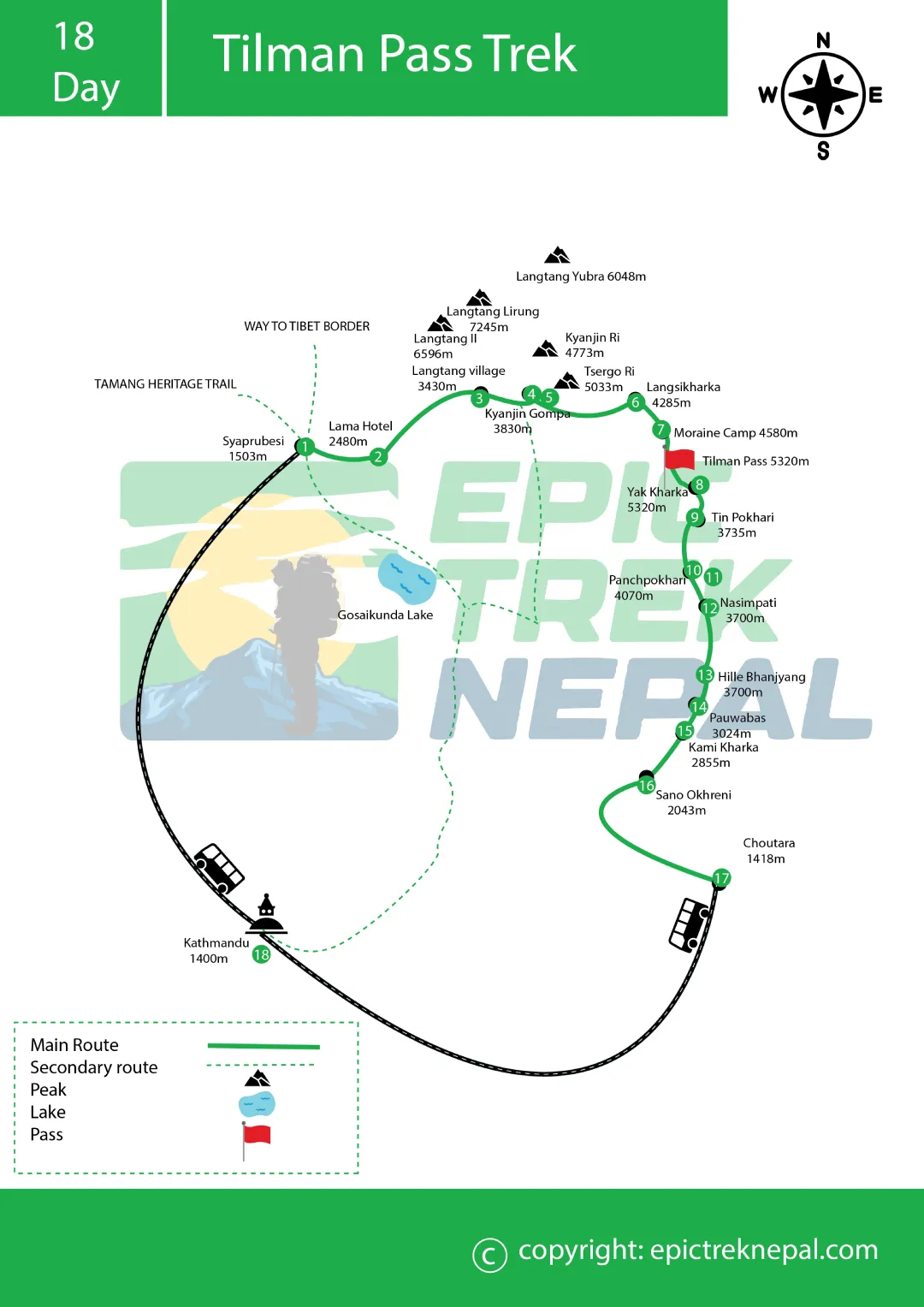
Trip Map of Tilman Pass Trek
Trip Information
Difficulty level
The Tilman Pass Trek undoubtedly belongs to the tough to extremely tough difficulty. First of all, there is not a trek a beginners can do, it requires some trekking experience, excellent health condition, and certain psychological qualities.
The most difficult stage is undoubtedly passing through the Tilman Pass, which stands at 5,318 meters above sea level. The route itself is not for the faint-hearted as you will need to travel through glaciers, climb steep snow-covered slopes, and pass through a few chaotic sections of rocky paths. You will either need crampons and ice axes training for this part or find yourself a knowledgeable guide who can take care of you along the way.
The average trekking duration is estimated at between five to eight hours each day and sometimes there are days when it takes longer than that. There is a considerable increase in altitude, and once you start moving beyond the region of Kyanjin Gompa, you will be traveling an area that lacks any rescue facility for any emergencies that might arise.
Even when descending to the Panchpokhari side, it will not be easy as well. There are several ridges that have high differences in altitude that would challenge the endurance levels. Once you pass the valleys below, the terrain becomes less strenuous in terms of altitude difference, but you must have enough energy to make it to the end.
In general, the experience is similar to that of the Three Passes Trek or the Manaslu Circuit.
Preparation for the Tilman Pass Trek
Proper preparations are mandatory before taking on the challenge of the Tilman Pass Trek. There’s no way you can arrive unprepared and hope for a smooth trek along a glacial terrain at high altitudes. It simply isn’t going to happen.
I would recommend that you start preparing yourself physically no less than three months before your departure. Cardio exercises, such as running, cycling, stair-climbing, as well as hiking with weights will be the most important workout that you cannot miss. Work on gradually building up your endurance, raising the number of miles and altitude climbed per week.
Apart from being physically fit, you should also have some technical skills. The route includes glacier passage, therefore the knowledge of using an ice axe and crampons becomes mandatory. If you do not know about them, make sure to practice it before flying out.
Gear will be equally essential in helping you succeed. Buy high-quality layers, excellent waterproof boots, and a quality sleeping bag that can withstand cold temperatures. Please remember to try all of these things in action during smaller hikes first which will help during the actual Tilman Pass Trek!
In addition, prepare yourself mentally, as mental preparation will prove to be just as important as physical fitness. Prepare for the long days, have faith on the guide’s experience, and be prepared for any weather changes.
Cultural Festival on the Trail
Tilman Pass View Trek during the festival season completely changes the vibe of the trek. The culture of Tamang, Sherpa and Hyolmo people is very rich and vibrant. You not only get to experience the natural beauty but also feel the local’s passion and emotion towards their culture and traditions.
Lhosar festival is what everyone waits excitingly. It’s the New Year of the Tamang and Sherpa community celebrate in February. All people gather to celebrate with vibrant colors of clothes which represent their culture, music, dances and delicious foods. If you manage to witness the Lhosar festiva, this might be your lucky trek.
Mani Rumdis another festival that is important in Tibetan Buddhism. The festival involves performing sacred masked dances by monks which represent good winning over evil.
Buddha Jayanti, celebrated by people that marks the day of birth, enlightenment and death of Gautama Buddha. It is celebrated during the full moon month of April or May in Buddhist Monasteries with special prayer and butter lamps offering.
Language & Communication
The official language of Nepal is Nepal, which is widely used in most part of the country. But throughout the trekking area that passes during the Tilman Pass Trek, you will mostly meet Tamang and Sherpa community. They are most likely to speak their own language and dialects.
In the lower part like Syabrubesi, many people even locals speak basic English, mainly in those in the tourism industry. The tea house and hotel owners, together with trekking guides are good with English communication and you will have no problem understanding them.
But in the higher altitude areas, particularly once you exit Kyanjin Gompa, it becomes difficult to speak English with local people. Without a Nepali-English speaking guide, you will face great challenge. So, having a local licensed guide for Tilman pass trek is the first thing you should consider.
In addition, it would also be wise to learn some Nepali phrases if you are taking this journey. Words like “Namaste” (hello), “Dhanyabad” (thank you), or “Kati ho?” (how much?) also helps build connection with locals.
Permits and Document
You will need several permits for your Tilman pass trek and it will be easy if you handle these before setting off on your journey.
To start, you will require a Nepal Tourist Visa, which you can easily obtain at the airport upon arrival in Kathmandu. The costs vary depending on how long you intend to stay. You will pay around $30 for 15 days, $50 for 30 days, and $125 for 90 days.
Before you can actually get on the trail, you have to deal with couple of paperwork. For this Tilman Pass Trek, you will need some permit and the main permit that you will need is the Langtang National Park Permit. Since you are going through a protected area, the government wants to take a cut so they can continue their conservation efforts. It will cost about $23 per person.
Then there’s the TIMS Card (that’s Trekkers’ Information Management System). It’s essentially a system for the government to keep track of where you are in case things don’t go as planned. Now, there’s always a little give-and-take about the regulations regarding this, but as of 2026, you basically have to be with a licensed guide to get one. It’s around NPR 2,000 for solo trekkers, but if you are going with a registered trekking agency like Epic Trek Nepal, they will just take care of all this for you.
One thing to remember is that since this is a route that connects the Langtang side with the Panch Pokhari side, you may occasionally be charged local municipality costs. These are not necessarily fixed and may vary from time to time depending on which local government is active that year, but they are usually just a few hundred rupees. Seriously, just make sure you have a bunch of passport photos and some copies of your passport in your backpack. It makes things a heck of a lot easier at the random checkpoints you will encounter along the way.
Trek Extention and Side Trails
The Tilman Pass Trek Itinerary is located in such area that is full of opportunities that you can extend to enjoy further other treks. If are still in good physical condition and want to grab these opportunities, there are some treks that make your trekking journey in Himalayas even more worth it.
Frist, Tserko Ri is the most popular side trek at 4,984 meters and right above there lies Kyangin Gompa which provide the best view on the entire Tilman Pass View Trek. But if you want something less intense but as beautiful as Tserko Ri, Kyanjin Gompa is another one. It stands at 4,773 meter which provide the panoramic view of Langtang Lirung and the glaciers.
Ganesh Himal Base Camp is another on that you can add on your Tilman Pass Trek itinerary. This trek gives you entirely different experience of the remote part of the Himalayas. This area is not visited by many people, allowing you to view that incredible scene without worrying about the crowds.
The next adventure that you can add is the Gosaikunda Lake Trek. This one is special as you will see one of the sacred lake of Nepal with just couple of extra days before going your home. This beautiful lake is located at 4,380 meters and have their own spiritual significance, preserved by Hindus and Buddhists of Nepal.
Lastly, you can also go for Helambu Valley Trek which starts from the lower part of the Tilman Pass Trek Itinerary. You can experience some of the traditional Hyolmo Sherpa Culture, Traditions and visit century old monastery.
Health and Safety on Tilman Pass Trek
It is crucial to be careful about your safety all the way through the Tilman Pass Trek. The combination of high altitude, challenging terrain, and unpredictable weather brings a lot of hazards and you need be aware of these thing.
Acute Mountain Sickness is surely among the primary dangers you might face on this trail. With elevation being above 5,000 m, you cannot take any risk. Pay close attention to possible symptoms, like headaches, nausea, and dizziness, and make sure not to continue the trek if they become severe. My advice would be to pack Diamox, drink plenty of water (up to 3–4 liters per day), and, especially, avoid rushing during acclimatization days on the Tilman Pass Trek Itinerary.
Another thing that should not be overlooked is the risk of hypothermia when traveling near the pass or at the higher altitudes. In addition, it would be wise to carry several moisture-wicking base layers together with a waterproof shell. A sleeping bag rated for at least -15 degrees Celsius will be required, and shivers or mild confusion cannot be ignored.
Last but not least, make sure you have packed all the necessary items, including blisters, dehydration salts, and medication for digestive troubles. On the Tilman Pass View Trek, the sun is extremely powerful, so sunscreen and glasses are needed to prevent snow blindness. Always remember to drink only treated water and eat only fresh-cooked food to stay healthy and free from bugs you might pick from untreated water!
Travel Insurance
Travel Insurance is compulsory for the Tilman Pass Trek. You will be traveling through some of the most extreme, high altitude glacial terrain, which can only be evacuated by helicopter if something goes wrong, and the cost of doing so is extremely expensive, ranging somewhere between $3,000 and $8,000.
Be sure to select an insurance package that specifically includes coverage for high-altitude trekking above 5,000 meters. A majority of insurance plans do not cover this at all, so you will need to ensure that this is included within your travel insurance plan. This should also cover emergency helicopter evacuation, any required medical expenses, as well as cancellations and lost equipment.
Having both forms of insurance, including their copies, on-hand is quite useful, but what is important is providing your policy number and contact details in case of emergencies to your guide beforehand.
A piece of advice is to obtain insurance before traveling to Nepal since purchasing insurance once in Nepal may result in cancelation of emergency provisions in the insurance. And registering the itinerary of Tilman Pass Trek in the embassy in Kathmandu would not harm either.
Frequently Asked Questions
Tilman Pass Trek is a high altitude trekking at 5,318 m which is considered as a bridge between 2 region of Nepal connection the Langtang Valley and the Sindhupalchok District.
Tilman pass is located in the upper Langtang Valley of Nepal. It essentially serves as a high bridge that connects the Langtang Valley to the Panchpokhari side.
Tilman Pass trek is considered a challenging trek. It’s a trek that is best suited for people who have some trekking experience. It’s not just the altitude, its the glacier, the ong 7 to 8 hours walk and the fact the you will be camping in the middle of nowhere.
You don’t have be a pro climber with ice axes but you should choose this as you first trek either. Having high altitude experience is a definite advantage. You should be comfortable with glacier travel and have enough fitness to tackle the rocky sections.
Yes, a licensed guide is essential for the safety side of things like checking the ice, see where the trail actually is and knowing about the place more deeply.
The best time to do the Tilman Pass trek is Spring (March to May) and Autumn (September to November). Spring will provide you with vibrant colorful view of flowers and Autumn is best for those crystal clear mountain views.
You will need the Langtang National Park Permit and TIMS card, at the very least. Depending on the trail you take, there might be some small local fees, but your guide will take care of all that.
Yes. Anytime you’re above 5,000 meters, your body is going to feel it. That’s why you have to take the acclimatization days seriously, like the one at Kyanjin.
Only in the beginning. You will have your tea houses until you reach Kyanjin Gompa. After that, it’s camp and sleeping bags all the way because there’s literally nothing else out there in the high pass region.
The maximum height of this trek reaches about 5,318 meters. In this altitude you might get altitude sickness, so you need to be careful.
You can see Everest, Cho Oyu, Gaurishankar, Langtang Lirung and Melungtse during the Tilman Pass View Trek.
Not really! This trek is located in on of the isolated area and difficult to navigate without a experienced guide to assist you during the trek.
You will find basic accommodation in the lower section, but as you move into higher section, the accommodation will be camping with your team.
If you are lucky you can see red pandas, Himalayan tahrs, or maybe even a snow leopard. Other wildlife in the area include musk deer and high altitude birds.
Trip Reviews
US$ 2850
Need Help? Talk to Expert
+977 9764792172