TALK TO AN EXPERT +977-9764792172
Bhanubhakta Nachhiring
divider-down
duration-icon

Trip Duration

18 Days
destination

Destination

Nepal
max-alt-icon

Max. Altitude

5,177 m.
difficulty-icon

Trip Difficulty

Difficult
group-size

Group Size

1-12
transportation

Transportation

Flight/Jeep
accommodation

Accommodation

Hotel/Teahouse/Camp
activity-icon

Activity

Trekking
meals

Meals

All Inclusive
start_end

Start / End

Kathmandu
region

Region

Kanchenjunga
best-season

Best Season

Spring & Autumn

Trip Overview

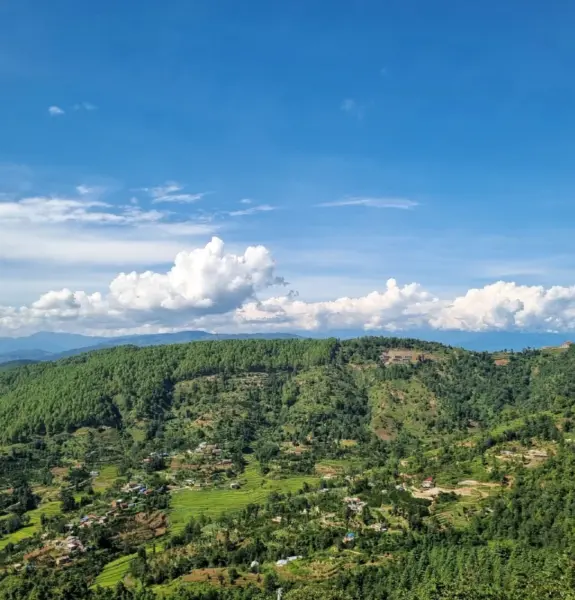
The Lumba Sumba Pass Trek is one of the remotest and most rewarding treks that doesn’t get the recognition it deserves. Located in remote eastern Nepal, far from the crowds like the Everest region or Annapurna region, the Lumba Sumba Trek offers a unique opportunity to view the Himalayas from different points with its stunning side views of forest, villages and high valleys.

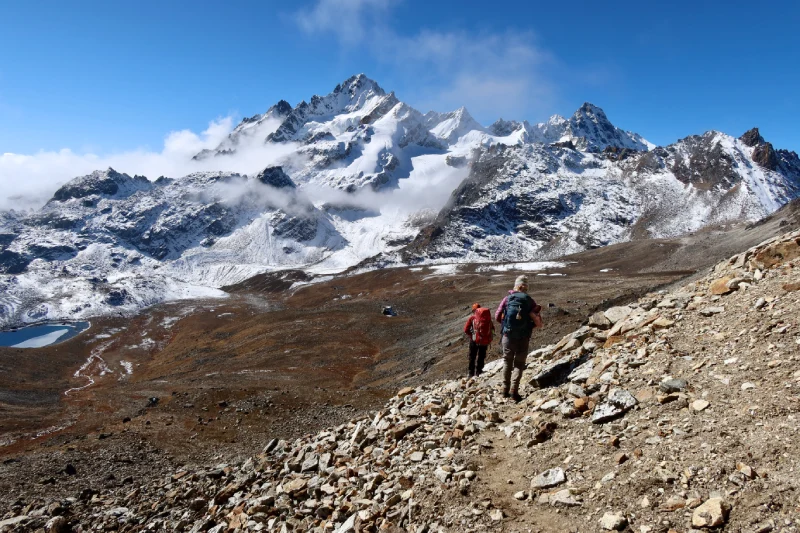
The highlight of this trek is when crossing the Lumba Sumba Pass located at a 5,160-meter altitude which connects the regions of Kanchenjunga and Makalu through some of the wild part of eastern Nepal. Because it involves trek in two different regions, it requires a lot of physical effort and experience in trekking. Long treks, steep ascends and descents, changing scenery, and sometimes lack of any infrastructure at all will greatly challenge the trekkers.

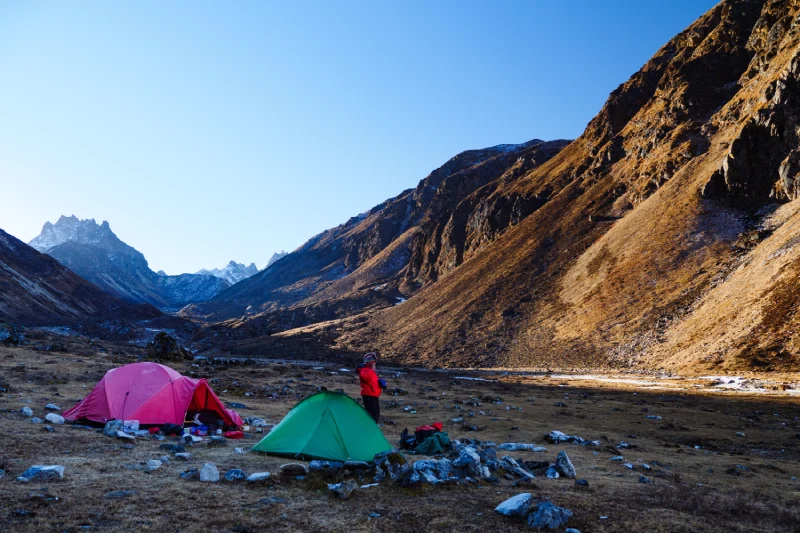
Our Lumba Sumba Pass Trek itinerary is designed in such a way that you will get enough time for trekker to get adjust with difficult terrain without hurrying and gradually get used to the increasing altitude. There will be days, where trekkers have to camp as there will be no tea houses to spend the night. But it is exactly what gives thrill to this trek. Instead of staying in crowded trekking paths, trekkers get a chance to sleep in the wide-open area surrounded by the mountains.

Also, there is a rich cultural aspect. Crossing through isolated villages, you will encounter local communities of Rai and Sherpa whose life is still strongly connected with the natural environment of their location.

If you are looking for trek that is both challenging and remote, Lumba Sumba Pass Trek is what you should go for, as it is more than a trek to a pass.

Route Overview

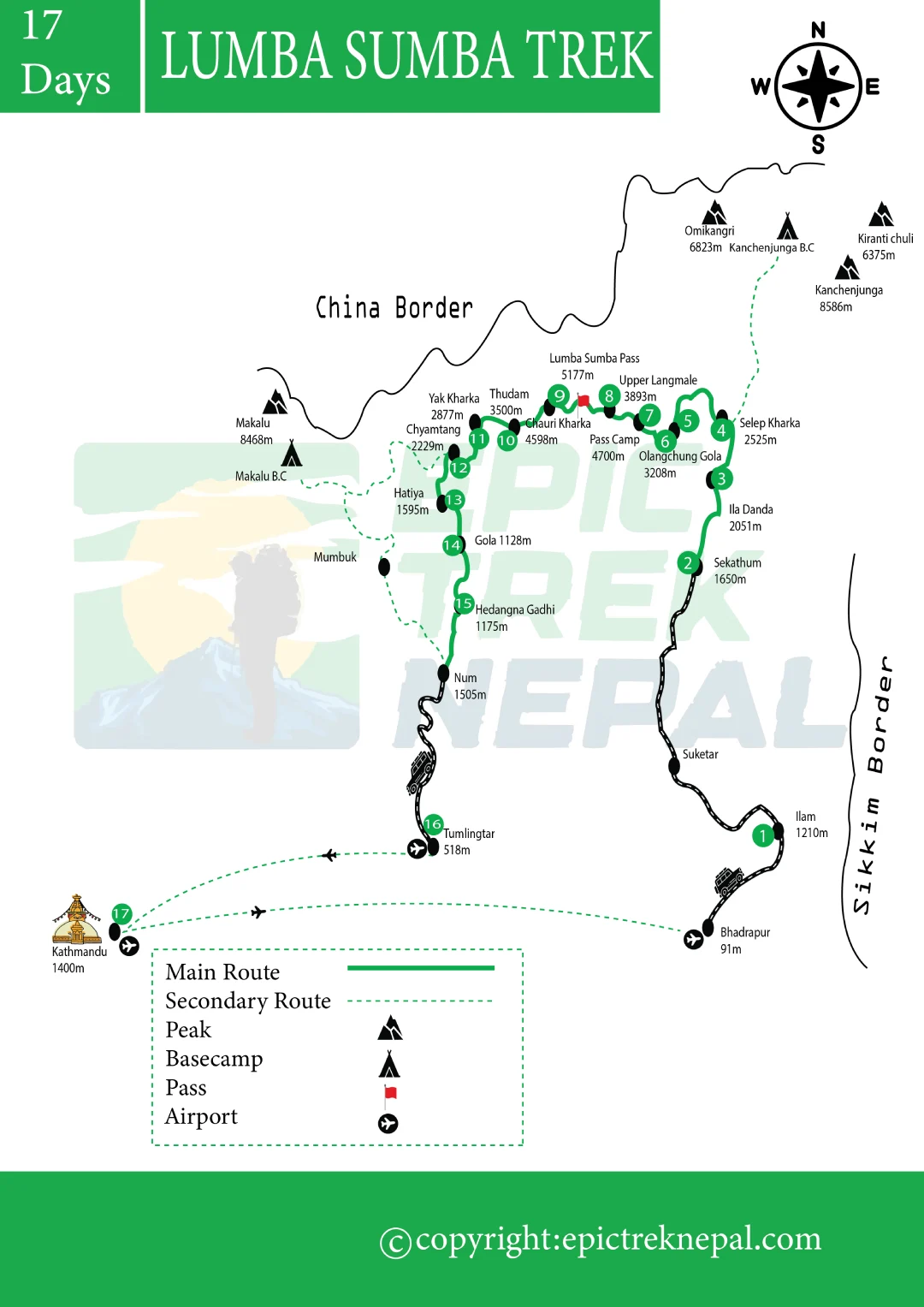
Lumba Sumba Pass Trek Itinerary is divided into several stages and learning about the trek route will allow you to understand its diversity. At the beginning of the trek, you will start from Kathmandu where you will be transferred to Bhadrapur via plane and then drive to Ilam. This town is known for tea farming place of Nepal. From there, a long jeep ride through Taplejung will bring you to Lelep and then the real trek starts.

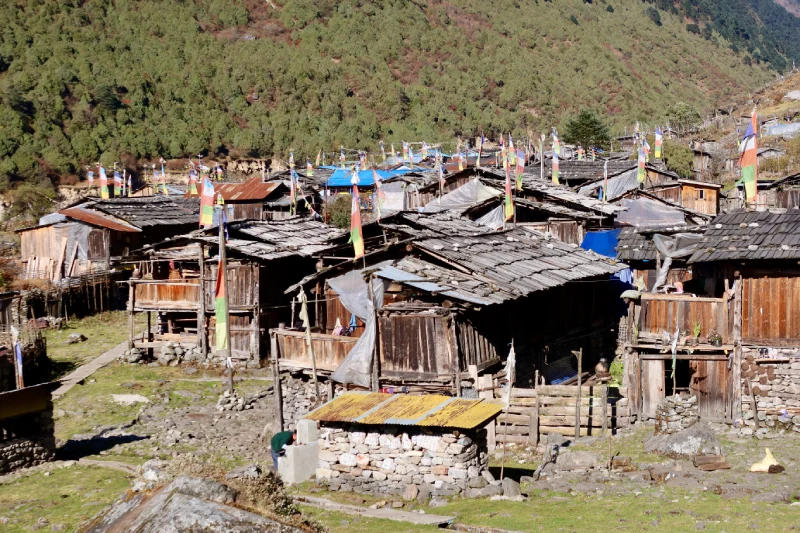
The first trekking days include walking through forest and river valleys rails with steady climbs to the Ela Danda and Jongim Kharka ending with Olangchun Gola village, which marks the starting of the trail becoming different and an added acclimatization in the itinerary will help you prepare physically for higher altitude to come.

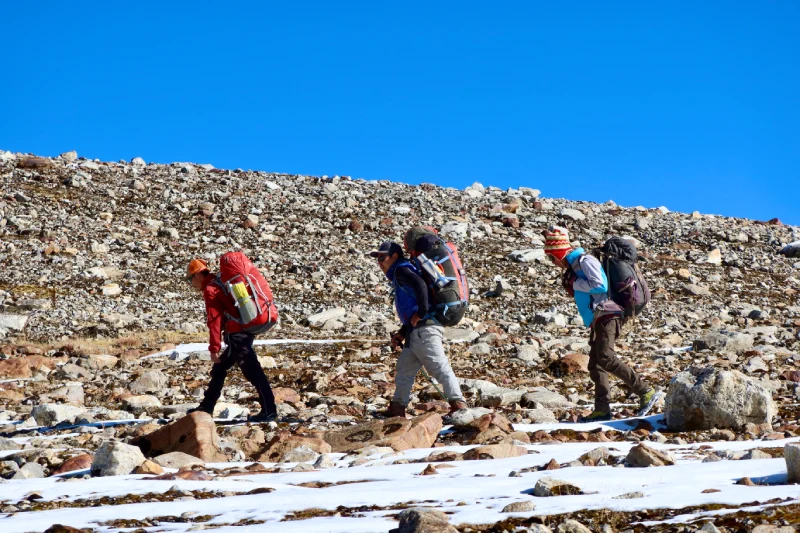
Then from Olangchun Gola comes a gradual entry into wilder landscape, followed by Sanjung Kharka and the Pass Camp to get ready for the peak experience of your trek: crossing the Lumba Sumba Pass at 5,177 meters.

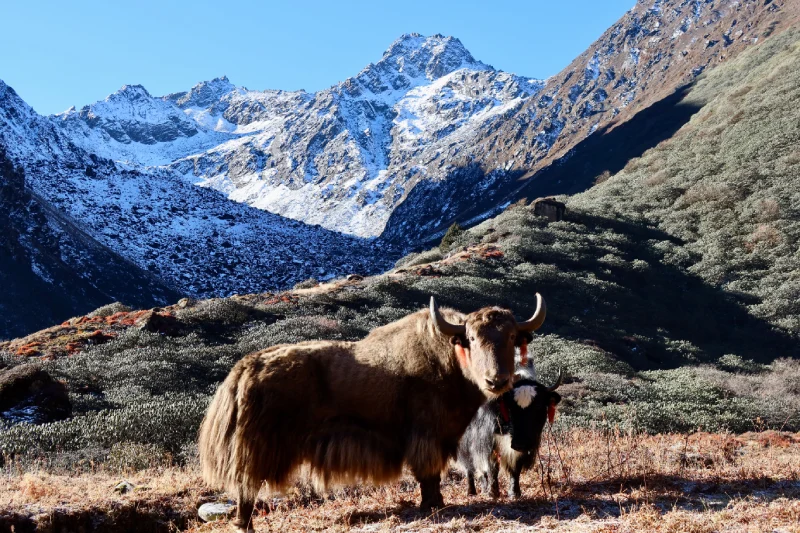
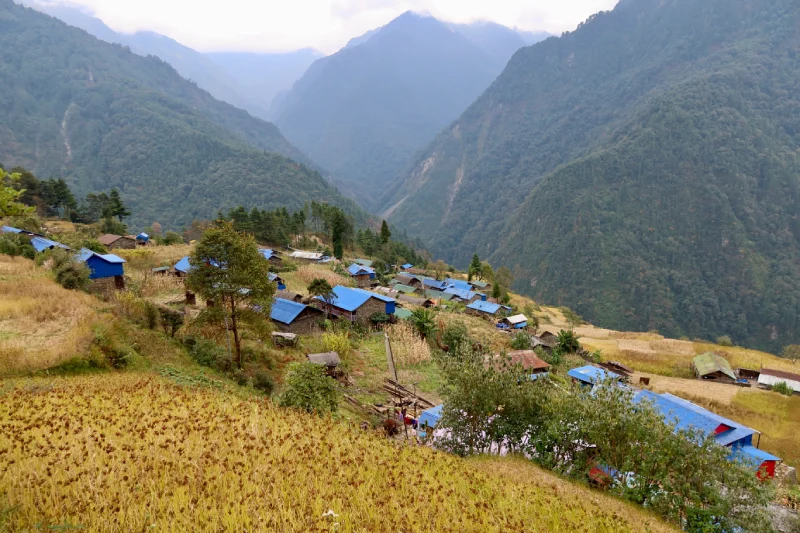
The descent is also very exciting as the ascend which passes through the villages of Yak Kharka, Jungle Camp, and finally lower villages such as Lingam School and Hatiya. After Hatiya, you have a drive by jeep to Tumlingtar and a short flight to Kathmandu to close out your adventure.

Thus, this route of the Lumba Sumba Trek is not a direct path to the pass but a step-by-step journey that will allow you to see all variety of environments, people, and altitude.

Highlights of Lumba Sumba Pass Trek

  • Cross Lumba Sumba Pass at 5,160-5,177 meters, one of the highest and remotest trekking passes in Nepal
  • Panoramic views of Mount Kanchenjunga, Mount Makalu, and Kumbhakarna range from one single viewpoint
  • Opportunity to travel through two of Nepal’s most intact protected areas: Kanchenjunga Conservation Area and Makalu Barun National Park
  • Visit the traditional Tibetan influenced village of Olangchun Gola, which used to be the historic trade center connecting Nepal with Tibet
  • Experience real camping surrounded by mountains
  • Travel through different types of landscapes, ranging from subtropical forests, river valleys, alpine meadows to glacier covered peaks
  • Witness the culture of local ethnic groups such as Limbus, Sherpas, Rais, and Tamangs

Lumba Sumba Pass Trek - Distance, Duration, and Altitude

Trekking Route Distance (Kilometers) Duration (Hours) Altitude (Meters)
Drive to Ilam 90 KM 4 hours drive 1200 m.
Drive to Lelep via Taplejung 120 KM Drive (8 hours) 1687 m.
Trek to Ela Danda 11 KM Trek (5 to 6 hours) 2051 m.
Trek to Jongim Kharka 13 KM Trek (7 to 8 hours) 2635 m.
Trek to Olangchun Gola 6 KM Trek (3 hours) 3208 m.
Trek to Sanjung Kharka Camp 11 KM Trek (6 to 7 hours) 3910 m.
Trek to Pass Camp 8 KM Trek (4 to 5 hours) 4700 m.
Trek to Yak Kharka via Lumba Sumba 14 KM Trek (8 to 9 hours) 5177 m.
Trek to Jungle Camp 11 KM Trek (6 to 7 hours) 3350 m.
Trek to Yak Kharka 9 KM Trek (5 to 6 hours) 2877 m.
Trek to Lingam School 9 KM Trek (5 to 6 hours) 2320 m.
Trek to Hatiya 10 KM Trek (5 to 6 hours) 1595 m.
Drive to Tumlingtar 130 KM Trek (8 hours) 450 m.

Itinerary of Lumba Sumba Pass Trek

The Lumba Sumba Pass Trek begins as soon as you arrive in Kathmandu, the capital city of Nepal. One of our team will be waiting you at the airport to transport at your hotel.

After checking in, you can do whatever suits you best at this stage: maybe walk around in Thamel area and experience the chaotic charm of Kathmandu, or you can simply rest in your room; all of these are equally good.

activity-small

Activity: Arrival

max-alt-small

Max. Altitude: 1400m./4,593ft.

accommodation-small

Accommodation: 3 Star Hotel

If you are traveling in a private group, we can arrange a fully customized trip based on your preferences, group size, and travel dates, available any day you choose.

Includes/Excludes

What is included?

  • Airport pick up and drop off
  • All transportation during the trek (Flight from Kathmandu to Bhadrapur and Tumlingtart to Kathamndu and Jeep transfer from Bhadrapur to Ilam and drive back from Hatiya to Tumlingtar)
  • All required permits (Kanchenjunga Restricted Area Permit, Makalu Barun National Park Entrance Permit, and Restricted Area Permit for Sangkhuwasabha District)
  • A guide who speaks English and is experienced in trekking. This includes their salary, insurance, equipment, food, and accommodation. For a single trekker, a guide himself will carry up to 10 kg of their weight.
  • Accommodation in 3 Star hotel in Kathmandu, teahouse and tented camp during the trek.
  • One staff member to carry the tent, food supplies, and other equipment’s and he will be responsible for cooking the meal.
  • Meals (breakfast, lunch and Dinner) during the trekking days.
  • First Aid Kit

What is not included?

  • International airfare to and from Nepal is not included.
  • Travel insurance that covers emergency rescue, evacuation, and medical treatment is not included, and you will be expected to have your own.
  • Expenses for extra meals, drinks, snacks, charging devices, hot showers, Wi-Fi, laundry, and other personal costs are not included.
  • Fee during visit in Katmandu Valley sightseeing as well as monasteries during the trek.
  • Entry visa fees for Nepal are not included.
  • If you choose to extend your stay in Nepal, or if you return from the trek earlier than scheduled, the cost of additional accommodation and meals will not be included.
  • Any costs related to emergency evacuation or rescues are not covered.
  • Personal trekking equipment, such as hiking boots, down jackets, trekking poles, and other gear are not included.
  • Tips for guides and porters are not included and are left to your discretion.
  • Porter is not available in package, but it can be arranged on request at an extra cost, where one porter carries up to 25 kg (shared between two trekkers) to reduce your load and make the trek more comfortable.

Trip Information

Lumba Sumba Pass Trek Difficulty

The Lumba Sumba Pass Trek is quite a difficult to challenging trek due to various factor that include high altitude, long walking days, remoteness of the area and crossing difficult pass that requires lots of efforts.

Altitude is the main problem when trekking in high altitude. You can walk through tough terrain and steep paths, but you cannot walk with altitude sickness. The height of this Lumba Sumba Pass Trek itinerary goes above 5,000, which is associated with the risk of altitude sickness when moving without careful, low air pressure and lower temperature, which is why proper acclimatization is very important.

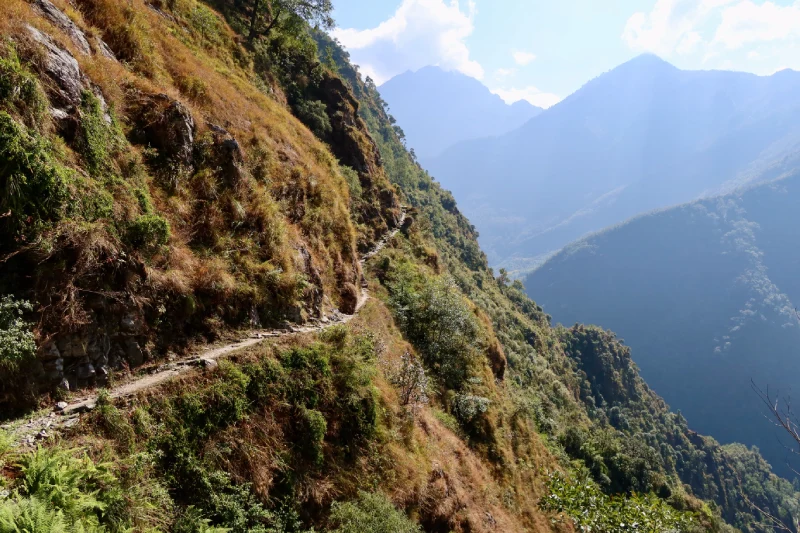
The length of trekking days will also be challenging. Several of them last from 6 to 9 hours, through unmarked trails with many ups and downs. Along with remoteness the limited facilities, lack of tea houses, occasional camping makes Lumba Sumba Pass Trek a true challenge.

But who this trek is for? Well, for trekkers who have some experience of trekking at high altitudes, trekkers who have already done trek such as Everest Base Camp, Manaslu or any other treks like this. For absolute beginners this trek may be very challenging not due to its technical side but due to the combination of altitude, distance and isolation all together.

Preparation for the Lumba Sumba Pass Trek

Preparation for Lumba Sumba Trek requires a bit more consideration than other trekking. Preparation is something that you have to done ahead of trek time, not like improvising as you trek.

From the physical point of view, you should have good cardiovascular endurance, well-developed leg muscles to walk up and down continuously, and sufficient mental endurance to face with unpredictable weather and simple facilities. When you are well-prepared and experienced, the difficulty of Lumba Sumba Pass Trek becomes a part of your adventure.

As for equipment, layering is everything to handle temperature difference that occurs during the trek. Thermal layers, down jacket, waterproof boots, trekking poles and a warm sleeping bag are some of the necessary equipment’s.

Permits and Documents also need to be sort out beforehand. You will need a Restricted Area Permit, Conservation Area permit and Tims card which can be easily obtained through Epic Trek Nepal, once you book with us.

Best Time to Trek

The right time for Lumba Sumba Pass Trek actually plays an essential part when trekking in such a remote and high-altitude route. There are mainly four seasons, and each differ from each other.

Spring (March to May)

Spring is certainly one of the best seasons to go on Lumba Sumba Trek because the weather is mostly stable and moderate, allowing people to have clear sky that will give you magnificent views of mountain in Kanchenjunga and Makalu region.

Autumn (September to November)

This time is the most preferred season and there a reason for this. As the monsoon ends, you will have clear weather and perfect mountain views. Temperature is cool, the trails remain dry and it is the reliable time for Lumba Sumba Pass Trek.

Winter (December to February

Winter season is very cold, especially at the higher altitudes when the temperature can drop below freezing point. Crossing the pass is very difficult due to heavy snowfall and chilly environment. But for those who are used to treks, it is possible but requires more equipment, more caution, and adaptability.

Monsoon (June to August)

For the monsoon season, it is best not to go. There will be high chances of landslides due to the heavy rains, making trails slippery and decreasing visibility, and also because of the presence of leeches.

Accommodation and Food on the Trek

Due to the remoteness of this path, accommodation on the Lumba Sumba Trek is a combination of teahouses, lodges and tented camp. It better to have a better idea of how the accommodation will be, so you won’t be disappointed after you reach there.

The first and final stage of the trek pass through places like Lelep, Ilam, Hatiya and Tumlingtar where you can find teahouses and lodges that provide you with simple rooms and home cooked meals. The trek is more developed in the beginning and in the end, so you will have comfortable point to start and finish.

Further on the Lumba Sumba trek, especially between Olangchun Gola, Sanjung Kharka, Pass Camp and Yak Kharka, camping is the only option you have at that point. We set up a camp with sleeping tents, dining tent, and kitchen crew preparing food for you along the way. It’s far from luxury, but it works perfectly well, and it’s quite an experience to wake up right next to the mountains.

The meals on the entire Lumba Sumba Pass Trek are healthy and high energy food like dal bhat, noodles, soup, porridge and other similar food that ensure you have enough energy to walk for long hours. There is more variety in food when you visit the villages, but if you camp during the trek then food will be freshly made for you by the trekking crew.

So, you should know that this is not a teahouse trek. It is an authentic trekking expedition, and the camping are a big part of the Lumba Sumba Trek experience.

Permit required for Lumba Sumba Trek

The Lumba Sumba Pass trek covers two protected area and one restricted border area, so it requires a lot of paperwork compared to ordinary trek.

It includes permit such as Kanchenjunga Restricted Area Permit, Kanchenjunga Conservation Area (KCA) Entry Permit, Makalu Barun National Park Entrance Permit, Restricted Area Permit for the district of Sankhuwasabha and TIMS Card.

A permit for the Makalu Barun National Park and Conservation Area requires NPR 1,500 for SAARC nationals and NPR 3,000 for other countries per person and a Makalu Rural Municipality Permit costs NPR 2,000 per entry.

The Kanchenjunga permit is also similarly structured in terms of price, which increases with the duration of the trek. Because this trek goes through a restricted zone designated by the government, solo trekking is not permitted, but a trekking agency and a guide are required.

To obtain all this, we will arrange all permit requirements for you at Epic Trek Nepal including Kanchenjunga permit, KCA permit, Makalu Barun National Park entry, Sankhuwasabha Restricted Area permit, and even the local fee. All you have to do is provide us with your original passport and photos prior to your trek.

Safety and Altitude

Safety of your physical and mental health is very important on the Lumba Sumba Pass trek, since the altitude of this pass goes above 5,000 meter which is enough to fail your trek.

Some basic things that need to be kept in mind:

Acclimatization. Acclimatization is very important. The rest day at Olangchun Gola (at 3,208 meters) is for the purpose of acclimatization itself. To skip this would be a major mistake and could lead to altitude sickness.

Look out for symptoms. Headache, nausea, dizziness and extreme fatigue are all symptoms of altitude sickness. If you have slight feeling of this, tell your guide immediately.

Hydration and pace. Proper hydration along with a consistent and relaxed pace allows your body to adjust to the high altitude much more effectively.

Dress in layer to control the temperature change. While days might be hot during walking, the night can get quite cold. Layering will help in controlling the day’s hot and night’s cold temperature.

Follow your guide’s advice. Guides who have worked on this route for years and knows what to do in every situation. Don’t try to avoid the decision of your guide.

Travel Insurance

Travel insurance on Lumba Sumba Pass Trek is not an option, but very important thing. Since this trek involves crossing above 5,000 meter in one of the remotest areas, you will require an insurance coverage plan for this particular trek.

Your insurance should cover:

Trekking at high altitudes up to 6,000 meters. Most travel insurance companies have altitude limitations of 3,000-4,000 meters and you need to check yours before making a purchase.

Helicopter emergency evacuation. Considering how remote certain areas of this trek are, particularly between Olangchun Gola and the other end of the pass, evacuation by helicopter is the only option in case of a medical emergency.

Cancellation and delay. Weather, flight delays to either Bhadrapur or Tumlingtar, and poor road conditions can affect the Lumba Sumba Pass Trek itinerary. This will help to protect your investment.

Medical expenses abroad, including stays at the hospitals in Kathmandu following your trek.

Frequently Asked Questions

This trek is considered one of the most challenging and difficult treks in Nepal. The long trekking days (6-9 hours), passing through a high pass at 5,177m and confused routes make this trek very difficult.

Yes, you do. It is not a trek for beginners. People who successfully made their way on treks such as Everest Base Camp Trek, Manaslu Trek, Kanchenjunga Base Camp Trek will have more experience for these altitudes.

The best time is spring (March-May) and autumn (September-November). Winter is possible but it is very cold and there can be snow in the pass. Monsoon (June-August) is not advisable.

It is about 5,177 meters high, one of the highest trekking passes in Nepal.

The permits include Kanchenjunga Restricted Area Permit, Makalu Barun National Park Entrance Permit, and Sangkhuwasabha Restricted Area Permit.

Yes. You require a travel insurance policy that covers high altitude trekking up to at least 6,000m and emergency helicopter evacuation services.

Yes, due to the crossing of the pass at an elevation of more than 5,000m. Appropriate acclimatization, slow ascent pace, and being aware of the symptoms help prevent this danger.

It is not advisable for beginners as the journey involves altitude, remoteness, longer days and also lacks facilities for emergencies, thus making it suitable only for experienced trekkers.

Not at all. As soon as you leave Ilam, there will be no ATMs, and there will be very few shops, if any, beyond Olangchun Gola.

Trip Reviews