TALK TO AN EXPERT +977-9764792172
Bhanubhakta Nachhiring
divider-down
duration-icon

Trip Duration

13 Days
destination

Destination

Nepal
max-alt-icon

Max. Altitude

3,900 m.
difficulty-icon

Trip Difficulty

Moderate
group-size

Group Size

1-12
transportation

Transportation

Private Vehicle
accommodation

Accommodation

Hotel/Teahouse/Camp
activity-icon

Activity

Trekking
meals

Meals

All Inclusive
start_end

Start / End

Kathmandu
best-season

Best Season

Spring & Autumn

Trip Overview

The Gurja Himal Trek is one of the underrated and less explored treks of the Dhaulagiri region, which travels through the ancient trade paths of Baglung hills and into the Dhorpatan Valley before reaching the base of Gurja Himal itself.

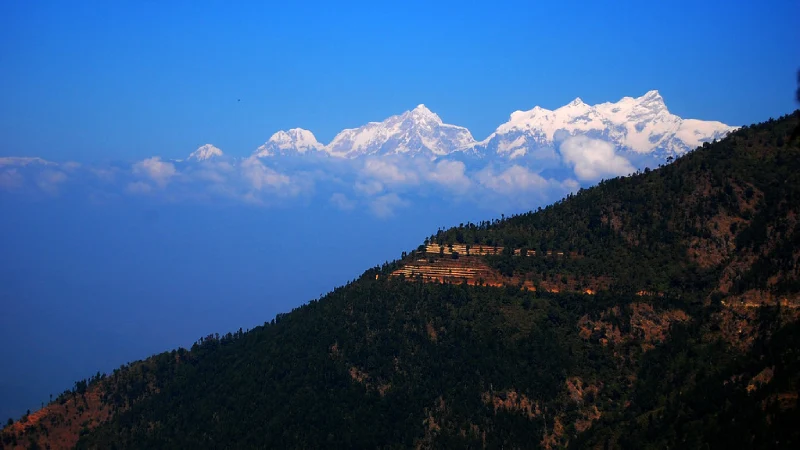
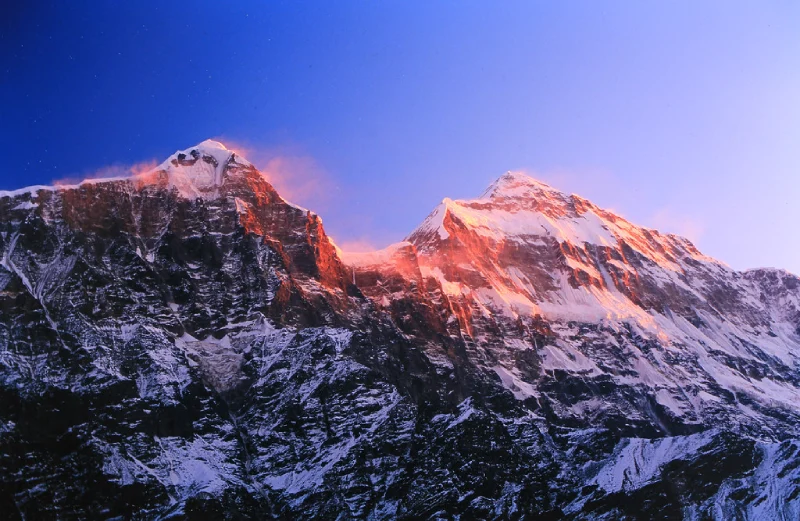
At an elevation of 7,193 m, Gurja Himal lies to the west of the popular Dhaulagiri and Annapurna ranges. Unlike many trekking routes which leads climber directly to well-known mountains, this trek explores diverse landscapes, high mountain passes and rural villages which rarely any trekkers go.

Compared to other popular destinations in Nepal such as Everest Base Camp or Annapurna Base Camp Trek, the Gurja Himal trek itinerary involves longer stretches between villages, different types of accommodation, and less developed paths with fewer crowds.

That’s part provides trekkers the opportunity to experience rural lie within the hills of Baglung and Dhorpatan, combined with scenic mountain vistas unique to the trekking region.

This trail is best suited for those who have some experience in multi day hiking or trekking as well as the ability to do long trekking days and stay in simple tea houses while trekking in a route that required more preparation than a normal package tour usually does.

This trek is not the easiest one in Nepal, nor is it suitable for those who want comfort every single day. However, for those who are looking for a way to escape the overcrowded route and enjoy time in peaceful environment, visit the monasteries and trek near the mountain.

What make Gurja Himal Trek special?

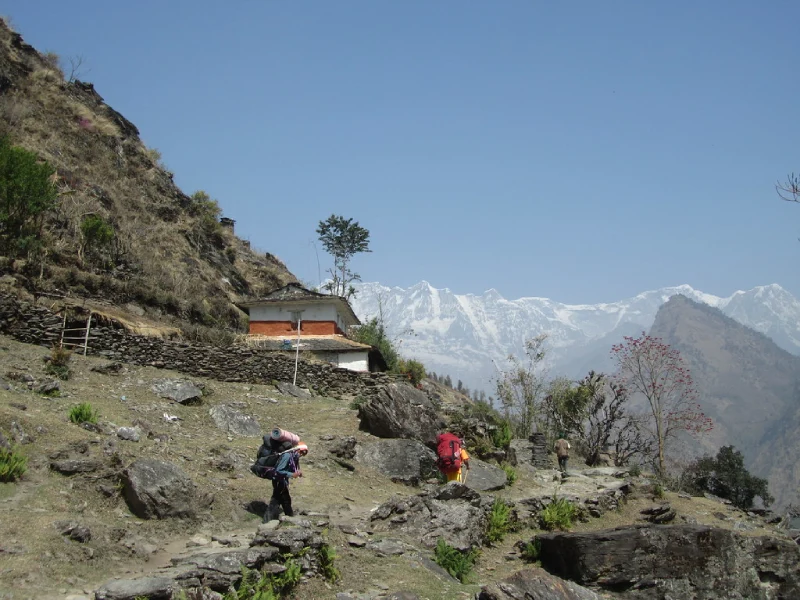
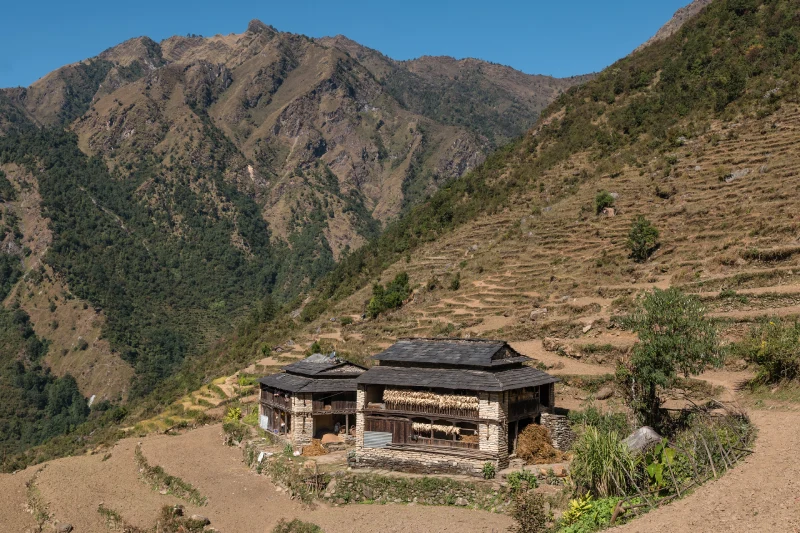
What makes the Gurja Himal Trek special is the less influence of the trekking tourism in this route. The route through Baglung and further on to the valley of Dhorpatan leads through local villages that lives their lives like they always did, without the influence of modern development, lodges or Wi-Fi, that have grown up in routes like Annapurna or Everest region.

The scenery changes throughout the journey, from the forest and valleys of Baglung to the high passes of Sole Lekh, Gurjaghat Pass and eventually Rugachar Pass in the area of Gurja Himal. The section through Dhorpatan valley, with a rest day and a visit to Chentung monastery is a different experience that the other monasteries seen in popular places of Nepal.

As the trek route does not get as many trekkers as the Everest and Annapurna do, even on peak season, the trek becomes more isolated and individualized in nature. There also won’t be facilities like those offered to trekker on other trails. You are mostly accompanied by solitude as well as close connection with nature and the locals.

This trek is ideal for tourists that have been on one of Nepal’s popular treks before and now require something a little more adventurous path or simply prefer to trek without the crowds.

Highlights of Gurja Himal Trek

  • Amazing views of the majestic mountain range of Gurja Himal (7,193m) with Khegas Khola detour
  • Two challenging high passes – Gurjaghat Pass (3,350m) and Rugachaur Pass (3,900m)
  • Exploring Chentung monastery located in the Dhorpatan valley
  • Less traveled route compared to the Everest or Annapurna routes
  • A mix of trail through the hills and valleys and high passes
  • Experience the local hill communities in Baglung district
  • Adventure trail suitable for adventure trekkers
  • Teahouse and Camping route experience

Itinerary of Gurja Himal Trek

Upon arrival at the Kathmandu airport, you will be greeted by one of our representatives and transferred to your hotel. During this short road journey, you will have a first impression of this exciting city through its busy and colorful streets.

Once you’ve checked into your hotel, you can get some rest or even go out and explore the vibrant area of Thamel that has many tourist-related stores, restaurants, and coffee shops. On this first day, you only need to recover from your travel, relax and prepare yourself.

You could visit some places in the vicinity, savor local delicacies or rest in your hotel room. In the evening, you could receive a brief presentation regarding your Gurja Himal Trek itinerary.

activity-small

Activity: Arrival

max-alt-small

Max. Altitude: 1400m./4,593ft.

accommodation-small

Accommodation: 3 Star Hotel

If you are traveling in a private group, we can arrange a fully customized trip based on your preferences, group size, and travel dates, available any day you choose.

Includes/Excludes

What is included?

  • Airport Pick up and Drop off
  • Transportation from Kathmandu to Baglung & Pokhara to Kathmandu in tourist vehicle or domestic flight (as applicable)
  • All necessary permit and local fee required for this trek
  • Accommodation while trekking in teahouse and campsite (as per itinerary)
  • Meals while trekking including breakfast, lunch, and dinner (as per itinerary)
  • Licensed & experienced trekking guide
  • Trekking permit and area fees
  • First-aid kit provided by the guide

What is not included?

  • International airfare to and from Nepal is not included.
  • Travel insurance that covers emergency rescue and evacuation is not included, and you’ll be expected to have your own.
  • Expenses for extra meals, drinks, snacks, charging devices, hot showers, Wi-Fi, and other personal costs are not included.
  •  If you choose to extend your stay in Nepal, the cost of additional accommodation and meals will not be included.
  •  Any costs related to emergency evacuation or rescues are not covered.
  • Personal trekking equipment, such as hiking boots, down jackets, trekking poles, and other gear are not included.
  • Porter is not available in package, but it can be arranged on request at an extra cost, where one porter carries up to 25 kg (shared between two trekkers) to reduce your load and make the trek more comfortable.

Trip Information

Route Overview of Gurja Himal Trek

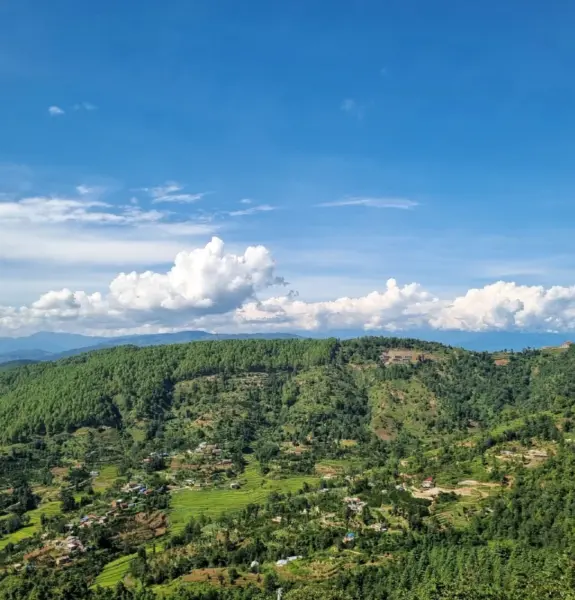
The Gurja Himal Trek first start with a drive from Kathmandu to Baglung, where you will begin your journey on foot afterwards. After leaving Baglung, the trek takes you up the hills to Okhle and then Nila Jotin Dara all the way to Sipa. Here, you will travel through ridges and valleys which is very common in this region of Dhaulagiri range.

Next the trail passes over Dansi Lekh Pass to Rum, then Sole Lekh to Bonga Khani. This is one of the longest walking sections due to remote hill terrain and not so well-developed village infrastructure on the way. Then the trail climbs over Gurjaghat Pass (3,350 m), entering Gurjaghat at the Dhorpatan Valley, which a rest day is included to visit Chentung monastery for acclimatization for pushing higher.

The highlight of the trek comes when passing the Rugachar Pass (3,900 m), which takes you to Gurja Khani, the village that is closest to Gurja Himal. From there, the trek will continue to Lulang and then to Darbang, which is the final destination of the trek before transferring back to Pokhara in a private vehicle.

Due to the lack of teahouse facilities in the route area as compared to the well-known trekking areas of Nepal, the conditions may differ according to seasons, and it is recommended to get the current information of the route from Epic Trek Nepal.

Gurja Himal Trek Difficulty

The Gurja Himal Trek package is quite a challenging one, which is considered as moderate to difficult. There are days which include 7 to 9 hours of walking, including Bonga Khani to Gurjaghat and Rugachaur Pass which are 8 hours of long walk-through rugged terrain. These days are not going to be easy which involves several ups and downs and the track are also not well maintained.

The altitude also becomes a major factor after passing Gurjaghat Pass, with the higher altitude being 3,900 meters on Rugachaur Pass. Although the altitude is not extremely high, the remote trails, rugged terrain, long walking days and limited facilities creates enough challenges to exhaust trekker during the trek. For this reason, it is important for trekkers to have previous experience with multi-day trekking, and it would be very helpful if you have done something like this remote area trekking before.

Trekkers must be used to trekking for several days straight, carrying a day pack along the trails that could either be muddy, rocky, or narrow, depending on the season. Some of the individuals who can find this trek difficult are first timers without any background of hiking, people with cardiovascular or joint problems and those who expect shorter distances every day in the most famous trails of Nepal and if you are like this this trek might not be for you.

Best Time for Gurja Himal Trek

Spring (March to May)

Spring is the most favorable season due to its warm temperatures and comfortable climate. With warmer weather at lower altitudes, the areas covered with forest near Baglung and Okhle witness flowering of rhododendrons while the temperatures on the trail remain comfortable. The higher regions near Gurjaghat Pass and Rugachaur Pass may still contain snow at the beginning of the season.

Autumn (September to November)

After Spring, Autumn is another most suitable period for trekking the area. The trail, temperatures and weather slowly become stable after the heavy monsoon rainfall and the scenery at places such as the peak around Gurja Himal and the Dhorpatan valley will be very clear.

Monsoon (June to August)

The monsoon season is a challenging one for this trek. The monsoon rain makes the trail very muddy and slippery. It’s also a season where clouds cover the mountain views and forest are full of leeches.

Winter (December to February)

The winter season bring cold weather and probably snowfall in the passes such as Gurjaghat Pass and Rugachaur Pass. Pass. The lower part of the trail is still accessible during winter, but those planning to trek in winter need to prepare for such condition.

Accommodation and Food during Gurja Himal Trek

The accommodation on the Gurja Himal trekking is quite different from the other famous trekking destination in Nepal. The accommodation facilities differ based on various parts of the trekking path. At the lower hills near Baglung and Okhle, there are small teahouses or even small lodges that offers a comfortable room and some basic bedding facilities. Once the trek moves into the valley of Dhorpatan and closer to Gurja Khani, then facilities will get more limited and camping might become an option along the way.

Facilities provided in this accommodation are very basis. There is no guarantee that there will be bathroom attached to the rooms, nor that shower will even provide hot water, especially after you get past lower part of the trail. Most of the bathroom include squat toilets than western style toilet. Due to changing conditions from village to village and from season to season, it is necessary for you to lower your expectation.

The food on Gurja Himal trekking route is mostly the same type of food that will be available in other trekking areas of Nepal. Dal Bhat which consists of rice, lentils and vegetable is the most favored dish which are widely served during the trek. Other types of food available include noodles, soup, and basic rice-based meals. Breakfast usually consists of porridge, eggs, toast, tea and coffee.

There is drinkable water along the trail. However, you should prepare to either purify the water using purification tablets, a water filter system, as bottled water is rarely found in the remote areas of the route.

Safety and Altitude consideration

The highest point in the Gurja Himal Trekking is at Rungachaur Pass which is approximately 3,900 meter and Gurjaghat Pass and an altitude of 3,50 meter. Though these altitudes are relatively moderate when compared to other parts of the Himalaya, they may cause problems for trekkers, which is why there are two rest days at Gurjaghat and Gurja Khani on the itinerary.

It is important for trekkers to be aware of their own well-being during the climb in terms of the altitude, as any unusual symptoms, such as a headache, nausea, and tiredness, should be discussed with their guide.

Hydration becomes important especially if you are going for a long trekking days where you have to walk for 7 to 9 hours daily. Dehydration can affect your body and cause altitude sickness faster than normal. The weather may change anytime during trekking, so carry warm layered clothes to guard against the temperature changes and wind.

It is highly recommended to hire a guide for this journey due to lack of facilities and certain areas where it becomes crucial to have local information about the trails and the means of emergency available, which guides can facilitate you in arranging if required.

Travel Insurance

A travel insurance is a lifesaving thing that should not be ignored when trekking in places like Gurja area. Because of the remoteness of some parts of the trek, the passes above 3,000 m and lack of accessible medical services, having the proper travel insurance coverage before starting the journey becomes more important for this trek than for any other one.

When choosing a travel insurance policy, you need to make sure that your policy includes coverage for trekking at the altitudes covered during the trek. Some insurance companies may require that separate adventure activity coverage is needed for trekking above a certain altitude. The Gurji Himal trekking involves crossing Rugachaur Pass at 3,900m altitude, so you need to verify this aspect directly with your insurance company when choosing the coverage plan.

Another thing that should be included in the coverage plan is the coverage for emergency evacuation from the area. Because the Gurja Himal trek goes through such remote places as Gurjaghat and Gurja Khani, having such a coverage option is vital.

Trip cancellation and trip delay insurance is another area to consider, considering how much the plan depends on weather conditions along the roads and trails used.

Frequently Asked Questions

It’s a tough trek with several days of 7 to 9-hour walks on hilly terrain with an elevation of 3,900m at Rugachaur Pass. It requires previous multi-day hike experience rather than being a beginner’s trek.

The entire trek itinerary including arrival and departure day spans 13 days Kathmandu to Kathmandu, but the trek takes about 9 to 10 days in the trail.

The highest elevation of the trek is 3,900m of Rugachaur Pass.

It’s not recommended for beginner trekkers and should be done by trekkers with some experience in hiking or trekking. It demands long walking hours and the presence of high passes along with more basic facilities as compared to easy teahouse treks like Poon Hill or Annapurna Base Camp trek.

The ideal season is autumn (September to November) or spring (March to May). The wet monsoon and winter seasons can be tougher with mud-covered and snowy trails.

There is teahouse accommodation in the lower region of the trek and camping in the remote region of the trek such as in Gurjaghat and Gurja Khani.

Yes, because of the remoteness and altitude of the trek and the need for navigating through the trails, a guide is recommended for the trek.

Yes, travel insurance must be obtained because of the high altitude and remoteness of the trail.

No, since this trek attracts far fewer hikers compared to the Everest Base Camp or the Annapurna Base Camp, being much less developed for mass tourism.

Food will mostly consist of dal bhat, noodles, soups, and basic rice meals. Breakfast foods include porridge, eggs, toast, and tea/coffee. Vegetarian food will not be a problem to organize.

There will be drinking water available along the trekking trail, however, it needs to be purified through tablets or Steripen, as there will not always be enough bottled water in the more remote areas.

Trip Reviews