TALK TO AN EXPERT +977-9764792172
Bhanubhakta Nachhiring
divider-down
duration-icon

Trip Duration

10 Days
destination

Destination

Nepal
max-alt-icon

Max. Altitude

5,330 m.
difficulty-icon

Trip Difficulty

Difficult
group-size

Group Size

1-12
transportation

Transportation

Private Vehicle/Flight
accommodation

Accommodation

Hotel/Teahouse/Camp
activity-icon

Activity

Trekking
meals

Meals

All Inclusive
start_end

Start / End

Kathmandu
region

Region

Annapurna
best-season

Best Season

Spring & Autumn

Trip Overview

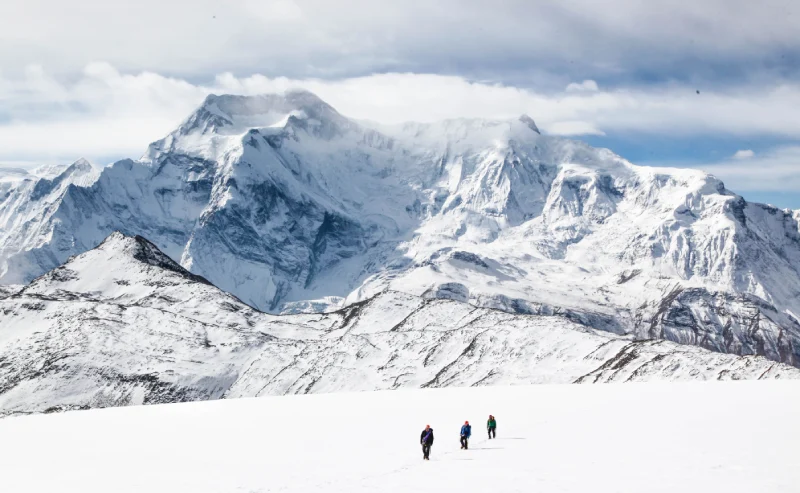
The Tilicho Lake Mesokanto Pass Trek is one of the remotest areas of Annapurna region that combines two main highlights in a single journey: the highest lake in the world (Tilicho Lake) and a very wild high altitude pass crossing at Mesokanto La Pass. The combination of both makes for one of the best off the beaten path experiences Nepal has to offer.

The trek take place in the Manang district in the northern part of the Annapurna range. You will trek through the dry and high-desert landscape, reminding much more of Tibet than what comes to mind when one thinks about Nepal. For those who go on the regular Tilicho Lake Trek, they return back on the same trail back to Manang. But the Tilicho Lake and Mesokanto Pass Trek takes the trekkers beyond the point of turning, going past Mesokanto La Pass over 5,300 meters, and descending into the region of Jomsom and Muktinath.

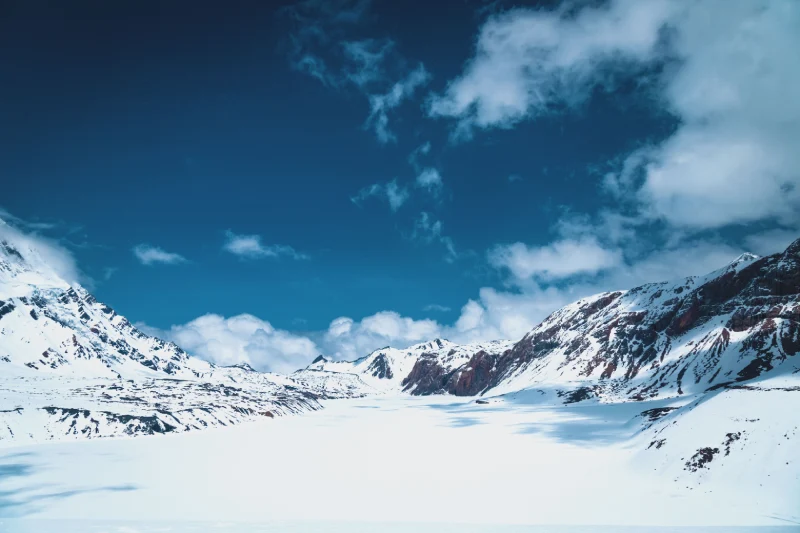
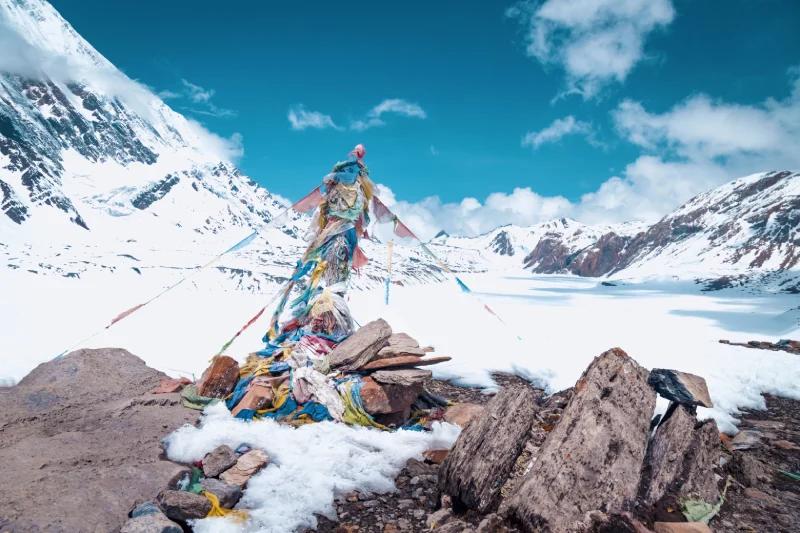
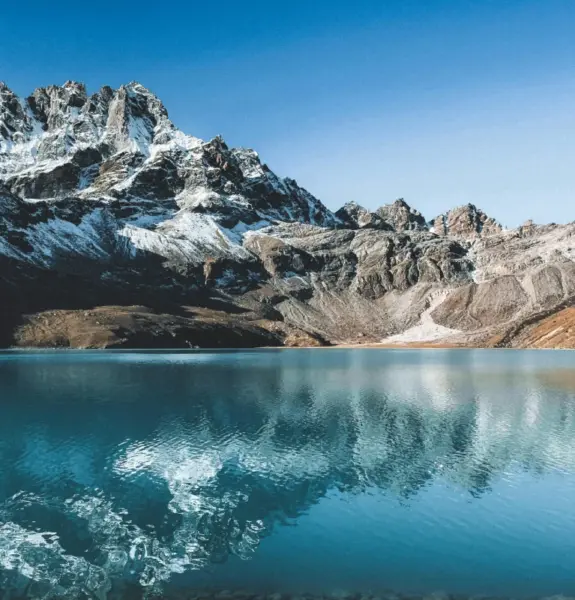
The highlight of the first part of the trek would be Tilicho Lake, located at about 4,919 meters high and is surrounded with glaciers and rocky peaks, offering a truly stunning scenery of the area, particularly during clear days when the lake is colored blue.

After that comes the challenge of crossing the Mesokanto La Pass. It will give a true feeling of accomplishment due to the silence of the route, the real views, and you won’t see many other trekkers in your path compared to the usual Annapurna hiking trails.

The trek is not for everyone, especially the beginner because of the elevation and the difficult terrain. However, if you are adventurous and want something challenging and exciting, then the Tilicho Lake Mesokanto Pass Trek is the right one for you.

Route Overview of Tilicho Lake Mesokanto Pass Trek

Our Mesokanto Pass Tilicho Lake Trek itinerary covers 10 days which starts and ends in Kathmandu. It is a nicely balanced trek that allows proper acclimatization while still advancing towards the high altitude.

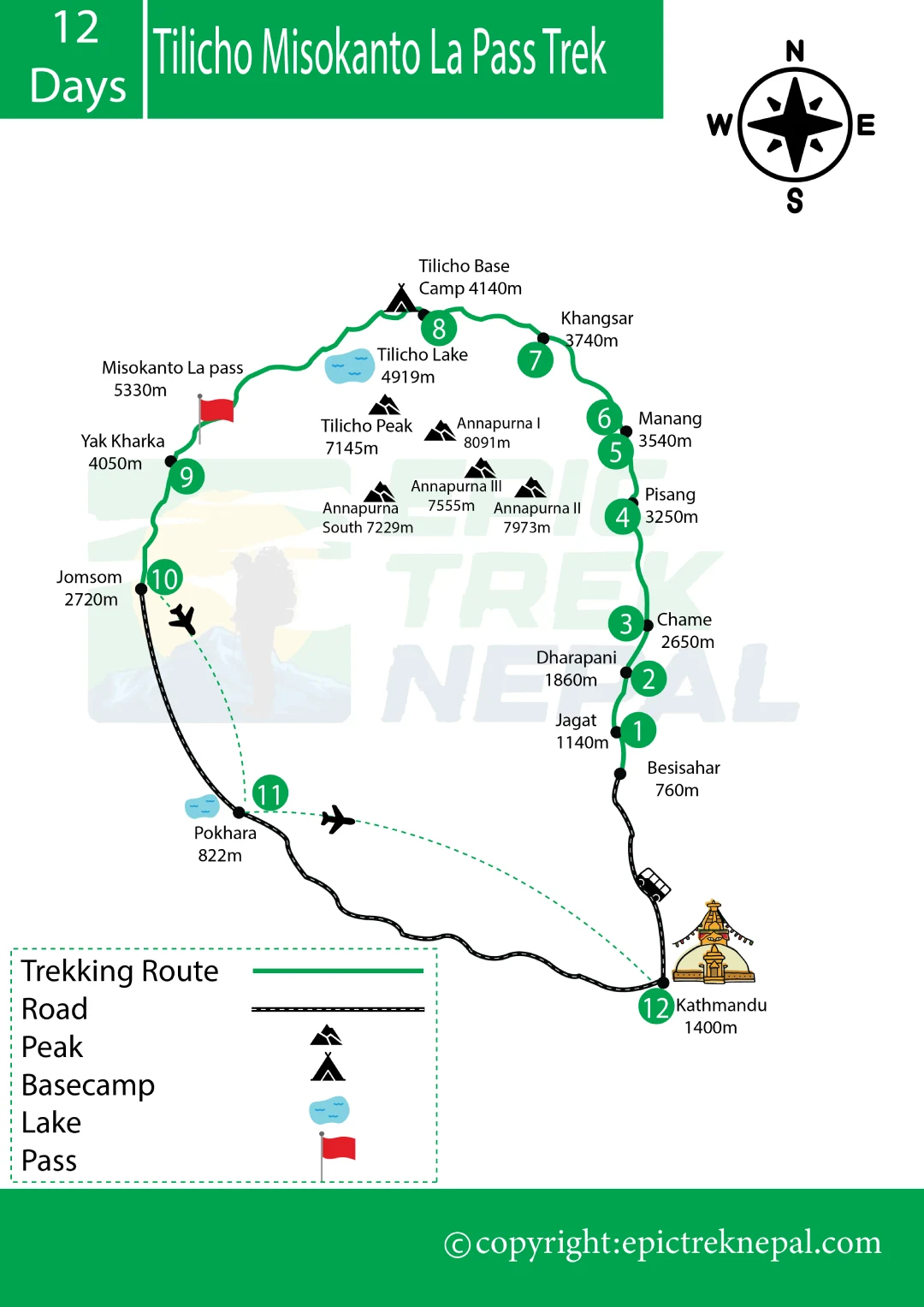
The trek starts with a long bus ride from Kathmandu to Chame via Besisahar in the Marsyangdi valley region. Then from Chame, the trek follows the trail to the village of Pisang. After that, you will proceed toward Manang, the last village before the high altitude. This is also an acclimatization day.  After acclimatizing in Manang, the journey takes you to the village of Kangsar and later to Tilicho Base Camp.

The day 7, is the most important part of the journey. This involves passing through Tilicho Lake and then through Mesokanto La Pass, which stands at 5,330 meters, and descending to Yak Kharka for camping. It is a tough day, but the most exciting day of the entire trekking journey.

After crossing the pass, you will descend towards Jomsom, where the trekking route will become easier compared to previous trails. A short flight will take them to Pokhara and from there, they will be driven back to Kathmandu for the end of their adventure.

Why Choose Tilicho Lake Mesokanto Pass Trek

In case you have made some treks in Nepal and are looking for an adventerous experience, you might consider this trekking route. The Tilicho Lake Mesokanto Pass Trek goes beyond the ordinary route and takes you to a place where few travelers reach.

While most trekkers trek to Tilicho Lake and head back to Manang after visiting the lake, this trek take you all the way to Mesokanto Pass which offers more adventurous experience.

The high-altitude trek is what attracts the people. Crossing the Mesokanto Pass which is 5,330 meter above is a serious challenge worth taking up for any experienced trekkers.

In addition to this, you have not just one but two main attractions. Tilicho Lake offers you serene scenery at high altitude. While the Mesokanto La Pass offers you open ridge lines and distant mountain views, giving you the sense of remoteness.

The scenery after Tilicho Base Camp becomes wild and untouched. Dried hills, glacier valleys, and unmarked trails will take place than crowded teahouse trails in other areas of Annapurna Circuit.

This trek is best suited for trekkers who have experience with altitudes, long treks, and mountainous climate. If that’s you, then the Tilicho Lake & Mesokanto Pass Trek is your chance to explore a different kind of the same well-known trek.

Highlights of Tilicho Lake Mesokanto Pass Trek

  • Cross Mesokanto La Pass, at 5,330 m, one of the highest and least crowded passes of the Annapurna area
  • Witness the famous Tilicho Lake at 4,191 m, the highest lake in the world
  • Experience unique, remote paths which have far less trekkers compared to the main Annapurna Circuit route
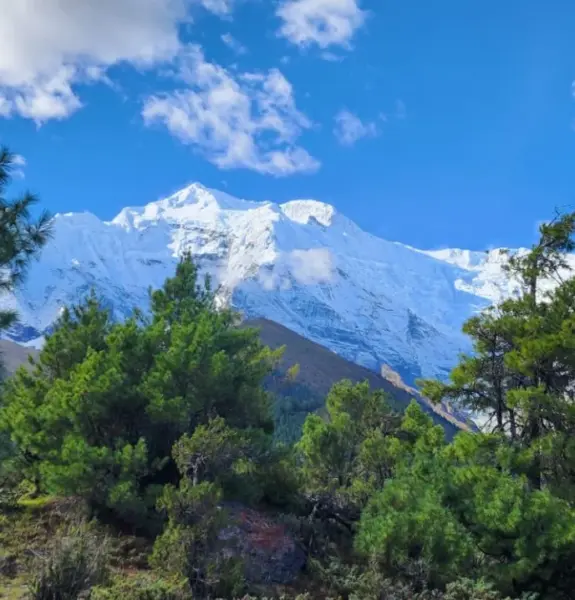
  • View mountain peak which includesAnnapurna II, Gangapurna and other major mountains throughout the trail
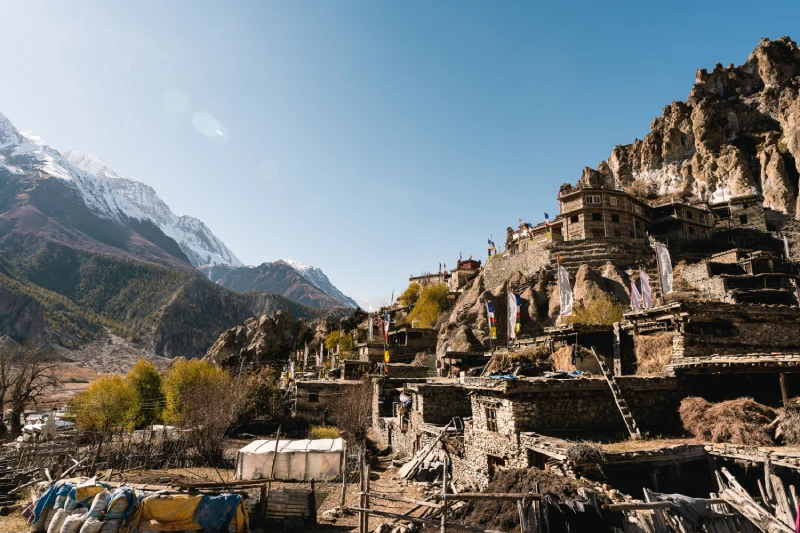
  • Visit traditional Manang and Khangsar villages influenced by Tibetan culture
  • Camp overnight near Yak Kharka, a true wilderness experience to the trek
  • Fly from Jomsom to Pokhara with great views of the Annapurna and Dhaulagiri ranges

Tilicho Lake Mesokanto Pass Trek - Distance, Duration, and Altitude

Trekking Route Distance (Kilometers) Duration (Hours) Altitude (Meters)
Trek from Chame to Pisang 15 KM Trek (5 to 6 hours) 3250 m.
Trek from Pisang to Manang 14 KM Trek (5 to 6 hours) 3519 m.
Trek from Manang to Khangsar 9 KM Trek (5 to 6 hours) 3734 m.
Trek from Kangsar to Tilicho Base Camp 10 KM Trek (4 to 5 hours) 4140 m.
Trek via Tilicho Lake and Cross Mesokanto La Pass to Yak Kharka 16 KM Trek (7 to 8 hours) 5330 m.
Trek from Yak Kharka to Jomsom 14 KM Trek (5 hours) 2720 m.

Itinerary of Tilicho Lake Mesokanto Pass Trek

Your Tilicho Lake Mesokanto Pass Trek itinerary starts with a long drive journey from the capital city of Kathmandu to Besisahar. This drive takes you through hills and valley along the river.

Once in Besisahar, the road becomes mountainous and rugged with dust, curves and increasing altitude. You will spend the entire day driving through these roads and at the end of the day, you will reach Chame, the headquarters of the Manang District. You will stay at one the teahouse in here which is your first teahouse accommodation.

activity-small

Activity: Drive (9 to 10 hours)

max-alt-small

Max. Altitude: 2650m./8,694ft. (Chame)

meals-small

Meal: Breakfast, Lunch, Dinner

accommodation-small

Accommodation: Tea house

If you are traveling in a private group, we can arrange a fully customized trip based on your preferences, group size, and travel dates, available any day you choose.

Includes/Excludes

What is included?

  • Airport pick up and drop off
  • All ground transportation as per itinerary (Kathmandu-Besisahar-Chame, Pokhara to Kathmandu)
  • Flight transportation from Jomsom to Pokhara
  • Permit (Annapurna conservation Area Permit and Tims Card)
  • Accommodation in Teahouse throughout the trek and camping stay at Yak Kharka
  • 2-night stay in 3 start hotels at Kathmandu before and after the trek
  • All meals during trekking (Breakfast, lunch & dinner)
  • Equipment for Yak Kharka night camping (Tent, sleeping mat, kitchen arrangement)
  • A guide who speaks English and is experienced in trekking. This includes their salary, insurance, equipment, food, and accommodation.
  • A basic first aid kit is typically provided.
  • All applicable taxes

What is not included?

  • International airfare to and from Nepal is not included. Clients must themselves arrange their international tickets
  • Travel insurance is not included
  • Extra meals and drinks in Kathmandu, snacks, bottled drinks, Wi-Fi charges, hot showers, and charging devices, laundry, other expenses of personal nature are excluded.
  • Nepal entry visa fees are excluded, and the traveler needs to pay in his/her arrival or in advance, as applicable.
  • Personal trekking equipment such as hiking boots, trekking poles, jackets, gloves, and other personal gear are not included.
  • Food in Kathmandu and Pokhara (excluding food during the trek)
  • Tips for the guide and porter are not included and are left completely up to your satisfaction and personal choice.
  • Porter is not available in package, but it can be arranged on request at an extra cost, where one porter carries up to 25 kg (shared between two trekkers) to reduce your load and make the trek more comfortable.

Trip Information

Difficulty of Tilicho Lake and Mesokanta Pass Trek

The Tilicho Lake Mesokanto Pass trek is a difficult trek that takes place at high altitude. It is definitely not an easy trek than you can complete successfully on your very first time in Nepal.

First off, altitude will be the biggest issues. There will be days spent at over 4,000 meters, with Mesokanto La pass begin the highest area at 5,330 m. This means that thin air will make even simple activities more difficult than usual.

Crossing the pass is the hardest in the whole Tilicho Lake Mesokanto Pass Trek Itinerary, as it includes long and difficult journey with the ascent and descent and lots of walking on loose rocks or snow depending on the season and recent weather.

Other sections of the route include constant ascending and descending every day. The trails between Khangsar and Tilicho Base Camp include some sections of hazardous slopes due to landslides.

You do not require climbing expertise for the journey, but fitness level is very important. Fitness exercises, hiking with a backpack, and building your leg muscles with months of training before the trek is very helpful.

Best time to do the Trek

Time becomes very important when it comes to this route since the weather and snow play an integral role in viewing the lake and crossing through Mesokanto La Pass. Timing of the trekking trip will ensure that your journey is both safe and fun.

Spring (March to May)

Spring is the best time for you to trek through this place. This is because days are fairly stable, temperature at lower altitudes becomes better and rhododendron forests at lower altitudes add some color to your trek.

Autumn (September to November)

Autumn is another best season due to clear skies and better visibility. This is the peak season since views of the mountains around Tilicho Lake become sharp. Also, trails become dry making it easier to trek steep portions of the trail

Winter (December to February)

Winter comes with intense cold and heavy snowfall at high altitudes. Mesokanto La Pass might become very dangerous or even unpassable due to heavy snow covering the path making it difficult to move around

Summer (June to August)

Summer or monsoon season is not advisable for this trek because of high rainfall leading to landslips in the lower areas and cloudiness limiting the mountain view. Even though Manang Valley is in a rain shadow area which receives less amount of rainfall compared to other regions, but the pass may still pose challenges with poor visibility and slippery nature of terrain.

For the satisfying and enjoyable experience, spring and autumn is the best seasons for the Tilicho Lake and Mesokanto Pass Trek.

Required Permits

As the route passes through the entire Annapurna Conservation Area, obtaining the permit is very simple compared to other treks where access is limited.

Annapurna Conservation Area Permit (ACAP)

It is the primary permit necessary for the whole route from Chame to Manang through the Tilicho Lake, Mesokanta La Pass and to Jomsom. This permit is provided by Nepal Tourism Board which also supports conservation within the region.

Tims Card (Trekkers’ Information Management System)

The TIMS card will be required depending on the existing regulations. The rules regarding this permit have undergone several changes in recent years.

It will not be necessary to obtain restricted area permits for this trek, as the Mesokanto La Pass and its trail do not enter any restricted areas like Upper Mustang, but remain within the normal Annapurna Conservation Area route.

Both of these permits will be checked on the trail route on your entry point at Chame and another point near Jomsom, which make it essential that you carry physical copies of the permit.

All of this is quite troublesome to arrange, particularly with all the paperwork and office visits in Kathmandu. This is why Epic Trek Nepal arranges all the permits for you. Just provide your passport size photo and other necessary document.

How to prepare for the Tilicho Lake Mesokanto Pass Trek

Proper preparation really makes the difference when it comes to complete such trek successfully without any difficulties. Due to the altitude and duration of the trek, it is always necessary to prepare yourself before the trek.

Physical preparation should begin at least 6 to 8 weeks before the planned date of the trek. You need to focus on cardio work like hiking, running and weight training for leg and core muscle. Also practice hikes with a backpack that will help you adjust when the real trek starts.

Preparation for high altitude is very important for this trek. If it’s possible, try to spend some time at moderate altitude before the trek or at least understand the symptoms of altitude sickness and how your body reach to it.

Gear preparation becomes important due to rough terrain and temperature changes. Proper layering for cold mornings, used trekking boots, trekking poles for steep ascending and the right gear for one night of camping around Yak Kharka are mandatory.

Mental preparation is also important with long trekking days, weather changes, and the challenge of crossing the 5,330-meter-high pass.

Don’t forget about travel insurance that cover high altitude trekking an emergency evacuation because of its remoteness and altitude.

Tilicho Lake Mesokanto Pass Trek vs Standard Tilicho Lake Trek

Feature Tilicho Lake Mesokanto Pass Trek Standard Tilicho Lake Trek
Route type One-way crossing, ends in Jomsom Out-and-back, returns via Manang
Duration Around 10 days Around 12-15 days (usually as part of Annapurna Circuit)
Max altitude 5,330m (Mesokanto La Pass) 4,919m (Tilicho Lake)
Difficulty Strenuous, high-altitude pass crossing Moderate to challenging
Camping required Yes, one night near Yak Kharka No, only teahouse throughout the trek
Crowd levels Very quiet, especially past Tilicho Base Camp Busier, part of popular circuit trails
End point Jomsom, with a flight out to Pokhara Back through Manang, same route as arrival
Experience needed High-altitude trekking experience recommended Suitable for reasonably fit trekkers with some hiking background
Highlights Tilicho Lake and Mesokanto La Pass Tilicho Lake and Annapurna circuit
Best suited for Experienced trekkers wanting a wilder, less-traveled route Trekkers wanting a shorter, teahouse-based trip to the lake

The basic difference is what follows after Tilicho Lake. The classic version stops at the lake and goes back in the same direction from which the route began. In the case of the Tilicho Lake Mesokanto Pass Trek, the lake becomes the midpoint, and you further proceeds to the pass from there.

This will add some complexity and require an additional night in camp and higher altitude acclimatization. At the same time, there will be fewer tourists, real remoteness and mountain passage.

For those trekkers who are trying to choose between the two routes, it depends on their abilities and willingness to take up a more difficult and adventurous challenge.

Accommodation and Camping

One the Tilicho Lake and Mesokanto Pass Trek, accommodation changes from teahouses to camping depending on your location along the trek.

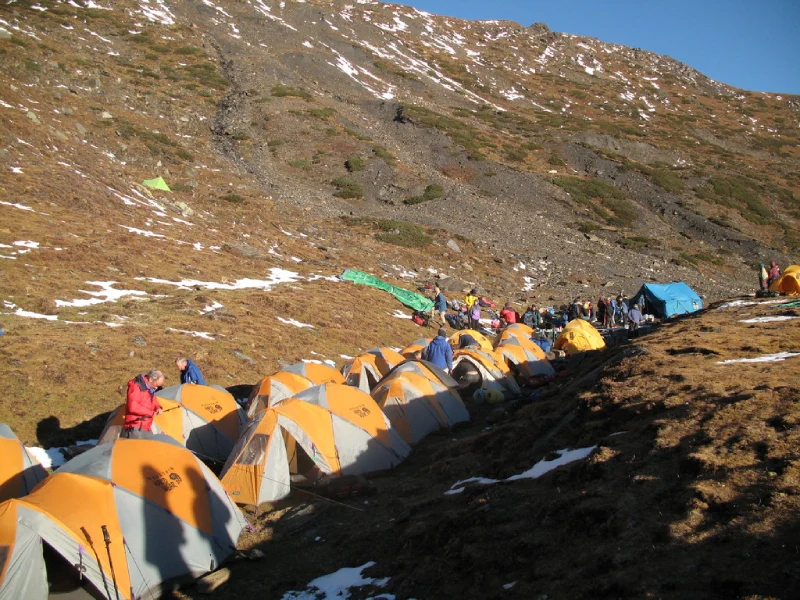
From Chame to the Tilicho Base Camp, you will be staying at teahouse run by local family that offer basic twin rooms, shared bathrooms and a dining hall, where you can have your food and gather with other trekkers in the evening.

But in the Mesokanto La and Yak Kharka region, things are quite different. Since this place lies outside the teahouse facilities, you have to spend night in camp with sleeping bag, sleeping mats and tents, which will be arranged by Epic Trek Nepal.

The toilets also vary in the remote areas. While teahouses have simple toilets that are attached or shared, camping nights will see simpler arrangements, maybe even a dedicated toilet tent based on the size of the team and the area.

Generally, trekkers should prepare for less comfortable conditions after passing by the Tilicho Base Camp. This is one thing that makes this trail unique as far as a wilderness trail goes.

Food and Meals

All meals during the Tilicho Lake Mesokanto Pass Trek will be arranged as part of the package and will include breakfast, lunch and dinner throughout the trek.

The breakfast menu will consist of items such as porridge, eggs, toast, pancakes, or Tibetan bread, accompanied by tea and coffee in early morning before continuing on the trekking journey. As for lunch, it will be provided either at a teahouse or by the trekking group while trekking in the camping region. It will include dishes like noodles, fried rice, and soup.

Dinner usually includes more substantial meals such as dal bhat, which is the traditional Nepalese meal consisting of rice, lentils, and vegetables. The food in this region is rich in energy, making it suitable for the high altitudes and the amount of physical activity required for the journey.

There are also lots of vegetarian dishes available in this area, and the majority of the teahouses have no problems. Make sure you inform your guide about your eating habits before the trip.

Water for drinking is available in teahouses either boiled, filtered or bottled. However, it is still necessary to have some purification table or water purification system with you, since water might be less available near Yak Kharka.

Altitude and Acclimatization

Altitude become the biggest safety problem on the Tilicho Lake Mesokanto Pass Trek. The trek route goes as high a 5,330 meter at Mesokanto Pass with several days spent at altitude over 4,000 meters.

The ascent from Manang (3,519 m) through Tilicho Base Camp (4,140 m) and up to the pass happens in short period of time, which means proper acclimatization is crucial for this trek. To deal with this problem, the itinerary includes one acclimatization in Manang using the “climb high, sleep low” method before continuing the trek towards the high altitude.

Hydration is more important for trekkers than it might seem at first glance. To avoid the effect of thinning air and dry mountain climate, you should drink three-four liters of water per day. And if walk slowly and calmly, rather than hurrying from one location to another, it allows your body to acclimatize naturally as the elevation increases day by day.

Symptoms of altitude sickness may consist of headaches, nausea, dizziness, lack of appetite, and tiredness. Milder symptoms can be very common and generally are easily manageable through resting and drinking water.

More severe symptoms, including confusion, trouble breathing while being at rest, lack of coordination, and vomiting, need serious help. During that time descending to a lower elevation is the best possible solution, which must not be delayed in any circumstances. Your guide will keep an eye on you during the whole trek, so be truthful about your state.

Frequently Asked Questions

It is an adventure trek in Annapurna region, which includes Tilicho Lake trip and crossing over the Mesokanto La Pass to reach Jomsom.

This is considered a difficult trek since it involves high altitude, long walks, and passing through a challenging pass crossing, hence it is harder than the regular Tilicho Lake Trek.

Mesokanto La Pass has a height of 5,330 meters, and this is the highest point of this trek.

The usual Tilicho Lake Mesokanta Pass Trek takes 10 days starting from Kathmandu to ending at Kathmandu.

You need an Annapurna Conservation Area Permit (ACAP), and probably a TIMS card. Epic Trek Nepal takes care of arranging these permits for you before the trip starts.
Yes. Due to remoteness, high altitude and difficulties in navigating around the pass, an experienced guide is necessary for this trip.

Yes. One-night camping is mandatory near Yak Kharka because the area around Mesokanto La Pass doesn’t have any tea house facilities.

For this trek, warm clothing, a four-season sleeping bag, used trekking boots, trekking poles, sun protection, and altitude medicine are all necessary.

Not at all. This trek is not recommended for first-time trekkers since previous experience with high altitude trekking is definitely helpful here.

In case the pass gets blocked with snow, your guide will consider the situation and maybe change your itinerary.

You need to have insurance that covers trekking at high altitude and emergency helicopter evacuation services.

Yes, this trek can be combined with a shorter stay in Pokhara, an extra add-on to Annapurna Base Camp, or cultural excursions in Kathmandu before or after this trek.

There are only two threats – altitude sickness and sudden changes in the weather conditions near Mesokanto La Pass. Both are preventable with guide’s instruction, right acclimatization, and flexibility in the schedule.

Trip Reviews

Similar Packages

Annapurna Circuit with Tilicho Lake Trek
5.0

Annapurna Circuit with Tilicho Lake Trek

  • Duration: 18 Days
  • |
  • Grade: Difficult
Price from

US$ 930

안나푸르나 서킷 트레킹
5.0

Annapurna Circuit Trek

  • Duration: 15 Days
  • |
  • Grade: Moderate
Price from

US$ 840

US$ 940