Why choose the Langtang valley trek with Heli Return?
Not every people have plenty of time and there is no problem with this. Langtang Valley trek with Heli Return is a real Himalayan experience without having to spare week of holiday.
Saves 3 to 4 days of trekking
Returning back that you have come will at least add 3 to 4 days of walking in your Langtang Valley Trek with Heli Return Itinerary. But Langtang Heli Trek saves you from all that so that you can use the time for your own benefit.
Perfect for travelers with limited time
Professionals, parents, busy people in general, it is specifically designed for them. You do not lose anything, just trek the same way but without going back home.
Luxury returns journey
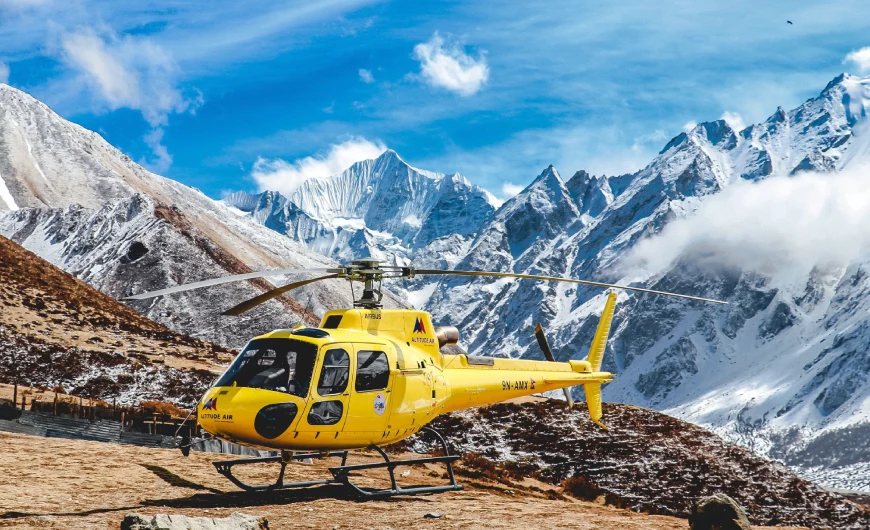
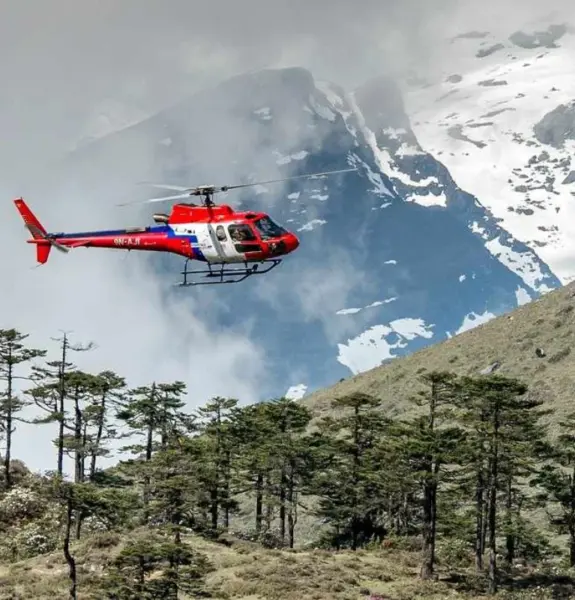
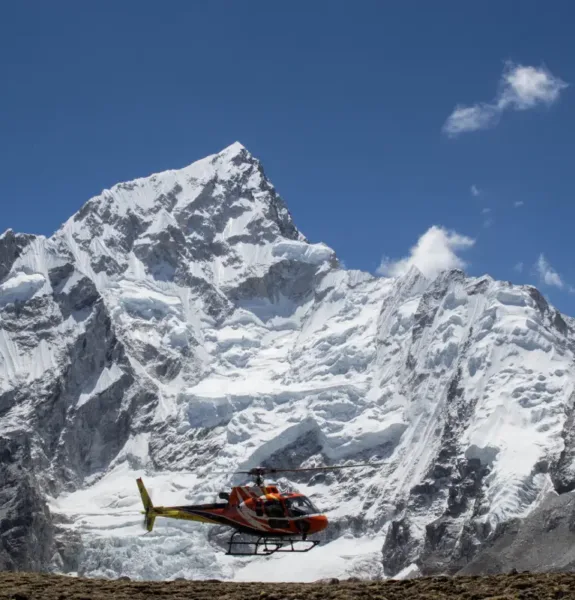
After several days of walking through the rocky terrain, the return flight on the helicopter will feel like a true luxury. Just sit and watch the mountain from the sky.
Spectacular ariel view of Himalayas
The return flight provides an entirely new perspective on the entire landscape – a view that cannot be achieved through ground walking.
It is the reason why the Langtang Valley Trek with Heli Return is suitable for almost all trekkers. Anyone who follows the Langtang Valley Trek with Heli Return Itinerary will experience not only an adventure and local culture but also incredible views of the mountain peaks without any additional load. If you decide to choose a trek in Nepal, this combination is one of the most reasonable decisions.
Trek Difficult
Langtang Valley Trek with Heli Return is perfect for those who have moderate level of fitness but not extreme one. It doesn’t require any mountaineering experience, so if you do some exercise before the trekking starts it will be helpful. Good physical and endurance will make it easier for you to move up hills and walk for hours without much difficulty.
During the trekking, the daily walking take around 5 to 7 hours daily. It includes steady climbs, forest walk and some steep paths near the villages higher up. The walking peace will be very comfortable and there will be many stops for drinking tea, eating food and taking photos, as no will try to push you on the trail.
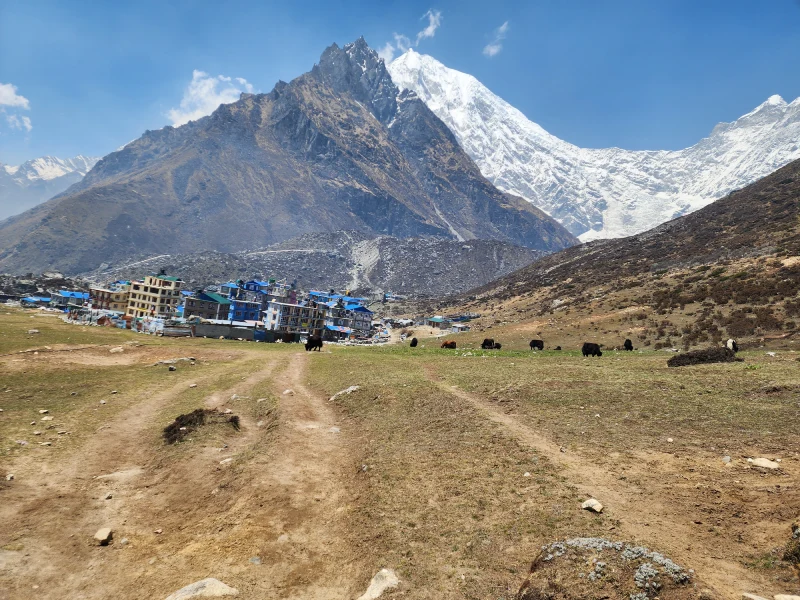
The highest point of your journey is Kyanjin Ri, which is about 4,984 meter high. As for the height of Kyanjin Gompa, it is much lower that is 3,870 meters, which allow you to stay inside the range of safe acclimatization. With gradual altitude gain during the trek, the chance of having an altitude sickness is very low.
This Langtang Heli Trek is suitable for both experienced and new trekkers, for families with kids and elders and for those who want to experience Himalayas in easier way than other trekking trails.
Best Time for Langtang Valley Trek with Heli Return
Spring (March to May)
Spring is when rhododendron flower bloom and the weather get mild. The sky remains sunny most of the time which provide good visibility of the mountains for almost the entire Langtang Valley Trek with Heli Return Itinerary.
Autumn (September to November)
The best weather of the year for crystal clear skies is during autumn. The weather in this season is always fresh after the end of monsoons, and the views of the mountains become sharpest in this period. The stable weather conditions also mean that helicopters operate with greater reliability. Most travelers agree that autumn is the best season for this trek.
Winter (December to February)
Winter brings chilly weather and occasional snowfall. Trekking during the winter is accessible but requires more preparation than usual season. If you love the quietness of nature, then winter is best choice since only few people trek during this time and visibility remains good due to no rainfall.
Monsoon (June to August)
This season brings rains, leeches, and poor visibility. The trek becomes difficult during monsoons, and helicopter operations are mostly affected by weather-related problems.
Accommodation and meals during the Trek
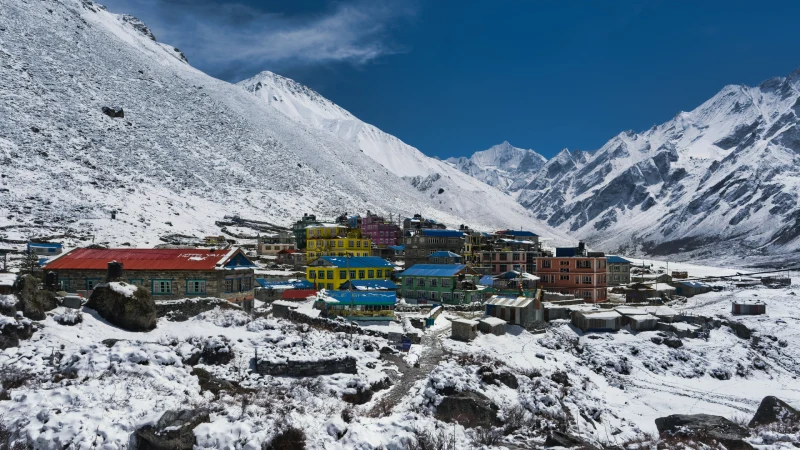
There is no shortage of accommodation in Langtang Valley Trek and can be found on almost all parts of the routes. Mostly trekkers will stay in a teahouse run by local family offering simple and cozy rooms. The locals who operate these lodging facilities know the trail well and are quite likely to share useful information during your dinner in case you need it.
The rooms normally have twin beds, blanket, and furniture; no other luxuries. Do not expect much in terms of luxury and comfort as the rooms remain simple, with bathrooms being communal in lower elevations, while higher elevations make it even more basic but acceptable.
For food, Nepali cuisine dominated the menu for all the treks available in Nepal. For instance, Dal Bhat (combination of lentils, rice and vegetable) serves as the main dish for both local people and trekkers. This food provides high energy nutrition for energy restoring and walking for tomorrows walk.
There are some other dishes like noodles, soup, momo and fired rice. The breakfast consists of porridge, eggs, toast, Tibetan bread or cereal with honey/jam. All of these meals serve as nutritious food.
Water can be bought in bottles and boiled in tea houses, but many trekkers tend to use purification tablets or filters themselves because this approach is more environmentally friendly and economical at the same time.
Vegetarian food can be easily found in almost all the tea houses along the trail because it is not easy to get fresh meat in the mountains and a lot of people prefer to walk only on vegetables.
Required Permit
There are two types of permits required when you choose to trek along the Langtang Heli Trek. They are needed during the entire trip as they are often checked at various points along the way.
The Langtang National Park permit is necessary because most the route goes through Langtang National Park. It cost $30 for foreigner and $15 for SAARC nationals. The money that one pays is used for wildlife conservation and path maintenance in the area, and so, it is quite a reasonable payment.
Another permit is the TIMS Card which monitors the safety of trekkers who are already in the mountain area. Its cost is about $10, and it is checked in several points of the trip including Dhunche and Ghodatabela.
Both require your passport information along with two passport-sized photos. The process is quite fast, taking few days because Epic Trek Nepal manage everything.
Trek Extension and Side Trails
The Langtang Valley Trek with Heli Return is an excellent package on itself but it can also be combined with some other extension if you have more interest in spending more time in Himalaya.
The most common extension is Gosaikunda Lake trek. This extension involves walking to a high-altitude alpine lake which is at 4,380 meters of height which is holds a significant among Hindus and Buddhists people. On average this extension last about 3 to 4 days.
Another good option is the Tamang Heritage Trail. This tour will take you to remote village of Gatland and Tatopani where you can explore the culture of the local Tamang people, who will definitely give you a unique experience.
If you want to keep on reaching greater heights, then you might want to take Ganja La Pass from Langtang Valley through to the Helambu region. This trek is more challenging since it crosses high mountain pass over 5,100 meters, making it more suitable for advance trekkers.
This means you get to customize your Langtang Heli Trek according to your schedule and preferences, allowing you to make your trip a truly adventurous one. If you like to customize or extend a side trek or combine route, just inform us Epic Trek Nepal, and our team will help design that specific itinerary.
Travel Insurance
Travel insurance is not just recommended but absolutely necessary on the Langtang Valley Trek with Heli Return since it includes a helicopter ride.
The insurance plan you must include trekking in high altitude up to 5,000 meters, since Kyanjin Ri itself is situated above 4984 meters. Standard travel insurance plans usually cover only trekking to 3,000-4,000 meters altitude, so keep that in mind while choosing a plan.
Heli-evacuation coverage is equally important as well. Although there is a planned heli-evacuation in this case, you may still need to have coverage in place for emergencies in case of any delay due to weather problems or health issues. It is one of the must-have aspects of any travel insurance policy for treks in the mountains of Nepal.
The other coverages to keep in mind are those related to the cancellation, delay, or loss of baggage because the flights can be delayed due to the weather. Make sure to carry a copy of the policy document both digitally and in print with you on the Langtang Valley Trek with Heli Return Itinerary.





 Share
Share