Dhaulagiri Circuit Trek Difficult
The Dhaulagiri Circuit Trek is a challenging and high-altitude trek that is best suited for trekkers who have experience over several days in trekking at high altitude. This trek is definitely for the beginners and not be takes solely based on physical fitness of the trekkers.
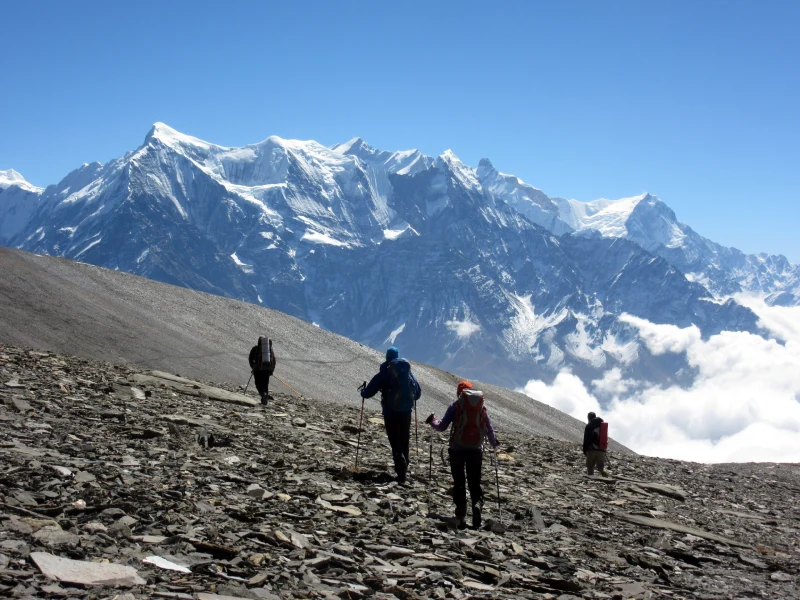
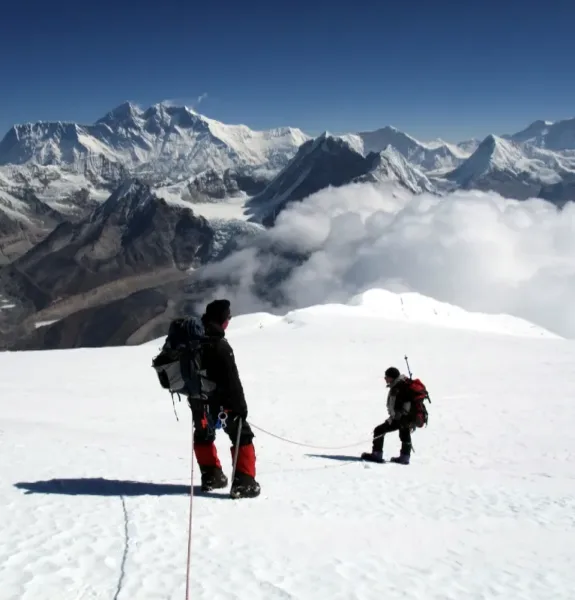
There are several challenges segments on this route. From Dovan to Dhaulagiri Base Camp, there will be significant elevation gain over consecutive days, followed by the days from Dhaulagiri Base Camp to Frech Col, Hidden Valley and Dhampus Pass which consist of crossing high altitude passes over 5,000 m without much chance to get off the mountains in between them. Trekkers need to get ready for long trekking days at high altitude where air becomes thin.
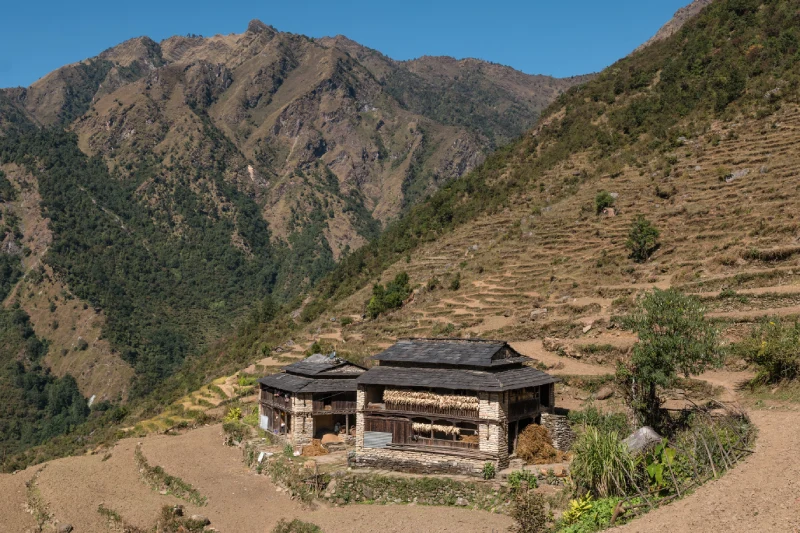
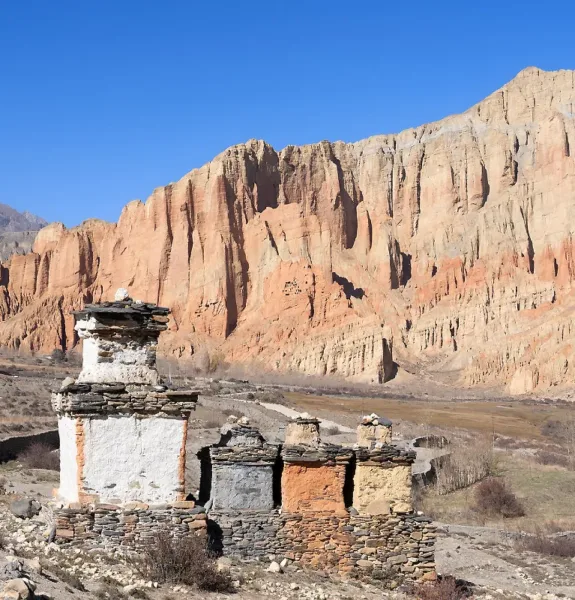
The terrain changes depending on the altitude. While the lower terrain from Pokhara to Takam, Muri and Bagar involve trekking in the forests and moderate ascents, the higher terrain involves rocky areas and some glacier-adjacent terrain around the pass crossing areas.
Since this trek goes through some of the high passes, there will be teahouse for first and last part only, but in the middle section, accommodation is mostly camping and you must rely on it, which must be carried for the whole trek creating an additional challenge apart from just walking.
Altitude is another serious issue that you need to consider after the first half of the trek. Although acclimatization at the Italian Base Camp is done to minimize this problem, you still need to prepare for the consequences of altitude on the days leading up to crossing the passes. Those who lack experience in high altitude need to discuss with Epic Trek Nepal before starting this journey.
Best Time for Dhaulagiri Circuit Trek
Spring (March to May)
Spring is the one of the best seasons because of moderate temperature at lower altitudes, and rhododendron forest in Takam to Bagar route which creates a beautiful scene. The negative aspect is that the weather at higher altitude can be quite unpredictable compared to autumn, and there might be a cloud affecting the visibility of the peaks, but morning is usually clear.
Autumn (September to November)
Autumn is the preferred season for Dhaulagiri Circuit Trek. The weather after the monsoons provides the clear skies and stable trail conditions since clear skies are necessary when crossing French Col and Dhampus Passes. To make the trek more comfortable late autumn is much better because there might still be some wetness from monsoon in early autumn.
Winter (December to February)
The winter bring its own challenges. The snow on French Col, Hidden Valley and Dhampus pass make it a challenge to cross, and the cold weather on the camping site is much harsher. Winter trekking to this destination requires careful planning because you must be sure about the state of the trails and snow beforehand.
Monsoon (June to August)
Monsoon season is mostly avoided by many trekkers due to the rain in lower parts of the trails, poor visibility and slippery rocks around the passes which is very it risky for your life.
Permits for Dhaulagiri Circuit Trek
The Dhaulagiri Circuit Trek involves crossing through a restricted area, which make the permitting process more complex than regular trek. The permit required for this trek are listed below:
As the Dhaulagiri Circuit Trek Itinerary passes through restricted area near the Dhaulagiri and Upper Mustang, you will need to obtain a Restricted Area Permit (RAP). This permit cannot be obtained independently and must be arranged via registered trekking agencies.
As the trek passes through Kali Gandaki near Jomsom and Marpha, which falls within the Annapurna Conservation Area, an ACAP is also required for this section.
All necessary permits for the Dhaulagiri Circuit Trek are arranged by Epic Trek Nepal after booking the package. You just have to be provided in advance for obtaining permits passport numbers and passport-sized photographs before traveling.
Language and Communication
The official language used in the region is Nepali, although there are various villages like Takam, Muri, and Bagar through which trekking is done have local communities like the Magar with their own languages and culture.
In the villages near the trekking trail, English is spoken mostly by the owners of the lodges in the village who are familiar with trekkers, but as the trail moves away from the usual trekking areas, you will hardly find anyone who speak English. For that case learning a few Nepali words will be helpful.
Since you can’t count on translation applications on the smartphones or access internet for information on the spot for language assistance due to the lack of connectivity mentioned below, it would be wise to get all the language preparation done before leaving Kathmandu/Pokhara.
After the trail goes past the area of Bagar and then heads into the camp zone, there isn’t much chance of engaging in small talk with the locals because this part of the trail doesn’t have any village all the way to Jomsom/Marpha because of high altitude location.
Accommodation and Meals during the Dhaulagiri Circuit Trek
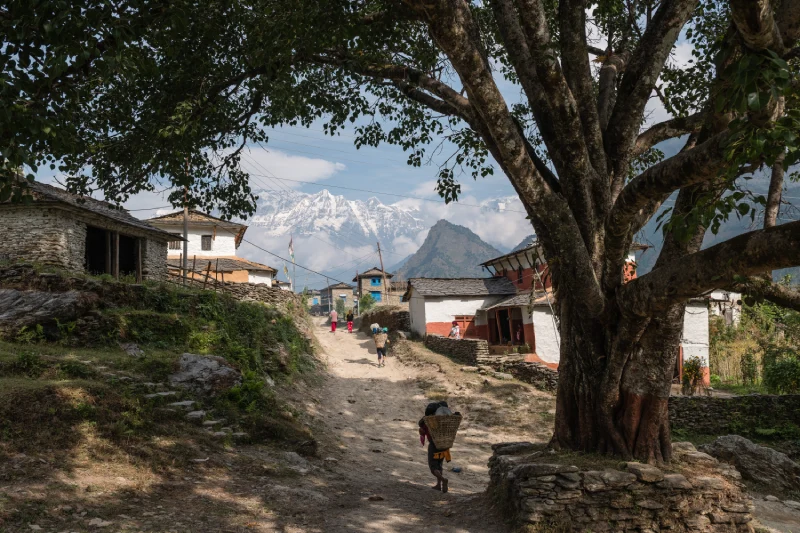
Accommodation on this route changes quite significantly. During the first five days of trekking, from Takam to Muri, Bagar and Dovan, you will stay at a teahouse. They are simple mountain accommodation which provides basic twin rooms, bathroom facilities and a dining hall which is used as a general gathering place at night.
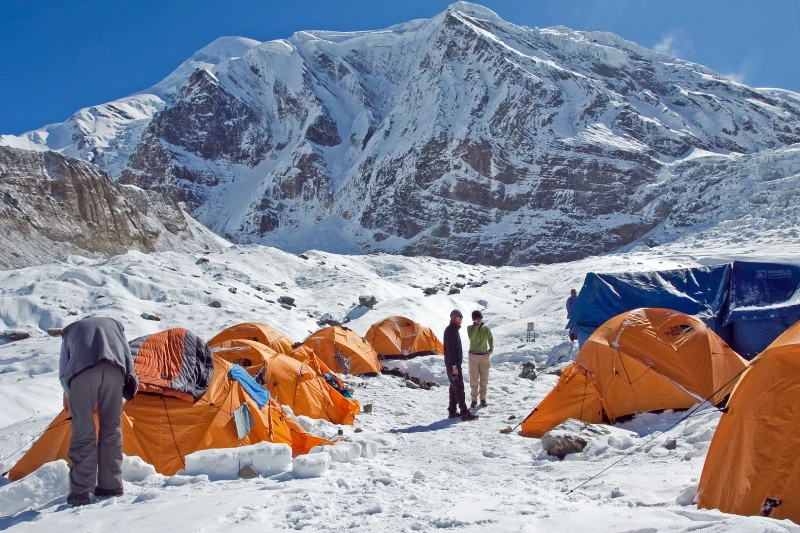
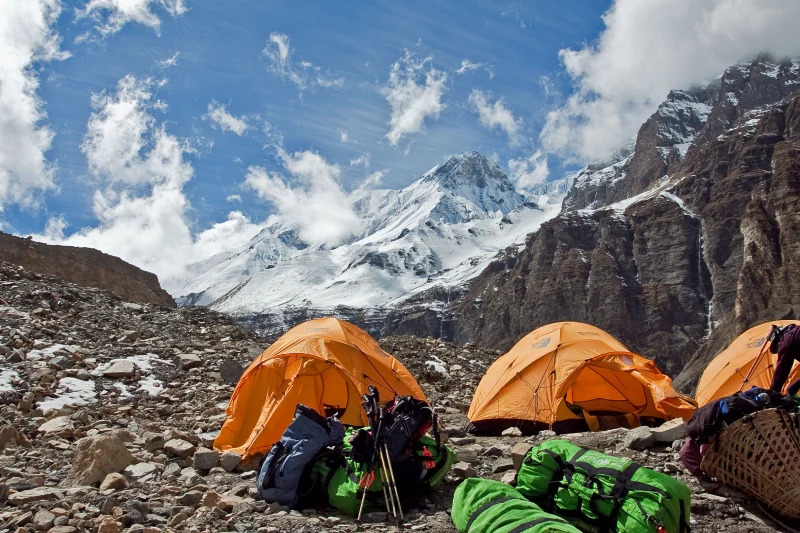
From Dovan up to Yak Kharka, passing through Italian Base Camp, Dhaulagiri Base Camp, Hidden valley and two high passes, no lodges or teahouse are available. The only option is camping. It is during this part of the trekking that the adventure begins for real; the trekkers use sleeping tents while the support crew makes arrangements for camps. Meals are prepared at a special kitchen tent.
The sleeping bags required for this part of trekking need to handle cold conditions at high altitudes because temperatures at Base Camp and Hidden Valley are well below freezing point. When the route reached Jomsom or Marpha, then there will be lodge accommodation for the rest of the way.
For the meal during the trek, it includes breakfast, lunch and dinner. The food includes dal bhat, rice dishes, noodles, soups, and some simple breakfast items such as porridge, eggs, and bread. There are also vegetarian meals possible everywhere on the way, both in the lodges and in camp, but variety tends to be smaller when camping than when staying in lower villages.
There will be drinking water at the places where the trek passes, but you must bring boiled or purified water because bottled water is not available, especially on camping areas and the team mostly used boiled water at camp.
Dhaulagiri Circuit Trek Altitude
Altitude is one of the main features of this trek, which is why having an idea of how altitude rises during the trek will help you have realistic expectation about the pace and acclimatization process.
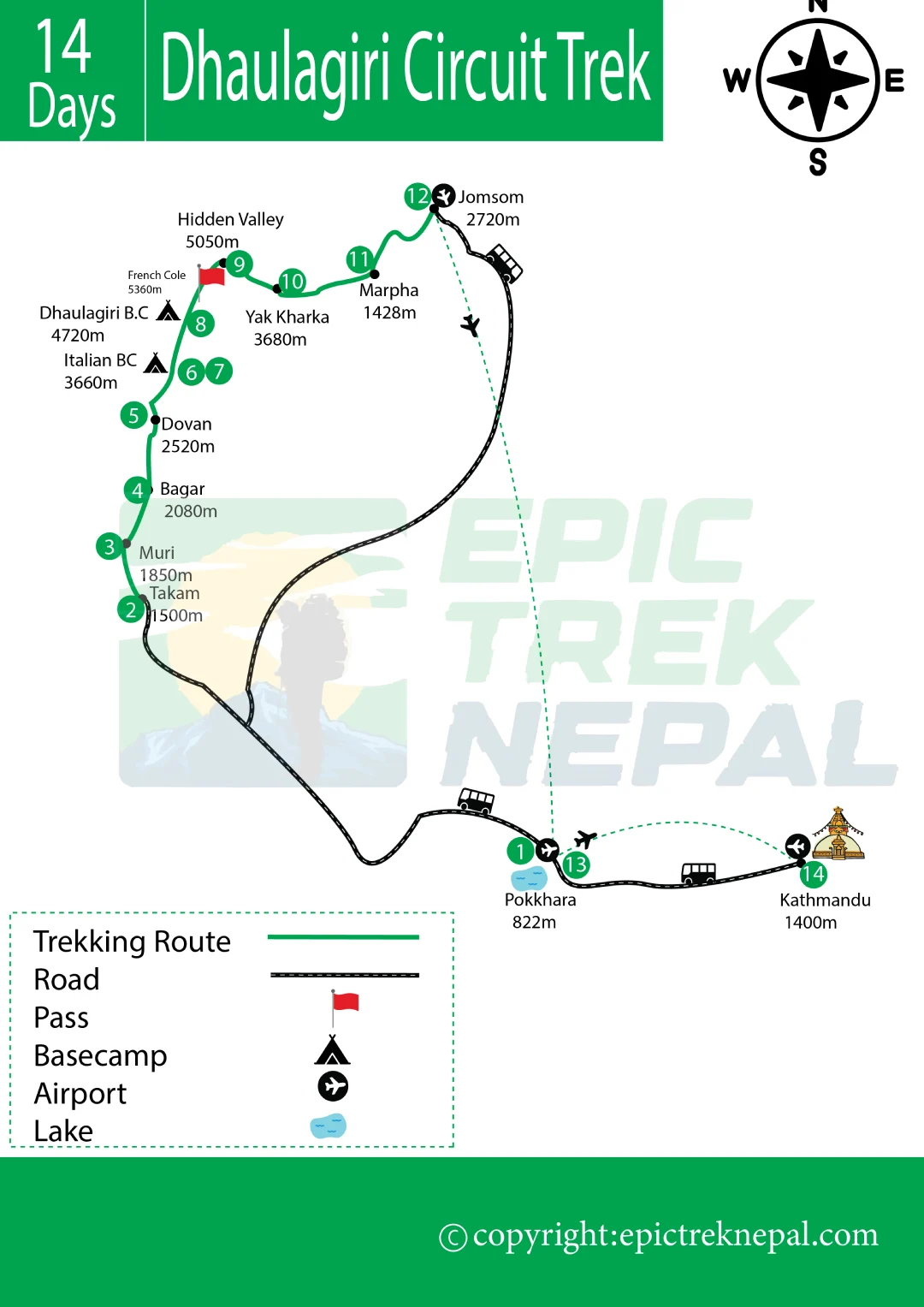
The trek starts at a relatively low altitude level in Takam at 1,500 meter and it rises progressively not like instantly through the forested lower part of the trek, reaching 1,850 at Muri and 2,080 m at Bagar. This gradual rise in elevation through the early days of the Dhaulagiri Circuit trekking allows trekkers to acclimatize before challenging section comes.
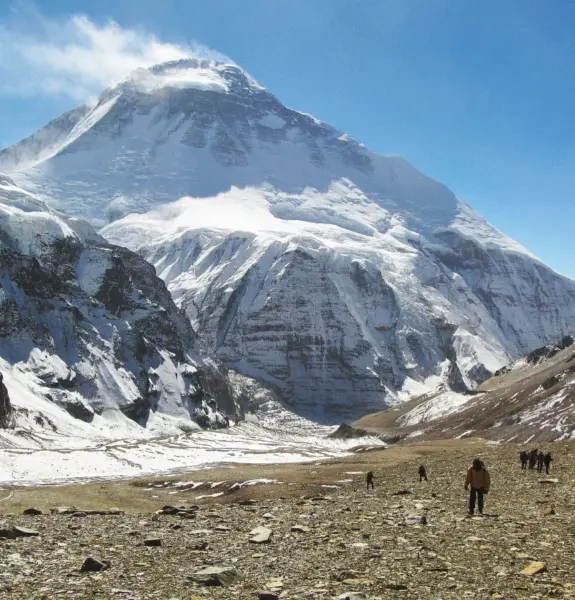
Starting from Dovan (2,520m), elevation gain begins to be more noticeable. Italian Base Camp, which is located at 3,660m, is the first major high-altitude camp which is also the place for natural acclimatization day. As we move past Italian Base Camp, the elevation gain becomes faster. The elevation of Dhaulagiri Base Camp is 4,750 meters and is located close to the mountain’s south face.
The trail next leads through the highest spot on the circuit – French Col (5,360m) before making a slight descent into Hidden Valley (5,050m). The route next goes through the Dhampus Pass (5,240m), the second high-altitude pass on the trek, before descending to Yak Kharka (3,680m).
This kind of altitude gain, starting at 1,500m and ending at over 5,300m in span of ten days, is quite an achievement and is among the reasons why the trek requires high-altitude experience.
Health and Safety
Health and safety while trekking the Dhaulagiri Circuit require careful preparation, comfortable pacing, and awareness of how remote the path will become due to the high altitudes, which is very far away from any hospitals after passing Dovan.
The major health issue that you can face while trekking the Dhaulagiri circuit is altitude sickness. As the trek involves sleeping at heights of more than 4,000 meters and two passages at heights of 5,000 meters and above, you should be aware of the symptoms of Altitude Mountain Sickness, such as headaches, nausea, dizziness, and tiredness, and understand that the right thing to do in case of such symptoms is not to move forward but to rest and even descend down.
Pacing and hydrating yourself become especially important when approaching and passing French Col and Dhampus Passes due to the long hiking days. Walking slowly and steadily and drinking enough water would be the way to help your body adapt to low oxygen levels.
The weather can change very fast in the mountains, and the weather at the passes will have an impact on visibility and trail conditions. You need to follow the decision of the guide when it comes to timing of passes crossing and even delays or changes depending on the current weather conditions.
Since emergency response will be limited when the trek starts moving to the camps due to the lack of roads and unreliable mobile phone connection, it is necessary to take extra preventive measures, including proper acclimatization and open discussion of your health status with the guide.
It is the best way to maintain your health and safety through the Dhaulagiri Circuit Trek.
Travel Insurance
The Dhaulagiri Circuit Trekking includes two high altitude passes over 5,000 meter and you will spend several nights above 4,000m, so travel insurance is not an option but very important before starting this trek.
The most important type of coverage that should be included in your insurance plan is for Helicopter Evacuation. Due to the remote and high-altitude locations of many of these trekking spots, evacuating quickly will be needed in the event of a serious situation; evacuating by helicopter is likely to be the only option.
In addition to providing coverage if something happens during your trip, your travel insurance plan should also provide coverage if flight delays happen or cancelled due to weather conditions. These delays could impact your whole trek itinerary.
Remember that you travel insurance must cover high altitude trekking because most travel insurances will not include trekking at high altitudes. Since the Dhaulagiri Circuit Trek requires crossing French Col at an altitude of 5,360m, make sure that one needs to have insurance that covers trekking at such altitudes.
Epic Trek Nepal will be able to help you find out what sort of insurance is needed for this route, you have to purchased separately by yourself.





 Share
Share