How difficult is the Everest Base Camp Short Trek
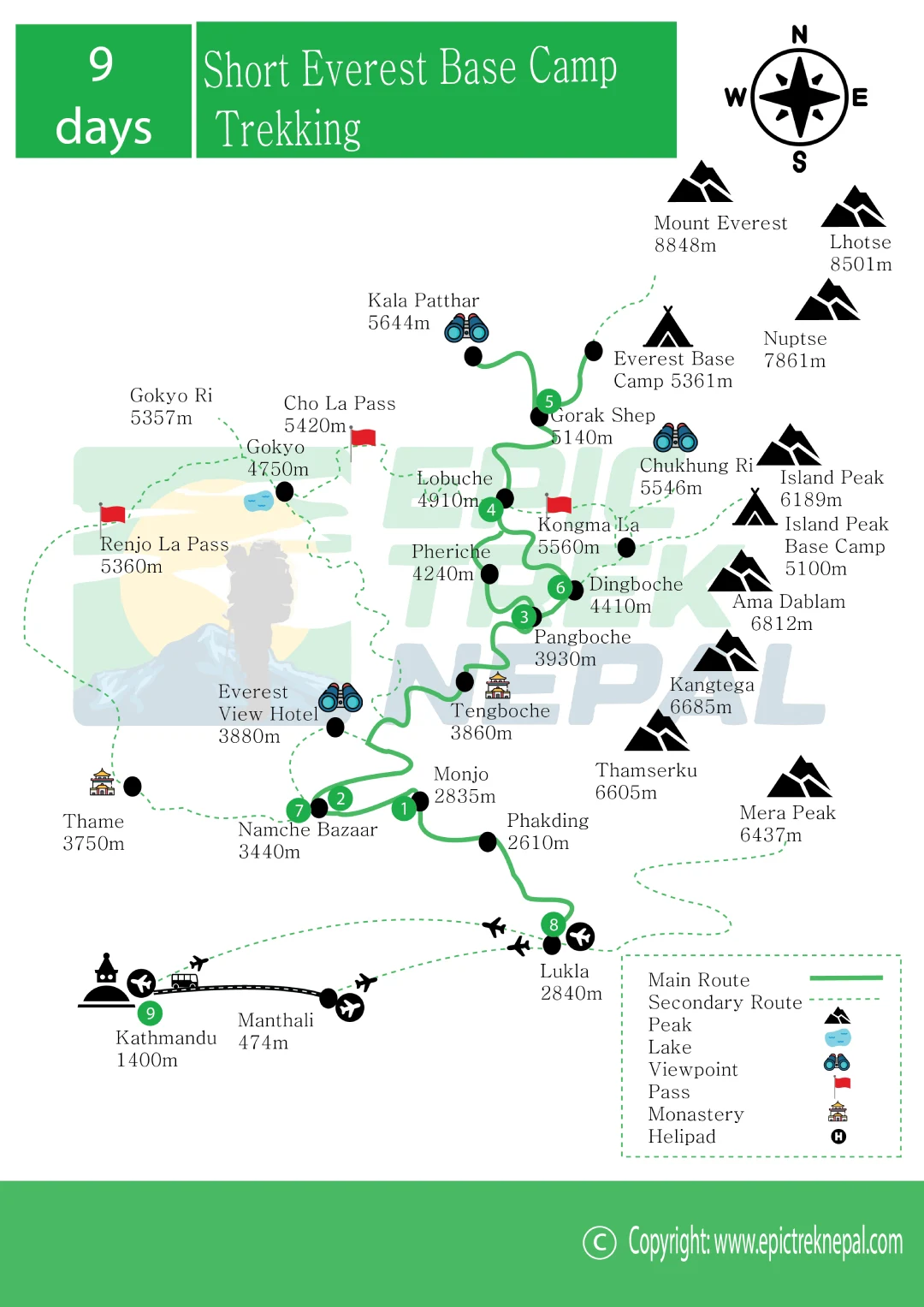
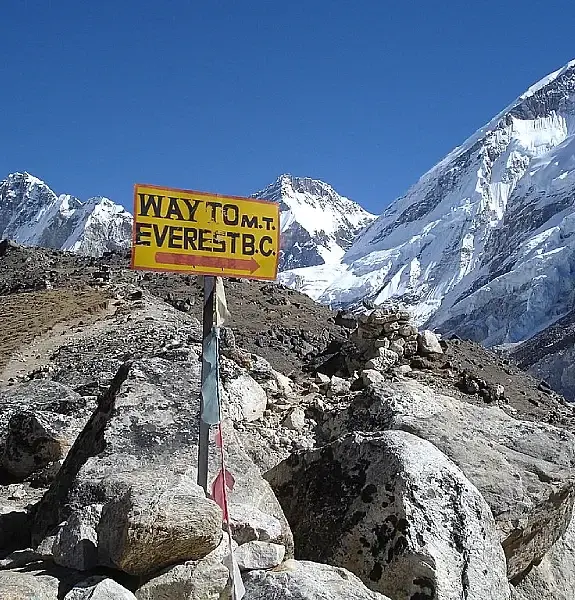
The Everest Base Camp Short trek is considered more difficult than normal Everest Base Camp Trek because trekkers need to walk more than standard Ebc trek and even without acclimatization day. The main challenge on this trail will not be the route conditions but it’s the altitude.
Once the altitude becomes higher, the lack of oxygen becomes more noticeable, causing such things as headaches, exhaustion, and even shortness of breath that are very common near Namche Bazaar and above.
Walking duration varies between 6 to 8 hours per day, on average. Trails are surprisingly very well-constructed and are easy to trace throughout the Khumbu region. You would face quite a few climbs and descents during the hike. But there is nothing technical about the trails, and no special gear is needed.
You will need a good fitness level to walk through these trails in every season. Just do some exercise prior to your trip, and you can enjoy the Short Everest Trek comfortably.
Preparation for Everest Base Camp Short Trek
Proper preparation is always crucial when doing every trek, even if it’s a short and easy trek. For Short trek to Everest Base Camp, you need to prepare yourself at least 4 to 8 weeks ahead of time. Focus on cardiovascular exercise such as hiking, running, biking or simply running uphill will be very useful along with strength training for your leg.
Remember to pack lightly. Only keep essential items inside your daypack like food, water, a raincoat, and an extra warm piece of clothing. The porters provided by the trekking agency take care of all the other heavy items needed. Additionally, getting yourself a good pair of trekking shoes (used one) is very important.
In terms of gear for, be sure to get yourself thermal layers, down jacket, trekking poles, a cold weather rated sleeping bag, sunscreen, and sunglasses even if is a short trek to Everest. It is these that will shield you from the harsh climate of the mountains.
Keep yourself well hydrated at all times without drinking alcohol, particularly in the first few days. The mind is equally important in the whole adventure, and it is important to stay positive, listen to your body, and take note of the guidance by the guides at all times through the Everest Base Camp Short Trek.
Mobile Network, Internet and Charging Facilities
Maintaining connection during the short trek to Everest is not hard as expected. There are basically two mobile network service providers in Nepal, which are Nepal Telecom and Ncell. Between these two, Nepal Telecom is more reliable when it comes to signal availability at high attitudes, so purchase the local Sim before leaving Kathmandu.
During the first part of the Everest Base Camp Short trek, the signal will be available in most villages like Lukla, Phakding, Namche and Tengboche. But there might still be some difficulties getting powerful signals. After ascending more, the signal will be completely disappeared and will be out of signal for the rest of the trek.
Wi-Fi is available in all tea houses and hotels along the route. The speed depends on the hotel you stay. Some hotel may have a surprisingly fast Wi-Fi, but there is other which can be frustratingly slow, especially at high altitude. The cost of Wi-Fi in teahouses is not free, but it should only take you between 200 to 500 Nepalese Rupee.
Recharging of devices is possible in teahouses, but they also charge per device. If you have, carry a portable power bank because electricity will become less reliable as soon as you ascend to greater heights.
Visa and Permit for Short Everest Trek
Before starting you Everest Base Camp Shor Trek journey, all trekkers need the right paperwork for Everest region. There are visa and certain permits you need to acquire which is pretty simple.
First of all, Nepal Tourist visa is required which can be obtained easily after landing at Tribhuvan Internation Airport. It will require a valid passport, passport size photo and the visa fee. The fee for the visa will depend on the duration you want to stay.
For your short Everest trek, there are mainly two permit you will need. The first permit is Sagarmatha National Park Entry Permit. Second one is the Khumbu Pasang Lhamu Rural Municipality Permit.
Both of these permits will be handled by us Epic Trek Nepal. The only thing that you have to remember is that both the visas will be single-entry visas only. Moreover, you have to make sure whether your passport will be valid for six months from the day you start your journey or not.
Travel Insurance
Travel insurance is not something that can be left out in any trek. The mountains are very unpredictable, and having the correct coverage makes all the difference once you step off the plane in Kathmandu.
It needs to have coverage for trekking in the high-altitude region up to at least 5,500 meters for short Everest trek. This means that normal travel insurance would most probably not cover this. So, ensure that the policy covers any trekking or adventures in Nepal.
Helicopter evacuation is the most crucial coverage. In case of any major health condition or injuries caused by an altitude sickness during your short trek to Everest, helicopter evacuation is the only way to you can get back down to safety. These evacuations cost thousands of dollars when done without insurance.
Other coverage must include are trip cancellation, medical coverage, lost luggage insurance, and emergency evacuation. Make sure that you have the physical copy and also the digital copy of your insurance policy. Also provide your guide with the insurance detail and emergency phone numbers.
Health and Safety During Everest Base Camp Short Trek
Ensuring your health and safety during your Everest Base Camp Short trek is greatly dependent on the preparation, understanding, and smart decision you make on the journey.
One of the biggest problems you face when travelling in the Khumbu area is Acute Mountain Sickness or AMS in short. This includes signs such as headache, nauseas, dizziness and loss of appetite. If any of these symptoms appear, inform your guide right away and descent few hundred meter to adapt to low oxygen.
The main rules of trekking at high altitude that all trekkers need to remember is Climb High, Sleep Low. Not only does this ensure proper acclimatization of your body, but it also decreases chances of experiencing altitude sickness during Everest Base Camp Short Trek.
Even though your guide will carry a first aid kit, it is advisable to carry your own kit with essentials like blister pad, pain killer, anti-diarrhea pills. Some people even carry Diamox, which is a medication for avoiding the effect of altitude sickness.
Make sure to drink at least 3 to 4 liters of water each day to remain hydrated. Dehydration can cause altitude sickness to occur rapidly.
Always trek with a professional guide, experienced enough to detect symptoms of altitude sickness, navigate through confusion route and handle emergency situation during the entire Everest Base Camp Short Trek.





 Share
Share