Where is Shivapuri Located?
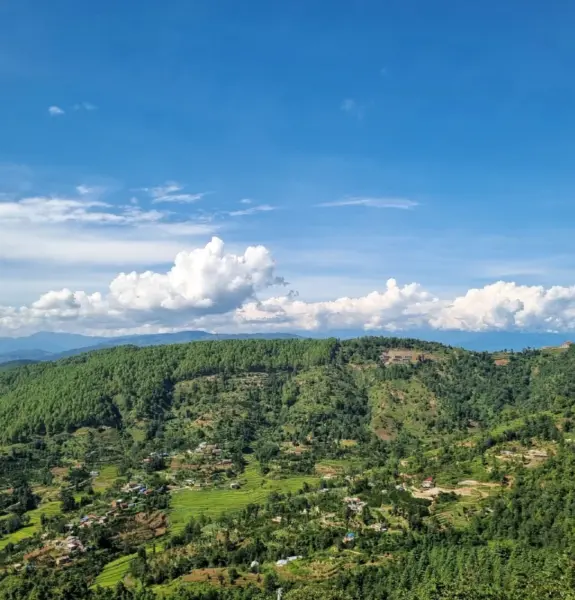
Shivapuri is located very close to the northern edge of the Kathmandu Valley, which is tucked inside Shivapuri National Park. It is much closer than most people expect it to be.
Getting to Shivapuri from places like Thamel or center of Kathmandu is only about 12 to 15 km drive which might take 40 to 45 by car or public transport depending on how bad the traffic is that day. The park is actually divided into two parts of Kathmandu: Nuwakot and Sindhupalchok. But for people, the main entrance gate lies near Budhanilkantha, which is probably the most used and popular entrance in the while area.
The advantage of the location here is the change that it offers. One moment you might be in city traffic and the other you can find yourself standing in the gate of a peaceful forest. The highest peak during the hike is the Shivapuri Peak, standing at a height of 2,732 meter, which is quite tall enough to offer some serious altitude gain without needing day descend back to starting point.
Since the park is located very close to the valley, many people also use it as an easy morning trip. If you start the trek early, you may have time to come back in the evening to the city. Close location to the valley is one of the reasons why the Shivapuri Hiking Route is loved so much.
Shivapuri Hiking Routes
There are several hiking routes for this hike and that what make it fun. The location where you choose to start determines the entire experience of the hike.
Budhanilkantha to Shivapur Peak
This one is the popular route among hikers, and it is easy to understand why it is so popular. It begins close to the Budhanilkantha temple and lead through dense forest up to the peak. It takes quite a few hours to get there due to some steep section during the ascent to the top. So, you can expect a good workout from the hike, lasting 4 to 5 hours on average.
Nagi Gumba Route
For a more cultural hiking experience, go for this route. It passes through a Buddhist monastery known as Nagi Gumba, which is located in the pine forests. It is longer than the other one, but the presence of the monastery makes every step worth it. Many people come to relax at the monastery for some tea before continuing to climb up.
Sundarijal to Shivapuri Route
If you wish for a longer and adventurous trek experience, then you have to follow this route which starts from Sundarijal and passes through tiny villages and forest areas before linking up to the main path towards the top.
While it is certainly true that it would take more time and energy to traverse compared to the two paths above, the feeling of achievement is just more than other two route.
In any case, whatever path you choose, it all leads to the larger network of the Shivapuri Hiking Routes.
Difficulty Level
The difficulty level of Shivapuri hiking route depend on the trail you choose and the pace of you. But for the usual path from Budhanilkantha, this trek falls somewhere easy to moderate category for most people. It doesn’t require any past experience but a certain of physical fitness is necessary.
Even beginners will have no trouble completing this trail – that much is certain. The Budhanilkantha trail is easy to navigate and requires no technical skills whatsoever, just some stamina. Most families with older kids won’t have a problem completing this hike, but young children might experience some trouble with the uphill part of the trail closer to the top.
The experienced hikers would find the trail very easy compared to other Himalayan hikes, but many of them still use this trail as training for other hikes anyway.
The toughest part of this hike is at the peak, where elevation changes quite fast. It is where your legs start to hurt ever more after that long hour walk. Also, weather may affect the level of difficulty. During monsoon, the rain makes the trail very slippery, and the leeches will crawl for the entire time which make it more complicate, whereas the winter provide the most comfortable hiking condition with no rain and no leeches.
If you have stamina and physicality to walk for 4 to 6 hours with uphill climbs, you will do very well in this hike. You can take break whenever you need, there’s no need to rush to reach the top. This is the combination of accessibility and difficulty that makes people like this Shivapuri Hike.
Best time to Visit Shivapuri Hiking Route
Visiting the Shivapuri Hiking route according to your preferences depend on the season you visit which has its own distinctive characteristics
Spring (March to May)
Spring is considered the best season by many people for the Shivapuri Hike because of the blooming rhododendron and the comfortable weather which allow hiker to walk comfortably. Also, the days are long and provide enough time before you get out of the forest.
Autumn (September to November)
Autumn is also another best season because of its clear skies and low humidity. It also means that the visibility becomes very crystal clear. During the hike, the trails almost remain dry which make the hike much easier and from the summit you will be able to see Himalayan peaks.
Winter (December to February)
The winter are cold and chilly, especially at the summit. But the clear skies and clean air provide some amazing scene to enjoy. All you need is to wear more layered clothes, as the temperature falls rapidly as you start gaining altitude.
Monsoon (June to August)
This season is not really recommended by most of the people. The problem is the constant raining, low visibility, slippery trail and leeches all around the forest which make hiking very annoying. Still some people hike this place which offer vibrant greenery forest full of life.
Overall, most people find spring and autumn the perfect seasons to hike on the Shivapuri Hiking Route.
Food on the Hike
We try to keep things straightforward on the trek so that you have no other worry other than hiking.
There are limited food options available close to Shivapuri, but all basic needs for a one-day trek are covered. We will make stops at little shops near Budhanilkantha to have tea or snacks, and then proceed.
We prepare lunch boxes for the trek which are included in this Shivapuri Hike package. Sandwiches, eggs, fruits, etc., will suit you as they are easily manageable while on a hike.
Along with lunch boxes, we carry snacks like nuts, energy bars, fruits to give you enough energy during the whole hike. They are easy to carry and can be eaten within a few minutes.
Water is also arranged for, but we suggest carrying 1.5 to 2 liters per person as there is very limited source of water in the hike.
As this package is inclusive of a guide and private transportation, we do all arrangements for the food well in advance. There is really nothing left to plan by you.
Entry Permit and Cost
Before you start your hike, there’s a small process you need to handle first. All the people who want to hike Shivapuri National Park, there is a small entrance fee which is charged at the gate.
For foreign nationals, entrance fee will cost approximately NPR 1,000, although this may change over time and for SAARC nationals, they get a discount of 400 which total they have to pay NPR 600.
Remember to carry your passport and national identify card just in case because the entrance counter might ask for some identification before issuing you the ticket. Also carry cash since most of the entrance doesn’t rely on card payment.
Trip Extension and Side Trails
The Shivapuri Hike doesn’t have to end at the summit. The are quite a few ways of extending this simple hiking route into something more.
The most popular one is the Chisapani. After leaving Shivapuri peak, you can head north and reach Chisapani, a small village famous for the stunning view of the Himalayas. If you decide to stay in Chisapani, one day is added to your journey since you need to rest here overnight, because of the availability of teahouses with simple rooms and hot food in Chisapani.
Another extension option is the hill station of Nagarkot, which is frequently visited by those, who completed their Chisapani hiking journey. This famous place offers excellent mountain vistas and a nice lodging.
On the other hand, Nagi Gompa, which is a Buddhist monastery, offers a shorter extension tour that takes place at the heart of Shivapuri National Park. This is a peaceful little side trip that offers great views of the mountains.
For those interested in more hiking, the combination of Shivapuri and Nagarkot/Chisapani can offer a two-three-day itinerary that would be perfect for those wanting more of the forest experience and culture of the place.
No matter what option is chosen, you will get an opportunity to make additional extension without leaving the main track of your hike.






 Share
Share





