Everest Panorama Trek Difficult
The Everest Panorama Trek is a moderately difficult trek, that is harder than a simple walk but not so difficult as the high altitude of the Everest Base Camp Trek. This trek can be done by people who have good physical condition and some experience of basic trekking, but not for compete beginner who don’t have any experience at all of walking in the mountains.
A typical day involves quite many hours of walking through the mountains, involving both going up and down since there is not much of flat land. You will need to go through rocky steps, forests paths, hanging bridge and gradual climbs between villages, but there is no rock climbing or other kind of mountaineering here.
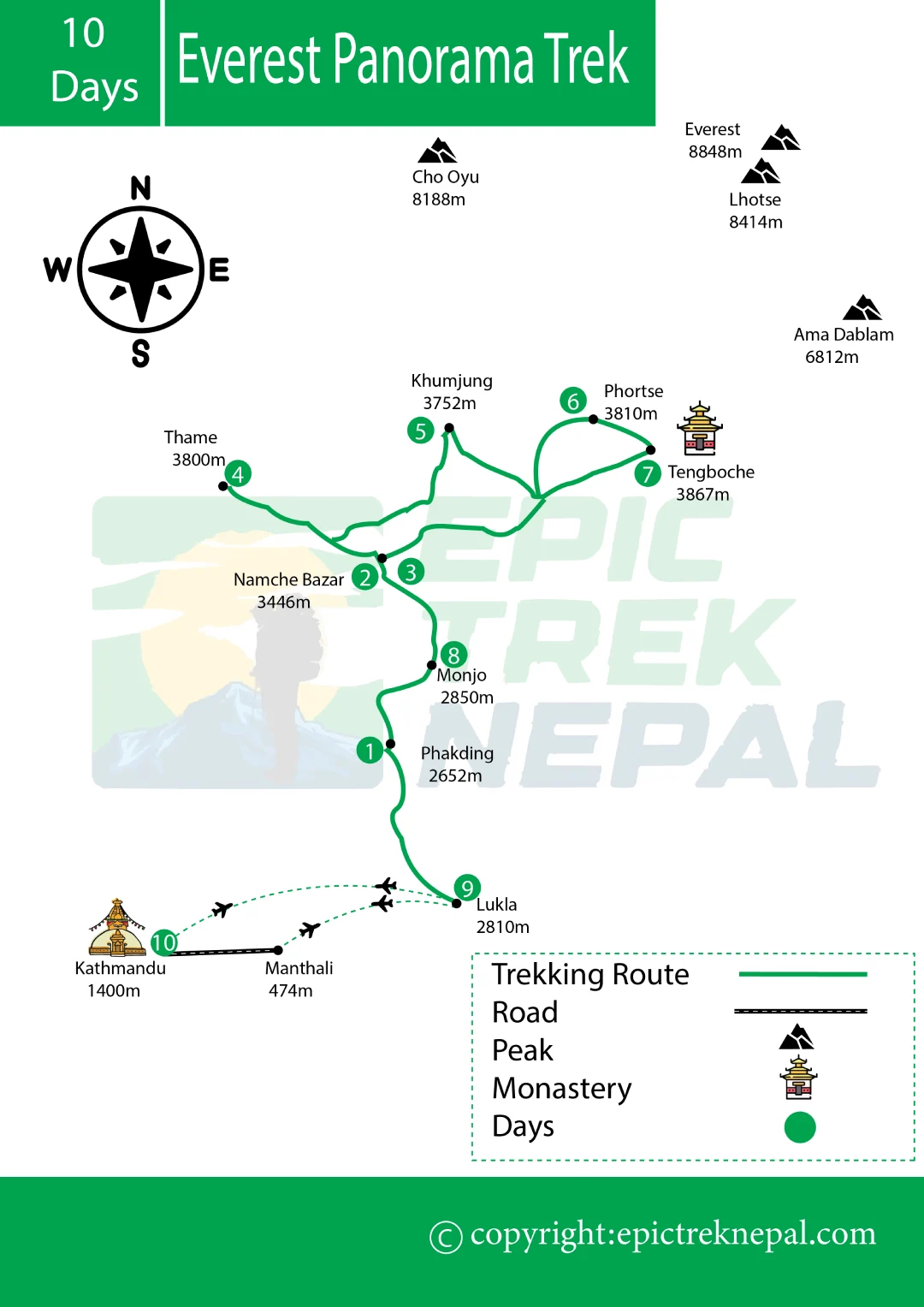
The highest place on this route is 3,860 m in Tengboche. It is much lower than the heights in the Everest Base Camp Trek, which usually reach above 5,000m, but altitude still plays its role. Therefore, one acclimatization day in Everest Panorama Trek Itinerary is provided in Namche Bazaar.
This is crucial as the body requires time to acclimate to lower oxygen levels as altitude rises. If you rush this process, there is a chance that you will suffer altitude sickness even if you have high physical fitness level. Maintaining a steady pace, keeping yourself hydrated, and listening to your guide regarding pacing will help you deal with this problem.
Best Time for Everest Panorama Trek
Spring (March to May)
Spring is one of the most favorable seasons for Everest Panorama View Trek. The climate conditions during the daytime are comfortable and rhododendron flower in the lower forest makes the place very magical. Mountain visibility is generally good in the mornings, but clouds can form in the afternoon, so early morning is necessary for better view of the Everest and Ama Dablam peak.
Autumn (September to November)
This is also considered another best season that comes after Monsoon rainy season. During this time, the sky remains clear most of the time offering crystal clear view of the mountains with dry trails around the forests allowing for comfortable walk without worrying about leeches.
Winter (December to February)
During winter, the temperate drops rapidly, especially at the higher altitudes on the route like Tengboche and Thame, which will be freezing at night. The trails will be relatively quiet during this time and there will be clear skies, but you can expect cold mornings and evenings. Some of the teahouses might operate on a smaller scale due to the low trekkers during this season.
Monsoon (June to August)
Monsoon are characterized by rain, cloudy skies, and lower visibility of the mountains. Trails will be muddy and leeches are more prevalent at lower altitudes. The flights to Lukla and out of there will also likely have weather-related delays. It’s better to avoid this season.
Permits Required for Everest Panorama View Trek
Traveling around the Khumbu region on the Everest Panorama Trek route, needs two different permits.
Sagarmatha National Park Entry Permit
The Sagarmatha National Park Entry Permit is mandatory for those who want to enter the national park in the Everest region which includes Namche Bazaar, Khumjung, Phortse, and Tengboche villages.
Khumbu Pasang Lhamu Rural Municipality Permit
The permit is issued by the local authority, Khumbu Pasang Lhamu Rural Municipality, and is needed by trekkers traveling through the villages and trails of this rural municipality jurisdiction. It is an updated version of the earlier TIMS card in this region and is checked at designated entry points throughout the journey, including Lukla.
Who arranges this permit
Both of these permits are arranged as part of the trekking itinerary by Epic Trek Nepal. Trekkers do not have to visit any permit issuing agency; all the documentation will be organized before the trek.
What trekkers need to provide
For processing the permits, trekkers will normally have to submit:
- A valid passport
- A couple of passport size pictures
- Passport information
Please note that the requirements for permits and fees may change, which is why it may be useful to clarify the latest rules with Epic Trek Nepal prior to the trip.
Accommodation and Meals During the Trek
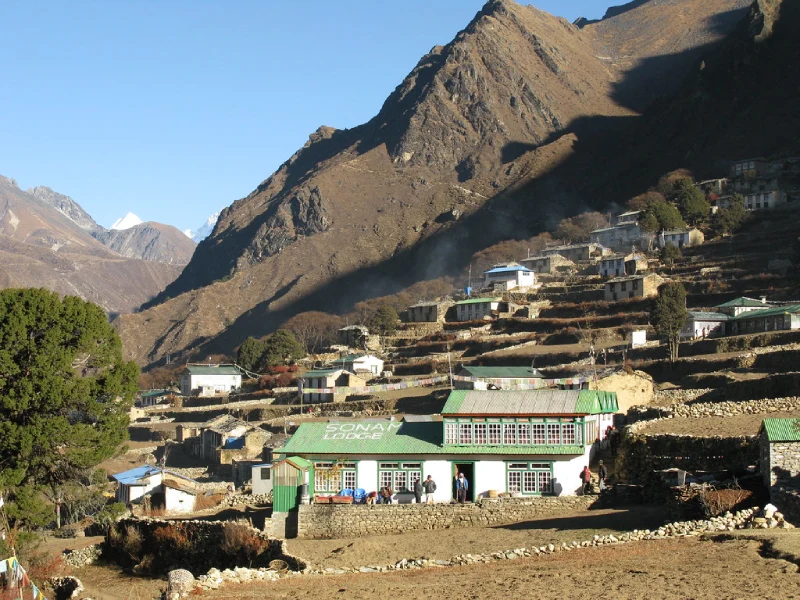
Teahouse and lodge accommodation is provided during the Everest Panorama Trek, a standard accommodation arrangement for trekkers in villages such as Phakding, Namche Bazaar, Thame, Khumjung, Phortse, Tengboche, and Monjo.
Rooms are usually twin rooms and will have basic furnishings. It might be worth carrying a sleeping bag to ensure you sleep comfortably. Bathrooms are usually shared facilities with squatting toilets being very common along with western-style bathrooms, especially further from Lukla.
Hot water shower will also be available for a price, but less available at higher elevations like Tengboche and Thame. Electricity is available in most teahouses for charging and use for a fee, and a power bank will definitely come in handy as well. WiFi will be available in most teahouses with some fee although connections are highly unreliable higher in the route.
Meals on the Everest Panorama Trek consist of breakfast with porridge, eggs, toast, pancakes, and tea or coffee; lunch and dinner include food such as pasta, fried rice, noodles, soup, momo along with Nepalese traditional meals. Dal bhat consisting of rice, lentil soup, and vegetable curry is a trekking favorite food throughout the area and a good source of energy as most teahouses provide unlimited supply of it. The vegetarian choices are common on menus throughout the trek.
Water can be easily purchased from the teahouses, but the better solution is boiling or treating it since using bottled water can be costly and not so environment friendly. Many people who Everest Panorama Trek carry water purifying solution (either tablets or filter), and you can also carry during the trek.
Everest Panorama Trek vs Everest Base Camp Trek
Both treks are located within the Khumbu area, passing through many of the same lower villages, but the trekking routes are quite different when it comes to distance and altitude.
The Everest Base Camp Trek passes through Tengboche and Dingboche, going further up to Lobuche and Gorak Shep until the final destination of Everest Base Camp is reached. It also includes a climb to Kala Patthar in order to get even closer to Mount Everest. This trek climbs far higher and requires even more consecutive high altitude trekking days.
The Everest Panorama trek is not about going to Everest Base Camp. It follows a different path from Namche Bazaar and Tengboche to village such as Thame, Khumjung and Phortse. This trek also provides great views of Mount Everest and other peaks such as Ama Dablam without exceedingly more than 3,860 which is at Tengboche.
In terms of practice, this means that the Everest Panorama Trek is better suited for those who have less time, little experience of trekking at higher altitudes, or just want a relaxed schedule and avoid the higher altitude exposure of the Base Camp trek.
For those travelers who are determined to witness Mt. Everest very close, the Everest Base Camp trek will be a better choice since they will have more time to prepare and get ready for the trip.
If you have no idea what route will be best suited for you, we can help you choose at Epic Trek Nepal.
Sherpa Culture and Local Experience
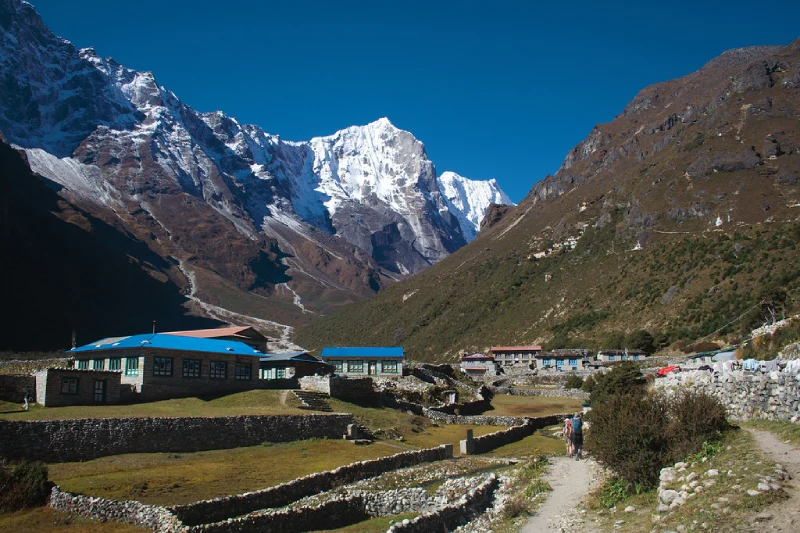
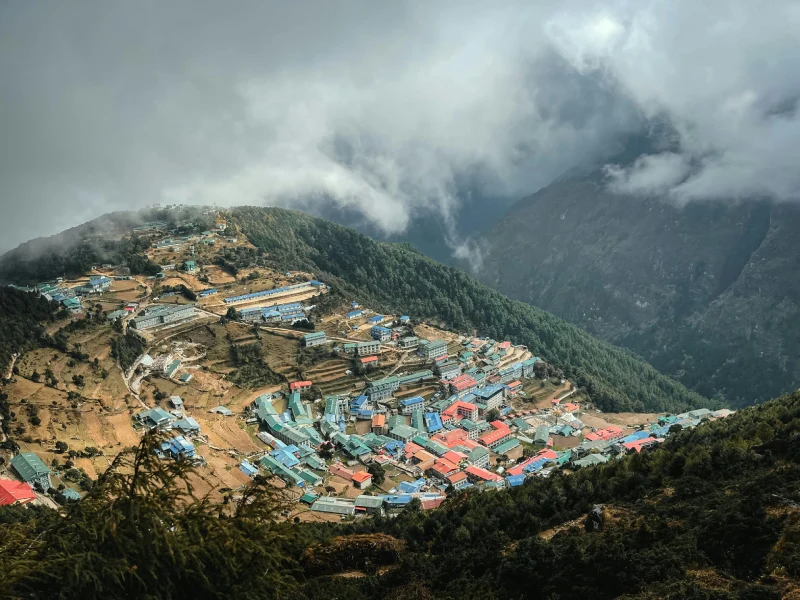
The Everest Panorama Trek takes you through some of the most well-established Sherpa villages in the Khumbu, providing insight into a culture developed out of high-altitude farming, trade, and Buddhism. The Namche Bazaar, Thame, Khumjung, and Phortse are among the areas where the Sherpa people have lived for generations, and their activities from farming potatoes to yak herding, running lodges, and trading remain largely unchanged by years of growing tourism.
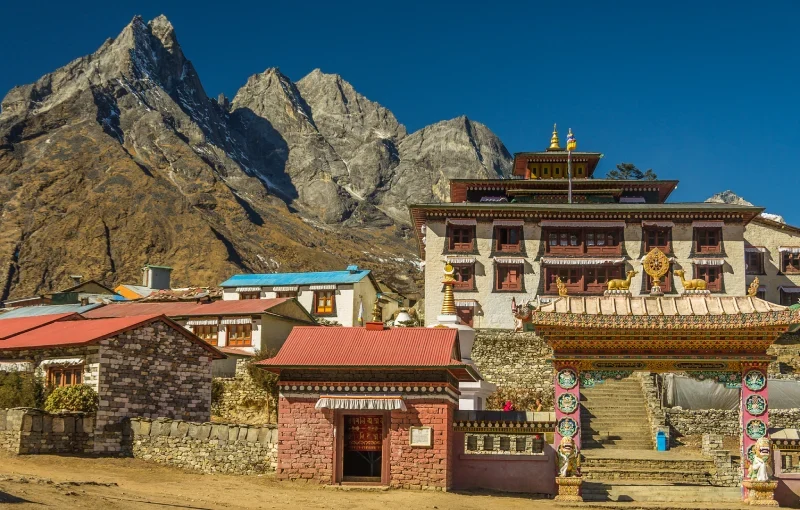
Here in Everest region, you will find every place connected with Buddhist Culture. There are many monasteries and among them Tengboche is one of the biggest in the area where trekkers pray and rest during the trek. Other smaller monasteries can be found in villages like Thame and Khumjung. Prayer walls known as mani walls, prayer wheels, and prayer flags can be found in the trail.
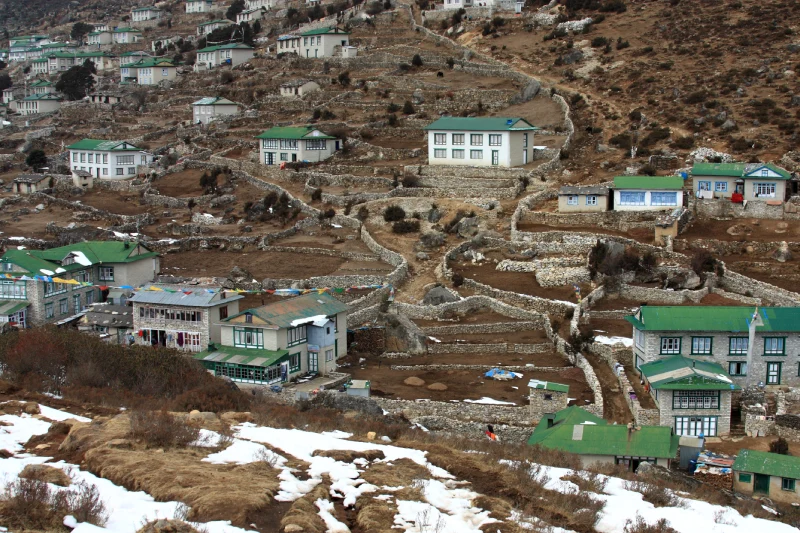
The mountain culture in Khumbu is heavily influenced by both the height of the region and its landscape – the buildings, farms, and paths are all constructed keeping in mind the challenges of being at such a great height, and many people in the region manage to combine farming and herding with working for the tourism industry.
There are also festivals which form an integral part of the culture of the Sherpas, with the masked dance festival of Mani Rimdu that take place at monasteries like Tengboche.
Travel Insurance
It is very important to have travel insurance for anyone planning to go for Everest Panorama Trek. This trip is not as high as the Everest Base Camp Trek. However, some areas, like Tengboche and Thame, goes over 3,800m high, which is enough to suffer from altitude sickness if not careful.
While selecting your insurance plan, make sure that it insures you against high altitude trekking because most insurance plan do not cover trekking above height.Coverage for evacuation is yet another crucial component, which should include air evacuation, as this is usually the fastest means of access to medical assistance when you sustain an injury or suffer from any altitude sickness in remote areas of the trekking trail.
Coverage for medical expenses, trip interruption/cancellation, and baggage loss/delay are some other aspects also needs to be covered by your policy.
Before you buy travel insurance, you should read the details of your travel insurance policy thoroughly, carry a copy of the document (paper or electronic), and provide the details to your guide before the start of the Everest Panorama Trek.





 Share
Share