How difficult is Muktinath Pilgrimage Tour?
The Muktinath Pilgrimage Tour is not going to be an easy tour, but it won’t be difficult as some others tour in Nepal. It is usually regarded as easy to moderate difficult because it doesn’t involve any long trekking or difficult ascent. The main difficult in the trip lies in the high altitude of Muktinath (3,710), which starts as soon as you reach Jomsom.
But if you go for a combined Muktinath and Annapurna Circuit, then the difficulty level will be significantly increased. You will have to deal with long trekking days, sometimes rough trails and rapidly changing weather conditions with Thorong La Pas being the toughest day.
For the shorter trek involving pilgrimage only, it’s not really that difficult. Just some walking around the temple, some stone pathways and slight shortness of breath as you climb stairs, and that’s all you need to worry about. Throughout the year, old people, young ones, and families compete this tour without any problem.
Overall, just be prepared physically and respect the elevation and you’ll be good to go.
Preparation for Muktinath Pilgrimage Tour Itinerary
Preparation for the trek is not too difficult. Firstly, be prepared for all possible temperature. Firstly, it is important to pack accordingly as there will be times when morning and night can be very cold in Muktinath but afternoon in lowland like Pokhara can be hot and humid. So, layers are really helpful here.
As for physical preparation, you do not need to be fit, because most of the travel will be done in private vehicle, but some cardiovascular exercise before departure will be beneficial. In case of altitude sickness, fitness does not guarantee any result since everyone react to altitude differently.
As for health issues, discuss altitude sickness medicine with your doctor, and buy travel insurance that will cover expenses of possible evacuation from the highland. It is better to have an insurance than to regret its absence afterwards.
Finally, remember to bring comfortable hiking shoes, sunscreen (the sun at high altitudes is very dangerous), a reusable water bottle, and perhaps some snacks for the trip. None of the above requires advanced knowledge and is quite simple to do.
Local Life, Traditions and Festivals
One of the great experiences about Muktinath Pilgrimage Tour is the culture that you get to enjoy without even trying it. The Mustang area is inhabited by the Thakali communities who are well known through the Nepal for their hospitality and cultures. There are some well-known guest houses that are run by the Thakalis. Not only you receive warm hospitality at these guest houses, but you get a feel of the proud culture of the Thakalis.
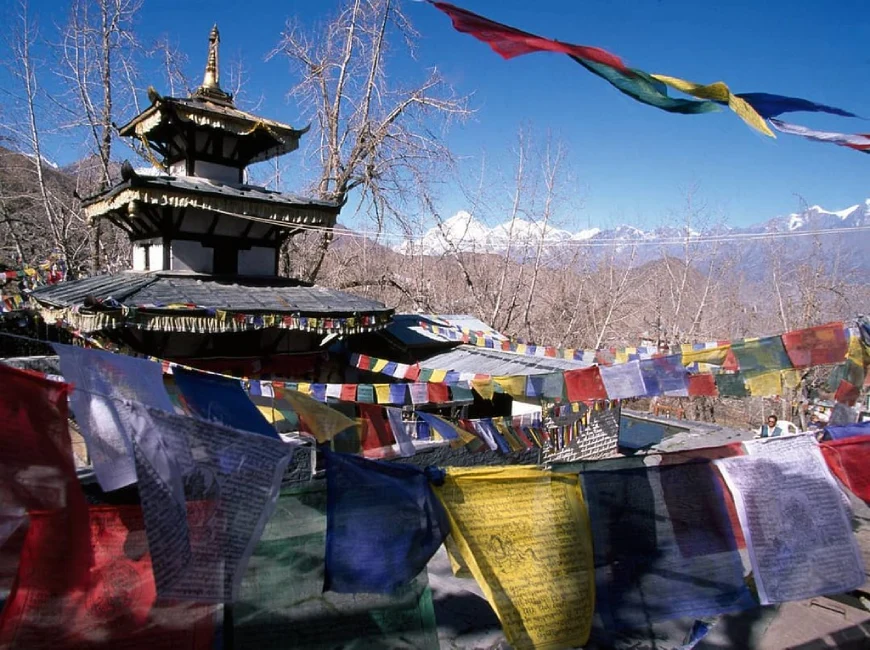
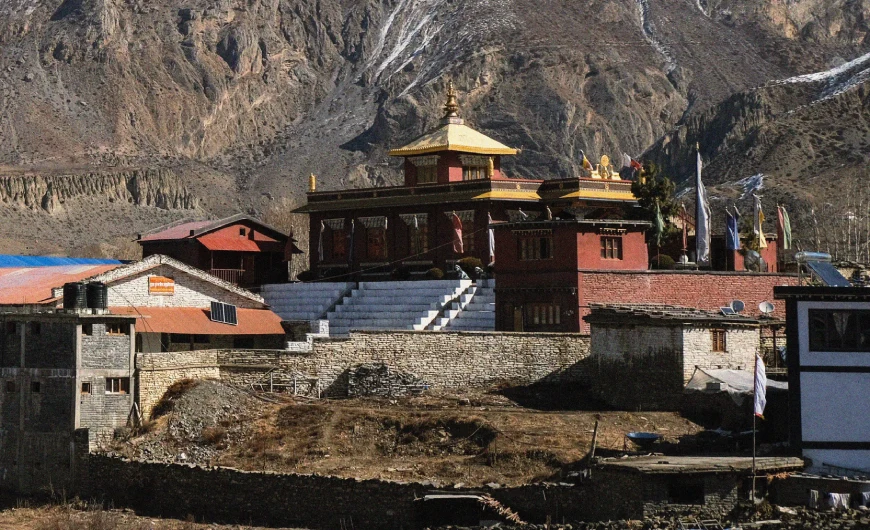
Another interesting cultural aspect you can notice while traveling this area is the influence of Tibetan Buddhist. While climbing to higher altitudes, you can see prayer flags, mani walls, and small monasteries that can be seen everywhere around. It is very interesting that in the same area both Hinduism and Buddhism are equally respected and coexist in same place.
If your Muktinath Pilgrimate Tour Itinerary matches with some festivals, it will take your tour experience to entirely different level. Yartung is one of the most exciting Mustang festivals featuring horse racing, which takes place in August. Right after that Dashain and Tihar take place which are main festivals celebrated all over the Nepal that give life with lots of light and rituals.
Apart from festivals, even during other days of the year there is plenty going on here. Farmers cultivating the terraced farms, students walking their way to school, older people spinning prayer wheels, all these little scenes end of leaving an impression on visitor.
Communication and Language
Communication during this adventure will be much easier than many people think. The official language is Nepali, but English is widely spoken in tourist places, guesthouses, and almost every guide that you would hire for the tour. It will not be hard to understand menus and read signs, as well as to have a simple communication in English in larger cities such as Pokhara and Jomsom.
As soon as you start your journey through small villages along the path, you will have to adapt to some changes. Elderly locals only speak Nepali or the local dialect called Thakali in Mustang Region. It also good to learn some Nepali language like Namaste as Hello, Dhanyabad as Thank You and Kati ho as How Much are enough to warm up the conversation and make it pleasant.
If you are walking with a guide or porter, which is mostly common, you won’t have to bother too much about the language anyway. It helps immensely, when negotiating prices for souvenirs or learning about the traditions of the place.
Just a little advice – download a language translator app offline before going there, as signal tends to become quite weak in some part of the trekking paths. After all of these, there is no need to worry about anything at all. Communication usually isn’t a problem while trekking in Nepal.
Transportation
Traveling on Muktinath Pilgrimage Tour involves driving as well as short air flight. Both of these transportations are very comfortable, and the views are equally stunning.
First transportation begins with drive from Kathmandu to Pokhara by private vehicle or tourist bus that will take about 6 to 7 hours. The quality of road is quite good throughout the route, and it won’t be as uncomfortable as you might think.
From Pokhara, you will take a short flight to Jomsom that take about 20 min. The further journey from Jomsom to Muktinath is done through jeep. This time the route gets rougher and more winding but it’s not very far.
All the transport options used during your Muktinath Pilgrimage Tour Itinerary are arranged in advance by us Epic Trek Nepal. Thus, you will never have to look for a place where to hire transport services or be confused about the routes once you arrive.
In the end, reliable and convenient transportation will be the key to success for this Muktinath Temple Tour itinerary.
Accommodation, Food and Drinks
Accommodation on Muktinath Pilgrimage Tour is really comfortable compared to what most people expect for a Himalayan pilgrimage. During your stay in Kathmandu and Pokhara, you will be staying in a standard hotel (3-star Hotel), offering comfortable rooms, hot showers, and comfy beds. On your way to Jomsom and Muktinath, the accommodation gets a bit simple. You will stay mainly in teahouse or guesthouses, which are relatively clean and warm, but youcannot expect luxury once you are up above in the remote areas.
As far as food is concerned, you are going to have a really good time as dal bhat is served everywhere, consisting of rice, lentils, vegetables, and some sort of curry, which is both filling and tasty with unlimited refills, which is something that every trekker enjoys. Along with this, you will have other items from Nepal, Tibet, and western cuisine as well.
As far as drinks go, you should drink bottled water instead of tap water, and there is tea everywhere you go, green tea, black tea, or ginger tea, and all of them will help you warm up after a chilly morning. Alcohol can be found in larger cities, but it better to drink after completing the tour successfully.
What Not to Do on This Trekking
While there are several things that should be avoided during your journey for trouble free experience, most of them come from common sense mixed up with some cultural knowledge.
Don’t try to climb too fast. Reaching the destination sounds very exciting and tempting but the lack of acclimatization can really mess up your tour.
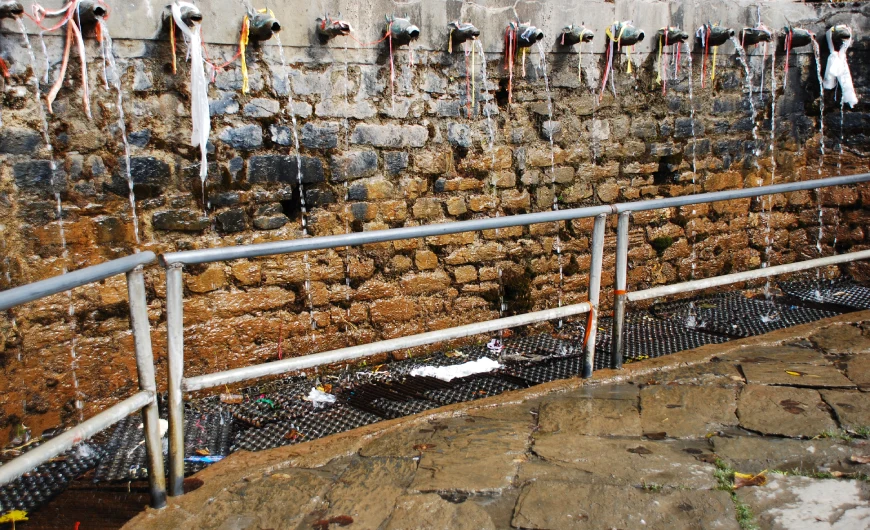
Do not wear shoes and wear properly inside the Muktinath temple and other temples. This is an important rule many people should know since Muktinath Temple is considered a holy place for both Hinduism and Buddhism, meaning dressing properly will be a requirement.
Don’t over pack. The porter can only take certain amount of weight. After that limit you have to carry on your own.
Don’t drink water straight from the taps water. Unfiltered water might contain harmful bacteria which can cause stomach problem, so drink only filtered water.
Do not forget to take some cash with you. There will be no ATMs as high up the road you climb and no possibility of using bank cards after Jomsom.
Please do not neglect to buy travel insurance just to save a little money. Trips at high altitudes are precisely what travel insurance covers, and there is no point taking risks.
Health and Safety
In terms of health and safety for this Muktinath Pilgrimage Tour, the key is to respect the altitude and listen to what your body is telling you. The main problem here is the altitude sickness even if it is short tour. You will be gaining altitude quicker by vehicle or flight unlike walking gradually while acclimatizing.
The common symptoms of altitude sickness are headache, nausea, dizziness and difficulty in breathing. Mild symptoms are not much of problem as they can be treated easily, but if things get worse, that’s when you need to descend or evacuate immediately.
Hydration is one of the easiest ways to help your body adjust. Drink plenty of water and avoid drinking alcohol and caffeine. Food safety is essential as well. Always eat fresh and energy rich food for that long touring day.
Prepare a basic first aid kit that include altitude sickness and medicines, painkillers, blisters medicine, and personal medication.
Finally, weather changes rapidly in the mountain. Dress in layers, wear sunscreen for the sunburn prevention at altitude, and take your rain jacket along even if there are clear mornings.




 Share
Share