Muldai View Trek Difficulty
The Muldai View Trek is categorized as moderate difficult. This trek is not extreme, but you will need some stamina and steady legs to complete it without any major problems.
Required Fitness Level
It is necessary for you to be fit enough in order to fully enjoy the Muldai View Trek. Even walking and running a little bit or doing some stairs exercise prior to the trek would be helpful.
No special physical training in gym or some endurance sport is needed. Cardiovascular fitness and healthy knees should be enough.
Daily Ascent
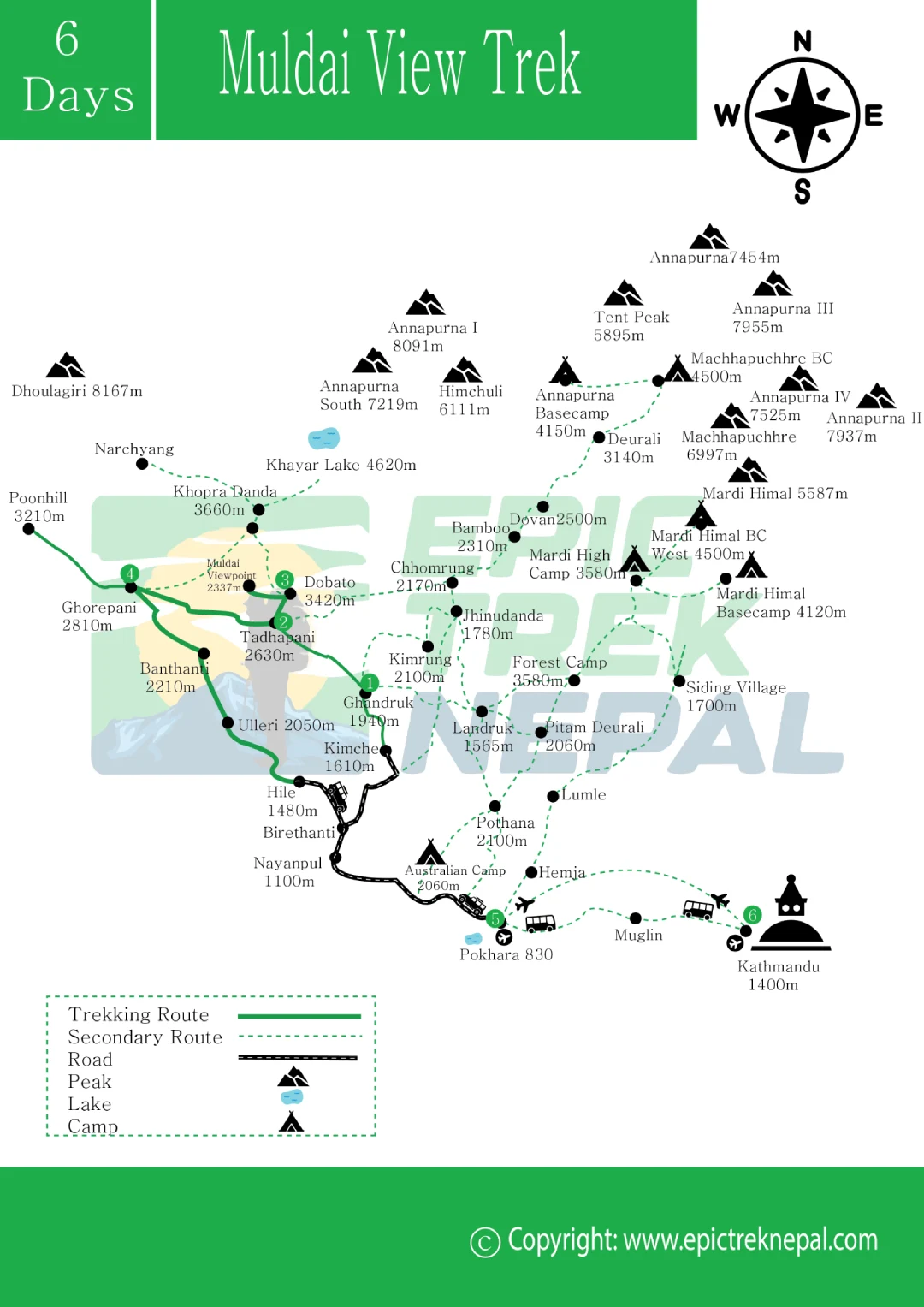
Daily elevation gain ranges from 400 to 700 meter for most days. But on some days, the hike becomes more challenging particularly when reaching Dobato and Muldai Viewpoint. You will walk around 6 hours daily depending upon the distance and the route condition. The trail can consist of stone stairs, forested trails, and sometimes rocky trails as you go up at higher altitudes.
But altitude-wise, the trek is relatively moderate throughout the entire journey. You will not face any high-altitude problems associated with treks like Everest or the Annapurna Circuit.
Is it suitable for Beginners?
The Muldai Viewpoint Trek is best for beginner trekkers, and many people have successfully completed this trek as beginners without any issues. Pace yourself, stay hydrated, and take your time. With most beginners, it is quite easy to complete the trek and come back with a good feeling.
If you have done short hiking treks before, you are ready for this one. Using trekking poles and appropriate hiking shoes makes the uphill walk a lot easier. With guides and porters accompanying you all the way, you will be able to cope with all the difficulties of trekking much better.
In summary, this is an ideal place to start with Himalayan treks.
Best Time for Muldai View Trek
Spring (March to May)
Spring is one of the best seasons to undertake this trek. With forest blooming in color red, pink, and white rhododendrons, these places look absolutely magical. The temperature in daytime is comfortable, and the mountain views are mostly clear. It’s not surprising that many trekkers consider this season the most colorful for this trek.
Autumn (September to November)
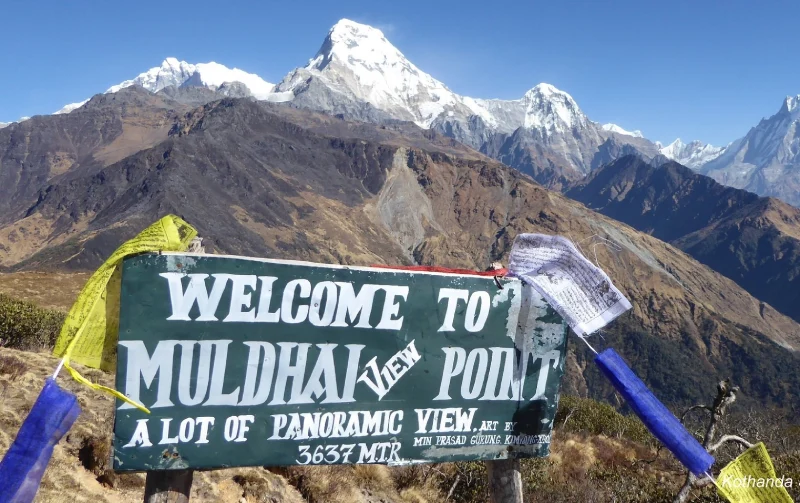
The skies in autumn are crystal clear compared to all other season. Visibility increases significantly and provides an opportunity to admire the magnificent scenery from Muldai Viewpoint. Day temperature is quite moderate while at night it gets relatively cool, which is great after a tiring hike. This season has the highest number of trekkers coming here.
Winter (December to February)
The winter season will bring about cold temperatures, especially at high elevations such as Dobato and Muldai. You might encounter snow fall, which is beautiful but challenging on your journey. Bring some warm clothing and be careful on the icy paths. Since there are few tourists at this time of the year, you can enjoy a quite trails and calm teahouses.
Monsoon (June to August)
In the monsoon season you will have to face heavy rainfalls and slippery trails due to which the views of mountain get blocked by clouds, particularly in the afternoon. It is important to keep in mind that leeches appear during the monsoon in the forested parts of the trail. Most trekkers avoid visiting during this season.
In summary, spring and autumn seasons the best times to do this trekking. If you are not comfortable with the cold temperatures, you can trek during spring and autumn. While for adventure seeker, winter and monsoon seasons would fit well.
Who Is This Trek Suitable For?
The Muldai View Trek is very popular among a large number of trekkers due to its easy nature and short period of time that is needed to complete it.
In fact, first time trekkers will feel comfortable with this trek because the trail is well marked, walking hours per day are manageable and each teahouse on the trek are very comfortable. First time trekkers often do this trek confidently and enjoyable.
Also, the families will be comfortable with this trek, especially those having children with them. Walking through villages, forests, and open ridges brings this feeling of adventure which is not easy to find anywhere else. Teahouse accommodation makes the trip comfortable for young trekkers too.
For solo trekkers, this trek provides an ideal combination of peace and adventure. You can walk through quiet and beautiful trails during the day, and in the evening, you can meet people at teahouses for sharing experience and stories.
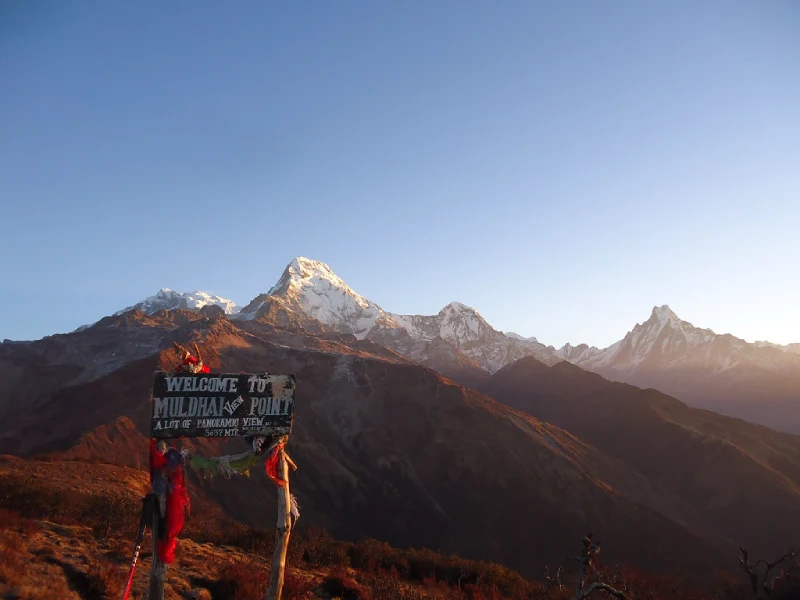
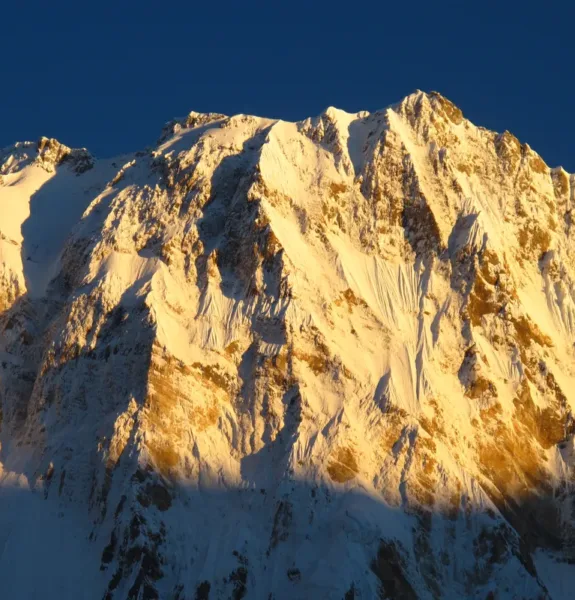
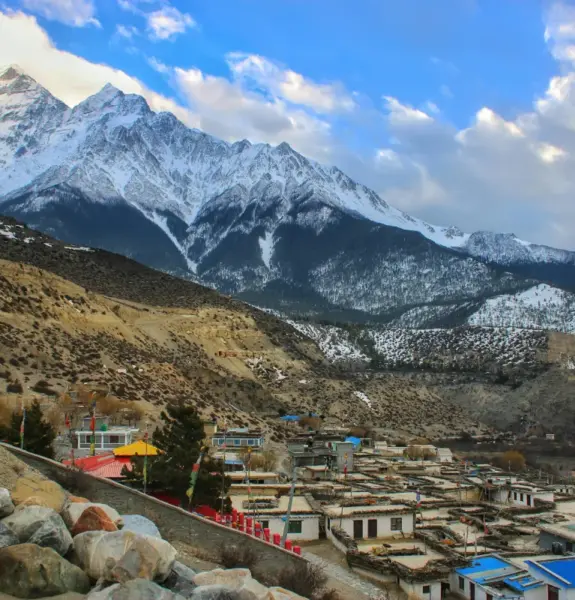
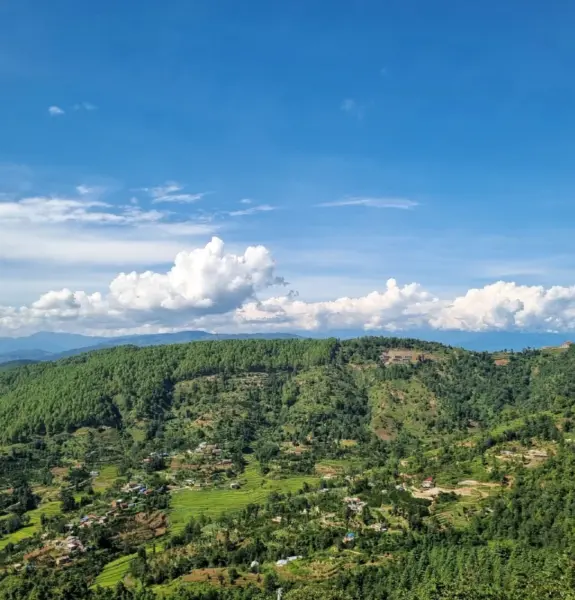
For photographers, it is one of the most rewarding short treks in Nepal. The Muldai View Trek provides spectacular sunrise views, beautiful ridges and colorful villages which can be captured in photograph that will last for a lifetime.
In general, this trek is appropriate for any type of traveler. Form adventure seeker, family vacation, or even those who love photography, there is something to gain from this trek.
Accommodation and Food
Accommodation on the Muldai View trek is mostly teahouses and they are more comfortable than most trekkers think considering how remote the trail is.
Teahouses on the Trek
For your entire trekking journey, you will most likely spend your night in simple teahouse run by families, offering basic rooms for two people, shared bathroom and sometimes even a shower.
When getting more higher, beyond Dobato and close to Muldai, the rooms become more basic and evening become even colder, so be sure to pack your reliable sleeping bag.
Food at the Teahouse
The food on the Muldai View Trek consists of good combination of both Nepali food and international dishes. After long hours of trek, your main option will be Dal Bhat that consist of rice, lentil soup, vegetable and some pickles, which all experienced trekking guide recommend as the best meal. Noodles, momos, packages, porridge and basic pasta meals are common in almost all teahouses.
Food prices vary depending on altitude, as all products have to be transported up the mountain manually. Hot beverages, such as tea, coffee, hot lemon, can be found everywhere and provide an additional way to warm yourself up after a cold morning.
Practical Advice
Access to Wi-Fi and charging services is also provided, although there might be a slight fee. There is no luxury, but you can always enjoy warm hospitality and hearty meals.
Required Permits
The Muldai View Trek passes directly through the Annapurna Conservation Area which requires a couple of permits, so sorting this permit is necessary before the trek.
This permit is mandatory for all trekkers who wish to make a trip to the area. This permit costs about NPR 3,000 for foreigners while SAARC citizens pay NPR 1,000. At certain checkpoints along the route, your ACAP permit will be verified and stamped.
A TIMS card is mostly used for safety and record keeping purpose. This makes it easy for authorities to monitor trekkers going through the area in case of any search and rescue missions.
Both these permits can be obtained through us “Epic Trek Nepal” so you don’t need to worry. Just provide your personal details and passport size photo to complete the permit process.
Local Culture
The Muldai View Trek Itinerary leads you through some of the oldest village that are truly culturally diverse. This culture is genuine, real and vibrant, not like performance only for tourist who come to visit.
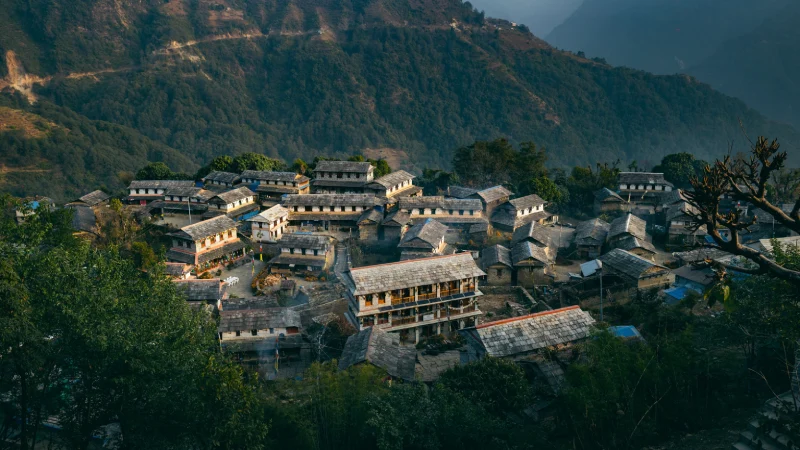
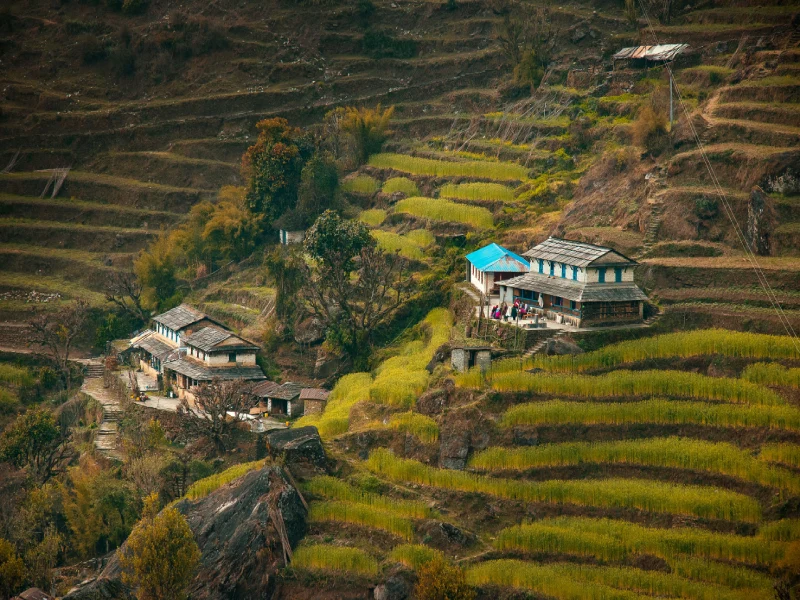
The majority population of Ghandruk and Tadapani villages consist of the Gurung people. These locals have traditional stone houses and terraces that showcase centuries of experience in the mountain agriculture. The Gurung also have close connection to the Gurkha military service, which can be found at the local museums and in the stories of the locals.
Another community present throughout the region, in particular in the lower villages, is Magar. They have some interesting dancing rituals and singing folklore as well as home brewed drinks. Trekkers are warmly welcomed by Magars, and sometimes you may end up having tea or even a snack together with the local residents
Ghandruk does an excellent job when it comes to keeping the traditions of stone architecture. The slate roofing, narrow streets and the fluttering prayer flags create this unique mountainous atmosphere which cannot be described in words. Trekkers can see the people still using the traditional ways of farming with millet, corn and vegetable crops being grown on the terraces throughout the Muldai View Trek Itinerary.
Dal Bhat becomes a typical meal in almost all villages on the way. Such a simple dish made of rice and lentils give the trekkers enough energy for a long walk-in front of them. Hospitable local people are always ready to share their stories and mountain folklore during the dinner at teahouse.
It is interesting that trying local dishes becomes an essential part of Muldai Viewpoint Trek experience because they are related to the culture of the surrounding settlements.
Travel Insurance
Travel insurance is a crucial thing for everyone participating in the Muldai Viewpoint Trek. There is no guarantee you will smooth mountain trekking, even if it is a moderate level trek.
The altitude of your trek goes above 4,000 meters. Therefore, your insurance must cover high altitude trekking more than 4,000 meters. It ensures your coverage is suitable for the highest altitude that you will reach while taking part in the Muldai View Trek.
Emergency evacuation insurance coverage is what you need while purchasing trave insurance case because helicopter evacuation due to either altitude sickness or any kind of injury is required very often, and the expenses increase rapidly without such coverage.
Insurance must also provide coverage of travel cancellation and delays. The flights from Kathmandu to Pokhara sometimes face weather-related delays depending on the season. The medical insurance should provide treatment in hospitals, medicine and other kinds of treatment as well. It is important to notice that some insurance companies do not provide coverage for trekking activities at all, so you should always check the terms of the contract before Muldai View Trek.





 Share
Share