



Best Winter Treks in Nepal: Where to Trek, Benefits, and What to Expect
04 October 2026
By admin
Most people generally think that winter is not the season for trekking in Nepal. They imagine that there would be snow covered paths, no lodges available, and clouds would hide all the mountains. This is true to some extent, and this misconception keeps many people from experiencing one of the most beautiful seasons.
Winter trek in Nepal lasts from December to February and the condition greatly vary based on the altitude and the regions. You may trek in the warmth of sunshine if you are at an elevation of 2,000 meter. But if you are at 5,000 m, same day can be freezing cold for you. It usually starts as a clear day but gets windy in the afternoon.
Here is what winter gives you. Blue skies are common, mountain will appear cleaner, there will be less crowds, and tea house will have plenty of space. Most of the best winter treks in Nepal are under 4,000m and have minimal snow and pleasant conditions for trekking in daytime. Another thing about Nepal winter treks is that there will be a warm midday sunshine in the valleys.
But then again, let’s be realistic. Winter doesn’t mean that there is no danger in trekking. High altitudes mean freezing weather, snowfalls, slippery paths, strong winds, and hard passes crossing. Winter nights are bitter cold, and days are short. The heavy snow can shut down the passes for days.
That’s why winter trekking in Nepal requires proper preparation. You need the right route, the right equipment, and flexible planning. Properly prepared, winter trekking becomes an intelligent choice.
This article tells about the best winter treks in Nepal, their advantages, and what one should expect while hiking. It was written from the experience of actual trails walking, not sitting in an office. Whatever your fitness levels, you will definitely find a winter trek in Nepal.
What Makes Winter Different from Other Trekking seasons?
Spring and Autumn get most of the attention for the trekking in Nepal, and there is no doubt about it, but winter is just different and completely unique.
First of all, the people. Winter months of December and January see less crows on popular trails, which means you will be able to trek for hours without seeing any other company and choose your own room at the teahouses.
Secondly, the air becomes much cleaner, and the view of the mountains gets especially clear in cold and dry winter weather.
The temperature is very extreme during winter. Most of the morning will be pleasant in the valley tut it will be below zero above 3,000m. It’s a ten-hour day and you will have to start early and end before afternoon.
While the Monsoon rain brings leeches and landslides along with misty weather, winter does not bring any of these things. Instead, you’re faced with snow, ice, and wind at high altitudes.
Also, some of the high-altitude lodges remain closed during winter. It is best to confirm before heading out on one of the best winter treks in Nepal.
Benefit of Winter Trekking in Nepal
The winter trekking in Nepal is not just about avoiding crowds. It offers tranquil route along with some of the most stunning mountain views of the year. Here are some lists that shows what you can get.
No Monsoon Floods
The winter comes after monsoon, so the climate becomes much drier in Nepal. The level of rivers falls, and streams become easier to cross. This decreases the chances of monsoon flood, still weather surprises may happen occasionally. Always check daily weather forecasts and your guides’ advice on the matter.
Low Probability of Landslides Triggered by Rainfall
A lot of rainfall from monsoon makes slopes more vulnerable and landslides more likely. But in winter, this danger decreases significantly.
However, there is no guarantee that the trip will be absolutely safe – snowfall, rockslides, poor roads and local weather surprises are possible in winter too. Add an extra day to the schedule just in case.
Clear Mountain Views
This is the reason that draws most trekking for winter treks. The dry air and cold weather help you get:
- Great air quality and perfect visibility
- Dramatic sunrise with crystal clear views of mountains
- Snow covered mountains with less fog in many places
It makes photographers happy. The morning rays fall on summits, and the peaks appear against blue sky. There are many best winter treks in Nepal that give you these views in the morning.
Less Crowd and a More Peaceful Tea house Experience
The most popular trekking trails are much calmer when trekking is not at its peak. This means walking without feeling crowded while passing through viewpoint and walking through narrow suspension bridge. The villages seem tranquil, and locals usually have time to chat.
The teahouses become more relaxed as well. You can stay in a dining room with only a few trekkers and enjoy spending evening near the fireplace. If you like off-peak trails, then winter treks in Nepal would be best for you.
However, do not expect all the lodges to remain open throughout. Some high-altitude lodges operate on a limited basis during winters. Make sure to ask your trekking company about the status of your lodge.
Landscapes with Snow
This season can make a well-known trail a completely new one. The exact landscapes you may enjoy in your travels depend on the route and the elevation. Imagine snowy pine forests and frosty prayer flags. Winter trekking in Nepal will surprise you with landscapes impossible to see during spring and fall. The depth of the snow cover varies each year, so take it as an added value.
Possibility of Better Availability
Winter is a relatively quiet time in the main trekking seasons. In the appropriate route, you might have better scheduling and accommodation availability. The exception would be the altitude. There are fewer accommodations available in high-altitude areas since some lodges may shut down during winter.
Best Winter Treks in Nepal
All trekking routes are not equally suitable during winter season. The altitude changes almost everything. Therefore, we categorize the best winter treks in Nepal according to the level of cold and snow on each.
Low Altitude and Easier Treks
It is the easiest winter trekking introduction in Nepal. Ghorepani Poonhill is 3,210 meters above sea level and the entire trek is completed in 4 to 5 days starting from Pokhara.
Why it is good for winter trekking:
- Lower altitude
- Compact itinerary
- Magnificent sunrise view over Dhaulagiri, Annapurna South and Machhapuchhre
- Suitable for tourist seeking a relatively easy winter trekking route
There are no blooming rhododendrons in winter. In December and January, they become silent, mossy and frozen. Many hikers consider this period even more beautiful.
Snowfall might happen near Ghorepani especially in January, but the weather conditions are comparatively easier as compared to higher altitude routes. However, climbing up Poon Hill before dawn is very cold., so bring warm clothes and a headlight.
The Mardi Himal Trek is one of the most scenic and impressive winter trekking experiences in Nepal. It takes the trekker through a forest setting to an open ridge where Annapurna South and Machhapuchhre can be seen clearly and seem to be enormous.
Its features:
- Views of Annapurna and Machhapuchhre
- Silent forest trails
- Short itinerary
- Scenic winter setting
- Less crowded compared to other tails
Don’t get yourself too excited about the high trails. The highest camp on the trail is located at an elevation of approximately 3,580 meters and the viewpoint stands at around 4,200 meters. It is quite common to find snow and ice on those high levels during wintertime, especially above the Low Camp level.
Khopra Ridge Trek
A trek to Khopra Danda is perfect for those looking for something off beat. The trekking experience along the ridge is great and the scenery for the mountain range includes that of the Dhaulagiri and the Annapurna ranges. The trails are also much quieter compared to the well-known circuit routes.
The winter season requires proper planning because Khopra Danda is at an altitude of about 3,660 meters and a lot of snow could cause the upper portion of the trail to be buried. The locally run tea house are simple and a few may not operate during the deep winter.
For your Nepal winter trekking to be successful in this ridge area, you should hire a guide and have flexible dates with a current snow update.
Mohare Danda Trek
There is also an alternative trek to Nepal during the winter which is Mohare Danda. This vintage point is located at about 3,330 meters, which is not as high as the main mountain treks. You can expect this trek to take you six to eight days, based on your schedule.
Why this works:
- It has a lower altitude than the main mountain treks
- Views of the sunrise and sunset in the backdrop of Dhaulagiri and the Annapurnas
- Community-run lodges that support locals
- Fewer people on the trek
- Alternative Winter trek
Poon Hill + Ghandruk Trek
Got only a few days to spare? Then take this option that shortens your trekking days to either three or four days. You will be able to witness the spectacular sunrise from Poon Hill, then hike downhill via Ghandruk, a large Gurung village situated at around 1,940 meters.
This being lower altitude, this is one of the easiest treks during winters. During the day, weather is quite nice in the sun, and visiting the village will add an element of culture to your trek as well as you get to try out the local cuisine.
Best Winter Treks in Nepal for Snow
Most trekkers think that winter will make all trail dry and easy. But no. With sunny weather comes cold temperatures, and high route becomes snowy.
These Nepal winter treks will provide you with winter experience.
Everest View Trek
Don’t rush straight to the Everest Base Camp during the wintertime. This route provides a safer option to enjoy the stunning vistas of the Khumbu without reaching for the sky. This short trek takes you to Namche Bazaar and Syangboche and the region known for its famous view hotels at the height of 3,800 meters. You get to admire the views of Everest, Lhotse, Ama Dablam and Thamserku for the lesser altitude.
Get ready for the freezing nights and possible snow in Namche. Clear mornings are expected on this trail. There might be weather delays to the flight to Lukla. This is one of the best winter treks in Nepal.
Langtang Valley Trek
Langtang Valley Trek is operational during winter, but it becomes colder than the lower valley. The route takes you through the valley up to Kyanjin Gompa which is around 3,870 meter high.
The upper parts of the route get snowfall. The night gets really cold and some hotels doesn’t provide full services. It is always wise to verify the hotel availability and snow conditions before starting on the journey.
Annapurna Base Camp Trek
Winter ABC is a possibility, but you must not take it lightly. It is situated at an altitude of 4,130 meters. There is abundant snow in the area in winter. The risk of avalanches becomes greater on upper portions of the trail following snowfall.
The trails become icy and some tea house above Deurali might be closed during the season. The guide needs to check the condition of the trail each day to know when to stop. Those who plan the trek properly will find Annapurna Base Camp trek very rewarding in winter but needs to be very careful.
Treks That Need Extra Caution in Winter
It is not true that all famous trails should appear on a list of the best winter trekking in Nepal. Things get entirely different between December to February, because of the altitude, the passes and terrain.
Everest Base Camp
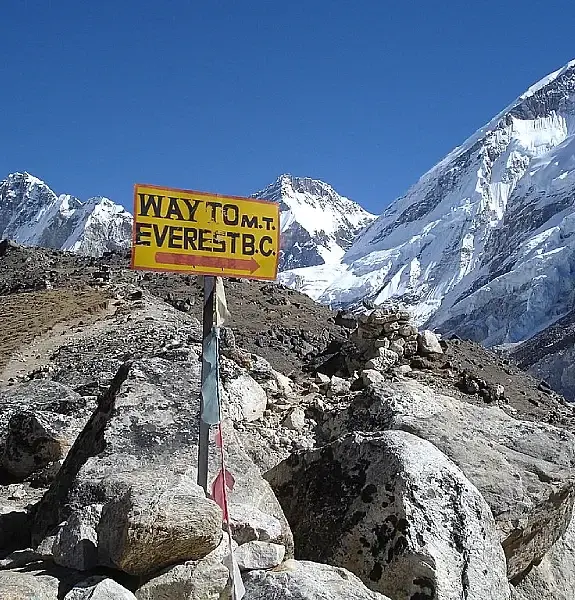
Trekking in Everest Base Camp during winer are possible. However, it is not an easy task and only few people have managed to complete it successfully. Ebc is located at the height of approximately 5,364 m and the height of Kala Patthar is at 5,545. In this altitude the temperature drops to very low level.
Some tea houses will be closed, while some will offer limited services. Compared to other best winter treks in Nepal, the Everest base camp trek demands much more from both physical condition and time planning.
If you wish to make a winter trek in Nepal and you want it to be in the Everest region, then Everest View Trek is the right choice for you.
Manaslu Circuit
The Manaslu Circuit crosses over Larkya La, a pass which lies at an altitude of 5,160 meters. In winter, the snow can block the path, and crossing can be impossible for several days.
A special permit and guide are needed to traverse this circuit. Out of all Nepal winter treks, this circuit is suitable for very few experienced trekkers. For the rest, winter is not a good time for this trek.
Annapurna Circuit
The complete circuit involves crossing Thorong La, which is at an altitude of 5,416 meter. This path could be closed due to snowfall and could become dangerous to cross in winter. Many trekkers prefer to go only part way through the pass and then turn back. In winter trekking in Nepal, this decision is often the correct one.
Three Pass Trek
Three Passes Trek involves crossing the passes Kongma La, Cho La, and Renjo La, all higher than 5,300 meters above sea level. Winter makes crossing these passes more difficult as ice on Cho La, heavy snow, and extreme cold make this a technical trek.
Accommodation facilities will not be easily available, and rescue operations might be delayed due to extreme weather conditions. We don’t recommend this trek for most travelers considering Nepal winter treks.
Tilicho Lake Trek
Tilicho Lake is located at an altitude of 4,920 meters, and the trail involves dangerous parts which are very susceptible to landslides and rock fall. During winter, these parts become even more dangerous because of snow and ice.
Consider Tilicho Lake trek as a side season trek but not as a winter trek in Nepal.
What are the Disadvantages of Winter Trekking
Trekking in winter comes with its own wonderful experience, but not everyone will enjoy it. Learning the negative impact of winter season will allow you to realize if it is for you or not. Even the best winter treks in Nepal require more energy than trekking in October.
Cold Temperatures
Early morning and evening are the hardest time during the day. Above 3,000 meters in altitude, temperature usually drop below freezing and most of the tea house rooms lack heating. You will have to wear several layers of clothing, while your water bottle can freeze during the night.
And finally, the hardest thing is to wake up in the morning at 5 o’clock in a cold sleeping bag, which most people find harder than actual trekking.
Snow and Ice
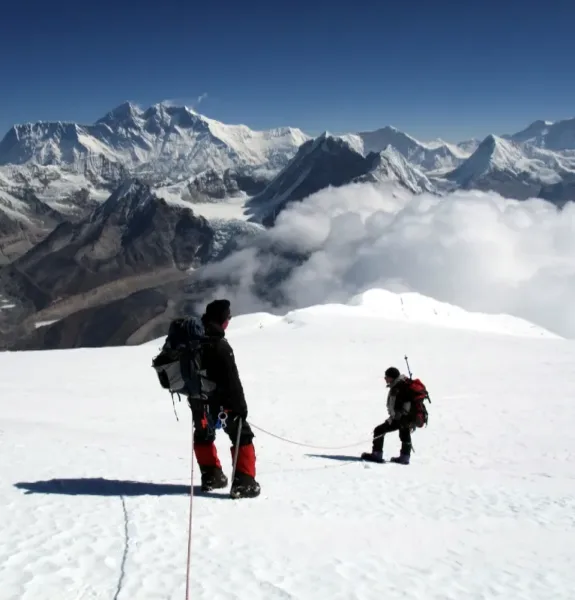
When you start trekking higher, you are going to have difficulties with slippery trails. The packed snow turns into ice on shaded parts of the trail, and even one step on a steep hillside can lead to injury. Here using trekking poles and micro skies is very useful.
Shorter Days
Winter days only last about ten hours, so you can’t afford any delays. You wake up early and maintain an even pace, reaching your destination around noon. This means there isn’t much room for diversions and long lunch stops, that’s why it’s better to take shorter daily treks than you did during the autumn season.
Closed Lodges
There are some ledges at higher altitudes that are closed for the winter, while others operate with limited facilities. The menu becomes, hot water becomes a rarity, and the dining area stays cold. Winter trekking in Nepal requires extra planning because of this reason. Verify the status of the lodges before leaving your country, not upon arrival.
Difficult High pass crossing
A heavy snowfall can make crossing a pass difficult and potentially dangerous. Snow covers the path, and wind poses additional risks. Due to these reasons, a guide may delay or even decide not to cross the pass at all. Make sure to have extra days scheduled in your itinerary, and you won’t be rushed anywhere.
Flight Delays
The mountain trips are still weather dependent. The morning is usually sunny, but it may be difficult to get a morning fight due to fog and wind in Lukla and other reasons that might affect your return journey, so it best to have some additional days with travel insurance support.
Cold Associated with High Altitude
At high altitudes, cold increases all difficulties. It increases the rate of energy spent, make it easy for your body to become tired, have poor sleep and dehydration. There are possibilities of frostbite and hypothermia during higher altitude treks.
How to Choose the Right Winter Trek
The correct path will make your winter an unforgettable part of your trip. And the wrong one – a nightmare. Answering these questions will help you make the best choice when planning for one of the best winter treks in Nepal.
Your Trekking Experience
Be realistic about yourself and your capabilities. If it is your first experience, go for low altitude trails like Ghorepani Poon Hill and Mohare Danda. Experienced trekkers will have more choices to pick from, but winter can bring surprises to them too.
Maximum Altitude
It is one of the major things you need to consider. With every added 500 meters you will be met with colder nights, deeper snow cover and closed lodges. As for a beginner trekker, it seems comfortable for them to keep winter trekking in Nepal below 3,500 meters.
Duration of Your Trek
The shorter trekking path, the better it is for your safety and comfort. You will have to carry less, be less exposed to the possible weather change, have more time during the shorter days. A four-to-six-day trek will be ideal for your first attempt.
Snow Tolerance
Choose your destination wisely. If you want snow forest, then go for Mardi Himal and if you don’t want any snow, stick to lower altitude trek like Poon Hill and Ghandruk. Most winter treks in Nepal provide good visibility with light snow.
Fitness
The cold and the snow make everything tougher, so you should start your training six to eight weeks in advance. Include hill walking, stair climbing, and full days carrying a load.
Weather Flexibility
Are you flexible enough to add few more days to your trip? Bad weather or flights are common in winter months. If your flight back is immediately after your trek, then either go for a low altitude trek or add buffer days.
Is Winter Trekking in Nepal Safe?
Winter trekking in Nepal is safe adventure when choosing the correct trek with proper preparation. However, winter trekking requires additional preparation as it makes everything harder.
Here is what keeps your winter adventure under control.
- Monitor weather conditions: Check forecasts daily and pay attention to the upcoming snowfall. because everything changes quickly in the mountains.
- Acclimatize correctly: The cold hides the symptoms of altitude sickness. Climb slowly and take extra rest days at high camps.
- Hire an experienced Guide: Good guide knows snow condition, icy areas, your health condition and when to descent back or rest.
- Check trail conditions: Get information about the snow cover, icy areas, and conditions of lodges before departure.
- Pack appropriate winter gear: Bring warm clothing, mittens, a coat, and four seasons sleeping.
- Don’t cross dangerous pass: Don’t cross the pass after heavy snowfall or poor visibility. Nothing is worth the risk.
- Plan flexible: Plan extra days in case something happens, because delays should not make you risky decision.
- Travel with travel insurance: Get travel insurance policy which will provide you cover during trekking to your highest altitude.
If you keep this point in mind, winter trekking in Nepal is very safe.
Frequently Asked Questions
What are the best winter treks in Nepal?
The best winter treks in Nepal include Ghorepani Poon Hill, Mardi Himal, Khopra ridge and Mohare Danda. They have moderate altitude, so weather condition won’t be too bad.
Is it a good idea to go for trekking in Nepal in the winter season?
If you choose the right route for trekking, yes, because in December through February, you will have clear sky and trails and amazing views of the mountains.
How cold does it get on a winter trek in Nepal?
That depends on the altitude; in lower valleys, it will be mild during the day in the sun, while nights over 3,000 meters will be freezing. In the mountains above 4,000 meters, temperatures may be very low because of wind chill factor.
Can beginners trek in winter in Nepal?
Yes, but it would be better to go trekking on lower and shorter treks like Ghorepani Poon Hill and Poon Hill with Ghandruk.
Are teahouses open during winter?
Tea houses at low to medium altitude will be open. Those at high altitude may shut down or remain open on reduced services.
Is guide necessary for winter treks in Nepal?
Guide is very essential. The guide is trained to read weather, make decisions whether it is safe or not to trek further. The higher you go the more crucial their presence becomes.
Can I do the Everest Base Camp trek in winter?
Yes, but it is a challenging trek. Weather is very cold and some teahouse lodges are closed. Furthermore, flights from Lukla might be delayed. Instead, the Everest View Trek can be a good alternative for winter season.
Do I need travel insurance?
Yes, get insurance that would cover your trekking up to the highest altitude possible and emergency helicopter evacuation if necessary.

Table of Contents
- What Makes Winter Different from Other Trekking seasons?
- Benefit of Winter Trekking in Nepal
- Best Winter Treks in Nepal
- Best Winter Treks in Nepal for Snow
- Treks That Need Extra Caution in Winter
- What are the Disadvantages of Winter Trekking
- How to Choose the Right Winter Trek
- Is Winter Trekking in Nepal Safe?
- Frequently Asked Questions