Difficulty and Fitness requirements
The trek to Dagala Thousand Lakes is moderate, but this is not an easy walk despite its short duration. Trekkers need to be able to hike for many hours daily and climb at high altitudes. You trek for 5 to 8 hours a day continuously for 5 days. The day 7 trek is the longest with 14 km distance and 7 to 8 hours of trekking. The highest elevation is gained in Dagala Thousand Lakes Trek is during Day 4 when you trek from Gur to Labatama for 1,000 meters altitude.
It is also important to remember that descending is just as challenging. On Day 7, you descend for more than 1,000 meters into Chamgang. The long descent can make your knees weary.
No technical ability or previous Himalayan experience is necessary. But some previous hiking experience is definitely an advantage, particularly with cold nights and camping.
Physical fitness is the key here. You should train 8 to 12 weeks prior to leaving for Nepal. Twice a week hike hills while wearing a heavy daypack. Add three sessions of running, cycling, or stair climbing per week. Make sure to practice walking down the hills and get used to your boots early. If you can hike for 5 to 6 hours while wearing a daypack and feel fine the next morning, you are well-prepared.
Best Time for Dagala Thousand Lakes Trek
Spring (March to May)
Spring is the peak season for this trek which consist of mild climate, colorful trail with flowers, and comfortable temperature in the lower camps. During the beginning of the season, there may be old snow on the high ridges, and melted snow makes the trail slippery. By May, the trail becomes dry. The morning will provide the opportunity to enjoy the views of mountains, and clouds appear in the afternoon.
Autumn (September to November)
Autumn is known for its blue sky when Jomolhari and other peaks have their best view. The weather is stable, and the trail becomes dry. Temperature during the daytime in the lower camps is around 10 to 15°C, while nights at Labatama can reach -5°C.
Winter (December to February)
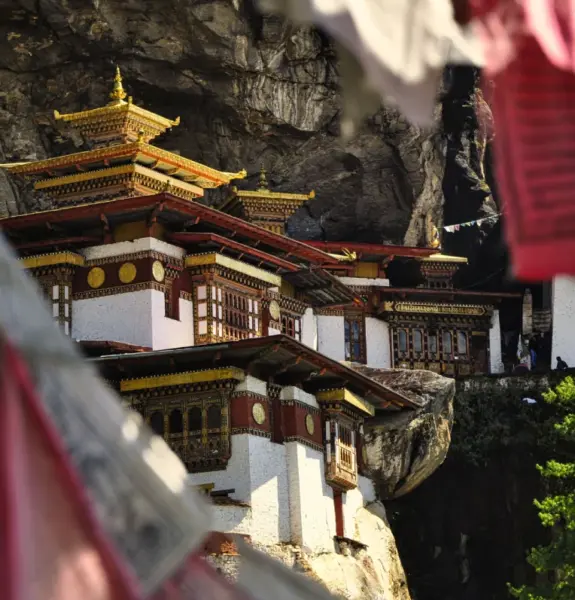
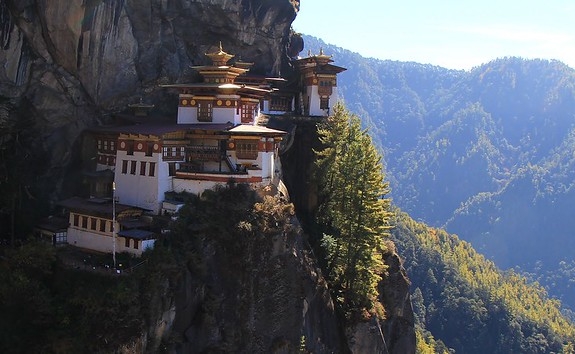
There is snow on the ridge during this season, and it gets very cold at night in Labathan. There might even be snow at Labathan that can slow down the Dagala Thousand Lakes Trekking, so we don’t really operate Dagala Thousand Lakes Trek as a regular winter trek but visit to Paro and Tigers’ Nest can still be done in winter.
Monsoon (June to August)
Monsoon is the least recommended season in the whole year. There will be rains almost every day, and clouds hover low on the ridges which result in poor visibility. The trails become slippery due to rain, and there are landslides in the drives from Thimphu to Punakha.
Altitude and Acclimatization
The Dagala Thousand Lakes Trek itinerary rises rapidly for its short trek. You begin in Paro and Thimphu, which are situated at approximately 2,200 to 2,300 meters above sea level. On day two, when you visit the Tiger’s Nest, you go beyond 3,000 meters and give yourself a first taste of high-altitude trek. The third day sees you climb up to Gur (3,290m), and then, in one single day, you rise by about 1,000 meters to Labatama (4,300m) on Day 4. This is quite a drastic change, so we schedule a full rest day at Labatama.
You will spend three nights at elevations over 4,000 meters, including two nights in Labatama and one in Panka. It is important to allow your body sufficient time to acclimatize as altitude sickness is a real risk here. Being fit does not mean anything in this case. Experienced hikers get ill as easily as inexperienced ones.
Be careful about some early symptoms, such as headache, nausea, dizziness, strange tiredness, inability to sleep, and lack of appetite. Some serious warning signs include shortness of breath even when you are resting, wet cough, mental confusion, and inability to walk in a straight line.
Let your guide know the instant that you feel ill during Dagala Thousand Lakes Trekking. There is no need to wait until it passes. Guides can only assist if they know about it, and minor symptoms are fairly easy to control.
Our guides will check on all trekkers every morning and evening. If you have symptoms, they will stop the trek, reduce the rate of ascent, and watch you carefully. If you are not better, they will start descending with you immediately, since descending is the best remedy.
Travel insurance is important in this case. You should select travel insurance that covers trekking up to at least 4,500 meters and includes helicopter evacuation in case of an emergency.
Accommodation
The Dagala Thousand Lakes Trek itinerary combines the experience of hotel accommodation with camping at high altitude. During eight days, there will be three nights in hotels and four in tents.
Hotel accommodation
There will be one night of hotel accommodation in Paro on the first day and another night in Thimphu following the Tiger’s Nest Hike. You’ll end up in Thimphu on the seventh day, directly from the trekking route.
We provide 3-star hotels with private bathrooms and showers. There is Wi-Fi in all hotels, but the speed may vary. Accommodation is twin-sharing, but we can provide a single-room upon request for an additional fee.
Camping
On the Dagala Thousand Lakes Trek Bhutan tour, you camp at Gur, Labatama, and Panka. Two nights are spent at Labatama since there is one rest day there. The equipment is carried by horses or yaks, and the camp is set up by our staff before reaching the destination.
Basic facilities are maintained during Dagala Thousand Lakes Trekking. There will be no flush toilets, no showers, and no electricity. Warm water for washing and wet wipes make up for the lack of proper facilities. Carry a power bank as you keep your electronic devices inside the sleeping bag during the nights.
It is a cold, quiet, and basic campsite experience that will be awaiting you, but in exchange, you will have clear skies, yak bells, and lakes visible from outside your tent.
Food and Drinking water
Your food while on this tour will largely depend on whether you are spending your time in the city or out there on the treks. Your food will be served to you at your hotel or at restaurants, whereby breakfast will normally be served, and lunch and dinner will include Bhutanese cuisine and others from the continents.
Once you begin the treks, all the food preparation will be done by the team. Your breakfast will include porridge, eggs, toast, and tea/coffee before beginning each day’s trek.
The dinner will be the most hearty meal after hours of trekking through the rugged areas and the meal will contain a blend of both Bhutanese foods like ema datshi and international foods like pasta and fried rice. The vegetarian food is also available at the hotel and at campsites, hence there should not be any problem in food.
There will be beverages like tea and coffee available during the trip, especially after the rise in altitude and decrease in temperature. The water will be boiled or filtered at all times by the crew while on the hiking, but you can also take along some water purification tablets.
Permits and Trekking Requirement
There is a difference between the regulations of Bhutan and Nepal, so plan this aspect early on. Everyone needs a visa, except citizens of India, Bangladesh, and the Maldives. The visa is only obtainable by a licensed Bhutanese travel agency, and we will assist you with that process.
Visa fees are $40 per person, and the visa is non-refundable. It takes 5-7 business days to get approval, and you will be notified via an email confirmation letter. Please send your passport details to us at least a month before your Dagala Thousand Lakes Trek. It has to be valid for six months from the date of arrival.
There is also the Sustainable Development Fee (SDF) applied to each night in Bhutan. At present, the rate is US$100 per person per night and will remain so till 31 August 2027. For children aged 6 to 12, the rate is halved, while those younger than 6 have no charge at all. There is also a 5% GST applied to services related to tourism in Bhutan. Our 8-day itinerary includes seven nights, so include the fee in the calculation.
Visitors need a licensed guide for their stay in Bhutan. Your guide, cook, and horsemen will be included in the package. We take care of your permit and route permissions for you, so you don’t spend any time in queues in offices.
Travel Insurance
The Dagala Thousand Lakes Trek is different from the normal Bhutan tourism trek as it includes actual trekking to remote high altitude places, and therefore travel insurance is required prior to embarking on the journey.
While selecting your travel insurance plan, ensure that it covers your trekking to an altitude of up to 4,500 meters since there will be certain sections of the Dagala Thousand Lakes Trekking will be higher than this altitude. Since most travel insurance plans do not include such treks, please look into this matter.
Emergency medical care and evacuation services are equally important since in case you develop altitude sickness or get injured, immediate evacuation will be required from places like Labatama and Panka.
Trip cancellation and interruption insurance will also save your money since you have spent a lot in planning your trip to Bhutan. Apart from that, you will need to secure yourself in case of lost baggage, delayed flights, and personal belongings.
Epic Trek Nepal does not offer any type of insurance packages, but we help our clients find appropriate insurance packages when trekking in high altitudes. Just get in touch with us and we will do it for you.




 Share
Share