What to Expect at Paro Tshechu
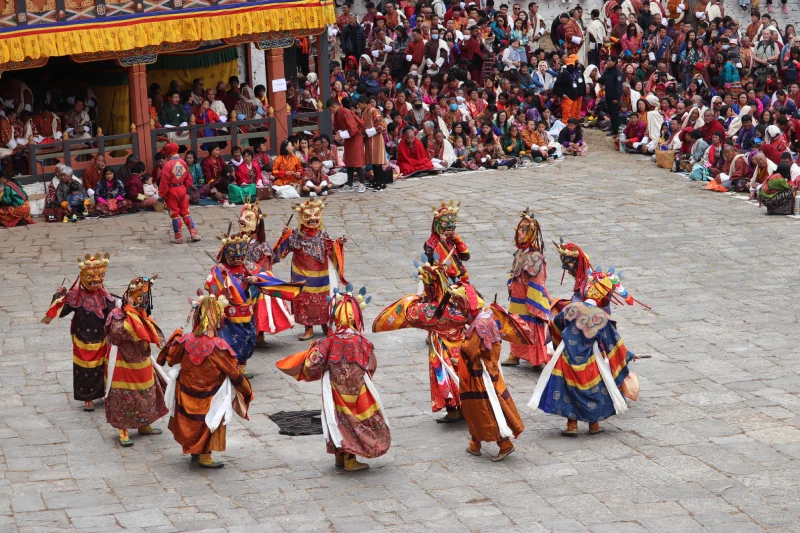
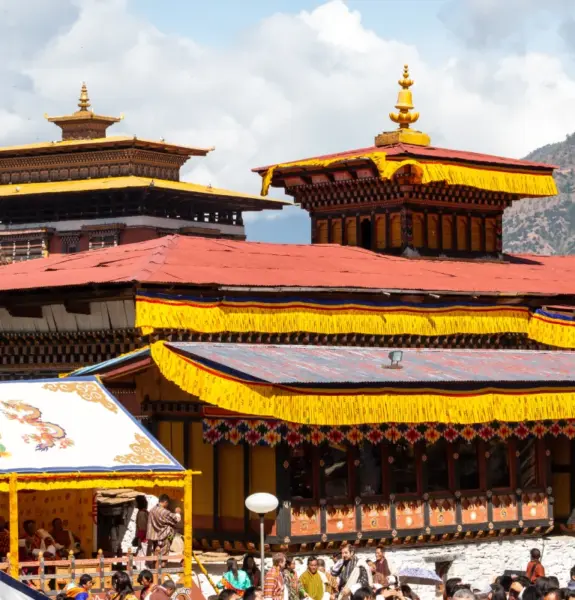
The highlight of the Paro Tshechu festival Package is the Charm dance, where monks and trained dancers dressed in silk attire and wooden masks dance slowly while telling stories of demon, protectors and enlightenment. It is slow and deliberate and once you catch the rhythm, there’s something strangely mesmerizing about it.
Music plays a crucial role in the festival. Horns, cymbals and drum fill the court and echo through the entire dzong. It’s doesn’t feel like a noise but something that determines the rhythm of every dance that is being performed.
Besides dances, religious ceremonies are also run alongside. Monks recites prayers, burn incense and perform various rituals that tourist might not understand but you will feel the spirituality behind them.
And their Bhutanese costumes that adds another layer. Families show up wearing their finest gho and kira, that had been passes down from generation and their color alone transform the courtyard into an amazing place.
The atmosphere of the festival changes through the day. The mornings are quiet and peaceful. In the afternoons, it becomes more social and festive when locals gather to talk, eat and watch. There are also local traders who sell butter tea, rice-based food and hand-woven clothing in the market outside the dzong.
What makes the Tshechu special is not only its spectacles. It is community. Whole villages come, sit and pray together. For the people of Bhutan, participating in the Paro Tshechu Festival brings them merit and blessings. For the visitors, it is a unique opportunity to witness an authentic Bhutanese tradition performed the same way for centuries.
Paro Sightseeing
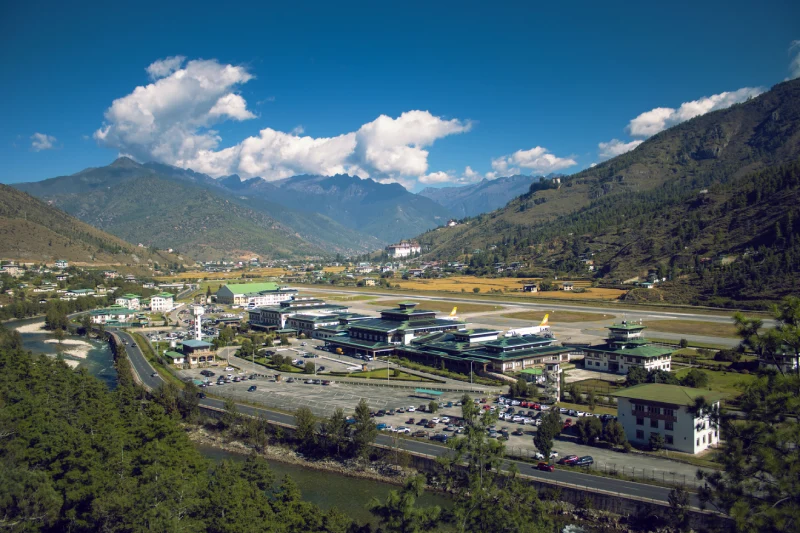
Before the Paro Tshechu Festival starts you will visit some of the popular place of Paro, which is more than just a gateway to the festival. With this Paro Tshechu Festival Itinerary, you will be able to enjoy festival and popular place of Bhutan.
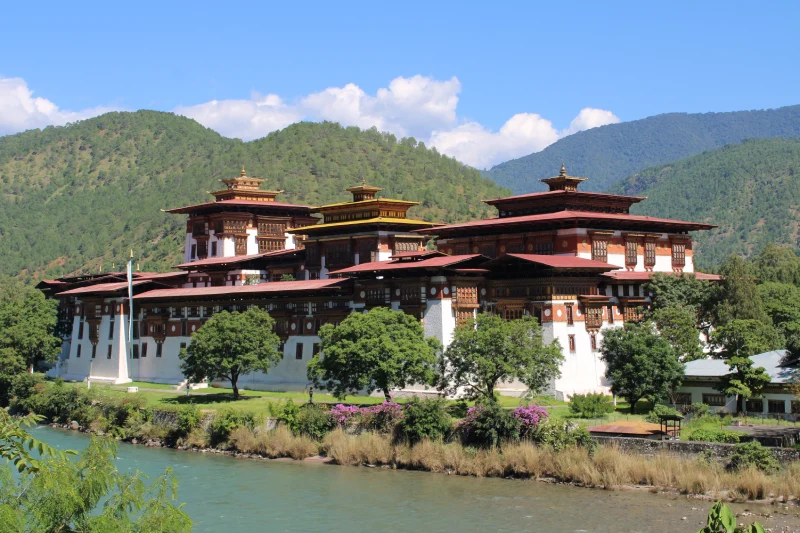
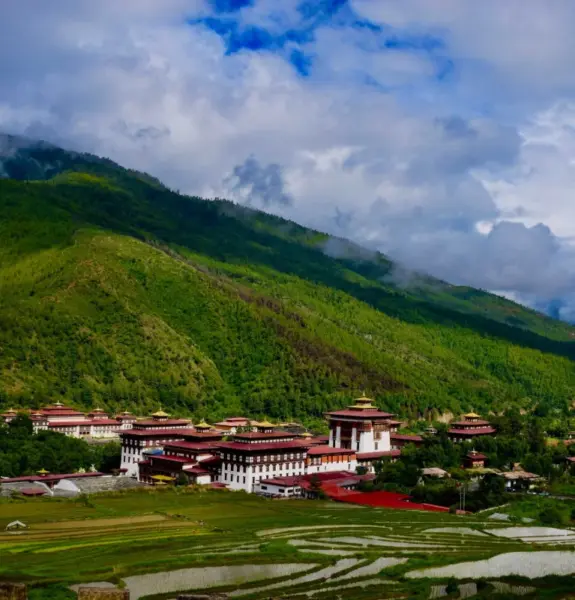
First, the Rinpung Dzong which is a fortress monastery built in the 1600s. This impressive while building in the Bhutanese architectural style is one of the most photographed structures in the whole of Bhutan. Not only that, but since the festival is hosted here, you will get familiar with the place before the dances start.
The National Museum of Bhutan is located right above the dzong, and it is inside a circular watchtower known as Ta Dzong. There, you can see thangkas, masks, and artifacts from various historical periods.
Kyichu Lhakhang is one of the oldest temples in Bhutan which is considered to have been constructed in the 7th century. The temple is silent, small and highly sacred. Even today people visit the temple to turn prayer wheels and light butter lamps here.
Apart from the usual tourist attractions, the town of Paro itself is worth a leisurely stroll through which wooden shops, small cafes and villages provide insights into the life of the Bhutanese people away from the festival crowds.
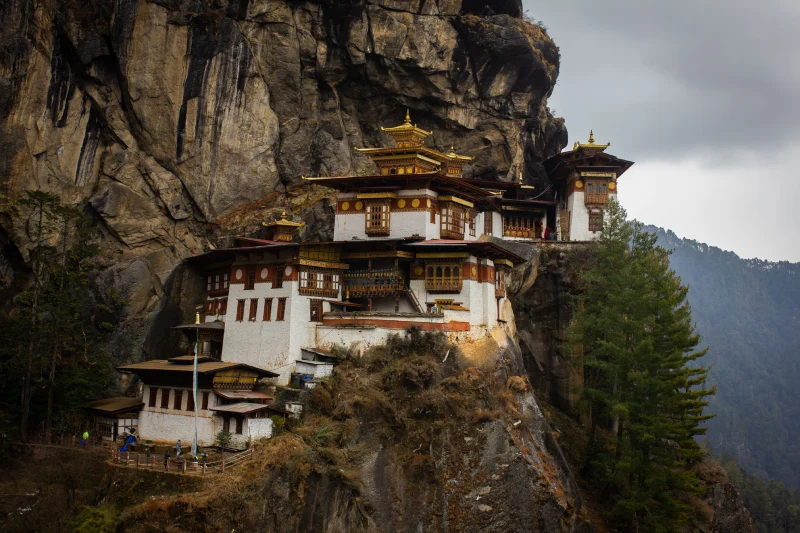
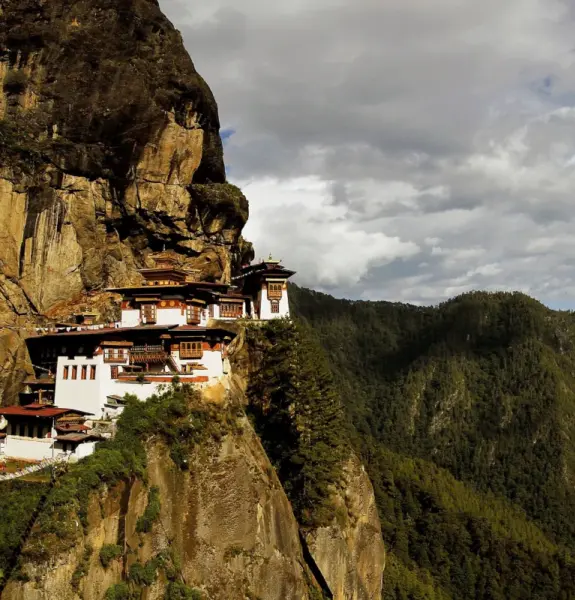
And then there is the Tiger’s Nest. Taktsang Monastery sit on a cliff above the valley and walking there will be one of the most memorable mornings in your trip to Paro Tshechu Festival Bhutan.
Best Time to Visit Paro Tshechu
Bes time to visit Paro Tshechu is the time of festival week, which usually falls in mid to late March usually Spring season. At this time of year, Paro Valley will be at its peak with clear skies and mild temperature along with great visibility of snow-covered peak of Himalayan range in the background.
Spring in Paro is very comfortable with nice balance of cold and warm. The average temperature ranges between 12-degree Celsius and 18-degree Celsius and evening can become more cooler, so pack some layer clothes. The chances of rain are low in March which gives you a high probability of enjoying sunny weather at the mountains and pleasant weather for attending festivals.
Paro Valley and valleys around Thimphu have an incredible blooming of rhododendrons in March, and that makes this month even more beautiful. If you are planning to combine your sightseeing trips with the festival, you will see everything in action.
But then even outside of Paro Tshechu Festival times, there are good reasons to visit Paro, but not to see what the main reason for would be coming here. All dances, Thongdrel, and the feeling of community only take place within these five days.
As Bhutan operates using the lunar calendar, the dates of these events change each year. Thus, it is better to double-check the dates of your trip with your travel operator than rely on previous years’ dates.
Accommodation
The Paro Tshechu Festival tour package features comfortable 3-star hotels along the way with good locations and facilities, including clean rooms and quality services without being extravagant.
You will be offered twin-sharing accommodations, but we can provide you with single rooms as per your request with a little extra cost. The hotels will mostly be located near the city centers, which means that you will not be too far away from restaurants, shops, and other places where you begin your day.
Breakfast is offered with all accommodation spots while in most cases, the Paro Tshechu Festival Package includes both lunch and dinner meals as well. These meals consist of Bhutanese and continental food with vegetarian dishes being available.
Internet connection is available in all hotels, though it may be a little bit slower in places such as Gangtey town than what you might have at home. You should try to download everything important prior to your arrival in Paro or Thimphu.
Availability of hot water and heating facilities is guaranteed everywhere, which is more important than people realize when the temperatures start dropping in the spring nights in the mountains.
Deu to festival, crowds gather rapidly. There are few accommodations in Paro, and places nearby the dzong are booked long before the festival week. It is strongly advised to book your Paro Tshechu Festival itinerary package far in advance.
Food During the Paro Tshechu Tour
Your Paro Tshechu Festival Package includes all meals for you during the Paro Tshuchu Festival, with breakfast served everyday as well as most lunches and dinners. There is no need for you to organize any place to have your meals during your stay.
Your meals will include a combination of Bhutanese and international cuisine. The cuisine of Bhutan is based on a lot of rice either white or red. Other popular foods are such as Ema datchi, which means chilies cooked in cheese sauce as well as other vegetable stews.
If you are vegetarian or have special needs for food, you can tell us about your preferences when booking a tour. It will allow us to inform hotels and restaurants in advance about your diet. It will save time during your stay in Bhutan.
For drinking water, bottled water is offered during your drives and treks, especially during your Tiger’s Nest trek and you need to avoid drinking tap water because it is not safe for consumption, otherwise it can ruin your stomach.
Permits and Visa Requirement for Paro Tshechu Festival
It is not hard to travel to Bhutan, thought there are some requirements different from other journey.
First, you need to have a visa, which can be acquired easily through a licensed tour operator, because traveling independently is not allowed for international traveler.
Also, besides the visa, a Sustainable Development Fee (SDF) of $100 is charged per person per night. This fee is reduced by 50% from the usual fee of USD 200 and is valid until August 31, 2027. Children aged from six to twelve can get a reduced fee, while those below six enter free of charge.
In addition, you must have a passport with at least six months’ validity after your travel date.
That is where Epic Trek Nepal makes things easier for you. We will take care of your visa application, payment of the SDF, hotel arrangements, and permits beforehand, so you don’t need to go through any paperwork or government websites.
You simply have to provide us with scanned copies of your passport, a passport-size photograph, and travel dates. From then on, we do everything else required for your Paro Tshechu Festival package to be completely legal and prepared before you even start packing!
Paro Tshechu Festival Travel Tips
There are few practical tips that can actually help you during the festival, so keep these in mind while planning your trip.
Make sure to book your accommodation in advance as there is high demand for accommodations in the hotels of Paro during the time of festivity.
Make sure to arrive one or two days before the days of the main celebration. This will give you enough time to get used to the height above sea level, as well as get some rest before the main days of the Paro Tshechu Festival itinerary.
It is very important to respect all religious traditions during the festival. The ritual activities taking place during the festival period are religious activities that are not just for the tourists, so let your tour guide tell you how and where to be.
Dress appropriately, especially in dzong premises. Modest attire that does not show your shoulders and legs is preferable.
Always ask before taking photos of people, especially monks, the elders, and performers. Just a brief nod or a smile will do to get permission and prevent embarrassing moments.
Bring some money for small purchases such as food, handicrafts, and tips. Not all vendors and merchants have cards machines outside the major towns.
Take care of your personal belongings especially in crowded places. Festival days have a lot of crowds, and a crossbody bag will work better than loose pockets.
Lastly, be flexible with your festival schedule plans. Ceremonies may change their timings depending on the rituals or weather conditions. So being flexible becomes necessary. This is why your Paro Tshechu Festival schedule has built-in buffer time.
What to Pack for Paro Tshechu Festival
Proper packing makes all the difference during festival week with cold morning in the mountains and warm afternoons. Check out this handy packing list for your Paro Tshechu Festival experience.
Clothing
- Fleece or down jacket for morning and evening cold
- Clothes for covering shoulder and knee while visiting sacred monasteries and temples
- Comfortable walking shoes
- Rain jacket
- Warm Hat or gloves for early morning
- Sunglasses and a sun hat for day
Festival and Cultural Essential
- A scarf or shawl to cover your shoulder in religious place
- Small backpack for water, camera and essential things
- Cash for food, souvenirs and tips
Health and Comfort
- Re-usable water bottle
- First aid kit and personal medications
- Sunblock and lip balm as there is intense sunlight at higher altitudes
- Hand sanitizer or moist tissues
Gear
- Digital Camera or smart phone and additional space for pictures
- Portable charger as power outlet sockets is limited on the days of travel
- International plug adapter
- Trekking poles helpful in the Tiger’s Nest hike
Documents
- Passport that has six months or more validity
- Copy of your visa and permit
- Details about your travel insurance
- Some passport size pictures as backup
Last bit of advice: bring clothes in layers, not bulky ones. Bhutanese weather is unpredictable in spring and changes from cool morning to warm afternoon and cold evening.





 Share
Share