Difficulty Level of the Jomsom Muktinath Jeep Tour Package
The Jomsom Muktinath Jeep tour is a journey between easy and moderate. You don’t require any trekking experience and fitness. What makes this difficult is the long drive, bumpy roads, and the altitude and not due to strenuous walking.
Most of the time will be spent in the jeep and the walks will remain short and relaxed. The most strenuous walk will be the ascent to Muktinath, which takes 20 to 30 minutes. In Jharkot and Kagbeni, there are easy village walks with some occasional uneven stone pathways.
Day 1 and Day 6 will be most difficult days. The eight to ten-hour ride on bumpy roads can strain your back and neck. Carry a cushion, take frequent rests, and drink plenty of water.
Altitude becomes the primary health problem. Muktinath lies at 3,700 meters, where there is very little oxygen in the air. Even healthy tourists may feel a headache, nausea or insomnia. Therefore, our Jomsom Muktinath Jeep Tour itinerary is made for gradually increasing the height, which makes Marpha, Kalopani and Jomsom ideal points for acclimatization before the last ascent.
There is other several easy tips to prevent altitude sickness. Walk slowly, rest frequently, and drink enough water. Do not use alcohol during the first night at altitude and notify your guide immediately if you have any symptoms. In case they get worse, you go down. Our guides carry a small first aid kit and are aware of the locations of nearby health posts.
Best Time for Jomsom Muktinath Jeep Tour
The ideal time to take the Jomsom Muktinath Jeep Tour may vary depending on your priorities and preferences. These are influenced by season, affecting road safety, mountains’ visibility, as well as temperatures at 3,700 m. Here they are described comparatively.
Spring (March to May)
Spring is good both in terms of weather and roads. Weather in Jomsom remains relatively cool during the daytime, whereas in Muktinath it turns coolish in the evenings. While mornings in this period tend to be clear, afternoons might become windy and hazy. Flowers of rhododendron bloom on the lower hills, while apple flowers appear in Marpha. Road is mostly dry, but conditions may vary.
Monsoon (June to August)
As Mustang lies in the rain shadow of Annapurna massif, there is much less rainfall in Jomsom and Muktinath than in Pokhara. The situation with the lower road is opposite. Intense rains around Beni, Tatopani, and Ghasa may lead to landslides and jeep delays. Additionally, mountains are often hidden under the clouds. Jomsom Muktinath Jeep Tour during the monsoon season is possible, but only if you accept such risks.
Autumn (September to November)
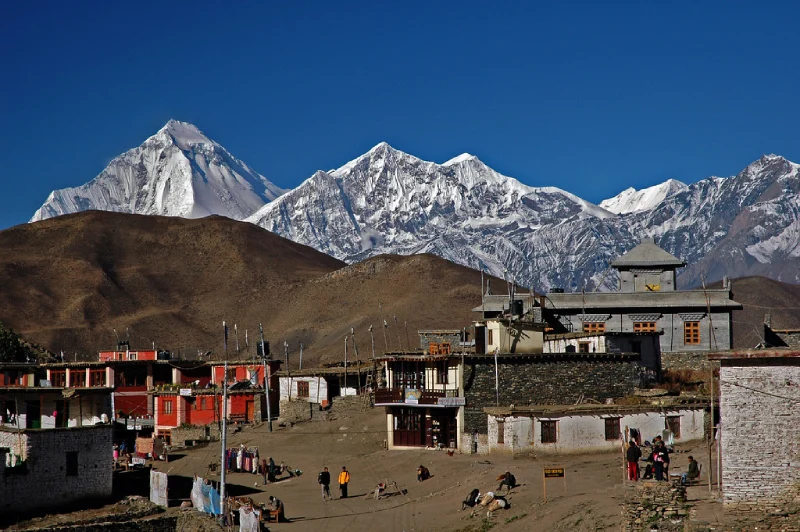
The Autumn season is the most preferred by travelers. The skies become clear after monsoons rain and the mountains like Dhaulagiri and Annapurna appear clearly. Daytime temperatures are very pleasant throughout this season.
Winter (December to February)
The winter season is very cold. Night temperature at Muktinath falls way below zero degree Celsius and there may be snow or ice on the road. Jeeps may sometimes wait for favorable conditions. But the view would be quite clear with no crowds around which provide an excellent sightseeing experience. Make sure the road condition and availability of temple.
Road condition and Jeep Travel Information
The Jomsom Muktinath Jeep Tour is a real mountain tour through winding roads. It is important to be aware of what kind of journey awaits you since the road constantly changes.
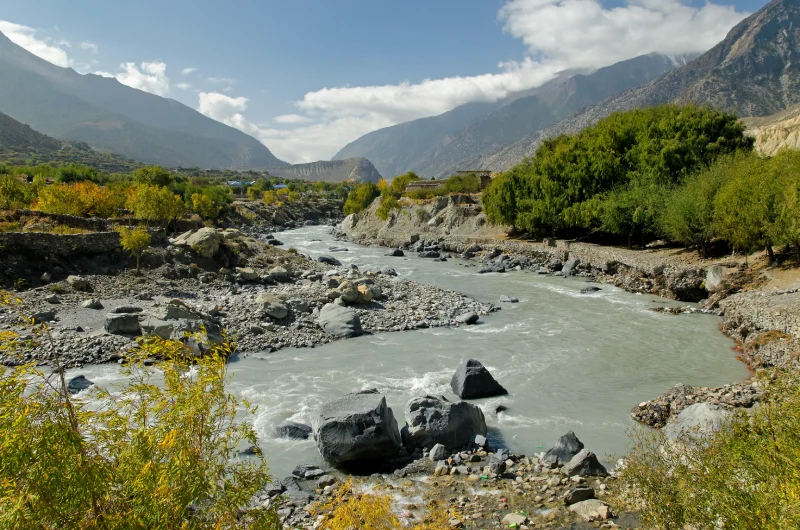
First part of the journey from Pokhara to Beni includes paved road which are smooth. Then the road becomes inconsistent. Paved road turns into rough ones covered by gravel, stones, and potholes and dry season make dust appear quickly while rainy one creates slippery mud.
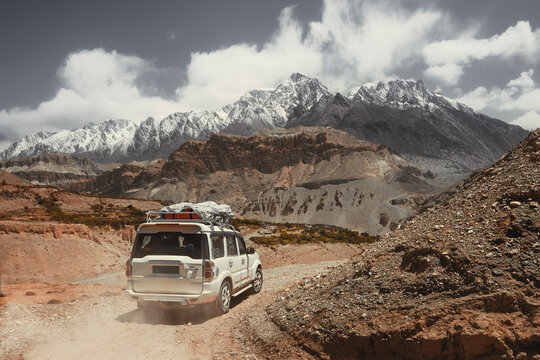
That is why 4WD vehicle will suit you perfectly for the Kali Gandaki Road as you will have to climb hills, cross rivers, drive on uneven and slippery surface. Our drivers are well acquainted with all the curves of the road and regulate the speed depending on the road conditions.
It is also important to know that the weather affects each day of your Jomsom Muktinath Jeep Tour on the road. Landslides caused by heavy rain may occur in the region between Beni and Ghasa, and clearing the road may take hours. Snow and ice make the road near Muktinath slower in winter.
This is why journey times cannot be guaranteed. Pokhara to Marpha takes between 8 to 10 hours, while blocked roads may take even longer. Our Jomsom Muktinath Jeep Tour Itinerary has buffer periods in case there are some minor disruptions that should not spoil the tour. The itinerary is also modified based on your safety.
The jeep reaches very near all tourist sites, but not each site’s doorstep. Once you reach Muktinath, the jeep parks right in front of the temple. You will have to hike up the slope for 20 to 30 minutes along the pavement trail. Alternatively, you can choose to go on horseback.
Who is This Tour Suitable For?
Jomsom Muktinath Jeep Tour is perfect for those who want to enjoy the landscape of Mustang without spending several days trekking.
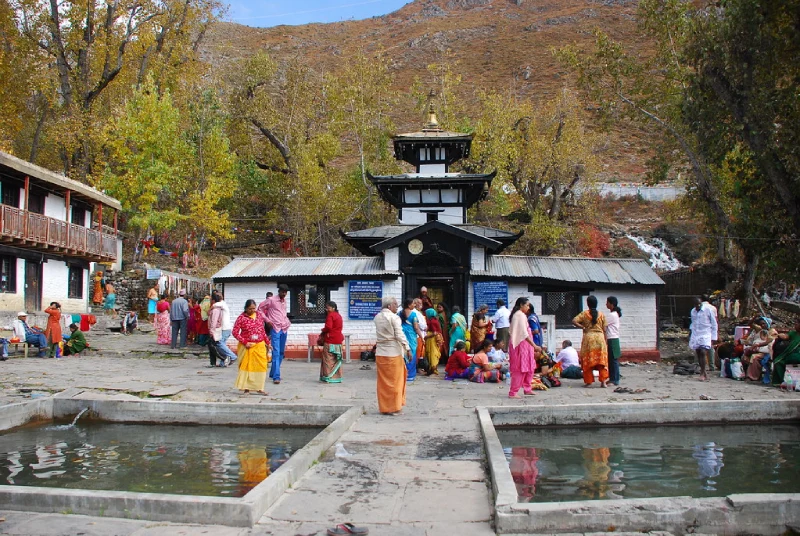
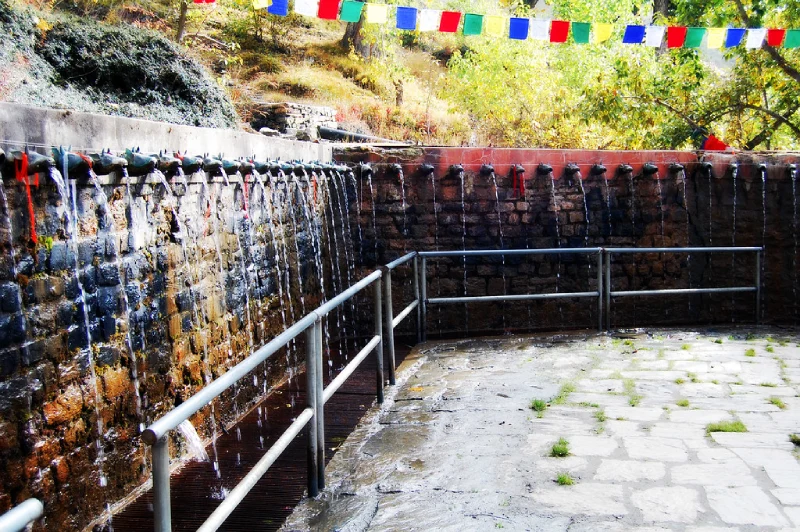
Many of our visitor are pilgrims. Hindu and Buddhist pilgrims visit to take bath in the 108 waterspouts and pray in the temple. The jeep tour will save time and effort so that you could come to the temple relaxed without wasting too much energy.
It is good for families and early tourist too. Trekking remains short and easy going, as walking is easy here, children who don’t complain about the long drives will find it interesting. But it is recommended that you consult your doctor before booking the Jomsom Muktinath Jeep Tour package if any member of your family suffers from heart, lungs or high blood pressure problems.
There are many places for photographers and enthusiasts of the local culture to capture on camera such as orchards of apples in Marpha, traditional homes of Thakalis in Tukuche and the red monastery in Kagbeni.
The Jomsom Muktinath Jeep Tour Package is perfect for first timers in Nepal since all arrangements such as permits, accommodations, and routes are arranged by Epic Trek Nepal, making your experience more relaxing.
This particular trip may not suit those who suffer from extreme motion sickness and also travelers who are looking for luxurious hotels and long treks. If you are such traveler, we have other packages which suit your needs.
Permit and Entry Fee
All traveler participating in a Jomsom Muktinath Jeep Tour require a permit for the Annapurna Conservation Area. The route for Muktinath passes through the conservation area, and there will be checkpoints throughout where you will have to show your documentation.
The primary permit that travelers require is the Annapurna Conservation Area Permit (ACAP). At present, foreign travelers pay approximately NPR 3,000 while SAARC nationals pay a discount amount. Local municipalities along the route also charge for entering their territories. The rates change frequently, so we always check the latest rates before your departure.
There is no need to arrange a Restricted Area Permit for lower Mustang. All places from Jomsom, Marpha, Kagbeni to Muktinath are within the common ACAP area. Kagbeni is the last place where you do not require any special permit. However, the Upper Mustang starting right after Kagbeni is very expensive and requires a registered agency and guide.
Here’s what we do. You provide us with a photocopy of your passport along with a few passport size photos even before the start of the trip. Then our team arranges your permits. This helps you avoid the long queues for obtaining permits.
Make sure of what the package includes before booking. Our Jomsom Muktinath Jeep Tour Package includes permits arrangements and costs, but there is no entrance fee to the temple itself. Donation to the shrine is optional. Keep some money in small bills for donations and extra expenses such as a horseback ride at Muktinath.
Accommodation and Food
The Jomsom Muktinath Jeep Tour Package accommodate in teahouses and small hotels that are clean and basic. The rooms have twin beds, warm bedding, and shared/attached bathroom facilities depending on the village.
Marpha, Jomsom and Kagbeni provide a better selection of lodge accommodations with attached bathrooms and shower facilities. In Muktinath, there are fewer places to sleep, so rooms are simpler, nights are colder. No heating in bedrooms, so take a warm sleeping bag. Sometimes there are failures in water supply and electricity even in the winter season.
The food will be wholesome and easily available. Dal Bhat is the common meal, and the tea houses do not charge for refills. You can order Momos, noodle soup, fried rice, pasta, and pancakes among others. For breakfast, you may get eggs, porridge, or Tibetan bread with honey.
Marpha is known for its apples. You can have fresh apple pie, dried apple pieces, and apple brandy (if you drink alcohol). You can also try the meals made in Thakali style in both Tukuche and Jomsom.
Eat only freshly prepared foods and avoid raw salads at altitude. Make sure that you always drink purified water. Most accommodations offer bottled water, but a reusable bottle with purification tablets would be better for the environment.
If you have special requirements concerning food, tell us before booking. Our guides will make sure that all lodges know about your requirements and prepare proper meals during the Jomsom Muktinath Jeep Tour.
What to Pack
Good packing can help you make your Jomsom Muktinath Jeep Tour more comfortable. The weather is warm in Pokhara but very cold at Muktinath. Therefore, layer will be important when it comes to packing. Pack light since jeep space is small, and the soft duffel bag will fit perfectly.
Clothing: Get a down jacket, a fleece jacket, and wind resistant jacket. Put on some thermal layer underneath, several t-shirts and comfortable pants. The wind in Mustang is strong, so buff or scarf will be useful. For winter trekking, carry insulated gloves and a wool cap too.
Footwear: Make sure you get a good pair of shoes that have good traction on rocky trails and steep climb to the temple.
Health and Comfort: Bring sunblock, sunglasses, lip moisturizer and a cap. The sun is harsh up there. Don’t forget any medications of your own as well as motion sickness pills, water purification tablets, and some basics for first aid.
Additional necessities:
- Passport, copies, and passport-sized pictures
- Some money in Nepalese rupees
- A power bank and charging cable because there are frequent power outages
- Reusable water bottle
- A small daypack for each day
- Travel pillow for the long drives
Keep valuables and extra clothes with you at the Pokhara hotel if possible. You may get facilities to store them under your Jomsom Muktinath Jeep Tour Package.





 Share
Share