Difficulty Level
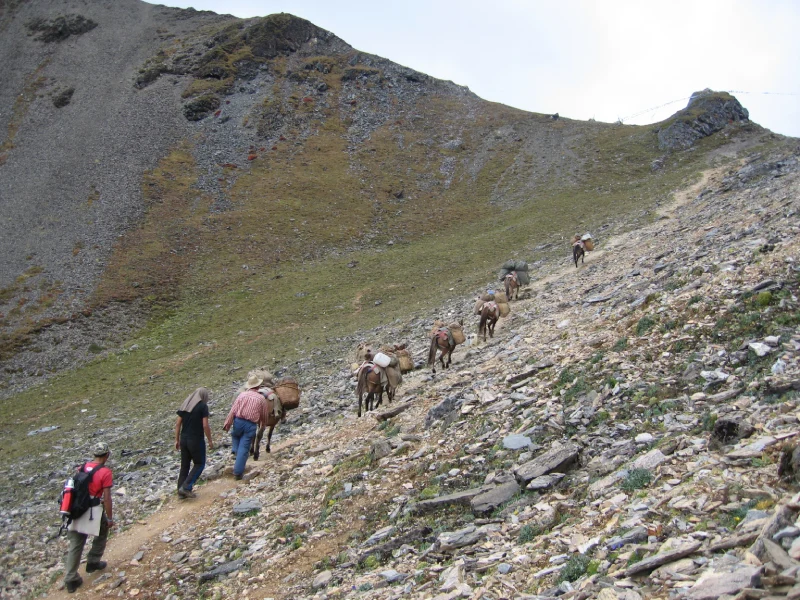
Jumolhari Trek is a moderate to difficult trek, and this trek truly earns its recognition. During the trek, you will spend 5 to 7 hours walking each day which seem normal, but this is done along with uneven mountain paths with constant up and down slopes. Sometimes there is a steep ascent through a forest area, while at other times, it may be ascent through rugged rocky areas that will slow you down.
This difficulty becomes even harder when you reach altitude sickness level. After the area of Thangthangka till Jangothang, there is a great rise in the altitude levels, and air starts thinning as well. It is the very reason why acclimatization becomes an important part here.
Since altitude can be different to each individual, it’s always recommended to take the warning seriously. Persistent headaches, dizziness, nausea or even shortness of breath may be symptoms of altitude sickness and attempting to ignore these can be very dangerous. To avoid this, moving at slow pace and drinking enough water can help cope with the thinning air.
So, who exactly is suited for the trek? Those who have trekked before will find this route fairly easy to complete and extremely rewarding. For beginners who are fairly fit, the route is doable, but they have to train before the trek and need to be prepared mentally to face the physical demands each day. The only people who need to avoid this trek are those who have any kind of existing heart, lung or blood pressure problems, and first timer without any training.
Preparation for Jumolhari Trek
Preparing for Jumolhari requires month of planning ahead even before arriving in Paro. Everyone first priority should be physicality focusing on cardiovascular activities such as hiking, cycling or running that can help build stamina and endurance to be able to hike for several consecutive days.
Altitude is something that is difficult to train for, but being careful about it can make things easier. It is crucial to know more about altitude sickness, how it can affect you as well as its symptoms and how to prevent them. If you have any experience in high-altitude trek, it will definitely help you during Jumolhari Trek in Bhutan.
Proper packing can also contribute immensely to your trekking experience. Layering clothes are a must as the temperature can change greatly from mild to freezing depending on whether you are walking through the valley or near the passes. Your priority list should include a cold weather sleeping bag, proper hiking boots and raincoat.
Do not forget about the documentation, as well. Most nationals will need a visa together with the Sustainable Development Fee, while the permits for your trekking will be sorted by the Epic Trek Nepal. Getting everything in order in advance will definitely prevent any stressful moments.
You may also find it helpful to carry your own first-aid kit, some protection from the sun, and all the medicine that you might need, because the number of health facilities decreases after you start trekking.
This will not make the Jumolhari Trek easy, but certainly a lot of fun!
Best Time for Jumolhari Trek
Spring (March to May)
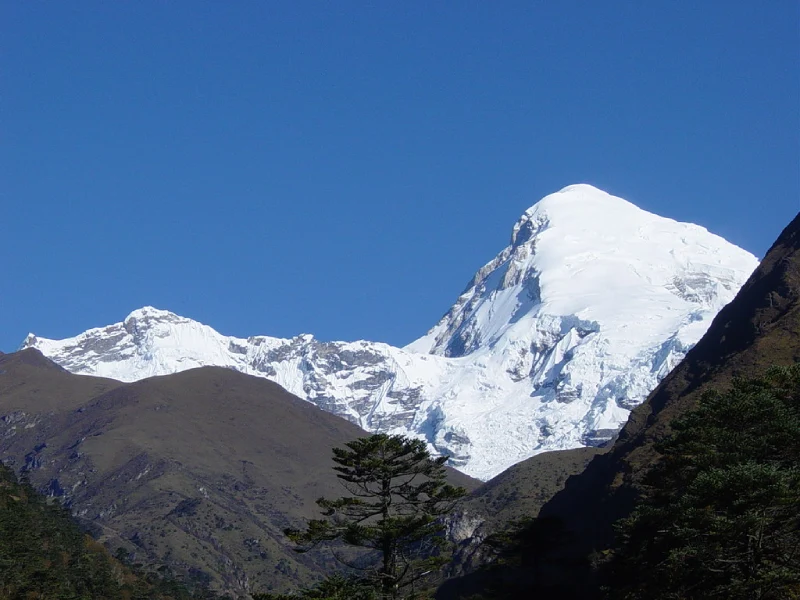
The spring season, which begins from March till May, is the most ideal time to undertake this trek. During this time, the weather remains quite pleasant, with clear skies providing good visibility of the mountain including Jomolhari. The temperatures remain comfortable at the lower elevations even though the nights become quite cold up in the high elevations.
Autumn (September to November)
Autumn is another best time that offers quite visibility after the monsoon rain clear all the dust and clouds, with the skies remaining clear for several days offering clear views of the mountain peaks. The weather remains quite steady, with little precipitation, and the atmosphere remains cool and dry throughout this period.
Monsoon (June to August)
Monsoons bring heavy rain throughout the country of Bhutan including on the trekking route. Trails will be muddy and slippery, and leeches will populate lower part of the forest and clouds will mostly cover the mountain views.
Winter (December to February)
The winter season (Dec-Feb) experiences a severe cold climate especially in higher areas such as Lingshi and even beyond the passes. It is possible that snow will be too much for the tracks to become impassable.
Based on Bhutan’s practical situation, the best seasons to undertake the Jumolhari trek would be spring and autumn because they have stable climatic conditions with no cloudiness in the mountains.
Accommodation
The accommodation in this trek is divided into two types: first part is in comfortable 3-star hotel, and second part is during the trek in tented camp.
At Paro and Thimphu, you will stay at 3-star comfortable hotel. These are the normal accommodations for any organized tours in Bhutan, offering a comfortable bed, private toilets, hot shower and bathroom giving you a real chance to have adequate rest before and after your trekking. These hotels have facilities such as WiFi, heating, and shower facilities.
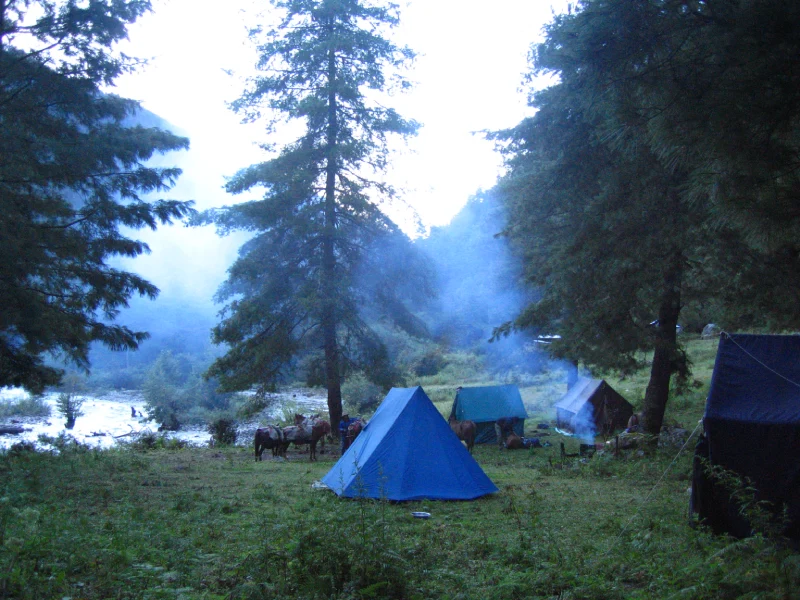
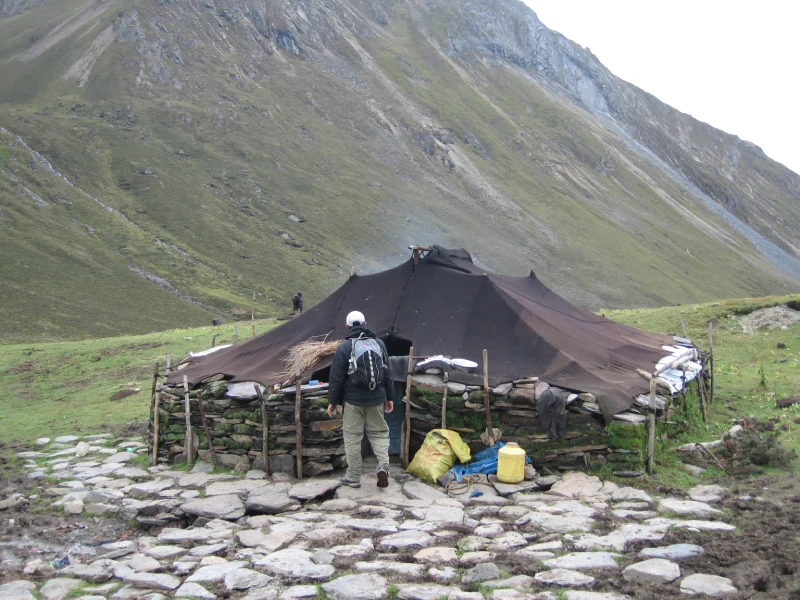
Once the trekking starts, the accommodation shift to tent camping because there is no accommodation facilities after leaving the city area. It would be better to understand what you will get there as well. Two people will share a tent with a sleeping mat, but you need to have a good sleeping bag.
A separate dining tent is built that provides the place for meals away from the wind and cold. Your team will put up the camp in the afternoons before your arrival and pack it in the mornings.
The toilets will be very basic, just a separate toilet tent without running water and no other infrastructure in place due to the remoteness of the trekking route. There will be provision of hot water to wash with at night, but hot shower facilities will not be available beyond the cities.
It is basic camping but that is precisely what makes the trekking in remote parts of Jumolhari Trek possible.
Food and Drinking water
The food during this tour will depend on whether you are staying in the city or out in the trekking area. The meals will be provided at your hotel or at local restaurants where breakfast will normally be provided and lunch and dinner will consist of Bhutanese and other continental cuisine.
Once you start trekking, the team will take care of cooking meals. Breakfast will normally have porridge, eggs, toast and tea/coffee before the start of each day’s trek. Lunch will normally consist of rice, noodles or soup.
Dinner will be the heartiest meal after hours of walking in the rough terrain, meal consisting of a mixture of traditional Bhutanese food such as ema datshi together with internationally food such as pasta and fried rice will be very satisfying. Vegetarian meals will be also served in the hotels as well as the campsites, so there will be no problems with food.
Beverages such as tea and coffee can be found throughout the tour, particularly important after altitude rises and temperatures fall. The water will always be boiled or filtered by the crew on the trek, although you can also carry some water purifying tablets or filter for further security.
Permits and Trekking Requirements
Trekking in Bhutan is one of the most strictly controlled in the world, and all tourists who want to visit this beautiful country should comply with the strict regulations and follow all rules carefully. As for the Jumolhari Trek, there is no exception from the rule, and a tourist needs to obtain a visa as well as to pay the Sustainable Development Fee that will be used for conservation projects and welfare programs in the country.
This trail is located within Jigme Dorji National Park where a special trekking permit is necessary. The park is a habitat for various animals including rare species like snow leopards and blue sheep, and permits are issued to limit the number of people entering the territory annually.
There are some places which come under Tibet restricted area guidelines, we make sure to sorts out the clearance for you beforehand. There will be no need for you to make any other arrangement.
The documents that you will require are a valid passport, visa authorization, travel insurance, and passport photographs.
Fees, visas, and permits tend to change every year, so Epic Trek Nepal gets in touch with the Bhutanese authorities every time and finds out all the current requirements so that you do not end up paying old rates.
Responsible Trekking for Bhutan Jumolhari Trek
The Jumolhari Trek in Bhutan offer glimpse of some of the most untouched wild areas and culturally rich places and that is why all trekkers must have an important role not to mess with anything.
Proper management of garbage is the first step. During your trek, team will handle most of the cleaning process in the camp, but personal trash such as wrapping papers and used batteries should be carried out by yourself. Not using any plastic at all, especially water bottles, is another way of reducing garbage in the wilderness areas.
Respecting local communities is a must when traveling on the Jumolhari Trek. These are very traditional societies, so it helps if you ask permission to take pictures, dress appropriately, and greet the locals.
This trek goes through Jigme Dorji National Park, where one can see snow leopards, blue sheep and other wildlife. By sticking to the designated trails, it helps preserve the delicate alpine flora and prevents any harm to the animal’s habitat. Even stepping off the trails to get a better photo is not worth the damage done to the environment.
Monasteries and religious places of Bhutan require special attention. By removing shoes when necessary, by talking quietly, and by following the instructions of your guide regarding proper behavior, you show respect to places which are very important spiritually to the Bhutanese people.
Trekking responsibly is not only the way to save yourself from trouble; it is the reason why this trek is worthwhile to other tourists who will follow after you.
Travel Insurance
This Jumolhari Trek is not like other Bhutan sightseeing tour as it involves real trekking in remote and high-altitude areas, so travel insurance is a must before undertaking the trek.
When choosing your travel insurance policy, make sure that trekking up to 5,000 meters in altitude is included because there will be parts of the Jumolhari trek that will take you beyond this point. As many usual travel policies do not cover such kinds of treks, so please check this point.
Proper emergency medical treatment and evacuation services are important too, because in case you suffer from altitude sickness or any other kind of injury, it may require immediate evacuation from places like Lingshi and Jangothang.
Trip cancellation and interruption insurance will also save your money as you have invested a lot while planning your trip to Bhutan. Other than that, you should seek protection in case of lost baggage, delays in flights, and loss of personal property.
Epic Trek Nepal does not provide any kind of insurance plans, but we assist our clients find suitable insurance plan, trekking at high altitudes. Just contact us and we will handle it.





 Share
Share