Difficulty and Climbing Experience
Pisang peak climbing is an intensive adventure. It is the combination of peak climbing and trekking which requires good fitness and positive mindset. Here are some things to consider.
Difficulties of Trekking
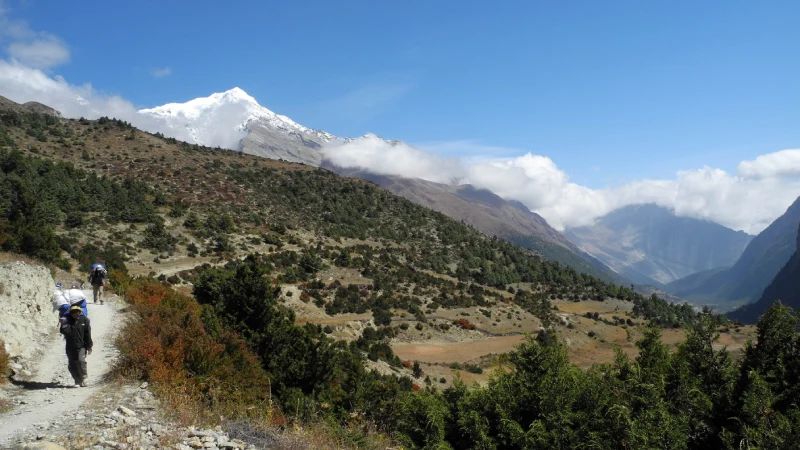
Most trekking days take around five to seven hours, but some days will be longer, particularly as you traverse the Thorong La pass. You ascend and descend steep slopes through rocky paths which pressures your knees and thighs.
Altitude is the major difficulty. Most sleeping nights involve sleeping in areas higher than 4,000 m. The highest point you will go up in the Pisang Peak Climbing itinerary is over 6,000 m and, in that altitude, headaches, loss of appetite, and insomnia are common. Therefore, you should walk at a moderate pace, keep hydrated, and inform your guide immediately.
Weather can change quickly in the mountains. It means that you can start the day in sunny weather and end up walking in the wind and snow.
Climbing Difficulty
The state of snow and ice changes from year to year. Sometimes, there is firm snow on the slope. In other times, it may turn to ice or loose rocks. The guides first examine the route and make necessary modifications.
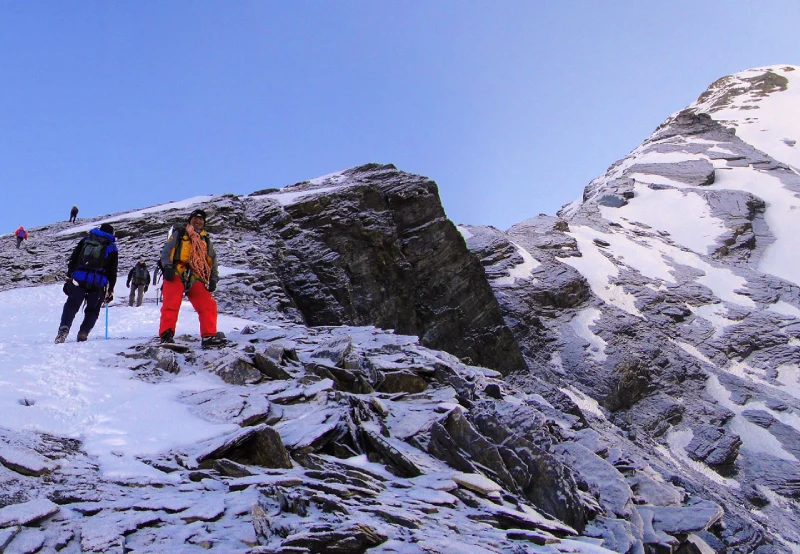
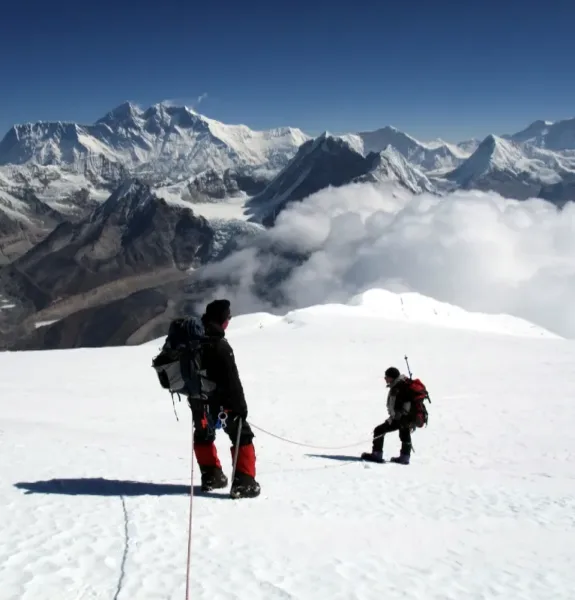
Before the start of the Pisang Peak Climbing journey, learn some basic mountaineering skills. You will need crampons, an ice axe, a harness, and rope for the steeper parts of the climb. It is possible to learn these skills at Base Camp, but practice at home is more effective.
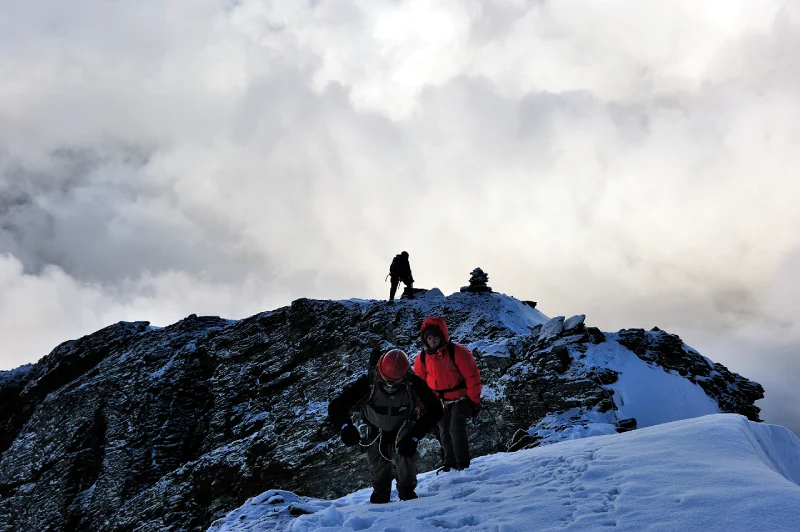
Summit Day is going to be long and challenging. You will spend 6-8 hours in thin air with wind blowing your face at high altitude. Your speed will be slowing down, and each move will require energy.
Past experience in high altitude trekking is also beneficial. The experience of summiting Annapurna Base Camp, Everest Base Camp or any other trek will help you to cope with the Pisang Peak Climbing. You should start your preparation about 3 to 4 moths before the trip with some hills climbs, cardio and leg strength exercises.
Best Time for Pisang Peak Climbing
Spring (March to May)
The Spring season is characterized by warm days and blooming rhododendron at lower parts. It remains cool at High Camp in the morning, but it generally provides warm climate. Visibility is clear for most of the trekking days however cloud may appear in May, so it is best to go for Pisang peak climbing in the middle of spring season.
Autumn (September to November)
The Autumn season is the most popular time to visit the mountain. The skies become clear after the monsoon and the mountain views are exceptionally sharp. The snow condition is stable throughout autumn but expect busier trails and crowded teahouses. It becomes colder in November, especially at nights.
Winter (December to February)
Winter is characterized by cold and peaceful conditions. The temperature at Base Camp and High Camp drops below freezing at nighttime. Heavy snowfall may occur and block the route, while Thorong La may close due to heavy snowfall. Some lodging facilities also do not operate during winter.
Monsoon (June to August)
While the Annapurna side is in the rain shadow area, there can be problems with clouds and rain. Landslide can make the trek to Besisahar blocked and delay in flight can occur while the wet terrain can make trail slippery.
Permit for Pisang Peak Climbing
There are some required permits that should be arranged for Pisang Peak Climbing. u will be climbing through a restricted climbing area and protected conservation area; therefore, every permit counts.
Pisang Peak Climbing Permit
This permit is issued by Nepal Mountaineering Association (NMA). As Pisang Peak is enlisted under NMA Trekking Peaks, this permit will be only obtained from a registered agency. The cost of the permit varies according to season, so it will be costlier in peak season (spring and autumn) than winter and monsoon season.
This permit covers your whole walk within the Annapurna region which is issued by the Annapurna Conservation Area Project and the money collected through this process goes towards the maintenance of trails and communities living around the trails.
Local Registration and TIMS
In addition to that, trekkers also need to be registered with the local municipal council in Manang region. In some areas, TIMS cards are either removed or replaced. Rules change rapidly, so we verify what applies to your trip.
Required Documents
You need a passport, two passport size photos and a Nepal visa that is still valid. Insurance should include coverage for altitude trekking and evacuation by helicopter up to 6,100 meters. Make sure you carry duplicates of all documents with you in your daypack.
Latest Requirements
The permit requirements and charges keep changing. Epic Trek Nepal will get the latest information before departure, so that you never come across any surprise at a check post.
Food and Accommodation
The Pisang Peak Climbing includes teahouse trekking combined with camping. Depending on the altitude, the level of your comfort changes, so here’s what you need to know.
During the Trek
While on the trek you will stay in tea houses and lodges situated on the Annapurna Circuit route. Rooms are basic, twin-sharing with two single beds, blankets and pillows. In most cases, bathrooms are common. Hot showers and charging stations in lodges cost extra and the higher the altitude, the more expensive they get.
Meals include food served by the lodge, which features its own menu. The staple food for locals is dal bhat and it comes with unlimited refills. Apart from that, you can order noodles, fried rice, momos, pasta, pancakes, eggs and porridge. Manang even has bakeries and coffee shops.
In our Pisang Peak Trek package, you get three daily meals and tea/coffee included in the price.
During the Climb
Teahouse accommodation for Pisang Peak Climbing ends at Upper pisang, so you will stay at tent like Base Camp and High Camp. Your crew will set up the tent for sleeping, eating and toilet. During the tent stay, two trekkers will share each sleeping tent, and we will provide the sleeping mattresses.
There are always a chef and kitchen support staff with you who will cook fresh meals for you like soup, pasta, rice and vegetables and all your camping equipment and food will be carried by your porters and you carry your day pack.
Safety and Emergency Support
The priority of any Pisang Peak Climbing expedition is safety. The peak is a trekking peak, but the danger of altitude, snow, and weather conditions cannot be underestimated.
Guide, Weather and Route Checks
Your expedition has a licensed climbing guide. He carries a first aid kit, checks your health daily and decides whether to proceed or turn back. His decision is always final, even close to the summit.
Guides check weather forecast before each ascent from Base Camp. Also, they evaluate snow, ice, rockfalls and winds on your route. If they think that it’s not safe to go ahead, your climb will be delayed or postponed.
Acclimatization
The route ascends gradually. As part of our Pisang Peak Climbing Itinerary, there is an acclimatization day at Upper Pisang and one rest day at Manang. Guides control your oxygen levels and symptoms and if you have any signs of serious altitude sickness, you will be descended immediately.
Communications
Guides maintain communication with our office in Kathmandu. There is no mobile coverage everywhere, so we use the best possible method in each area.
Evacuation in Case of Emergency
In case of illness or an accident, the guide will give first aid, and coordinate descent. Guide will also coordinate with your travel insurance company and rescue services.
Helicopter evacuation is an option if there is a medical necessity, but the weather and the flight conditions determine whether a helicopter will be able to take off.
Travel Insurance and Extra days
Travel insurance is a must for Pisang Peak Climbing. The insurance plan should cover hiking up to 6,100 m elevation and helicopter evacuation in case of emergencies. Most standard policies don’t cover peak hiking, so check yours before purchasing.
It would also be advisable to have extra one or two days included into the Pisang Peak Trek itinerary. Weather conditions may cause delays in climbing or in flying back to Jomsom.





 Share
Share